
Introduction to Advanced Filtration Systems
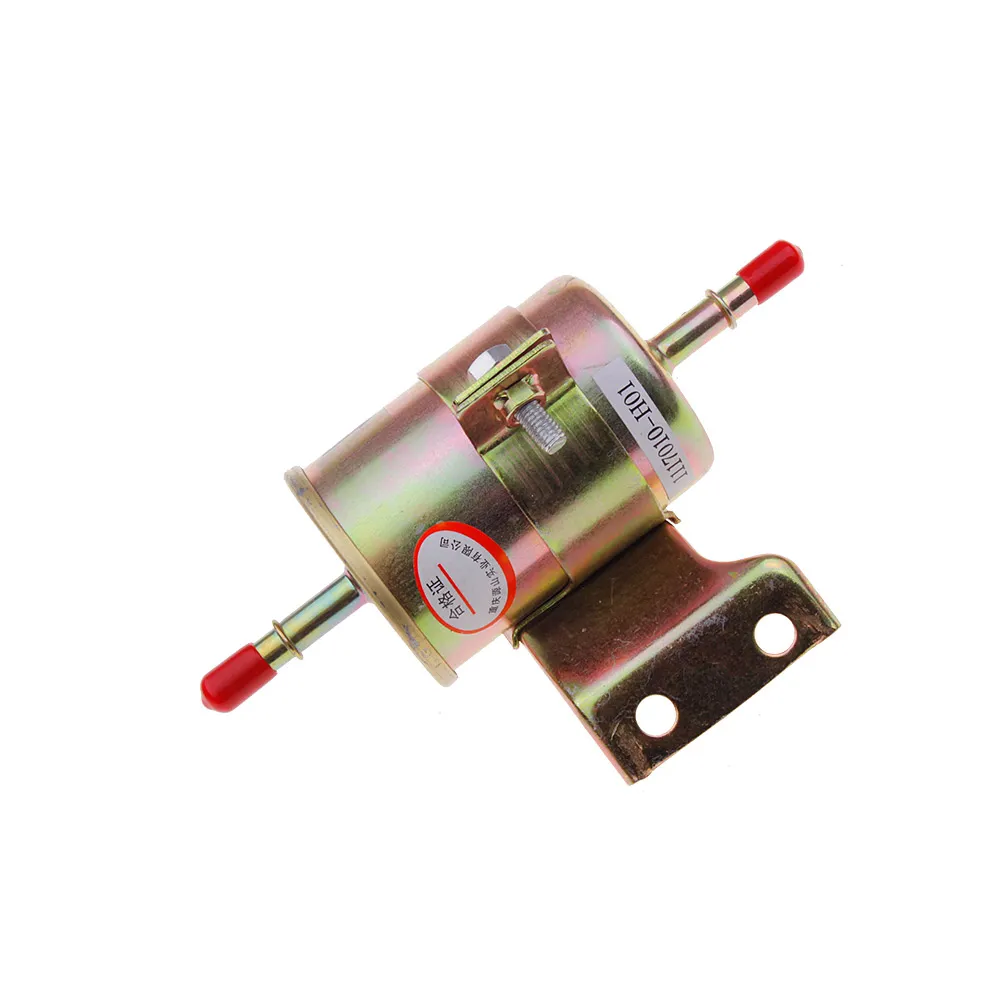
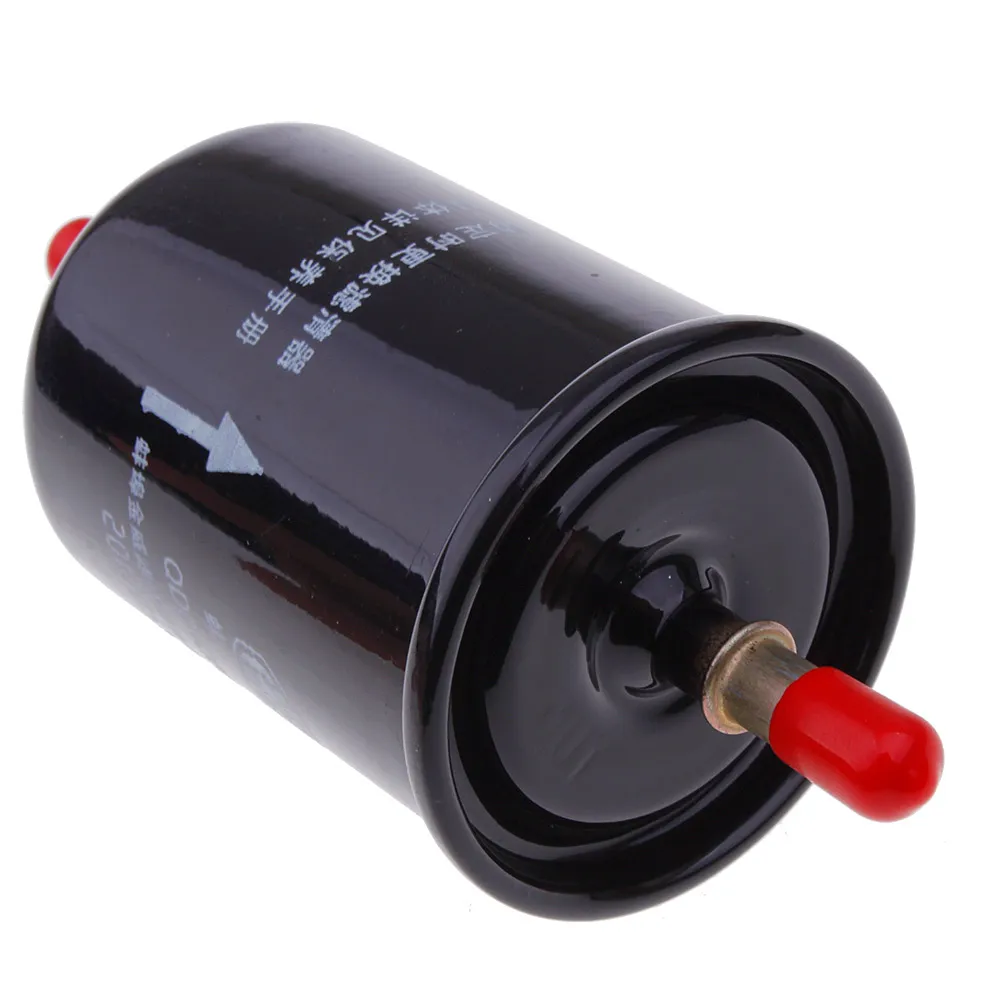
In the rapidly evolving automotive industry, the performance and longevity of internal combustion engines and modern fuel injection systems are critically dependent on the integrity of their filtration components. High-quality automotive filters are not merely accessories but essential protective devices that safeguard intricate engine mechanisms from harmful contaminants. This comprehensive overview delves into the specifics of advanced filtration technologies, focusing on their design, manufacturing, application, and the significant advantages they offer B2B clients in maintaining fleet efficiency and reducing operational costs. We will explore the nuances of products such as the car fuel filter, examining its critical role, diverse applications, and market trends.
The global demand for superior filtration solutions is driven by stringent emission standards, the advent of sophisticated engine designs, and the necessity for enhanced fuel efficiency. Manufacturers are increasingly seeking reliable, high-performance car fuel filter solutions that can handle diverse fuel qualities and extreme operating conditions. Understanding the technical intricacies, material science, and rigorous testing involved in producing these components is paramount for industry professionals.
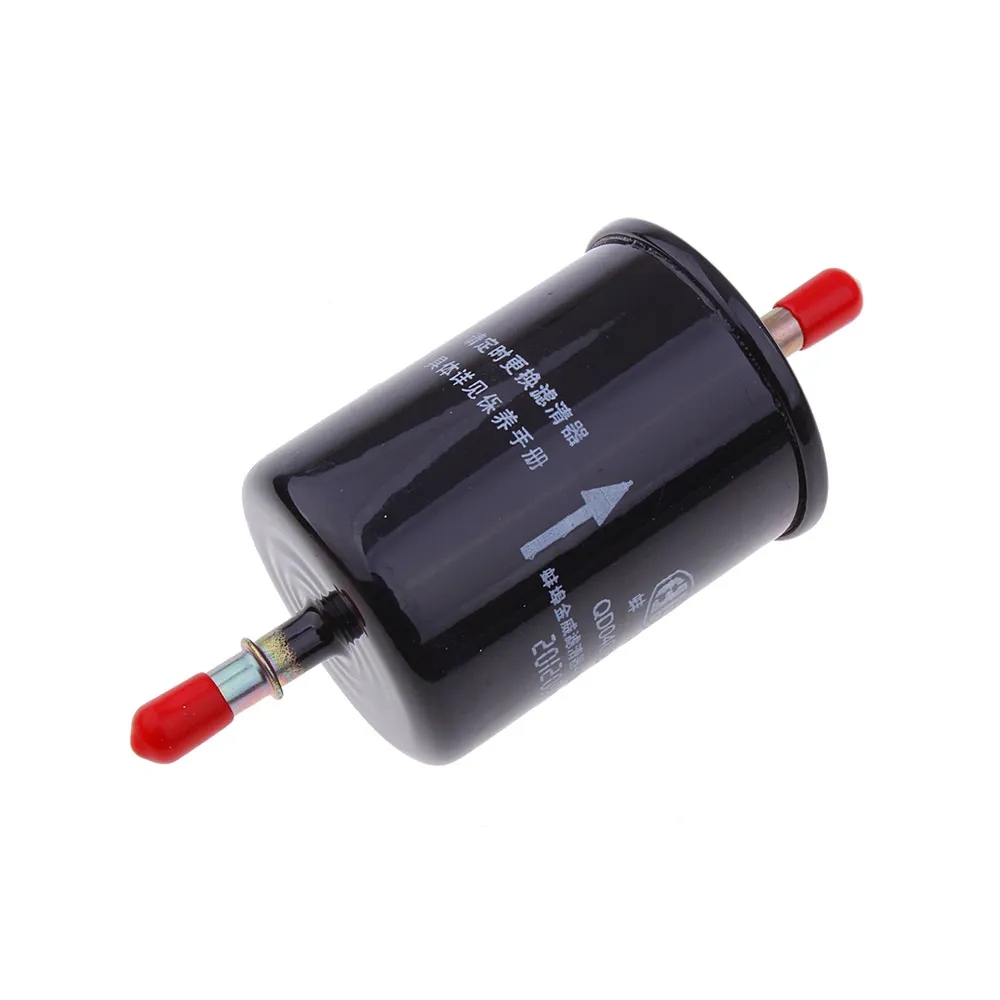
Manufacturing Process of High-Performance Automotive Filters
The production of high-performance automotive filters is a multi-stage process that combines precision engineering, advanced material science, and stringent quality control. Each step is crucial in ensuring the filter meets the demanding specifications required for modern automotive applications. Our manufacturing protocol adheres strictly to international standards, ensuring consistent quality and performance.
Detailed Process Flow:
1. Material Selection & Preparation
Selection of high-grade filter media (cellulose, synthetic fibers, blended media) optimized for specific filtration efficiency and flow rates. Housing materials (steel, aluminum, high-strength polymers) are chosen for corrosion resistance and durability. Raw materials undergo rigorous incoming quality inspection based on ISO 9001 standards.
2. Media Pleating & Forming
The filter media is precisely pleated using advanced machinery (e.g., CNC pleating machines) to maximize surface area within the confined space. This step is critical for achieving high dirt-holding capacity and extended service life. Pleat depth and count are precisely controlled.
3. Component Fabrication
Housing components are produced using processes like deep drawing for steel, precision CNC machining for aluminum parts, or injection molding for polymer components. These processes ensure dimensional accuracy and structural integrity. Special coatings are applied for enhanced corrosion resistance, particularly for harsh fuel environments.
4. Assembly & Sealing
The pleated media, end caps, and housing are assembled. Sealing is critical to prevent bypass filtration, often utilizing advanced adhesive technologies and robotic assembly for consistent quality. Gaskets and O-rings are chosen for compatibility with various fuel types and temperatures.
5. Quality Control & Testing
Every batch undergoes stringent testing, including bubble point tests (ISO 4020 for fuel filters), burst pressure tests, flow rate tests, and filtration efficiency tests (ISO 16889). Dimensional checks and visual inspections ensure compliance with design specifications. Products are tested for a service life exceeding typical OEM requirements, ensuring long-term reliability.
6. Packaging & Dispatch
Finished filters are packaged to protect them during transit and storage, preventing contamination before installation. Each package includes clear labeling and installation instructions.
Our car fuel filter products are designed for superior performance in target industries such as automotive manufacturing, aftermarket parts distribution, and fleet management for petrochemical and logistics sectors. The emphasis on high-grade materials and precision manufacturing leads to advantages such as enhanced energy saving through optimal fuel combustion, superior engine protection, and exceptional corrosion resistance against varied fuel compositions.
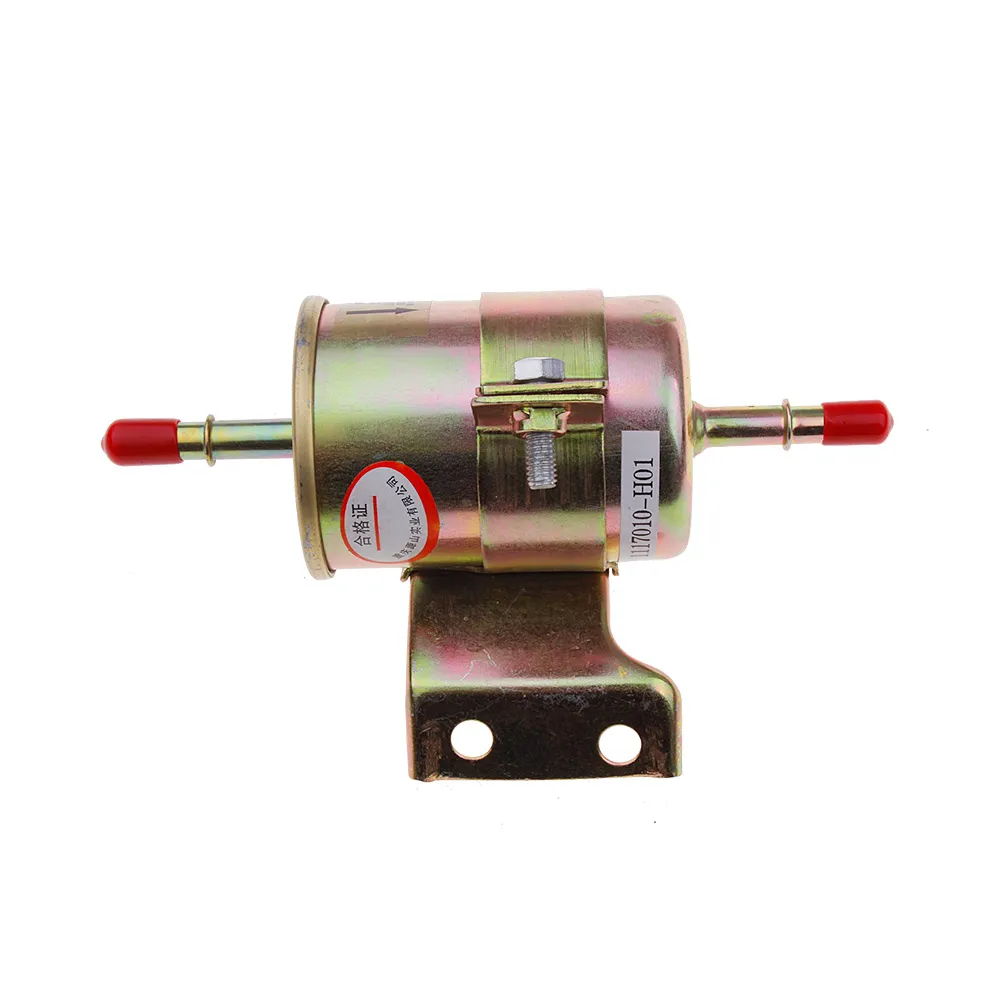
Technical Specifications of Our Car Fuel Filters
Our range of car fuel filter products is engineered to meet and exceed the most demanding technical specifications in the industry. Understanding these parameters is crucial for selecting the right filter for optimal engine performance and longevity.
Key Product Specifications:
| Parameter | Description | Typical Value / Range |
|---|---|---|
| Filtration Efficiency | Percentage of particles removed at a specific micron rating. Measured per ISO 16889. | ≥ 98% at 5-10 microns |
| Micron Rating | Smallest particle size (in microns) the filter is designed to capture. | 2 to 10 microns (absolute) |
| Flow Rate Capacity | Maximum volume of fuel the filter can process per unit of time without excessive pressure drop. | Up to 250 L/h (gasoline), Up to 400 L/h (diesel) |
| Operating Pressure | Recommended and maximum pressure at which the filter can operate safely. | 0.5 - 6.5 bar (standard), up to 15 bar (high-pressure systems) |
| Burst Pressure | Maximum pressure the filter can withstand before structural failure. | Typically > 20 bar |
| Operating Temperature Range | Temperature range for optimal performance and material integrity. | -40°C to +120°C |
| Filter Media Material | Material composition of the filter element. | Synthetic, Cellulose, Multi-layer composites |
| Housing Material | Material for the external casing. | Corrosion-resistant steel, Aluminum, High-grade polymers |
| Service Life | Recommended replacement interval under normal operating conditions. | 30,000 to 100,000 km or 1-2 years |
Our filters are rigorously tested to ensure they meet or exceed these specifications, providing exceptional protection against contaminants such as rust, dirt, and water that can severely damage fuel injectors and pumps. Adherence to ISO/TS 16949 quality management systems guarantees precision and reliability in every product. The design considers factors like an optimal car fuel filter price without compromising performance, offering excellent value.
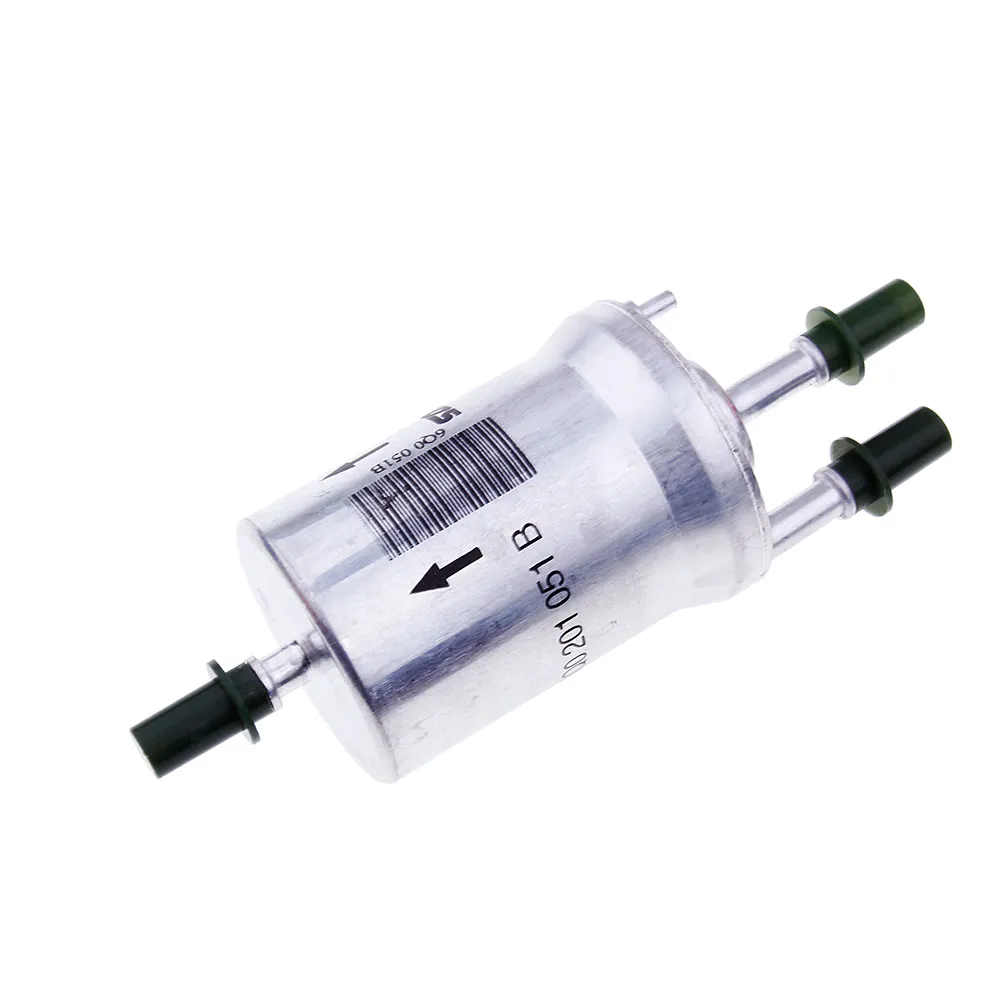
Application Scenarios and Industry Impact
The versatility and critical importance of automotive filters extend across a broad spectrum of applications, ensuring optimal performance and longevity for various vehicle types and operational environments. From everyday passenger cars to heavy-duty industrial machinery, the proper filtration system is indispensable.
Diverse Application Fields:
- Passenger Vehicles: Critical for protecting fuel injection systems (direct injection, common rail) from micro-particles and water. Regular replacement of the car fuel filter ensures peak engine efficiency and reduces costly repairs.
- Commercial Fleets (Trucks & Buses): Subject to demanding duty cycles and often poorer fuel quality, these vehicles require robust filtration. Our filters contribute to reduced downtime and lower total cost of ownership for fleet operators.
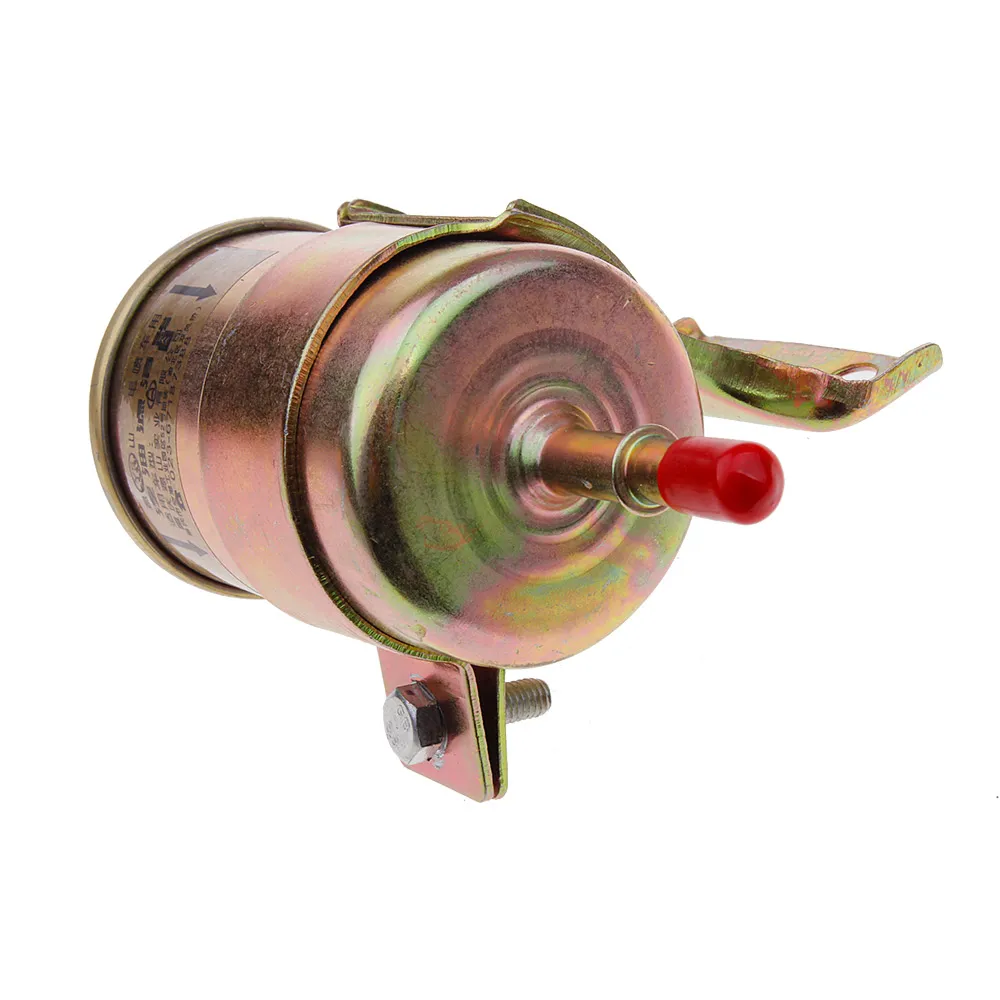
- Off-Highway & Construction Equipment: Operating in dusty, harsh conditions, engines in excavators, bulldozers, and agricultural machinery rely heavily on superior fuel filtration to prevent premature wear and failure. An inline car fuel filter design is often preferred for ease of maintenance in these demanding settings.
- Marine Engines: Filtration is essential to combat water contamination and corrosive elements present in marine fuels, ensuring reliable operation in saltwater environments.
- Generators & Industrial Power Units: Fuel filters protect stationary engines that provide critical backup power or continuous operation, ensuring reliability and long service intervals.
Feedback from our clients consistently highlights improved engine response, extended fuel system component life, and significant reductions in maintenance expenses. For instance, a leading logistics company reported a 15% reduction in fuel injector replacements across their diesel truck fleet after implementing our specialized car fuel filter solutions. The adaptability of our designs means a universal car fuel filter can be configured to suit a wide array of vehicle makes and models, providing supply chain simplification for distributors.
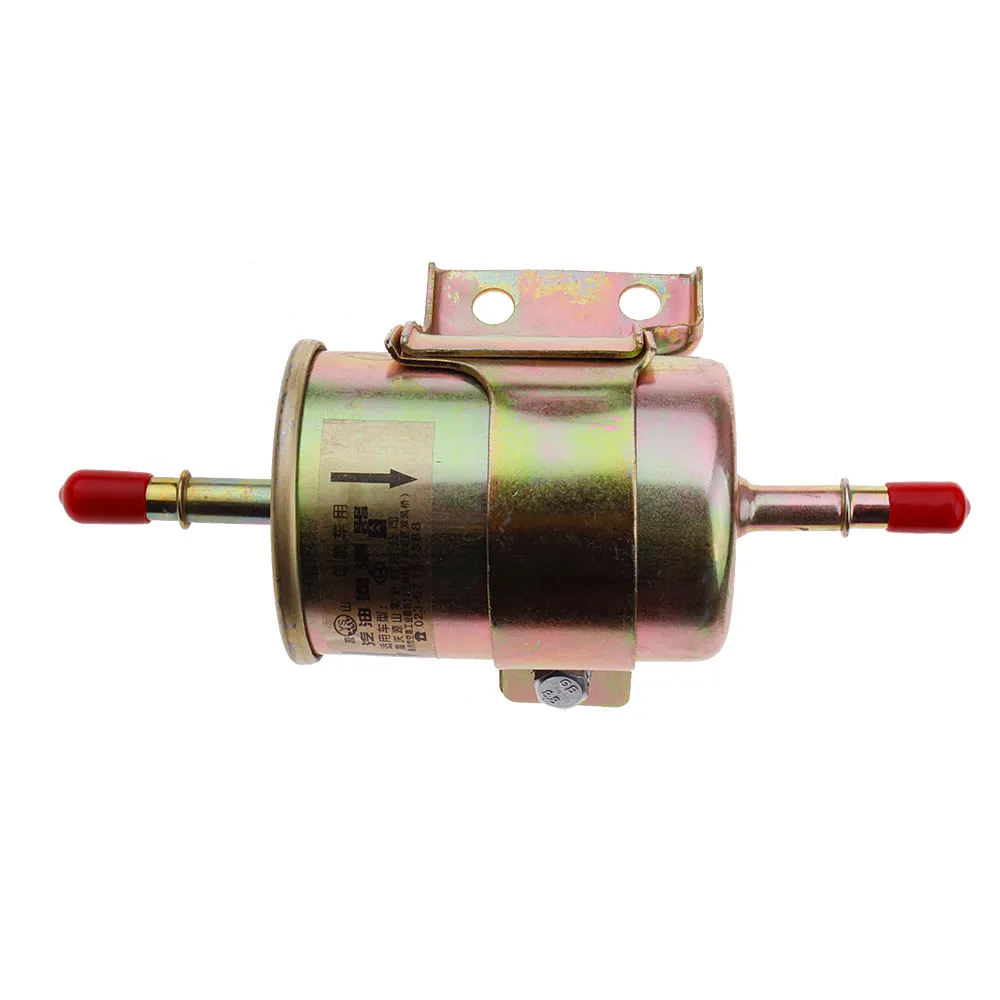
Technical Advantages and Performance Differentiation
Our automotive filters are designed with a focus on delivering measurable technical advantages that translate directly into operational benefits for our B2B partners. We leverage cutting-edge materials and engineering principles to stand apart in a competitive market.
Core Advantages:
- Superior Filtration Efficiency: Utilizing multi-layered synthetic media, our car fuel filter captures significantly more contaminants, often down to 2 microns, surpassing industry averages and protecting even the most sensitive fuel injection components.
- Extended Service Life: High dirt-holding capacity, achieved through optimized pleat geometry and media depth, allows for longer service intervals. This directly reduces maintenance frequency and associated labor costs, providing a superior value proposition beyond just the initial car fuel filter price.
- Robust Construction & Durability: Housings manufactured from high-strength, corrosion-resistant materials (e.g., galvanized steel, anodized aluminum) ensure structural integrity even under extreme pressures and temperatures, protecting against leaks and bursts.
- Optimized Flow Dynamics: Engineered for minimal pressure drop, our filters ensure a consistent and adequate fuel supply to the engine, contributing to optimal fuel combustion and efficiency, which translates to tangible energy saving for fleets.
- Advanced Water Separation: Especially crucial for diesel applications, our filters incorporate advanced media that effectively coalesce and separate water from fuel, preventing critical damage to fuel pumps and injectors caused by rust and microbial growth.
- Chemical Compatibility: Our materials are rigorously tested for compatibility with various fuel types, including bio-diesel blends and alternative fuels, ensuring long-term performance without degradation.
These advantages are not merely theoretical; they are backed by extensive in-house testing and third-party certifications, including compliance with relevant ISO standards. Our commitment to continuous R&D ensures that our filtration solutions remain at the forefront of technological innovation.
Vendor Comparison and Customized Solutions
Choosing the right supplier for automotive filters is a strategic decision that impacts vehicle performance, operational costs, and brand reputation. While numerous vendors offer `car fuel filter` products, significant differentiation exists in quality, support, and customization capabilities.
Vendor Comparison: Premium vs. Standard Filters
| Feature | Premium Car Fuel Filter (Our Offering) | Standard / Generic Car Fuel Filter |
|---|---|---|
| Filtration Efficiency | 98% @ 2-5 microns (absolute) | 80-90% @ 10-20 microns (nominal) |
| Media Material | Multi-layer synthetic, enhanced cellulose, or specialized composites | Basic cellulose or single-layer synthetic |
| Dirt Holding Capacity | High (optimized pleat geometry, greater media volume) | Moderate (standard pleating) |
| Water Separation | Excellent (hydrophobic media, integrated water traps) | Limited or none |
| Housing Durability | Corrosion-resistant steel/aluminum, high burst pressure rating | Standard steel, lower burst pressure |
| Service Life | Extended (up to 100,000 km) | Standard (30,000-50,000 km) |
| Certifications | ISO/TS 16949, ISO 16889, ISO 4020 | Basic manufacturing certification |
| Car Fuel Filter Price (Initial) | Higher | Lower |
| Total Cost of Ownership | Lower (due to reduced maintenance, extended engine life, fuel efficiency) | Higher (due to frequent replacements, potential engine damage) |
Customized Solutions:
We understand that off-the-shelf solutions may not always meet unique operational requirements. Our engineering team specializes in developing customized automotive filters tailored to specific client needs. This includes:
- Bespoke Media Configuration: Tailoring filtration efficiency and dirt-holding capacity for specific fuel types, contaminant profiles, or extreme operating conditions.
- Custom Housing Designs: Adapting physical dimensions, connection types (e.g., specific inline car fuel filter configurations), or material choices for seamless integration into existing vehicle platforms or new engine designs.
- Integrated Sensors: Incorporating water-in-fuel sensors or differential pressure indicators for advanced fleet monitoring and predictive maintenance.
- Private Labeling & Branding: Offering private label manufacturing to support our partners' brand identities while providing our high-quality filtration technology.
Our collaborative design process ensures that customized solutions not only meet technical performance criteria but also optimize overall system efficiency and cost-effectiveness for clients, including those seeking a specialized universal car fuel filter solution for diverse fleets.
Application Case Studies & Client Success
Our commitment to delivering high-performance automotive filters is evidenced by the tangible successes achieved by our partners across various industries. These case studies highlight the real-world impact of superior filtration.
Case Study 1: Heavy-Duty Trucking Fleet
Client: A major logistics company operating a fleet of 500 diesel trucks.
Challenge: Frequent failures of high-pressure fuel pumps and injectors due to sub-standard fuel filtration, leading to unscheduled downtime and high repair costs. Their existing car fuel filter was only achieving 85% efficiency at 10 microns.
Solution: Implementation of our multi-stage diesel car fuel filter system, featuring 99% filtration efficiency at 5 microns and integrated water separation technology. This included specific inline car fuel filter variants designed for easy servicing.
Results: Over a 12-month period, the client reported a 40% reduction in fuel system component failures, leading to a 25% decrease in overall maintenance costs and a significant improvement in fleet availability. Fuel efficiency also saw a marginal but measurable improvement of 2% due to cleaner fuel delivery.
Case Study 2: Automotive OEM Partnership
Client: A renowned automotive manufacturer seeking a partner for next-generation car fuel filter development for their new line of high-performance gasoline engines.
Challenge: The new engine design featured extremely sensitive direct injection systems requiring ultra-fine filtration (below 5 microns) and a compact, high-flow filter solution that could withstand severe pulsation and temperature fluctuations.
Solution: We collaborated to design and develop a custom synthetic media filter with a unique pleat pattern and a robust, injection-molded polymer housing. The solution provided absolute filtration down to 3 microns while maintaining low pressure drop, and was tested to exceed OEM durability cycles.
Results: The custom car fuel filter was successfully integrated into the OEM's new engine platform, contributing to its class-leading fuel economy and long-term reliability. Our filters became a certified OEM part, demonstrating our capability for advanced engineering and production at scale.
Trust and Support: FAQ, Lead Time, Warranty & Customer Service
Building lasting partnerships is founded on trust, transparency, and reliable support. We are committed to providing exceptional service for our automotive filters, ensuring complete client satisfaction from inquiry to after-sales.
Frequently Asked Questions (FAQ):
Q: How often should a car fuel filter be replaced?
A: Recommended replacement intervals vary by vehicle manufacturer and operating conditions, but typically range from 30,000 to 100,000 kilometers or every 1 to 2 years. For heavy-duty applications or in regions with poor fuel quality, more frequent checks and replacements may be advised.
Q: What happens if I don't replace my car fuel filter?
A: A clogged fuel filter can lead to reduced fuel flow, causing engine misfires, loss of power, difficulty starting, and potentially severe damage to the fuel pump and injectors due to strain and contaminant exposure. This significantly increases long-term operational costs.
Q: Are your filters compatible with bio-diesel and alternative fuels?
A: Yes, our filter media and housing materials are selected for broad chemical compatibility, including various bio-diesel blends (e.g., B7, B20) and other alternative fuels. Specific compatibility details are available in product datasheets.
Q: Do you offer universal car fuel filter options for diverse fleets?
A: While true universal fit is rare given diverse vehicle architectures, we offer a wide range of highly adaptable filters and can provide customized solutions to cover a broad spectrum of vehicle types, minimizing SKU count for fleet operators and distributors.
Lead Time & Fulfillment:
We pride ourselves on efficient logistics and reliable delivery. Standard orders for stock items typically have a lead time of 7-14 business days. Customized or large-volume orders will have a lead time mutually agreed upon, usually ranging from 4-8 weeks, depending on complexity and production schedule. We leverage robust supply chain management to ensure on-time delivery globally.
Warranty Commitments:
All our car fuel filter products come with a comprehensive warranty against manufacturing defects. The standard warranty period is 12 months from the date of purchase or 50,000 kilometers, whichever comes first, subject to proper installation and maintenance as per manufacturer guidelines. Extended warranty options may be available for specific partnerships and high-volume clients.
Customer Support:
Our dedicated customer support team and technical experts are available to assist with product selection, technical inquiries, installation guidance, and troubleshooting. We offer multi-channel support including direct phone lines, email, and a dedicated B2B portal for order tracking and documentation access. Our goal is to ensure seamless integration and optimal performance of our filtration solutions for every client.
Conclusion
The importance of high-quality automotive filters, particularly the car fuel filter, cannot be overstated in modern automotive systems. As engines become more sophisticated and environmental regulations more stringent, the demand for advanced filtration solutions will only grow. Our commitment to engineering excellence, rigorous testing, and customer-focused customization ensures that our products provide unmatched protection, efficiency, and long-term value for our B2B partners across all industry sectors. By choosing our filtration solutions, you are investing in the reliability and longevity of your automotive assets.
Authoritative References:
- ISO 16889:2008, Hydraulic fluid power — Filters — Multi-pass method for evaluating filtration performance of a filter element. International Organization for Standardization.
- ISO 4020:2001, Road vehicles — Fuel filters for diesel engines — Test methods. International Organization for Standardization.
- SAE J1839: Fuel Filter Test Procedure for Diesel Engines. Society of Automotive Engineers.
- Noria Corporation, "The Ins and Outs of Fuel Filters," Machinery Lubrication Magazine, 2018.
- Filter Manufacturers Council, "Filtration Basics & Best Practices."
-
Guide on how often do you need to replace engine air filterNewsApr.16,2026
-
Learn how often do you replace air filter in car for engine healthNewsApr.09,2026
-
How Often Do You Replace Car Air Filter For Optimal Engine PerformanceNewsApr.07,2026
-
How Often Do You Replace Engine Air Filter For Optimal Vehicle PerformanceNewsApr.04,2026
-
Understanding How Often Does Engine Air Filter Need to Be Replaced for Optimal PerformanceNewsMar.31,2026
-
How Often Engine Air Filter Change Impacts Performance and LongevityNewsMar.28,2026
-
Understanding How Often to Replace Your Car Air Filter for Optimal PerformanceNewsMar.26,2026
Related Products
Introduction to Advanced Filtration Systems
In the rapidly evolving automotive industry, the performance and longevity of internal combustion engines and modern fuel injection systems are critically dependent on the integrity of their filtration components. High-quality automotive filters are not merely accessories but essential protective devices that safeguard intricate engine mechanisms from harmful contaminants. This comprehensive overview delves into the specifics of advanced filtration technologies, focusing on their design, manufacturing, application, and the significant advantages they offer B2B clients in maintaining fleet efficiency and reducing operational costs. We will explore the nuances of products such as the car fuel filter, examining its critical role, diverse applications, and market trends.
The global demand for superior filtration solutions is driven by stringent emission standards, the advent of sophisticated engine designs, and the necessity for enhanced fuel efficiency. Manufacturers are increasingly seeking reliable, high-performance car fuel filter solutions that can handle diverse fuel qualities and extreme operating conditions. Understanding the technical intricacies, material science, and rigorous testing involved in producing these components is paramount for industry professionals.
Manufacturing Process of High-Performance Automotive Filters
The production of high-performance automotive filters is a multi-stage process that combines precision engineering, advanced material science, and stringent quality control. Each step is crucial in ensuring the filter meets the demanding specifications required for modern automotive applications. Our manufacturing protocol adheres strictly to international standards, ensuring consistent quality and performance.
Detailed Process Flow:
1. Material Selection & Preparation
Selection of high-grade filter media (cellulose, synthetic fibers, blended media) optimized for specific filtration efficiency and flow rates. Housing materials (steel, aluminum, high-strength polymers) are chosen for corrosion resistance and durability. Raw materials undergo rigorous incoming quality inspection based on ISO 9001 standards.
2. Media Pleating & Forming
The filter media is precisely pleated using advanced machinery (e.g., CNC pleating machines) to maximize surface area within the confined space. This step is critical for achieving high dirt-holding capacity and extended service life. Pleat depth and count are precisely controlled.
3. Component Fabrication
Housing components are produced using processes like deep drawing for steel, precision CNC machining for aluminum parts, or injection molding for polymer components. These processes ensure dimensional accuracy and structural integrity. Special coatings are applied for enhanced corrosion resistance, particularly for harsh fuel environments.
4. Assembly & Sealing
The pleated media, end caps, and housing are assembled. Sealing is critical to prevent bypass filtration, often utilizing advanced adhesive technologies and robotic assembly for consistent quality. Gaskets and O-rings are chosen for compatibility with various fuel types and temperatures.
5. Quality Control & Testing
Every batch undergoes stringent testing, including bubble point tests (ISO 4020 for fuel filters), burst pressure tests, flow rate tests, and filtration efficiency tests (ISO 16889). Dimensional checks and visual inspections ensure compliance with design specifications. Products are tested for a service life exceeding typical OEM requirements, ensuring long-term reliability.
6. Packaging & Dispatch
Finished filters are packaged to protect them during transit and storage, preventing contamination before installation. Each package includes clear labeling and installation instructions.
Our car fuel filter products are designed for superior performance in target industries such as automotive manufacturing, aftermarket parts distribution, and fleet management for petrochemical and logistics sectors. The emphasis on high-grade materials and precision manufacturing leads to advantages such as enhanced energy saving through optimal fuel combustion, superior engine protection, and exceptional corrosion resistance against varied fuel compositions.
Technical Specifications of Our Car Fuel Filters
Our range of car fuel filter products is engineered to meet and exceed the most demanding technical specifications in the industry. Understanding these parameters is crucial for selecting the right filter for optimal engine performance and longevity.
Key Product Specifications:
| Parameter | Description | Typical Value / Range |
|---|---|---|
| Filtration Efficiency | Percentage of particles removed at a specific micron rating. Measured per ISO 16889. | ≥ 98% at 5-10 microns |
| Micron Rating | Smallest particle size (in microns) the filter is designed to capture. | 2 to 10 microns (absolute) |
| Flow Rate Capacity | Maximum volume of fuel the filter can process per unit of time without excessive pressure drop. | Up to 250 L/h (gasoline), Up to 400 L/h (diesel) |
| Operating Pressure | Recommended and maximum pressure at which the filter can operate safely. | 0.5 - 6.5 bar (standard), up to 15 bar (high-pressure systems) |
| Burst Pressure | Maximum pressure the filter can withstand before structural failure. | Typically > 20 bar |
| Operating Temperature Range | Temperature range for optimal performance and material integrity. | -40°C to +120°C |
| Filter Media Material | Material composition of the filter element. | Synthetic, Cellulose, Multi-layer composites |
| Housing Material | Material for the external casing. | Corrosion-resistant steel, Aluminum, High-grade polymers |
| Service Life | Recommended replacement interval under normal operating conditions. | 30,000 to 100,000 km or 1-2 years |
Our filters are rigorously tested to ensure they meet or exceed these specifications, providing exceptional protection against contaminants such as rust, dirt, and water that can severely damage fuel injectors and pumps. Adherence to ISO/TS 16949 quality management systems guarantees precision and reliability in every product. The design considers factors like an optimal car fuel filter price without compromising performance, offering excellent value.
Application Scenarios and Industry Impact
The versatility and critical importance of automotive filters extend across a broad spectrum of applications, ensuring optimal performance and longevity for various vehicle types and operational environments. From everyday passenger cars to heavy-duty industrial machinery, the proper filtration system is indispensable.
Diverse Application Fields:
- Passenger Vehicles: Critical for protecting fuel injection systems (direct injection, common rail) from micro-particles and water. Regular replacement of the car fuel filter ensures peak engine efficiency and reduces costly repairs.
- Commercial Fleets (Trucks & Buses): Subject to demanding duty cycles and often poorer fuel quality, these vehicles require robust filtration. Our filters contribute to reduced downtime and lower total cost of ownership for fleet operators.
- Off-Highway & Construction Equipment: Operating in dusty, harsh conditions, engines in excavators, bulldozers, and agricultural machinery rely heavily on superior fuel filtration to prevent premature wear and failure. An inline car fuel filter design is often preferred for ease of maintenance in these demanding settings.
- Marine Engines: Filtration is essential to combat water contamination and corrosive elements present in marine fuels, ensuring reliable operation in saltwater environments.
- Generators & Industrial Power Units: Fuel filters protect stationary engines that provide critical backup power or continuous operation, ensuring reliability and long service intervals.
Feedback from our clients consistently highlights improved engine response, extended fuel system component life, and significant reductions in maintenance expenses. For instance, a leading logistics company reported a 15% reduction in fuel injector replacements across their diesel truck fleet after implementing our specialized car fuel filter solutions. The adaptability of our designs means a universal car fuel filter can be configured to suit a wide array of vehicle makes and models, providing supply chain simplification for distributors.
Technical Advantages and Performance Differentiation
Our automotive filters are designed with a focus on delivering measurable technical advantages that translate directly into operational benefits for our B2B partners. We leverage cutting-edge materials and engineering principles to stand apart in a competitive market.
Core Advantages:
- Superior Filtration Efficiency: Utilizing multi-layered synthetic media, our car fuel filter captures significantly more contaminants, often down to 2 microns, surpassing industry averages and protecting even the most sensitive fuel injection components.
- Extended Service Life: High dirt-holding capacity, achieved through optimized pleat geometry and media depth, allows for longer service intervals. This directly reduces maintenance frequency and associated labor costs, providing a superior value proposition beyond just the initial car fuel filter price.
- Robust Construction & Durability: Housings manufactured from high-strength, corrosion-resistant materials (e.g., galvanized steel, anodized aluminum) ensure structural integrity even under extreme pressures and temperatures, protecting against leaks and bursts.
- Optimized Flow Dynamics: Engineered for minimal pressure drop, our filters ensure a consistent and adequate fuel supply to the engine, contributing to optimal fuel combustion and efficiency, which translates to tangible energy saving for fleets.
- Advanced Water Separation: Especially crucial for diesel applications, our filters incorporate advanced media that effectively coalesce and separate water from fuel, preventing critical damage to fuel pumps and injectors caused by rust and microbial growth.
- Chemical Compatibility: Our materials are rigorously tested for compatibility with various fuel types, including bio-diesel blends and alternative fuels, ensuring long-term performance without degradation.
These advantages are not merely theoretical; they are backed by extensive in-house testing and third-party certifications, including compliance with relevant ISO standards. Our commitment to continuous R&D ensures that our filtration solutions remain at the forefront of technological innovation.
Vendor Comparison and Customized Solutions
Choosing the right supplier for automotive filters is a strategic decision that impacts vehicle performance, operational costs, and brand reputation. While numerous vendors offer `car fuel filter` products, significant differentiation exists in quality, support, and customization capabilities.
Vendor Comparison: Premium vs. Standard Filters
| Feature | Premium Car Fuel Filter (Our Offering) | Standard / Generic Car Fuel Filter |
|---|---|---|
| Filtration Efficiency | 98% @ 2-5 microns (absolute) | 80-90% @ 10-20 microns (nominal) |
| Media Material | Multi-layer synthetic, enhanced cellulose, or specialized composites | Basic cellulose or single-layer synthetic |
| Dirt Holding Capacity | High (optimized pleat geometry, greater media volume) | Moderate (standard pleating) |
| Water Separation | Excellent (hydrophobic media, integrated water traps) | Limited or none |
| Housing Durability | Corrosion-resistant steel/aluminum, high burst pressure rating | Standard steel, lower burst pressure |
| Service Life | Extended (up to 100,000 km) | Standard (30,000-50,000 km) |
| Certifications | ISO/TS 16949, ISO 16889, ISO 4020 | Basic manufacturing certification |
| Car Fuel Filter Price (Initial) | Higher | Lower |
| Total Cost of Ownership | Lower (due to reduced maintenance, extended engine life, fuel efficiency) | Higher (due to frequent replacements, potential engine damage) |
Customized Solutions:
We understand that off-the-shelf solutions may not always meet unique operational requirements. Our engineering team specializes in developing customized automotive filters tailored to specific client needs. This includes:
- Bespoke Media Configuration: Tailoring filtration efficiency and dirt-holding capacity for specific fuel types, contaminant profiles, or extreme operating conditions.
- Custom Housing Designs: Adapting physical dimensions, connection types (e.g., specific inline car fuel filter configurations), or material choices for seamless integration into existing vehicle platforms or new engine designs.
- Integrated Sensors: Incorporating water-in-fuel sensors or differential pressure indicators for advanced fleet monitoring and predictive maintenance.
- Private Labeling & Branding: Offering private label manufacturing to support our partners' brand identities while providing our high-quality filtration technology.
Our collaborative design process ensures that customized solutions not only meet technical performance criteria but also optimize overall system efficiency and cost-effectiveness for clients, including those seeking a specialized universal car fuel filter solution for diverse fleets.
Application Case Studies & Client Success
Our commitment to delivering high-performance automotive filters is evidenced by the tangible successes achieved by our partners across various industries. These case studies highlight the real-world impact of superior filtration.
Case Study 1: Heavy-Duty Trucking Fleet
Client: A major logistics company operating a fleet of 500 diesel trucks.
Challenge: Frequent failures of high-pressure fuel pumps and injectors due to sub-standard fuel filtration, leading to unscheduled downtime and high repair costs. Their existing car fuel filter was only achieving 85% efficiency at 10 microns.
Solution: Implementation of our multi-stage diesel car fuel filter system, featuring 99% filtration efficiency at 5 microns and integrated water separation technology. This included specific inline car fuel filter variants designed for easy servicing.
Results: Over a 12-month period, the client reported a 40% reduction in fuel system component failures, leading to a 25% decrease in overall maintenance costs and a significant improvement in fleet availability. Fuel efficiency also saw a marginal but measurable improvement of 2% due to cleaner fuel delivery.
Case Study 2: Automotive OEM Partnership
Client: A renowned automotive manufacturer seeking a partner for next-generation car fuel filter development for their new line of high-performance gasoline engines.
Challenge: The new engine design featured extremely sensitive direct injection systems requiring ultra-fine filtration (below 5 microns) and a compact, high-flow filter solution that could withstand severe pulsation and temperature fluctuations.
Solution: We collaborated to design and develop a custom synthetic media filter with a unique pleat pattern and a robust, injection-molded polymer housing. The solution provided absolute filtration down to 3 microns while maintaining low pressure drop, and was tested to exceed OEM durability cycles.
Results: The custom car fuel filter was successfully integrated into the OEM's new engine platform, contributing to its class-leading fuel economy and long-term reliability. Our filters became a certified OEM part, demonstrating our capability for advanced engineering and production at scale.
Trust and Support: FAQ, Lead Time, Warranty & Customer Service
Building lasting partnerships is founded on trust, transparency, and reliable support. We are committed to providing exceptional service for our automotive filters, ensuring complete client satisfaction from inquiry to after-sales.
Frequently Asked Questions (FAQ):
Q: How often should a car fuel filter be replaced?
A: Recommended replacement intervals vary by vehicle manufacturer and operating conditions, but typically range from 30,000 to 100,000 kilometers or every 1 to 2 years. For heavy-duty applications or in regions with poor fuel quality, more frequent checks and replacements may be advised.
Q: What happens if I don't replace my car fuel filter?
A: A clogged fuel filter can lead to reduced fuel flow, causing engine misfires, loss of power, difficulty starting, and potentially severe damage to the fuel pump and injectors due to strain and contaminant exposure. This significantly increases long-term operational costs.
Q: Are your filters compatible with bio-diesel and alternative fuels?
A: Yes, our filter media and housing materials are selected for broad chemical compatibility, including various bio-diesel blends (e.g., B7, B20) and other alternative fuels. Specific compatibility details are available in product datasheets.
Q: Do you offer universal car fuel filter options for diverse fleets?
A: While true universal fit is rare given diverse vehicle architectures, we offer a wide range of highly adaptable filters and can provide customized solutions to cover a broad spectrum of vehicle types, minimizing SKU count for fleet operators and distributors.
Lead Time & Fulfillment:
We pride ourselves on efficient logistics and reliable delivery. Standard orders for stock items typically have a lead time of 7-14 business days. Customized or large-volume orders will have a lead time mutually agreed upon, usually ranging from 4-8 weeks, depending on complexity and production schedule. We leverage robust supply chain management to ensure on-time delivery globally.
Warranty Commitments:
All our car fuel filter products come with a comprehensive warranty against manufacturing defects. The standard warranty period is 12 months from the date of purchase or 50,000 kilometers, whichever comes first, subject to proper installation and maintenance as per manufacturer guidelines. Extended warranty options may be available for specific partnerships and high-volume clients.
Customer Support:
Our dedicated customer support team and technical experts are available to assist with product selection, technical inquiries, installation guidance, and troubleshooting. We offer multi-channel support including direct phone lines, email, and a dedicated B2B portal for order tracking and documentation access. Our goal is to ensure seamless integration and optimal performance of our filtration solutions for every client.
Conclusion
The importance of high-quality automotive filters, particularly the car fuel filter, cannot be overstated in modern automotive systems. As engines become more sophisticated and environmental regulations more stringent, the demand for advanced filtration solutions will only grow. Our commitment to engineering excellence, rigorous testing, and customer-focused customization ensures that our products provide unmatched protection, efficiency, and long-term value for our B2B partners across all industry sectors. By choosing our filtration solutions, you are investing in the reliability and longevity of your automotive assets.
Authoritative References:
- ISO 16889:2008, Hydraulic fluid power — Filters — Multi-pass method for evaluating filtration performance of a filter element. International Organization for Standardization.
- ISO 4020:2001, Road vehicles — Fuel filters for diesel engines — Test methods. International Organization for Standardization.
- SAE J1839: Fuel Filter Test Procedure for Diesel Engines. Society of Automotive Engineers.
- Noria Corporation, "The Ins and Outs of Fuel Filters," Machinery Lubrication Magazine, 2018.
- Filter Manufacturers Council, "Filtration Basics & Best Practices."
-
Guide on how often do you need to replace engine air filterNewsApr.16,2026
-
Learn how often do you replace air filter in car for engine healthNewsApr.09,2026
-
How Often Do You Replace Car Air Filter For Optimal Engine PerformanceNewsApr.07,2026
-
How Often Do You Replace Engine Air Filter For Optimal Vehicle PerformanceNewsApr.04,2026
-
Understanding How Often Does Engine Air Filter Need to Be Replaced for Optimal PerformanceNewsMar.31,2026
-
How Often Engine Air Filter Change Impacts Performance and LongevityNewsMar.28,2026
-
Understanding How Often to Replace Your Car Air Filter for Optimal PerformanceNewsMar.26,2026
Related Products