How Often Should You Change the Air Filter in Your Car?
Having spent years knee-deep in the industrial equipment sector, I can tell you that one of the often overlooked but crucial maintenance tasks for vehicles—whether on a factory floor or the open road—is changing the air filter. You’d be surprised just how much a clean air filter influences engine performance and longevity. Frankly, it’s one of those simple fixes that can save you heaps of trouble down the line.
Now, to get straight to the heart of the matter: how often should you change your car’s air filter? The honest answer is—it depends. Manufacturers often suggest anywhere between 12,000 to 15,000 miles as a sweet spot. But if you live in an area with a lot of dust, heavy smog, or frequently drive on dirt roads, you might want to check it sooner—maybe every 6,000 to 10,000 miles.
Why? Well, air filters are designed to trap dirt, dust, and other particles that would otherwise enter the engine. Letting these contaminants pass through can degrade engine oil, reduce fuel efficiency, and generally muck up the combustion process. Oddly enough, some folks don’t realize their car can lose up to 10% of its fuel economy just because the air filter’s clogged.
In real terms, a neglected air filter feels like trying to breathe through a straw. The engine struggles to get the air it needs and compensates poorly. I remember working on industrial filtration systems where the same principle applied—a little clog can cause massive inefficiencies.
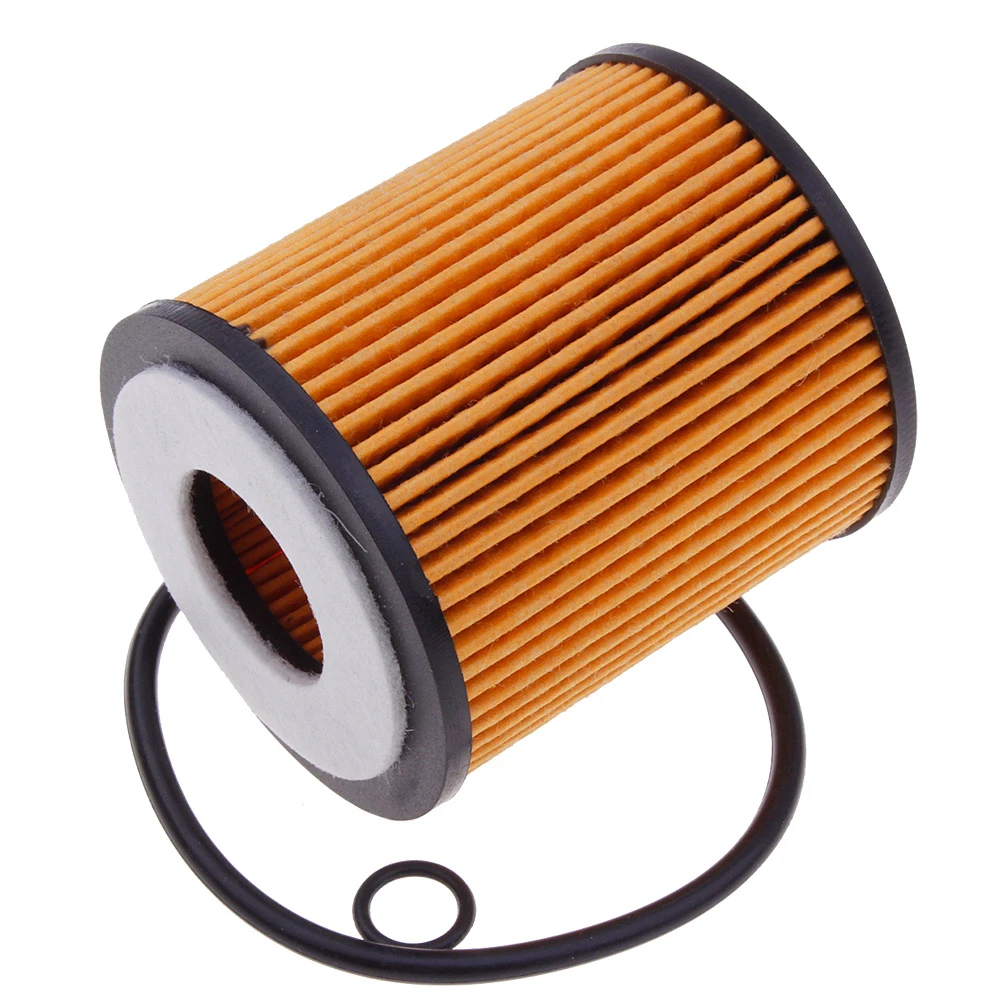
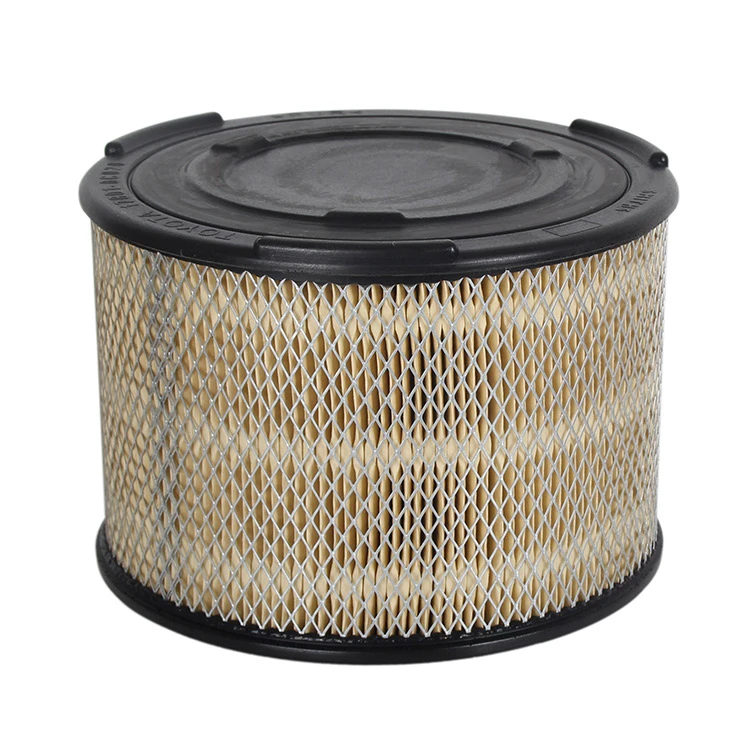
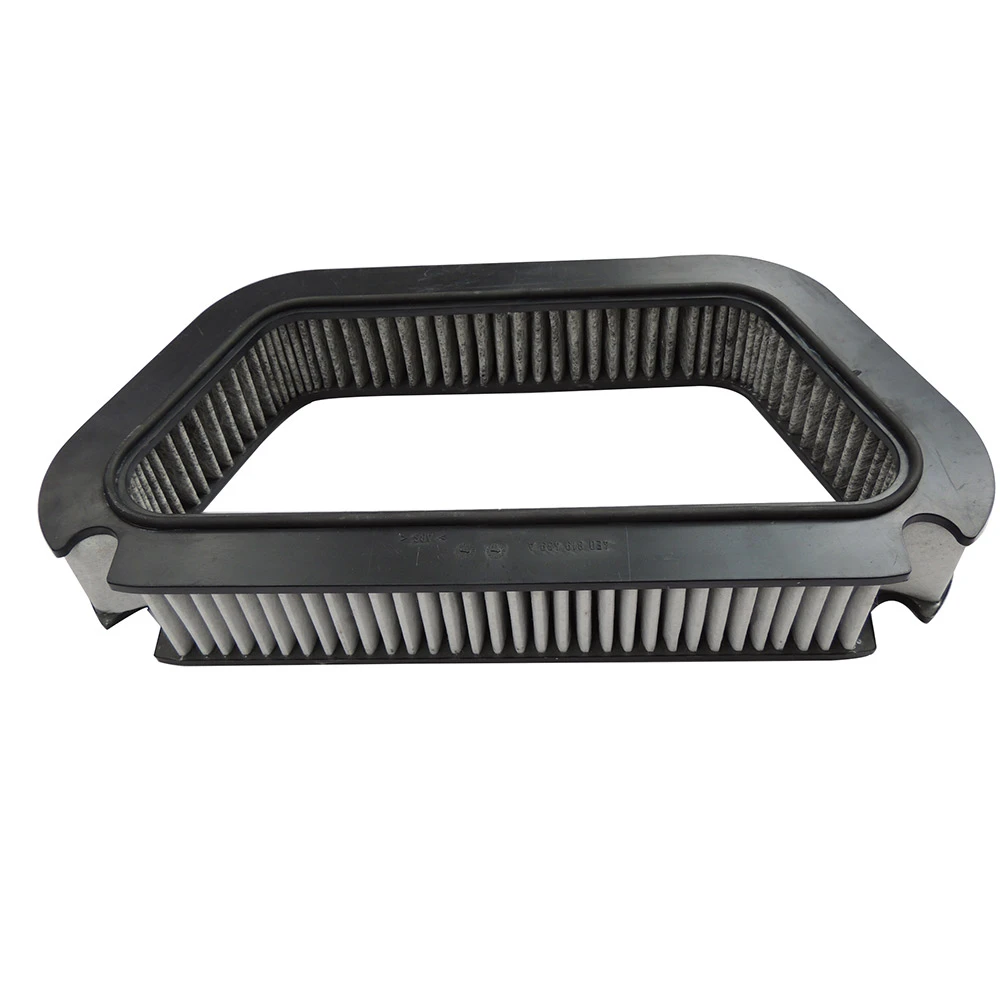
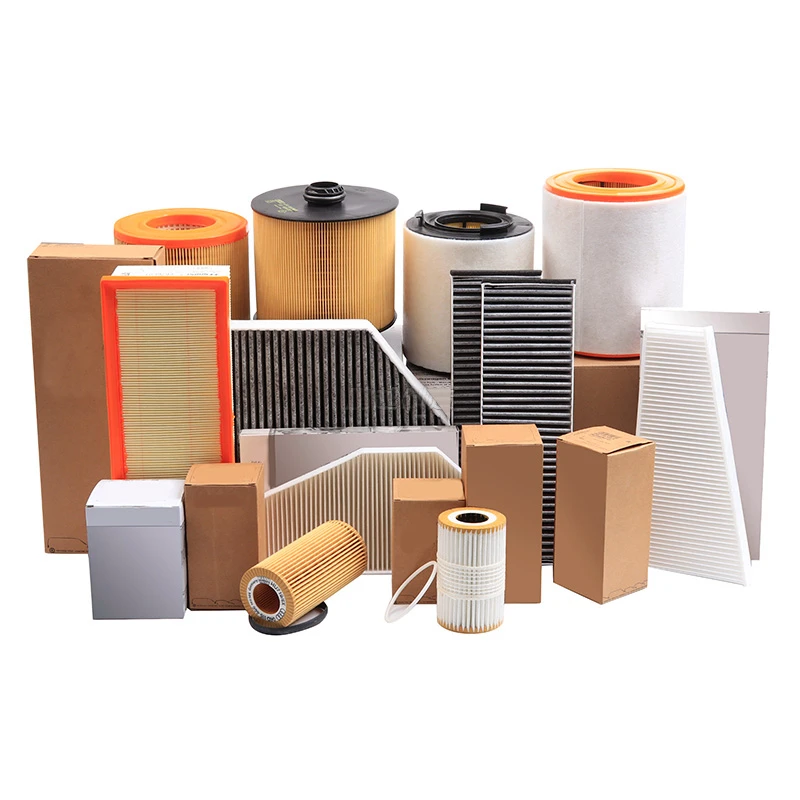
If you’re curious about quality filters, products like the filters from JY Filter have impressed many in the industry. Their design standards emphasize durability and particle retention, often using pleated cotton or synthetic fibers layered efficiently to optimize airflow while capturing contaminants.
| Specification | Details |
|---|---|
| Filter Media | High-efficiency pleated cotton/synthetic blend |
| Typical Lifespan | 12,000 to 15,000 miles (normal conditions) |
| Dust Holding Capacity | Up to 10 grams |
| Airflow Rate | Up to 90 CFM |
| Recommended Replacement Interval | Every 12,000 miles or 1 year |
Comparing a few leading vendors also helped me understand nuances—some filters skew toward preserving airflow for better fuel efficiency, others focus more on trapping very fine particles for engine protection. Your priority might dictate which brand you pick.
| Vendor | Filter Material | Airflow Efficiency | Price Range | Warranty |
|---|---|---|---|---|
| JY Filter | Pleated cotton & synthetic blend | High | $$ | 2 years |
| Brand X | Cellulose paper | Medium | $ | 1 year |
| Brand Y | Synthetic fiber | Very High | $$$ | 3 years |
There's a story from my colleague who drives a pickup through rugged terrain. He observed that after switching to a premium filter from JY, not only did his engine sound smoother, but gas mileage noticeably improved. It felt like his vehicle could breathe again. That’s the kind of difference a well-chosen filter can make—something practical yet often underestimated.
Of course, the best practice is to check the air filter during every routine maintenance visit, even if you’re nowhere near the recommended mileage. Some newer cars have electronic sensors to warn you, but many older or economy models do not, so it's worth a look yourself.
In conclusion, changing your car’s air filter isn’t just a mundane chore; it’s practical insurance for your engine’s health. Keeping pace with recommended intervals—and adjusting for your driving environment—can save you from costly repairs. So next time you’re under the hood, give that filter a look. It’s one small thing that makes a lasting impact.
References:
- Automotive Maintenance Best Practices, Industrial Equipment Review, 2022.
- JY Filter Product Literature, 2023 Edition.
- Engine Performance and Air Filtration Study, Journal of Mechanical Engineering, 2021.
-
Guide on how often do you need to replace engine air filterNewsApr.16,2026
-
Learn how often do you replace air filter in car for engine healthNewsApr.09,2026
-
How Often Do You Replace Car Air Filter For Optimal Engine PerformanceNewsApr.07,2026
-
How Often Do You Replace Engine Air Filter For Optimal Vehicle PerformanceNewsApr.04,2026
-
Understanding How Often Does Engine Air Filter Need to Be Replaced for Optimal PerformanceNewsMar.31,2026
-
How Often Engine Air Filter Change Impacts Performance and LongevityNewsMar.28,2026
-
Understanding How Often to Replace Your Car Air Filter for Optimal PerformanceNewsMar.26,2026
Related Products