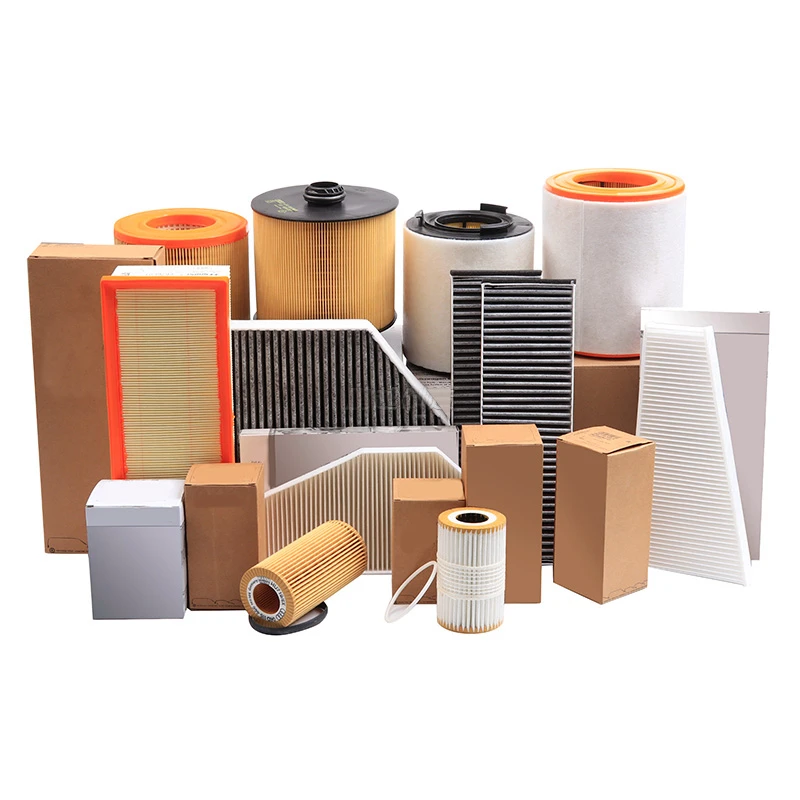
How Often to Change Your Car Air Filter: Expert Insights
If you've ever peeked under the hood of a car, you’ve probably spotted that modest, boxy component known as the air filter. It’s not the flashiest part, but honestly, it plays a quietly critical role. Having spent years in the industrial equipment sector, I can tell you it’s one of those “set it and forget it” parts — until you notice a rough idle or a dip in your car’s spark. Then, you start wondering: car air filter how often to change?
Frankly, there isn’t a one-size-fits-all answer. It depends on driving conditions, environment, and the filter material itself. But I’ll try to break down the typical expectations and some key nuances from my time working closely with filtration technologies.
Why Changing Your Air Filter Matters
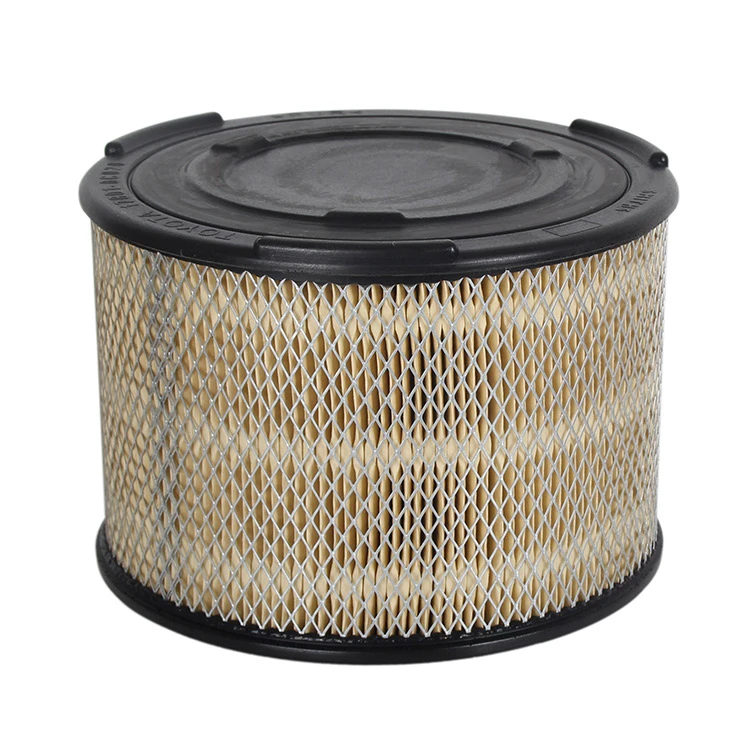
The air filter prevents dust, dirt, and other airborne particles from invading your engine’s inner workings. Imagine trying to breathe through a smoggy day with a clogged mask — your engine struggles similarly. Without clean air, combustion efficiency drops, fuel economy suffers, and over time, engine components wear faster.
In tough industrial settings where I’ve overseen equipment maintenance, air contamination levels were a big factor in scheduling filter swaps. For regular passenger vehicles, the rule of thumb is roughly every 12,000 to 15,000 miles or about once a year. But here’s the catch: if you mostly drive on dusty roads or in urban pollution hotspots, you’ll want to check the filter more frequently.
Air Filter Materials and Design
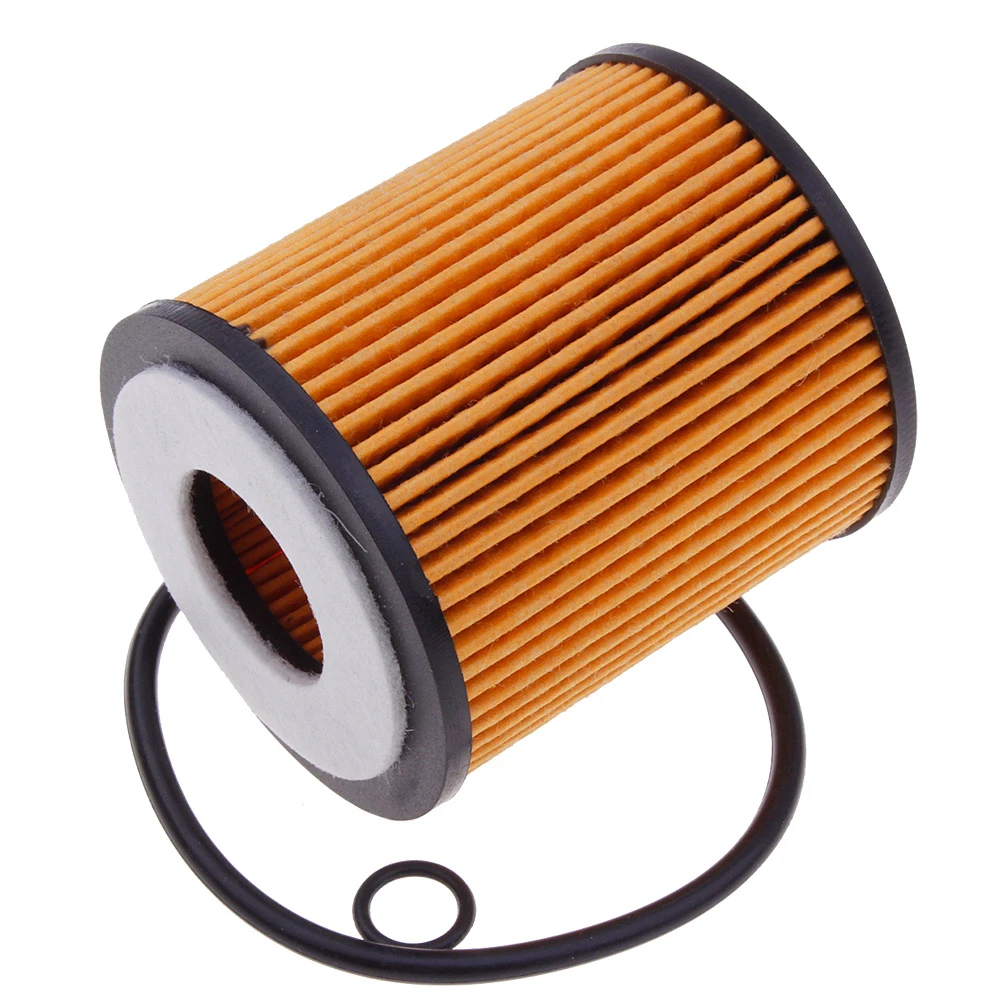
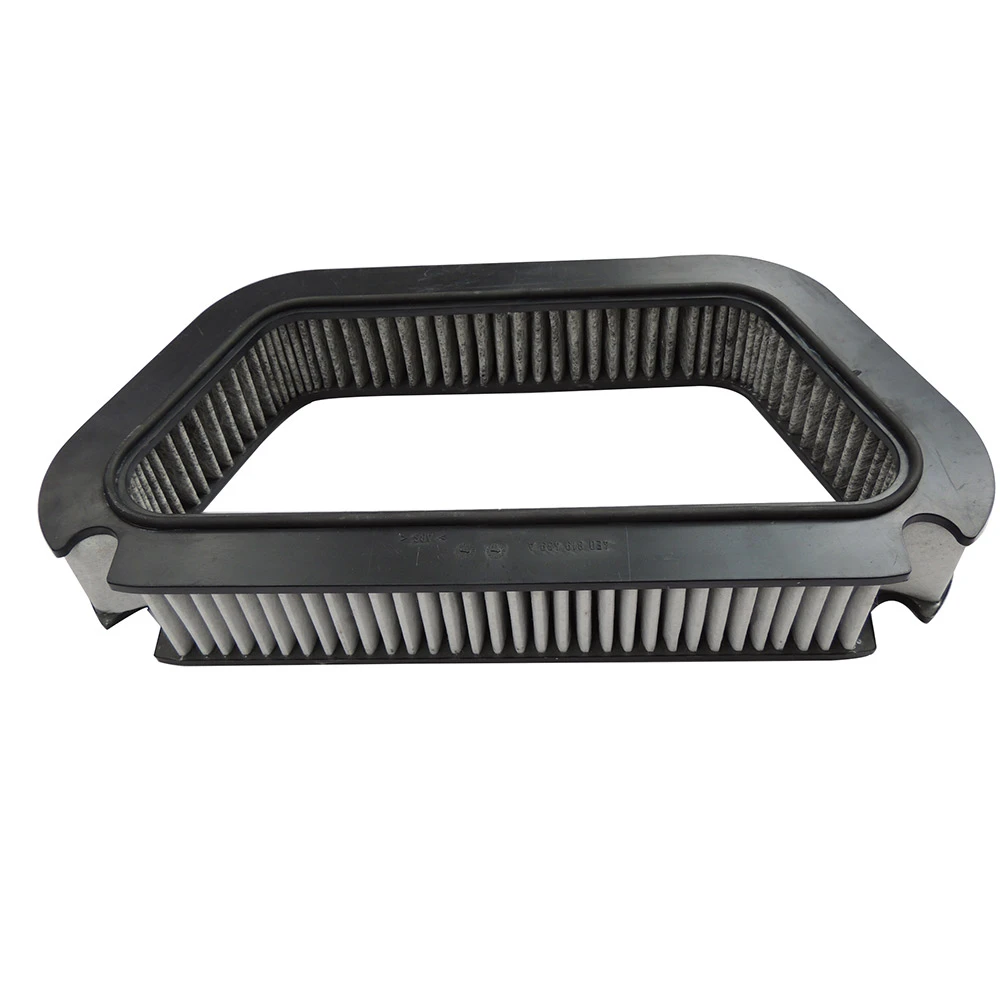
Most car air filters are made from pleated paper or cotton gauze. Paper filters are the standard — inexpensive, effective, and usually disposable. Cotton variants, often reusable with proper cleaning, allow better airflow but can be pricier upfront. In industrial equipment, I’ve seen some specialized filters using synthetic materials that combine longevity with filtration efficiency, but those usually come at a premium cost.
Manufacturers test these filters according to strict industry standards — measuring how well they trap particles of various sizes without choking airflow. In real terms, a “good” air filter balances filtering fine dust and debris while enabling breathing easy for the engine.
Product Specifications: Typical Car Air Filter Example
| Specification | Details |
|---|---|
| Filter Media | High-grade pleated cellulose paper |
| Dimensions | 10 x 7.5 x 1.5 inches (varies by model) |
| Filtration Efficiency | Up to 98% of 10-micron particles |
| Recommended Replacement Interval | 12,000–15,000 miles / 12 months |
| Operating Temperature | -40°F to 250°F (-40°C to 121°C) |
| OEM Approval | Meets or exceeds manufacturer specs |
Comparing Brands: What I’ve Learned From the Field
Over the years, I've worked with a range of filter suppliers, each with their own take on quality and cost-effectiveness. It’s never just about price alone — service, availability, and consistency all add up to what I consider “value.” Here’s a quick comparison:
| Brand | Price Range | Filter Efficiency | Availability | Longevity |
|---|---|---|---|---|
| JY Filter | $$ | Up to 98% | Global | 12,000–15,000 miles |
| Brand X | $ | 90–95% | Regional | 10,000–12,000 miles |
| Premium Brand Y | $$$ | 99%+ | Selective | 15,000–20,000 miles |
When to Inspect Your Filter
Routine inspections can’t be overstated. While replacing at the 12k mile mark tends to work for most, I’ve seen customers in extremely dusty climates swap filters every 6,000 miles to maintain peak engine health. Oddly enough, a quick visual check now and then is often the best guide — a dark, dusty filter means it’s time for a swap, plain and simple.
One customer I worked with keeps a log of filter changes and noticed a consistent rise in fuel efficiency after timely replacements — it’s kind of satisfying, in a low-key way, to see that tangible proof after changing what most folks overlook.
So, in the end, the takeaway is this: treat your air filter like a tiny engine guardian. Don’t let it get clogged or cramped. Check it regularly, especially if you’re driving in harsher settings, and swapping out with quality parts ensures your car breathes easy and lasts longer.
For reliable filters you can trust, you can always explore quality options here. It’s good to be proactive rather than reactive as we all know how an engine’s health can cascade from one small part.
Safe driving and happy filtering!
— Daniel M., Industrial Equipment Specialist with 15+ years in filtration technology and maintenance
References & Notes
- Federal Motor Vehicle Safety Standards – Air Filter Guidelines
- Industry Filtration Efficiency Standards, ISO 5011
- Customer case studies and maintenance logs, personal archives
-
Guide on how often do you need to replace engine air filterNewsApr.16,2026
-
Learn how often do you replace air filter in car for engine healthNewsApr.09,2026
-
How Often Do You Replace Car Air Filter For Optimal Engine PerformanceNewsApr.07,2026
-
How Often Do You Replace Engine Air Filter For Optimal Vehicle PerformanceNewsApr.04,2026
-
Understanding How Often Does Engine Air Filter Need to Be Replaced for Optimal PerformanceNewsMar.31,2026
-
How Often Engine Air Filter Change Impacts Performance and LongevityNewsMar.28,2026
-
Understanding How Often to Replace Your Car Air Filter for Optimal PerformanceNewsMar.26,2026
Related Products