How Often Should You Replace Your Car Cabin Air Filter?
Maintaining optimal air quality inside your vehicle is crucial for your health and comfort. A vital component of this system is the cabin air filter, which prevents dust, pollen, and other harmful particles from entering the vehicle's interior. But how often should you replace car cabin air filter? This article will delve into the factors influencing replacement frequency, the benefits of a clean filter, and how to choose the right replacement. We'll help you breathe easier on every journey.
Understanding the Role of Your Cabin Air Filter
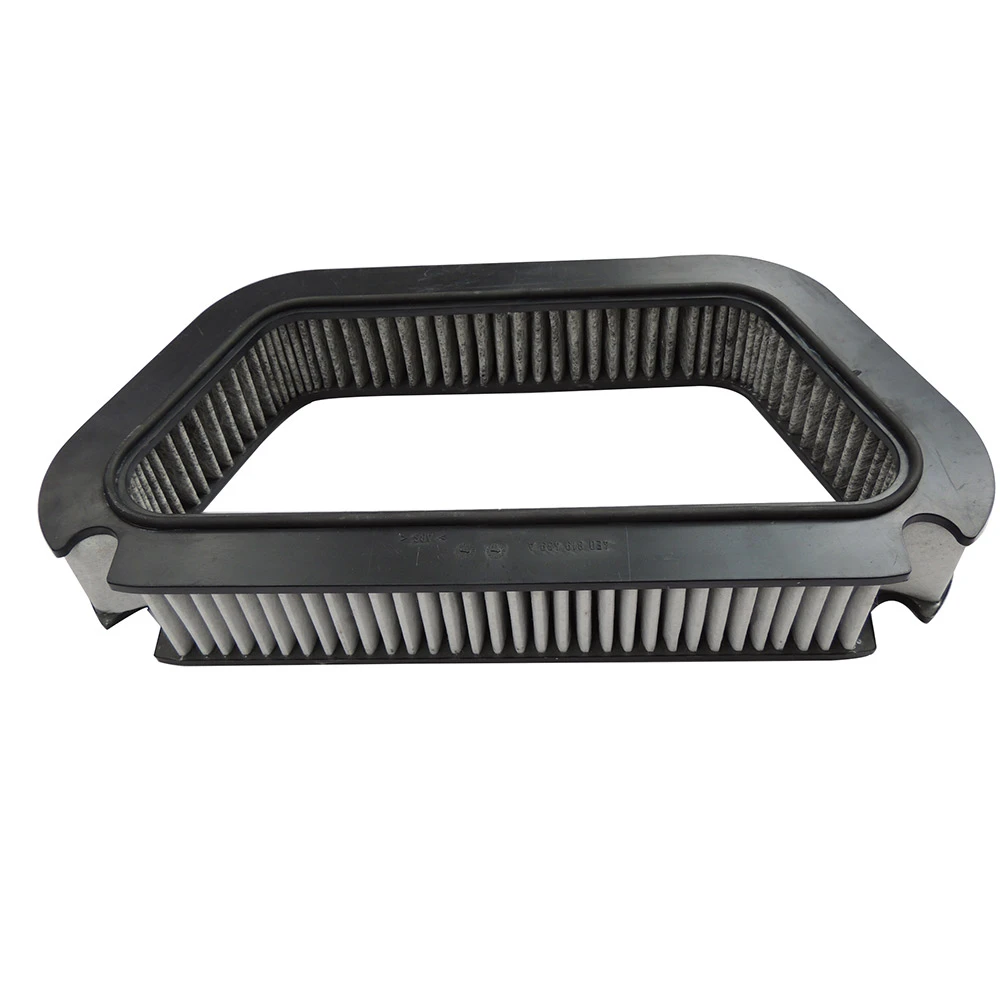
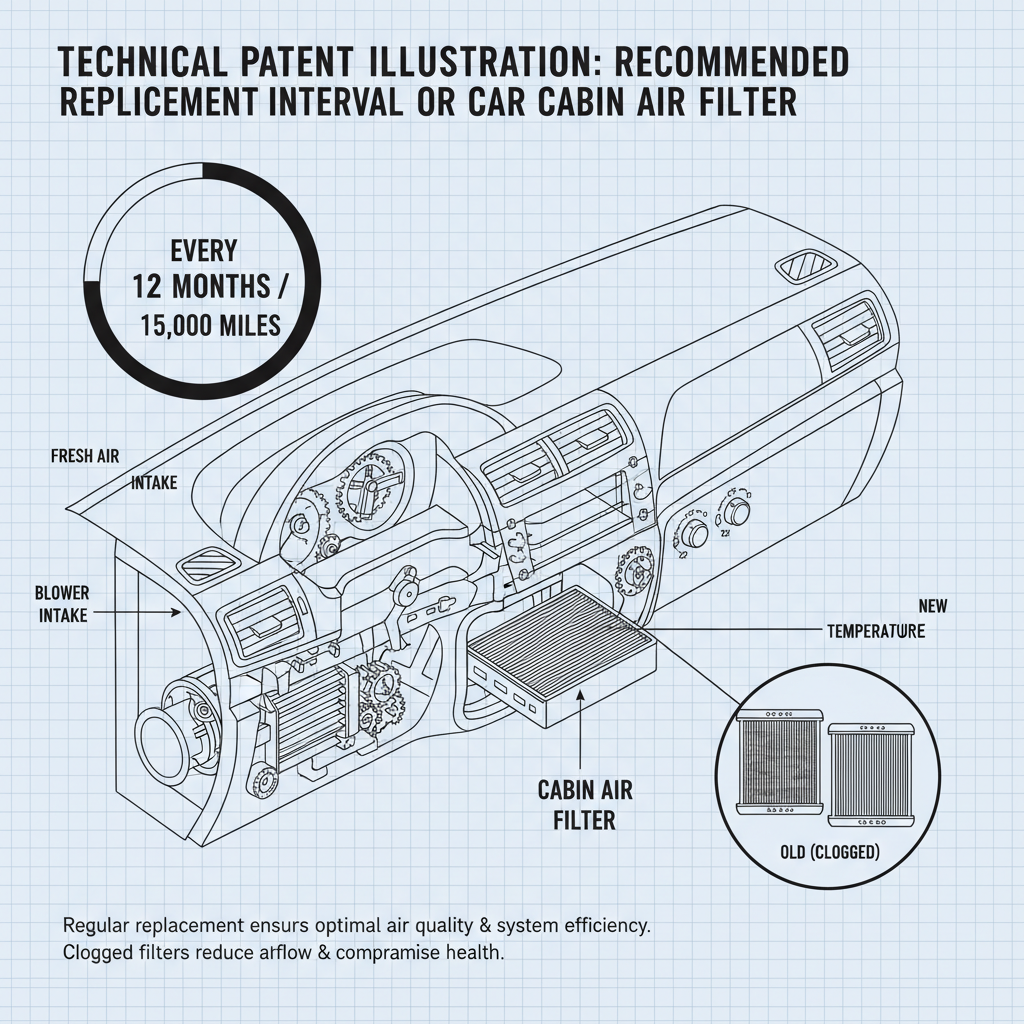
The cabin air filter plays a vital role in your vehicle's HVAC system. It cleans the air that enters the cabin through the vents, removing dust, pollen, mold spores, exhaust fumes, and other airborne contaminants. A clogged cabin air filter can lead to reduced airflow, a musty odor, and potentially exacerbate allergies or respiratory issues. Regularly replacing this filter is essential for maintaining a healthy and comfortable driving environment. The car cabin air filter ensures that the air circulating within your car remains clean and fresh.
Key Benefits of a Clean Cabin Air Filter: Improved air quality, reduced allergens, enhanced HVAC system efficiency, and a more pleasant driving experience.
How Often Should You Replace Your Car Cabin Air Filter?
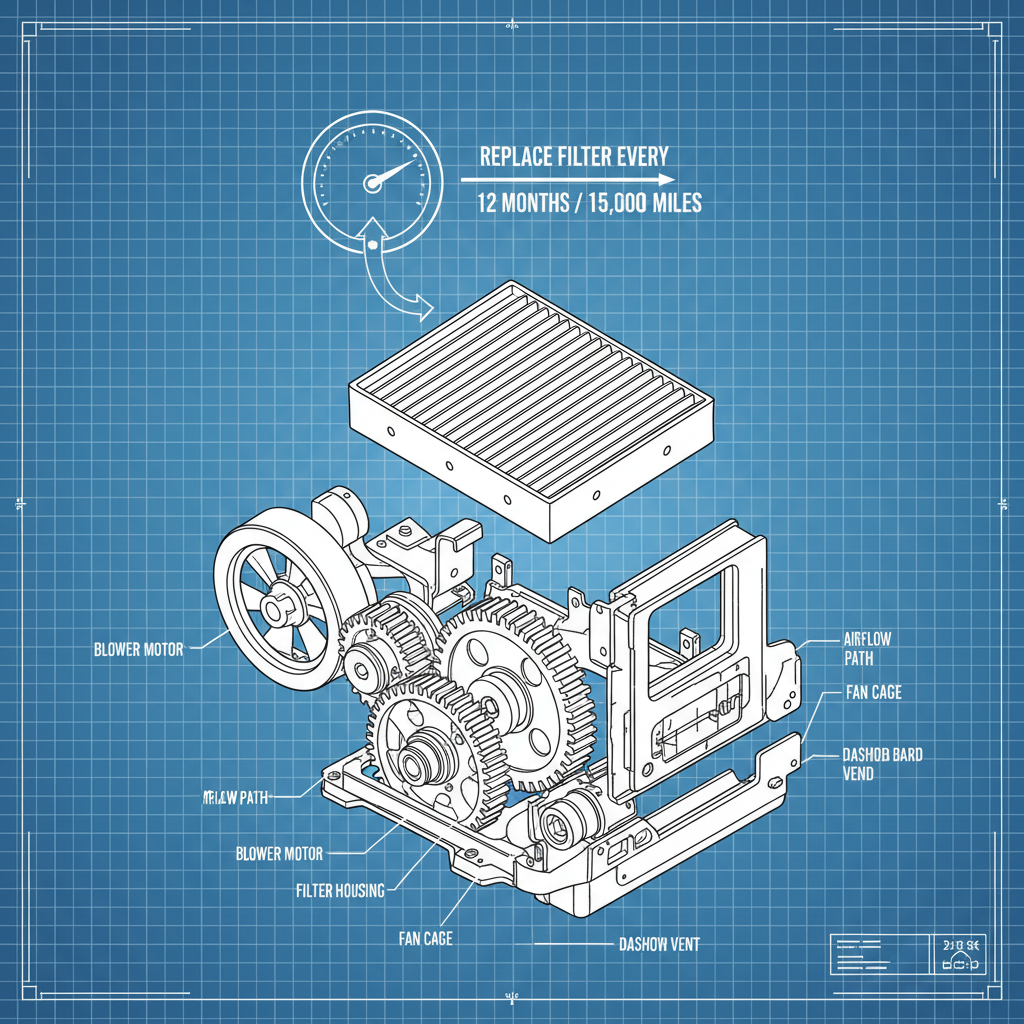
The recommended replacement interval for your car cabin air filter isn't a one-size-fits-all answer. Several factors influence how frequently you should replace it, including your driving conditions, climate, and the type of filter. Generally, manufacturers recommend replacing the cabin air filter every 12,000 to 15,000 miles or once a year, whichever comes first. However, this is just a guideline.
Factors Affecting Replacement Frequency:
• Driving in dusty or polluted areas
• Frequent highway driving
• Allergy or respiratory sensitivities
• Living in an area with high pollen counts
Different Filter Types and Their Lifespans
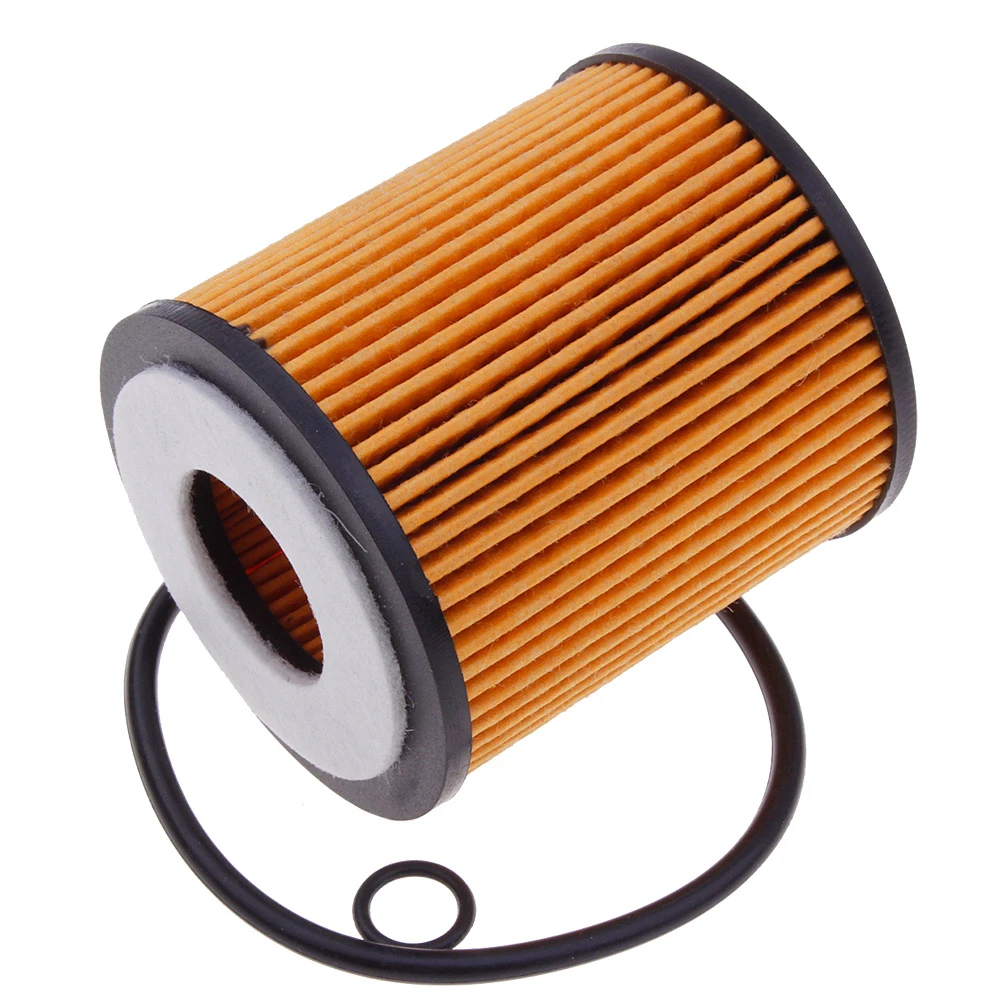
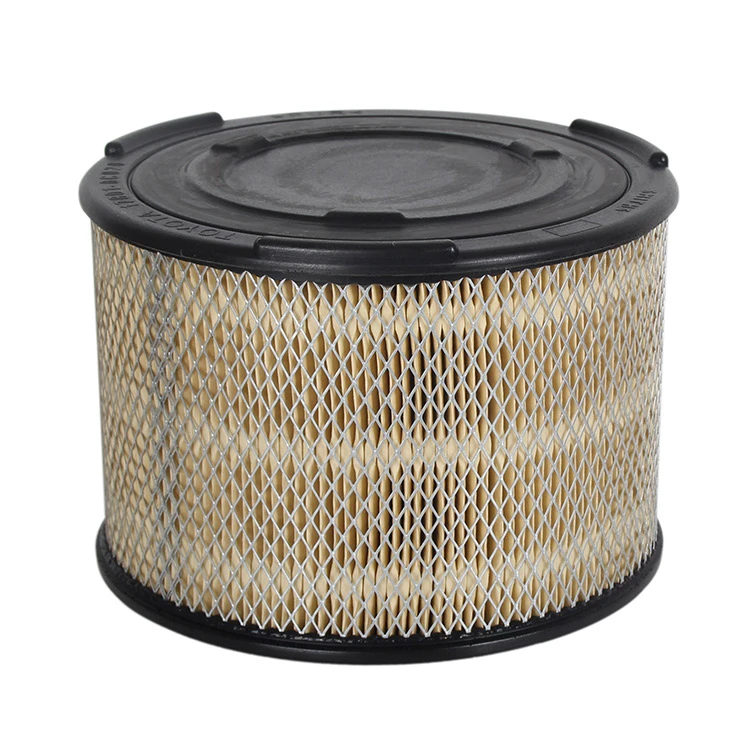
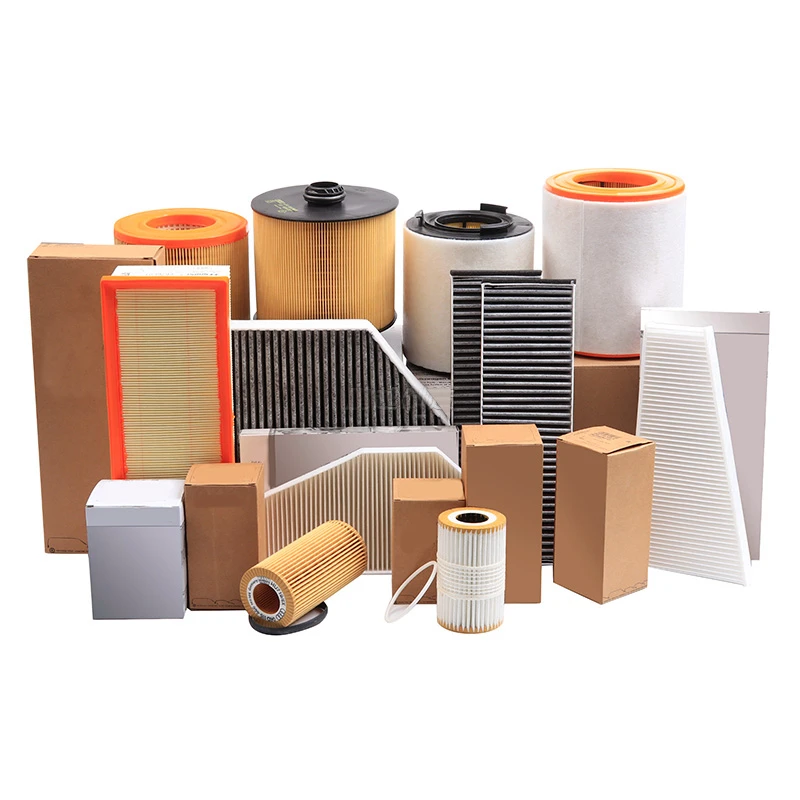
Cabin air filters come in various types, each with different filtration capabilities and lifespans. The most common types include particulate filters, activated carbon filters, and HEPA filters. Particulate filters are the standard option, effectively removing dust and pollen. Activated carbon filters add a layer of defense against odors and gases. HEPA filters offer the highest level of filtration, capturing even the smallest particles. Choosing the right filter type depends on your specific needs and the air quality in your area. Investing in a quality filter like those offered by JY Filter will significantly improve the air you breathe.
Signs You Need to Replace Your Cabin Air Filter Now
Don't wait until your recommended replacement interval to check your filter. Several signs indicate it's time for a change. These include a noticeable decrease in airflow from the vents, a musty or moldy odor when the AC or heat is turned on, visible dust or debris when you inspect the filter, and increased allergy symptoms while driving. If you experience any of these, it’s time to replace your cabin air filter and restore fresh, clean air to your vehicle.
Conclusion: Breathe Easy with Regular Filter Replacement
Prioritizing Your Air Quality
Replacing your car cabin air filter is a simple yet crucial maintenance task. By understanding the factors that influence replacement frequency and recognizing the signs of a clogged filter, you can ensure a healthy and comfortable driving experience. JY Filter offers a wide range of high-quality cabin air filters to suit your vehicle's needs. Don’t compromise on the air you breathe – make filter replacement a regular part of your vehicle maintenance routine.
Frequently Asked Questions (FAQs)
How do I know where my cabin air filter is located?
The location of the cabin air filter varies depending on your vehicle's make and model. It’s typically found behind the glove compartment, under the dashboard, or sometimes under the hood near the windshield. Refer to your vehicle’s owner’s manual for specific instructions on locating and accessing the cabin air filter. If you are unsure, a qualified mechanic can assist you with this process.
Can I clean my cabin air filter instead of replacing it?
While you can vacuum a cabin air filter to remove loose debris, it's generally not recommended to clean it as a substitute for replacement. Vacuuming may remove some surface dirt, but it won't eliminate deeply embedded particles, allergens, or odors. Cleaning can also damage the filter material, reducing its effectiveness. Replacing the filter ensures optimal air filtration and a healthier cabin environment.
Are expensive cabin air filters always better?
Not necessarily. While higher-priced filters often offer advanced filtration capabilities like HEPA or activated carbon, they aren’t always necessary for everyone. The best filter for you depends on your specific needs and driving conditions. A quality particulate filter from a reputable brand like JY Filter can provide excellent filtration at a reasonable price.
What happens if I don't replace my cabin air filter?
Ignoring cabin air filter replacement can lead to several issues. Reduced airflow can strain your HVAC system, potentially causing it to malfunction. A clogged filter can harbor mold and bacteria, contributing to unpleasant odors and health problems. Allergies and respiratory symptoms may worsen due to the circulation of unfiltered air. Over time, a severely clogged filter can even decrease fuel efficiency.
-
Guide on how often do you need to replace engine air filterNewsApr.16,2026
-
Learn how often do you replace air filter in car for engine healthNewsApr.09,2026
-
How Often Do You Replace Car Air Filter For Optimal Engine PerformanceNewsApr.07,2026
-
How Often Do You Replace Engine Air Filter For Optimal Vehicle PerformanceNewsApr.04,2026
-
Understanding How Often Does Engine Air Filter Need to Be Replaced for Optimal PerformanceNewsMar.31,2026
-
How Often Engine Air Filter Change Impacts Performance and LongevityNewsMar.28,2026
-
Understanding How Often to Replace Your Car Air Filter for Optimal PerformanceNewsMar.26,2026
Related Products