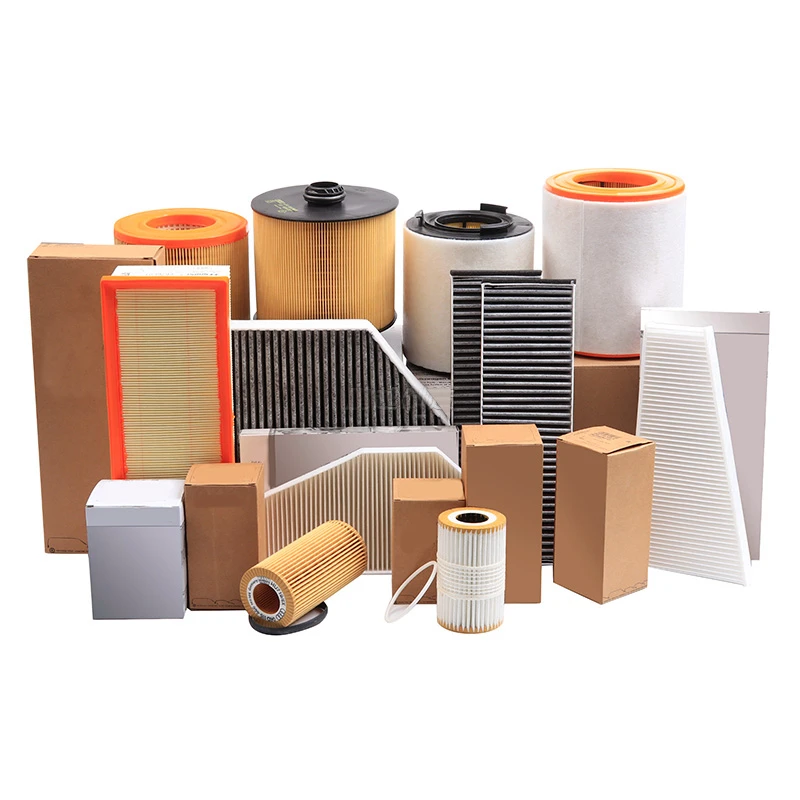
How Often Do You Replace Air Filter in Car? Understanding Its Importance
If you’ve ever peeked under your car’s hood, you might have noticed the air filter looking a little dusty or forgotten. It feels like a tiny, often overlooked component, but understanding how often do you replace air filter in car is crucial—not just for your vehicle’s performance, but also for environment and economic reasons worldwide. The air filter ensures cleaner air enters your engine, promoting efficiency and longevity. Neglecting its replacement can lead to reduced fuel economy, increased emissions, and costly repairs. Globally, with millions of vehicles on the road, proper maintenance like timely air filter changes plays a small yet impactful role in reducing pollution and improving fuel conservation.
Introduction: Why the Question Matters Globally
Interestingly, according to the International Energy Agency (IEA), passenger vehicles account for nearly 45% of total road transport energy consumption worldwide. While electric vehicles are rising, the vast majority still depend on internal combustion engines that rely heavily on clean air intake. An air filter that’s clogged or inefficient indirectly impacts emissions and fuel consumption. The United Nations Environment Programme (UNEP) highlights that air pollution is a top global health risk, partly driven by vehicle emissions. So, maintaining your car’s air filter is a small but important piece of this puzzle.
Yet, many drivers aren’t quite sure how often do you replace air filter in car—and this uncertainty can lead to inconsistent care, especially in regions with variable pollution or dusty environments.
Defining “How Often Do You Replace Air Filter in Car”
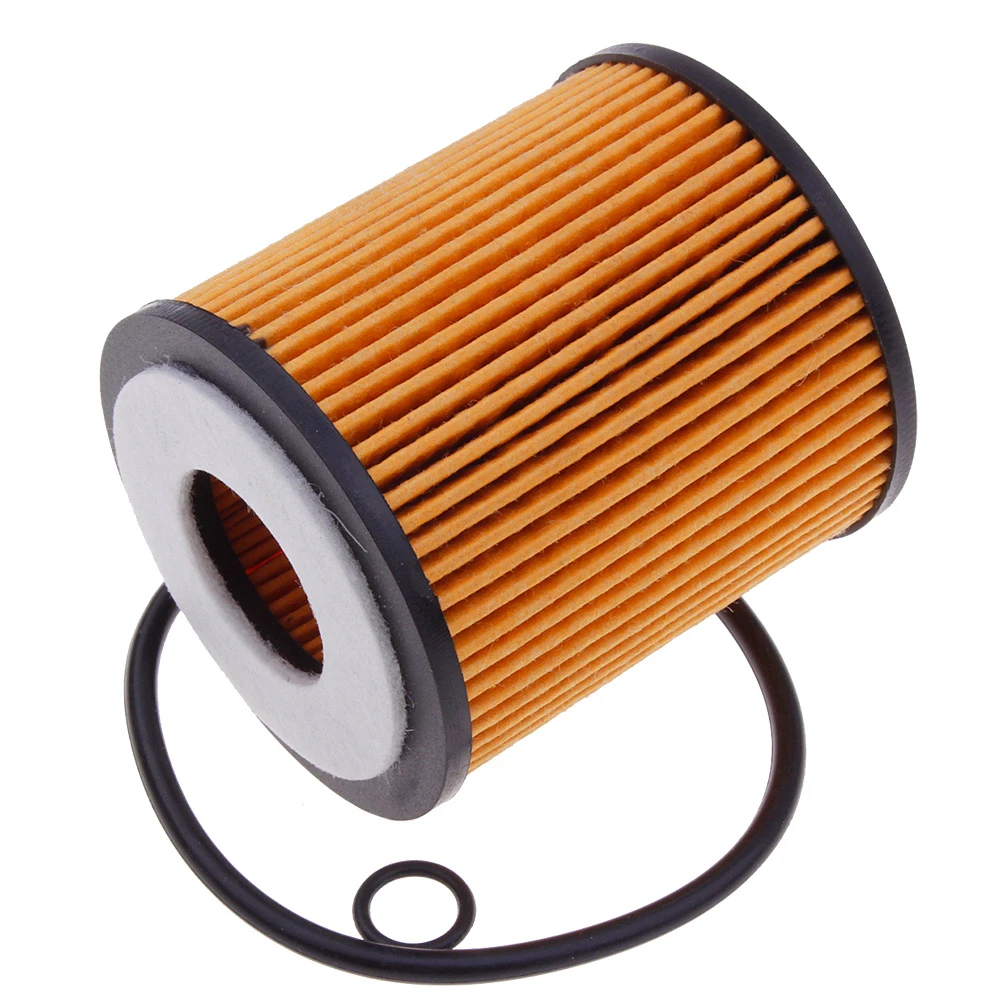
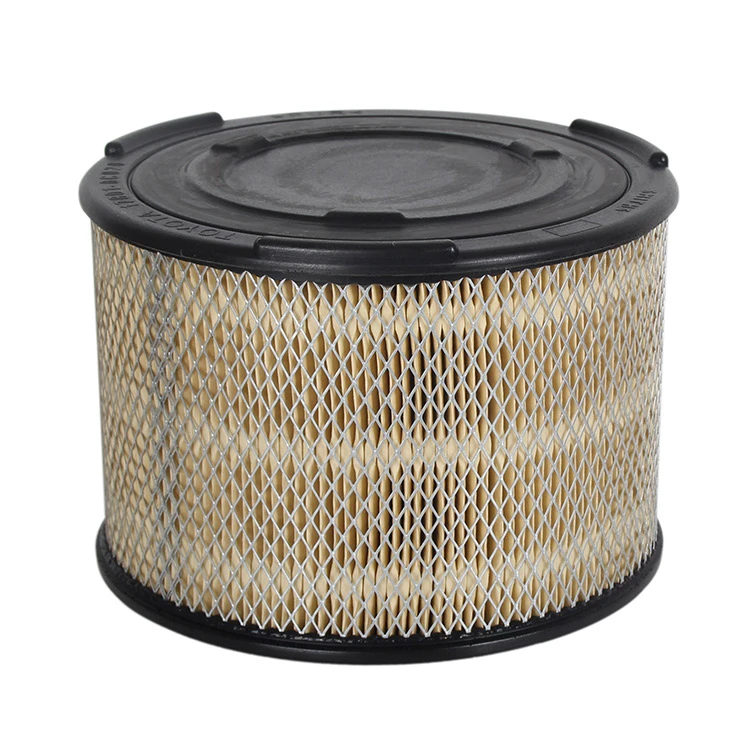
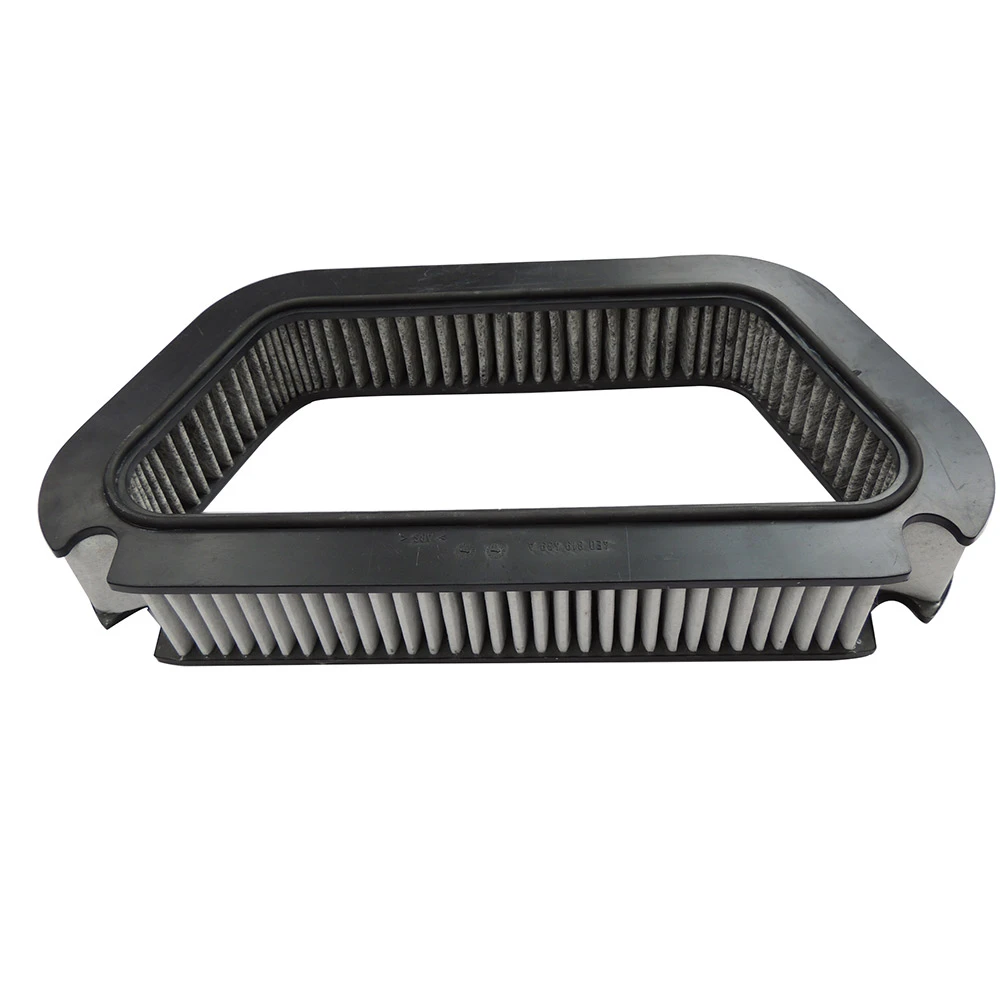
Simply put, this question relates to the recommended intervals for swapping out the air filter, based on mileage, conditions, or time. Air filters trap dust, dirt, and debris, preventing them from entering the engine’s combustion chamber. Replacing a dirty filter ensures optimal air flow, engine efficiency, and lower emissions. Modern cars often recommend changing the air filter every 12,000 to 15,000 miles (19,000 to 24,000 km), but this varies significantly.
In real terms, factors like urban pollution, dusty roads, climate conditions, and vehicle type influence the cadence of replacement. This connects to broader issues in automotive engineering, environmental stewardship, and consumer behavior.
Key Factors Influencing How Often to Replace Your Air Filter
1. Driving Conditions
If you’re mostly driving in dusty, rural, or construction-heavy areas, your filter clogs faster. Stop-and-go city driving with pollutants also compounds filter wear. On highways or clean suburban settings, filters last longer.
2. Vehicle Type and Age
Older vehicles or those with carbureted engines might need more frequent checks. Some modern cars come with air quality sensors that alert the driver when replacement is needed, but many don’t.
3. Manufacturer Recommendations
Every car brand publishes maintenance schedules—these are a great baseline but often generalized for average conditions.
4. Air Filter Material
Fiberglass filters tend to be cheaper and replaced more often. Paper or cotton filters might be more durable. High-performance or reusable filters can last longer but need proper cleaning.
5. Visual Inspection and Performance Symptoms
Sometimes, the best guide is a quick look or noticing engine performance drops, such as rough idling, sputtering, or decreased fuel economy.
Mini Takeaway
Generally, 12,000–15,000 miles is a safe rule but adjust frequency based on environment, vehicle, and usage. A little attention here pays off in fuel savings and engine health.
Product Specification Table: Typical Car Air Filters
| Specification | Standard Paper Filter | High-Performance Cotton Filter | Reusable Foam Filter |
|---|---|---|---|
| Typical Lifespan | 12,000–15,000 miles | 20,000–30,000 miles | Reusable, clean every 12,000 miles |
| Maintenance | Replace only | Replace only | Washable & oiled |
| Filtration Efficiency | Around 95% | Up to 99% | 95-98% |
| Cost | $10–$30 | $40–$70 | $30–$50 (initial) |
Global Applications and Use Cases
In megacities like Beijing or Mumbai, where air pollution regularly surpasses safe thresholds, taxi fleets and public transportation providers often replace air filters more frequently to prevent engine damages and reduce harmful emissions. In contrast, rural parts of Scandinavia might experience longer intervals due to cleaner air.
Manufacturers like Toyota, Ford, and Volkswagen provide region-specific maintenance guides, acknowledging environmental impacts. Post-natural disaster relief organizations including the Red Cross also emphasize vehicle maintenance to keep emergency response units operational, often with limited fuel and resources.
Vendor Comparison Table: Popular Air Filter Brands
| Brand | Filter Type | Average Lifespan (Miles) | Price Range | Standout Feature |
|---|---|---|---|---|
| K&N | Reusable Cotton | Up to 50,000 | $50–$70 | Long-lasting, washable |
| Fram | Paper | 12,000–15,000 | $10–$25 | Affordable & widely available |
| Bosch | Synthetic | 15,000–20,000 | $20–$40 | High-efficiency filtration |
Advantages and Long-Term Benefits of Regular Air Filter Replacement
- Cost savings: Improved fuel efficiency means spending less at the pump.
- Reduced emissions: Cleaner combustion supports air quality goals.
- Engine Health: Prevent clogging and wear on vital engine parts.
- Reliability: Lower likelihood of breakdowns or performance issues.
- Safety and Peace of Mind: Smooth running engine feels safer on the road.
Oddly enough, this small effort enhances the emotional connection drivers feel with their cars; it’s a trust built on care and consistent performance.
Future Trends & Innovations in Air Filter Technology
The automotive industry is pushing toward smart, self-cleaning filters equipped with sensors that notify owners in real-time when replacement or cleaning is needed. Materials innovation includes nanofiber membranes that trap smaller particulates without restricting airflow. Manufacturers are also exploring biodegradable filters to reduce environmental waste.
With growing environmental regulations (thanks in part to ISO standards on air quality), expect stricter filter efficiency requirements and integration into digital vehicle maintenance systems.
Challenges in Maintaining Proper Air Filter Replacement & Expert Solutions
The main challenge remains awareness; many car owners don’t know exactly how often to replace their filters, and sometimes it’s a hassle to check. Moreover, counterfeit or substandard filters flood markets, which compromises engine health.
Experts encourage regular inspection every oil change and choosing reputable vendors. Some recommend installing air intake pre-filters in extremely dusty areas to extend filter life.
FAQ: Frequently Asked Questions About How Often Do You Replace Air Filter in Car
- How can I tell if my air filter needs to be replaced?
- If you notice reduced fuel efficiency, engine misfires, or rough idling, it’s time to inspect your filter. A visual check can reveal dirt and clogging.
- Is it okay to reuse air filters by cleaning them?
- Reusable filters like K&N’s can be washed and oiled for extended use, but standard paper filters should always be replaced.
- Does driving in the city mean more frequent air filter replacements?
- Yes, city air often contains more pollutants and particulate matter, which clogs filters faster.
- What happens if I don’t replace my air filter regularly?
- A dirty filter reduces air flow, hurting engine performance and increasing emissions, potentially causing costly damage over time.
Conclusion & Call to Action
To sum it up, knowing how often do you replace air filter in car may seem minor, but it’s fundamental to saving money, protecting your vehicle, and contributing to a cleaner environment. Don’t wait until the warning signs appear; proactive care is key. Curious about the best filters and tips? Visit https://www.jyfilter.com for expert advice and quality products that match your driving needs.
In the end, proper air filter replacement is a small act of responsibility that benefits you and the planet.
References
- International Energy Agency (IEA) – Global EV Outlook
- United Nations Environment Programme – Global Environment Outlook
- ISO Luftqualität Standards
Final thought: It may be the simplest maintenance act for your car, yet it drives some of the biggest environmental and economic impacts over time. So, keep your air filter in check—it’s worth it.
-
Guide on how often do you need to replace engine air filterNewsApr.16,2026
-
Learn how often do you replace air filter in car for engine healthNewsApr.09,2026
-
How Often Do You Replace Car Air Filter For Optimal Engine PerformanceNewsApr.07,2026
-
How Often Do You Replace Engine Air Filter For Optimal Vehicle PerformanceNewsApr.04,2026
-
Understanding How Often Does Engine Air Filter Need to Be Replaced for Optimal PerformanceNewsMar.31,2026
-
How Often Engine Air Filter Change Impacts Performance and LongevityNewsMar.28,2026
-
Understanding How Often to Replace Your Car Air Filter for Optimal PerformanceNewsMar.26,2026
Related Products