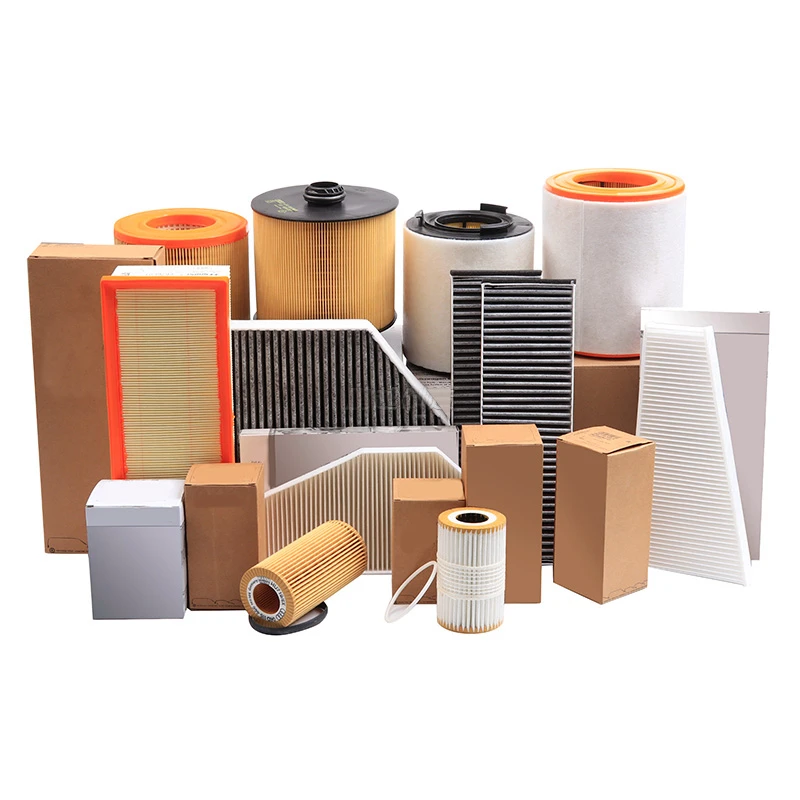
How Often Do You Need to Change Car Air Filter? Understanding Its Importance
Air filters in cars might not be the flashiest of topics, but they play a surprisingly big role in vehicle health and efficiency. Knowing how often do you need to change a car air filter is essential—not just for keeping your engine humming smoothly, but also for reducing harmful emissions and saving on fuel costs. Given growing environmental challenges worldwide, a well-maintained air filter contributes to lower pollution and better air quality.
Why This Matters on a Global Scale
According to the International Energy Agency (IEA), transport accounts for nearly 24% of global CO2 emissions from fuel combustion. Oddly enough, something as simple as a clogged air filter can increase fuel consumption by up to 10%. That adds up, especially if millions of drivers overlook this basic maintenance. Proper timing in air filter replacement can reduce engine wear, minimize emissions, and extend vehicle lifespan—goals aligned with global sustainability targets established by the UN’s Sustainable Development Goals (SDG 11 & 13) focusing on sustainable transportation and combating climate change.
Mini takeaway: Understanding when and why to change your car’s air filter helps reduce emissions and saves money—a small action with big environmental impact.
What Is Meant by "How Often Do You Need to Change Car Air Filter"?
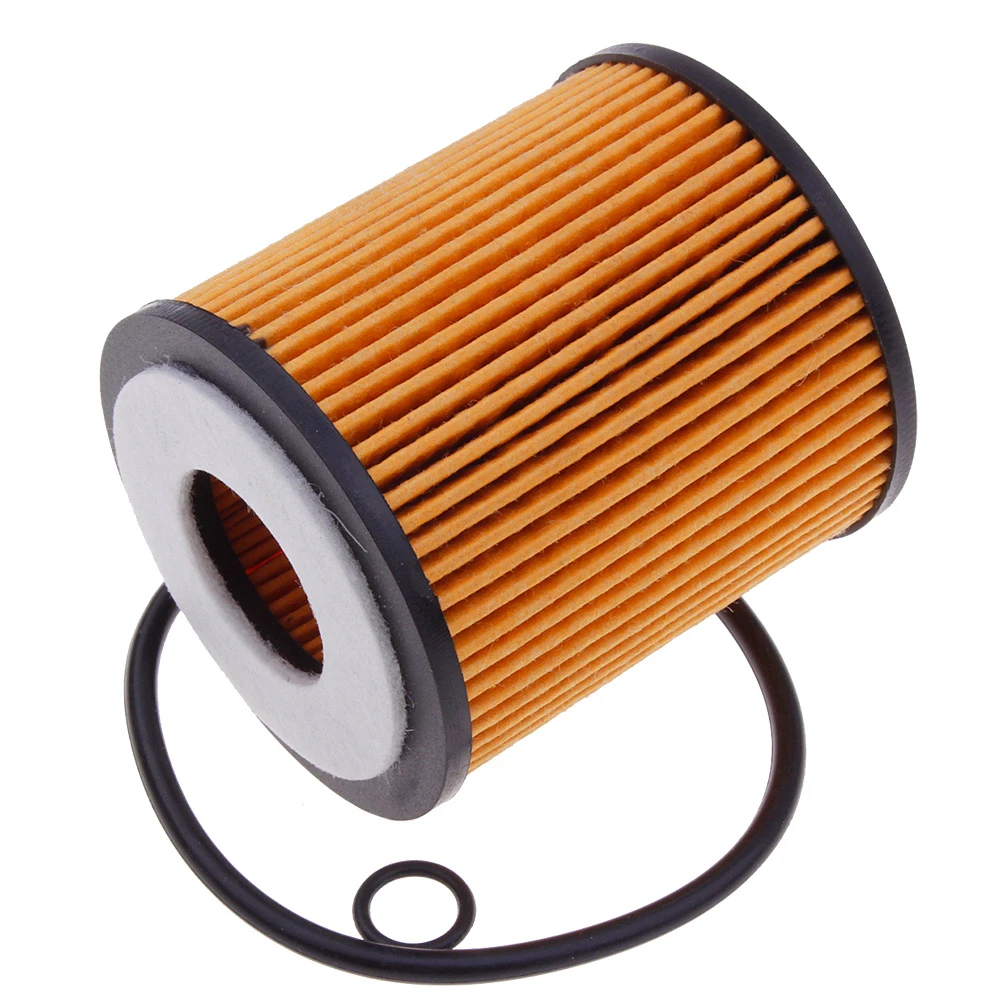
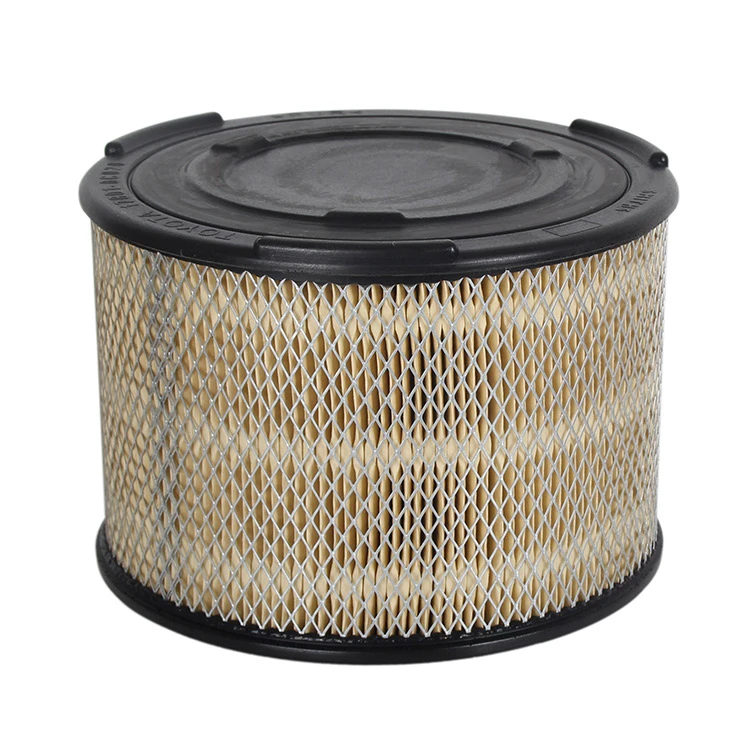
Simply put, this question asks about the recommended interval for replacing the engine air filter. The air filter’s job is to trap dirt, dust, and debris before they enter the engine, protecting vital parts from damage and ensuring efficient combustion. Over time, these filters clog, restricting airflow. That means your engine works harder, burns more fuel, and emits more pollutants.
Mechanically speaking, most manufacturers recommend changing the air filter every 12,000 to 15,000 miles or at least once a year. But, this isn’t a one-size-fits-all figure—conditions vary widely based on driving habits and environment.
Key Factors Impacting Air Filter Replacement Frequency
1. Driving Environment
If you frequently drive on dusty roads, in heavy city traffic, or near construction sites, your air filter will clog faster. For example, dusty rural areas could demand replacements as often as every 6,000 miles.
2. Vehicle Type and Engine Design
Different engines rely on distinct air filtration systems. A diesel engine might have a different interval than a gasoline one. High-performance cars sometimes require more frequent checks.
3. Filter Quality and Type
Paper filters are common but less durable, while cotton or foam filters can often be cleaned and reused—a factor that influences replacement timing and cost.
4. Manufacturer Recommendations
Your vehicle’s owner’s manual is the best place to start. Automakers test engines and filters extensively for optimal intervals.
5. Driving Habits
Stop-and-go city driving puts more strain on the engine’s breathing system than highway cruising, possibly shortening the lifespan of an air filter.
Typical Product Specifications for Car Air Filters
| Specification | Typical Values |
|---|---|
| Material | Pleated Paper, Cotton, Foam |
| Filter Lifetime | 12,000 - 15,000 miles (varies) |
| Airflow Restriction | |
| Efficiency | >95% for particles >3 microns |
| Temperature Range | -40°C to +120°C |
Global Applications and Use Cases
The importance of air filter maintenance is universal, but it’s especially critical in regions with extreme conditions. For example:
- Dusty deserts: Countries like Saudi Arabia and parts of Australia demand more frequent air filter changes due to sand and pollution.
- Urban mega-cities: In places such as Beijing or Mexico City, heavy smog can quickly foul air filters.
- Developing nations: Older vehicles running with outdated technology often face clogged filters, which degrade air quality and fuel economy.
- Fleet operators & logistics: Businesses running multiple vehicles regularly monitor and replace filters to avoid downtime and costly repairs.
I recall a logistics company in India mentioning how regular filter changes cut their fuel costs by about 5%, a notable improvement given their fleet size.
How Different Vendors Stack Up
| Brand | Filter Material | Typical Lifespan | Price Range (USD) |
|---|---|---|---|
| Mann+Hummel | Pleated Paper | 12,000-15,000 miles | $15 - $30 |
| K&N | Cotton Gauze (Reusable) | Up to 50,000 miles (cleanable) | $50 - $80 |
| Fram | Pleated Paper | 12,000-15,000 miles | $10 - $25 |
Advantages and Long-Term Value of Regular Air Filter Changes
Replacing your car air filter on time simply feels good—like giving your engine the fresh air it desperately needs. It lowers fuel consumption, leading to tangible savings. Plus, fewer emissions mean a positive social impact; it’s a small but meaningful step toward cleaner air. And then, there’s the peace of mind knowing you’re not inadvertently harming your engine’s long-term health.
Emerging Trends and Innovations
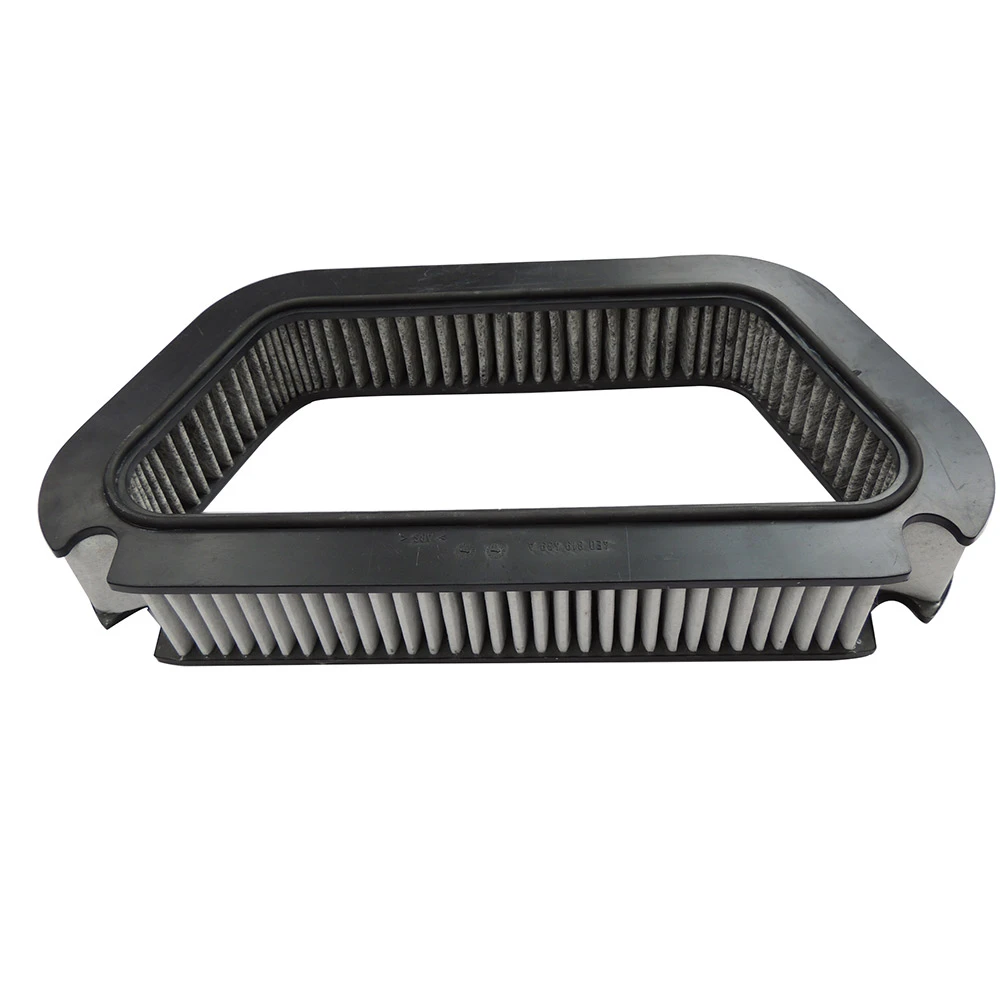
Looking ahead, air filters are getting smarter. Some embodiments incorporate sensors that monitor airflow and particulate buildup, alerting drivers when changes are needed. We’re also seeing greener materials replacing traditional plastics and papers, aligning filter manufacturing with sustainability goals. The rise of electric vehicles, while reducing the need for engine filters, shifts focus toward cabin air filters — a whole other topic worth diving into.
Common Challenges and Practical Solutions
One tricky issue is the temptation to "stretch" filter intervals to save money. Many drivers overlook environmental conditions or ignore early warning signs. Frankly, that’s a false economy. Experts recommend routine inspections every 6,000 miles in harsh conditions. Some go further—using high-quality reusable filters or professional cleaning services to extend filter life without compromising engine health.
FAQ: Frequently Asked Questions About How Often Do You Need to Change Car Air Filter
Q1: How do I know when my car air filter needs changing?
A1: Common signs include reduced fuel efficiency, sluggish acceleration, black smoke from the exhaust, or the “check engine” light. Physically inspecting the filter for dirt or discoloration also helps. If unsure, following your manufacturer’s mile recommendations is a safe bet.
Q2: Can I clean and reuse my air filter?
A2: It depends on the filter type. Cotton and foam filters are often washable and reusable, while paper filters are usually disposable. Follow manufacturer instructions carefully—improper cleaning can damage the filter or reduce effectiveness.
Q3: Does a dirty air filter affect engine performance?
A3: Absolutely. A clogged filter restricts airflow needed for combustion, leading to reduced power, fuel inefficiency, and increased emissions.
Q4: Is it expensive to change the air filter regularly?
A4: Not really. Most replacement filters cost between $10 and $30, which is a small price compared to potential fuel savings and the cost of repairing engine damage caused by neglect.
Conclusion: The Bottom Line on How Often Do You Need to Change Car Air Filter
To wrap up, regularly changing your car’s air filter is a straightforward, cost-effective way to protect your engine, save fuel, reduce harmful emissions, and maintain vehicle value. The optimal interval depends on your driving environment and filter type, but erring on the side of caution usually pays off. For detailed advice tailored to your vehicle, visit us at https://www.jyfilter.com.
It’s one of those simple maintenance tasks that can quietly make a huge difference in the long run — and frankly, your car will thank you.
Reflection: It struck me how such a small component impacts so many aspects—fuel economy, emissions, engine longevity. Like a tiny, invisible hero in the background of your daily drives.
-
Guide on how often do you need to replace engine air filterNewsApr.16,2026
-
Learn how often do you replace air filter in car for engine healthNewsApr.09,2026
-
How Often Do You Replace Car Air Filter For Optimal Engine PerformanceNewsApr.07,2026
-
How Often Do You Replace Engine Air Filter For Optimal Vehicle PerformanceNewsApr.04,2026
-
Understanding How Often Does Engine Air Filter Need to Be Replaced for Optimal PerformanceNewsMar.31,2026
-
How Often Engine Air Filter Change Impacts Performance and LongevityNewsMar.28,2026
-
Understanding How Often to Replace Your Car Air Filter for Optimal PerformanceNewsMar.26,2026
Related Products