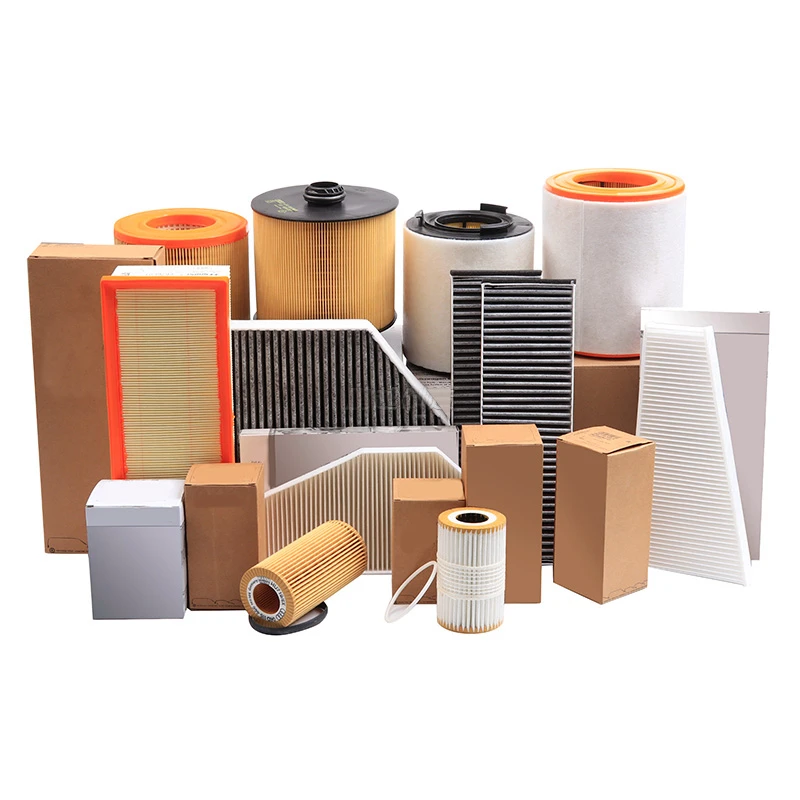
How Often Do I Change My Cabin Air Filter? A Comprehensive Guide
At a glance, the question how often do I change my cabin air filter might seem mundane. Yet, it has a surprising global importance — from improving air quality inside your vehicle to reducing health risks for millions worldwide. Understanding this routine maintenance task is key for preserving comfort, enhancing safety, and even cutting down environmental impact by optimizing vehicle performance.
Introduction: The Global Significance of Cabin Air Filter Maintenance
Worldwide, air pollution remains a major public health issue. The World Health Organization (WHO) estimates that ambient air pollution contributes to about 4.2 million premature deaths annually. Given this context, keeping the air inside vehicles clean is more than a luxury — it’s essential. Cabin air filters act as a first defense against pollutants like dust, pollen, and exhaust particulates, protecting drivers and passengers alike.
Despite their importance, many drivers neglect to replace their cabin air filters, leading to clogged filters that can impair ventilation, reduce air quality, and even cause unpleasant odors. This short guide will unpack the factors affecting how often to replace a cabin air filter and explain why it matters beyond just your car’s interior.
What Exactly Is a Cabin Air Filter?
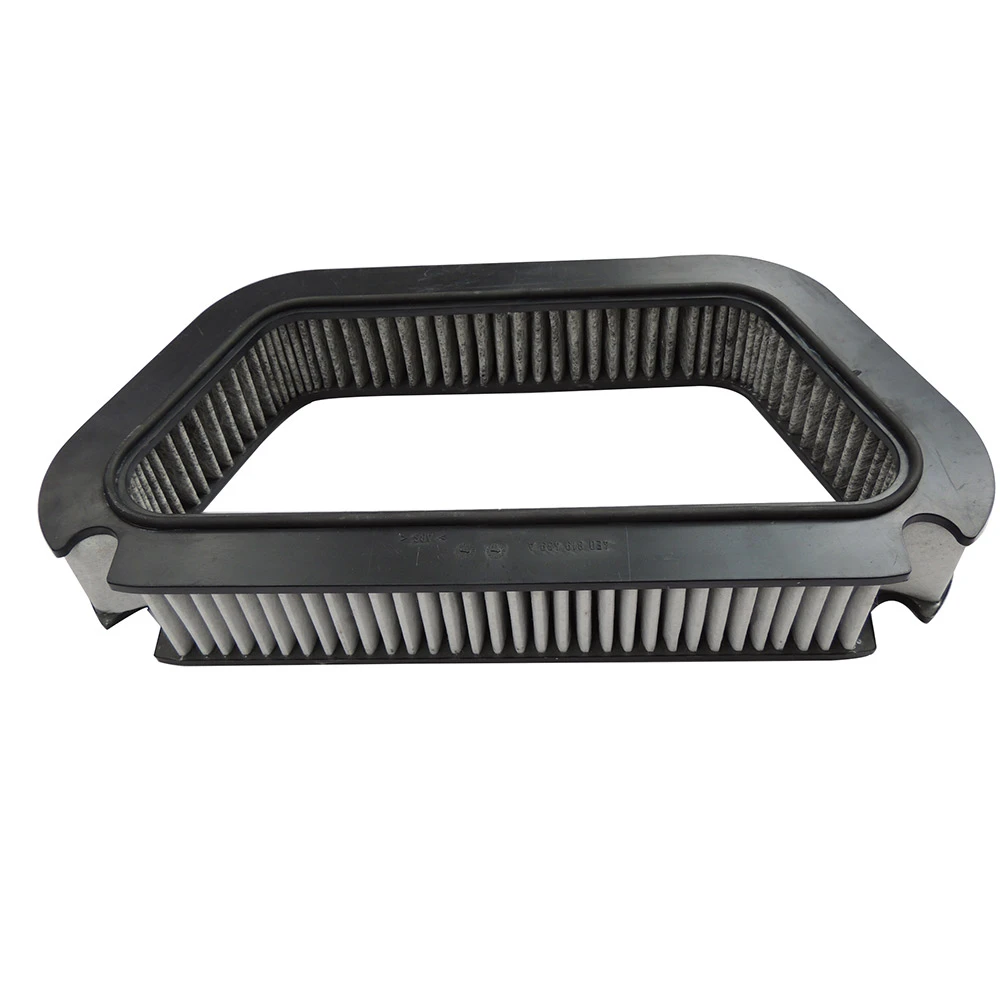
Simply put, a cabin air filter is a component in your vehicle’s HVAC (heating, ventilation, and air conditioning) system that traps airborne contaminants from entering the passenger compartment. Think of it as your car’s lungs, filtering the air you breathe inside. It typically filters out pollen, dust, mold spores, and other small particles — which is especially useful for allergy sufferers or those driving in polluted urban areas.
In modern automotive design, this filter plays a key role in reducing exposure to harmful particulate matter and enhancing overall comfort, a feature increasingly valued in congested cities and industrial zones worldwide.
Key Factors Influencing How Often to Change Your Cabin Air Filter
1. Driving Environment
Your driving location is a major determinant. Urban environments heavy with smog or industrial dust will clog filters much faster than rural or suburban areas. For example, driving daily in New Delhi’s smoggy air might require changing your filter every 6,000–8,000 miles, while in cleaner areas, 12,000–15,000 miles could suffice.
2. Manufacturer Recommendations
Most car manufacturers provide guidelines — usually between 12,000 and 15,000 miles or annually — but this varies. Always consult your owner’s manual, because filter types and vehicle cabin designs differ.
3. Filter Material and Quality
The construction matters. Some filters use activated carbon layers that can absorb odors and gaseous pollutants, extending its lifespan or improving performance. Others are basic paper filters needing more frequent replacement.
4. Seasonal and Allergic Considerations
During high pollen seasons or times when mold spores surge, like early spring or autumn, your filter’s efficiency declines faster. Allergy sufferers might want to change filters more often for noticeable comfort improvements.
Cabin Air Filter Specifications: What to Look For
| Specification | Typical Range | Notes |
|---|---|---|
| Replacement Interval | 12,000–15,000 miles (19,000–24,000 km) | Depends on environment & filter type |
| Filter Type | Paper, Activated Carbon, HEPA | Higher filtration with carbon/HEPA |
| Particle Size Filtered | >10 microns (basic), | HEPA filters catch finer particles |
| Operating Temperature Range | -30° to 80°C (-22° to 176°F) | Withstands varying climates |
Vendor Comparison: Popular Cabin Air Filter Options
| Brand | Filter Type | Price Range | Special Features |
|---|---|---|---|
| Bosch | Activated Carbon | $20–40 | Odor neutralization |
| Fram | Paper | $10–25 | Basic filtration |
| Mann-Filter | HEPA & Activated Carbon | $30–55 | High-efficiency particle removal |
Global Applications & Use Cases
Cabin air filters are critical worldwide but especially in areas where urbanization & industrial growth spike pollution levels. In cities like Los Angeles or Beijing, effective cabin filtration can reduce drivers’ exposure to particulate pollution that aggravates asthma and other respiratory issues. Similarly, humanitarian groups supplying vehicles in disaster zones find cabin filters invaluable for protecting workers from airborne debris or wildfire smoke.
In addition, fleet operators for public transportation and logistics companies routinely monitor filter maintenance to ensure driver and passenger safety, linking to occupational health standards promoted by authorities like the ISO.
The Advantages and Long-Term Value of Timely Cabin Air Filter Changes
- Improved Air Quality: Cleaner air benefits everyone in the vehicle, especially sensitive individuals.
- Better HVAC Performance: A clean filter means your AC and heating use less energy, helping fuel efficiency.
- Odor Reduction: Activated carbon filters can keep the interior smelling fresh.
- Cost Savings: Regular replacement avoids more costly repairs from clogged systems.
Beyond the tangible benefits, there is a real emotional factor — knowing your family or colleagues breathe cleaner air adds peace of mind, a priceless thing on daily commutes or long road trips.
Future Trends & Innovations
The cabin air filter landscape is evolving. There’s growing interest in smart air filters equipped with sensors to detect air quality and indicate replacement needs automatically. Nanotechnology is improving filtration materials capable of capturing nanoparticles and even neutralizing viruses — quite relevant in today’s health-conscious world. Sustainable practices also push manufacturers toward biodegradable or recyclable materials.
Common Challenges and Expert Solutions
One common challenge is users not knowing when to change filters, often because the intervals vary so much by environment and vehicle. Educating consumers and using digital monitoring systems can help solve this. Another issue is the temptation to skip replacements to save money — which ironically leads to worse health risks and increased long-term costs.
FAQ: Frequently Asked Questions About How Often Do I Change My Cabin Air Filter
- Q: How often should I change my cabin air filter if I mostly drive in the city?
- A: In heavy urban traffic with pollution, it's advisable to replace your cabin air filter every 12,000 miles or once a year, whichever comes first, to maintain good air quality and HVAC efficiency.
- Q: Can I change my cabin air filter myself, or should I visit a mechanic?
- A: Most cabin air filters are accessible and can be changed by drivers with basic tools. Check your vehicle’s manual for instructions. However, if unsure, a trusted mechanic can replace it quickly during routine service.
- Q: Will a clogged cabin air filter affect my car’s fuel efficiency?
- A: Yes, a dirty filter can strain your vehicle’s HVAC system, making it work harder and potentially lowering fuel efficiency. Replacing it timely helps maintain optimal performance.
- Q: Are HEPA cabin air filters worth the extra cost?
- A: HEPA filters provide superior filtration, especially for very fine particles and allergens. For allergy sufferers or those in polluted areas, they can be a worthwhile investment.
Conclusion
In real terms, keeping track of how often do I change my cabin air filter isn’t just about vehicle maintenance — it’s about health, comfort, and long-term savings. With the variety of filters available and increasing pollution challenges worldwide, now is an excellent time to pay closer attention to this simple yet impactful step. For expert advice and a quality selection of cabin air filters, visit https://www.jyfilter.com and ensure your ride feels fresher and safer.
Quick takeaway: Regularly changing cabin air filters is a cost-effective way to improve air quality and protect your health on the go — something we often overlook but surely shouldn't.
-
Guide on how often do you need to replace engine air filterNewsApr.16,2026
-
Learn how often do you replace air filter in car for engine healthNewsApr.09,2026
-
How Often Do You Replace Car Air Filter For Optimal Engine PerformanceNewsApr.07,2026
-
How Often Do You Replace Engine Air Filter For Optimal Vehicle PerformanceNewsApr.04,2026
-
Understanding How Often Does Engine Air Filter Need to Be Replaced for Optimal PerformanceNewsMar.31,2026
-
How Often Engine Air Filter Change Impacts Performance and LongevityNewsMar.28,2026
-
Understanding How Often to Replace Your Car Air Filter for Optimal PerformanceNewsMar.26,2026
Related Products