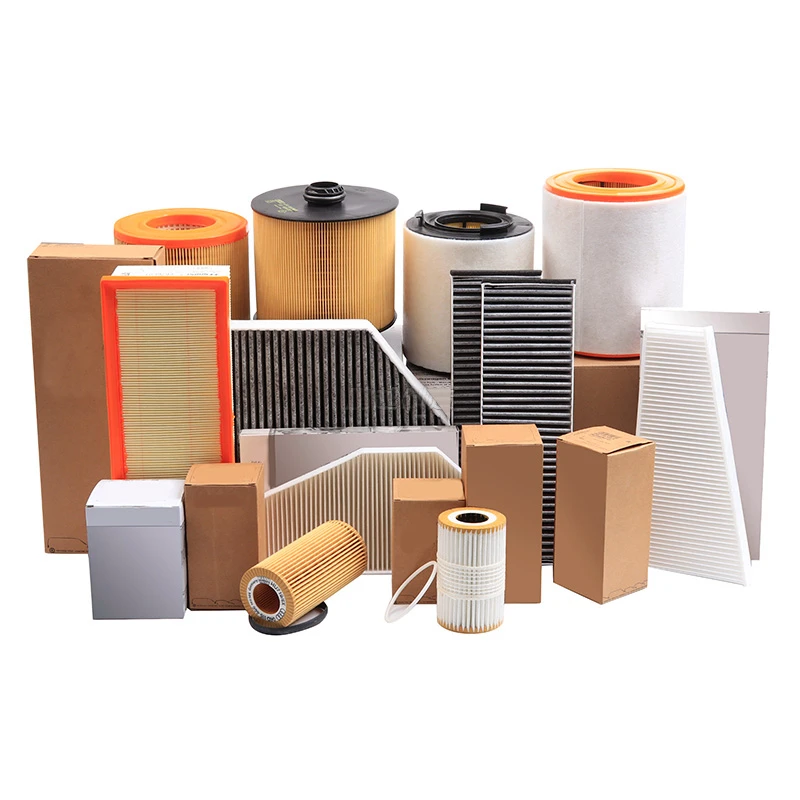
Unlocking the Power of the Conical Air Filter for Car: Why It Matters Globally
When you think about the air that feeds your car’s engine, you probably don’t give it much thought — until the performance drops, or you hear that annoying rattle. Yet, the humble conical air filter for car is quietly revolutionizing how engines breathe and perform worldwide. Its significance extends far beyond a simple automotive part; it touches environmental goals, energy efficiency, and even global industry standards. Understanding this nifty filter means tapping into the evolving demand for more reliable, cleaner, and eco-friendlier driving experiences. And that’s precisely why it’s become such a buzzword in automotive and engineering circles alike.
The Global Context: Breathing Life into Engines and Sustainability Efforts
Globally, air pollution and carbon emissions have pushed international organizations like the United Nations and ISO to set stricter standards for vehicle emissions and fuel efficiency. According to the UN Climate Change reports, the transportation sector accounts for nearly 25% of global CO2 emissions — a statistic that’s hard to ignore. That’s where automotive parts that boost engine efficiency come in.
The conical air filter for car helps engines optimize air intake, improving combustion and reducing pollutant output. Car enthusiasts, manufacturers, and even remote industrial operations across Asia, Europe, and North America are adopting them as a subtle yet impactful solution. However, the challenge lies in balancing high airflow with superior filtration — a tug-of-war that engineers have long wrestled with.
What Exactly Is a Conical Air Filter for Car?
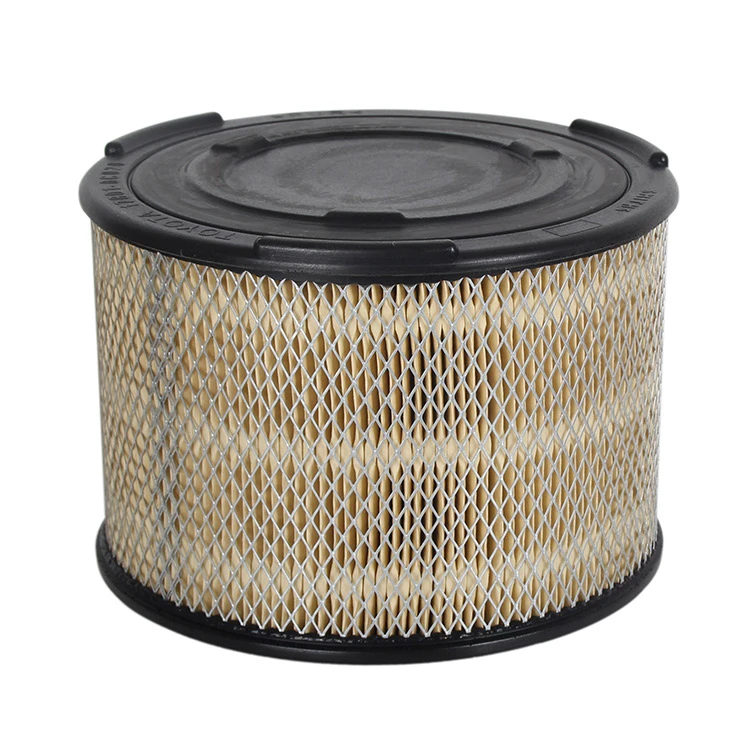
Simply put, a conical air filter is an air intake filter shaped like a cone instead of the typical flat or panel form. This shape increases surface area for air to pass through, allowing more volume without sacrificing filtering quality. The filter media is often made from layered cotton, foam, or synthetic materials designed to trap dust, pollen, and other airborne particles.
Functionally, it fits into the car’s air intake system, preventing contaminants from entering the engine while promoting smoother airflow. This little device makes a big impact on engine efficiency, performance, and lifespan — which relates directly to modern automotive concerns like fuel economy, emissions, and even long-term maintenance costs.
Core Features That Make Conical Air Filters Stand Out
1. Enhanced Airflow and Engine Performance
The cone shape naturally expands the available surface area for air to filter through. This means the engine can “breathe” better, often translating to sharper throttle response and increased horsepower. Many engineers swear by this for moderate to high-performance tuning.
2. Superior Filtration Efficiency
Advanced filter media inside conical filters can capture ultra-fine particles that might otherwise reduce engine efficiency or cause damage over time. Some high-end filters even feature multiple layers or use oil-treated cotton for improved particle trapping.
3. Durability and Maintenance
Unlike disposable paper filters, many conical air filters are reusable and washable. A quick clean every 15,000 to 30,000 miles can extend your filter's life for years — which not only saves money but helps reduce waste.
4. Cost Efficiency and Long-Term Savings
Though the upfront price might be higher than traditional filters, the durability factor and improved fuel economy often balance that out in the long run. Plus, fewer engine repairs related to poor air intake add to the value.
5. Easy Installation and Compatibility
Most conical filters come with adaptable fittings, allowing them to be fitted on a wide range of car models and air intake designs — making them a go-to for aftermarket upgrades.
Mini takeaway: The cone-shaped air filter isn’t just about style; its design optimizes airflow and filtration simultaneously, offering a neat balance that’s hard to beat.
Global Use Cases: From City Streets to Remote Industrial Zones
Conical air filters find themselves performing silently in the engines of daily commuters in Tokyo, tuning up performance cars in California, and keeping heavy machinery running smoothly in remote mining operations in Australia. For example:
- Post-disaster relief vehicles benefit because durable and high-performance air filtering ensures engines keep running in dusty, harsh environments.
- Urban delivery fleets use conical filters to reduce fuel costs and emissions, aligning with cities' sustainable transport goals.
- Motor racing teams rely on customized conical air filters for maximal airflow and rapid filtration under extreme conditions.
Factories and organizations across continents choose conical filters because they provide a practical balance between performance, lifespan, and environmental impact — all important considerations for modern-day industry.
Advantages and Lasting Value of Choosing a Conical Air Filter
Beyond pure performance, the benefits cascade into real-world value:
- Fuel economy improvements add up to noticeable savings over a car’s lifetime.
- Reduced harmful emissions help meet evolving environmental regulations.
- Longer engine life means fewer maintenance headaches and expenses.
- Reusable filter media contribute to sustainability efforts by reducing waste.
- Driver satisfaction: better engine responsiveness and sound often create an emotional connection to the vehicle.
Frankly, it feels like a small investment with big ripple effects: safety, environment, savings, and trust all merge into one package.
Conical Air Filter Product Specifications
| Specification | Typical Range | Notes |
|---|---|---|
| Diameter (base) | 3” – 6” (75-150 mm) | Varies by vehicle size |
| Height | 4” – 8” (102-203 mm) | Correlates with airflow capacity |
| Filter Media | Cotton gauze, foam, synthetic fiber | Options for washing & reusing |
| Airflow (CFM) | 100 – 300 cubic feet/min | Depends on cone size & media |
| Efficiency | Up to 98% particle filtration >20 microns | High-end filters approach HEPA levels |
| Maintenance Interval | 15,000 – 30,000 miles | Depends on environment & usage |
Comparison of Top Vendors Offering Conical Air Filters
| Vendor | Filter Media Options | Price Range | Maintenance | Warranty |
|---|---|---|---|---|
| FilterPro | Cotton gauze, synthetic | $40 - $70 | Washable, every 20k miles | 2 years |
| RaceAir | Oiled cotton gauze | $55 - $90 | Re-oil after washing | 1 year |
| EnviroFilter | Synthetic foam | $35 - $60 | Replace after 30k miles | 3 years |
Emerging Trends and Innovations in Conical Air Filters
There’s a quiet revolution building in filter tech. Several manufacturers are exploring nanofiber materials that trap particles far smaller than before, without choking off the airflow. Some are integrating sensors that monitor filter health digitally, so drivers know exactly when to clean or replace.
On the sustainability front, reusable oil-coated cotton filters with biodegradable oils are gaining traction. Automation in manufacturing also means more precise filter shapes and tighter quality control.
Government initiatives, like stricter emission standards under ISO and local environmental laws, only increase the push for innovation in parts like the conical air filter for car. It's a small part but plugged into a big green energy and digital transformation shift.
Challenges and How Experts Are Tackling Them
Of course, conical air filters aren’t perfect. Some users complain about installation complexity on certain vehicles or concerns about water ingestion in rainy climates. Addressing these hurdles involves improving filter housings to prevent water entry and offering comprehensive fitment guides. Manufacturers often suggest pairing the filter with compatible heat shields or deflectors.
Another challenge: balancing extreme filtering with maximal airflow for turbocharged engines. Recent innovations include multi-stage filters and hybrid materials that try to strike this delicate balance. It’s an evolving space, with plenty of room for inventive solutions.
Frequently Asked Questions About Conical Air Filters for Cars
1. Can a conical air filter improve my car’s fuel economy?
Yes, by increasing airflow efficiency, these filters can help your engine burn fuel more effectively, potentially improving fuel economy by up to 3-5%, depending on driving conditions.
2. Are conical air filters washable and reusable?
Most high-quality conical filters are designed to be washed and reused multiple times, unlike traditional paper filters that need replacing frequently.
3. Will a conical air filter fit any make or model?
They’re generally compatible with many vehicles due to adjustable fittings, but it’s crucial to check size and fitment guides to ensure proper installation.
4. Do these filters affect engine noise?
Yes, many users notice a deeper, sportier sound due to enhanced airflow. Some find this appealing; others may prefer stock sound levels.
5. How often should I clean the filter?
Cleaning intervals vary by environment and usage but usually range from every 15,000 to 30,000 miles. Dusty or off-road conditions may require more frequent maintenance.
Wrapping It Up: Why The Conical Air Filter for Car Still Makes Sense
In real terms, the conical air filter for car is more than just a shape or an upgrade; it carries the promise of cleaner engines, better performance, and long-term savings—all while fitting into global sustainability and emissions ambitions. Whether you’re a hardcore gearhead, an eco-conscious driver, or a fleet manager seeking reliability, these filters tick many boxes.
So if you want your ride to breathe easier and perform sharper, consider diving deeper into the world of conical air filter for car. It’s a small change with surprisingly big effects. Check out our site for a range of options that blend innovation, quality, and value.
References
-
Guide on how often do you need to replace engine air filterNewsApr.16,2026
-
Learn how often do you replace air filter in car for engine healthNewsApr.09,2026
-
How Often Do You Replace Car Air Filter For Optimal Engine PerformanceNewsApr.07,2026
-
How Often Do You Replace Engine Air Filter For Optimal Vehicle PerformanceNewsApr.04,2026
-
Understanding How Often Does Engine Air Filter Need to Be Replaced for Optimal PerformanceNewsMar.31,2026
-
How Often Engine Air Filter Change Impacts Performance and LongevityNewsMar.28,2026
-
Understanding How Often to Replace Your Car Air Filter for Optimal PerformanceNewsMar.26,2026
Related Products