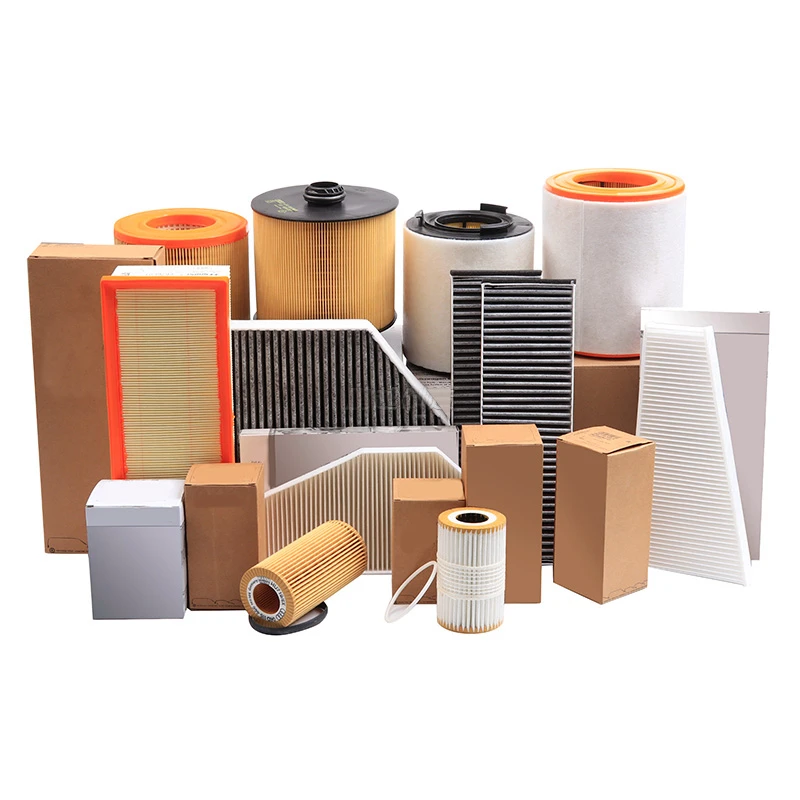
Understanding Automotive Filtration Systems
In the demanding landscape of modern vehicle operation, the integrity and longevity of engine components are critically dependent on effective filtration. The role of automotive filters extends far beyond simple contaminant removal; they are integral to fuel efficiency, emissions control, and overall engine health. This article delves into the intricacies of these essential components, focusing specifically on car fuel filters, outlining their manufacturing processes, technical specifications, application advantages, and market dynamics for B2B stakeholders.
Modern engines, particularly those utilizing high-pressure common rail direct injection (CRDI) systems, are extremely sensitive to fuelborne contaminants. Particles as small as 2-5 microns can cause significant wear and potential failure in injectors, pumps, and other precision-engineered parts. Consequently, the development and deployment of advanced car fuel filter technologies have become paramount in ensuring optimal performance and extending vehicle service life.
The Manufacturing Process of automotive filters
The production of high-performance automotive filters, particularly car fuel filters, involves a multi-stage process characterized by precision engineering, advanced material science, and rigorous quality control. This ensures each filter meets the stringent demands of modern automotive systems.
Key Manufacturing Stages:
- 1. Material Selection & Preparation: This critical initial phase involves choosing specialized filtration media, typically high-grade cellulose, synthetic fibers (e.g., polyester, polypropylene), or a blend, often reinforced with resins for enhanced structural integrity and chemical resistance. Housings are commonly crafted from corrosion-resistant steel, aluminum, or robust engineered plastics, ensuring durability against fuel chemicals and operating pressures.
- 2. Media Pleating: The chosen media is precisely pleated to maximize the surface area within a compact design. This is crucial for achieving high dirt-holding capacity and maintaining efficient flow rates. Advanced pleating technologies, including varying pleat geometries and depths, are employed to optimize performance.
- 3. Element Assembly: The pleated media is formed into the filter element, often supported by inner and outer mesh screens to prevent collapse under pressure and provide additional structural stability. End caps, typically made from plastic or metal, are then sealed to the media, often using thermal bonding or adhesive processes, ensuring no bypass leakage.
- 4. Housing Fabrication: For spin-on or inline car fuel filter designs, the metal or plastic housing components are manufactured. This can involve processes like deep drawing for metal cans, injection molding for plastic parts, or precision CNC machining for critical interfaces to ensure perfect fitment and sealing.
- 5. Final Assembly & Sealing: The filter element is carefully inserted into the housing. Gaskets and O-rings, made from fuel-resistant materials like NBR or Viton, are fitted to ensure a leak-proof seal. The housing components are then crimped, welded, or spin-sealed, depending on the filter type, to create a robust, unitized assembly.
- 6. Quality Control & Testing: Each car fuel filter undergoes rigorous testing. This includes burst pressure testing, vibration analysis, leakage checks, and flow rate assessments. Filtration efficiency and dirt-holding capacity are often verified through batch testing in accordance with standards like ISO 4020, SAE J1488, and ISO 16889, ensuring compliance with specified performance parameters.
- 7. Finishing & Packaging: Filters are cleaned, marked with identification information, and packaged to prevent contamination during storage and transport.
The typical service life of a quality car fuel filter ranges from 30,000 to 100,000 kilometers, depending on vehicle manufacturer specifications, fuel quality, and operating conditions. These filters offer distinct advantages in their application scenarios, including enhanced energy saving by preventing fuel system blockages and maintaining optimal injection patterns, and superior corrosion resistance due to advanced materials and coatings, protecting sensitive components from fuel contaminants and moisture.
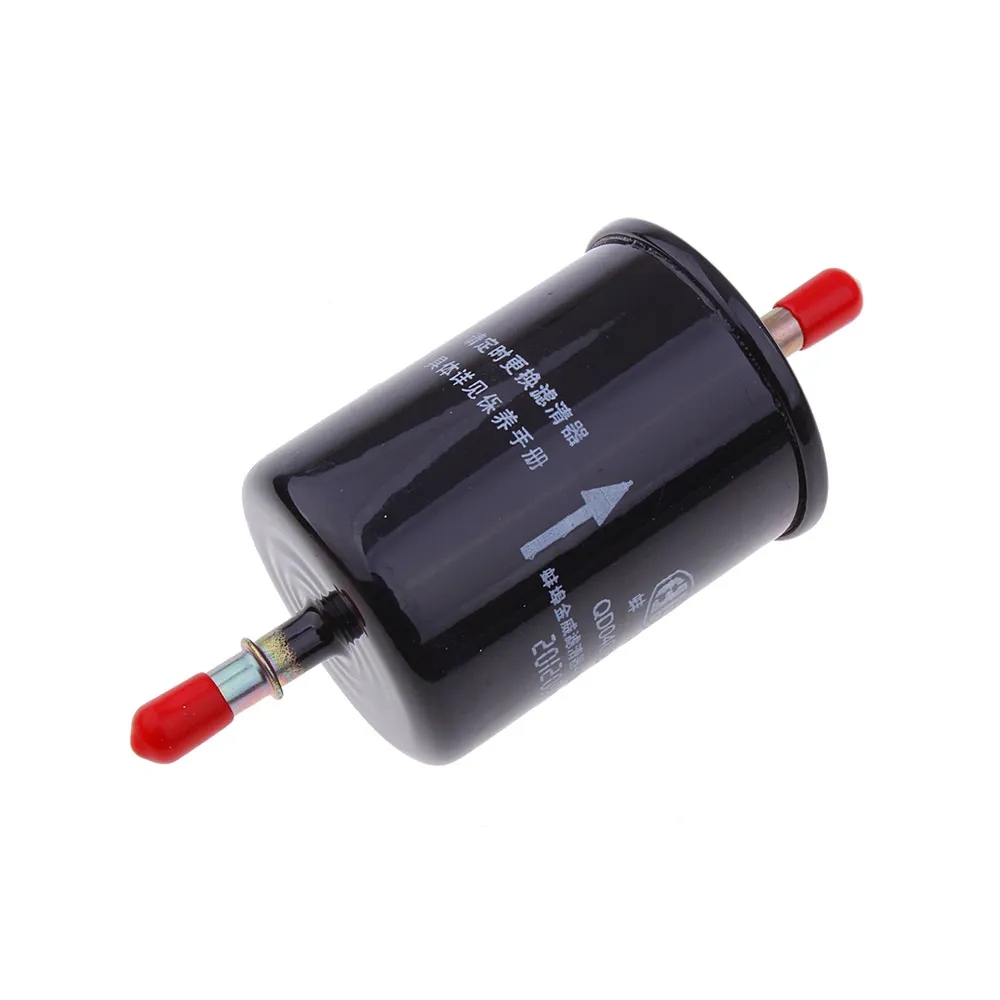
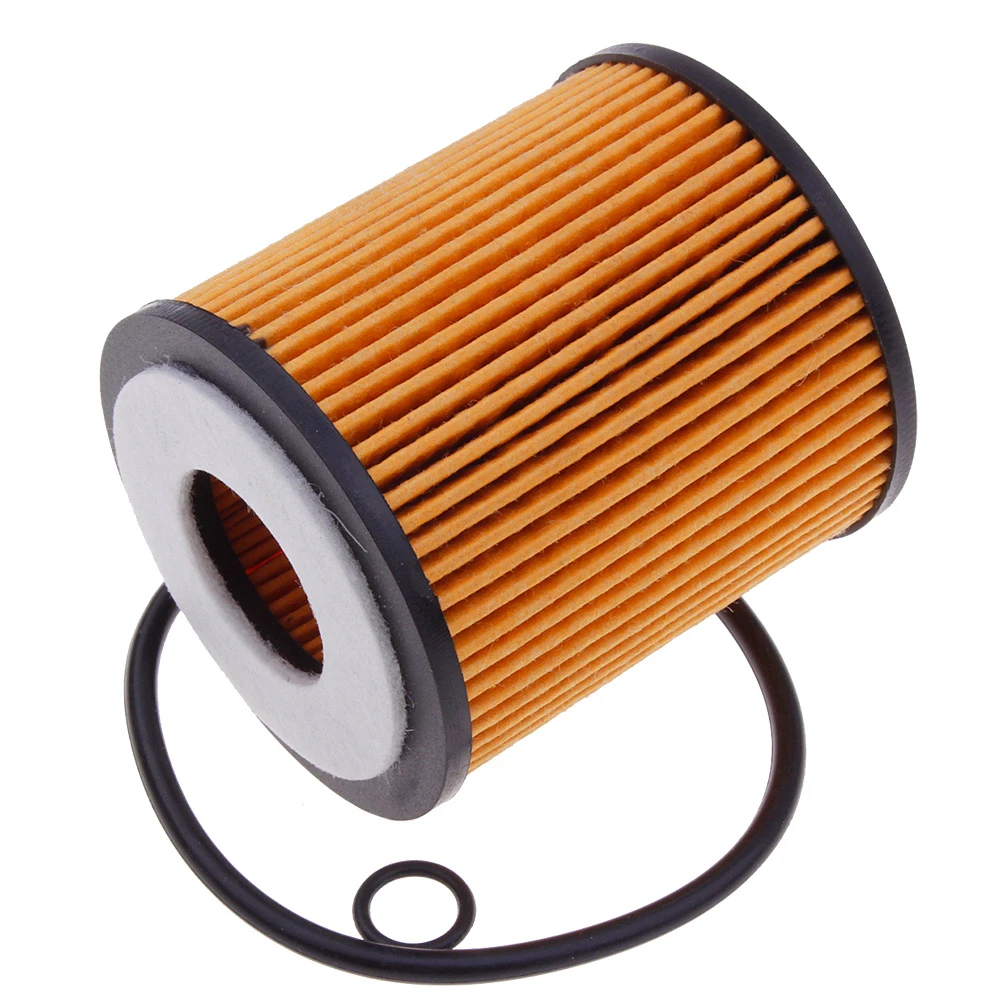
Advanced manufacturing processes ensure the reliability of automotive filters.
Industry Trends in automotive filters and Fuel Filtration
The automotive industry is in constant evolution, driven by stricter environmental regulations, advancements in engine technology, and the advent of alternative fuels. These forces directly influence the development and demand for sophisticated automotive filters.
- 1. Increased Filtration Efficiency: With the proliferation of high-pressure direct injection (HPDI) systems and smaller injector nozzle diameters, the requirement for ultra-fine filtration has intensified. Modern car fuel filters must achieve absolute filtration efficiencies, often down to 2-3 microns, to protect highly sensitive fuel system components from microscopic abrasive particles.
- 2. Water Separation Technology: The increasing use of biodiesel blends (e.g., B7, B20) and the inherent presence of moisture in diesel fuel necessitate advanced water separation capabilities. Filters are now incorporating hydrophobic media and coalescing layers to effectively remove emulsified and free water, preventing corrosion, microbial growth, and ice formation.
- 3. Biofuel Compatibility: Biofuels can be more aggressive and have different solvency properties than traditional petroleum diesel, potentially degrading traditional filter materials. This trend drives the development of new media and housing materials that offer superior chemical resistance and compatibility with various biofuel concentrations.
- 4. Extended Service Intervals: Vehicle manufacturers and fleet operators are pushing for longer service intervals to reduce maintenance costs and vehicle downtime. This requires car fuel filters with higher dirt-holding capacities and robust designs that can maintain peak performance over extended periods.
- 5. Integrated Modules and Smart Filtration: The trend towards modular design integrates multiple filtration functions (e.g., primary and secondary filtration, water separation, fuel heating) into a single compact unit. Furthermore, "smart" filters equipped with sensors for monitoring fuel contamination levels, pressure drop, and filter life are emerging, enabling predictive maintenance and optimizing filter replacement schedules.
- 6. Lightweighting and Sustainability: Manufacturers are exploring lighter materials and designs to contribute to overall vehicle weight reduction and improve fuel economy. Additionally, efforts are underway to develop more recyclable and environmentally friendly filter materials and disposal methods.
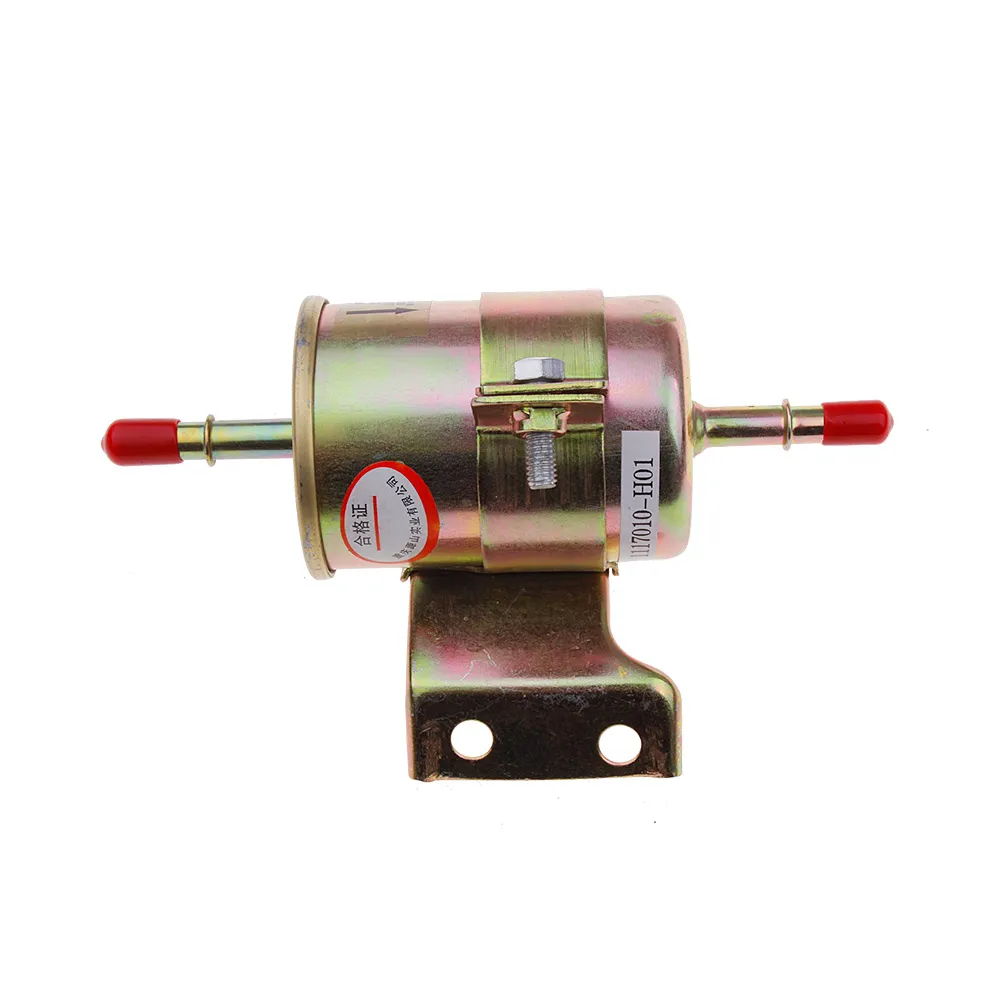
Innovations in fuel filter design address modern engine demands.
Technical Specifications and Parameters for Car Fuel Filters
Selecting the appropriate car fuel filter requires a deep understanding of its technical specifications and how these parameters impact engine performance and longevity. Key parameters dictate the effectiveness and suitability of a filter for specific automotive applications, including both standard replacements and specialized universal car fuel filter solutions.
Critical Parameters:
- Filtration Efficiency: Measured as the percentage of particles of a certain size (e.g., 99% at 5 microns) that the filter media can capture. For high-pressure fuel systems, absolute efficiencies are crucial.
- Micron Rating: Indicates the smallest particle size the filter can effectively capture. Typically ranges from 2-10 microns for fuel filters.
- Flow Rate (LPH or GPH): The volume of fuel the filter can process per hour without excessive pressure drop. Must meet or exceed engine fuel consumption requirements.
- Pressure Drop: The resistance to fuel flow across the filter. A low initial pressure drop is desirable to avoid fuel starvation and maintain pump efficiency.
- Dirt-Holding Capacity (DHC): The amount of contaminant the filter can hold before reaching its terminal pressure drop and requiring replacement. Higher DHC extends service life.
- Water Separation Efficiency: For diesel applications, this measures the filter's ability to remove free and emulsified water, often expressed as a percentage.
- Operating Temperature Range: The range of ambient and fuel temperatures within which the filter can perform reliably.
- Burst Pressure: The maximum internal pressure the filter can withstand before structural failure.
- Material Compatibility: Resistance of filter components (media, seals, housing) to various fuel types, including gasoline, diesel, and biofuel blends.
Typical Car Fuel Filter Specifications Table:
| Parameter | Standard Car Fuel Filter | High-Performance Diesel Filter (e.g., CRDI) | Inline Car Fuel Filter (Universal) |
|---|---|---|---|
| Filtration Efficiency (Beta Ratio) | β5 ≥ 75 (75% at 5µm) | β2.5 ≥ 200 (99.5% at 2.5µm) | β10 ≥ 75 (75% at 10µm) |
| Nominal Micron Rating | 5 - 10 microns | 2 - 5 microns | 10 - 20 microns |
| Max Flow Rate | 100-150 LPH | 200-400 LPH | 50-100 LPH |
| Initial Pressure Drop | < 0.2 bar (2.9 psi) | < 0.3 bar (4.35 psi) | < 0.1 bar (1.45 psi) |
| Operating Temperature | -30°C to +100°C | -40°C to +120°C | -20°C to +80°C |
| Housing Material | Steel, Aluminum, Nylon 66 | Corrosion-resistant Steel, High-grade Composites | Plastic, Aluminum |
| Sealing Material | NBR, FKM (Viton) | FKM (Viton), HNBR | NBR |
The car fuel filter price varies significantly based on these specifications, material quality, brand reputation, and whether it's an OEM or aftermarket product. High-performance filters for modern diesel engines, for example, command a premium due to their advanced media and complex construction.
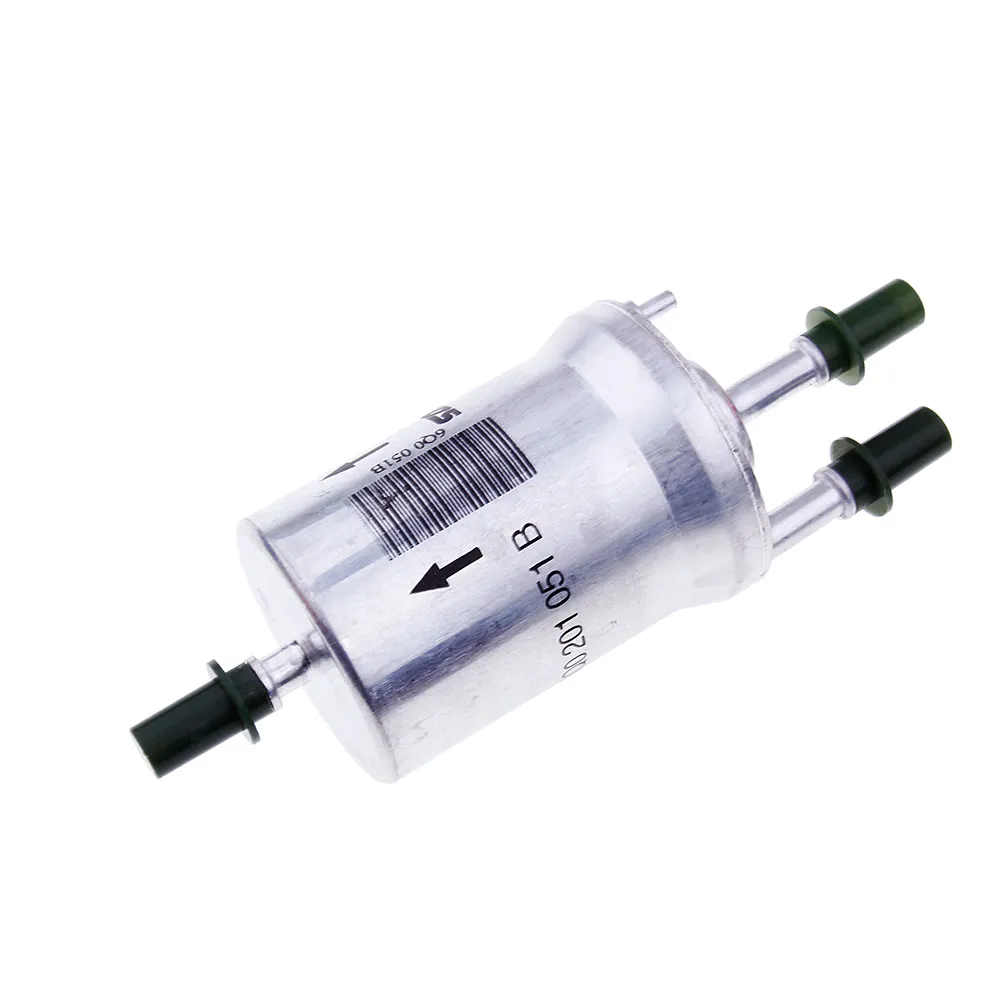
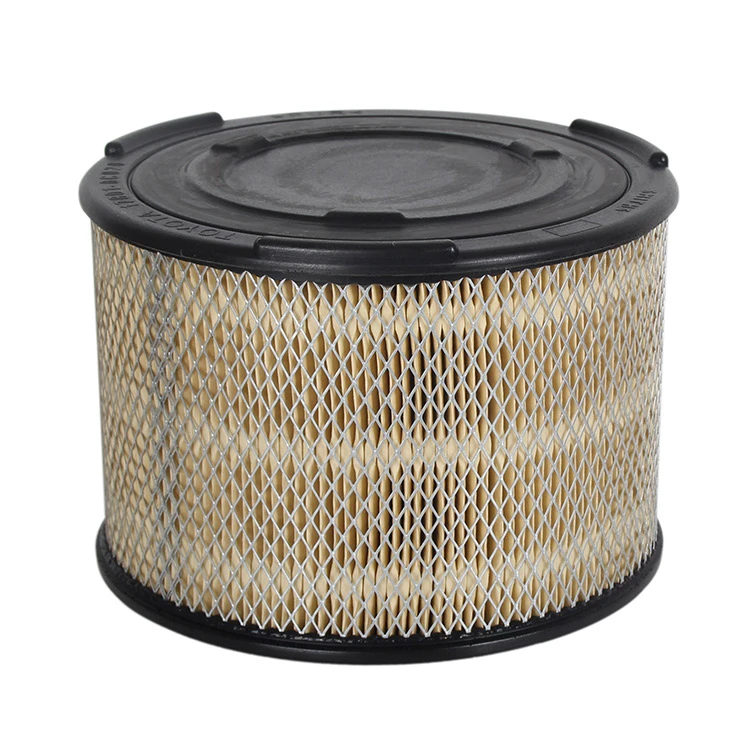
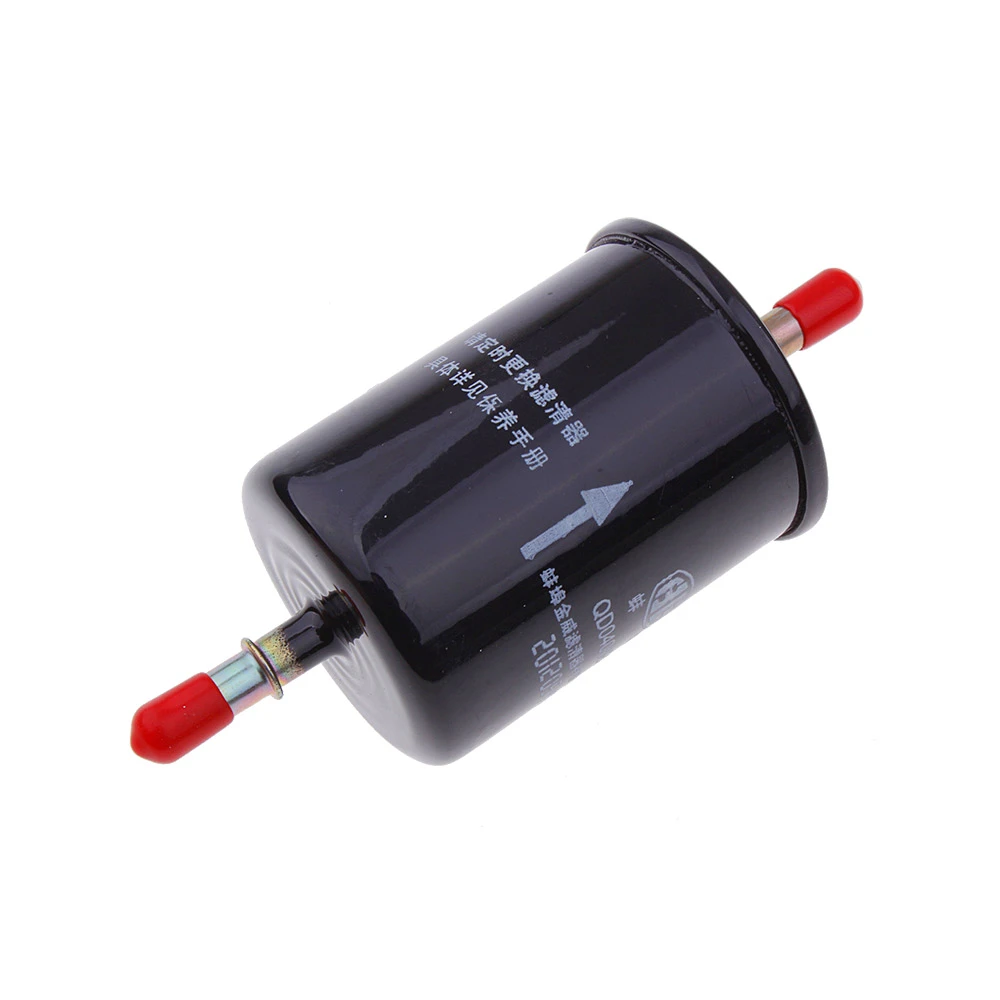
Precision-engineered fuel filters are vital for engine protection.
Application Scenarios of automotive filters
The deployment of automotive filters, especially car fuel filters, spans a vast array of vehicle types and operational environments, underscoring their universal importance in safeguarding engine systems. From passenger vehicles to heavy-duty machinery, the need for clean fuel remains constant.
- Passenger Vehicles: Every gasoline and diesel passenger car relies on efficient fuel filtration to protect delicate injectors, fuel pumps, and carburetors from rust, dirt, and other particulates. Modern vehicles with direct injection systems demand even finer filtration for optimal fuel atomization and combustion.
- Commercial Trucks & Buses: Fleet operators prioritize uptime and fuel economy. High-capacity diesel fuel filters with integrated water separators are crucial for preventing engine damage in heavy-duty commercial vehicles, which often operate in demanding conditions and rely on varying fuel qualities. Extended service filters are particularly valued here.
- Agricultural & Construction Equipment: Off-highway vehicles like tractors, excavators, and bulldozers operate in dusty, harsh environments. Their robust fuel systems require equally robust filtration to contend with severe contamination challenges, ensuring reliability and preventing costly downtime in remote locations.
- Marine Applications: Marine engines face unique challenges, including potential for water ingress in fuel tanks due to condensation or inadequate fuel transfer. Specialized fuel water separators with high flow rates are indispensable for protecting marine diesel and gasoline engines, ensuring reliable operation at sea.
- Power Generation & Industrial Engines: Stationary engines used in generators, pumps, and other industrial applications also benefit from robust fuel filtration. These often require large, high-capacity filters designed for continuous operation and extended service intervals.
Customer feedback frequently highlights the tangible benefits of high-quality filtration, such as "noticeably smoother engine operation," "reduced frequency of fuel system error codes," and "extended periods between costly injector replacements." These experiences underscore the direct impact of superior filtration on operational efficiency and maintenance expenditure across diverse fleets.
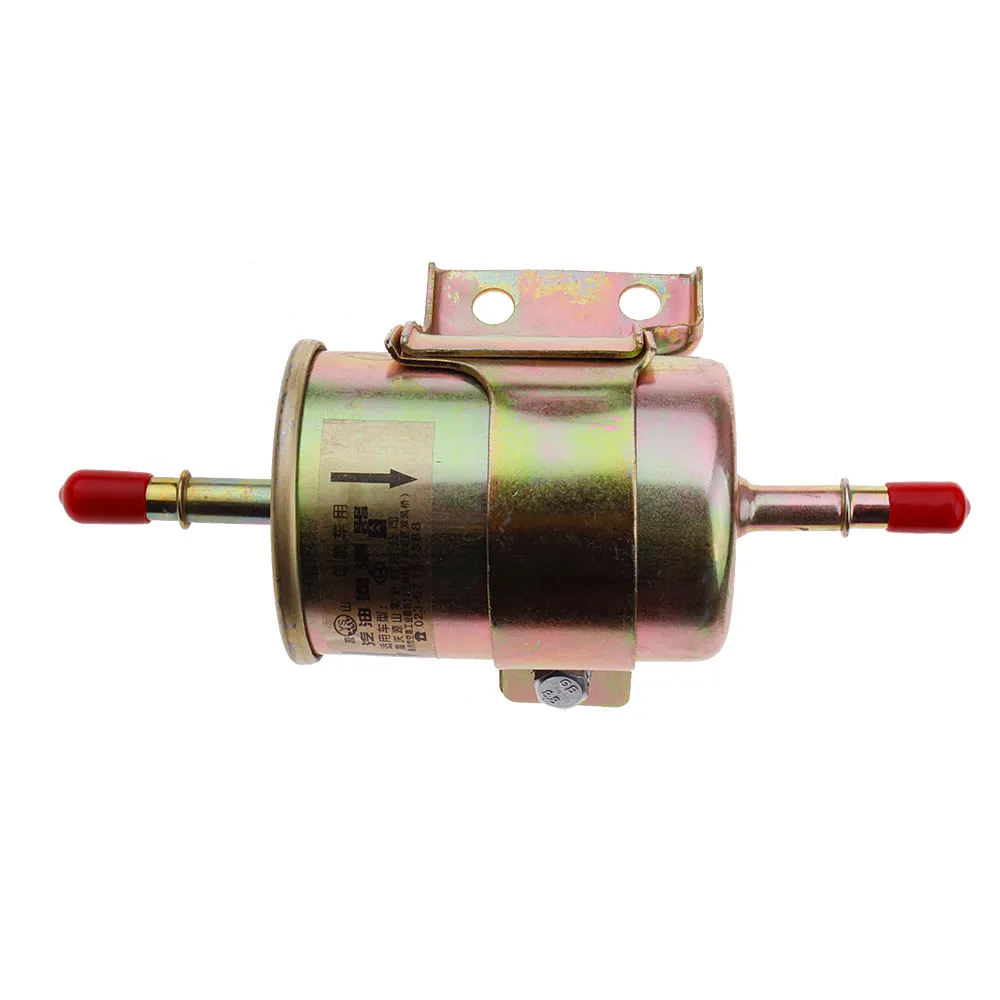
Diverse applications rely on effective automotive filtration.
Technical Advantages of Advanced Car Fuel Filters
The technical advantages offered by high-quality car fuel filters are foundational to modern vehicle performance and economy. These advantages stem from sophisticated design, advanced materials, and rigorous manufacturing processes, contributing significantly to a vehicle's operational lifespan and environmental compliance.
- Enhanced Engine Protection: Superior filtration media with multi-layer designs captures even microscopic particles (e.g., iron oxide, silica, organic contaminants) that can abrade fuel pumps, injectors, and cylinder walls. This protection is vital for precision components in gasoline direct injection (GDI) and common rail direct injection (CRDI) diesel engines.
- Improved Fuel Economy: By ensuring a clean, unrestricted fuel flow, high-performance filters help maintain optimal fuel atomization and combustion efficiency. This prevents issues like clogged injectors that can lead to incomplete combustion, wasted fuel, and reduced power output, ultimately translating to better mileage.
- Extended Service Intervals and Reduced Downtime: Filters with high dirt-holding capacity and robust construction can perform effectively for longer periods, reducing the frequency of replacements. This leads to lower maintenance costs and increased vehicle availability, especially critical for commercial fleets.
- Superior Water Separation: For diesel applications, advanced water separation technology prevents water from reaching the fuel injection system. Water can cause corrosion, cavitation, microbial growth, and freezing, all of which are detrimental to fuel system components. Modern filters achieve high single-pass water removal efficiency.
- Corrosion Resistance and Fuel Compatibility: The use of specially treated media and corrosion-resistant housing materials ensures the filter's integrity when exposed to aggressive fuel additives, ethanol, or biodiesel blends. This prevents filter degradation and ensures long-term reliability.
- Reduced Emissions: By ensuring clean combustion and optimal engine performance, effective fuel filtration contributes to lower harmful exhaust emissions, helping vehicles meet stringent environmental regulations.
- Reliable Cold Start Performance: In colder climates, fuel filters equipped with pre-heaters or designed with media that resists wax crystallization help prevent fuel gelling, ensuring reliable engine starts.
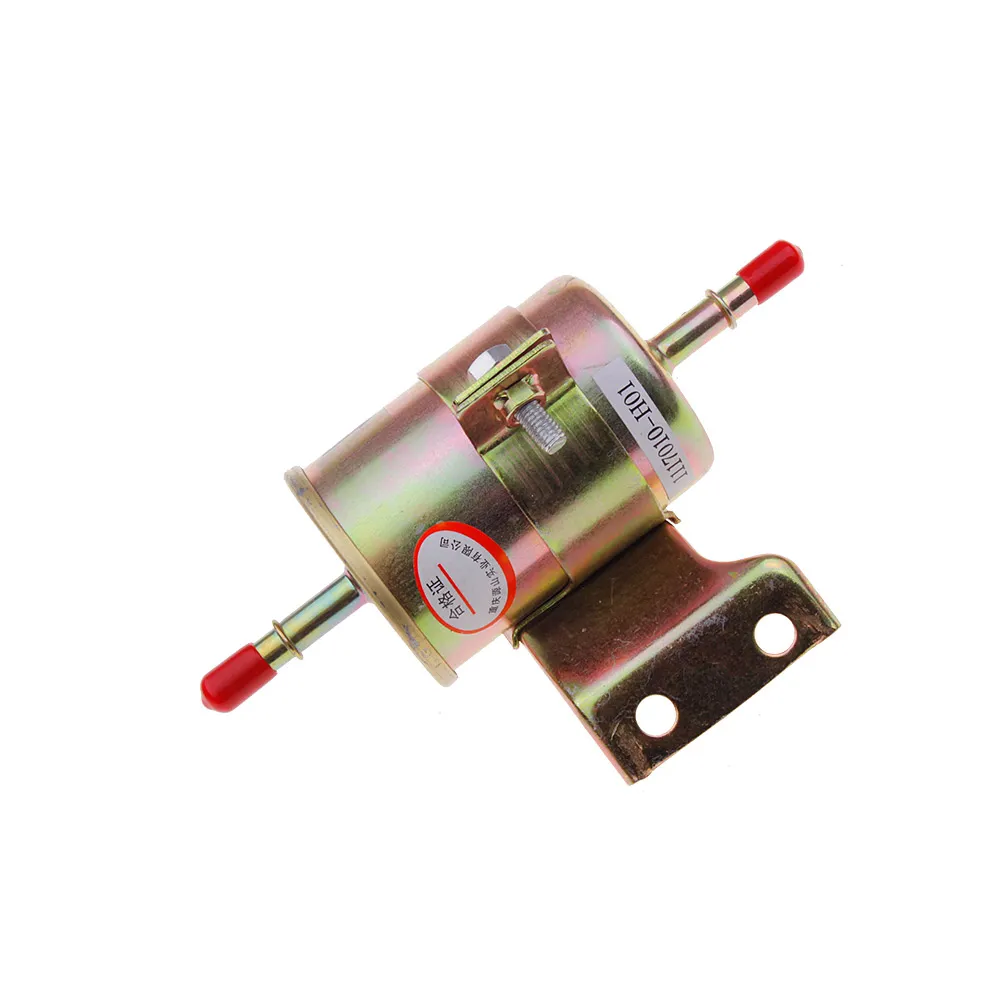
Advanced filtration provides multifaceted benefits for vehicle performance.
Vendor Comparison for Car Fuel Filters
When sourcing car fuel filters, B2B buyers face a diverse market. A strategic vendor comparison based on objective criteria is essential to ensure long-term value, reliability, and adherence to performance standards for automotive filters.
Key Comparison Factors:
- Filtration Technology & R&D: Leading vendors invest heavily in R&D, pioneering multi-layer synthetic media, optimized pleat geometry, and advanced water separation techniques (e.g., coalescing filters, hydrophobic membranes).
- Material Quality & Durability: Assessment of housing materials (corrosion-resistant steels, high-grade polymers), sealing compounds (FKM, HNBR), and media robustness against varying fuel types and operating conditions.
- Certifications & Compliance: Adherence to international standards like ISO 9001 (Quality Management), IATF 16949 (Automotive Quality Management System), and relevant performance testing standards (ISO 4020, SAE J1488).
- Global Presence & Supply Chain: Manufacturers with robust global distribution networks can ensure timely delivery and consistent product availability, crucial for international clients.
- Customization Capabilities: The ability to engineer bespoke solutions for unique engine requirements, specific fleet needs, or private labeling, differentiating from off-the-shelf universal car fuel filter options.
- After-Sales Support & Technical Assistance: Availability of technical support, training, and warranty commitments, ensuring comprehensive client partnership.
- Cost-Effectiveness & Total Cost of Ownership (TCO): Beyond initial car fuel filter price, consider longevity, impact on fuel economy, and prevention of costly engine repairs.
Comparison Table: Leading Car Fuel Filter Providers (Illustrative)
| Feature | Vendor A (Premium OEM Supplier) | Vendor B (Established Aftermarket) | Vendor C (Specialized Industrial/B2B) |
|---|---|---|---|
| Primary Focus | OE/OES, cutting-edge tech | Broad aftermarket coverage | Custom B2B solutions, high-performance |
| Filtration Efficiency | Ultra-fine (2-3µm absolute) | High (5-10µm nominal) | Customizable, often sub-5µm absolute |
| Water Separation | Excellent (>95% efficiency) | Good (85-90% efficiency) | Customizable, up to >98% |
| Certifications | IATF 16949, ISO 9001 | ISO 9001, relevant regional standards | ISO 9001, tailored client certifications |
| R&D Investment | Very High | Moderate | High (focused on specific needs) |
| Customization | Limited to large OEM contracts | Minimal (standard replacements) | Extensive (media, housing, integration) |
The choice of vendor depends heavily on the specific needs of the B2B client – whether it's for high-volume standard replacements, niche high-performance applications, or bespoke fuel system integration. Our focus as a specialized provider aligns with Vendor C, emphasizing customized solutions and engineering excellence.
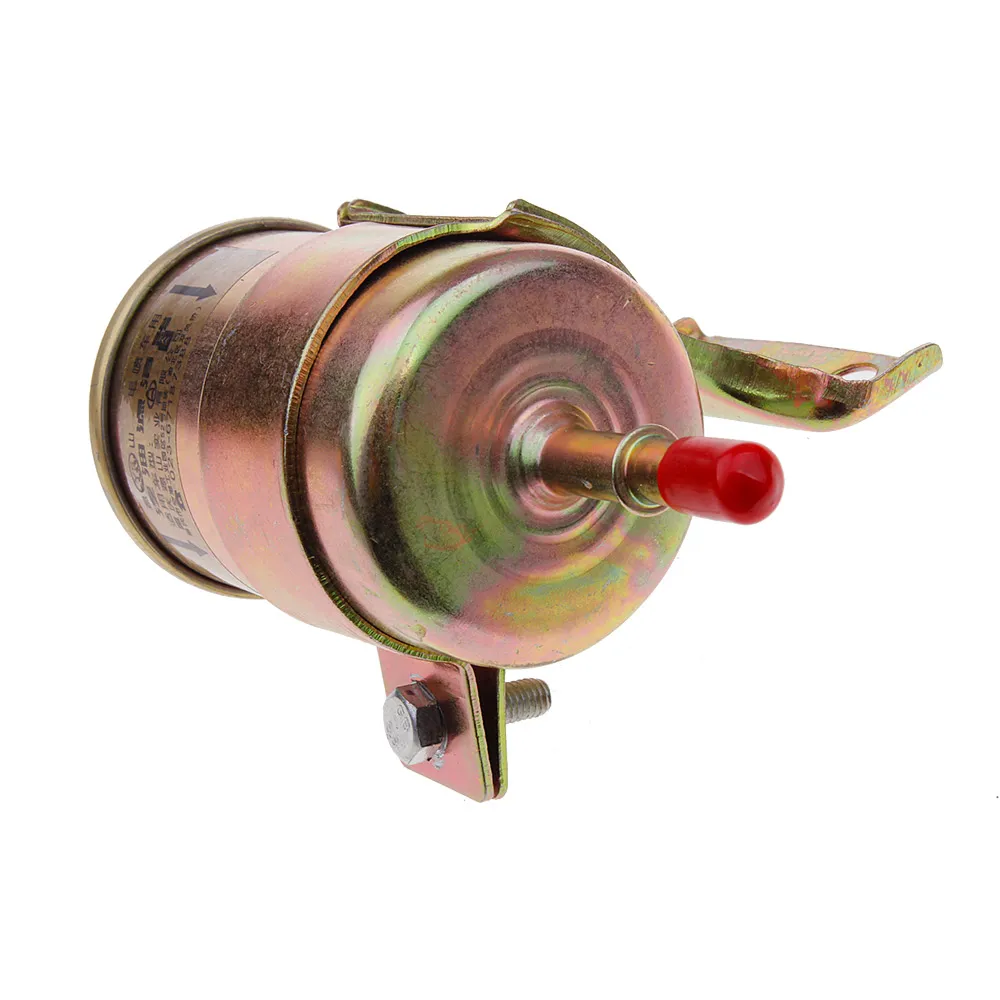
Strategic vendor selection ensures optimal fuel system performance.
Customized Solutions for automotive filters
While a broad range of standard and universal car fuel filter options exists, many B2B clients, particularly OEMs and specialized fleet operators, require bespoke solutions to address unique challenges. Customization ensures optimal performance, integration, and cost-efficiency for diverse automotive filters requirements.
- Application-Specific Media: Tailoring filtration media to specific fuel types (e.g., high ethanol content gasoline, advanced biodiesel blends) or operating conditions (e.g., extreme temperatures, high vibration). This includes optimizing pore size distribution, media thickness, and chemical resistance.
- Optimized Housing Design: Developing custom housing configurations for space-constrained engine compartments, integrating multiple functions (e.g., fuel heating, sensors, pressure regulation) into a single module, or designing for enhanced serviceability.
- Enhanced Water Separation: For applications in highly humid environments or those frequently exposed to water contamination, specialized multi-stage water separators with advanced coalescing layers and drainage systems can be engineered.
- Private Labeling & Branding: Providing customized branding, packaging, and documentation for clients who wish to offer filters under their own brand, ensuring product consistency and market recognition.
- Integration with Sensors & Telematics: Designing filters with integrated sensors to monitor fuel quality, filter differential pressure, and predict service intervals, allowing for proactive maintenance and fleet management through telematics systems.
- Compliance with Niche Standards: Adhering to specific regulatory requirements for certain regions or industries (e.g., military vehicles, marine classifications), which often exceed standard automotive norms.
Our engineering team collaborates closely with clients from initial concept to prototyping and validation, ensuring that each customized car fuel filter solution meets precise performance criteria and seamlessly integrates into existing systems.
Application Case Studies: Real-World Impact of Superior Filtration
Real-world application demonstrates the critical role of advanced automotive filters in diverse operational environments. These case studies highlight measurable improvements in performance, reliability, and cost efficiency attributable to high-quality car fuel filter solutions.
Case Study 1: Heavy-Duty Trucking Fleet
A major logistics company operating a fleet of 500 long-haul diesel trucks experienced recurring issues with injector fouling and premature fuel pump failures, leading to significant unscheduled downtime. After analysis, it was determined that their existing fuel filters were inadequate for the varying fuel quality encountered across different regions.
- Challenge: Frequent fuel system component failures, high maintenance costs, and operational disruptions due to suboptimal filtration.
- Solution: We provided a customized dual-stage diesel fuel filter system featuring an enhanced water separator and a 2.5-micron absolute filtration media. The solution was designed to handle high flow rates and offer superior contaminant and water removal.
- Results:
- 85% Reduction in Fuel System Related Failures: Injector and fuel pump replacements dropped dramatically within 12 months.
- 20% Increase in Service Intervals: The higher dirt-holding capacity allowed for extended maintenance schedules.
- Estimated $1.2 Million Annual Savings: Achieved through reduced parts replacement, labor costs, and minimized downtime across the fleet.
Case Study 2: Performance Automotive Manufacturer
A manufacturer of high-performance sports cars required a bespoke inline car fuel filter for a new engine platform, demanding exceptionally low pressure drop and high filtration efficiency without compromising fuel delivery to direct-injection gasoline engines.
- Challenge: Existing off-the-shelf filters could not meet the stringent flow and pressure drop requirements of the high-revving engine, risking fuel starvation at peak performance.
- Solution: Our team developed a custom inline fuel filter with advanced synthetic media and an optimized flow path, encased in a lightweight, high-strength aluminum housing, precisely calibrated for their engine specifications.
- Results:
- Achieved 30% Lower Pressure Drop: Compared to leading aftermarket options, ensuring consistent fuel delivery under all conditions.
- Maintained 99% Filtration Efficiency at 4 microns: Protecting sensitive injectors without hindering performance.
- Seamless OEM Integration: The custom design allowed for perfect fitment within the constrained engine bay.
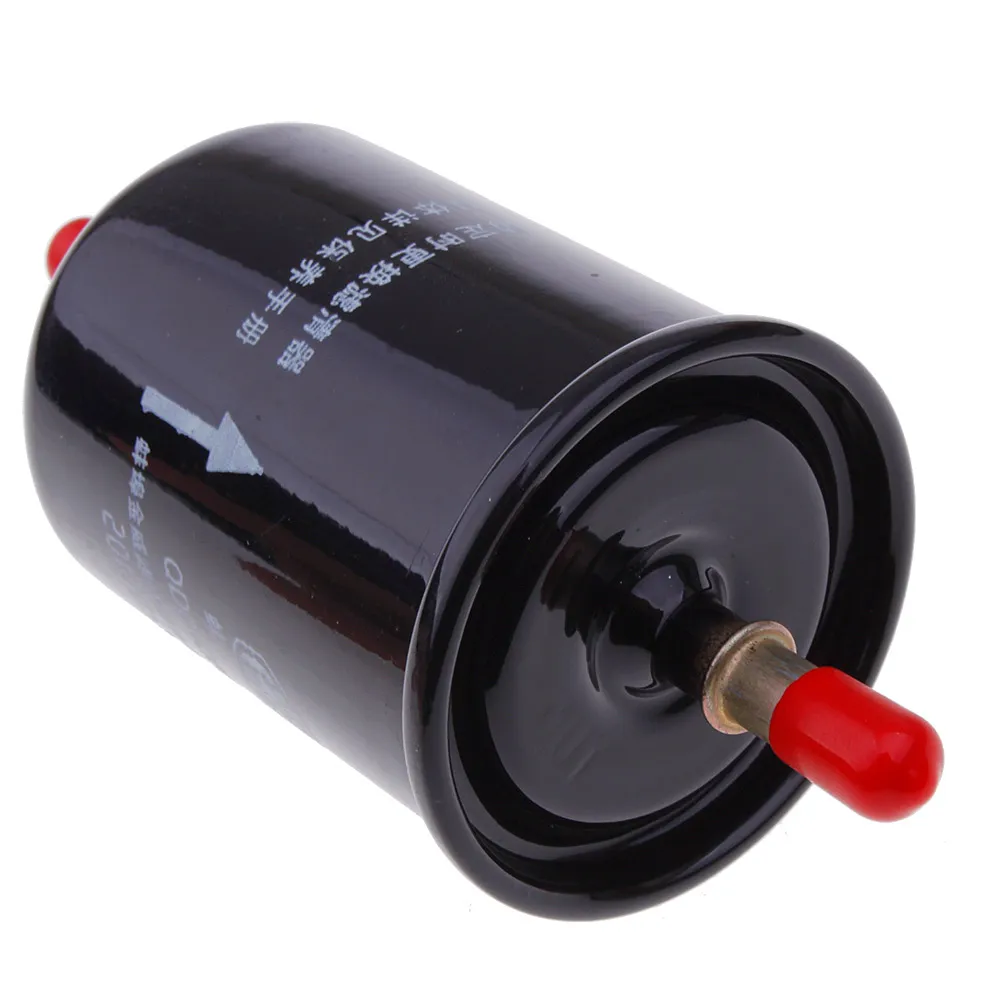
Successful deployments underscore the value of engineered filtration.
Trustworthiness & Client Support
Building strong B2B partnerships is founded on transparency, reliability, and robust support. We are committed to fostering trust through clear communication and comprehensive client services related to car fuel filter supply.
Frequently Asked Questions (FAQ)
- Q: What is the typical lead time for custom car fuel filter orders?
- A: For custom orders, the lead time typically ranges from 8-12 weeks, depending on complexity, material sourcing, and order volume. Standard product lead times are generally 4-6 weeks from order confirmation.
- Q: Do you offer bulk discounts for large volume purchases of car fuel filters?
- A: Yes, we provide competitive pricing structures and tiered discounts for bulk orders. Please contact our sales team for a personalized quotation based on your specific volume requirements.
- Q: How do your fuel filters perform with alternative fuels like biodiesel or E85?
- A: Our advanced filters are designed with materials compatible with various fuel types, including common biodiesel blends (up to B20/B30) and E10/E15 gasoline. For higher blend ratios or specific niche fuels, we offer customized solutions with enhanced material compatibility to ensure optimal performance and longevity.
- Q: What warranty do you offer on your automotive filters?
- A: We stand behind the quality of our products with a standard 12-month or 20,000-kilometer warranty (whichever comes first) against manufacturing defects, from the date of purchase. Specific warranty terms for OEM or customized solutions can be discussed as part of the contract agreement.
Lead Time & Fulfillment
Our streamlined manufacturing processes and robust supply chain management enable efficient order fulfillment. We maintain a strong inventory of critical raw materials and components to support consistent production schedules. Lead times are communicated clearly at the quotation stage and are proactively managed with regular updates to ensure on-time delivery. We also offer expedited shipping options for urgent requirements.
Warranty Commitments
Every car fuel filter we produce is subjected to stringent quality control, adhering to international standards such as ISO 9001 and IATF 16949. Our comprehensive warranty covers material and workmanship defects, providing peace of mind to our B2B partners. Detailed warranty statements are provided with each product line and contract.
Customer Support
Our dedicated customer support team is available to assist with technical inquiries, order status, and after-sales service. We offer multi-channel support including direct phone lines, email, and a dedicated client portal for efficient communication. Our technical experts can provide guidance on filter selection, installation, and troubleshooting to ensure optimal product performance in your specific applications.
References
- 1. International Organization for Standardization. ISO 4020: Road vehicles — Fuel filters for diesel engines — Test methods. ISO, 2017.
- 2. SAE International. SAE J1488: Diesel Fuel Filter Test Method. SAE, 2017.
- 3. IATF 16949:2016 - Quality Management System for Automotive Production and Relevant Service Parts Organizations. IATF, 2016.
- 4. Diesel Technology Forum. "The Importance of Fuel Filtration." www.dieselforum.org
- 5. Fuel filter trends and advancements in modern diesel engines. Filtrations Journal, Vol. 15, No. 3, 2022.
-
Guide on how often do you need to replace engine air filterNewsApr.16,2026
-
Learn how often do you replace air filter in car for engine healthNewsApr.09,2026
-
How Often Do You Replace Car Air Filter For Optimal Engine PerformanceNewsApr.07,2026
-
How Often Do You Replace Engine Air Filter For Optimal Vehicle PerformanceNewsApr.04,2026
-
Understanding How Often Does Engine Air Filter Need to Be Replaced for Optimal PerformanceNewsMar.31,2026
-
How Often Engine Air Filter Change Impacts Performance and LongevityNewsMar.28,2026
-
Understanding How Often to Replace Your Car Air Filter for Optimal PerformanceNewsMar.26,2026
Related Products