Premium Filtration Solutions: High-Performance pollen filter car for New Zealand

Engineering precision filtration systems tailored for the unique climate and road conditions of Oceania's diverse landscapes.

Premium Filtration Solutions: High-Performance pollen filter car for New Zealand

Our advanced automotive filtration range ensures optimal engine longevity and cabin purity, specifically designed to withstand New Zealand's varied atmospheric conditions from coastal salt air to alpine dust.

Automotive Filtration Landscape in New Zealand

Analyzing the critical need for high-efficiency filtration in the Oceania region.

New Zealand's unique geography, characterized by high humidity in coastal areas and significant pollen counts during the spring, places immense pressure on vehicle cabin systems. The demand for a high-quality auto air purifier has risen as urban centers like Auckland and Wellington face increasing particulate matter from transport hubs.

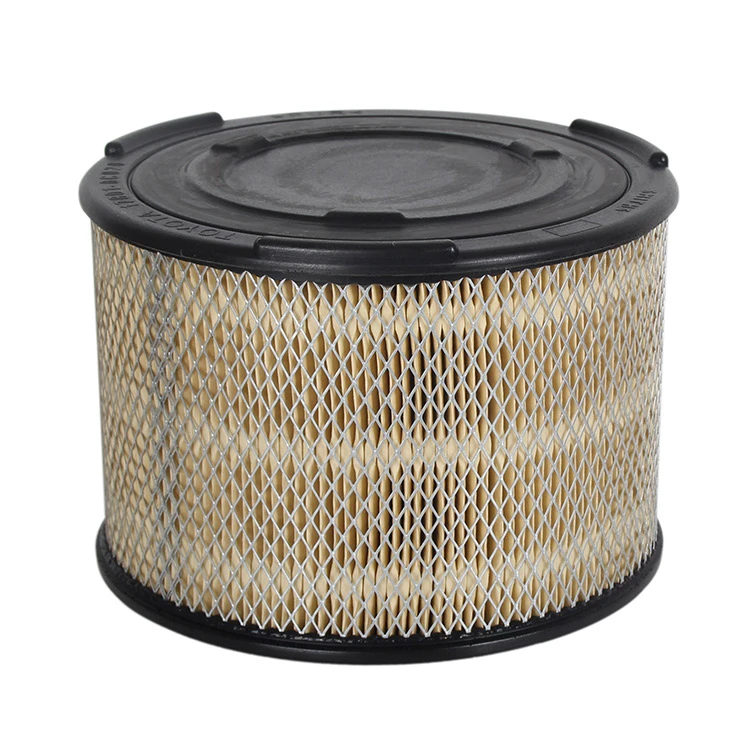
Furthermore, the prevalence of diverse vehicle fleets—ranging from compact city cars to heavy-duty agricultural machinery—requires versatile solutions. The use of an after market air filter has become a standard practice for Kiwi motorists seeking to enhance engine efficiency beyond OEM specifications, especially for vehicles traversing the rugged Southern Alps.

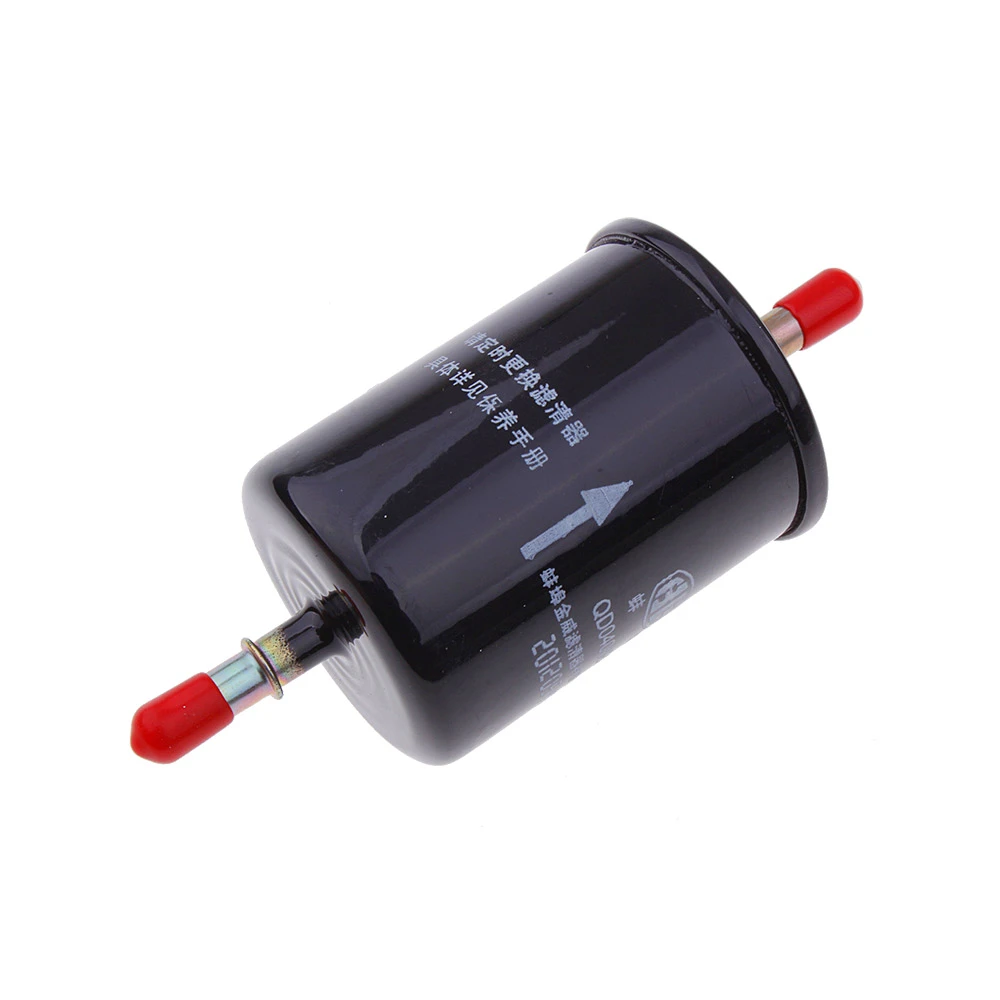
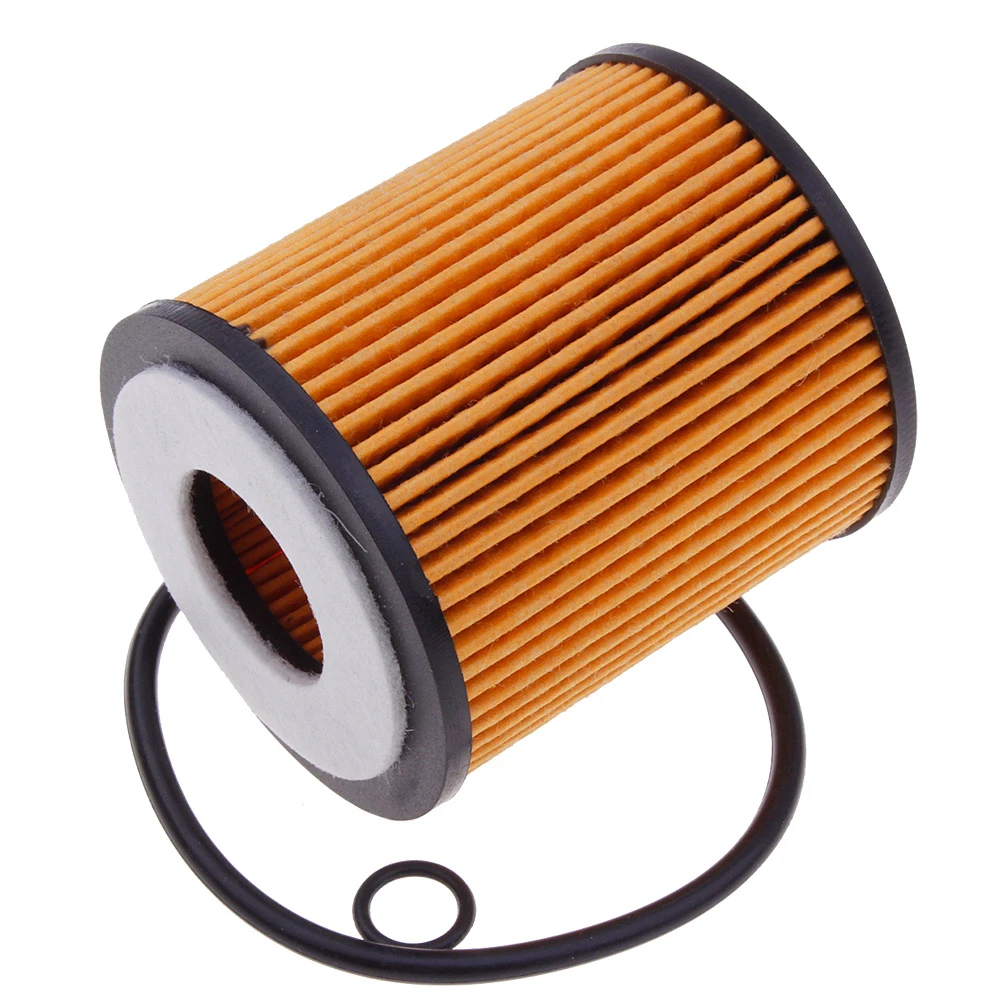
Economically, the New Zealand market is shifting towards sustainable maintenance. There is a growing preference for long-life components, such as a specialized oil filter for synthetic oil, which aligns with the local trend of using high-grade synthetic lubricants to reduce waste and service intervals.
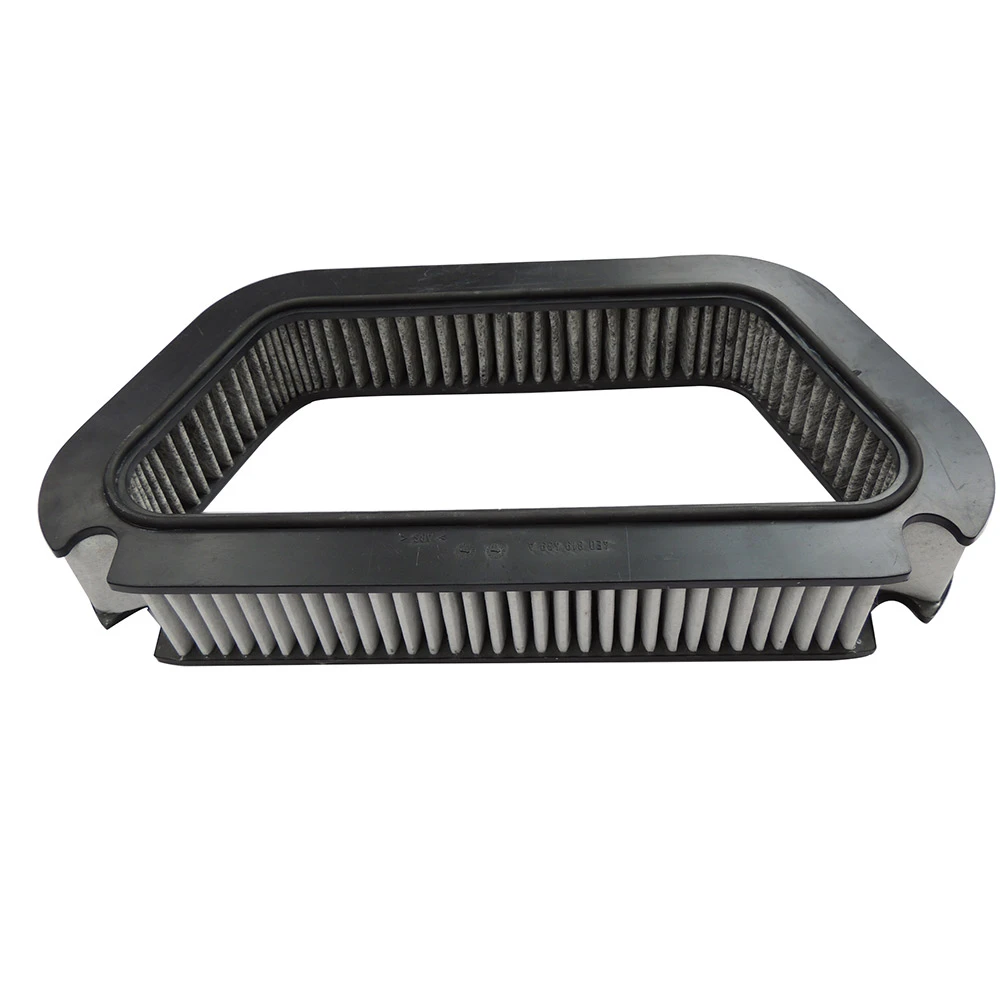
Evolution of Filtration Technology in Oceania

From basic mechanical barriers to intelligent molecular filtration.

Market Development History

In the early 2000s, the New Zealand market relied heavily on standard cellulose-based air cleaners for cars. These provided basic protection but struggled with the high moisture levels common in the North Island, often leading to premature clogging and reduced airflow.

Between 2010 and 2020, the industry transitioned toward synthetic blended media. This era saw the introduction of electrostatically charged fibers, which significantly improved the capture rate of microscopic allergens and soot, evolving the standard cabin filter into a professional-grade air purification tool.

Currently, the focus has shifted toward "Ultra-Low Pressure Drop" technology. Modern filters now balance maximum particulate capture with minimum restriction, ensuring that New Zealand's fuel-efficient hybrid and EV fleets maintain peak energy performance.

Future Development Trends

Nano-Fiber Integration

We predict a surge in nano-fiber media that can trap particles as small as 0.1 microns, providing medical-grade air quality within the vehicle cabin.

Biodegradable Filter Media

Aligning with New Zealand's "Clean Green" image, the industry is moving toward compostable filter frameworks to reduce landfill waste from automotive maintenance.

Smart Sensor Monitoring

Integration of IoT sensors that notify the driver of actual filter saturation levels rather than relying on fixed mileage intervals.

Strategic Outlook for Automotive Filtration

Predicting the next generation of engine and cabin protection.

Eco-Sustainable Media
Shift toward plant-based polymers to meet New Zealand's strict environmental regulations.
Synthetic Compatibility
Optimizing filtration pores for long-drain synthetic oil intervals popular in high-mileage NZ vehicles.
Multi-Stage HEPA
Combining coarse pre-filters with fine HEPA layers for comprehensive allergen removal.
Airflow Optimization
Reducing restrictive pressure drops to improve fuel economy in accordance with EU/NZ standards.

Industry Outlook

Based on Google search trends in Oceania, there is a significant uptick in queries related to "cabin air quality" and "synthetic oil maintenance." This indicates a shift in consumer behavior toward preventative care rather than reactive repair.

The next 3-5 years will likely see the convergence of air filtration and health-tech, where automotive filters are marketed as essential wellness components, particularly for those suffering from seasonal allergies in the New Zealand countryside.

Localized Application Scenarios in New Zealand

Real-world deployment of high-performance filtration across diverse NZ terrains.

01. Coastal Urban Commuting (Auckland/Wellington)

In salt-heavy coastal air and urban smog, our filters prevent corrosive particulates from entering the engine, while cabin filters ensure a breathable environment for daily commuters.

02. Southern Alps Adventure Driving

Vehicles navigating dusty alpine roads require heavy-duty air cleaners that can handle high particulate loads without sacrificing engine power or airflow.

03. Agricultural & Farm Machinery

For the Waikato and Canterbury farming regions, we provide oversized filtration components designed to block organic dust and livestock dander in extreme environments.

04. High-Mileage Touring (North to South Island)

Long-distance travelers utilize synthetic oil filtration to maintain oil purity over thousands of kilometers, reducing the need for frequent workshop stops.

05. Spring Allergy Protection

During New Zealand's peak pollen season, our specialized cabin filtration blocks invasive allergens, ensuring comfort for sensitive drivers across the country.

Brand Story

Global Development Journey of Qinghe Jinyou Automotive Parts Co., Ltd.

Founding Vision

Established with a mission to solve the common failure points of OEM filters, focusing on durability and high-precision sealing.

Technical Breakthroughs

Developed proprietary synthetic blending techniques that allowed for higher dirt-holding capacity without increasing pressure drop.

Market Expansion

Expanded into the Oceania and European markets, adapting product designs to meet specific regional environmental standards.

Quality Certification

Achieved international ISO certifications, ensuring every filter produced meets global safety and performance benchmarks.

Global Leadership

Now a leading provider of automotive filtration, committed to enhancing vehicle efficiency and user health worldwide.

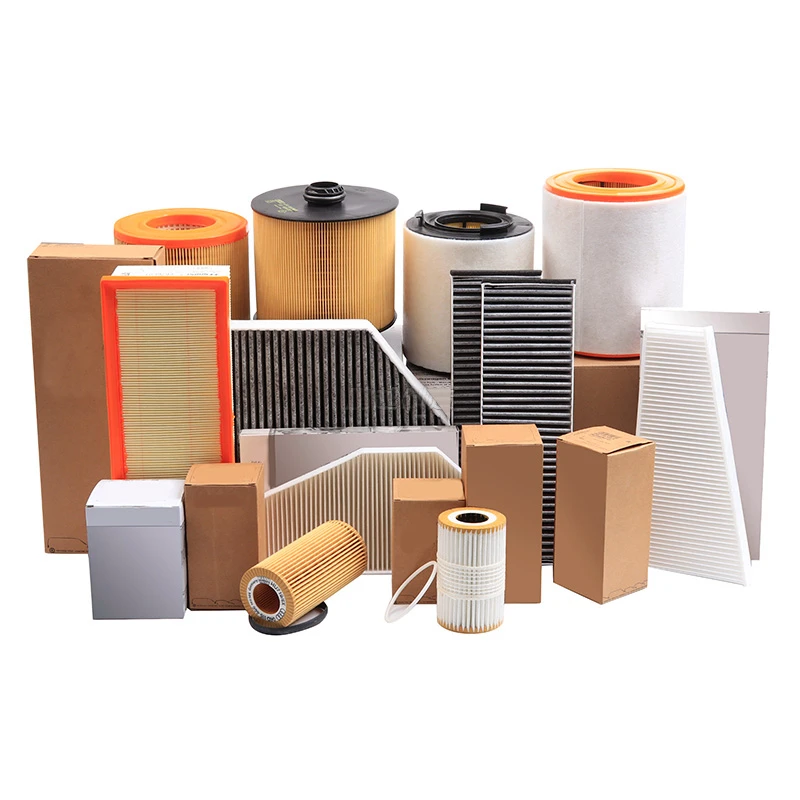
Complete Filtration Portfolio for New Zealand

Comprehensive protection for every vehicle type in the Oceania region.

Common Questions for New Zealand Motorists

Expert answers to the most frequent filtration queries in the local market.

How often should I replace my pollen filter car in New Zealand?

Due to high seasonal pollen and moisture, we recommend replacement every 12,000km or once a year, ideally before the spring season starts.

Is an after market air filter better than an OEM filter for fuel economy?

Yes, many of our aftermarket solutions are designed for lower air restriction, which can improve engine volumetric efficiency and slightly enhance fuel economy.

Do I need a specific oil filter for synthetic oil for my car?

Absolutely. Synthetic oils have different flow characteristics and longer intervals; a dedicated synthetic oil filter prevents premature breakdown of the filter media.

Can an auto air purifier remove salt spray particles from the air?

High-efficiency cabin filters act as purifiers, effectively trapping salt aerosols and fine coastal dust before they enter the vehicle cabin.

What is the difference between standard air cleaners for cars and HEPA filters?

Standard cleaners focus on larger dust particles, while HEPA-grade filters can capture 99.97% of microscopic particles, including bacteria and very fine allergens.

Are these filters compatible with New Zealand's diverse car brands?

We offer a comprehensive range that covers Japanese, European, and American vehicle models commonly found on New Zealand roads.

Get Expert Filtration Advice

Contact our technical team today for tailored filtration solutions across New Zealand.

Contact Us Now
FOLLOW US

If you are interested in our products, you can choose to leave your information here, and we will be in touch with you shortly.