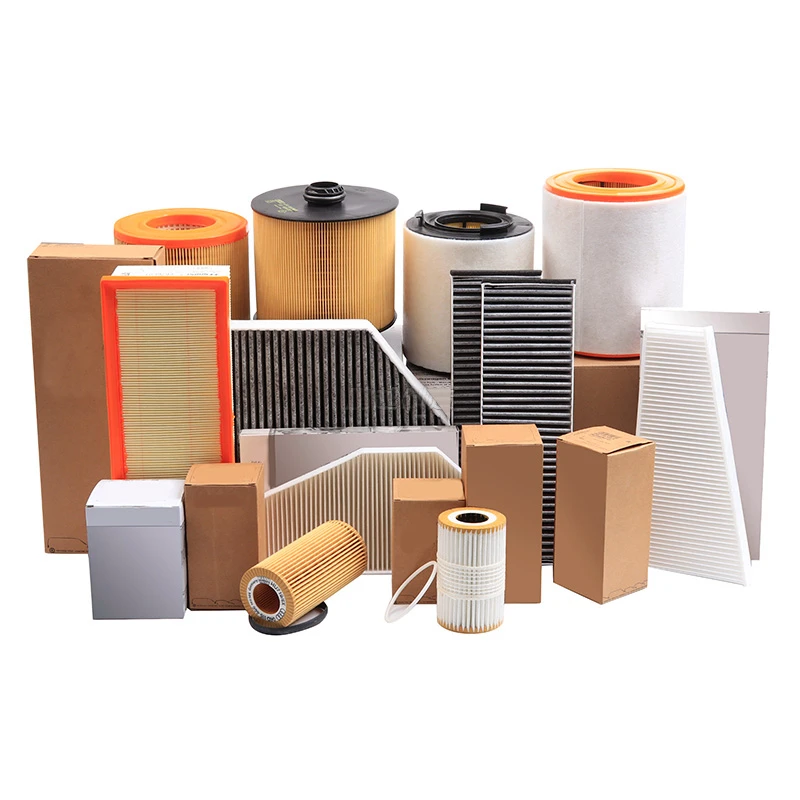
Introduction to Advanced Gasoline Filtration Technology
In the demanding landscape of modern internal combustion engines, the integrity of the fuel supply is paramount to performance, longevity, and emission control. A critical component in achieving this is the efficient gasoline filter screen. Designed to prevent contaminants such as rust, dirt, debris, and other particulate matter from reaching sensitive engine components, these screens play a pivotal role in maintaining optimal engine operation. From preventing injector clogging to safeguarding fuel pumps and carburetors, their function directly impacts fuel efficiency, engine response, and overall operational reliability.
This document delves into the intricate aspects of modern gasoline filtration, exploring the technical specifications, manufacturing processes, application diversity, and the strategic advantages offered by high-quality filtration solutions. We aim to provide B2B decision-makers and technical engineers with a comprehensive understanding of how advanced filtration contributes to enhanced operational efficiency and reduced maintenance costs across various industries.
Current Industry Trends in Automotive Filtration
The automotive industry is witnessing significant shifts driven by stricter emission regulations, the push for greater fuel efficiency, and the advent of advanced engine technologies. These trends directly influence the design and performance requirements of gasoline filter screen technologies. Key trends include:
- Enhanced Filtration Efficiency: Modern direct injection (DI) gasoline engines operate at significantly higher pressures and tighter tolerances, demanding finer filtration media to protect sophisticated injectors from even microscopic particulates. This pushes the requirement for filter screens with micron ratings typically below 10 microns, and often as low as 2-5 microns.
- Biofuel Compatibility: The increasing adoption of ethanol-blended gasolines (e.g., E10, E15, E85) necessitates filter materials that exhibit superior chemical resistance to prevent degradation and maintain structural integrity over the filter's service life. Materials like nylon, fluoropolymers, and stainless steel are gaining prominence.
- Extended Service Intervals: Fleet operators and consumers alike demand longer maintenance intervals, requiring automotive filters to offer higher dirt-holding capacity without compromising flow rate or filtration efficiency. This often involves multi-layered media designs.
- Integration with Fuel System Modules: Increasingly, fuel filter screens are integrated into larger fuel pump modules or fuel tank modules, streamlining assembly, reducing potential leak points, and optimizing packaging space. This modular approach demands highly precise and compact screen designs.
- Sustainability and Recyclability: There's a growing emphasis on using materials that are recyclable or have a lower environmental footprint, influencing material selection and manufacturing processes.
These trends collectively underscore the critical need for continuous innovation in auto oil filter and fuel filter screen technologies to meet the evolving demands of the global automotive market.
Technical Specifications and Parameters
The performance of a gasoline filter screen is characterized by several key technical parameters. Understanding these is crucial for selecting the appropriate filter for a given application.
Key Parameters for Gasoline Filter Screens:
- Micron Rating: Specifies the smallest particle size the filter can capture. Absolute micron ratings indicate all particles above that size are captured, while nominal ratings indicate a high percentage. Typical ranges for gasoline filter screens are 2-70 microns.
- Flow Rate: The volume of fuel that can pass through the filter per unit of time, measured in liters per hour (LPH) or gallons per hour (GPH), without excessive pressure drop.
- Pressure Drop: The reduction in fuel pressure across the filter. A low-pressure drop is desirable to ensure adequate fuel delivery to the engine.
- Dirt-Holding Capacity: The amount of contaminant a filter can retain before its pressure drop becomes excessive or its filtration efficiency declines significantly. Measured in grams.
- Operating Temperature Range: The range of temperatures the filter can withstand without degradation, typically from -40°C to +120°C.
- Material Compatibility: Resistance of the filter media and housing materials to various fuel types, including gasoline, diesel, and ethanol blends.
- Burst Pressure: The maximum internal pressure the filter can withstand before structural failure.
Typical Specifications for Automotive Gasoline Filter Screens
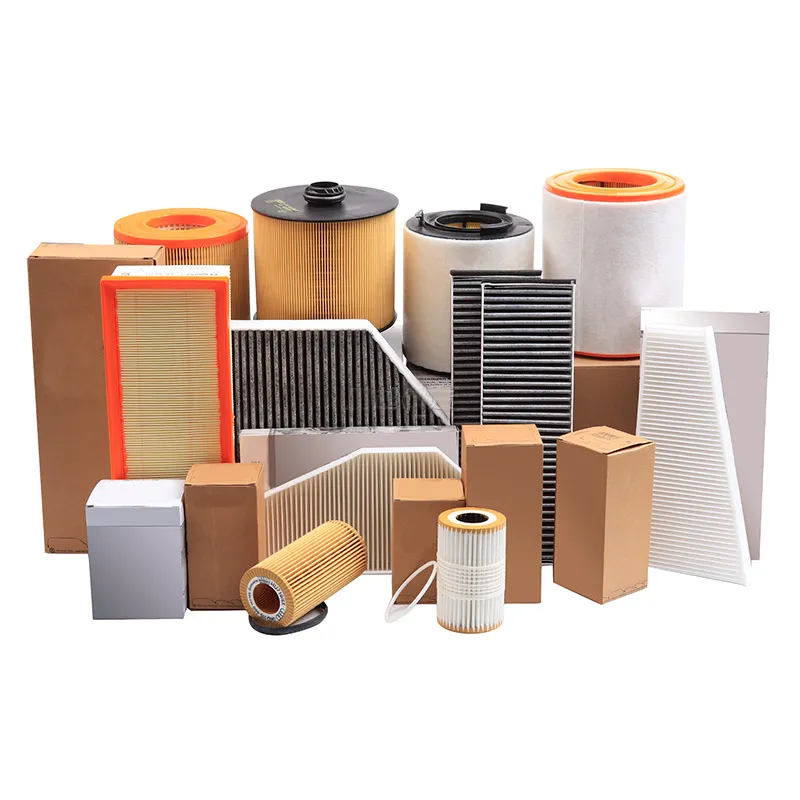
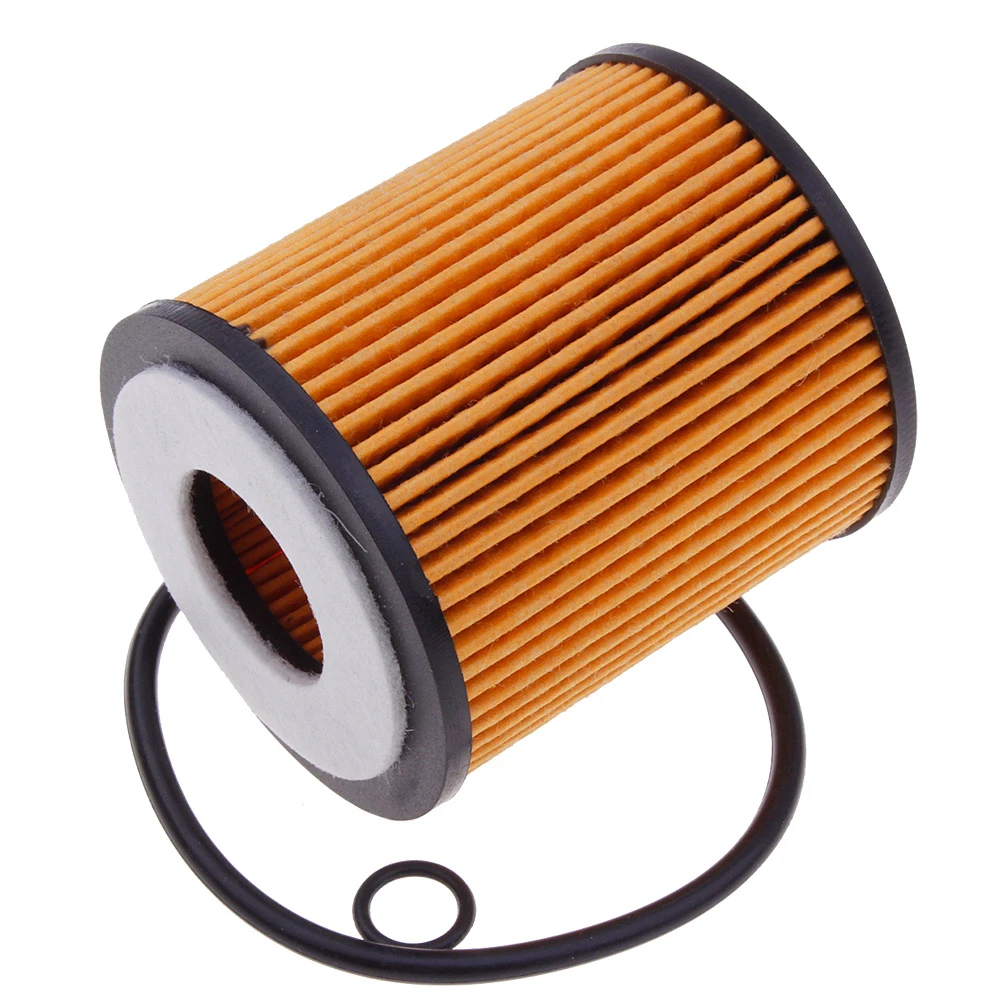
Figure 1: Cross-section of a typical in-tank fuel filter screen.
Manufacturing Process Flow of Gasoline Filter Screen
The production of a high-performance gasoline filter screen involves a meticulous, multi-stage process designed to ensure precision, durability, and consistent filtration capability. Our processes adhere strictly to international quality management systems such as ISO 9001 and automotive-specific standards like IATF 16949.
Schematic Manufacturing Steps:
1. Material Selection & Preparation
Selection of high-grade filtration media (e.g., woven polyester mesh, sintered stainless steel, multi-layered synthetic non-wovens) compatible with various fuel types and operating conditions. Materials are rigorously inspected for consistency and defect-free structure according to ASTM standards.
2. Media Forming & Cutting
The chosen media is precision-cut to specified dimensions using advanced laser cutting or die-cutting machinery. For pleated designs, specialized pleating equipment forms the media, maximizing surface area for enhanced dirt-holding capacity.
3. Frame & Housing Manufacturing
Casting or injection molding techniques are used to produce robust frames and housings from engineering plastics (e.g., PA66 GF30, POM) or corrosion-resistant metals. These components provide structural integrity and a sealed environment.
4. Assembly & Sealing
The prepared media is carefully integrated into the frame/housing. Advanced welding techniques (e.g., ultrasonic welding, heat staking) or specialized adhesives are used to create secure, leak-proof seals, preventing bypass filtration. This is a critical step for preventing unfiltered fuel from entering the system.
5. Quality Control & Testing
Each automotive filters unit undergoes rigorous testing. This includes bubble point testing (ASTM F316), flow rate verification, pressure drop measurement (ISO 4020), burst pressure testing, and dimensional inspection. Our processes ensure compliance with ISO/TS 16949 quality standards for the automotive industry.
6. Packaging & Shipment
Finished filter screens are packaged to prevent contamination and damage during transit, ready for distribution to OEMs and aftermarket clients globally. Our stringent QC ensures that only top-quality auto oil filter components leave our facility.

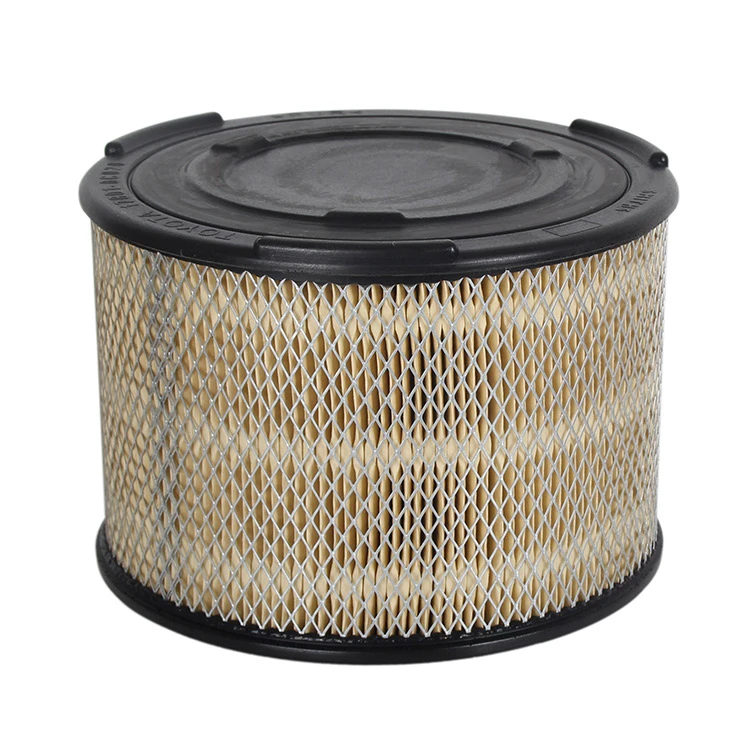
Figure 2: Manufacturing line for precision filter elements.
Our commitment to quality materials and advanced manufacturing techniques ensures a superior service life for our products, significantly reducing the frequency of replacements and associated maintenance costs. This emphasis on quality translates directly into energy savings and enhanced corrosion resistance for the end application. While automotive is primary, the underlying filtration principles and material science apply to various industries requiring robust liquid filtration.
Application Scenarios
The robust design and efficient filtration capabilities of our gasoline filter screen components render them indispensable across a wide array of demanding applications, ensuring clean fuel delivery in diverse operating environments.
- Automotive Industry (OEM & Aftermarket): Primary application in passenger vehicles, commercial trucks, and buses. Installed in fuel tanks (pre-pump filter), in-line between the tank and engine, or as part of the fuel pump assembly to protect fuel injectors and pressure regulators.
- Marine Engines: Essential for protecting sensitive marine gasoline engines from water and particulate contamination, which is common in marine environments. Ensures reliable operation in harsh conditions, enhancing corrosion resistance.
- Small Engines & Power Equipment: Used in motorcycles, ATVs, lawnmowers, generators, and other portable gasoline-powered equipment where compact, effective filtration is critical for preventing carburetor or fuel injector clogging.
- Industrial Power Generation: For gasoline-powered industrial generators and backup power systems, ensuring a consistent supply of clean fuel for uninterrupted operation.
- Specialty Vehicles: Applications in off-road vehicles, construction equipment, and agricultural machinery where fuel quality can be variable and engine protection is paramount.
Our filtration solutions are engineered to excel in these scenarios, offering superior dirt-holding capacity and maintaining low-pressure drop, which contributes to overall energy saving by optimizing fuel system efficiency.

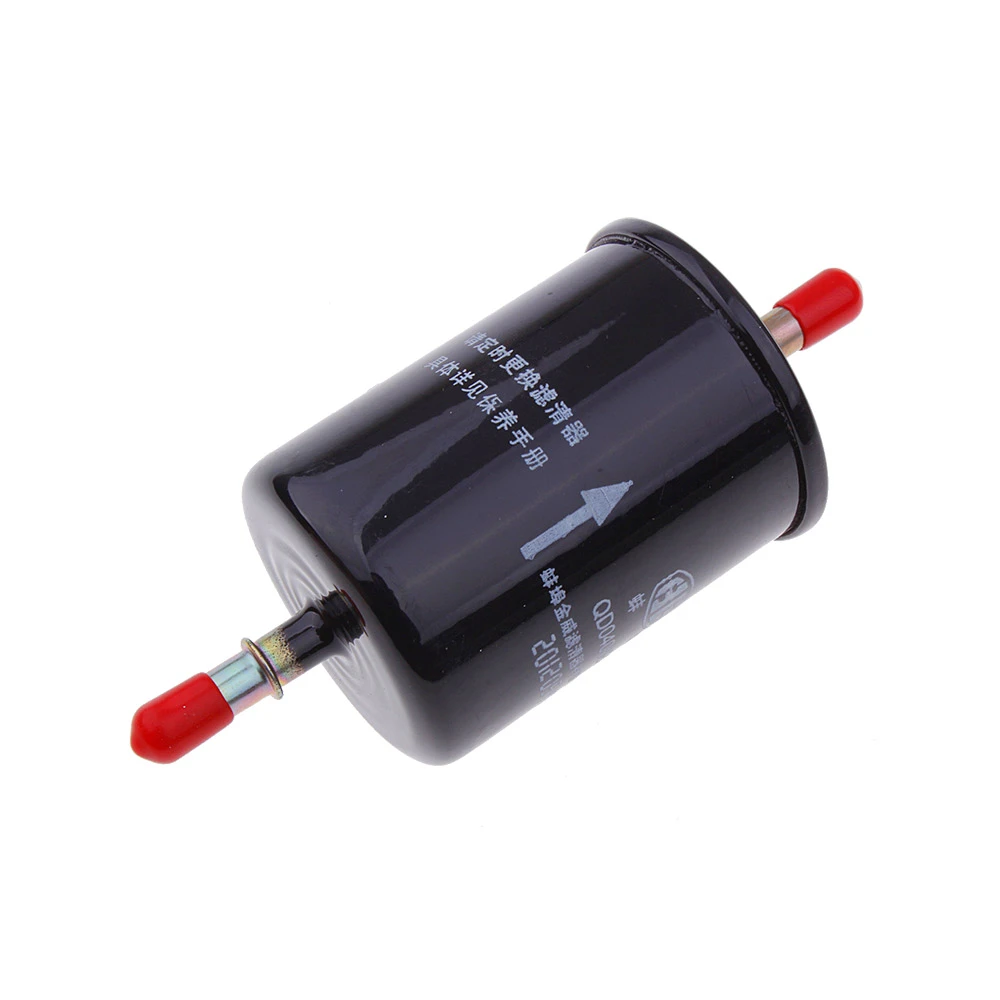
Figure 3: Fuel filter screen integrated into an automotive fuel pump module.
Technical Advantages of Our Filtration Solutions
Our advanced automotive filters, particularly our gasoline filter screen products, offer distinct technical advantages designed to meet and exceed stringent industry requirements, delivering measurable benefits to our clients.
- Superior Filtration Efficiency: Utilizing multi-layered synthetic media or precision-woven stainless steel meshes, our screens achieve high retention rates for particulate matter, often exceeding 98% efficiency at specified micron ratings. This directly protects sensitive fuel injectors (e.g., GDI systems) from clogging and premature wear.
- Extended Service Life: Engineered with optimal pleat geometry and high dirt-holding capacity media, our filters maintain performance over extended periods, reducing replacement frequency and lowering total cost of ownership. Durability is a hallmark, contributing to significantly longer component life compared to standard offerings.
- Minimal Pressure Drop: Optimized media structure and flow path design ensure very low restriction to fuel flow, minimizing pressure drop across the filter. This preserves fuel pump efficiency, prevents cavitation, and ensures consistent fuel delivery, which directly translates to energy saving.
- Exceptional Chemical Resistance: Materials are rigorously selected and tested for compatibility with all common fuel types, including aggressive ethanol blends (E10, E15, E85) and modern fuel additives. This robust chemical resistance prevents media degradation and ensures structural integrity throughout the filter's operational life, combating corrosion.
- Robust Construction: Our filter screens are built with durable, high-strength polymers or corrosion-resistant metals, designed to withstand the vibrations, pressure pulsations, and temperature fluctuations inherent in fuel systems. This ensures a long-lasting, reliable solution.
- Compliance with Global Standards: Our products meet and often exceed international standards such as ISO, SAE, and OEM-specific requirements, ensuring global applicability and reliability.
Vendor Comparison: Key Differentiators
When selecting a supplier for critical fuel filtration components like the gasoline filter screen, it is essential to evaluate vendors beyond just initial cost. Our commitment to quality, innovation, and customer support sets us apart.
Comparative Analysis with Leading Competitors
Our commitment to R&D, stringent quality control, and advanced manufacturing capabilities position us as a leader in providing high-performance automotive filters that deliver long-term value and reliability, surpassing many standard market offerings.

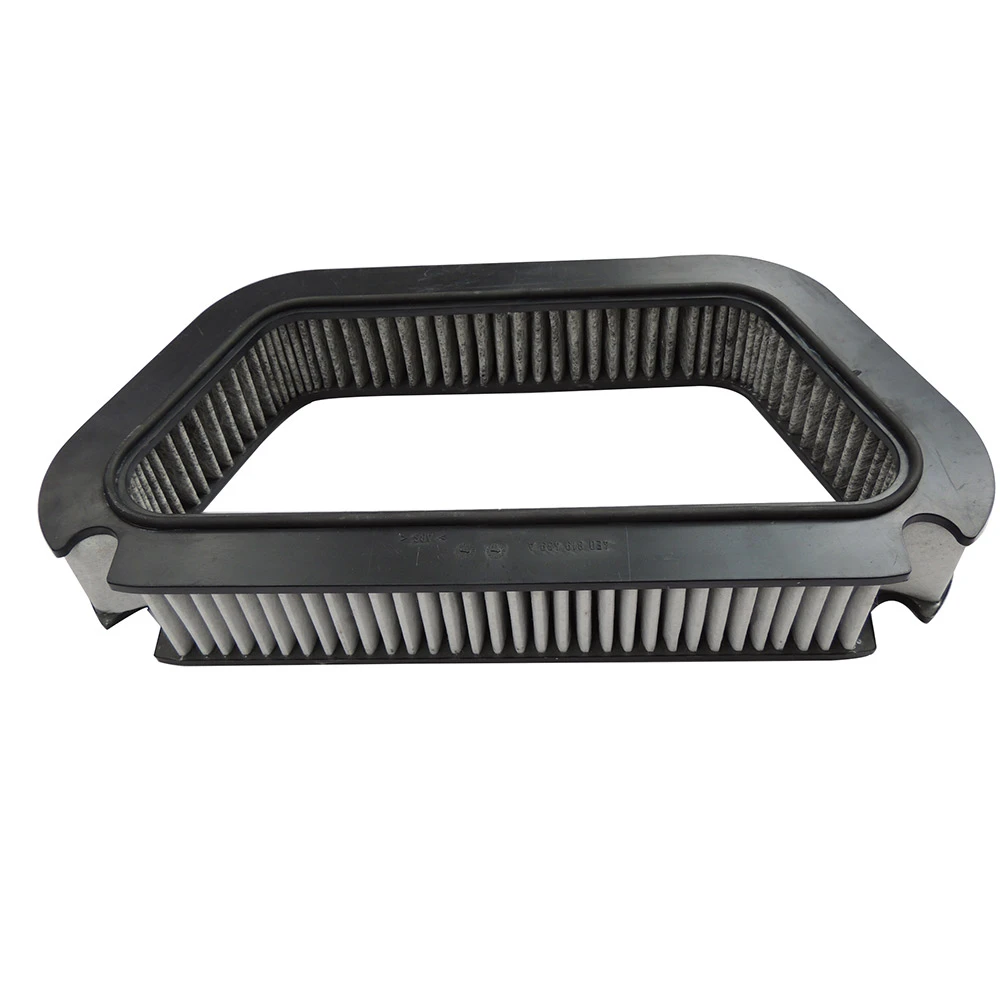
Figure 4: Detailed view of filter media and frame construction.
Customized Solutions and OEM Partnerships
Recognizing that off-the-shelf solutions may not always perfectly align with unique OEM specifications or specialized industrial requirements, we offer comprehensive customized solutions for gasoline filter screen designs. Our engineering team collaborates closely with clients from concept to production, ensuring optimal integration and performance.
- Tailored Media Selection: Custom micron ratings, multi-layered media combinations, and specialized material composites to address specific contaminant profiles and fuel types.
- Unique Geometries & Form Factors: Design and production of filter screens with custom shapes, sizes, and integration features to fit precise space constraints within fuel pump modules, tanks, or in-line housings.
- Material Engineering: Development of bespoke housing and frame materials for extreme chemical resistance, high-temperature operation, or enhanced mechanical strength.
- Prototyping & Validation: Rapid prototyping capabilities combined with rigorous in-house and third-party testing (e.g., vibration, impulse, chemical immersion) to validate custom designs against application-specific performance criteria.
Our track record includes successful partnerships with leading automotive OEMs and tier-1 suppliers, where our ability to deliver precise, high-performance custom auto oil filter solutions has been a critical factor in their product success.
Application Case Studies
Case Study 1: Enhancing Fuel System Longevity in a Global Automotive Platform
A major automotive OEM was experiencing premature fuel injector failures in a new direct injection gasoline engine platform, primarily due to micro-particulate contamination. Their existing gasoline filter screen provided nominal 10-micron filtration. We collaborated with their engineering team to develop a custom solution. Our solution involved a multi-layered synthetic media with an absolute 5-micron rating, integrated into a redesigned in-tank module that maintained current flow rates while significantly increasing dirt-holding capacity by 30%. After extensive field testing over 100,000 km, the injector failure rate dropped by 65%, leading to substantial warranty cost reductions and improved customer satisfaction. The enhanced filtration also contributed to sustained engine performance and fuel efficiency.
Case Study 2: Preventing Downtime in High-Performance Marine Engines
A manufacturer of high-performance marine engines faced challenges with inconsistent fuel quality leading to fuel pump and carburetor issues, particularly in regions with less stringent fuel standards. The corrosive nature of saltwater environments also necessitated exceptional material durability. Our team provided a robust automotive filters solution featuring a specialized stainless steel mesh with an integrated hydrophobic layer, capable of both fine particulate filtration and water separation. The filter assembly was housed in a chemically resistant polymer designed for marine conditions, ensuring corrosion resistance. This solution dramatically reduced fuel system related breakdowns, improving vessel reliability and operational safety for their end-users.

Figure 5: High-volume production of precision filter components.
Frequently Asked Questions (FAQ)
Q1: What is the recommended service interval for a gasoline filter screen?
A1: Service intervals vary significantly based on engine manufacturer specifications, fuel quality, and operating conditions. Typically, an in-tank filter screen is designed to last the life of the fuel pump or significantly longer, often 50,000 to 100,000 miles (80,000 - 160,000 km). External or in-line fuel filters might have shorter, specified replacement schedules. Always refer to the specific vehicle or equipment manufacturer's guidelines.
Q2: How does a finer micron rating impact fuel flow?
A2: Generally, a finer micron rating means smaller pore sizes in the filter media, which can increase resistance to fuel flow and result in a higher pressure drop. However, advanced filter media designs, such as multi-layered or pleated structures, are engineered to provide very high filtration efficiency at low-pressure drops, ensuring adequate fuel supply even for high-performance engines.
Q3: Are your filters compatible with ethanol-blended fuels?
A3: Yes, our automotive filters are manufactured using materials specifically chosen for their superior chemical resistance to common fuel types, including various ethanol blends (E10, E15, E85). We conduct extensive material compatibility testing to ensure long-term integrity and performance.
Lead Time, Fulfillment, and Warranty
Lead Time & Fulfillment:
Our streamlined manufacturing processes and robust supply chain management enable efficient order fulfillment. Standard auto oil filter components typically have a lead time of 4-6 weeks for bulk orders, while custom-engineered gasoline filter screen solutions may require 8-12 weeks, depending on complexity and validation requirements. We maintain strategic inventory levels for high-demand components to support just-in-time (JIT) deliveries for key OEM partners. Detailed production schedules and delivery forecasts are provided upon order confirmation.
Warranty Commitments:
We stand behind the quality and performance of our products with a comprehensive warranty program. All our automotive filters are guaranteed against manufacturing defects for a period of [e.g., 12 months or 25,000 miles, whichever comes first] from the date of purchase, or as specified in individual OEM supply agreements. Our warranty covers defects in material and workmanship under normal operating conditions. Full warranty details are available upon request and with every product shipment.
Customer Support:
Our dedicated customer support team and technical engineers are available to assist with product selection, application inquiries, and post-sales support. We provide prompt responses, technical documentation, and troubleshooting guidance to ensure seamless integration and optimal performance of our filtration solutions. Contact us via phone at [Company Phone Number] or email at [Company Email Address] for expert assistance.
Authoritative References
- ISO 4020: Road vehicles - Fuel filters for diesel engines - Test methods. (While specifically for diesel, principles apply to gasoline filter testing for pressure drop and flow.)
- SAE J1839: Fuel Filter Test Methods - Recommended Practice.
- ASTM F316 - 03(2018): Standard Test Methods for Pore Size Characteristics of Membrane Filters by Bubble Point and Mean Flow Pore Test.
- ISO/TS 16949: Quality management system requirements for automotive production and relevant service parts organizations.
- "Fuel System Design for Ethanol Fuels" - SAE International Journal of Fuels and Lubricants.
-
Guide on how often do you need to replace engine air filterNewsApr.16,2026
-
Learn how often do you replace air filter in car for engine healthNewsApr.09,2026
-
How Often Do You Replace Car Air Filter For Optimal Engine PerformanceNewsApr.07,2026
-
How Often Do You Replace Engine Air Filter For Optimal Vehicle PerformanceNewsApr.04,2026
-
Understanding How Often Does Engine Air Filter Need to Be Replaced for Optimal PerformanceNewsMar.31,2026
-
How Often Engine Air Filter Change Impacts Performance and LongevityNewsMar.28,2026
-
Understanding How Often to Replace Your Car Air Filter for Optimal PerformanceNewsMar.26,2026
Related Products