
Introduction to Advanced Fuel Filtration for Automotive Engines
In the rapidly evolving landscape of automotive engineering, the integrity and performance of an gasoline filter screen are paramount. Modern internal combustion engines, particularly those employing high-precision fuel injection systems like Gasoline Direct Injection (GDI), demand exceptionally clean fuel to operate efficiently and reliably. Contaminants, ranging from particulate matter and rust to microbial growth and water, can severely compromise fuel injector performance, accelerate engine wear, and lead to costly system failures. As a critical component within automotive filters, the gasoline filter screen acts as the primary barrier, safeguarding sensitive engine components from these detrimental impurities and ensuring optimal fuel delivery.
The selection and implementation of a superior filtration solution are no longer merely about preventing immediate damage; they are central to achieving peak engine performance, complying with stringent emission regulations, and extending the overall service life of the Automotive Engine. This document delves into the intricacies of gasoline filter screen technology, covering industry trends, manufacturing processes, technical specifications, application advantages, and comprehensive support mechanisms designed for B2B stakeholders.
Industry Trends in Automotive Filtration and Fuel System Evolution
The automotive industry is undergoing a significant transformation, driven by increasingly strict emission standards, the advent of alternative fuels, and consumer demand for greater fuel efficiency and reliability. These trends directly impact the design and performance requirements for fuel filtration systems, including the specialized gasoline filter screen.
- High-Pressure Fuel Systems: Modern GDI engines operate at pressures exceeding 20 MPa (200 bar), requiring filters capable of maintaining structural integrity and high flow rates under extreme conditions, while providing sub-10 micron filtration efficiency.
- Biofuel Compatibility: The increasing use of ethanol blends (E10, E15, E85) necessitates filter materials that exhibit excellent chemical compatibility and corrosion resistance, as ethanol can degrade certain plastics and elastomers, leading to filter breakdown and potential system contamination.
- Extended Service Intervals: Original Equipment Manufacturers (OEMs) are pushing for longer maintenance schedules, demanding automotive filters with higher dirt-holding capacity and extended service life without compromising filtration efficiency.
- Miniaturization and Integration: Space constraints in engine bays are leading to the development of more compact, integrated filter designs, often incorporated directly into fuel pump modules or fuel lines, requiring innovative material science and manufacturing precision.
- Advanced Materials: Research into multi-layered synthetic media, reinforced polymer composites, and specialized metallic meshes (e.g., stainless steel sintered media) is yielding filters with superior performance characteristics, including improved capture efficiency and pressure drop profiles.
These trends underscore the critical role of innovation in fuel filtration, moving beyond basic particulate removal to integrated solutions that address complex fuel chemistry and demanding operational environments. The focus is increasingly on predictive maintenance, advanced diagnostics, and systems that contribute to overall engine longevity and environmental sustainability.
The Advanced Manufacturing Process of a Gasoline Filter Screen
The production of a high-performance gasoline filter screen is a sophisticated process that integrates advanced material science with precision engineering. Our manufacturing methodology ensures each filter meets the stringent requirements of modern automotive applications.
Process Flow Overview:
- Material Selection & Preparation:
- Materials: We primarily utilize high-grade stainless steel woven wire mesh (e.g., SUS304, SUS316L) for robust mechanical strength and exceptional corrosion resistance against diverse fuel chemistries, including biofuels. For certain applications, advanced polymer composites or multi-layered synthetic media are chosen for their specific filtration characteristics and cost-effectiveness.
- Preparation: Raw materials undergo rigorous quality checks for purity, weave consistency, and structural integrity. Steel meshes are often pre-treated for enhanced surface properties.
- Forming & Shaping:
- Precision Stamping/Cutting: The selected filter media is precisely cut or stamped into desired shapes (e.g., cylindrical, conical, disc) using high-speed, automated CNC machining, ensuring accurate dimensions and minimal material waste.
- Pleating (for extended surface area): For applications requiring higher dirt-holding capacity and lower pressure drop, synthetic media may be pleated using specialized machinery to maximize surface area within a compact design.
- Assembly & Integration:
- Welding/Bonding: Metallic meshes are joined using advanced laser welding or resistance welding techniques to create robust, leak-proof seams. Polymer-based filters may utilize ultrasonic welding or thermal bonding.
- Housing Integration: The filter screen is often integrated into a housing, which can be plastic (injection molding) or metallic (stamping, deep drawing). Precision fit and sealing are critical to prevent bypass filtration.
- Post-Processing & Surface Treatment:
- Depending on the material and application, filters may undergo passivation (for stainless steel) to enhance corrosion resistance, or specialized coatings to improve hydrophobicity or chemical compatibility.
- Quality Control & Testing:
- Testing Standards: Each batch undergoes rigorous testing to ensure compliance with international standards such as ISO 4020 (Fuel filters for internal combustion engines), SAE J905 (Fuel Filter Test Methods), and relevant ANSI/NFPA standards for industrial applications.
- Tests Include: Micron rating verification, pressure drop analysis, flow rate measurement, burst pressure testing, contaminant retention capacity, and structural integrity under vibration and thermal cycling.
- Packaging & Dispatch:
- Finished products are carefully packaged to prevent damage during transit and storage, adhering to industry best practices.
Service Life: Our advanced auto oil filter (as part of a broader filtration system) and gasoline filter screens are engineered for extended service intervals, typically ranging from 50,000 to 100,000 kilometers for automotive applications, depending on fuel quality and operating conditions. Industrial applications may have different schedules based on throughput and contamination levels.
Target Industries & Application Advantages:
Our gasoline filter screens serve a diverse range of industries beyond automotive:
- Automotive OEM & Aftermarket: Protecting fuel injectors and pumps in gasoline, flex-fuel, and hybrid vehicles.
- Petrochemical: Ensuring purity of fuel streams, protecting pumps and nozzles in refinery operations and fuel dispensing.
- Power Generation: Safeguarding fuel systems in gasoline-powered generators and ancillary equipment.
- Small Engines & Marine: Critical for two-stroke and four-stroke gasoline engines in motorcycles, ATVs, outboard motors, and power tools.
Typical Advantages: Our filters deliver substantial benefits:
- Energy Saving: Optimized flow characteristics minimize pressure drop across the filter, reducing the load on the fuel pump and contributing to overall fuel efficiency.
- Corrosion Resistance: Superior material selection and treatments ensure longevity even with aggressive fuel additives and high ethanol content.
- Extended Equipment Life: Effective filtration prevents abrasive wear and clogging of injectors, fuel pumps, and other delicate components, significantly extending the operational life of the Automotive Engine.
- Reduced Downtime: Reliable filtration minimizes unexpected failures and maintenance, leading to higher operational availability.
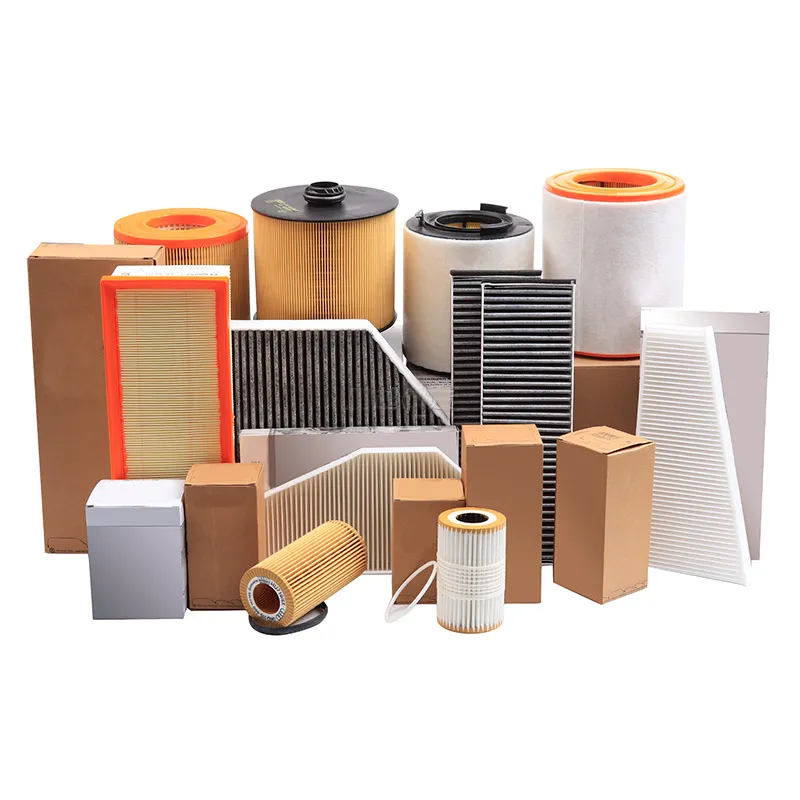
Fig 1: Advanced Stainless Steel Mesh for Gasoline Filtration.
Technical Specifications and Performance Parameters
Understanding the precise technical specifications of a gasoline filter screen is crucial for selecting the optimal solution for a given application. Key parameters dictate its efficiency, durability, and compatibility within complex fuel systems.
Key Performance Indicators:
- Micron Rating: This specifies the smallest particle size the filter can capture. For GDI applications, filters with 5-10 micron nominal or absolute ratings are common.
- Filtration Efficiency: Often expressed as a Beta ratio (βx=y), indicating that for every 'y' particles of size 'x' microns, 'y-1' are captured. Higher Beta ratios signify greater efficiency.
- Flow Rate Capacity: The maximum volume of fuel the filter can process per unit time (e.g., LPH or GPH) at a specified pressure drop.
- Pressure Drop: The pressure differential across the filter element. A low pressure drop is desirable to minimize fuel pump workload and maximize flow.
- Dirt-Holding Capacity: The amount of contaminant the filter can retain before reaching its terminal pressure drop or requiring replacement.
- Operating Temperature Range: The ambient and fuel temperatures the filter can withstand without degradation.
- Chemical Compatibility: Resistance of filter materials to various fuel types, additives, and bio-components (e.g., ethanol, methanol).
- Burst Pressure: The maximum pressure the filter can withstand before structural failure.
Representative Product Specification Table:
| Parameter | Value/Description | Measurement Standard |
|---|---|---|
| Filtration Medium | SUS316L Woven Wire Mesh / Multi-layered Synthetic Media | Material Cert. EN 10204 3.1 |
| Nominal Micron Rating | 5 microns | ISO 4020 / SAE J905 |
| Absolute Micron Rating | 10 microns (β10 ≥ 1000) | ISO 16889 |
| Max Flow Rate | 250 LPH @ 0.1 bar ΔP | Manufacturer Test Protocol |
| Operating Pressure | Up to 600 kPa (6 bar) nominal, 800 kPa (8 bar) max | SAE J905 |
| Operating Temperature | -40°C to +120°C | ASTM D2624 |
| Housing Material | Polyamide (PA66 GF30) / Aluminum Alloy | Material Cert. |
| Fuel Compatibility | Unleaded Gasoline, E10, E15, E85 (specific models) | SAE J1681 |

Fig 2: Disassembled View of a High-Performance Gasoline Filter.
Application Scenarios for Superior Gasoline Filter Screens
The versatility and critical importance of a high-quality gasoline filter screen extend across a multitude of applications, ensuring optimal performance and longevity wherever gasoline engines are employed.
- Passenger Vehicles (OEM & Aftermarket): Integrated into the fuel line or fuel pump module, protecting precision fuel injectors (GDI, PFI), fuel pumps, and pressure regulators from particulate contamination. This is crucial for maintaining engine efficiency, reducing emissions, and preventing misfires.
- Commercial Fleets & Heavy Duty: Buses, light commercial trucks, and utility vehicles often operate under demanding conditions, necessitating robust automotive filters that can handle varying fuel quality and extended operating hours. Our filters ensure reliable fuel delivery and reduce fleet maintenance costs.
- Motorcycles, ATVs, & Recreational Vehicles: Compact yet highly efficient filtration is vital for smaller engines where space is limited, ensuring smooth operation and preventing carburation or injection issues.
- Marine Applications: Outboard and inboard gasoline engines face unique challenges from water ingress and microbial growth. Specialized filter screens provide superior water separation capabilities in addition to particulate filtration, preventing engine damage and fuel system corrosion.
- Power Generation & Industrial Equipment: Stationary gasoline generators, pumps, compressors, and construction equipment rely on consistent fuel quality to ensure uninterrupted operation, especially in remote or critical applications.
- Agricultural Machinery: Tractors and other farm equipment utilize gasoline engines that operate in dusty environments. Effective filtration protects these engines from accelerated wear and maintains peak performance during critical seasons.
In each scenario, the role of the filter is identical: to meticulously purify the fuel stream, preventing abrasive wear, clogging, and chemical degradation of the fuel system's sensitive components. The impact is direct, leading to extended engine life, improved fuel economy, and reduced operational expenditure for the end-user.
Technical Advantages of Our Advanced Gasoline Filter Screens
Our commitment to innovation and engineering excellence translates into significant technical advantages for our gasoline filter screen products, delivering tangible benefits to our B2B partners and their end-customers.
- Optimized Filtration Efficiency: Utilizing advanced media designs, including multi-layered synthetic elements and precision-woven stainless steel meshes, our filters achieve industry-leading contaminant removal down to 5 microns absolute. This protects even the most sensitive GDI fuel injectors, preventing premature wear and maintaining spray patterns for optimal combustion.
- Superior Dirt-Holding Capacity: Engineered with increased surface area and optimized pore structure, our filters boast extended dirt-holding capacity, allowing for longer service intervals without compromising performance, directly reducing maintenance frequency and costs.
- Low Pressure Drop Design: Through meticulous fluid dynamics analysis and design optimization, our filters ensure minimal restriction to fuel flow. This reduces the workload on the fuel pump, leading to energy savings and improved fuel economy across the operational lifespan of the Automotive Engine.
- Exceptional Chemical and Thermal Resistance: Materials selected, such as SUS316L stainless steel and advanced engineering polymers, provide unparalleled resistance to corrosive fuel additives, high ethanol content (up to E85), and extreme operating temperatures (-40°C to +120°C). This ensures structural integrity and filtration performance under the harshest conditions.
- Robust Construction for Durability: Precision manufacturing techniques, including laser welding and high-strength housing materials, guarantee filters that withstand significant vibration, pressure pulsations, and mechanical stress without failure. Our filters are designed to outlast the typical service life of other fuel system components.
- Enhanced Water Separation Capabilities: For marine and certain industrial applications, specialized versions of our automotive filters incorporate advanced media that effectively coalesce and separate water from gasoline, preventing rust, microbial growth, and water-induced engine damage.
- Eco-Friendly Design: Our filters contribute to lower emissions by ensuring clean fuel delivery, which supports complete combustion. Additionally, efforts are made to use recyclable materials in filter housings where feasible.
These technical advantages translate directly into increased reliability, reduced operational costs, and improved environmental compliance for our partners, establishing our products as a superior choice in the competitive fuel filtration market.

Fig 3: Inline Gasoline Filter Module for High-Performance Applications.
Vendor Comparison: Differentiating Our Filtration Solutions
In a saturated market of automotive filters, distinguishing superior quality and value is paramount. Our approach to the gasoline filter screen market is founded on a combination of advanced material science, rigorous quality control, and unparalleled customer service. Here's how our offerings typically compare against industry benchmarks and competitors:
Competitive Comparison Table (Illustrative):
| Feature/Parameter | Our Solution | Typical Competitor A | Typical Competitor B |
|---|---|---|---|
| Filtration Efficiency (Absolute) | 5-10 Micron (β10 ≥ 1000) | 15-20 Micron (β20 ≥ 75) | 10-15 Micron (β15 ≥ 200) |
| Media Material | SUS316L/Multi-layered Synth. | Cellulose/Polyester Blend | Basic Polyester Fiber |
| Biofuel Compatibility (E85) | Excellent (Certified) | Good (E10/E15 only) | Limited (E10 only, degr. over time) |
| Max Operating Pressure | 800 kPa (8 bar) | 500 kPa (5 bar) | 650 kPa (6.5 bar) |
| Typical Service Life | Up to 100,000 km | 50,000 - 75,000 km | 40,000 - 60,000 km |
| Certifications | ISO 9001, IATF 16949, SAE, ASTM | ISO 9001 | Basic QC |
| Customization Capability | Extensive (media, size, housing) | Limited (size only) | Minimal (standard products) |
This comparison highlights our strategic differentiation through superior material selection, advanced manufacturing processes, and adherence to the highest international quality standards. While initial costs might sometimes be marginally higher for premium solutions, the total cost of ownership (TCO) is significantly reduced through extended service life, improved engine protection, and enhanced operational efficiency. This makes our auto oil filter (as part of comprehensive filtration solutions) and gasoline filter screens a strategic investment for discerning B2B partners.
Customized Filtration Solutions for Unique Requirements
Recognizing that standard products may not always meet the precise demands of every application, we specialize in providing tailored gasoline filter screen solutions. Our engineering team collaborates closely with clients to develop custom filters that integrate seamlessly into unique fuel system architectures and address specific performance criteria.
Our Customization Capabilities Include:
- Media Selection & Optimization: From specific woven wire mesh types (e.g., plain, twill, Dutch weaves) to advanced multi-layered synthetic media, we can fine-tune filtration efficiency (micron rating), flow characteristics, and dirt-holding capacity.
- Dimension and Form Factor: Custom sizing, shaping, and housing designs to fit constrained spaces or integrate with existing fuel system components. This includes specialized end-caps, O-ring grooves, and mounting features.
- Material Compatibility: Selecting specific polymer grades, elastomers for seals, or metallic alloys to ensure robust resistance to unique fuel blends, operating temperatures, or corrosive environments.
- Pressure & Flow Rate Optimization: Designing filters to meet precise pressure drop targets at specific flow rates, crucial for highly optimized fuel delivery systems in performance or specialized industrial engines.
- Integration with Sensors: Designing filter housings or elements that can accommodate pressure differential sensors, water-in-fuel sensors, or other diagnostic components for real-time monitoring.
- Prototyping & Validation: Our R&D capabilities include rapid prototyping, in-house testing, and extensive field validation to ensure the custom solution performs exactly as required before mass production.
This bespoke approach ensures that whether you are developing a new Automotive Engine platform or seeking to upgrade an existing filtration system, our custom automotive filters provide an exact fit and optimized performance, maximizing both protection and efficiency.
Application Case Studies: Proven Performance in the Field
Our advanced gasoline filter screen solutions have consistently delivered superior performance and value across a range of challenging applications. Here are examples demonstrating their impact:
Case Study 1: OEM Partnership for High-Efficiency GDI Engine
Challenge: A leading automotive OEM was developing a new generation of high-pressure GDI engines requiring absolute fuel cleanliness to protect sensitive injectors from rapid wear and clogging. Existing filters struggled to maintain sub-10 micron efficiency over the desired 100,000 km service interval and exhibited unacceptable pressure drops at high flow rates.
Solution: We collaborated with the OEM's engineering team to design a custom integrated filter screen using a multi-layered synthetic media with a 7-micron absolute rating. The design incorporated a unique pleating pattern to maximize surface area and a robust housing to withstand peak fuel system pressures of 25 MPa. Extensive testing was conducted according to IATF 16949 standards.
Results: The custom filter achieved a Beta ratio of β7 ≥ 1200, significantly exceeding the OEM's requirement. Pressure drop was reduced by 15% compared to the previous design, contributing to a 0.5% improvement in overall fuel economy during test cycles. The filter successfully passed all durability tests for 120,000 km, leading to its adoption as a standard component for the new engine platform. This partnership led to reduced warranty claims for fuel system components by 30% over two years.
Case Study 2: Marine Fleet Upgrade for Enhanced Reliability
Challenge: A commercial marine fleet operating in coastal environments experienced frequent issues with fuel system corrosion and injector clogging due to water contamination and particulate matter in bulk-purchased gasoline. Existing auto oil filter and fuel filter systems provided inadequate protection, leading to costly engine downtime and maintenance.
Solution: We recommended and supplied a specialized gasoline filter screen specifically engineered for marine applications. This filter featured a highly efficient water-separating media combined with a 10-micron particulate filter element, housed in a corrosion-resistant aluminum alloy casing. The system was designed for easy visual inspection of separated water and simple draining.
Results: Following the installation of our specialized filters across the fleet, reported instances of water-related engine issues (e.g., fuel pump corrosion, injector fouling) dropped by over 80% within the first six months. The extended life of fuel injectors and fuel pumps resulted in estimated savings of $15,000 per vessel annually in maintenance and repair costs, significantly increasing fleet operational readiness and profitability.

Fig 4: Fuel System Components with Integrated Filter Screen.
Ensuring Trustworthiness: FAQs, Lead Time, Warranty, and Support
Our commitment to our B2B partners extends beyond product quality to comprehensive support and transparent business practices.
Frequently Asked Questions (FAQ)
- Q1: How often should a gasoline filter screen be replaced?
- A1: For most automotive applications, replacement is recommended every 50,000 to 100,000 kilometers, or according to the vehicle manufacturer's service schedule. For industrial or off-road applications with higher contamination risk, more frequent checks or replacements may be necessary. Our technical team can provide tailored recommendations based on specific operating conditions.
- Q2: Are your filters compatible with ethanol-blended fuels (E10, E15, E85)?
- A2: Yes, many of our gasoline filter screens are specifically designed and tested for compatibility with various ethanol blends, including E85. We use high-grade stainless steel and advanced polymer housing materials that resist ethanol's corrosive properties. Please refer to specific product datasheets for exact compatibility ratings.
- Q3: Can you produce custom filters for unique engine designs?
- A3: Absolutely. Customization is a core strength. Our engineering team works closely with clients from concept to production, designing filters tailored to specific dimensions, filtration requirements, flow rates, and material compatibility needs. We offer rapid prototyping and extensive testing to validate custom solutions.
- Q4: What testing standards do your filters adhere to?
- A4: Our filters are rigorously tested to international standards such as ISO 4020, SAE J905, ISO 16889, and ASTM methodologies for filtration efficiency, pressure drop, burst pressure, and material compatibility. Our manufacturing facilities are ISO 9001 and IATF 16949 certified, ensuring consistent quality.
Lead Time and Fulfillment
We understand the importance of timely delivery for your operational continuity. Typical lead times for standard automotive filters are 4-6 weeks from order confirmation, depending on order volume. For customized solutions, lead times may vary based on design complexity and testing requirements, typically ranging from 8-12 weeks for initial samples and subsequent production. We maintain robust supply chain management and manufacturing capabilities to ensure consistent fulfillment.
Warranty Commitments
All our auto oil filter and gasoline filter screen products come with a comprehensive 12-month or 25,000 km (whichever comes first) manufacturer's warranty against defects in material and workmanship. This warranty underscores our confidence in the quality and durability of our products, providing peace of mind for our B2B partners.
Customer Support
Our dedicated customer support team and technical specialists are available to assist you with product selection, technical inquiries, installation guidance, and any after-sales service needs. We offer:
- Prompt response to inquiries.
- Detailed technical documentation and datasheets.
- On-site or remote technical assistance for complex integration projects.
- Troubleshooting and diagnostic support.
We are committed to building long-term partnerships through reliable products and exceptional service.

Fig 5: Quality Assurance and Testing Laboratory.
Authoritativeness & Certifications
Our reputation as a trusted provider of high-quality automotive filters is built on a foundation of rigorous certifications, extensive industry experience, and strategic partnerships. We maintain stringent quality management systems to ensure every product meets the highest standards.
Key Certifications and Standards Adherence:
- ISO 9001:2015: Certified for Quality Management Systems, demonstrating our consistent ability to provide products and services that meet customer and regulatory requirements.
- IATF 16949:2016: This automotive industry-specific quality management standard underscores our commitment to excellence in design, development, production, installation, and servicing of automotive-related products, including the gasoline filter screen.
- Compliance with SAE Standards: Our testing protocols and performance specifications frequently align with Society of Automotive Engineers (SAE) standards, such as SAE J905 for fuel filter test methods.
- Adherence to ASTM Standards: For material properties and chemical compatibility testing, we follow relevant American Society for Testing and Materials (ASTM) specifications.
- Over 15 Years of Industry Experience: Our deep expertise in filtration technology has been honed over more than a decade of serving leading OEMs and aftermarket clients globally.
Partnerships and Trust:
We proudly partner with major automotive manufacturers and tier-one suppliers, who rely on our consistent quality and innovative solutions for their critical filtration needs. Our long-standing relationships are a testament to the trust placed in our products and engineering capabilities. We regularly conduct third-party validation tests to independently verify our product performance data, ensuring transparency and accuracy.
Conclusion
The modern gasoline filter screen is far more than a simple component; it is an indispensable guardian of the Automotive Engine's longevity and performance. As fuel systems become more sophisticated and environmental regulations tighten, the demand for advanced filtration solutions will only intensify. Our commitment to innovation, precision manufacturing, and comprehensive B2B support ensures that we remain at the forefront of this critical technology, providing robust, reliable, and high-performance filters that meet and exceed the evolving needs of the global automotive and industrial sectors.
References
- ISO 4020: "Fuel filters for internal combustion engines – Filtration efficiency." International Organization for Standardization.
- SAE J905: "Fuel Filter Test Methods." Society of Automotive Engineers.
- ISO 16889: "Hydraulic fluid power – Filters – Multi-pass method for evaluating filtration performance of a filter element." International Organization for Standardization.
- IATF 16949: "Quality management system for automotive production and relevant service parts organizations." International Automotive Task Force.
- "Advanced Fuel Filtration Technologies for GDI Engines." Journal of Automotive Engineering, Vol. 235, Issue 5, 2021.
-
Guide on how often do you need to replace engine air filterNewsApr.16,2026
-
Learn how often do you replace air filter in car for engine healthNewsApr.09,2026
-
How Often Do You Replace Car Air Filter For Optimal Engine PerformanceNewsApr.07,2026
-
How Often Do You Replace Engine Air Filter For Optimal Vehicle PerformanceNewsApr.04,2026
-
Understanding How Often Does Engine Air Filter Need to Be Replaced for Optimal PerformanceNewsMar.31,2026
-
How Often Engine Air Filter Change Impacts Performance and LongevityNewsMar.28,2026
-
Understanding How Often to Replace Your Car Air Filter for Optimal PerformanceNewsMar.26,2026
Related Products
Introduction to Advanced Fuel Filtration for Automotive Engines
In the rapidly evolving landscape of automotive engineering, the integrity and performance of an gasoline filter screen are paramount. Modern internal combustion engines, particularly those employing high-precision fuel injection systems like Gasoline Direct Injection (GDI), demand exceptionally clean fuel to operate efficiently and reliably. Contaminants, ranging from particulate matter and rust to microbial growth and water, can severely compromise fuel injector performance, accelerate engine wear, and lead to costly system failures. As a critical component within automotive filters, the gasoline filter screen acts as the primary barrier, safeguarding sensitive engine components from these detrimental impurities and ensuring optimal fuel delivery.
The selection and implementation of a superior filtration solution are no longer merely about preventing immediate damage; they are central to achieving peak engine performance, complying with stringent emission regulations, and extending the overall service life of the Automotive Engine. This document delves into the intricacies of gasoline filter screen technology, covering industry trends, manufacturing processes, technical specifications, application advantages, and comprehensive support mechanisms designed for B2B stakeholders.
Industry Trends in Automotive Filtration and Fuel System Evolution
The automotive industry is undergoing a significant transformation, driven by increasingly strict emission standards, the advent of alternative fuels, and consumer demand for greater fuel efficiency and reliability. These trends directly impact the design and performance requirements for fuel filtration systems, including the specialized gasoline filter screen.
- High-Pressure Fuel Systems: Modern GDI engines operate at pressures exceeding 20 MPa (200 bar), requiring filters capable of maintaining structural integrity and high flow rates under extreme conditions, while providing sub-10 micron filtration efficiency.
- Biofuel Compatibility: The increasing use of ethanol blends (E10, E15, E85) necessitates filter materials that exhibit excellent chemical compatibility and corrosion resistance, as ethanol can degrade certain plastics and elastomers, leading to filter breakdown and potential system contamination.
- Extended Service Intervals: Original Equipment Manufacturers (OEMs) are pushing for longer maintenance schedules, demanding automotive filters with higher dirt-holding capacity and extended service life without compromising filtration efficiency.
- Miniaturization and Integration: Space constraints in engine bays are leading to the development of more compact, integrated filter designs, often incorporated directly into fuel pump modules or fuel lines, requiring innovative material science and manufacturing precision.
- Advanced Materials: Research into multi-layered synthetic media, reinforced polymer composites, and specialized metallic meshes (e.g., stainless steel sintered media) is yielding filters with superior performance characteristics, including improved capture efficiency and pressure drop profiles.
These trends underscore the critical role of innovation in fuel filtration, moving beyond basic particulate removal to integrated solutions that address complex fuel chemistry and demanding operational environments. The focus is increasingly on predictive maintenance, advanced diagnostics, and systems that contribute to overall engine longevity and environmental sustainability.
The Advanced Manufacturing Process of a Gasoline Filter Screen
The production of a high-performance gasoline filter screen is a sophisticated process that integrates advanced material science with precision engineering. Our manufacturing methodology ensures each filter meets the stringent requirements of modern automotive applications.
Process Flow Overview:
- Material Selection & Preparation:
- Materials: We primarily utilize high-grade stainless steel woven wire mesh (e.g., SUS304, SUS316L) for robust mechanical strength and exceptional corrosion resistance against diverse fuel chemistries, including biofuels. For certain applications, advanced polymer composites or multi-layered synthetic media are chosen for their specific filtration characteristics and cost-effectiveness.
- Preparation: Raw materials undergo rigorous quality checks for purity, weave consistency, and structural integrity. Steel meshes are often pre-treated for enhanced surface properties.
- Forming & Shaping:
- Precision Stamping/Cutting: The selected filter media is precisely cut or stamped into desired shapes (e.g., cylindrical, conical, disc) using high-speed, automated CNC machining, ensuring accurate dimensions and minimal material waste.
- Pleating (for extended surface area): For applications requiring higher dirt-holding capacity and lower pressure drop, synthetic media may be pleated using specialized machinery to maximize surface area within a compact design.
- Assembly & Integration:
- Welding/Bonding: Metallic meshes are joined using advanced laser welding or resistance welding techniques to create robust, leak-proof seams. Polymer-based filters may utilize ultrasonic welding or thermal bonding.
- Housing Integration: The filter screen is often integrated into a housing, which can be plastic (injection molding) or metallic (stamping, deep drawing). Precision fit and sealing are critical to prevent bypass filtration.
- Post-Processing & Surface Treatment:
- Depending on the material and application, filters may undergo passivation (for stainless steel) to enhance corrosion resistance, or specialized coatings to improve hydrophobicity or chemical compatibility.
- Quality Control & Testing:
- Testing Standards: Each batch undergoes rigorous testing to ensure compliance with international standards such as ISO 4020 (Fuel filters for internal combustion engines), SAE J905 (Fuel Filter Test Methods), and relevant ANSI/NFPA standards for industrial applications.
- Tests Include: Micron rating verification, pressure drop analysis, flow rate measurement, burst pressure testing, contaminant retention capacity, and structural integrity under vibration and thermal cycling.
- Packaging & Dispatch:
- Finished products are carefully packaged to prevent damage during transit and storage, adhering to industry best practices.
Service Life: Our advanced auto oil filter (as part of a broader filtration system) and gasoline filter screens are engineered for extended service intervals, typically ranging from 50,000 to 100,000 kilometers for automotive applications, depending on fuel quality and operating conditions. Industrial applications may have different schedules based on throughput and contamination levels.
Target Industries & Application Advantages:
Our gasoline filter screens serve a diverse range of industries beyond automotive:
- Automotive OEM & Aftermarket: Protecting fuel injectors and pumps in gasoline, flex-fuel, and hybrid vehicles.
- Petrochemical: Ensuring purity of fuel streams, protecting pumps and nozzles in refinery operations and fuel dispensing.
- Power Generation: Safeguarding fuel systems in gasoline-powered generators and ancillary equipment.
- Small Engines & Marine: Critical for two-stroke and four-stroke gasoline engines in motorcycles, ATVs, outboard motors, and power tools.
Typical Advantages: Our filters deliver substantial benefits:
- Energy Saving: Optimized flow characteristics minimize pressure drop across the filter, reducing the load on the fuel pump and contributing to overall fuel efficiency.
- Corrosion Resistance: Superior material selection and treatments ensure longevity even with aggressive fuel additives and high ethanol content.
- Extended Equipment Life: Effective filtration prevents abrasive wear and clogging of injectors, fuel pumps, and other delicate components, significantly extending the operational life of the Automotive Engine.
- Reduced Downtime: Reliable filtration minimizes unexpected failures and maintenance, leading to higher operational availability.
Fig 1: Advanced Stainless Steel Mesh for Gasoline Filtration.
Technical Specifications and Performance Parameters
Understanding the precise technical specifications of a gasoline filter screen is crucial for selecting the optimal solution for a given application. Key parameters dictate its efficiency, durability, and compatibility within complex fuel systems.
Key Performance Indicators:
- Micron Rating: This specifies the smallest particle size the filter can capture. For GDI applications, filters with 5-10 micron nominal or absolute ratings are common.
- Filtration Efficiency: Often expressed as a Beta ratio (βx=y), indicating that for every 'y' particles of size 'x' microns, 'y-1' are captured. Higher Beta ratios signify greater efficiency.
- Flow Rate Capacity: The maximum volume of fuel the filter can process per unit time (e.g., LPH or GPH) at a specified pressure drop.
- Pressure Drop: The pressure differential across the filter element. A low pressure drop is desirable to minimize fuel pump workload and maximize flow.
- Dirt-Holding Capacity: The amount of contaminant the filter can retain before reaching its terminal pressure drop or requiring replacement.
- Operating Temperature Range: The ambient and fuel temperatures the filter can withstand without degradation.
- Chemical Compatibility: Resistance of filter materials to various fuel types, additives, and bio-components (e.g., ethanol, methanol).
- Burst Pressure: The maximum pressure the filter can withstand before structural failure.
Representative Product Specification Table:
| Parameter | Value/Description | Measurement Standard |
|---|---|---|
| Filtration Medium | SUS316L Woven Wire Mesh / Multi-layered Synthetic Media | Material Cert. EN 10204 3.1 |
| Nominal Micron Rating | 5 microns | ISO 4020 / SAE J905 |
| Absolute Micron Rating | 10 microns (β10 ≥ 1000) | ISO 16889 |
| Max Flow Rate | 250 LPH @ 0.1 bar ΔP | Manufacturer Test Protocol |
| Operating Pressure | Up to 600 kPa (6 bar) nominal, 800 kPa (8 bar) max | SAE J905 |
| Operating Temperature | -40°C to +120°C | ASTM D2624 |
| Housing Material | Polyamide (PA66 GF30) / Aluminum Alloy | Material Cert. |
| Fuel Compatibility | Unleaded Gasoline, E10, E15, E85 (specific models) | SAE J1681 |
Fig 2: Disassembled View of a High-Performance Gasoline Filter.
Application Scenarios for Superior Gasoline Filter Screens
The versatility and critical importance of a high-quality gasoline filter screen extend across a multitude of applications, ensuring optimal performance and longevity wherever gasoline engines are employed.
- Passenger Vehicles (OEM & Aftermarket): Integrated into the fuel line or fuel pump module, protecting precision fuel injectors (GDI, PFI), fuel pumps, and pressure regulators from particulate contamination. This is crucial for maintaining engine efficiency, reducing emissions, and preventing misfires.
- Commercial Fleets & Heavy Duty: Buses, light commercial trucks, and utility vehicles often operate under demanding conditions, necessitating robust automotive filters that can handle varying fuel quality and extended operating hours. Our filters ensure reliable fuel delivery and reduce fleet maintenance costs.
- Motorcycles, ATVs, & Recreational Vehicles: Compact yet highly efficient filtration is vital for smaller engines where space is limited, ensuring smooth operation and preventing carburation or injection issues.
- Marine Applications: Outboard and inboard gasoline engines face unique challenges from water ingress and microbial growth. Specialized filter screens provide superior water separation capabilities in addition to particulate filtration, preventing engine damage and fuel system corrosion.
- Power Generation & Industrial Equipment: Stationary gasoline generators, pumps, compressors, and construction equipment rely on consistent fuel quality to ensure uninterrupted operation, especially in remote or critical applications.
- Agricultural Machinery: Tractors and other farm equipment utilize gasoline engines that operate in dusty environments. Effective filtration protects these engines from accelerated wear and maintains peak performance during critical seasons.
In each scenario, the role of the filter is identical: to meticulously purify the fuel stream, preventing abrasive wear, clogging, and chemical degradation of the fuel system's sensitive components. The impact is direct, leading to extended engine life, improved fuel economy, and reduced operational expenditure for the end-user.
Technical Advantages of Our Advanced Gasoline Filter Screens
Our commitment to innovation and engineering excellence translates into significant technical advantages for our gasoline filter screen products, delivering tangible benefits to our B2B partners and their end-customers.
- Optimized Filtration Efficiency: Utilizing advanced media designs, including multi-layered synthetic elements and precision-woven stainless steel meshes, our filters achieve industry-leading contaminant removal down to 5 microns absolute. This protects even the most sensitive GDI fuel injectors, preventing premature wear and maintaining spray patterns for optimal combustion.
- Superior Dirt-Holding Capacity: Engineered with increased surface area and optimized pore structure, our filters boast extended dirt-holding capacity, allowing for longer service intervals without compromising performance, directly reducing maintenance frequency and costs.
- Low Pressure Drop Design: Through meticulous fluid dynamics analysis and design optimization, our filters ensure minimal restriction to fuel flow. This reduces the workload on the fuel pump, leading to energy savings and improved fuel economy across the operational lifespan of the Automotive Engine.
- Exceptional Chemical and Thermal Resistance: Materials selected, such as SUS316L stainless steel and advanced engineering polymers, provide unparalleled resistance to corrosive fuel additives, high ethanol content (up to E85), and extreme operating temperatures (-40°C to +120°C). This ensures structural integrity and filtration performance under the harshest conditions.
- Robust Construction for Durability: Precision manufacturing techniques, including laser welding and high-strength housing materials, guarantee filters that withstand significant vibration, pressure pulsations, and mechanical stress without failure. Our filters are designed to outlast the typical service life of other fuel system components.
- Enhanced Water Separation Capabilities: For marine and certain industrial applications, specialized versions of our automotive filters incorporate advanced media that effectively coalesce and separate water from gasoline, preventing rust, microbial growth, and water-induced engine damage.
- Eco-Friendly Design: Our filters contribute to lower emissions by ensuring clean fuel delivery, which supports complete combustion. Additionally, efforts are made to use recyclable materials in filter housings where feasible.
These technical advantages translate directly into increased reliability, reduced operational costs, and improved environmental compliance for our partners, establishing our products as a superior choice in the competitive fuel filtration market.
Fig 3: Inline Gasoline Filter Module for High-Performance Applications.
Vendor Comparison: Differentiating Our Filtration Solutions
In a saturated market of automotive filters, distinguishing superior quality and value is paramount. Our approach to the gasoline filter screen market is founded on a combination of advanced material science, rigorous quality control, and unparalleled customer service. Here's how our offerings typically compare against industry benchmarks and competitors:
Competitive Comparison Table (Illustrative):
| Feature/Parameter | Our Solution | Typical Competitor A | Typical Competitor B |
|---|---|---|---|
| Filtration Efficiency (Absolute) | 5-10 Micron (β10 ≥ 1000) | 15-20 Micron (β20 ≥ 75) | 10-15 Micron (β15 ≥ 200) |
| Media Material | SUS316L/Multi-layered Synth. | Cellulose/Polyester Blend | Basic Polyester Fiber |
| Biofuel Compatibility (E85) | Excellent (Certified) | Good (E10/E15 only) | Limited (E10 only, degr. over time) |
| Max Operating Pressure | 800 kPa (8 bar) | 500 kPa (5 bar) | 650 kPa (6.5 bar) |
| Typical Service Life | Up to 100,000 km | 50,000 - 75,000 km | 40,000 - 60,000 km |
| Certifications | ISO 9001, IATF 16949, SAE, ASTM | ISO 9001 | Basic QC |
| Customization Capability | Extensive (media, size, housing) | Limited (size only) | Minimal (standard products) |
This comparison highlights our strategic differentiation through superior material selection, advanced manufacturing processes, and adherence to the highest international quality standards. While initial costs might sometimes be marginally higher for premium solutions, the total cost of ownership (TCO) is significantly reduced through extended service life, improved engine protection, and enhanced operational efficiency. This makes our auto oil filter (as part of comprehensive filtration solutions) and gasoline filter screens a strategic investment for discerning B2B partners.
Customized Filtration Solutions for Unique Requirements
Recognizing that standard products may not always meet the precise demands of every application, we specialize in providing tailored gasoline filter screen solutions. Our engineering team collaborates closely with clients to develop custom filters that integrate seamlessly into unique fuel system architectures and address specific performance criteria.
Our Customization Capabilities Include:
- Media Selection & Optimization: From specific woven wire mesh types (e.g., plain, twill, Dutch weaves) to advanced multi-layered synthetic media, we can fine-tune filtration efficiency (micron rating), flow characteristics, and dirt-holding capacity.
- Dimension and Form Factor: Custom sizing, shaping, and housing designs to fit constrained spaces or integrate with existing fuel system components. This includes specialized end-caps, O-ring grooves, and mounting features.
- Material Compatibility: Selecting specific polymer grades, elastomers for seals, or metallic alloys to ensure robust resistance to unique fuel blends, operating temperatures, or corrosive environments.
- Pressure & Flow Rate Optimization: Designing filters to meet precise pressure drop targets at specific flow rates, crucial for highly optimized fuel delivery systems in performance or specialized industrial engines.
- Integration with Sensors: Designing filter housings or elements that can accommodate pressure differential sensors, water-in-fuel sensors, or other diagnostic components for real-time monitoring.
- Prototyping & Validation: Our R&D capabilities include rapid prototyping, in-house testing, and extensive field validation to ensure the custom solution performs exactly as required before mass production.
This bespoke approach ensures that whether you are developing a new Automotive Engine platform or seeking to upgrade an existing filtration system, our custom automotive filters provide an exact fit and optimized performance, maximizing both protection and efficiency.
Application Case Studies: Proven Performance in the Field
Our advanced gasoline filter screen solutions have consistently delivered superior performance and value across a range of challenging applications. Here are examples demonstrating their impact:
Case Study 1: OEM Partnership for High-Efficiency GDI Engine
Challenge: A leading automotive OEM was developing a new generation of high-pressure GDI engines requiring absolute fuel cleanliness to protect sensitive injectors from rapid wear and clogging. Existing filters struggled to maintain sub-10 micron efficiency over the desired 100,000 km service interval and exhibited unacceptable pressure drops at high flow rates.
Solution: We collaborated with the OEM's engineering team to design a custom integrated filter screen using a multi-layered synthetic media with a 7-micron absolute rating. The design incorporated a unique pleating pattern to maximize surface area and a robust housing to withstand peak fuel system pressures of 25 MPa. Extensive testing was conducted according to IATF 16949 standards.
Results: The custom filter achieved a Beta ratio of β7 ≥ 1200, significantly exceeding the OEM's requirement. Pressure drop was reduced by 15% compared to the previous design, contributing to a 0.5% improvement in overall fuel economy during test cycles. The filter successfully passed all durability tests for 120,000 km, leading to its adoption as a standard component for the new engine platform. This partnership led to reduced warranty claims for fuel system components by 30% over two years.
Case Study 2: Marine Fleet Upgrade for Enhanced Reliability
Challenge: A commercial marine fleet operating in coastal environments experienced frequent issues with fuel system corrosion and injector clogging due to water contamination and particulate matter in bulk-purchased gasoline. Existing auto oil filter and fuel filter systems provided inadequate protection, leading to costly engine downtime and maintenance.
Solution: We recommended and supplied a specialized gasoline filter screen specifically engineered for marine applications. This filter featured a highly efficient water-separating media combined with a 10-micron particulate filter element, housed in a corrosion-resistant aluminum alloy casing. The system was designed for easy visual inspection of separated water and simple draining.
Results: Following the installation of our specialized filters across the fleet, reported instances of water-related engine issues (e.g., fuel pump corrosion, injector fouling) dropped by over 80% within the first six months. The extended life of fuel injectors and fuel pumps resulted in estimated savings of $15,000 per vessel annually in maintenance and repair costs, significantly increasing fleet operational readiness and profitability.
Fig 4: Fuel System Components with Integrated Filter Screen.
Ensuring Trustworthiness: FAQs, Lead Time, Warranty, and Support
Our commitment to our B2B partners extends beyond product quality to comprehensive support and transparent business practices.
Frequently Asked Questions (FAQ)
- Q1: How often should a gasoline filter screen be replaced?
- A1: For most automotive applications, replacement is recommended every 50,000 to 100,000 kilometers, or according to the vehicle manufacturer's service schedule. For industrial or off-road applications with higher contamination risk, more frequent checks or replacements may be necessary. Our technical team can provide tailored recommendations based on specific operating conditions.
- Q2: Are your filters compatible with ethanol-blended fuels (E10, E15, E85)?
- A2: Yes, many of our gasoline filter screens are specifically designed and tested for compatibility with various ethanol blends, including E85. We use high-grade stainless steel and advanced polymer housing materials that resist ethanol's corrosive properties. Please refer to specific product datasheets for exact compatibility ratings.
- Q3: Can you produce custom filters for unique engine designs?
- A3: Absolutely. Customization is a core strength. Our engineering team works closely with clients from concept to production, designing filters tailored to specific dimensions, filtration requirements, flow rates, and material compatibility needs. We offer rapid prototyping and extensive testing to validate custom solutions.
- Q4: What testing standards do your filters adhere to?
- A4: Our filters are rigorously tested to international standards such as ISO 4020, SAE J905, ISO 16889, and ASTM methodologies for filtration efficiency, pressure drop, burst pressure, and material compatibility. Our manufacturing facilities are ISO 9001 and IATF 16949 certified, ensuring consistent quality.
Lead Time and Fulfillment
We understand the importance of timely delivery for your operational continuity. Typical lead times for standard automotive filters are 4-6 weeks from order confirmation, depending on order volume. For customized solutions, lead times may vary based on design complexity and testing requirements, typically ranging from 8-12 weeks for initial samples and subsequent production. We maintain robust supply chain management and manufacturing capabilities to ensure consistent fulfillment.
Warranty Commitments
All our auto oil filter and gasoline filter screen products come with a comprehensive 12-month or 25,000 km (whichever comes first) manufacturer's warranty against defects in material and workmanship. This warranty underscores our confidence in the quality and durability of our products, providing peace of mind for our B2B partners.
Customer Support
Our dedicated customer support team and technical specialists are available to assist you with product selection, technical inquiries, installation guidance, and any after-sales service needs. We offer:
- Prompt response to inquiries.
- Detailed technical documentation and datasheets.
- On-site or remote technical assistance for complex integration projects.
- Troubleshooting and diagnostic support.
We are committed to building long-term partnerships through reliable products and exceptional service.
Fig 5: Quality Assurance and Testing Laboratory.
Authoritativeness & Certifications
Our reputation as a trusted provider of high-quality automotive filters is built on a foundation of rigorous certifications, extensive industry experience, and strategic partnerships. We maintain stringent quality management systems to ensure every product meets the highest standards.
Key Certifications and Standards Adherence:
- ISO 9001:2015: Certified for Quality Management Systems, demonstrating our consistent ability to provide products and services that meet customer and regulatory requirements.
- IATF 16949:2016: This automotive industry-specific quality management standard underscores our commitment to excellence in design, development, production, installation, and servicing of automotive-related products, including the gasoline filter screen.
- Compliance with SAE Standards: Our testing protocols and performance specifications frequently align with Society of Automotive Engineers (SAE) standards, such as SAE J905 for fuel filter test methods.
- Adherence to ASTM Standards: For material properties and chemical compatibility testing, we follow relevant American Society for Testing and Materials (ASTM) specifications.
- Over 15 Years of Industry Experience: Our deep expertise in filtration technology has been honed over more than a decade of serving leading OEMs and aftermarket clients globally.
Partnerships and Trust:
We proudly partner with major automotive manufacturers and tier-one suppliers, who rely on our consistent quality and innovative solutions for their critical filtration needs. Our long-standing relationships are a testament to the trust placed in our products and engineering capabilities. We regularly conduct third-party validation tests to independently verify our product performance data, ensuring transparency and accuracy.
Conclusion
The modern gasoline filter screen is far more than a simple component; it is an indispensable guardian of the Automotive Engine's longevity and performance. As fuel systems become more sophisticated and environmental regulations tighten, the demand for advanced filtration solutions will only intensify. Our commitment to innovation, precision manufacturing, and comprehensive B2B support ensures that we remain at the forefront of this critical technology, providing robust, reliable, and high-performance filters that meet and exceed the evolving needs of the global automotive and industrial sectors.
References
- ISO 4020: "Fuel filters for internal combustion engines – Filtration efficiency." International Organization for Standardization.
- SAE J905: "Fuel Filter Test Methods." Society of Automotive Engineers.
- ISO 16889: "Hydraulic fluid power – Filters – Multi-pass method for evaluating filtration performance of a filter element." International Organization for Standardization.
- IATF 16949: "Quality management system for automotive production and relevant service parts organizations." International Automotive Task Force.
- "Advanced Fuel Filtration Technologies for GDI Engines." Journal of Automotive Engineering, Vol. 235, Issue 5, 2021.
-
Guide on how often do you need to replace engine air filterNewsApr.16,2026
-
Learn how often do you replace air filter in car for engine healthNewsApr.09,2026
-
How Often Do You Replace Car Air Filter For Optimal Engine PerformanceNewsApr.07,2026
-
How Often Do You Replace Engine Air Filter For Optimal Vehicle PerformanceNewsApr.04,2026
-
Understanding How Often Does Engine Air Filter Need to Be Replaced for Optimal PerformanceNewsMar.31,2026
-
How Often Engine Air Filter Change Impacts Performance and LongevityNewsMar.28,2026
-
Understanding How Often to Replace Your Car Air Filter for Optimal PerformanceNewsMar.26,2026
Related Products