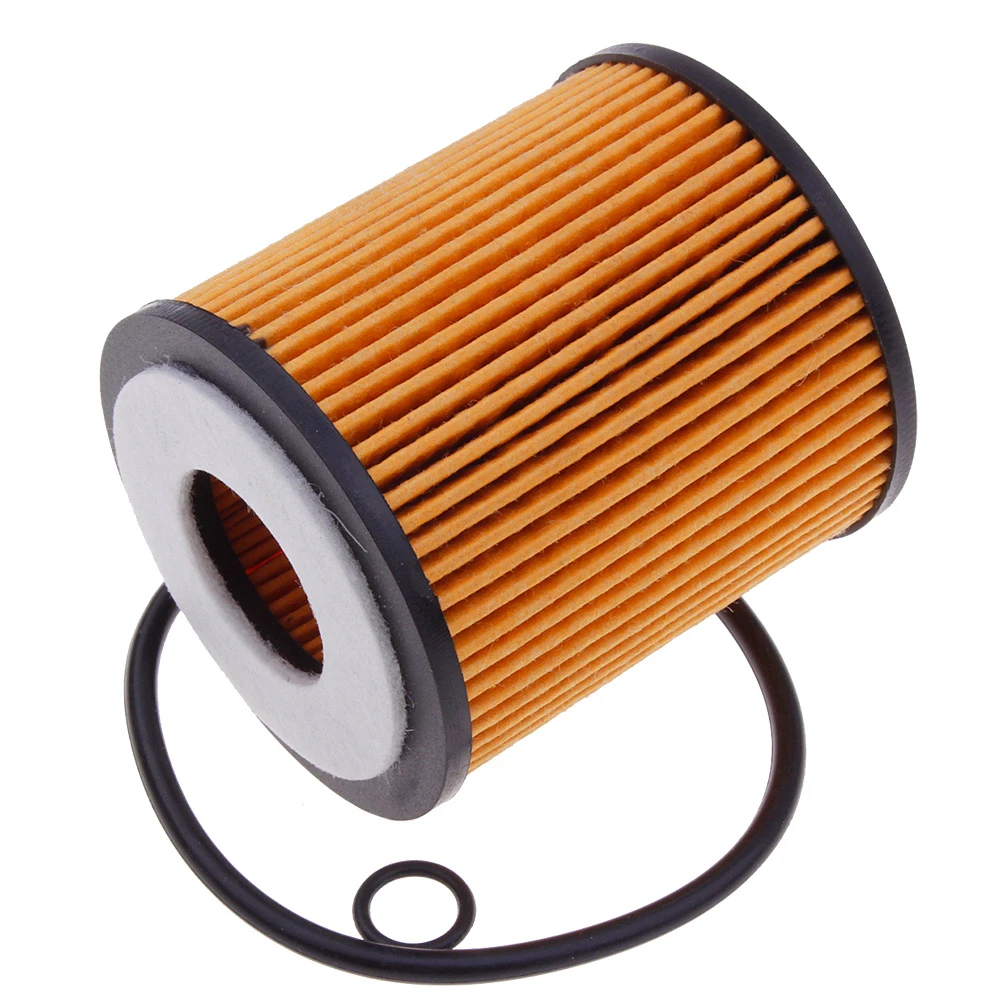
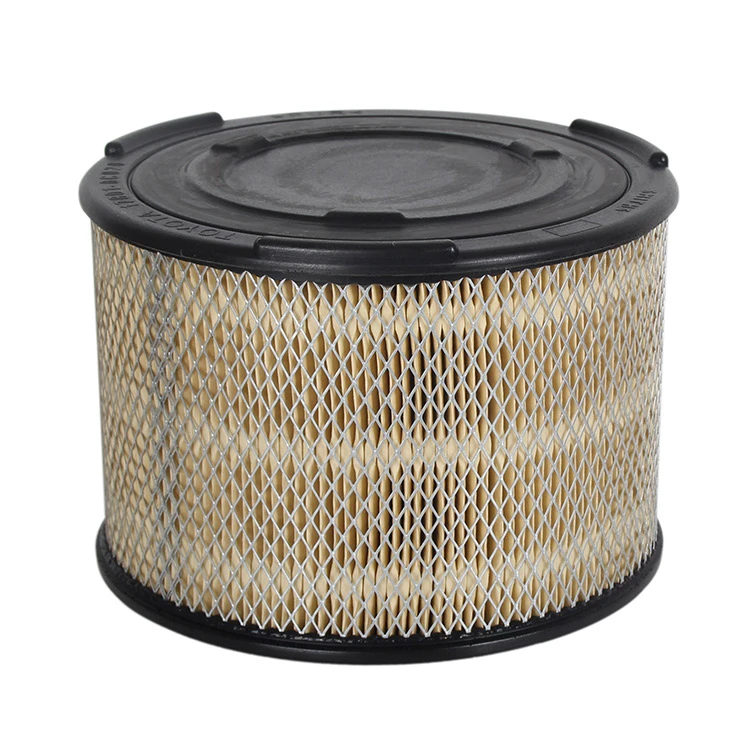
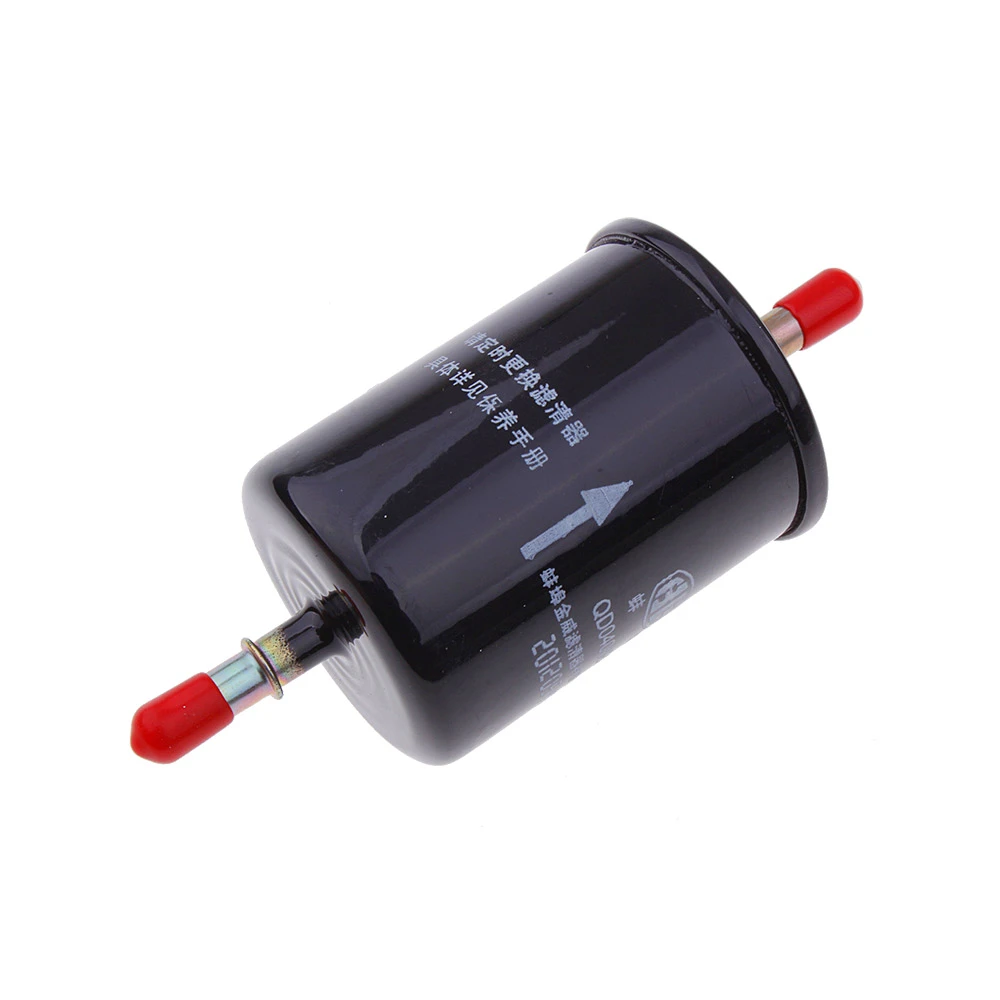
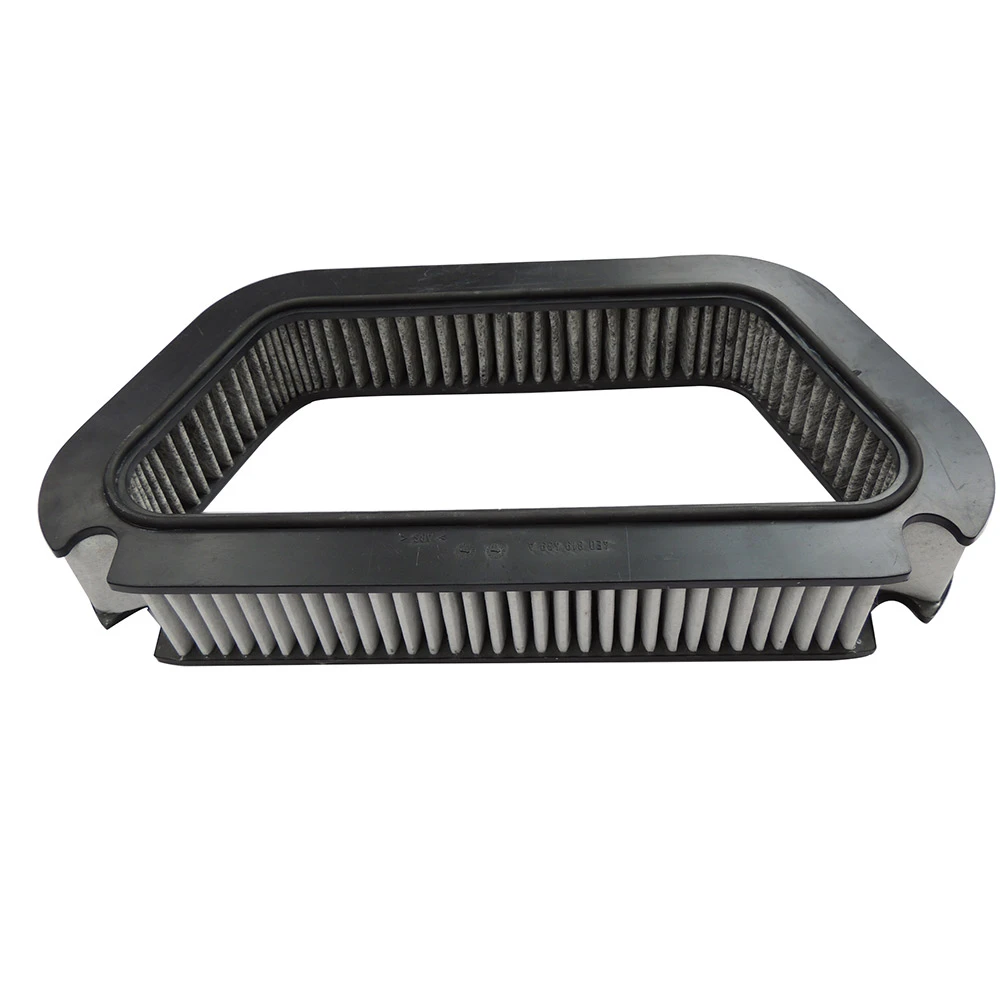
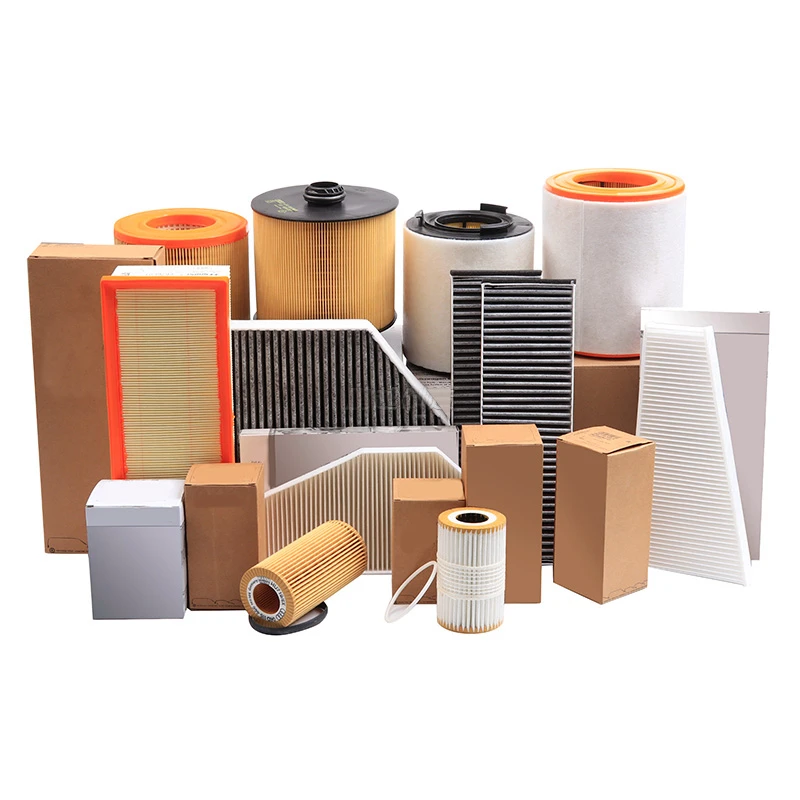
Gasoline Filter Screen: What’s Changing, What Matters, and Who’s Building It Right
If you’ve torn down a modern fuel module lately, you already know: the humble gasoline filter screen is doing stealthy heavy lifting. With GDI pressures, ethanol blends, and ever-tighter injector tolerances, pre-screens and in-line elements aren’t just “nice to have.” They’re the thin line between clean combustion and mystery misfire. I’ve toured plants from Zhejiang to Xingtai; one in particular near Niujiatun Village, Gexianzhuang Town, Qinghe County, Hebei, kept showing up on shortlists for OEM trials.
Industry trends (in plain English)
- GDI and turbo downsizing push micron ratings tighter (pre-screens ≈60–100 μm; final elements moving around 5–15 μm).
- Ethanol (E10–E20) swells some elastomers; material compatibility is not optional.
- Fleets want lower ΔP with higher dirt-holding—yes, a contradiction, but smart pleating and sintered media help.
Many customers say they notice fewer injector returns after upgrading the pre-screen. It seems that the right mesh and weld finish do matter more than the datasheet suggests.

How it’s made (materials and process flow)
- Media: 304/316L stainless woven mesh or sintered fiber; for light-duty modules, PA12 or PET monofilament mesh (fuel-compatible).
- Forming: precision cutting, pleating where needed, and laser welding or crimping to end-caps (aluminum, PPS, or PA66 GF).
- Sealing: FKM or HNBR O-rings for ethanol resistance.
- Validation: multi-pass efficiency (ISO 19438-style), bubble-point and permeability for sintered parts (ASTM F316), burst and vibration tests, 1,000–2,000 h soak in E10/E20 fuels.
- Service life: typically 30,000–60,000 km for in-line; pre-screens often lifetime of pump under clean fueling conditions (real-world use may vary).
Typical specs (reference build)
| Micron rating | ≈10 μm (final); ≈80 μm (pre-screen) |
| Media | 316L woven mesh / sintered SS; PET mesh option |
| Dimensions | Ø12–30 mm; length 20–60 mm (custom) |
| Efficiency | ≥99% @ 20 μm; ≥95% @ 10 μm (ISO 19438 method) |
| ΔP | ≈2.5 kPa @ 120 L/h (E10, 25°C) |
| Seal materials | FKM / HNBR |
| Certifications | IATF 16949, ISO 9001; materials to RoHS/REACH |
Vendors at a glance (my notes)
| Vendor | Mesh options | MOQ | Lead time | Certs | Comment |
|---|---|---|---|---|---|
| Hebei JY (Qinghe) | Sintered + woven, 5–200 μm | ≈1,000 pcs | 3–5 weeks | IATF 16949 | Strong customization; pragmatic pricing |
| Boutique EU supplier | Premium sintered, 5–40 μm | ≈500 pcs | 6–8 weeks | IATF/ISO | Top finish; higher cost |
| Generic trader | Limited woven, 60–150 μm | ≥3,000 pcs | 5–7 weeks | Mixed | Okay for non-critical pre-screens |
Applications, customization, and real feedback
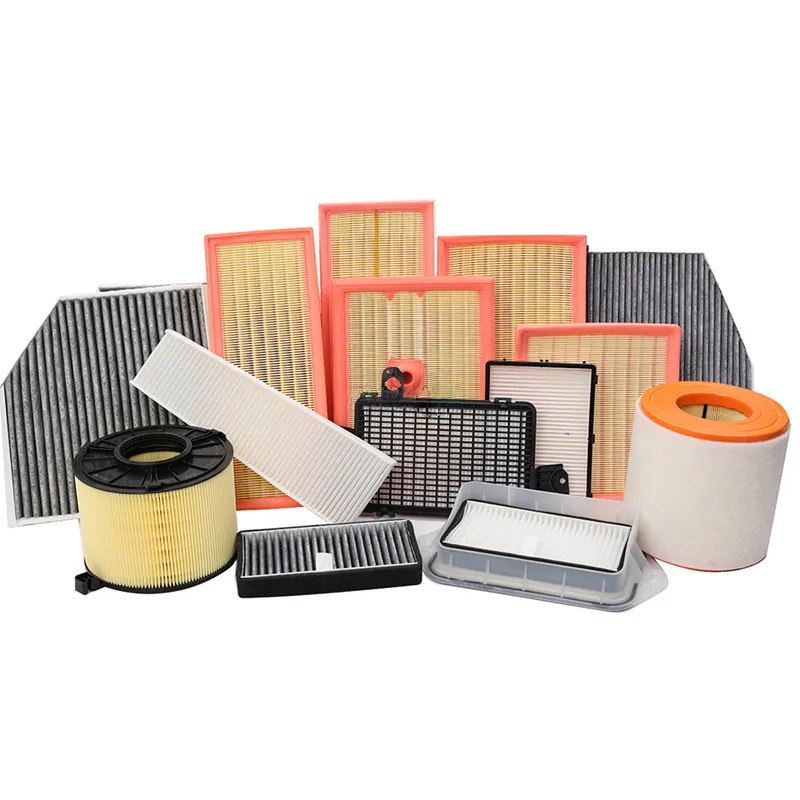
Use cases: automotive fuel modules, motorcycles, small engines, and marine inboards. Customization usually means mesh grade, pleat count, cup geometry, and seal material. One Southeast Asia taxi fleet saw ~18% fewer injector clog incidents in six months after switching pre-screens—surprisingly big for a small tweak. Another OEM specced E20-compatible seals and tighter 8–10 μm final elements to tame fine rust in legacy tanks.
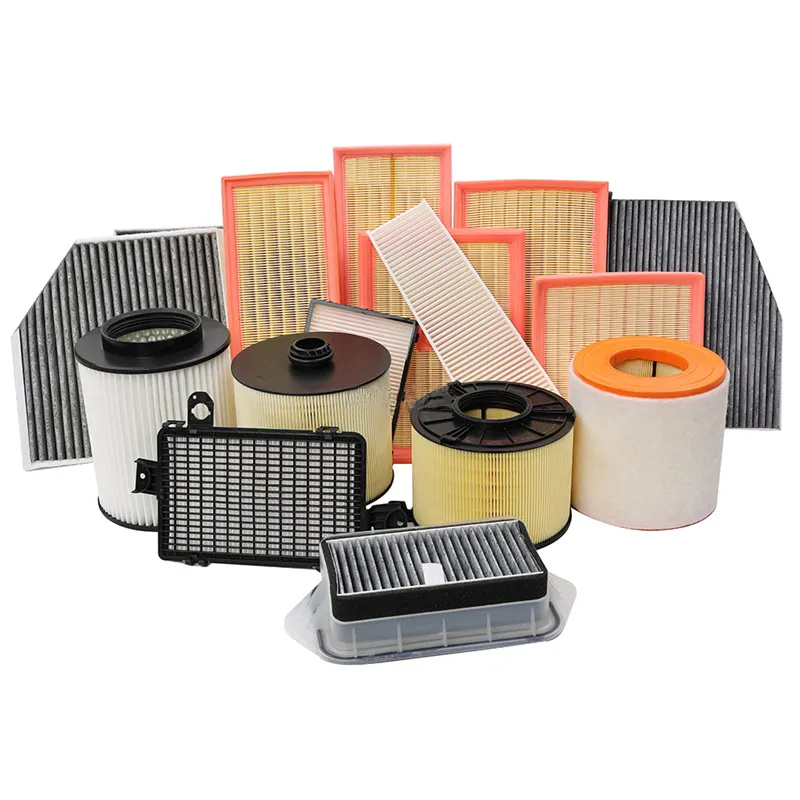
From my notebook: the team in Hebei (the same folks known for their automotive engine air intake filters) runs particle efficiency tests with ISO 11171-calibrated counters and keeps ΔP plots on file. They’re not flashy, but the data is tidy.
Why this matters now
A well-built gasoline filter screen keeps pumps quiet, injectors crisp, and warranty claims boring. Pair it with a robust air intake filter (their Automotive Engine line is respectable), and you’ve reduced two huge variables. To be honest, it’s not glamorous—but it pays for itself every time a fuel rail stays clean.
Citations
- [1] ISO 19438: Fuel filters for internal combustion engines — Test methods.
- [2] SAE J1985: Fuel Filter Test Methods — Gasoline (coarse and fine) performance evaluation.
- [3] IATF 16949:2016 — Automotive Quality Management System Requirements.
- [4] ASTM F316: Standard Test Methods for Pore Size Characteristics of Membrane Filters by Bubble Point and Mean Flow Pore Test.
-
Guide on how often do you need to replace engine air filterNewsApr.16,2026
-
Learn how often do you replace air filter in car for engine healthNewsApr.09,2026
-
How Often Do You Replace Car Air Filter For Optimal Engine PerformanceNewsApr.07,2026
-
How Often Do You Replace Engine Air Filter For Optimal Vehicle PerformanceNewsApr.04,2026
-
Understanding How Often Does Engine Air Filter Need to Be Replaced for Optimal PerformanceNewsMar.31,2026
-
How Often Engine Air Filter Change Impacts Performance and LongevityNewsMar.28,2026
-
Understanding How Often to Replace Your Car Air Filter for Optimal PerformanceNewsMar.26,2026
Related Products