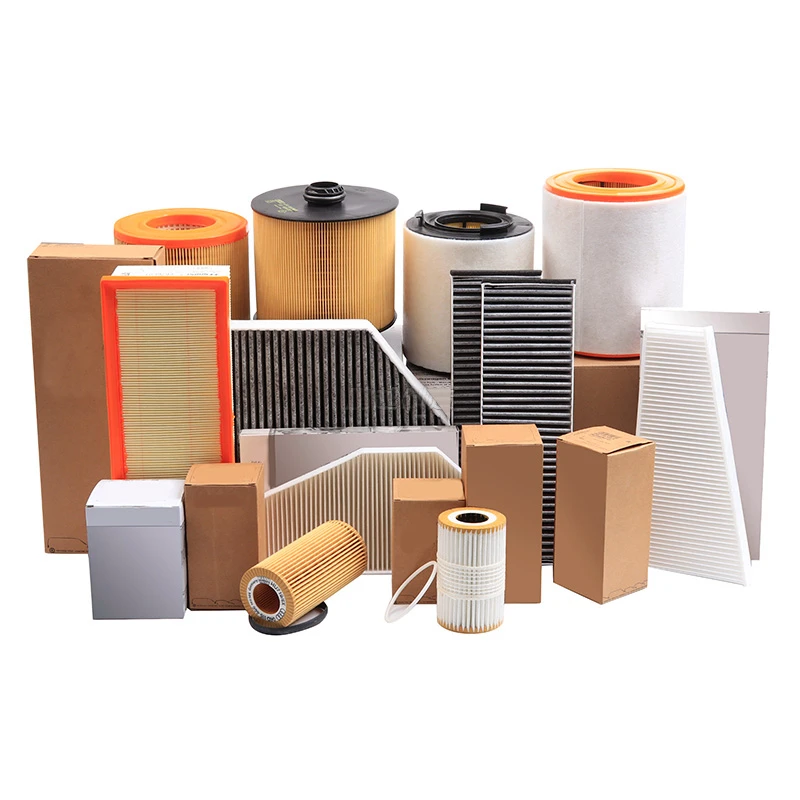
Gasoline filter funnels: what matters now (and what doesn’t)
If you’ve ever topped off a tank from a jerry can and crossed your fingers, you already know why a gasoline filter funnel is having a bit of a renaissance. I visited a plant in Niujiatun Village, Gexianzhuang Town, Qinghe County, Xingtai, Hebei (yes, the one behind JY Filter), and the mood was clear: cleaner fuel, fewer comebacks, happier engines.
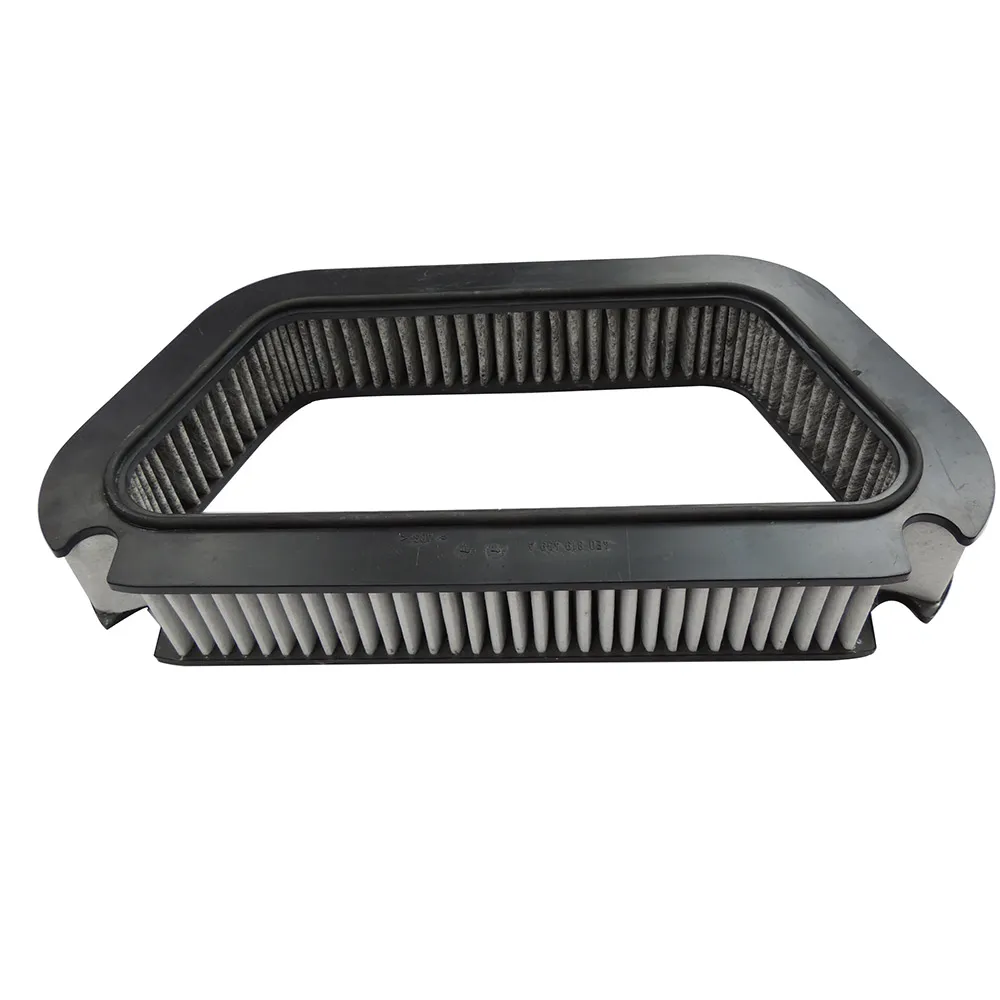
Industry trends you can’t ignore
Blended fuels (E10–E20), tighter injector tolerances, and increasingly sensitive high-pressure pumps are pushing filtration down to 5–15 µm. Many customers say they’re moving to multi-layer media with water separation built in. Surprisingly, funnel-based pre-filtration is back—used as a first barrier during refuels from cans or drums—paired with an inline filter in the vehicle. Sustainability-wise, I’m seeing recyclable housings and replaceable elements gaining traction, which, to be honest, makes economic sense.
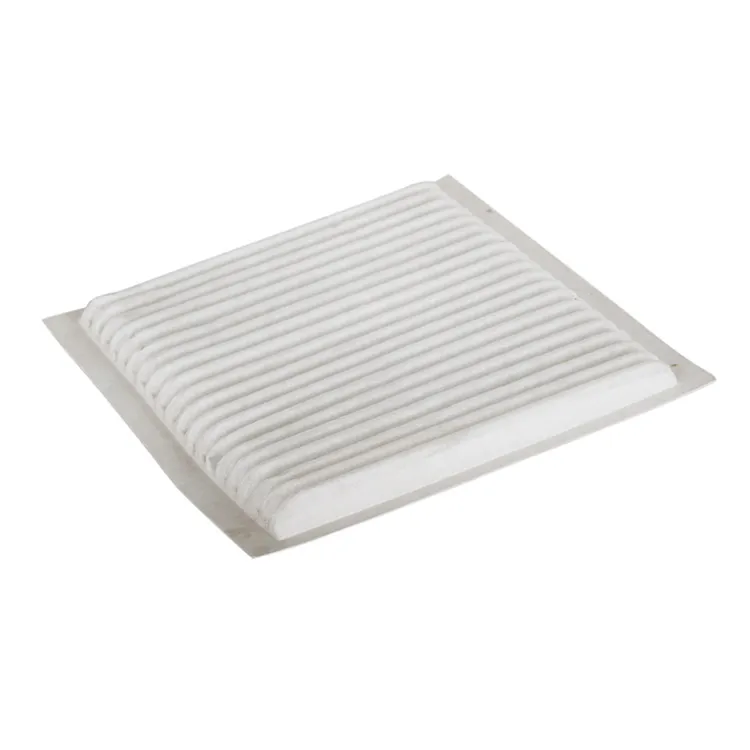
Technical snapshot and specs
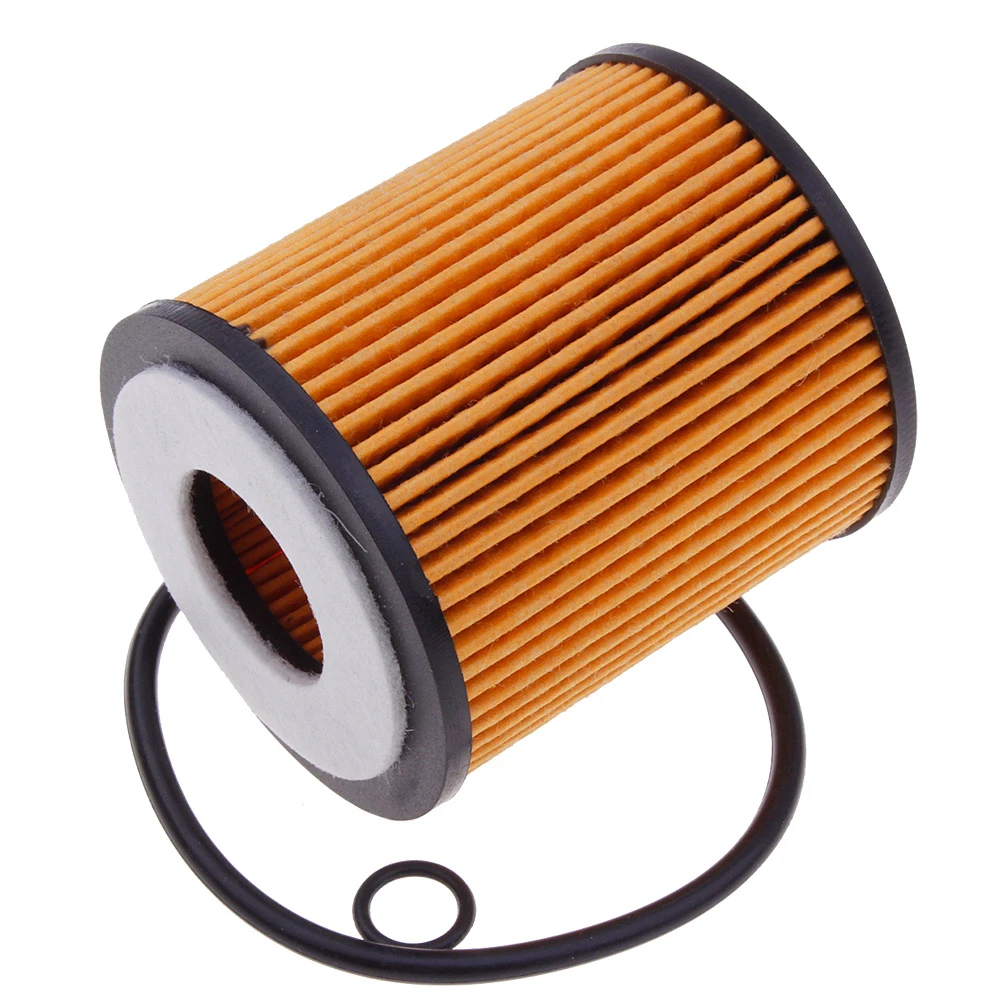
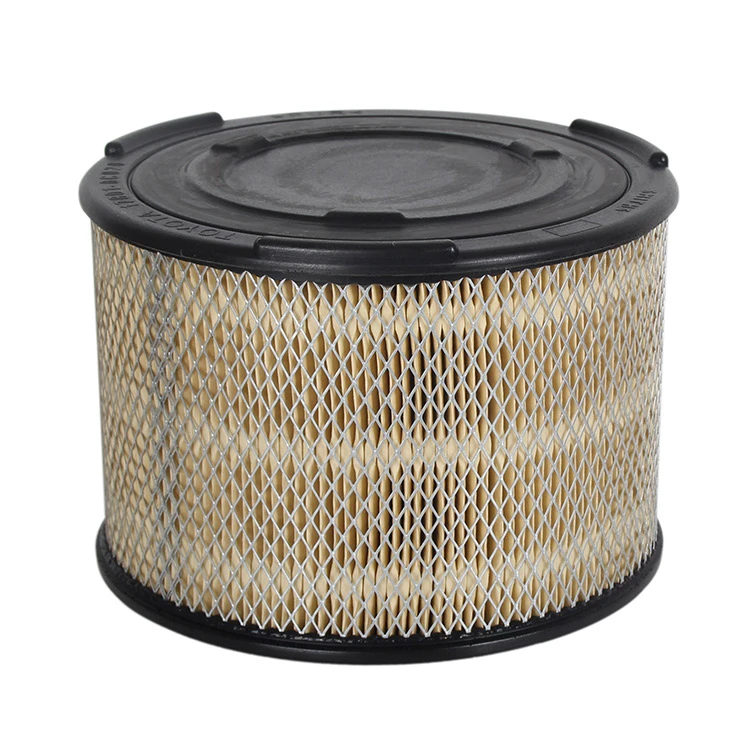
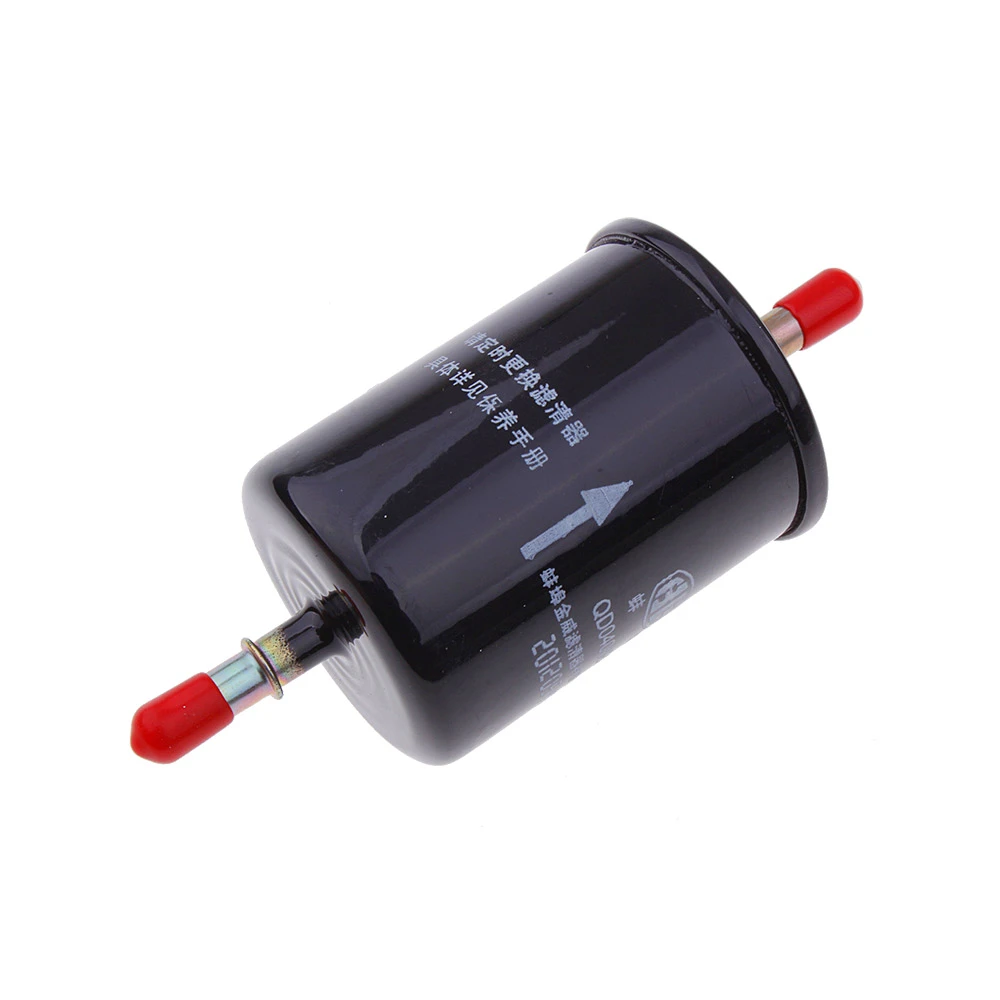
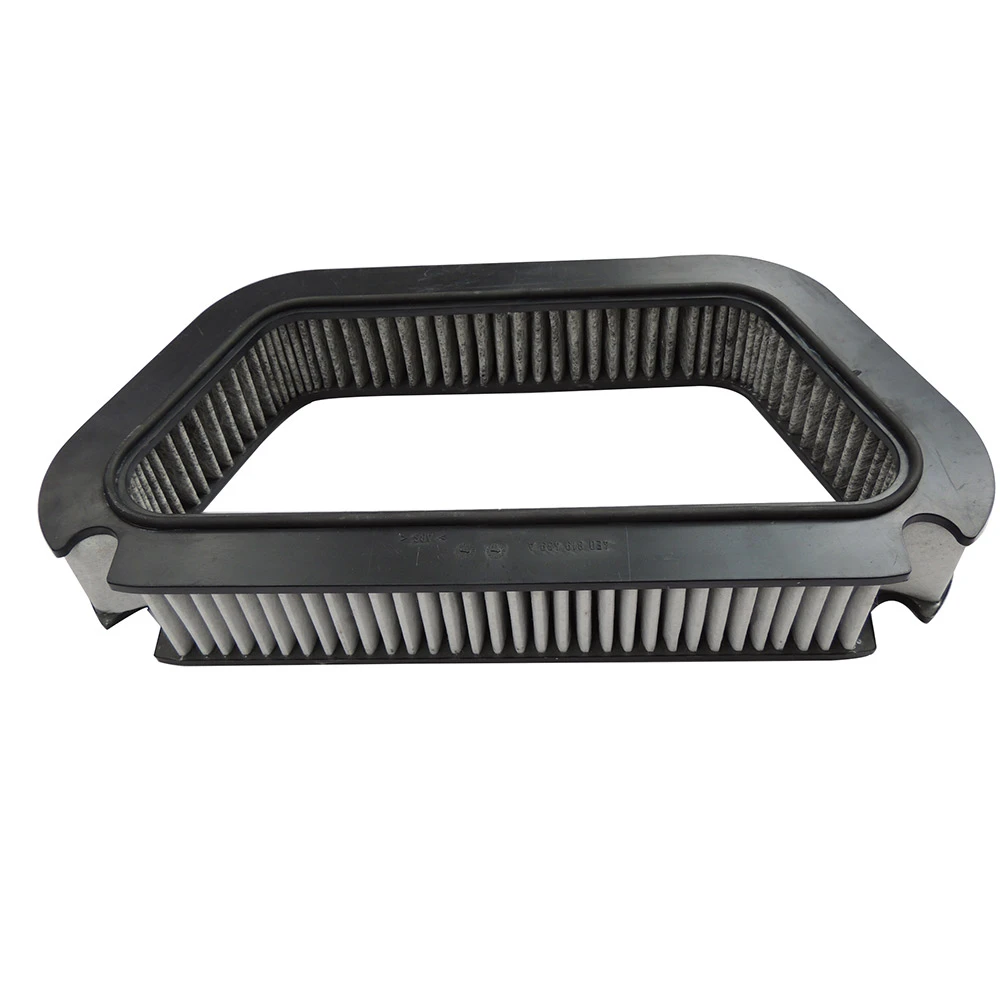
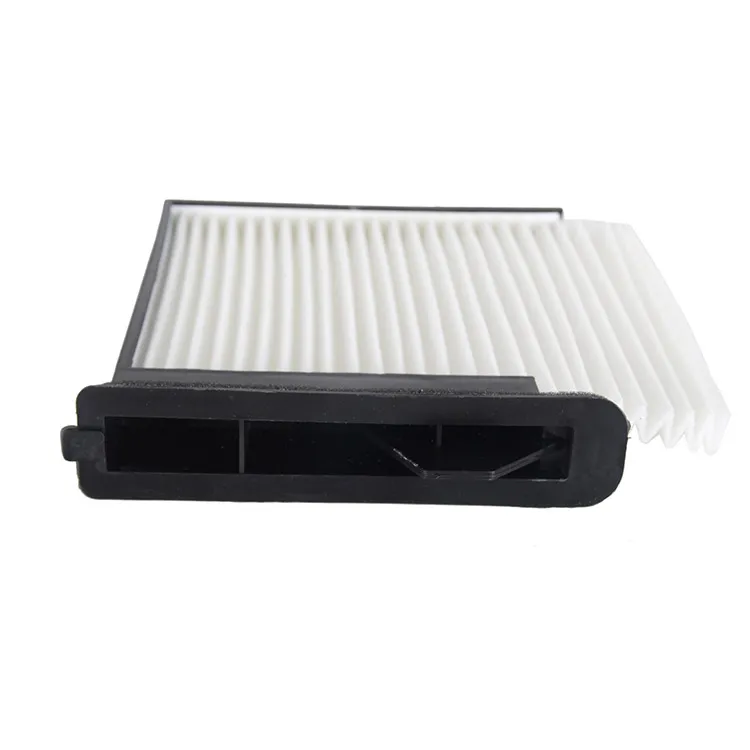
JY Filter’s approach blends fine media (cellulose + glass fiber) with hydrophobic layers, then pairs that with robust PA66-GF housings or anodized aluminum for harsher use. For those using a gasoline filter funnel as a pre-filter, the sweet spot is around 80–200 mesh, catching rust flakes, paint chips, and grit before they have a chance to head downstream.
| Parameter | Typical Value (≈) |
|---|---|
| Micron rating (inline) | 5–15 µm, ≥99% at 10 µm (lab, multi-pass) |
| Funnel mesh option | 80–200 mesh (real-world use may vary) |
| Flow rate | 60–120 L/h (inline), gravity-fed for funnels |
| Media | Cellulose + glass fiber + hydrophobic layer |
| Housing / seals | PA66-GF or anodized Al / NBR or FKM |
| Fuel compatibility | Gasoline per ASTM D4814; E0–E20 |
| Service life | 20,000–40,000 km (inline); funnels: inspect/clean every fill |
| Pressure / temp | Up to 6–8 bar; −40°C to 120°C |
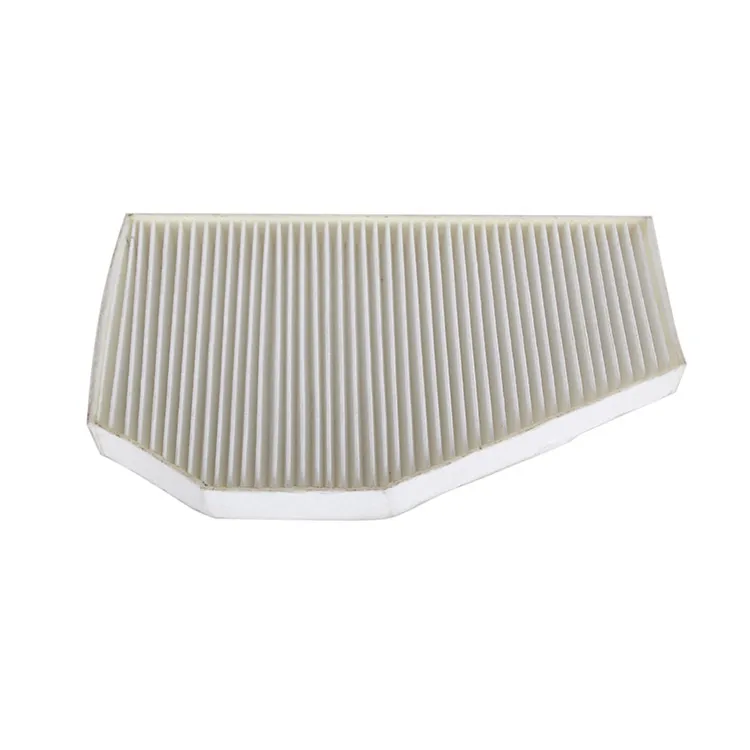
Materials, methods, and testing (the boring but crucial part)
- Materials: multi-layer cellulose/glass fiber media; PA66-GF or aluminum housings; NBR/FKM seals.
- Process: precision pleating, resin-bonded end-caps, ultrasonic welding, 100% leak test.
- Testing: multi-pass efficiency per ISO 19438 methodology; water separation per ISO 16332; bubble-point per ASTM F316; burst and collapse tests (internal SOPs).
Sample lab data (typical): ΔP < 20 kPa @ 80 L/h; efficiency ≥ 99% @ 10 µm; water separation ≥ 90% with E10. Certifications available: IATF 16949 for automotive supply, material RoHS/REACH declarations on request.
Where it’s used (and what users report)
Applications: motorcycles, passenger cars, small engines (generators, mowers), marine dockside refueling, farm equipment—anywhere a gasoline filter funnel or inline filter can intercept grit and water. Feedback has been consistent: quicker starts, fewer injector clogs, less downtime.
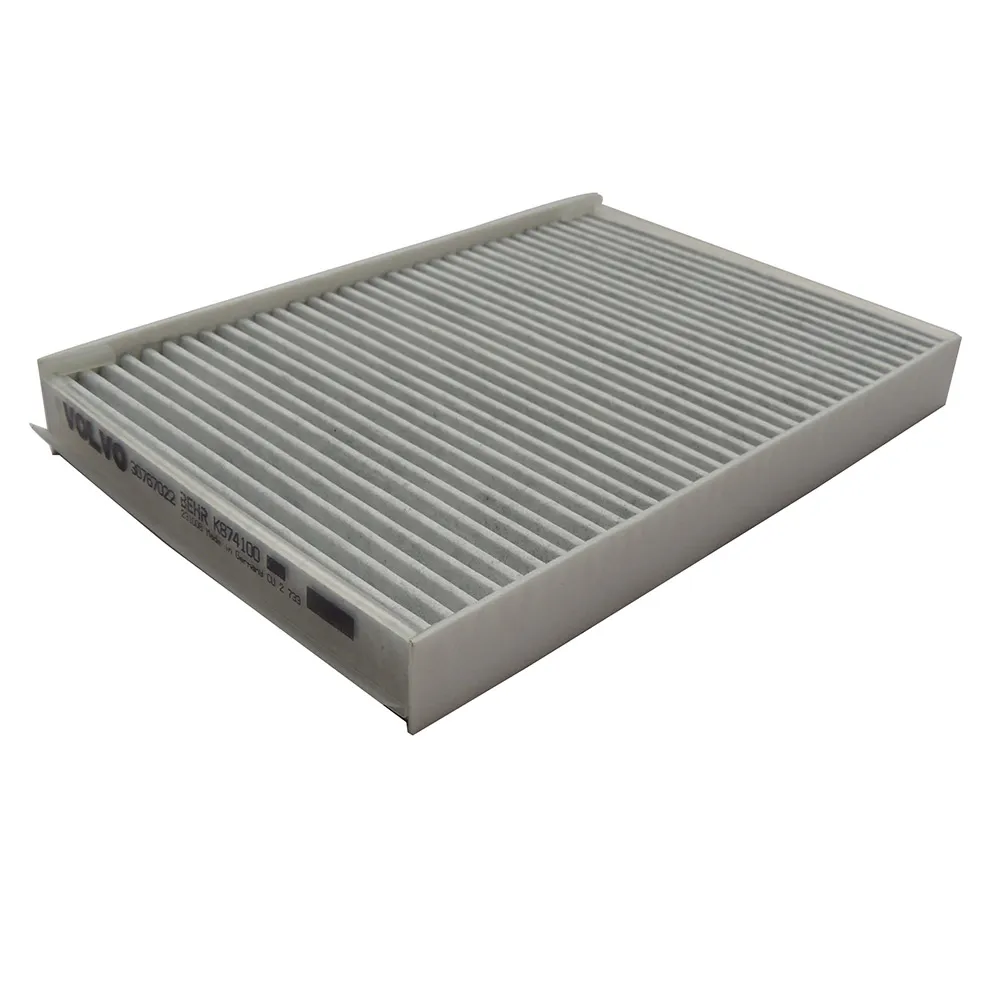
Quick cases: (1) Coastal marina switched to funnel pre-filtration—saw a 38% drop in carb cleanings over one season. (2) Delivery scooters in humid cities: water-related stalling reduced by ≈30% after adopting a 10 µm inline plus gasoline filter funnel at the depot. (3) Classic-car club reported visibly fewer rust flakes in bowls—anecdotal, but repeatable.
Vendor comparison (shortlist view)
| Vendor | Micron/mesh | Certs | Lead time | Customization | Price (≈) |
|---|---|---|---|---|---|
| JY Filter (Hebei) | 5–15 µm; 80–200 mesh | IATF 16949, RoHS/REACH | 15–25 days | Media, size, branding | Mid |
| Brand B (EU) | 10–20 µm; limited mesh | ISO 9001 | 3–6 weeks | Logo only | High |
| Marketplace Generic | 20–40 µm; basic mesh | — | Stock-dependent | None | Low |
Customization and how to spec it right
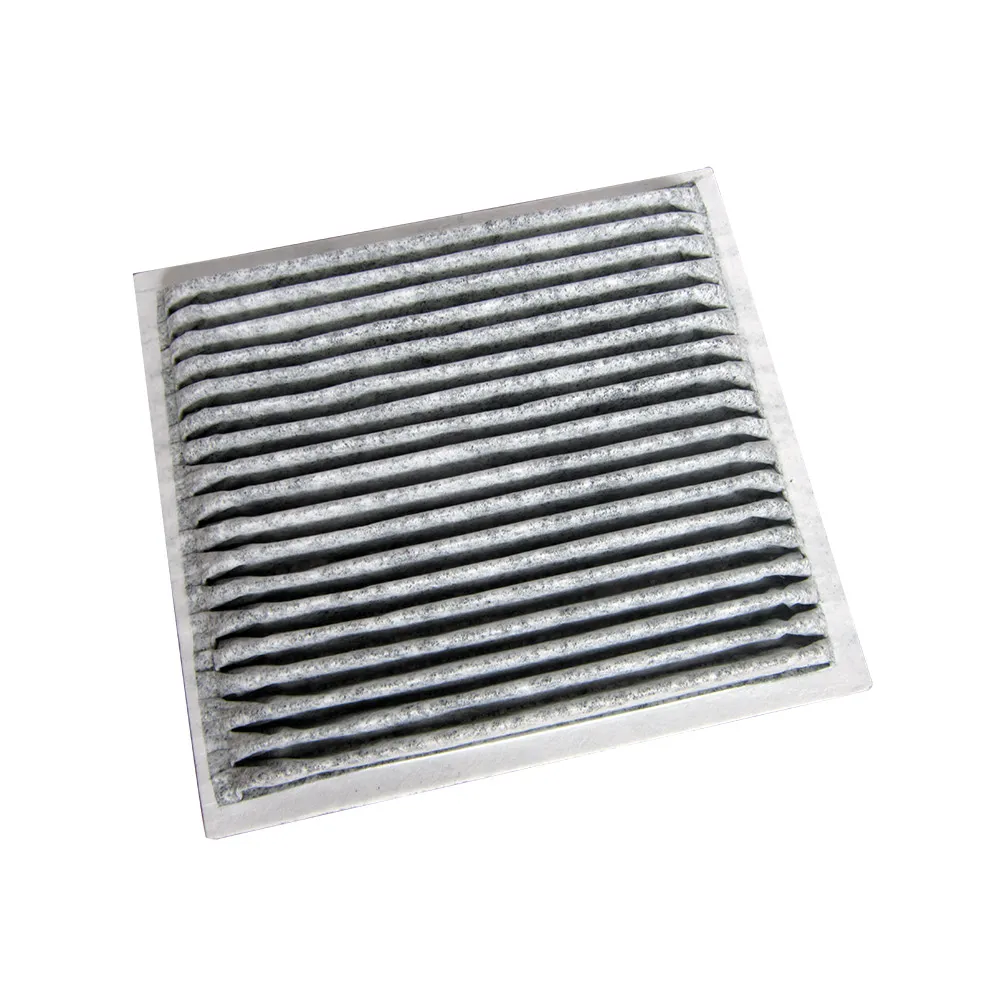
Choose micron rating by injector tolerance (10 µm for most port-injection, tighter for DI), add hydrophobic layers if you’re in humid or coastal zones, and size the gasoline filter funnel spout to reduce splash-back. For fleets, I’d add antistatic additives and quick-view bowls to speed inspections.
Standards and references
- ISO 19438: Fuel filter multi-pass performance test (methodology widely used across fuel types).
- ISO 16332: Fuel filter water separation test methods.
- ASTM F316: Bubble point test for porous media.
- ASTM D4814: Standard specification for automotive spark-ignition engine fuel.
-
Guide on how often do you need to replace engine air filterNewsApr.16,2026
-
Learn how often do you replace air filter in car for engine healthNewsApr.09,2026
-
How Often Do You Replace Car Air Filter For Optimal Engine PerformanceNewsApr.07,2026
-
How Often Do You Replace Engine Air Filter For Optimal Vehicle PerformanceNewsApr.04,2026
-
Understanding How Often Does Engine Air Filter Need to Be Replaced for Optimal PerformanceNewsMar.31,2026
-
How Often Engine Air Filter Change Impacts Performance and LongevityNewsMar.28,2026
-
Understanding How Often to Replace Your Car Air Filter for Optimal PerformanceNewsMar.26,2026
Related Products