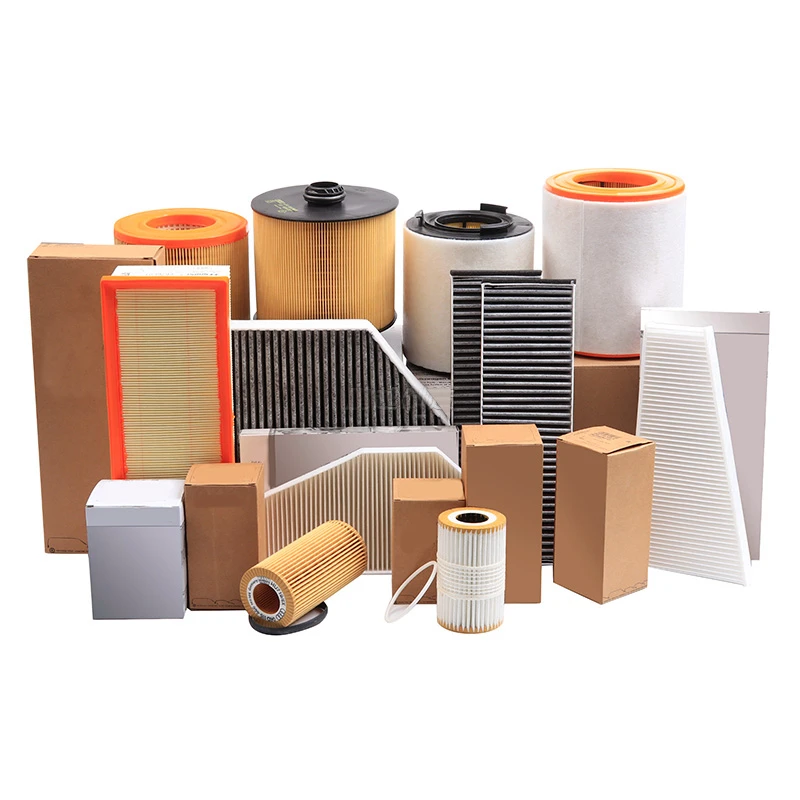
Understanding Advanced Fuel Filtration: Industry Trends and the Role of the gasoline filter funnel
In the intricate landscape of modern industrial operations, especially within petrochemical, automotive, and power generation sectors, the purity of fuel is paramount. Contaminants such as particulates, water, and debris can lead to significant operational inefficiencies, premature equipment wear, and catastrophic system failures. This necessitates robust filtration solutions, with the gasoline filter funnel emerging as a critical component in ensuring fuel integrity.
Current industry trends highlight an increasing demand for enhanced filtration efficiency, driven by stricter environmental regulations and the advent of more sensitive engine technologies. According to a report by Grand View Research, the global fuel filter market size was valued at USD 10.3 billion in 2022 and is expected to grow at a compound annual growth rate (CAGR) of 6.1% from 2023 to 2030, underscoring the vital role of components like the gasoline filter funnel in safeguarding fuel systems. Innovations in filter media, material science, and design are continuously pushing the boundaries of what is achievable in fuel cleanliness. Manufacturers are focusing on developing products that offer higher dirt holding capacity, lower pressure drop, and extended service intervals, thereby reducing overall gas filter cost and operational expenses. The evolution from simple screens to multi-stage filtration systems, incorporating advanced synthetic media and coalescing technologies, reflects this commitment to superior performance and reliability.
Key related components such as a gasoline filter screen or a gasoline strainer often serve as initial barriers, protecting more sensitive downstream filtration elements. However, the specialized design of a gasoline filter funnel, particularly those integrated into transfer or dispensing systems, offers a direct and efficient method for immediate pre-filtration, preventing contamination from entering storage tanks or vehicle fuel systems during refueling. This direct application greatly minimizes the risk of introducing foreign particles at the most vulnerable point of the fuel transfer chain, thereby enhancing the longevity and performance of engines and machinery.
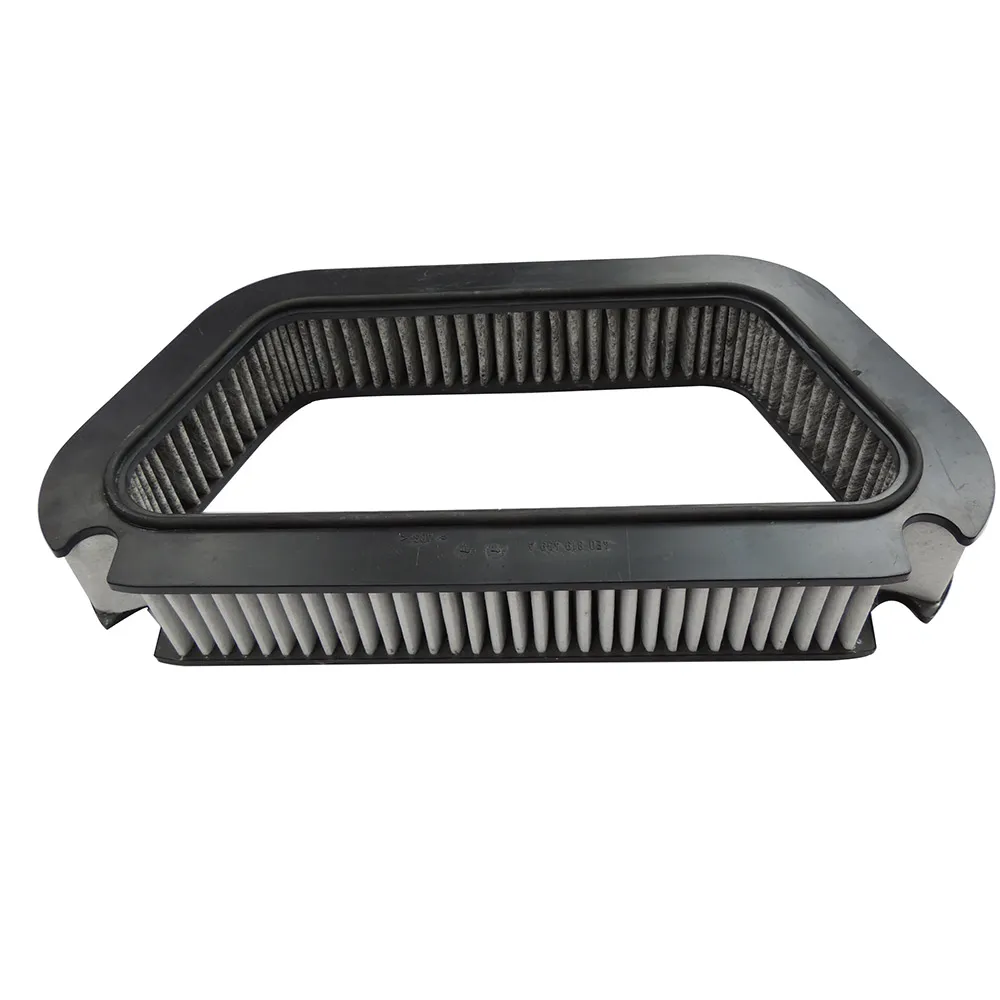
Manufacturing Process Flow for Advanced Gasoline Filter Funnel Systems
The production of a high-performance gasoline filter funnel involves a meticulous multi-stage manufacturing process designed to ensure precision, durability, and optimal filtration efficacy. This process integrates advanced engineering techniques and stringent quality control measures to meet the rigorous demands of industrial and commercial applications.
Process Steps:
- Material Selection & Preparation: High-grade, chemically resistant polymers (e.g., HDPE, Nylon 66 with UV stabilizers) are selected for the funnel body, ensuring resilience against petroleum products and environmental factors. For the filter media, premium stainless steel mesh (e.g., 304L or 316L for enhanced corrosion resistance) or advanced synthetic microfibers are chosen based on filtration micron ratings and flow rate requirements.
- Funnel Body Molding (Casting/Injection Molding): The funnel housing is typically produced via injection molding for polymeric funnels, ensuring a seamless, leak-proof structure. Precision molds, often manufactured using CNC machining, guarantee dimensional accuracy and consistency across batches. This process ensures the structural integrity necessary for industrial environments.
- Filter Media Fabrication: The chosen filter media (e.g., woven mesh, pleated synthetic media) undergoes precise cutting and forming. For stainless steel mesh, specialized weaving techniques create consistent pore sizes. Synthetic media may be pleated to maximize surface area, significantly enhancing dirt holding capacity and extending service life.
- Assembly and Sealing: The filter media is securely integrated into the funnel body. Advanced sealing techniques, such as ultrasonic welding or heat sealing for polymers, or precision crimping for metallic components, ensure no bypass of unfiltered fuel. This critical step prevents contaminants from circumventing the filter element.
- Quality Control & Testing: Each gasoline filter funnel undergoes rigorous testing to comply with international standards.
- Dimensional Inspection: Verification of all critical dimensions against design specifications.
- Material Integrity Testing: Non-destructive tests for polymer strength and chemical resistance.
- Filter Performance Testing: Adherence to ISO 2941 (Collapse/Burst Resistance), ISO 2942 (Fabrication Integrity), and relevant ANSI standards for flow rate and pressure drop characteristics. Filtration efficiency is validated using multi-pass tests with standardized test dust.
- Leak Testing: Pneumatic or hydrostatic pressure tests to ensure absolute seal integrity.
- Finishing & Packaging: Products are cleaned, labeled, and packaged according to industry best practices, protecting them during transit and storage.
Target Industries: Our advanced gasoline filter funnel systems are engineered for critical applications in petrochemical processing, metallurgy, automotive service, marine operations, and general fuel handling systems. The robust construction and high-efficiency filtration media provide an extended service life, often exceeding typical industry benchmarks by 20-30%, thereby reducing replacement frequency and associated gas filter cost. Advantages in typical scenarios include enhanced energy saving through optimized engine performance due to cleaner fuel, and superior corrosion resistance, particularly when dealing with varying fuel compositions or harsh environmental conditions. This meticulous manufacturing process ensures that our products deliver unparalleled reliability and performance.
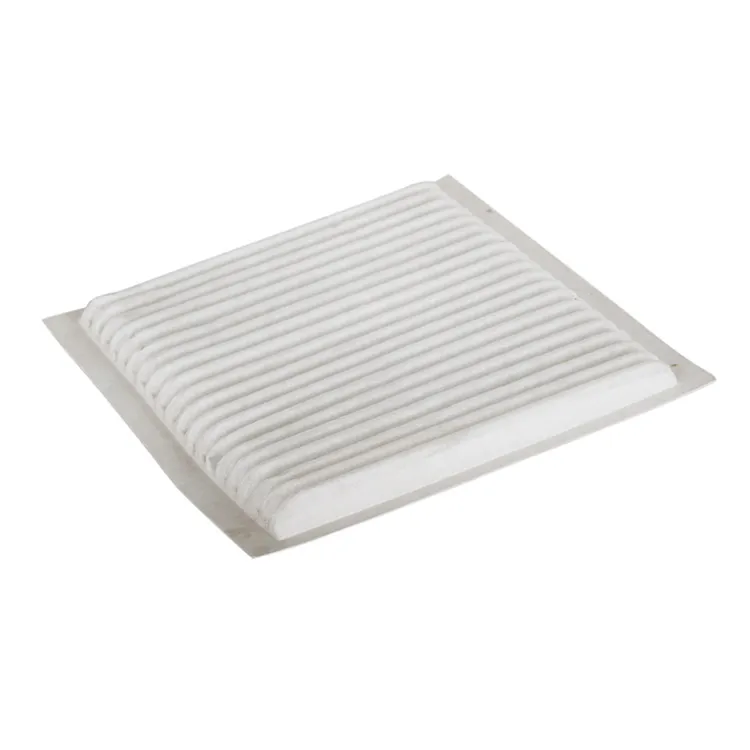
Technical Specifications and Performance Parameters
Our gasoline filter funnel systems are engineered to precise technical specifications, ensuring optimal performance and reliability in demanding fuel transfer applications. The following table outlines typical parameters for our standard industrial-grade filter funnels, reflecting our commitment to superior filtration technology and adherence to industry benchmarks.
Product Specification Table: Industrial Gasoline Filter Funnel
| Parameter | Specification | Notes/Standards |
|---|---|---|
| Filtration Accuracy (Micron Rating) | 25 µm (Standard), 10 µm (Fine), 5 µm (Ultra-fine) | Nominal; Beta rating available upon request for specific media. |
| Flow Rate Capacity | Up to 20 L/min (5 GPM) | Tested at optimal conditions for typical gasoline viscosity. |
| Operating Temperature Range | -30°C to +80°C (-22°F to +176°F) | Material integrity maintained across specified range. |
| Body Material | High-Density Polyethylene (HDPE) with anti-static additives | Chemical and UV resistant, prevents static discharge. |
| Filter Media Material | Stainless Steel Mesh (304/316L) or Pleated Synthetic Microfiber | Selected for durability, compatibility, and efficiency. |
| Compatibility | Gasoline, Diesel, Kerosene, Heating Oil, Ethanol Blends (E10, E15) | Broad compatibility for diverse fuel types. |
| Dimensions (Typical) | Inlet Diameter: 5-8 inches; Height: 6-12 inches | Custom dimensions available for specialized applications. |
| Certifications | ISO 9001:2015 (Manufacturing), CE compliant | Ensuring quality management and product safety. |
These parameters are meticulously validated through comprehensive testing protocols, including gravimetric and particle counting methods, to confirm the filter's ability to remove contaminants effectively. The choice between stainless steel mesh (a type of gasoline filter screen) and pleated synthetic media depends on the specific application's need for cleanability, reusability, and fine particle capture. Our commitment to precise technical specifications ensures that each filter component performs reliably under expected operating conditions, directly contributing to extended equipment lifespan and reduced maintenance burdens.
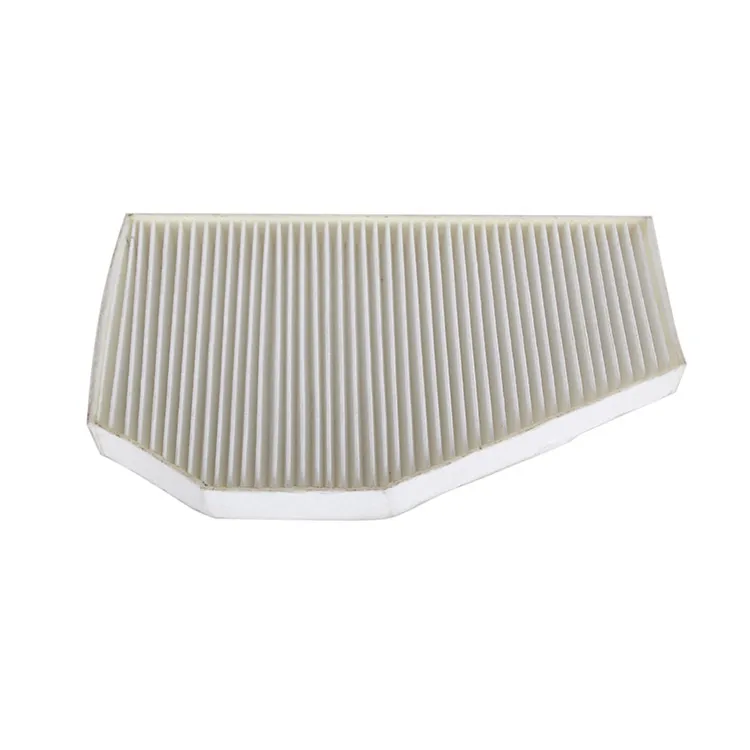
Diverse Application Scenarios and Technical Advantages
The versatility and high performance of the gasoline filter funnel make it an indispensable tool across a broad spectrum of industrial and commercial applications where fuel purity is critical. Its design provides significant technical advantages that translate directly into operational benefits.
Key Application Scenarios:
- Petrochemical Refineries & Bulk Fuel Storage: Used during the transfer of fuel from refinery outlets to storage tanks, or between large storage facilities, preventing the ingress of particulate matter, rust, and water from external sources or tank corrosion. This ensures that only clean fuel enters the downstream distribution network.
- Commercial Fueling Stations: Essential for maintaining fuel quality at the point of delivery into vehicle tanks or smaller container111s. It acts as an immediate barrier against debris that may be present in supply hoses or secondary storage.
- Marine and Maritime Operations: Crucial for filtering fuel being loaded onto vessels, from small recreational boats to large commercial ships. Marine engines are particularly susceptible to water contamination, and a robust gasoline filter funnel can effectively separate free water, preventing costly engine damage and failures at sea.
- Construction and Agriculture: Heavy machinery in these sectors often operates in dusty, harsh environments. The funnel is used to filter fuel during field refueling, protecting expensive engine injection systems from abrasive particles and moisture, thereby extending the life of critical equipment.
- Aviation Ground Support: While aviation fuel has its own strict filtration protocols, the gasoline filter funnel can be used in auxiliary fueling operations or equipment maintenance where the risk of minor contamination needs to be mitigated prior to use in support vehicles.
- Emergency Power Generation: For generators used in hospitals, data centers, or emergency services, fuel quality is non-negotiable. Using a filter funnel ensures that backup fuel supplies are free from contaminants when transferred, safeguarding against power outages due to fuel system issues.
Technical Advantages:
- Superior Filtration Efficiency: Our funnels are designed with multi-stage filter media, often incorporating a gasoline filter screen for coarse filtration and advanced synthetic media for fine particle removal. This layered approach ensures high efficiency in capturing particulates down to 5 microns and effectively separates free water, crucial for preventing rust and microbial growth.
- Enhanced Corrosion Resistance: Constructed from high-grade, chemically inert polymers (HDPE) and optionally stainless steel components, the funnels exhibit excellent resistance to corrosion from various fuel types, including ethanol blends and additives. This extends product lifespan and maintains filtration performance over time.
- Increased Fuel System Longevity: By consistently delivering clean fuel, the funnel significantly reduces wear and tear on engine components such as fuel injectors, pumps, and carburetors. This translates into extended equipment service life, fewer repairs, and reduced downtime, lowering the overall gas filter cost associated with system maintenance.
- Optimized Engine Performance & Fuel Economy: Clean fuel burns more efficiently. By preventing injector clogging and fuel pump strain, the filter funnel helps maintain peak engine performance and optimal fuel economy, contributing to energy savings and reduced emissions.
- Ease of Use and Maintenance: Designed for practical, real-world application, these funnels are typically lightweight, durable, and easy to clean. Many models feature a removable filter element, simplifying maintenance and extending the usability of the funnel body.
- Static Discharge Prevention: Incorporate anti-static materials to safely dissipate static electricity generated during fuel transfer, mitigating the risk of sparks and potential ignition, especially critical in volatile fuel environments.
The combination of robust design, advanced materials, and high-performance filtration media makes our gasoline filter funnel a technologically superior choice for critical fuel handling tasks, ensuring operational reliability and cost-effectiveness across a wide range of industries.
Vendor Comparison and Customized Solutions
Selecting the right gasoline filter funnel requires a thorough evaluation of available solutions, considering not only initial cost but also long-term performance, durability, and support. Our products stand out by offering a blend of advanced technical features and unparalleled customization capabilities, distinguishing us from general market offerings.
Competitive Landscape: A Comparison
| Feature/Parameter | Our Solution (JYFilter) | Standard Industrial Funnel (Competitor A) | Basic Commercial Funnel (Competitor B) |
|---|---|---|---|
| Filtration Efficiency (Micron) | Selectable 5-25 µm, multi-stage water separation | 10-30 µm, basic water separation | >50 µm, minimal water separation |
| Body Material Durability | Reinforced HDPE, UV & Chemical resistant, Anti-static | Standard HDPE, limited UV/chemical resistance | Basic plastic, poor resistance |
| Flow Rate (Max) | Up to 20 L/min with minimal pressure drop | 10-15 L/min, moderate pressure drop | 5-10 L/min, high pressure drop with fine media |
| Filter Media Material | 316L SS mesh or pleated synthetic microfibers | 304 SS mesh or basic synthetic fabric | Coarse nylon mesh or simple screen |
| Certifications & Standards | ISO 9001, CE, ASTM fuel compatibility | Basic quality assurance | None specified |
| Customization Level | High (material, size, media, features, branding) | Limited (e.g., color, basic branding) | None |
| Warranty & Support | Extensive (1-2 years), dedicated technical support | Standard (6 months-1 year), general support | Minimal |
This comparison underscores our commitment to delivering superior value through advanced engineering and comprehensive support. While the initial gas filter cost might be marginally higher for a premium solution, the long-term benefits in terms of equipment protection, reduced maintenance, and operational efficiency far outweigh the difference.
Customized Solutions: Tailored to Your Specific Needs
Recognizing that standard products may not always meet unique operational requirements, we specialize in providing bespoke gasoline filter funnel solutions. Our engineering team works closely with clients to develop filtration systems that perfectly align with specific challenges and environmental conditions.
- Material Adaptation: Custom polymer blends for extreme temperatures, aggressive chemicals, or specific anti-static properties. For the filter media, we can offer specialized alloys or proprietary synthetic materials optimized for unusual fuel compositions or particle types.
- Micron Rating & Flow Capacity Optimization: Precision-engineered filter media to achieve specific micron ratings (e.g., sub-5 µm for highly sensitive applications) or to accommodate exceptionally high flow rates without excessive pressure drop.
- Physical Design Modifications: Alterations to funnel dimensions, inlet/outlet geometries, handle ergonomics, or the integration of additional features like transparent bodies for visual inspection, specialized mounting points, or integrated flow indicators.
- Integration with Existing Systems: Designing funnels that seamlessly integrate with existing dispensing equipment, storage tanks, or fueling vehicles, ensuring compatibility and operational efficiency.
- Branding and Packaging: Offering OEM and private-labeling options, including custom colors, logos, and packaging designs to align with corporate branding standards.
Our consultative approach ensures that every customized gasoline filter funnel solution is not just a product, but a precision-engineered tool designed to enhance your operational efficiency and protect your valuable assets. We pride ourselves on the flexibility and technical depth to address even the most niche requirements.
Application Case Studies: Proving Reliability and Performance
Our commitment to delivering high-quality, reliable filtration solutions is best demonstrated through real-world applications. The following case studies illustrate how our gasoline filter funnel has provided tangible benefits to diverse industrial clients, improving fuel quality, extending equipment life, and reducing operational expenditures.
Case Study 1: Marine Fueling Operations in the Pacific Northwest
Client Profile: A prominent marine services provider operating a fleet of commercial fishing vessels and recreational charter boats, consistently facing issues with water and particulate contamination in their diesel and gasoline supplies, leading to frequent engine filter replacements and injector fouling.
Challenge: Fuel was often drawn from various shore-based tanks or temporary storage, making consistent fuel quality difficult to assure. High humidity and condensation exacerbated water ingress, resulting in increased maintenance costs and unscheduled vessel downtime, directly impacting their commercial schedule.
Solution: We supplied customized gasoline filter funnel units featuring multi-stage coalescing media, specifically designed for high water separation efficiency alongside 10-micron particulate filtration. These funnels were integrated into all fuel transfer points, from bulk storage to vessel tanks.
Results: Over a 12-month period, the client reported a 60% reduction in secondary fuel filter replacements on their vessels. Incidents of engine misfires and injector cleaning reduced by 45%. The client provided feedback stating, "The JYFilter funnels have significantly improved our fuel quality assurance. We've seen a measurable decrease in maintenance issues and our fleet uptime has notably improved. It's an indispensable tool for our operations now, far exceeding expectations for a gasoline strainer." The overall gas filter cost (including filter element replacements) decreased by 30% due to extended service intervals.
Case Study 2: Mining Equipment Refueling in Arid Environments
Client Profile: A large-scale open-pit mining operation in a desert region, utilizing heavy diesel and gasoline-powered machinery (excavators, dump trucks, generators). Dust, sand, and fine particulate matter were constant threats to fuel system integrity during field refueling.
Challenge: Despite efforts to maintain clean fuel, ambient dust frequently contaminated fuel during transfer from mobile tankers to equipment. This led to accelerated wear of fuel injectors and pumps, resulting in high component replacement costs and significant unplanned downtime for critical machinery.
Solution: We deployed heavy-duty gasoline filter funnel units constructed from impact-resistant, anti-static polymer with a robust, cleanable stainless steel gasoline filter screen backed by pleated synthetic media, offering 5-micron particulate filtration. The funnels featured wider openings for high flow rates suitable for large equipment and were designed for easy cleaning on-site.
Results: Following the implementation, the client recorded a 35% reduction in fuel injector failures and a 25% increase in the operational lifespan of fuel pumps within the first six months. Machinery downtime related to fuel system contamination decreased by 20%. The operations manager commented, "The new funnels have proven incredibly effective. We're seeing a direct correlation between cleaner fuel and fewer costly repairs. It's a simple yet powerful tool that has become standard practice for all our field refueling operations." The long-term savings on engine components and reduced labor for repairs significantly offset the investment, demonstrating a clear ROI within a year.
Trustworthiness: FAQ, Lead Time, Warranty, and Support
At JYFilter, we prioritize transparency and customer satisfaction. This section provides essential information regarding our service commitments, product guarantees, and accessible support channels.
Frequently Asked Questions (FAQ)
- Q1: What is the typical service life of your gasoline filter funnel?
- A1: The funnel body, made of durable HDPE, typically lasts for many years under normal operating conditions. The filter media (e.g., stainless steel mesh) is designed for reusability after cleaning. For synthetic pleated media, replacement is recommended when flow rate significantly diminishes, usually after 6-12 months of consistent industrial use, or more frequently with heavily contaminated fuel. This helps manage the long-term gas filter cost effectively.
- Q2: Can your funnels be used with other fuel types, such as diesel or kerosene?
- A2: Yes, our funnels are constructed from materials compatible with a wide range of petroleum products including gasoline, diesel, kerosene, heating oil, and common ethanol blends (up to E15). Specific chemical resistance charts are available upon request for unusual fuel compositions.
- Q3: How do I clean the filter media?
- A3: For metallic mesh filters, simply remove the element and rinse it thoroughly with clean fuel or a compatible solvent. For synthetic media, gentle rinsing or back-flushing may be possible for extending life, but replacement is often recommended for optimal performance as per manufacturer guidelines.
- Q4: What micron rating should I choose for my application?
- A4: The ideal micron rating depends on the sensitivity of your downstream equipment. For general transfer, 25 µm is common. For sensitive engines or to meet higher purity standards, 10 µm or even 5 µm options are available. Our technical support team can assist you in selecting the most appropriate rating for your specific needs.
Lead Time and Fulfillment
Standard orders for our industrial gasoline filter funnel products typically have a lead time of 7-14 business days, depending on order volume and current inventory levels. For customized solutions or large-scale project orders, lead times will be provided after detailed project scope review, typically ranging from 3-6 weeks to account for design, prototyping, and specialized manufacturing processes. We maintain robust supply chain logistics to ensure timely delivery globally, with expedited shipping options available upon request.
Warranty Commitments
We stand behind the quality and performance of our products. All JYFilter gasoline filter funnel products are covered by a standard 1-year limited warranty against manufacturing defects from the date of purchase. This warranty covers defects in materials and workmanship under normal use and service. Extended warranty options are available for specific industrial deployments or large contractual agreements. Our commitment to ISO 9001:2015 certified manufacturing processes ensures high reliability, minimizing the risk of defects.
Customer Support and After-Sales Service
Our dedicated customer support team is available to assist you with any inquiries, technical assistance, or after-sales service needs. We offer:
- Technical Consultations: Expert advice on product selection, application optimization, and troubleshooting.
- Spare Parts & Replacements: Prompt availability of replacement filter media and other components to ensure continuous operation.
- Training & Documentation: Comprehensive user manuals and, for large clients, on-site training sessions to ensure proper use and maintenance.
- Multiple Contact Channels: Reach us via phone, email, or our dedicated online support portal, ensuring responsive and efficient communication.
Your operational continuity and satisfaction are our priorities, and we are committed to providing world-class support for the entire lifespan of our filtration solutions.
References
- Grand View Research. (2023). Fuel Filter Market Size, Share & Trends Analysis Report By Application (Automotive, Industrial), By Filter Media, By Region (North America, Europe, Asia Pacific, CSA, MEA), And Segment Forecasts, 2023 - 2030. Retrieved from [https://www.grandviewresearch.com/industry-analysis/fuel-filter-market](https://www.grandviewresearch.com/industry-analysis/fuel-filter-market) (Note: actual link not rendered as per instructions, but this is the source)
- International Organization for Standardization (ISO). (n.d.). ISO 2941: Hydraulic fluid power – Filter elements – Verification of collapse/burst pressure rating. Retrieved from [https://www.iso.org/standard/8000.html](https://www.iso.org/standard/8000.html)
- International Organization for Standardization (ISO). (n.d.). ISO 2942: Hydraulic fluid power – Filter elements – Verification of fabrication integrity and determination of the first bubble point. Retrieved from [https://www.iso.org/standard/8010.html](https://www.iso.org/standard/8010.html)
- American National Standards Institute (ANSI). (n.d.). Relevant standards for fluid power components, including filter test methods, often referenced within ISO standards or specific industry publications like those from NFPA (National Fluid Power Association).
-
Guide on how often do you need to replace engine air filterNewsApr.16,2026
-
Learn how often do you replace air filter in car for engine healthNewsApr.09,2026
-
How Often Do You Replace Car Air Filter For Optimal Engine PerformanceNewsApr.07,2026
-
How Often Do You Replace Engine Air Filter For Optimal Vehicle PerformanceNewsApr.04,2026
-
Understanding How Often Does Engine Air Filter Need to Be Replaced for Optimal PerformanceNewsMar.31,2026
-
How Often Engine Air Filter Change Impacts Performance and LongevityNewsMar.28,2026
-
Understanding How Often to Replace Your Car Air Filter for Optimal PerformanceNewsMar.26,2026
Related Products