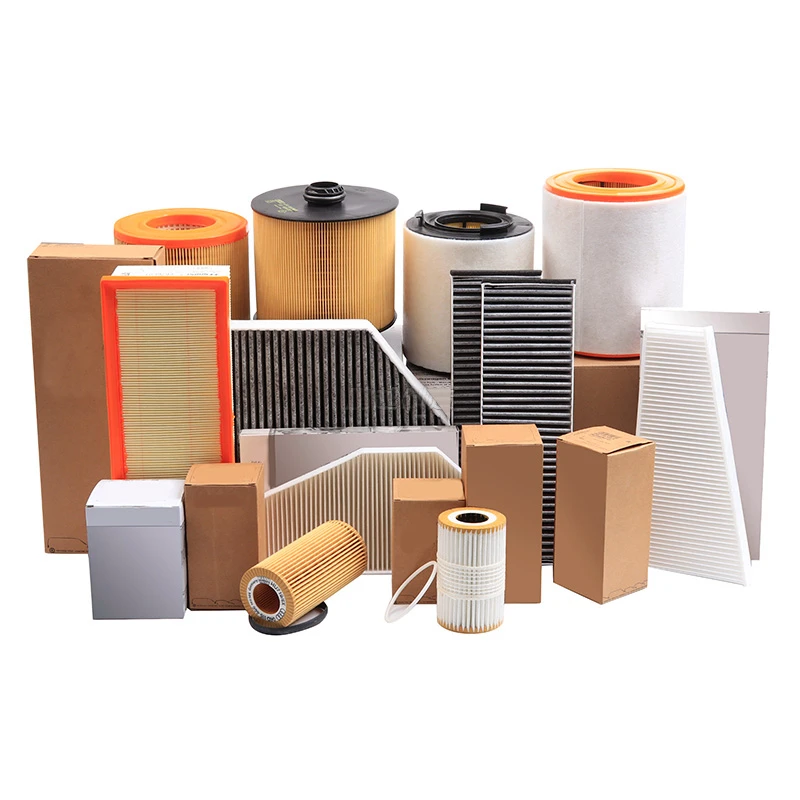
A Field Guide to the Gasoline Filter Funnel: Specs, Trends, and Real-World Use
If you refuel from cans, drums, or questionable pumps, a gasoline filter funnel is the unsung hero that quietly saves injectors and fuel pumps. I’ve watched fleets learn this the hard way—tiny particles and a splash of water, and suddenly a week of downtime. Based in Niujiatun Village, Gexianzhuang Town, Qinghe County, Xingtai, Hebei Province, China, JY Filter’s “Gasoline Filter” program leans into that reality with sober engineering rather than flashy marketing.
What’s changing in the industry
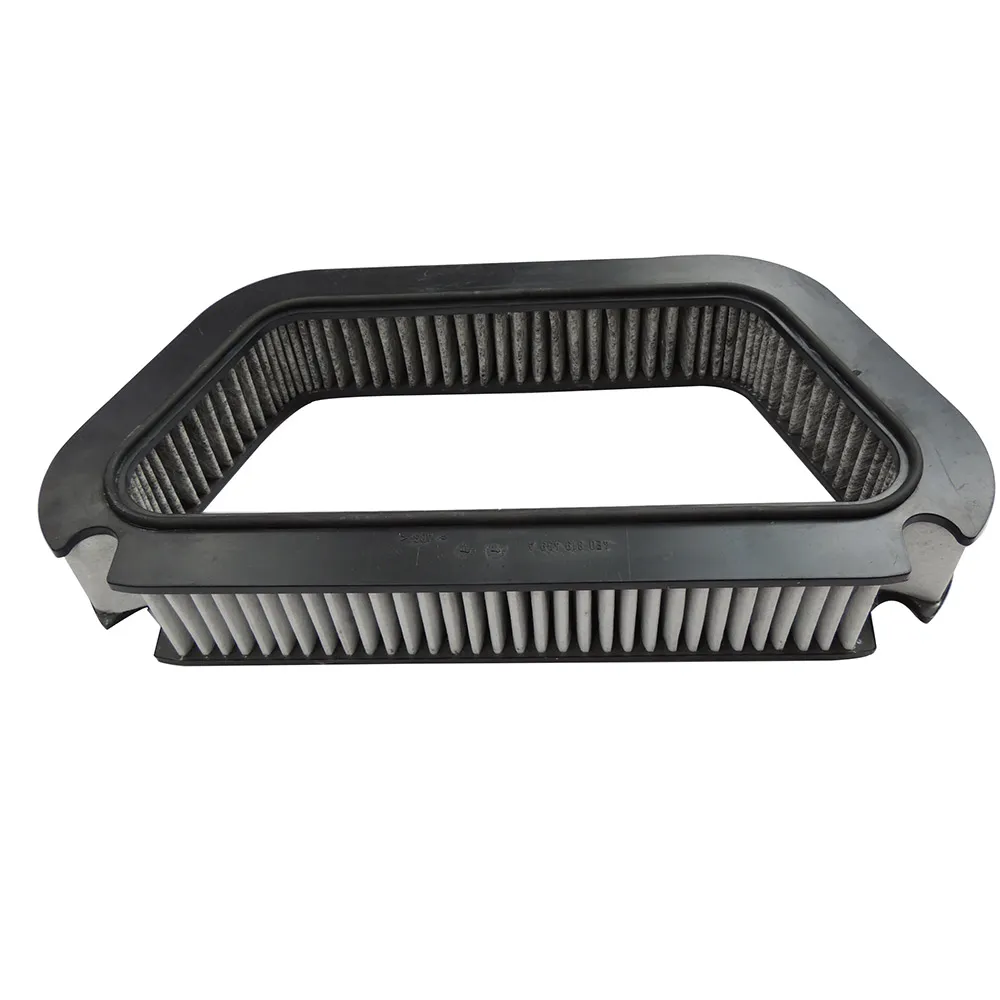
Direct-injection engines, tighter injector tolerances, and ethanol-blend fuels have raised the stakes. Contamination now includes ultra-fine silica, rust from cans, and phase-separated ethanol/water. Honestly, more shops are recommending a portable gasoline filter funnel even for weekend toys—ATVs, boats, classic cars—because the refueling point is often the weak link.
Technical build and process flow
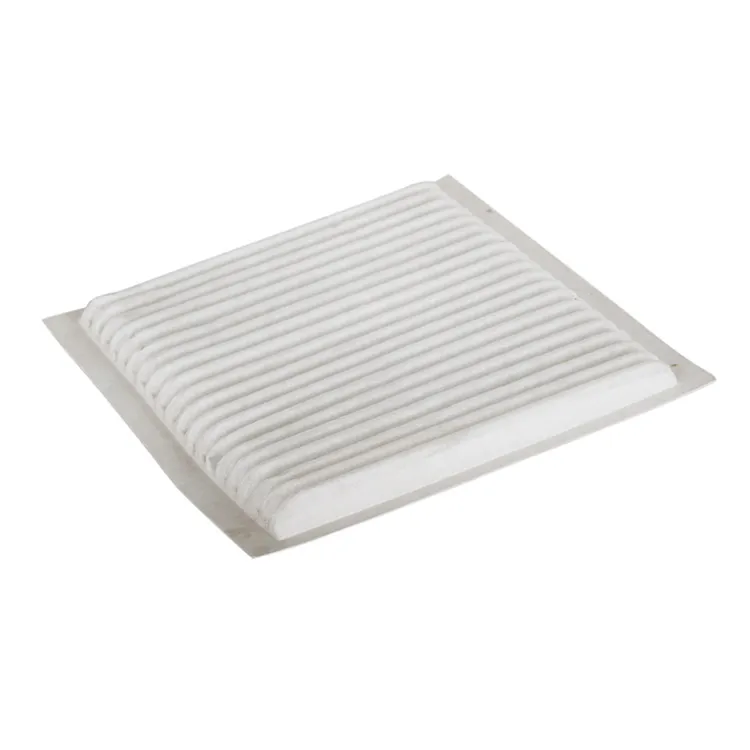
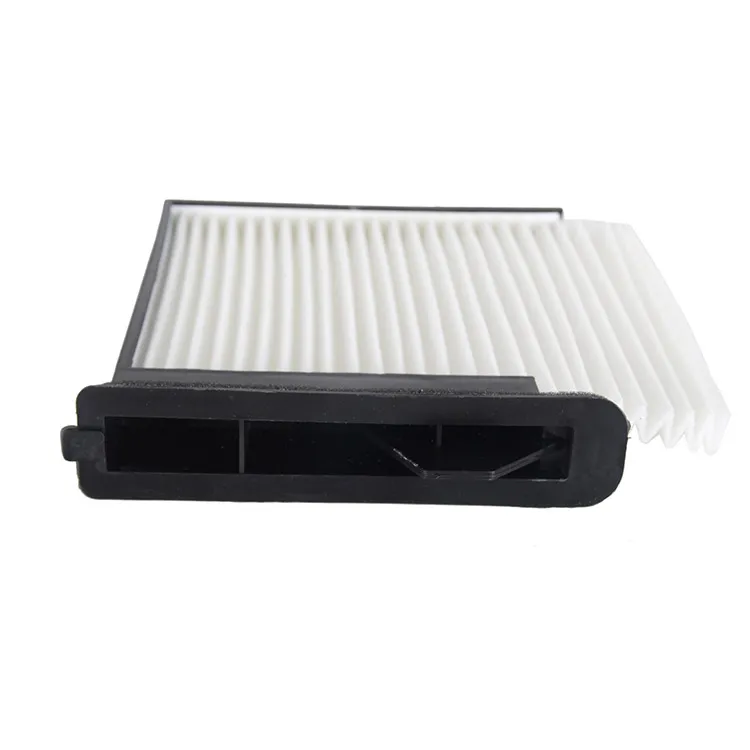
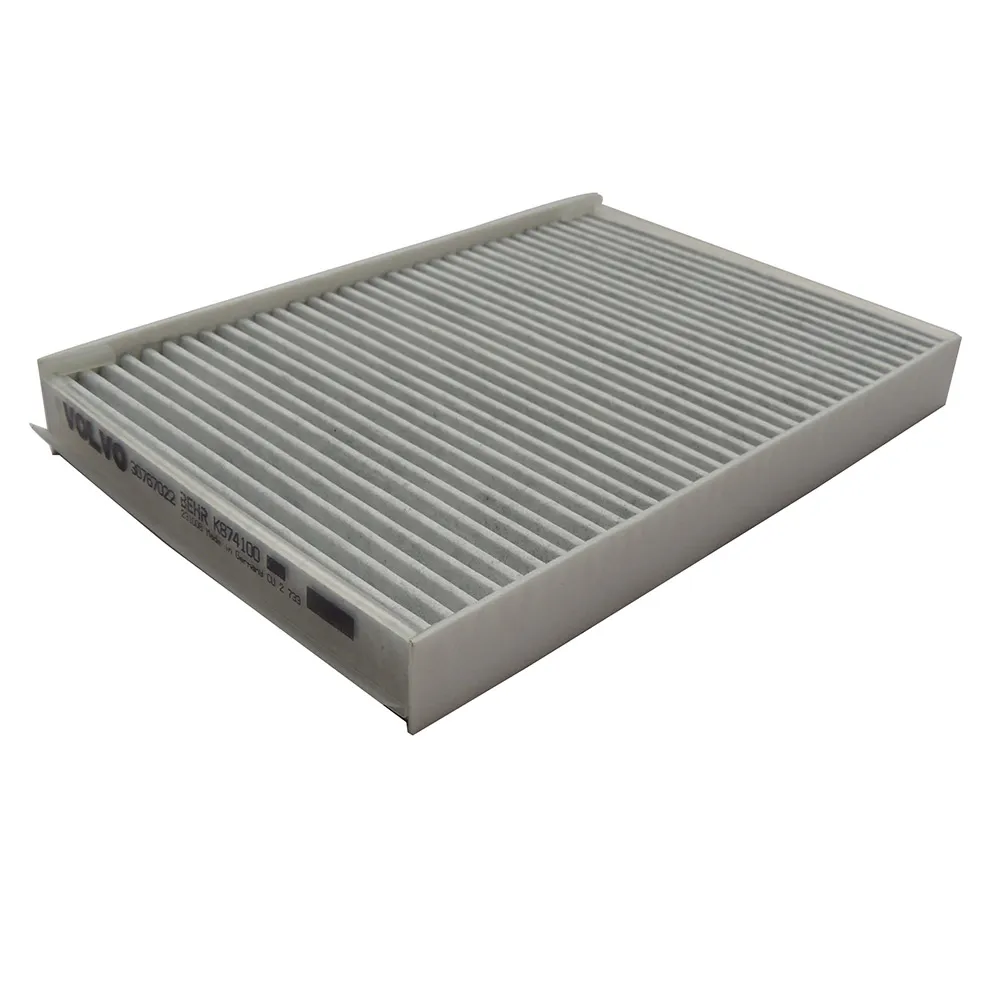
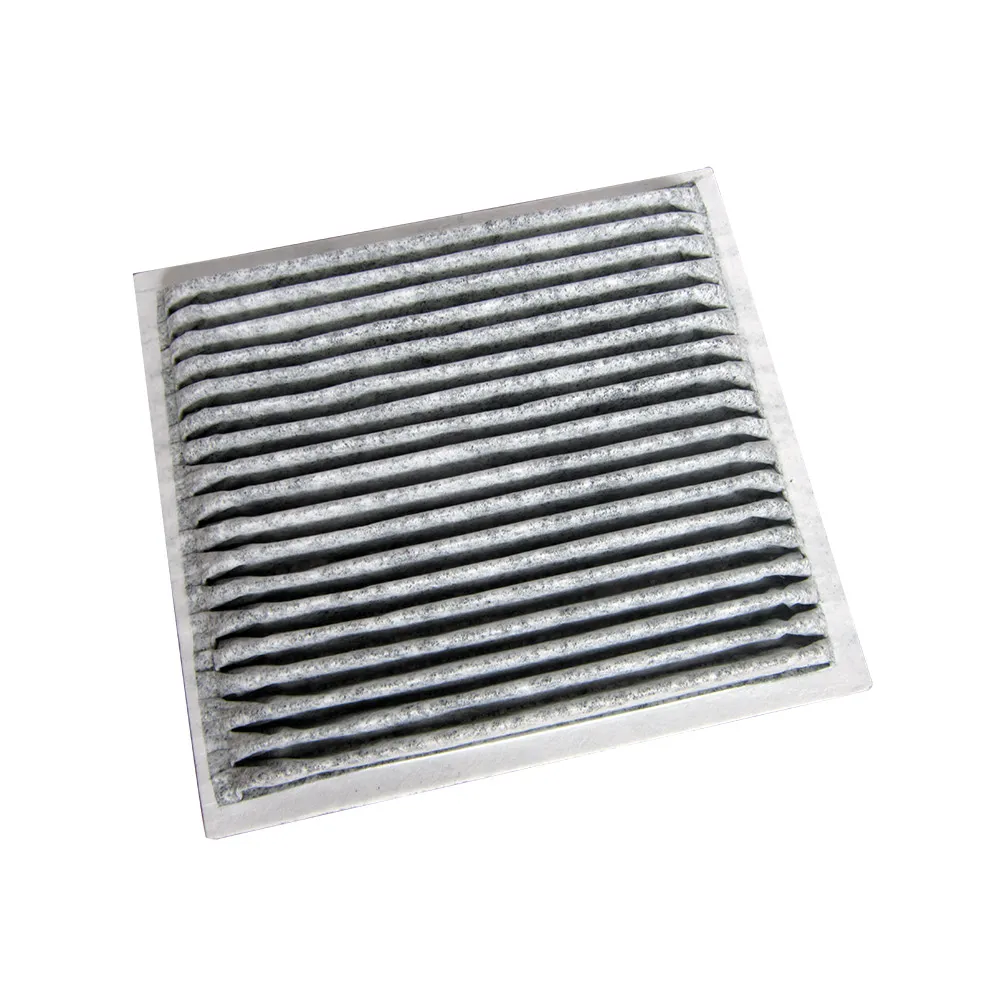
Materials typically include pleated microglass or cellulose-blend media, optionally with a hydrophobic layer for water separation; housings in fuel-grade nylon 66 or anodized aluminum; and seals in NBR or FKM. Manufacturing steps (short version): precision media pleating → end-cap bonding (PU potting) → ultrasonic or crimp assembly → 100% leak test → multi-pass efficiency testing to ISO protocols. Service life is often 10,000–20,000 km for inline filters or ≈150–300 refuels for a portable gasoline filter funnel, depending on contamination load.
Representative product specs (JY Filter)
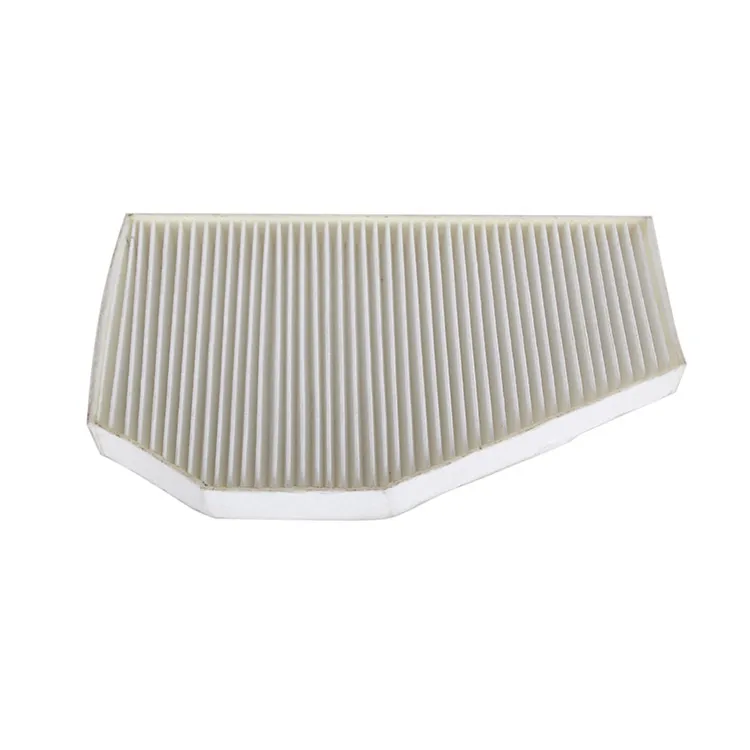
| Parameter | Spec (≈ / typical) |
|---|---|
| Media | Microglass/cellulose composite with hydrophobic layer |
| Micron rating | 10 µm nominal; β10 ≥ 200 (ISO 19438 multi-pass, lab data) |
| Flow rate | Up to 60–80 L/h through funnel; pressure drop low at typical pour rates |
| Water separation | ≥90% on E10 fuel (ISO 16332 style test; real-world may vary) |
| Seals | NBR standard; FKM optional |
Testing standards referenced: ISO 19438 (efficiency, dust capacity), ISO 16332 (water separation), plus in-house vibration and -30°C cold-pour checks. Certifications: ISO 9001 and IATF 16949 at the factory level, per vendor documentation.
Where it’s used
- Small engines (generators, mowers) refueled from cans.
- Marine and powersports where ethanol and water are a headache.
- Fleets at remote sites; classic cars with sensitive carb needles; DI vehicles.
Advantages? Capture debris before it ever hits the tank, remove free water, and—many customers say—immediately fewer injector complaints. To be honest, it’s cheap insurance.
Vendor snapshot (indicative)
| Vendor | Media & Water Sep | Testing & Certs | Customization |
|---|---|---|---|
| JY Filter (Origin: Hebei, China) | Microglass + hydrophobic; strong on E10 | ISO 19438/16332; ISO 9001, IATF 16949 | Micron, funnel size, branding |
| Vendor A (generic) | Single-layer mesh; limited water hold | Basic QC, claims vary | Color only |
| Vendor B (premium) | Dual-stage with coalescer | Extensive SAE/ISO test set | Full OEM spec, higher MOQ |
Customization and field notes
Options often include funnel mouth diameters, anti-static additives in plastics, 5–20 µm media, color-coded caps, and private labeling. One small construction fleet told me their drivers adopted a gasoline filter funnel for every jerrycan refuel; injector returns dropped to virtually zero in three months. Another marina saw fewer water-in-fuel codes after switching to hydrophobic media funnels—surprisingly quick payoff.
How to use (quick tips)
- Keep pour rates moderate to let media coalesce water properly.
- Discard captured water/debris safely; don’t shake it back in (seen it happen!).
- Replace or clean per vendor guidance; if flow slows, it’s doing its job.
Note: Specs above are typical; fuel chemistry (ASTM D4814), temperature, and can cleanliness affect real-world performance.
References
- ISO 19438: Fuel filters — Multi-pass method for evaluation of filter performance.
- ISO 16332: Diesel and gasoline fuel filters — Water separation test methods.
- SAE J1985: Fuel filter performance test procedures (contextual industry reference).
- ASTM D4814: Standard Specification for Automotive Spark-Ignition Engine Fuel.
-
Guide on how often do you need to replace engine air filterNewsApr.16,2026
-
Learn how often do you replace air filter in car for engine healthNewsApr.09,2026
-
How Often Do You Replace Car Air Filter For Optimal Engine PerformanceNewsApr.07,2026
-
How Often Do You Replace Engine Air Filter For Optimal Vehicle PerformanceNewsApr.04,2026
-
Understanding How Often Does Engine Air Filter Need to Be Replaced for Optimal PerformanceNewsMar.31,2026
-
How Often Engine Air Filter Change Impacts Performance and LongevityNewsMar.28,2026
-
Understanding How Often to Replace Your Car Air Filter for Optimal PerformanceNewsMar.26,2026
Related Products