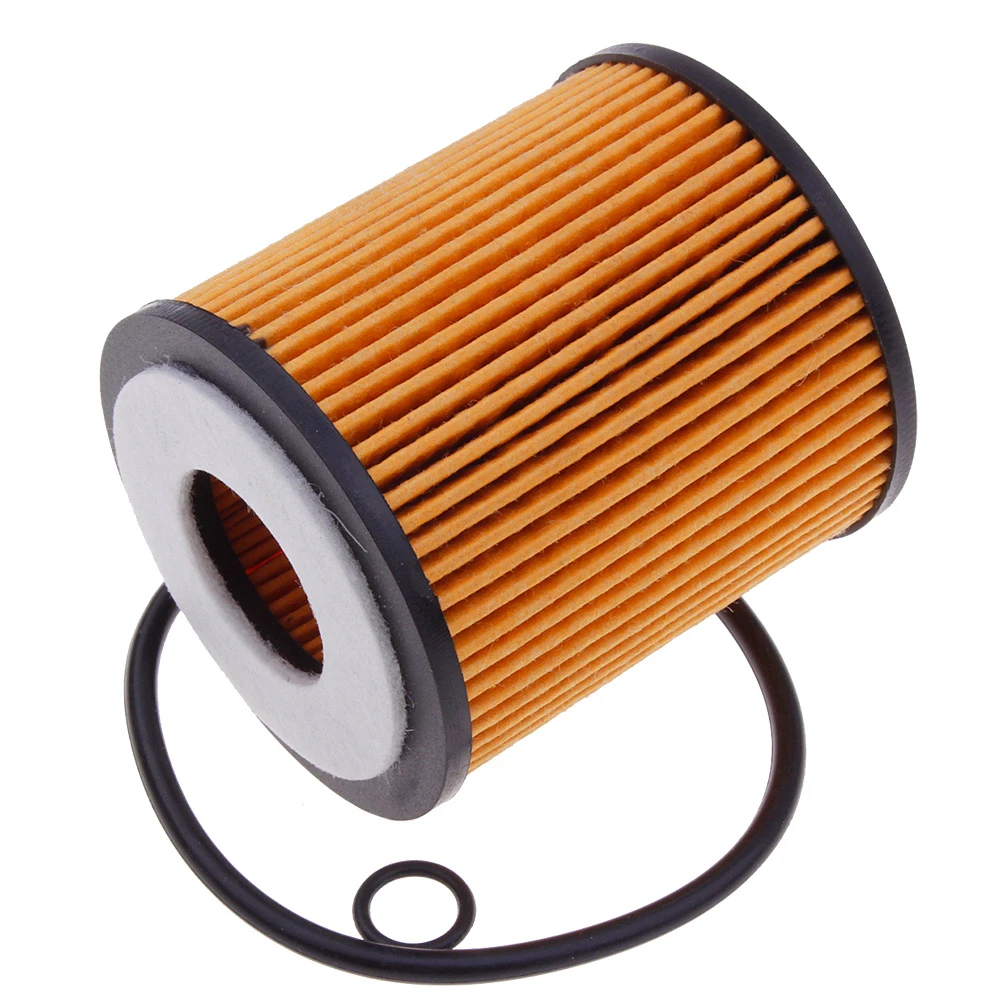
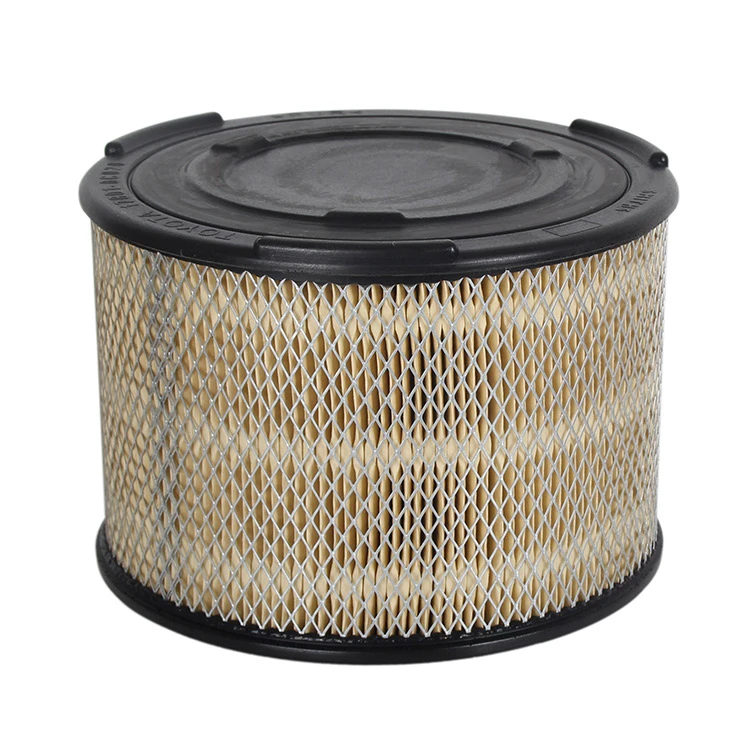
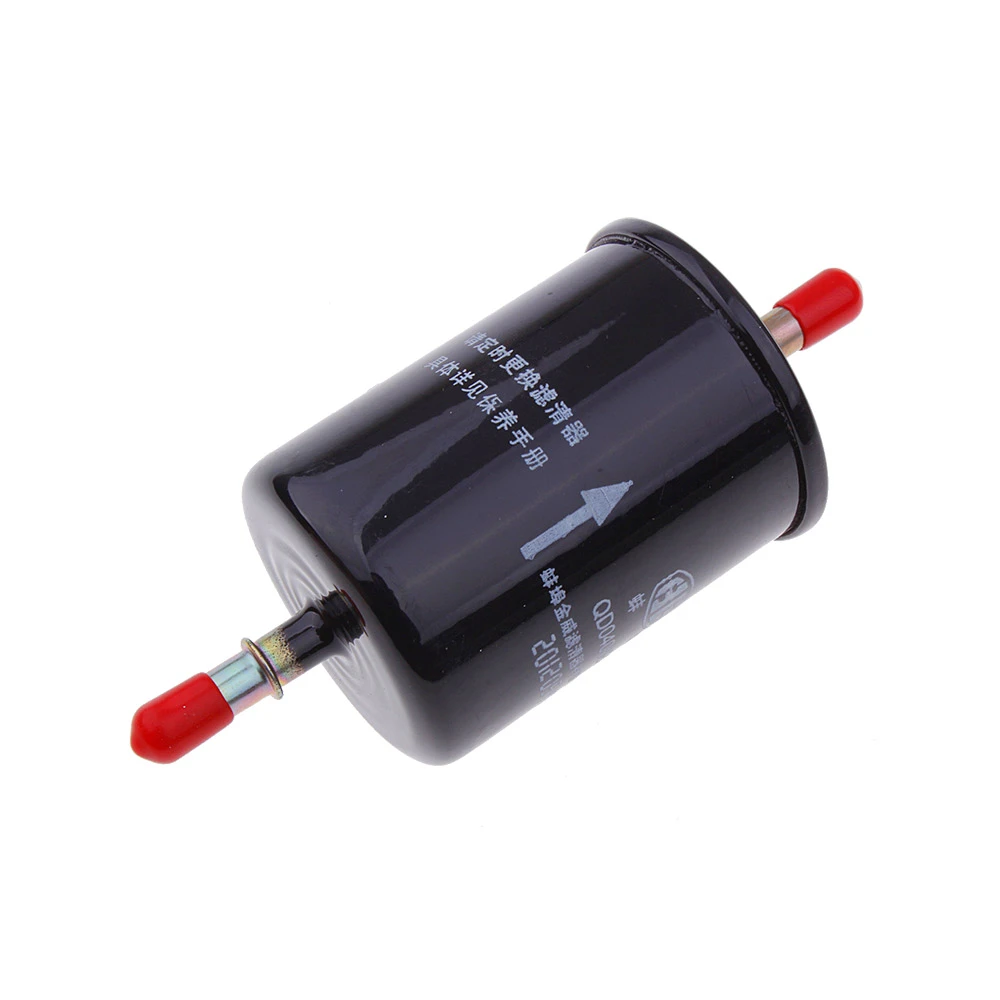
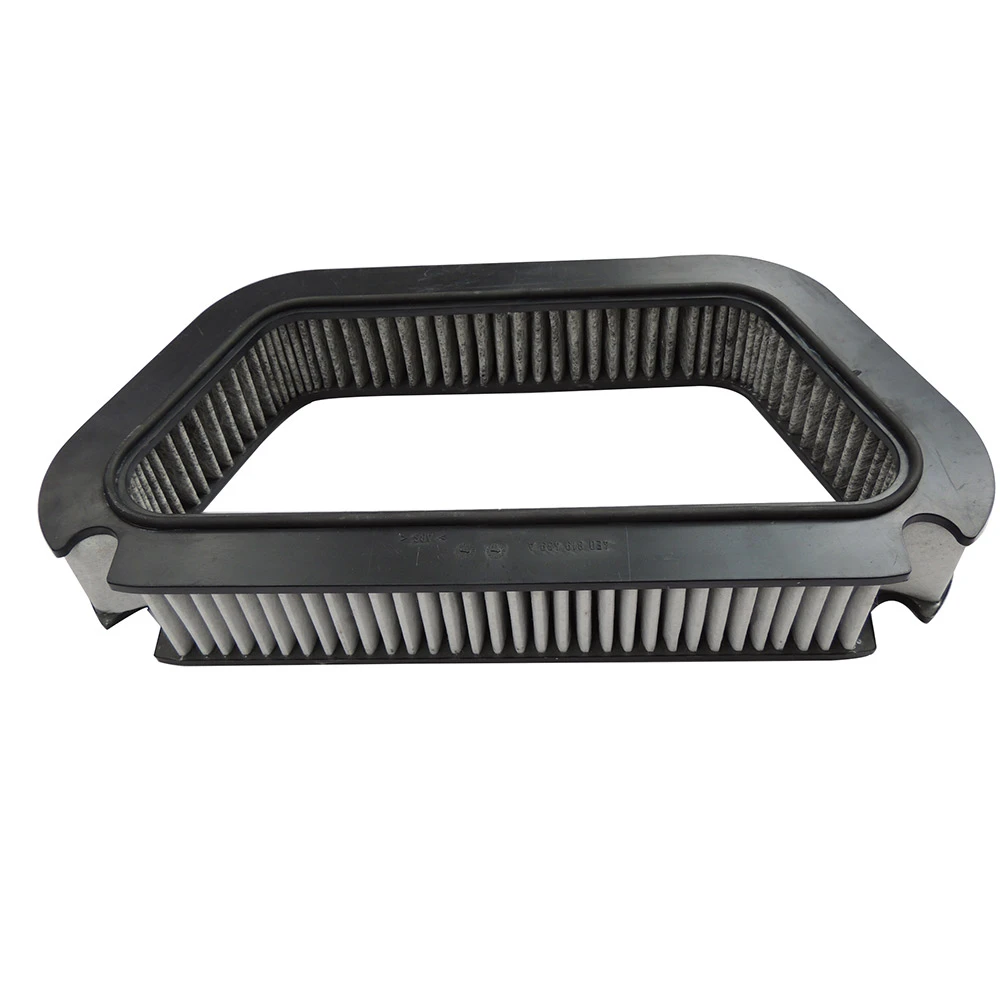
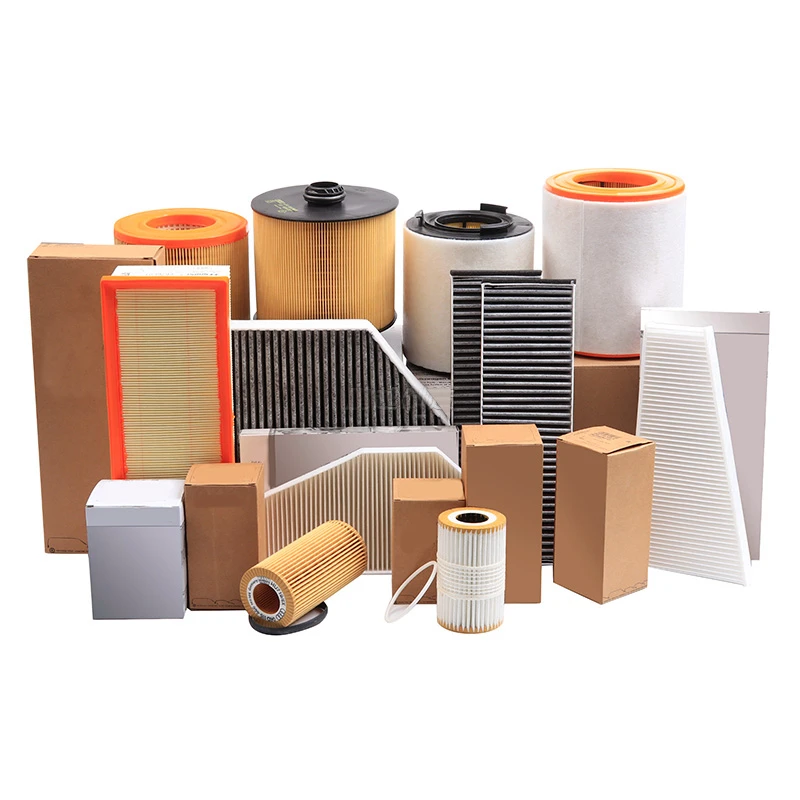
Maintaining the purity of the fuel entering your engine is vital for smooth operation and longevity, and that responsibility falls squarely on the gasoline filter. Acting as a guardian within the vehicle’s fuel system, the gasoline filter is designed to remove impurities such as rust particles, dust, and water from gasoline before it reaches critical engine components. Without this essential filter, contaminants can clog fuel injectors and pumps, leading to reduced performance and costly repairs.

The filter media used in a gasoline filter is typically fine mesh or advanced materials that effectively trap these harmful particles. By ensuring that only clean fuel passes through, it helps maintain a smooth and steady flow necessary for efficient combustion. This translates into better fuel economy, reduced emissions, and reliable engine responsiveness, enhancing your driving experience.
Understanding Different Types of Fuel Filter and Their Importance
There are several types of fuel filter available to meet diverse vehicle needs. From basic paper filters to advanced synthetic and reusable options, each type serves the purpose of purifying fuel but offers varying levels of filtration efficiency and durability. For large scale applications or commercial vehicles, bulk oil filters and fuel filters are often used to accommodate higher volume and longer service intervals.
A proper gasoline filter is specifically engineered to handle the unique contaminants found in gasoline. In contrast, diesel vehicles require different filters tailored to diesel’s properties. Choosing the correct filter type is critical to maintaining your vehicle’s performance and avoiding premature wear on fuel system components.
How a Gas Filter for Car Improves Fuel System Reliability
The gas filter for car is strategically placed in the fuel line to capture contaminants before they can enter the engine. As fuel passes through the filter, suspended particles and moisture are trapped, preventing them from causing blockages or damage. Over time, the filter accumulates debris and requires replacement to maintain optimal fuel flow.
A clogged or dirty gas filter for car restricts fuel delivery, which can cause engine hesitation, poor acceleration, and rough idling. Regular maintenance and timely replacement according to manufacturer guidelines, usually every 20,000 to 40,000 miles, ensure that your vehicle continues to run efficiently and reliably.
Why Regular Replacement of Gasoline Filters is Critical
Like all filters, a gasoline filter gradually becomes saturated with contaminants, reducing its ability to maintain clean fuel flow. Ignoring this can lead to fuel starvation, increased engine wear, and even stalling. Regular replacement protects fuel injectors and pumps from damage, which can be expensive to repair or replace.
Adhering to the recommended replacement interval not only preserves engine health but also helps maintain fuel economy and reduces emissions. High-quality filters from trusted manufacturers provide reliable performance and durability, making replacement a worthwhile investment for vehicle owners.
Benefits of Using High-Quality Bulk Oil Filters and Fuel Filters
For fleet operators or those managing multiple vehicles, investing in bulk oil filters and reliable fuel filters ensures consistent maintenance efficiency and cost savings. Bulk purchases often provide access to premium-quality filters at reduced prices, simplifying inventory management and guaranteeing that vehicles are serviced with trusted components.
High-quality bulk oil filters and fuel filters are manufactured to meet stringent standards, offering superior contaminant removal and longer service life. This reliability protects engines from premature wear and supports optimal performance across various vehicle types and operating conditions.
Gasoline Filter FAQs
What is the primary function of a gasoline filter?
The gasoline filter removes impurities such as rust, dust, and water from gasoline before it reaches the engine. This filtration protects fuel injectors, pumps, and combustion chambers from damage, ensuring smooth engine operation and optimal performance.
How often should a gasoline filter be replaced?
Replacement intervals typically range between 20,000 and 40,000 miles, but this depends on the vehicle’s make, model, and driving conditions. Frequent driving in dusty or polluted environments may require more frequent replacements to avoid clogging.
What types of fuel filters are available?
Types of fuel filter include disposable paper filters, synthetic filters, reusable washable filters, and specialized bulk filters for commercial use. Choosing the right type depends on your vehicle’s fuel system and operating requirements.
Can using a clogged gasoline filter damage my engine?
Yes, a clogged gasoline filter restricts fuel flow, leading to engine misfires, hesitation, and potentially stalling. Over time, inadequate fuel supply can cause increased wear on fuel pumps and injectors, resulting in costly repairs.
What are the benefits of purchasing bulk oil filters?
Buying bulk oil filters offers cost savings, ensures consistent supply for maintenance needs, and typically includes access to high-quality products that enhance engine protection across multiple vehicles or service operations.
-
Guide on how often do you need to replace engine air filterNewsApr.16,2026
-
Learn how often do you replace air filter in car for engine healthNewsApr.09,2026
-
How Often Do You Replace Car Air Filter For Optimal Engine PerformanceNewsApr.07,2026
-
How Often Do You Replace Engine Air Filter For Optimal Vehicle PerformanceNewsApr.04,2026
-
Understanding How Often Does Engine Air Filter Need to Be Replaced for Optimal PerformanceNewsMar.31,2026
-
How Often Engine Air Filter Change Impacts Performance and LongevityNewsMar.28,2026
-
Understanding How Often to Replace Your Car Air Filter for Optimal PerformanceNewsMar.26,2026
Related Products