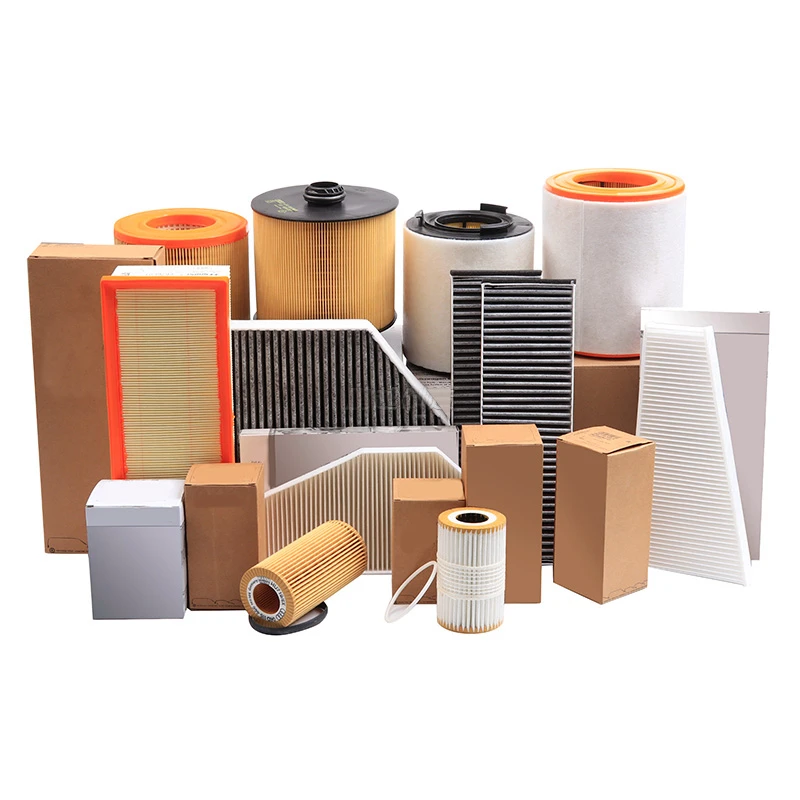
Introduction to Advanced Fuel Filtration Technology
In the realm of automotive engineering and critical industrial applications, the integrity and purity of fuel are paramount. The gasoline filter screen stands as a foundational component in ensuring engine longevity, optimal performance, and adherence to stringent environmental regulations. This sophisticated filtration element is designed to meticulously remove contaminants from fuel, preventing abrasive particles, rust, and debris from reaching sensitive engine components, particularly in high-precision automotive engines and industrial machinery. Its role extends beyond simple particulate removal, influencing fuel efficiency, reducing emissions, and mitigating potential system failures.
The focus of this discourse is to provide an in-depth, technical exploration of these critical components, addressing their manufacturing intricacies, performance specifications, diverse application scenarios, and the underlying technological advantages that define their efficacy. We will delve into how these specialized filter screens contribute significantly to the operational reliability of various systems, from compact automotive engines to large-scale industrial fluid management infrastructures. Our analysis will emphasize material science, precision engineering, and quality assurance protocols that collectively position advanced filtration solutions at the forefront of modern industrial practices.
Industry Trends & Market Overview for Automotive Filters
The global market for automotive filters is experiencing dynamic growth, driven by increasing vehicle production, stricter emission standards, and a growing emphasis on fuel efficiency and engine protection. Key trends influencing this sector include the rise of advanced filtration media, the integration of smart sensor technology for real-time filter monitoring, and the demand for lightweight, durable, and environmentally friendly materials. The evolution of engine technologies, including direct injection and hybrid powertrains, necessitates increasingly sophisticated filtration solutions capable of handling higher pressures and finer particulate removal. For example, modern fuel systems operate at pressures exceeding 200 bar, requiring robust filter designs.
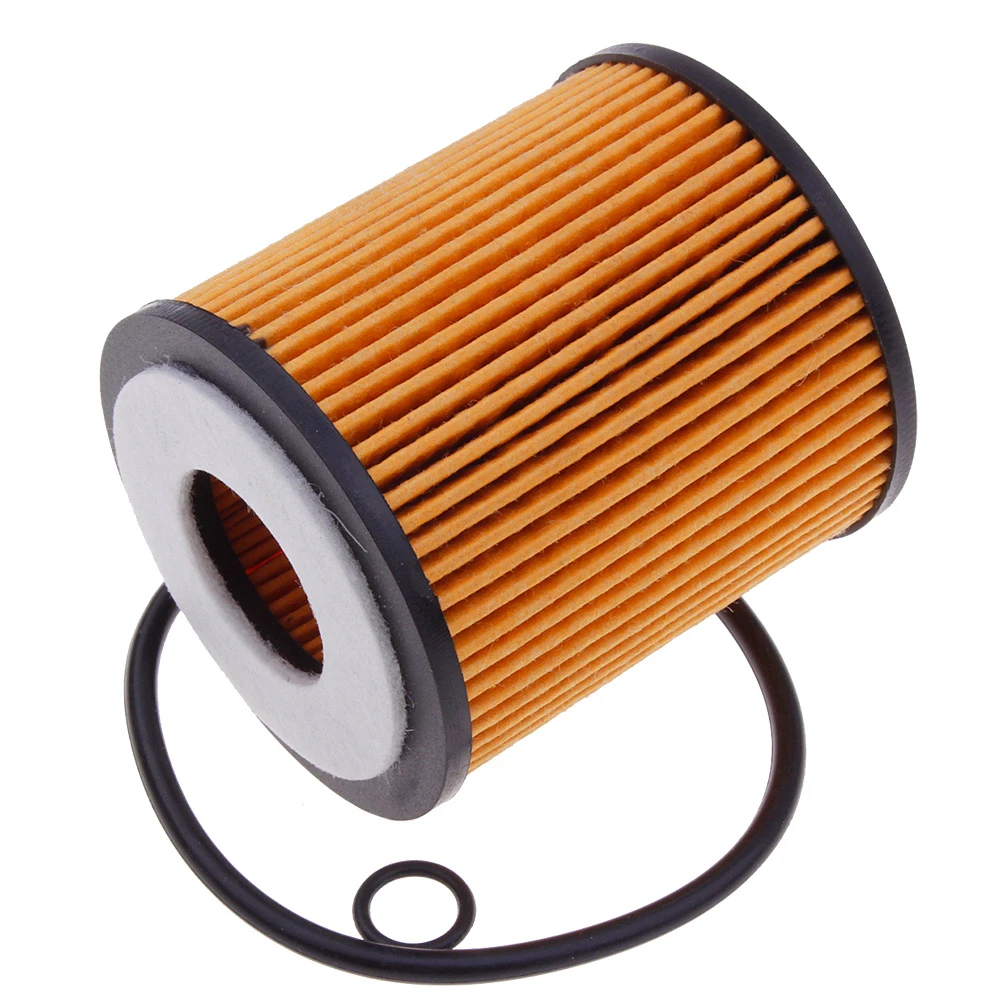
Within this landscape, the demand for high-performance gasoline filter screen technology is escalating. As fuel quality varies globally, and engine tolerances become tighter, the reliance on effective pre-filtration and fine filtration becomes paramount. The market is also seeing a shift towards extended service intervals for auto oil filter and fuel filter components, driven by consumer expectations and advancements in filter media longevity. This pushes manufacturers to innovate in terms of material composition, structural integrity, and contaminant holding capacity. The industrial filtration sector, while distinct, often benefits from innovations in automotive filtration, particularly in areas requiring high-purity fluid processing.
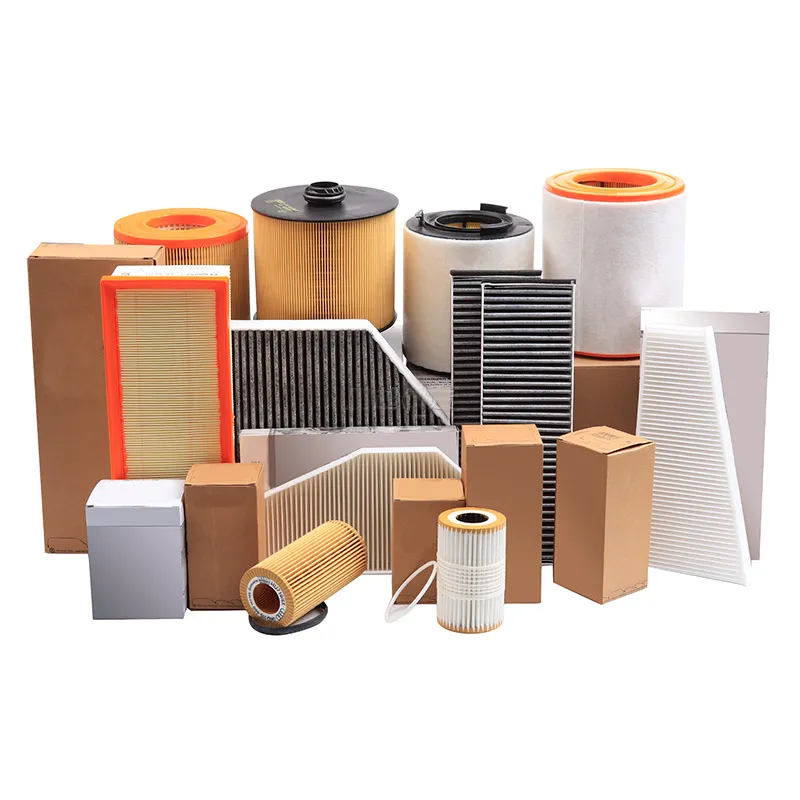
Technical Specifications & Design Principles
Material Science and Construction
The efficacy of a gasoline filter screen is fundamentally determined by its material composition and structural design. Common materials include stainless steel (e.g., SUS304, SUS316L) for robust corrosion resistance and high strength, and advanced polymer composites for lightweight applications with specific chemical compatibility needs. The mesh itself can be woven wire cloth, sintered mesh, or etched foil, each offering distinct filtration characteristics. Woven wire mesh provides precise pore sizes and high mechanical stability, while sintered mesh offers superior filtration efficiency for extremely fine particles due to its interconnected pore structure and enhanced dirt holding capacity. Etched foil provides highly uniform and precise apertures.
Key Technical Parameters
- Filtration Rating: Typically expressed in microns, ranging from 5 to 150 microns for gasoline applications. Finer ratings (
- Flow Rate: The volume of fuel that can pass through the screen per unit time, directly impacting engine performance. Optimized designs minimize pressure drop while maintaining high filtration efficiency.
- Pressure Resistance: Ability to withstand high operating pressures within the fuel system without deformation or failure. Automotive fuel systems can experience pressures up to 6 bar for conventional systems and significantly higher for GDI (Gasoline Direct Injection) systems.
- Chemical Compatibility: Resistance to various fuel additives, ethanol blends (E10, E85), and other corrosive agents present in gasoline, preventing degradation of the filter material.
- Temperature Range: Operational stability across extreme temperature fluctuations, from freezing cold starts to high engine operating temperatures.
- Dirt Holding Capacity: The amount of contaminant a filter can retain before reaching a terminal pressure drop, directly correlating with its service life.
Manufacturing Process Flow of Gasoline Filter Screens
The production of a high-quality gasoline filter screen involves a multi-stage process emphasizing precision and material integrity. This detailed process ensures the final product meets stringent performance and durability requirements:
- Material Selection and Preparation: High-grade raw materials, primarily stainless steel alloys (e.g., SUS304, SUS316L) or specialized polymer resins, are selected based on application requirements for corrosion resistance, strength, and chemical compatibility. These materials are prepared in various forms such as wire, sheet, or granules.
- Mesh Formation (Weaving/Sintering/Etching):
- Woven Wire Cloth: Precision looms weave fine wires into specific mesh patterns, ensuring uniform pore size and mechanical stability.
- Sintering: Multiple layers of woven wire mesh or metal fibers are subjected to high temperature and pressure, fusing them into a rigid, porous structure with excellent filtration efficiency and mechanical strength.
- Chemical Etching/Laser Cutting: For extremely precise and uniform apertures, thin metal foils undergo chemical etching or laser cutting to create the desired screen pattern.
- Forming and Fabrication: The formed mesh undergoes various shaping processes. This can involve stamping, deep drawing, welding (e.g., TIG, laser welding), or injection molding (for polymer frames/supports) to create the final filter screen geometry. CNC machining is often employed for critical dimensions and features.
- Bonding/Assembly: The mesh element is securely bonded to its frame or housing using advanced techniques such as ultrasonic welding for polymers, or specialized adhesive bonding and crimping for metallic assemblies. This ensures no bypass leakage.
- Cleaning and Surface Treatment: Components are thoroughly cleaned to remove manufacturing residues, oils, and particulates. Depending on application, surface treatments like passivation or specialized coatings may be applied for enhanced corrosion resistance or filtration performance.
- Quality Control & Testing: Each batch undergoes rigorous testing to ensure adherence to specified standards.
- Material Composition Analysis: Verification of alloy percentages.
- Dimensional Accuracy: Inspection of critical tolerances using CMM (Coordinate Measuring Machine) and optical comparators.
- Pore Size Distribution: Bubble point tests or image analysis to confirm filtration rating.
- Flow Rate & Pressure Drop: Performance testing under simulated operational conditions.
- Burst Strength/Collapse Pressure: Ensuring mechanical integrity under extreme conditions.
- Environmental Testing: Resistance to temperature cycling, vibration, and chemical exposure.
- Packaging: Finished products are carefully packaged to prevent contamination and damage during transit.

Service Life and Target Industries
The service life of a gasoline filter screen varies significantly based on fuel quality, operating conditions, and filter design, typically ranging from 30,000 to 100,000 miles for automotive applications or specific operational hours in industrial contexts. These filters are vital across numerous industries:
- Automotive Sector: Essential for fuel delivery systems in internal combustion engines, protecting fuel injectors, pumps, and carburetors.
- Petrochemical Industry: Used in various stages of fuel processing, refining, and transfer to ensure product purity and protect downstream equipment. Advantages here include corrosion resistance against various hydrocarbons and resistance to high pressures.
- Metallurgy: While not directly for gasoline, similar high-precision screens are critical for filtering hydraulic fluids, lubricants, and cooling liquids in metallurgical processes, preventing abrasive wear and ensuring machinery uptime.
- Water Supply & Drainage: High-grade mesh filters, analogous in manufacturing precision to fuel screens, are used for fine particulate removal in critical water treatment stages, ensuring potable water standards and protecting sensitive pumps and valves.
Advantages in Application Scenarios
- Energy Saving: By ensuring clean fuel delivery, advanced gasoline filter screen designs contribute to optimal combustion, thereby enhancing fuel efficiency and reducing consumption.
- Corrosion Resistance: Utilizing materials like SUS316L provides exceptional resistance to corrosive fuels and environmental factors, extending component life and reducing maintenance.
- Enhanced System Protection: Prevents premature wear of fuel pumps, injectors, and other critical components, leading to reduced downtime and lower repair costs.
- Environmental Compliance: Contributes to cleaner emissions by ensuring efficient fuel atomization and combustion, aligning with global environmental regulations.
Key Technical Advantages & Performance Metrics
Modern gasoline filter screen technology offers several distinct advantages that are critical for today's high-performance and high-efficiency engines. These benefits are derived from meticulous engineering, advanced materials, and rigorous testing protocols.
- High Filtration Efficiency: Utilizing multi-layer composite media or precision-etched foils achieves >98% efficiency in removing particulates as small as 5 microns, safeguarding sensitive fuel injection systems.
- Low Pressure Drop: Optimized pleated designs and media porosity minimize resistance to fuel flow, ensuring consistent fuel delivery and preventing fuel pump strain, thereby extending pump life and maintaining engine power.
- Extended Service Intervals: Superior dirt-holding capacity means filters can function effectively for longer periods, reducing maintenance frequency and operational costs. For instance, some advanced screens are designed for 100,000+ mile intervals.
- Robust Construction: Mechanically strong designs resist vibration, pressure pulsations, and thermal cycling, ensuring structural integrity throughout their operational life.
- Chemical Compatibility: Specifically engineered materials withstand degradation from aggressive fuel additives, bio-fuels, and varying fuel compositions, critical for global applications.
- OEM-Level Precision: Manufactured to strict dimensional tolerances and performance parameters to meet or exceed original equipment manufacturer (OEM) specifications.

Vendor Comparison: Leading Automotive Filter Manufacturers
Choosing the right vendor for automotive filters, especially for critical components like the gasoline filter screen, involves evaluating several factors including quality, innovation, customization capabilities, and after-sales support. Below is a comparative overview of typical characteristics found among leading suppliers:
Customized Solutions for Specialized Applications
Recognizing that standard products may not always meet the unique demands of every application, we specialize in providing customized gasoline filter screen solutions. This bespoke approach ensures optimal performance and seamless integration into highly specific systems. Our customization capabilities encompass:
- Tailored Filtration Media: Selection of specific mesh types, pore sizes, and multi-layer configurations (e.g., sintered mesh for sub-micron filtration) to meet exact particulate removal efficiencies and flow characteristics.
- Material Specification: Use of exotic alloys or specialized polymers for extreme chemical compatibility (e.g., highly corrosive fuels, bio-diesel blends) or high-temperature environments.
- Geometric Design: Custom shapes, sizes, and mounting configurations to fit precise spatial constraints within fuel tanks, pumps, or inline filter housings. This includes custom molded end-caps and seals.
- Performance Optimization: Designing for specific pressure drop targets, dirt holding capacities, and extended service life requirements. This often involves iterative design and testing.
- Integrated Solutions: Development of filter screens as part of a larger module, such as integrated within fuel pump assemblies or fuel rail components, to optimize system efficiency and reduce assembly complexity.
Our engineering team collaborates closely with clients from concept to production, leveraging advanced CAD/CAE tools and prototyping services to develop filters that precisely address application-specific challenges, ensuring unparalleled performance and reliability.

Application Case Studies: Proving Efficacy
Case Study 1: High-Performance Automotive Engine Protection
A leading OEM in the luxury automotive sector faced persistent issues with premature wear of direct fuel injectors in their new generation of gasoline direct injection (GDI) engines. Standard fuel filters were proving inadequate for the extremely tight tolerances and high pressures of the GDI system, leading to customer complaints and warranty claims related to engine misfires and reduced fuel economy. Our team was commissioned to develop a bespoke gasoline filter screen solution. We engineered a multi-layer sintered stainless steel mesh filter with a nominal filtration rating of 5 microns, integrated directly into the fuel pump module. The design emphasized high burst strength to withstand GDI system pressures (up to 250 bar transient spikes) and enhanced dirt holding capacity for a 100,000-mile service interval. After implementation and rigorous field testing (over 2 million cumulative test miles), the injector failure rate was reduced by 85%, and reported fuel efficiency improved by an average of 3%, leading to significant cost savings and enhanced brand reputation for the OEM.
Case Study 2: Industrial Fuel Transfer System for Petrochemical Plant
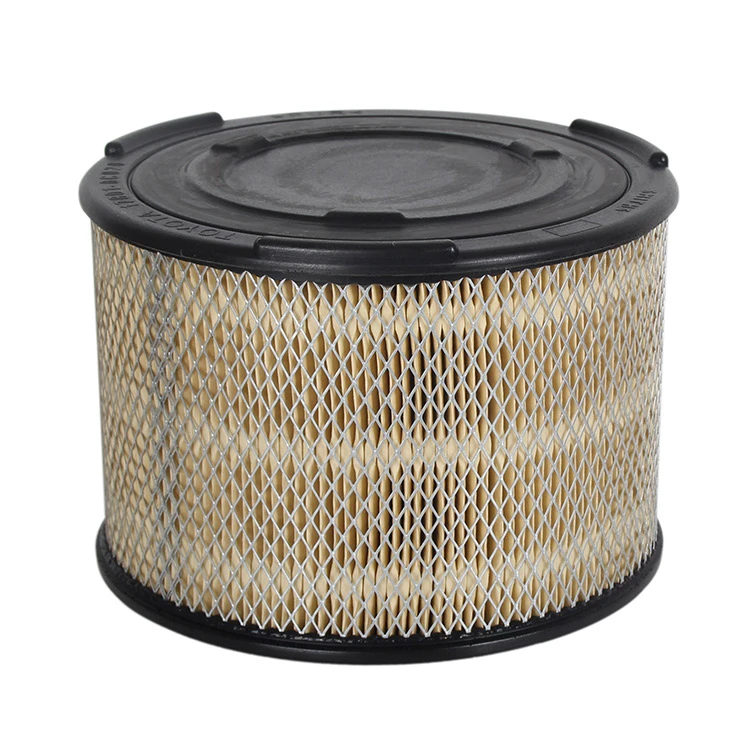
A large petrochemical facility required an upgraded filtration system for their refined gasoline transfer lines to prevent contamination during loading and offloading operations, which could impact product quality and damage sensitive flow meters and pumps. The existing coarse screens were prone to blinding and offered insufficient protection. We provided large-scale cylindrical automotive filters, leveraging robust 316L stainless steel woven mesh elements with a 50-micron rating, designed for high flow rates (up to 1,500 GPM) and superior corrosion resistance against various fuel types and additives. These filters were designed for easy back-flushing and extended service life. The solution led to a 90% reduction in downstream particulate contamination, increased operational uptime due to fewer equipment malfunctions, and assured product quality, meeting stringent industry standards for fuel purity.
Quality Assurance & Certifications
Our commitment to delivering superior quality is evidenced by our adherence to international standards and rigorous quality control processes. We are certified to ISO 9001 for quality management systems and IATF 16949, specifically for quality management in the automotive industry, ensuring that every gasoline filter screen product meets the highest benchmarks for reliability and performance. Our facilities undergo regular audits by third-party certification bodies, and we maintain an in-house laboratory equipped for comprehensive material analysis, performance testing, and lifespan simulations.
Our long-standing partnerships with global automotive OEMs and industrial giants, spanning over two decades, are a testament to our authoritative standing in the filtration industry. We consistently provide test data, including multi-pass efficiency tests (ISO 16889) and material certifications, for all critical components, ensuring full traceability and transparency. This dedication to quality underpins the trust placed in our auto oil filter and fuel filter solutions by discerning clients worldwide.

Product Specifications: Typical Gasoline Filter Screen
Below are typical specifications for a high-performance gasoline filter screen, demonstrating the precision and capabilities of our engineered solutions. These parameters are subject to customization based on specific application requirements.
Frequently Asked Questions (FAQs)
Q1: What is the primary difference between a fuel filter and a gasoline filter screen?
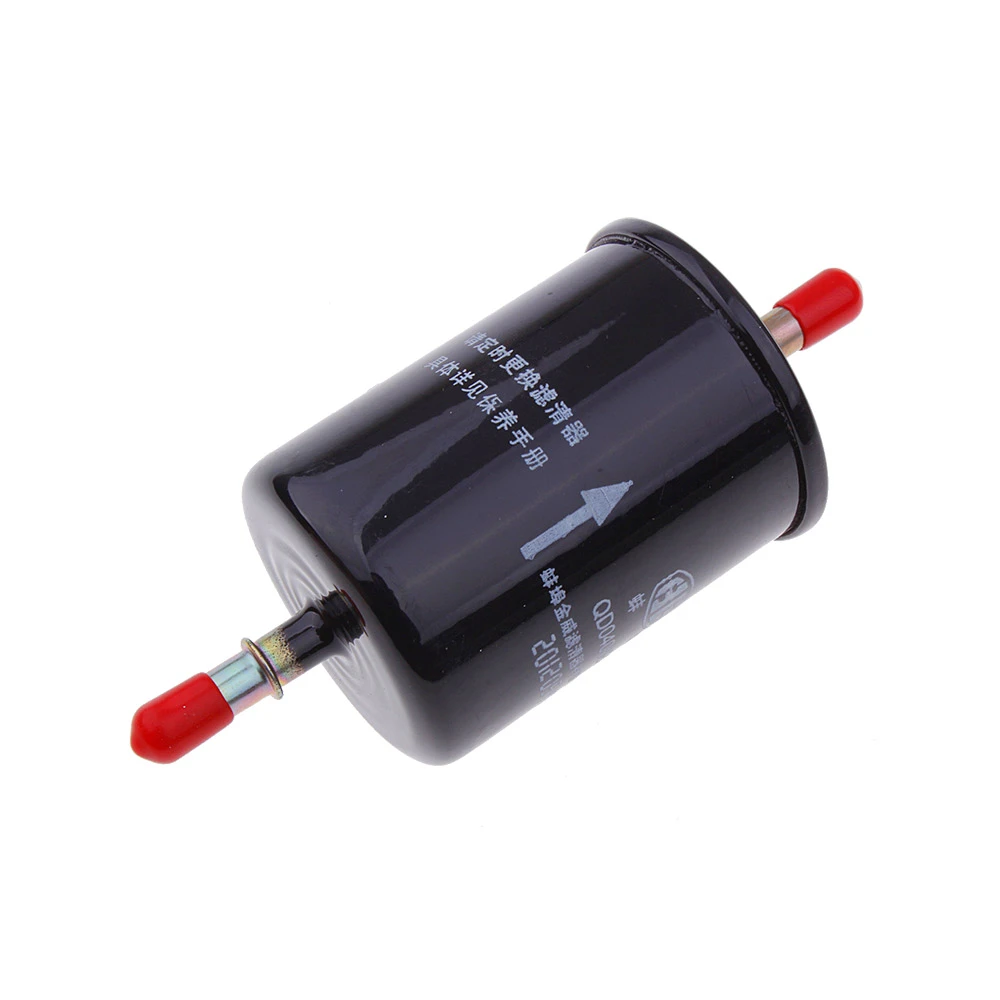
A fuel filter typically refers to a larger, cartridge-style filter often located in the fuel line, designed for comprehensive filtration of various contaminants. A gasoline filter screen, while also a type of fuel filter, generally refers to a finer mesh element, often integrated into the fuel tank, pump assembly, or as a pre-filter. Its primary role is to catch larger particles and sediment early in the fuel path, protecting the main fuel filter and fuel pump from abrasive damage.
Q2: How does fuel quality impact the lifespan of the filter screen?
Poor fuel quality, characterized by high levels of particulates, rust, or water, can significantly reduce the service life of a gasoline filter screen. Excessive contamination will clog the screen more rapidly, leading to increased pressure drop and potential fuel starvation. Using high-quality fuel helps extend the filter's operational efficiency and longevity.
Q3: Can these screens be cleaned and reused?
While some industrial mesh screens can be cleaned and reused, most automotive gasoline filter screen components, especially those with fine filtration ratings, are designed for single use. The intricate filtration media can be damaged during cleaning, or small particles might remain embedded, compromising filtration efficiency. For critical applications, replacement is always recommended.
Q4: What testing standards are crucial for fuel filter screens?
Key international standards include ISO 16889 for evaluating filtration performance (multi-pass method), ISO 2941 for testing collapse/burst resistance, and ISO 3968 for measuring pressure drop versus flow rate. Material standards like ASTM for chemical composition and mechanical properties are also vital.
Lead Time, Warranty & Customer Support
Lead Time & Fulfillment
Our manufacturing processes are optimized for efficiency and flexibility. Standard automotive filters and components typically have a lead time of 4-6 weeks for initial production runs, with expedited options available for urgent requirements. Customized solutions may require 8-12 weeks, depending on design complexity and material sourcing. We maintain a robust supply chain and utilize advanced logistics to ensure on-time delivery globally, minimizing disruption to your production schedules.
Warranty Commitments
All our products, including auto oil filter and fuel filtration components, are backed by a comprehensive 12-month or 25,000-mile (whichever comes first) warranty against manufacturing defects and material failures under normal operating conditions. Extended warranty options are available for specific industrial applications and OEM partnerships. Our commitment is to quality and performance that lasts.
Dedicated Customer Support
We pride ourselves on providing exceptional technical support and customer service. Our team of experienced engineers and sales professionals is available to assist with product selection, technical inquiries, application troubleshooting, and custom design consultations. We offer multi-channel support including direct phone lines, email, and a dedicated online portal for documentation and technical resources. Post-sales support includes performance monitoring guidance and preventative maintenance advice to maximize product lifespan and operational efficiency.
Conclusion
The advanced gasoline filter screen is far more than a simple component; it is a critical engineering solution safeguarding the intricate mechanics of modern automotive and industrial systems. Its robust design, precise manufacturing, and integration of cutting-edge materials collectively ensure optimal fuel purity, engine protection, and operational efficiency. By leveraging innovative design, stringent quality control, and a deep understanding of application-specific demands, manufacturers of these vital components contribute directly to enhanced performance, reduced emissions, and sustained reliability across diverse sectors. As engine technologies continue to evolve and environmental standards become more rigorous, the role of advanced fuel filtration will only grow in importance, driving further innovation in this specialized field.
References
- ISO 16889: Hydraulic fluid power - Filters - Multi-pass method for evaluating filtration performance of a filter element. International Organization for Standardization.
- SAE International. J1488: Fuel Filters - Test Methods. Society of Automotive Engineers.
- Automotive Filtration Market Growth, Trends, and Forecasts (2023-2028). Mordor Intelligence.
- Global Fuel Filter Market: Industry Trends, Share, Size, Growth, Opportunity and Forecast 2023-2028. IMARC Group.
-
Guide on how often do you need to replace engine air filterNewsApr.16,2026
-
Learn how often do you replace air filter in car for engine healthNewsApr.09,2026
-
How Often Do You Replace Car Air Filter For Optimal Engine PerformanceNewsApr.07,2026
-
How Often Do You Replace Engine Air Filter For Optimal Vehicle PerformanceNewsApr.04,2026
-
Understanding How Often Does Engine Air Filter Need to Be Replaced for Optimal PerformanceNewsMar.31,2026
-
How Often Engine Air Filter Change Impacts Performance and LongevityNewsMar.28,2026
-
Understanding How Often to Replace Your Car Air Filter for Optimal PerformanceNewsMar.26,2026
Related Products