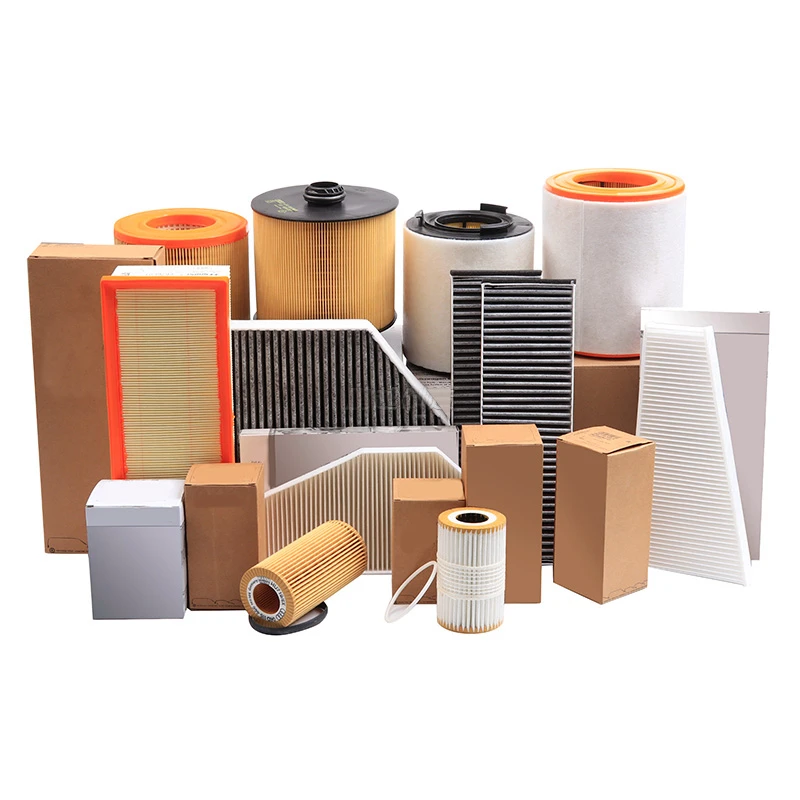
Understanding Air Filter Car Replacement: Why It Really Matters
If you’ve ever wondered why your car needs regular air filter car replacement, you’re not alone. It’s one of those maintenance tasks that often fly under the radar but can be crucial to your vehicle’s health — and frankly, your wallet too. Air filter replacement might sound straightforward, but its implications stretch far beyond just cleaner air for your engine. Globally, as millions of vehicles hit the road daily, ensuring clean airflow inside engines isn’t just a matter of performance; it's an environmental and economic concern.
The global automotive industry consistently moves towards better environmental standards, and fresh, efficient air filters play a surprisingly key role in this journey. According to the International Organization for Standardization (ISO), regular air filter changes can improve fuel efficiency and reduce emissions by up to 10%. That's no small potatoes if you think about the billions of liters of fuel consumed worldwide each year.
Why Air Filter Replacement Has Worldwide Importance
Air filter car replacement isn’t just a routine chore. On a global scale, poorly maintained air filters lead to increased carbon emissions and engine problems that send more vehicles to premature repairs or scrappage. The United Nations Environment Programme (UNEP) urges better automotive maintenance as part of broader pollution reduction initiatives. With urban air quality worsening in many megacities, keeping vehicles well-tuned is a practical step toward cleaner air. Beyond environmental impact, understanding air filter maintenance saves owners money on fuel and repair — a win-win.
What Exactly Is Air Filter Car Replacement?
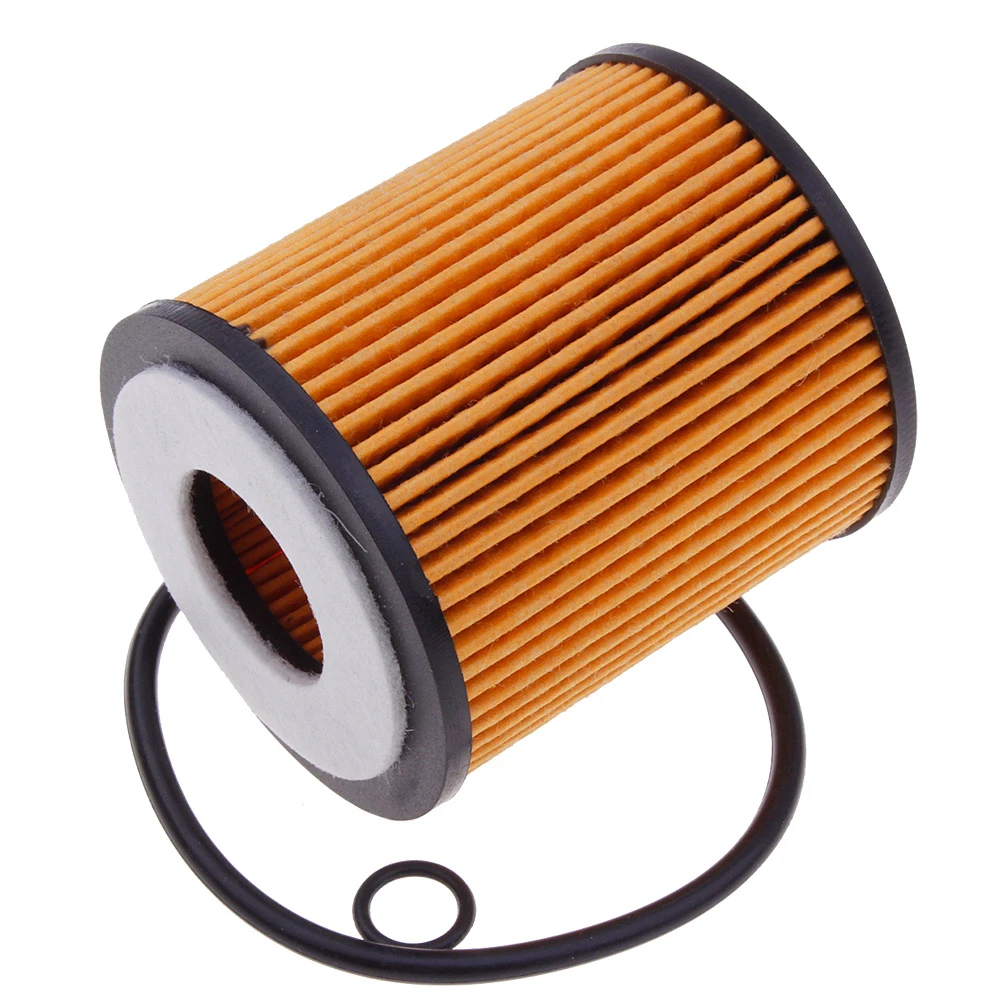
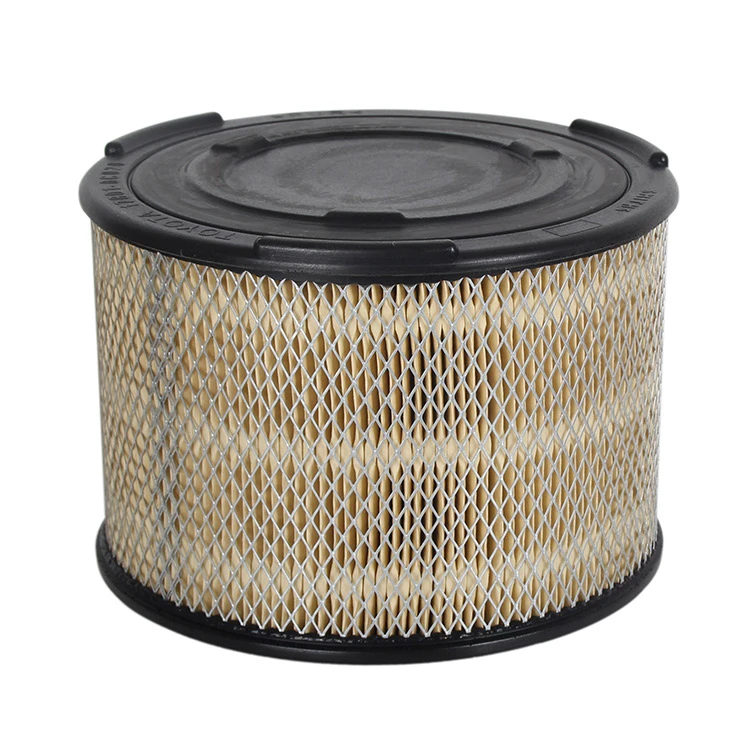
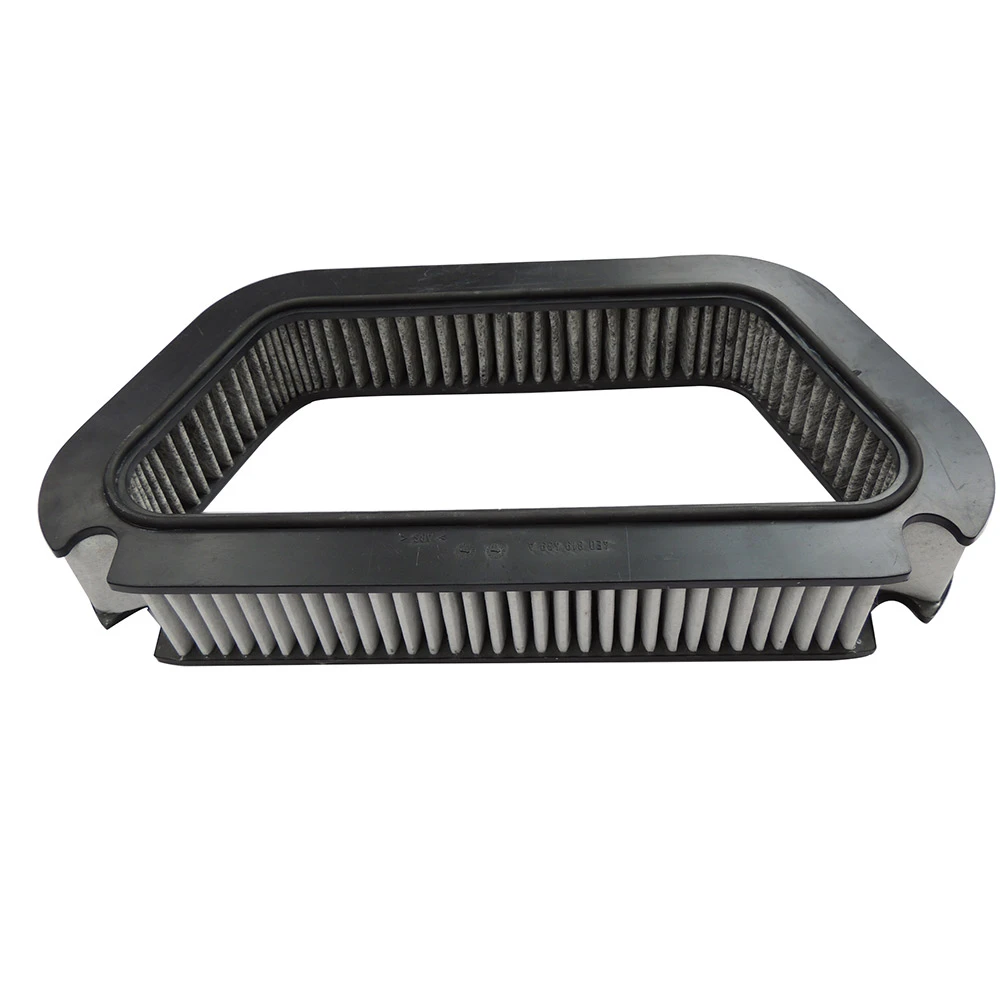
Simply put, air filter car replacement involves removing your vehicle’s old, clogged air filter and installing a new one. This tiny part lives inside your engine’s intake system and acts like a gatekeeper, preventing dust, dirt, and other contaminants from entering the engine cylinders. Over time, the filter blocks up, restricting airflow and forcing your engine to work harder. The result? Reduced power, poor fuel economy, and sometimes even engine damage if ignored long enough.
In modern cars, especially those with turbo engines or sophisticated fuel injection systems, the quality of airflow directly affects performance and emissions compliance. So, it isn’t merely about keeping the engine happy — it also supports the vehicle’s environmental responsibilities.
Core Components: What Makes Air Filter Replacements Tick?
1. Filtration Efficiency
The key reason we change filters is their efficiency in trapping particles. High-quality air filters can capture up to 99% of dust and pollutants as fine as 10 microns. This keeps engine internals cleaner and prevents abrasive wear.
2. Material Durability
Materials range from paper to cotton or foam, and sometimes synthetic blends. Durability affects filter lifespan and how frequently you’ll need replacements. For example, reusable cotton filters are popular but require cleaning rather than swapping.
3. Cost-Effectiveness
While OEM (original equipment manufacturer) filters may be pricier, many aftermarket options offer good performance at a lower price. You get to balance longevity, filtration, and cost without compromising engine health.
4. Environmental Impact
Many companies now offer eco-friendly or biodegradable filters, addressing concerns over waste from disposable filters. This is becoming significant as global plastic waste awareness grows.
5. Ease of Replacement
Accessibility varies by vehicle design. Some car air filters are easily swapped in minutes; others require more dismantling, influencing how often owners perform maintenance or seek professional help.
Typical Air Filter Specifications at a Glance
| Spec | Typical Value | Notes |
|---|---|---|
| Filtration Efficiency | ≥ 98% | For particles 10 microns or larger |
| Lifespan (miles) | 12,000 – 15,000 | Depending on driving conditions |
| Material | Paper / Cotton / Synthetic | Varies by design & cost |
| Cost | $10 – $50 | Aftermarket vs OEM |
Who Benefits? Global Applications & Use Cases
Interestingly, air filter replacement isn’t just for private owners. Logistics companies in congested cities like Delhi or Beijing rely heavily on frequent air filter swaps to keep trucks running smoothly through dust-heavy environments. In remote industrial zones — say, mining operations in Australia — preventing abrasive dust ingress extends engine life significantly.
Even humanitarian organizations operating vehicles in harsh terrains (think UN missions in Africa) depend on efficient air filters to reduce breakdowns and keep relief supplies moving. In post-disaster areas, clean air filtration becomes an unexpectedly critical factor in vehicle reliability amid dust and debris.
Vendor Comparison: Popular Air Filter Suppliers
| Supplier | Filter Types | Price Range | Eco-Friendly Options | Warranty |
|---|---|---|---|---|
| Bosch | Paper, Synthetic | $20 - $45 | Limited | 12 months |
| K&N | Cotton (Reusable) | $40 - $60 | Yes | Limited lifetime |
| Fram | Paper, Synthetic | $10 - $30 | No | 6 months |
Advantages & Long-Term Value of Regular Air Filter Changes
- Cost Savings: Improved fuel economy means fewer trips to the pump.
- Engine Longevity: Cleaner air reduces wear, so your engine lasts longer.
- Reduced Emissions: Efficient combustion lowers harmful exhaust pollutants.
- Performance Boost: More power and smoother acceleration.
- Peace of Mind: Knowing you've done your part for the environment and your vehicle.
There’s also a psychological element to it. Vehicle owners often speak about the “fresh air” feeling post-filter change. It’s more than cosmetic — it reflects a well cared-for machine.
Emerging Trends & Innovations
As the auto world inches towards electrification, you might wonder — does air filter replacement still matter? Oddly enough, yes. Hybrid vehicles still rely on combustion engines part-time, and filter technology adapts by incorporating nanofiber materials for better filtration without restricting airflow.
Plus, smart sensors are beginning to warn drivers when filters need changing, easing guesswork. In addition, sustainability efforts push for recycled or fully biodegradable filters, answering urban waste challenges head-on.
Challenges & Practical Solutions
Let’s not pretend it's all smooth sailing. One common challenge is misinformation — many believe air filters last indefinitely. In dusty or polluted areas, that’s simply untrue and can cause costly damage. Plus, sometimes filters designed for performance sacrifice filtration efficiency.
To fix this, education campaigns combined with advances in easy-to-install smart filters can help owners track replacements better. Also, standardized global manufacturing can reduce counterfeit or poor-quality filters flooding markets, reinforcing trust.
FAQ: Your Burning Questions About Air Filter Car Replacement
- How often should I replace my car’s air filter?
- Typically, every 12,000 to 15,000 miles, but check your owner’s manual. If you drive in dusty conditions, more frequent changes are advisable.
- Can I clean a reusable filter instead of replacing it?
- Yes, some filters like K&N’s cotton variants can be cleaned and reused. Just follow the manufacturer's instructions carefully to avoid damage.
- What are the signs my air filter needs changing?
- Common indicators include reduced fuel efficiency, engine misfires, rough idling, and visible dirt on the filter itself.
- Does replacing an air filter really save me money?
- Absolutely. A clean filter improves fuel economy by up to 10%, plus it reduces engine wear, saving on costly repairs.
- Are aftermarket air filters as good as OEM?
- Many quality aftermarket filters match or exceed OEM specs. Just ensure you buy from reputable brands with good reviews.
Conclusion: The Long-Term Win with Air Filter Car Replacement
In real terms, consistent air filter car replacement is an easy habit with disproportionate benefits — better fuel economy, engine durability, and a lighter environmental footprint. It’s one of those small actions that contribute to a large-scale positive impact over time.
If you want to maintain your car’s health and contribute toward cleaner air, make air filter replacement a priority. Don’t hesitate to learn more or get started today by visiting our website for trusted products and advice: https://www.jyfilter.com.
Quick takeaway: Treat your car’s air filter like a health check—it’s a small step that pays dividends in performance and environmental care.
References
-
Guide on how often do you need to replace engine air filterNewsApr.16,2026
-
Learn how often do you replace air filter in car for engine healthNewsApr.09,2026
-
How Often Do You Replace Car Air Filter For Optimal Engine PerformanceNewsApr.07,2026
-
How Often Do You Replace Engine Air Filter For Optimal Vehicle PerformanceNewsApr.04,2026
-
Understanding How Often Does Engine Air Filter Need to Be Replaced for Optimal PerformanceNewsMar.31,2026
-
How Often Engine Air Filter Change Impacts Performance and LongevityNewsMar.28,2026
-
Understanding How Often to Replace Your Car Air Filter for Optimal PerformanceNewsMar.26,2026
Related Products