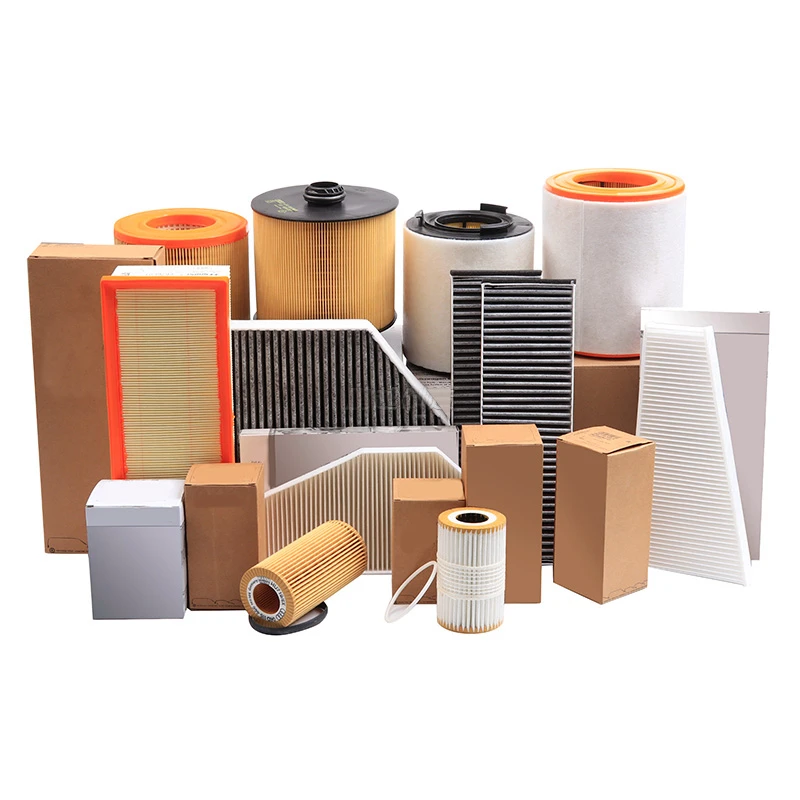
Car Cabin Filter Insider Guide: What Matters, What’s Marketing, and What Actually Works
When people ask me about car air filters, I usually start with this: clean cabin air isn’t a luxury anymore, it’s table stakes. Urban PM2.5, wildfire smoke, pollen—drivers can tell the difference. And yes, the better filters do cost a bit more, but the real test is your nose and lungs after a week of commuting.
Industry trends I’m seeing
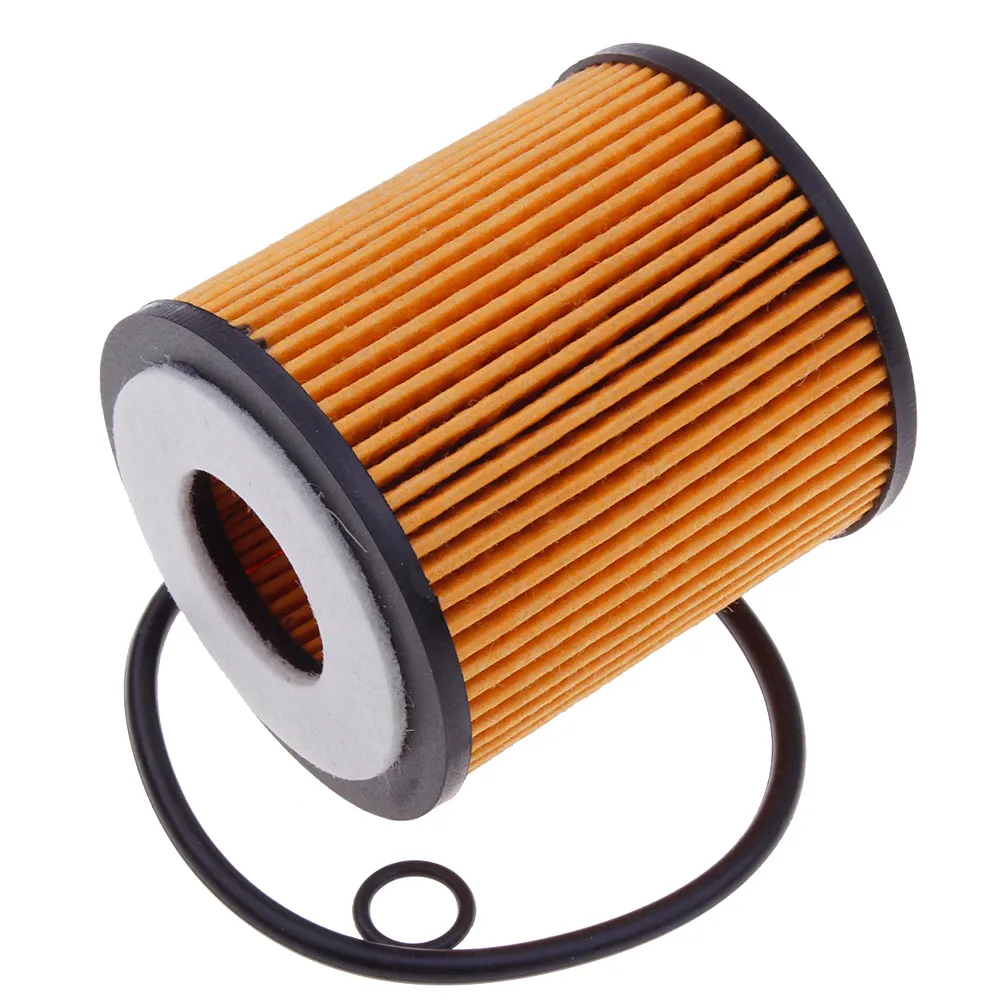
OEMs are shifting to multi-layer media (pre-filter + electrostatic meltblown + optional activated carbon). Fleets want longer service life (≈15,000–20,000 km) and consistent pressure drop to keep HVAC loads down, which subtly improves EV range. And surprisingly, customer feedback is more nuanced: “less fogging,” “less odor after rain,” “my kid’s allergies calmed down.” That stuff is harder to fake.
Product snapshot: Car Cabin Filter (from Hebei, China)
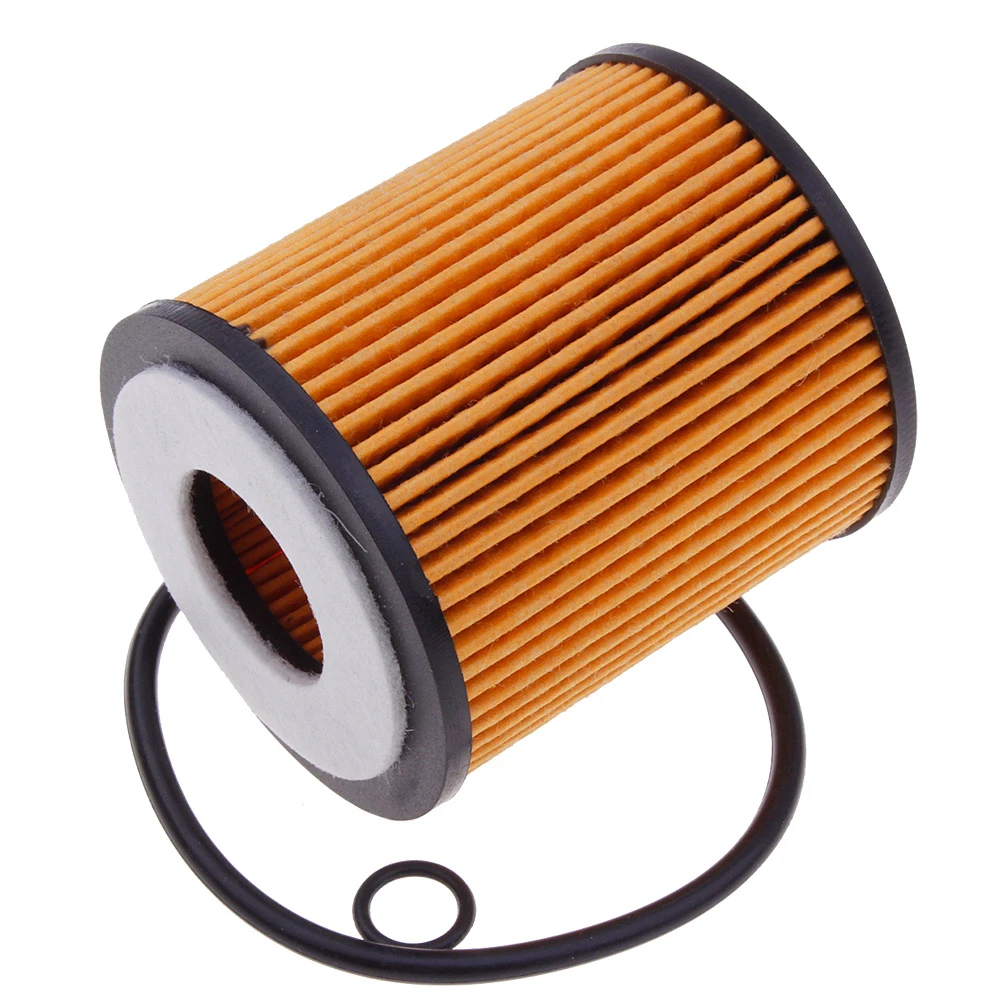
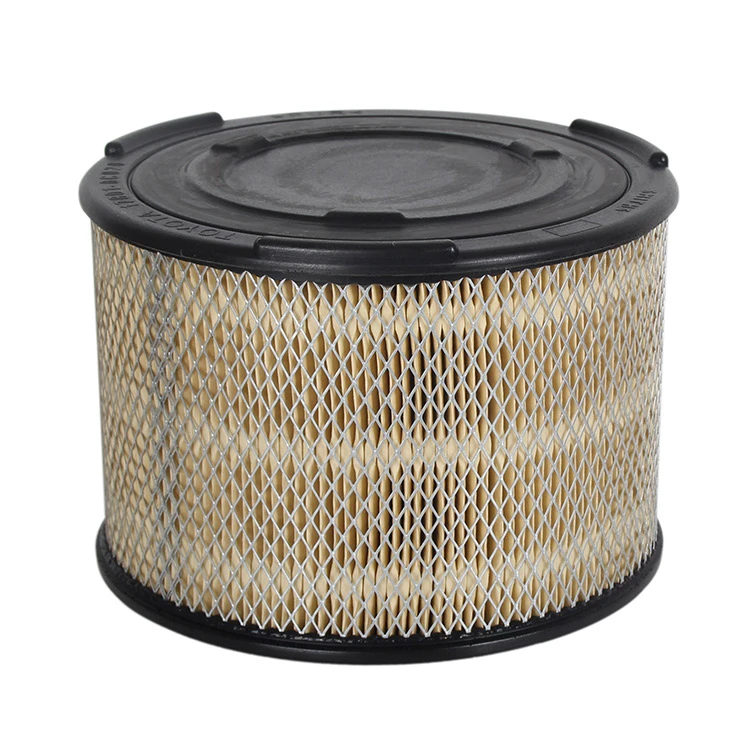
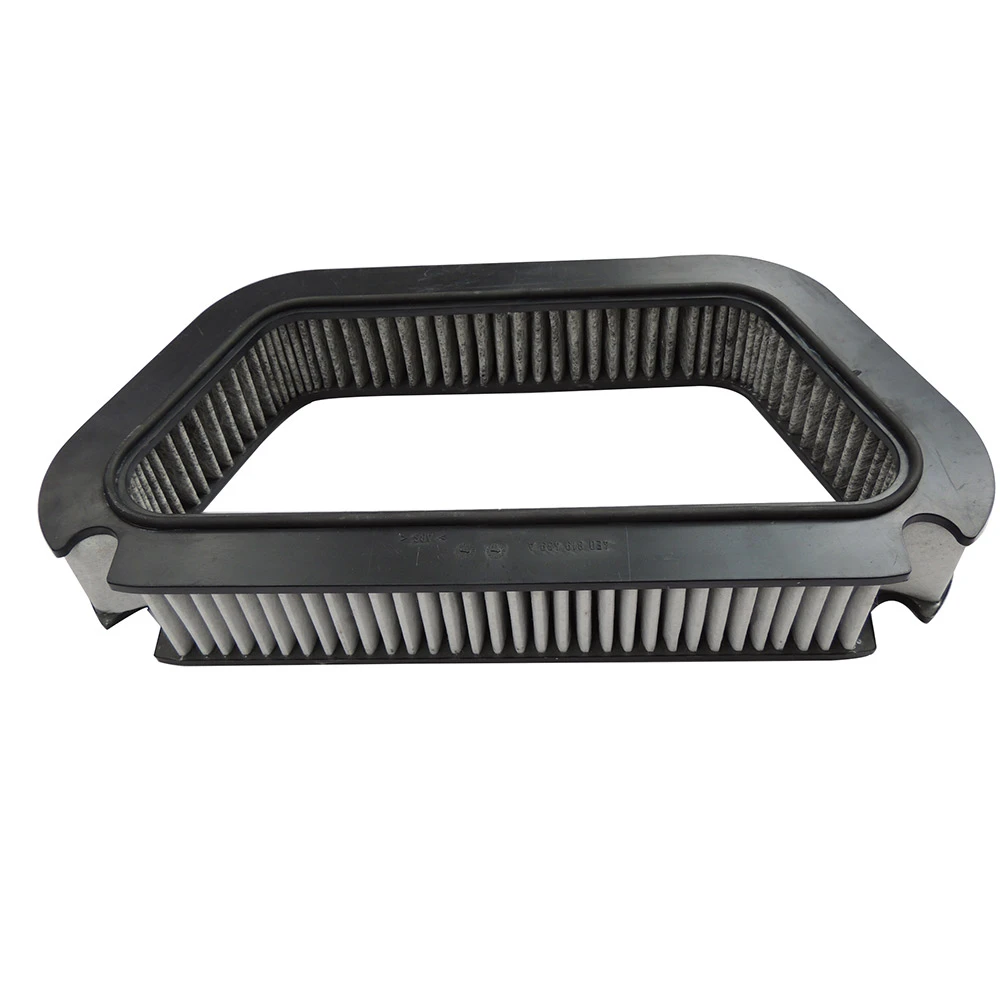
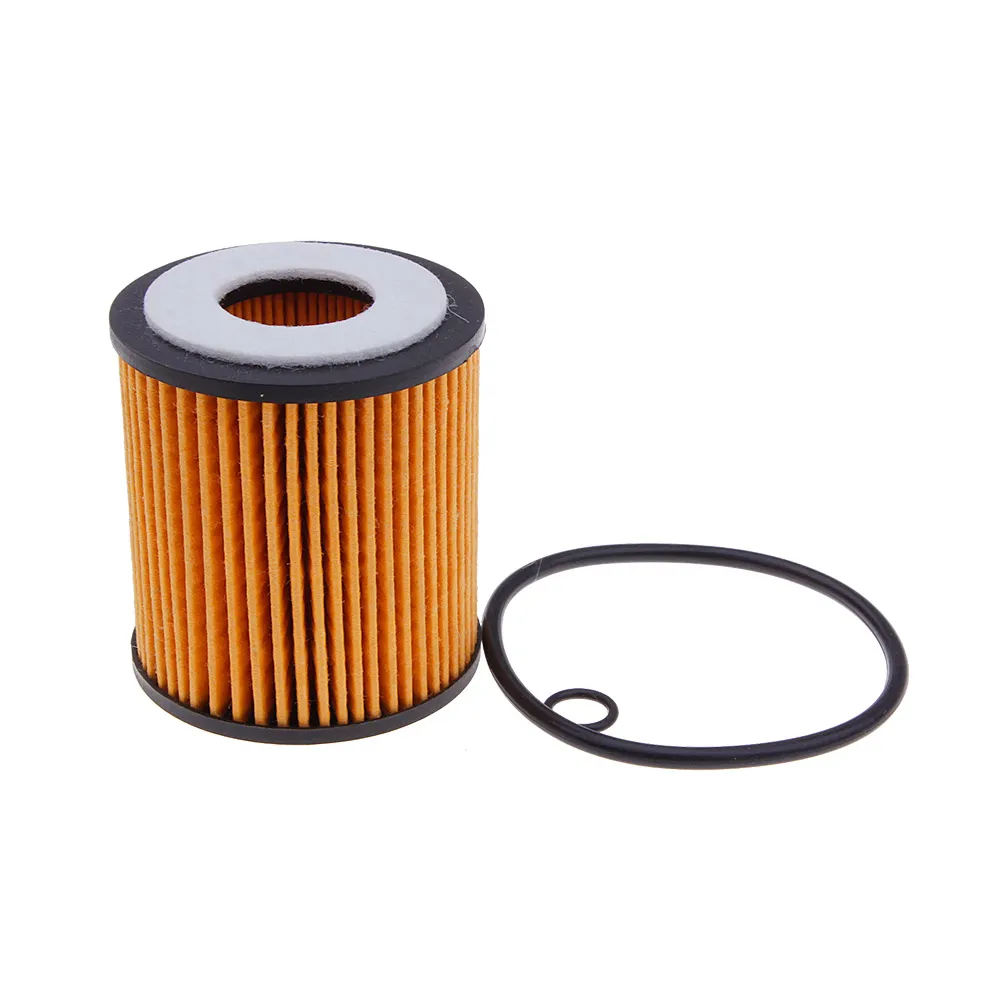
Origin: Niujiatun Village, Gexianzhuang Town, Qinghe County, Xingtai, Hebei Province, China. The unit removes dust, pollen, and nuisance pollutants; with activated carbon, odors and some VOCs are noticeably reduced—actually more than you’d think in stop-and-go traffic.
| Spec | Typical Value (≈, real-world may vary) |
|---|---|
| Media | Electrostatic meltblown + polyester nonwoven; optional activated carbon layer |
| Particulate efficiency | e.g., ≥90% @ PM2.5 (ISO 11155-1 test dust, lab conditions) |
| Pressure drop | ≈ 50–120 Pa @ 120 m³/h |
| Odor/VOC reduction | Activated carbon option (ISO 11155-2 reference gases) |
| Service life | 10,000–20,000 km or 12 months; dusty regions replace sooner |
| Temp range | -30°C to +80°C (HVAC duty) |
How it’s made (short version)
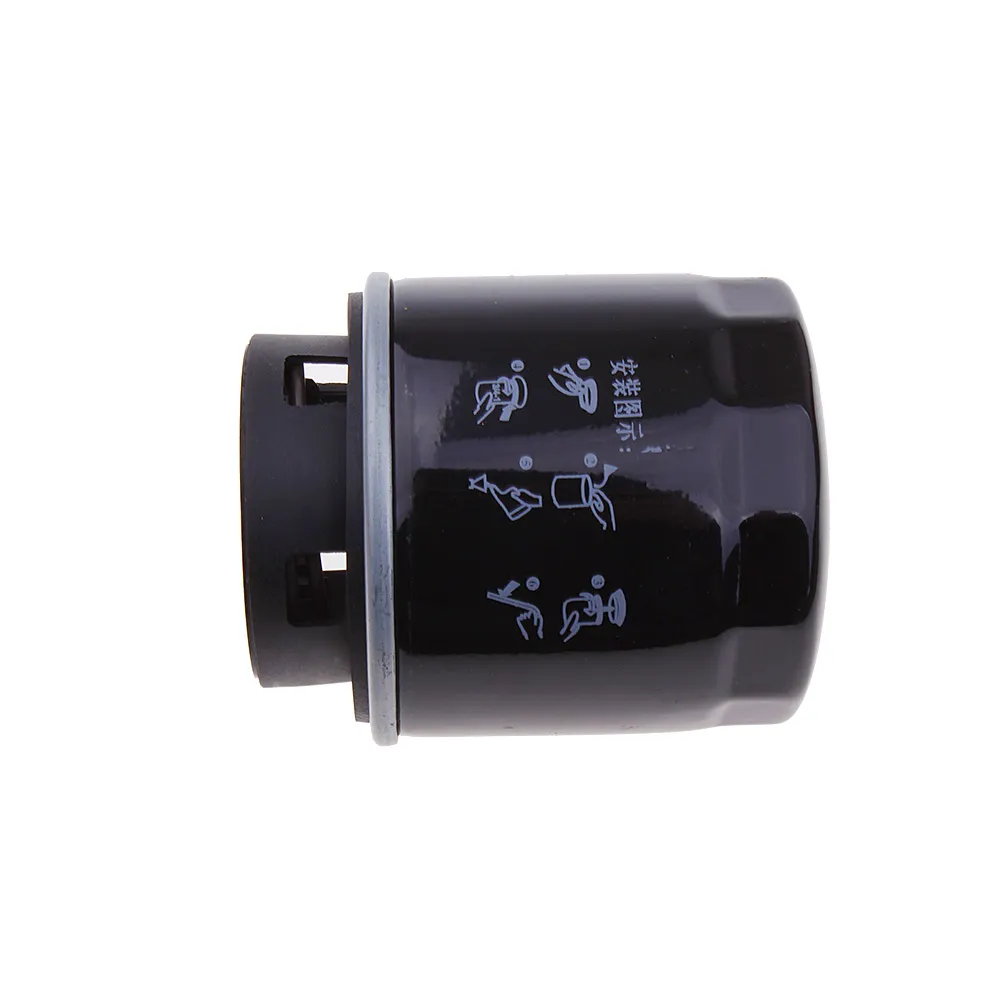
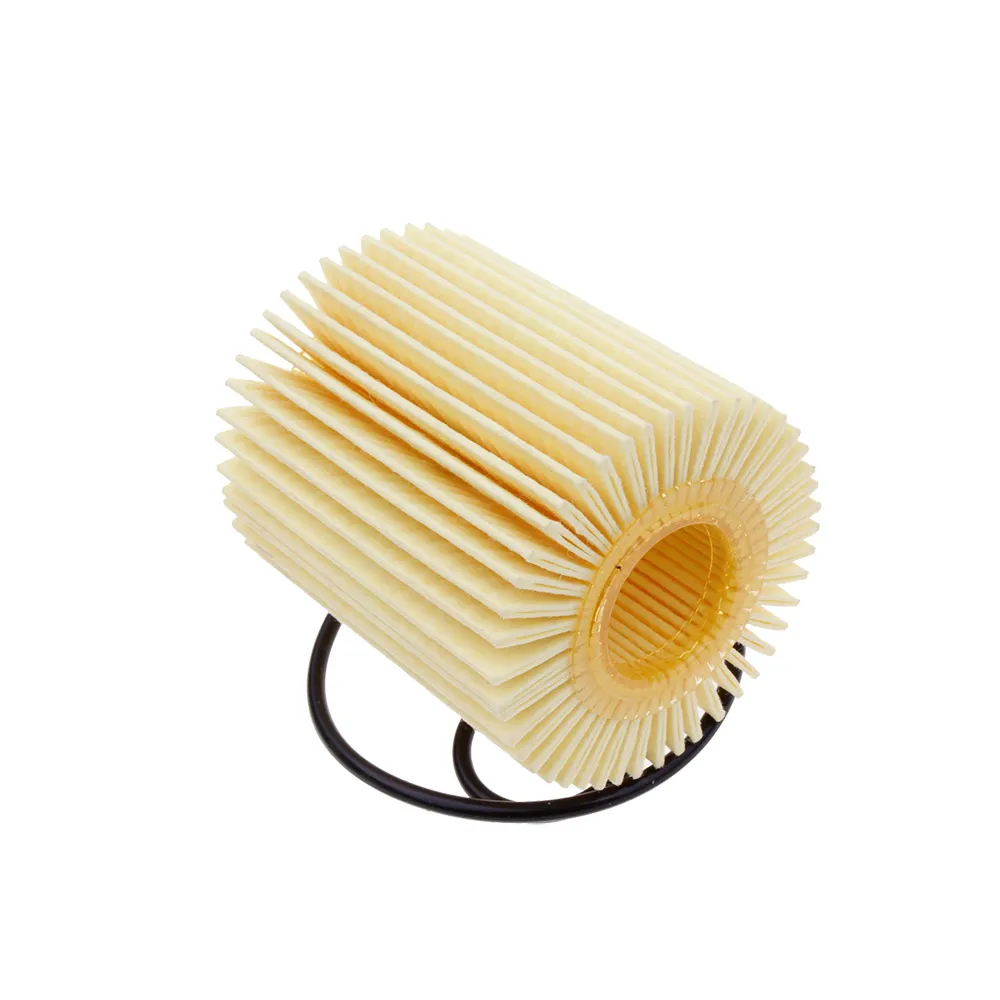
Materials: layered nonwovens, electrostatically charged meltblown, optional coconut-shell activated carbon, PU or EVA gasket, rigid frame.
Methods: pleating → hot-melt bead spacing → frame bonding → curing → 100% visual/leak check.
Testing: ISO 11155-1 (particulate), ISO 11155-2 (gases), GB/T 32085.1/.2 (China). Samples are spot-checked for efficiency, dust holding capacity, and initial ΔP.
Certifications: typically ISO 9001; better vendors run IATF 16949 for automotive discipline.
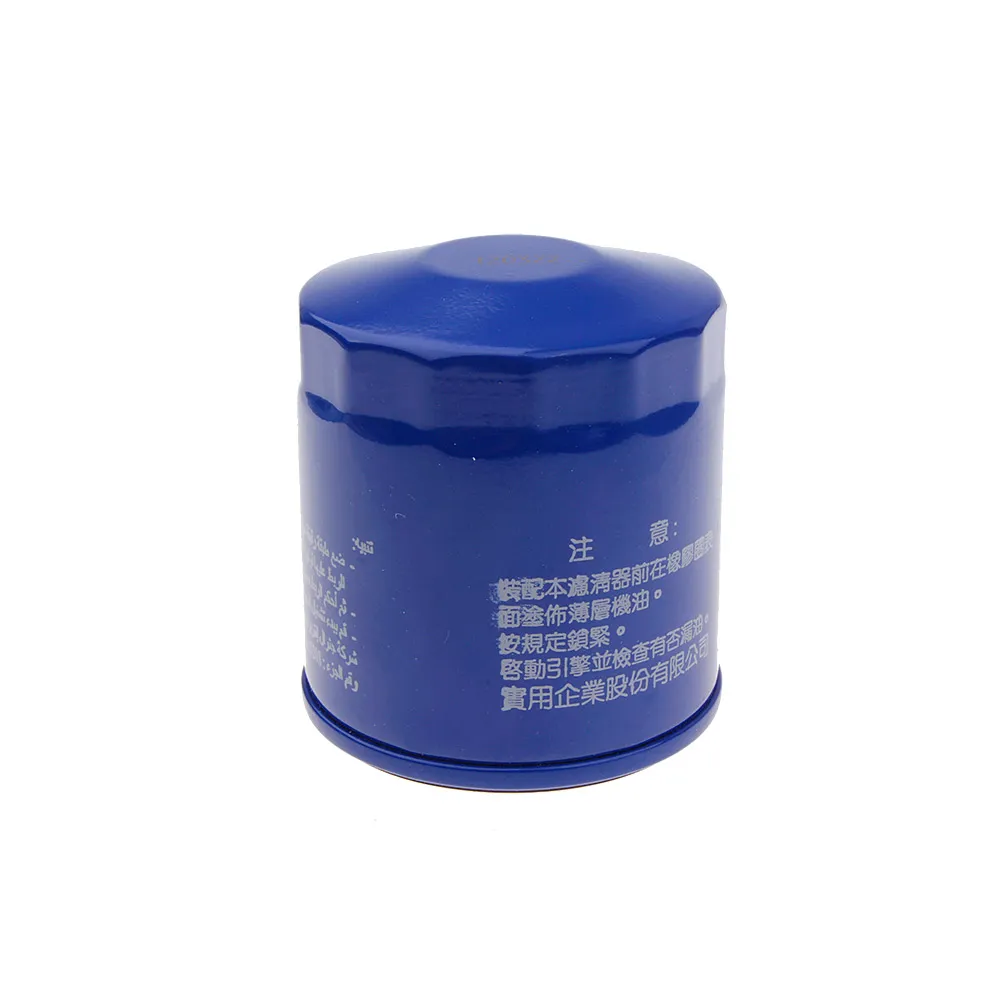
Where car air filters make the biggest difference
- Allergy season: pollen and fine dust—drivers report fewer sneezes, less eye irritation.
- Urban commutes: odors, NOx/ozone background; carbon layer helps take the edge off.
- Fleets and ride-hailing: cleaner cabins mean better ratings, plus fewer window-fog complaints.
Advantages I’ve seen: solid particulate capture without choking the blower, consistent pleat geometry, and gaskets that don’t warp after a summer.
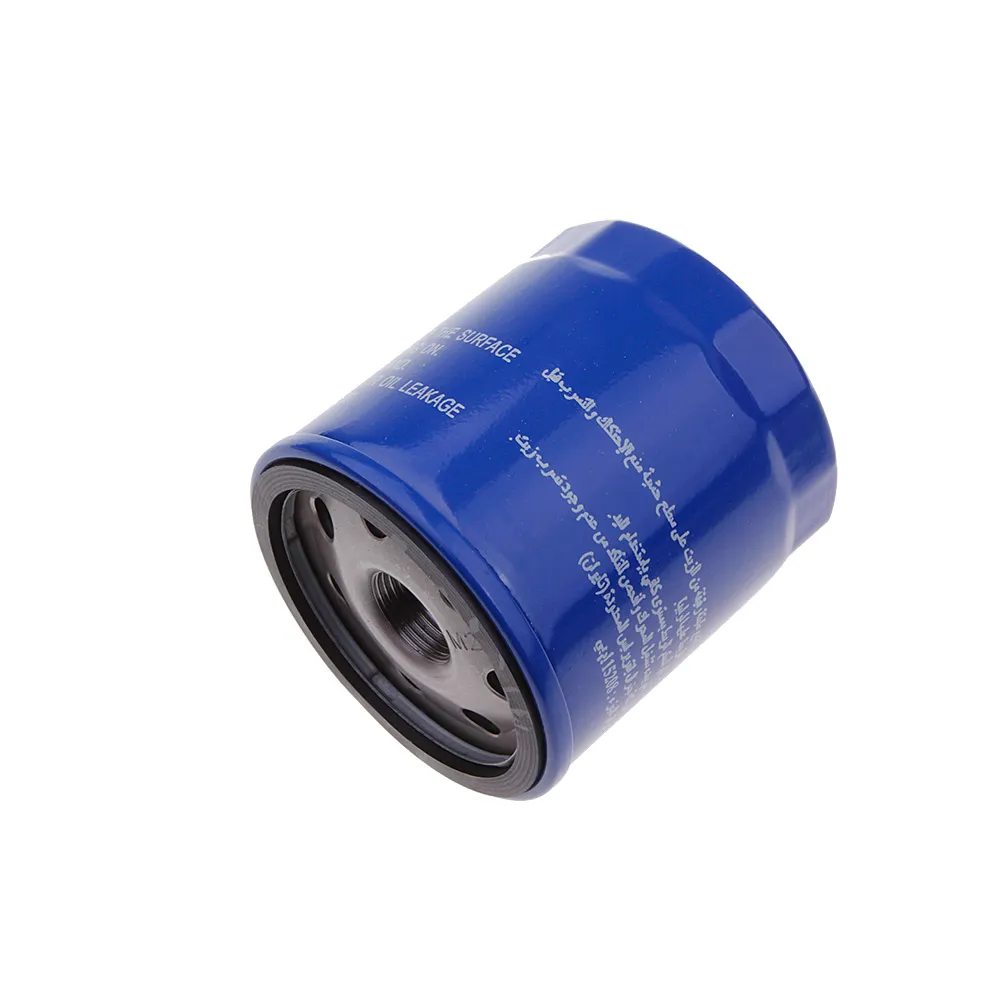
Vendor comparison (condensed, practitioner notes)
| Vendor | Certs | Lead Time | Customization | Notes |
|---|---|---|---|---|
| Hebei Manufacturer (Cabin Filter) | ISO 9001; IATF 16949 (factory level) | ≈ 15–25 days | Sizes, carbon, logo, packaging | Strong on fleet SKUs; fair pricing |
| Brand A (Import) | ISO 9001 | ≈ 30–45 days | Limited | Retail focus; higher MSRP |
| Brand B (OEM-tier) | IATF 16949 | ≈ 25–35 days | Full | Excellent traceability; premium cost |
Customization and logistics
You can tweak media weight, carbon loading (g/m²), pleat count, and frame geometry. Private-label boxes are common. Typical MOQ is around one pallet per SKU; to be honest, mixed-SKU pallets are often doable if you ask nicely.
Quick case notes
• Ride-hail fleet, humid coastal city: switching to carbon media cut “wet AC smell” complaints by ≈60% over 3 months (operator survey).
• Allergy hotspot region: seasonal swap to higher-efficiency media reduced cabin PM2.5 by ≈45% versus stock at idle recirc (portable counter, n≈10 cars).
Buying tips I give friends
- Ask for ISO 11155-1 test data and initial pressure drop; balance is key.
- If odors bug you, choose the carbon version; otherwise standard media is fine (and cheaper).
- Replace every 12 months, or 6 months in dusty, high-traffic zones. Your blower will thank you.
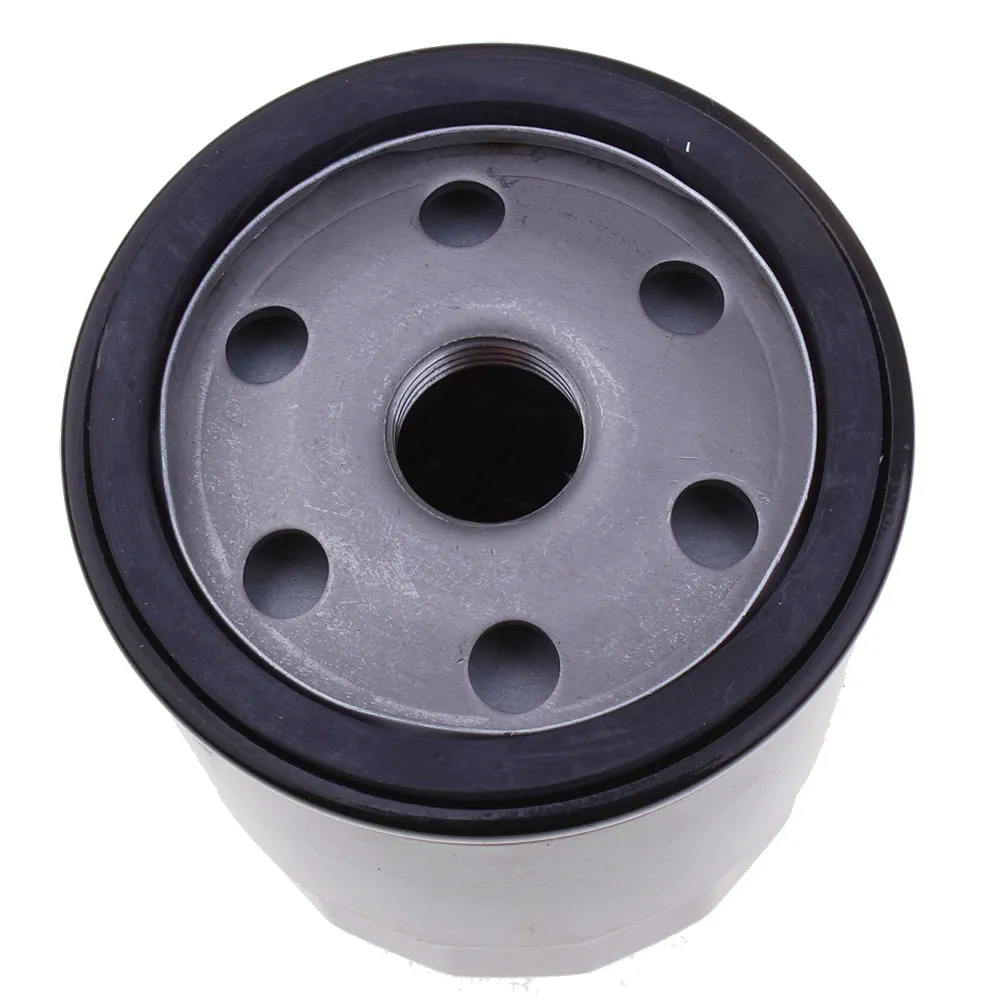
Bottom line: a well-built car air filters unit with credible lab data beats fancy packaging every day. If you’re speccing for fleets or retail, confirm standards, request batch COAs, and keep an eye on ΔP over service life.
Authoritative references
- ISO 11155-1: Road vehicles — Air filters for passenger compartments — Part 1: Test for particulate filtration.
- ISO 11155-2: Road vehicles — Air filters for passenger compartments — Part 2: Test for gas adsorption.
- GB/T 32085.1-2015 and GB/T 32085.2-2015: Passenger car cabin air filter performance (China).
- IATF 16949:2016 — Automotive Quality Management System Requirements.
-
Guide on how often do you need to replace engine air filterNewsApr.16,2026
-
Learn how often do you replace air filter in car for engine healthNewsApr.09,2026
-
How Often Do You Replace Car Air Filter For Optimal Engine PerformanceNewsApr.07,2026
-
How Often Do You Replace Engine Air Filter For Optimal Vehicle PerformanceNewsApr.04,2026
-
Understanding How Often Does Engine Air Filter Need to Be Replaced for Optimal PerformanceNewsMar.31,2026
-
How Often Engine Air Filter Change Impacts Performance and LongevityNewsMar.28,2026
-
Understanding How Often to Replace Your Car Air Filter for Optimal PerformanceNewsMar.26,2026
Related Products