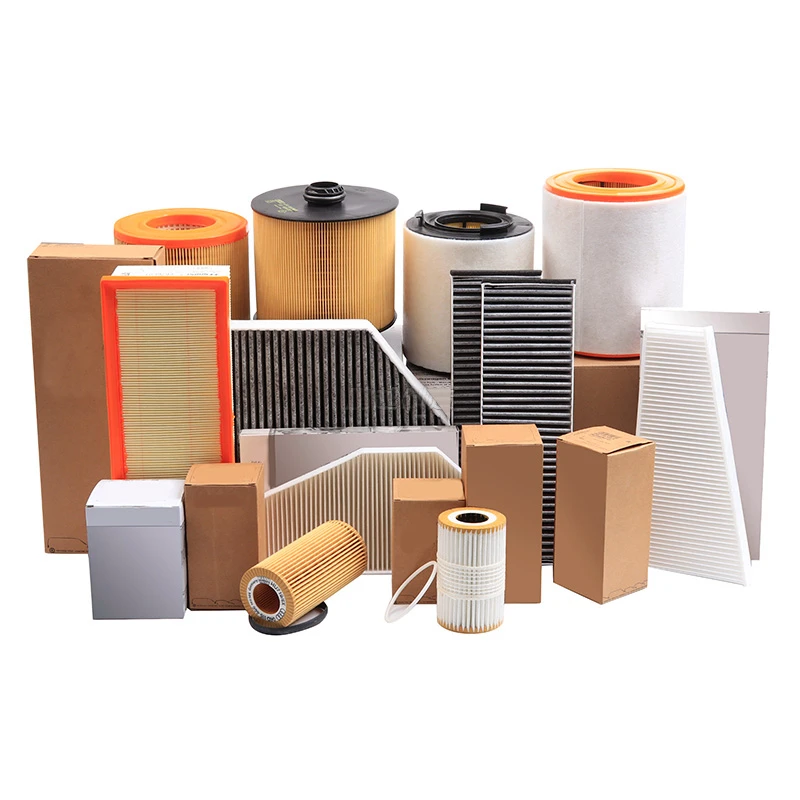
The filter that feeds your engine: what matters in 2025
If there’s one small part that quietly protects horsepower, it’s the car air filter. I’ve toured plants from Hebei to Indiana, and—surprisingly—the difference between a great filter and an average one often comes down to media science and consistent quality control. Our product is built in Niujiatun Village, Gexianzhuang Town, Qinghe County, Xingtai, Hebei, China, and the team there is obsessed (in a good way) with pleat geometry and pressure-drop curves.
Industry snapshot and trends
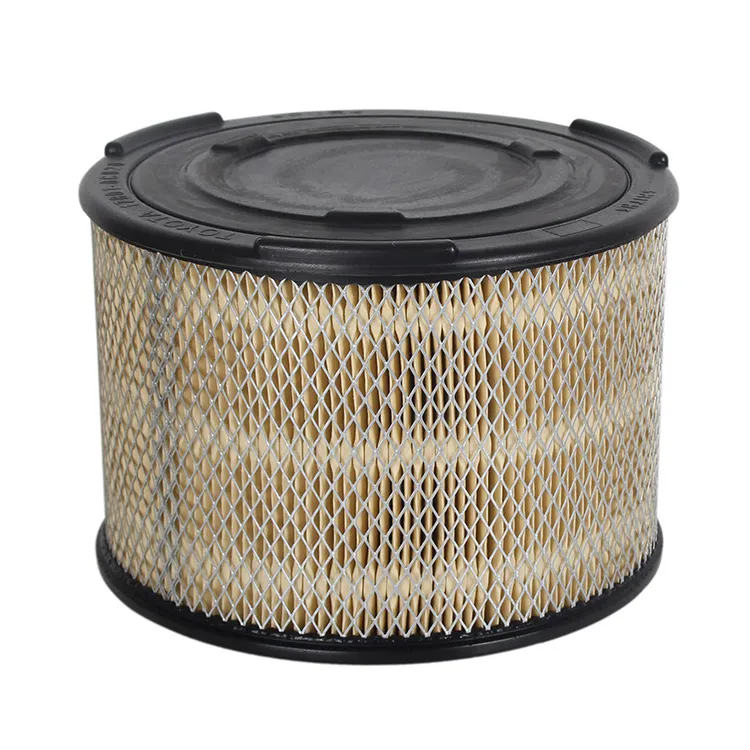
Two big shifts: longer OEM service intervals and tougher global emissions. Hybrids still breathe air, and fleets care about dust loading, not marketing gloss. Materials are trending to cellulose–synthetic blends (for efficiency and life), hot-melt pleat spacing (for uniform dust capture), and recyclable frames. Direct-to-fleet distribution is rising; so is data-backed testing—ISO 5011 or it didn’t happen, as lab folks joke.
Technical build: materials and process flow
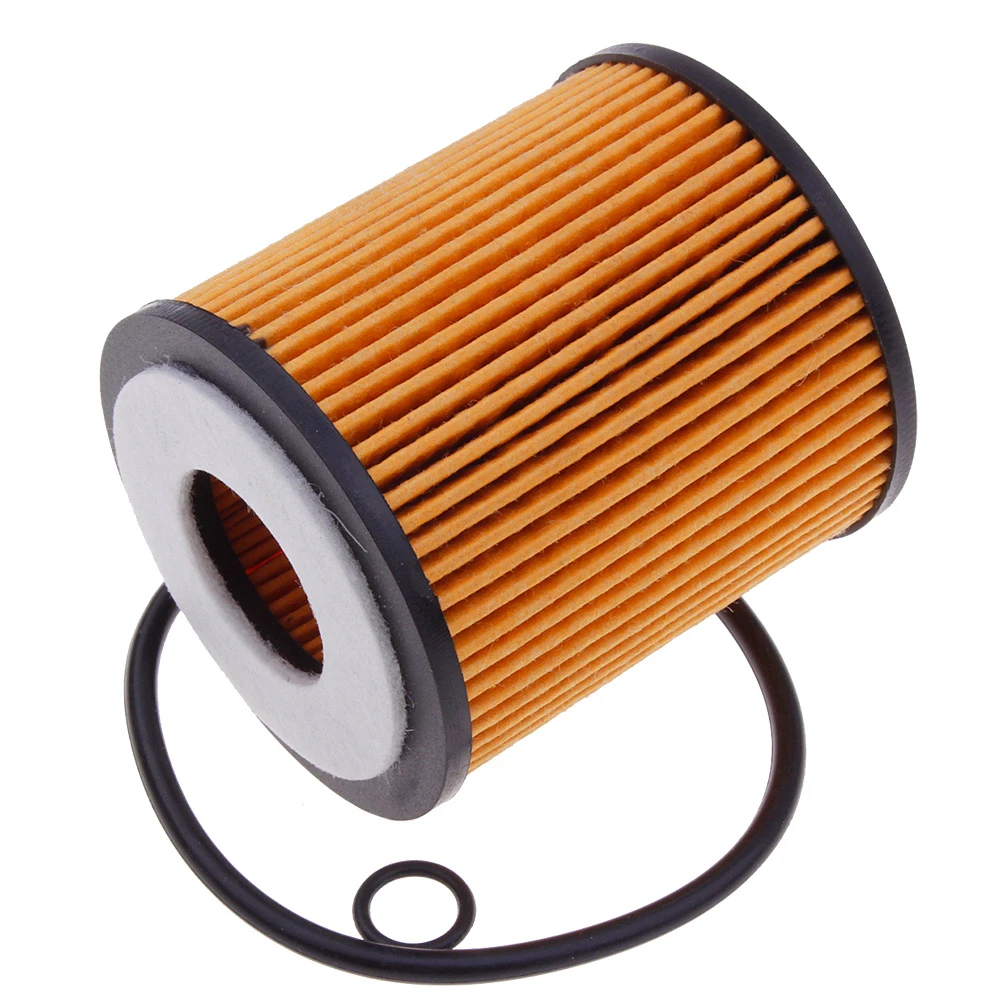
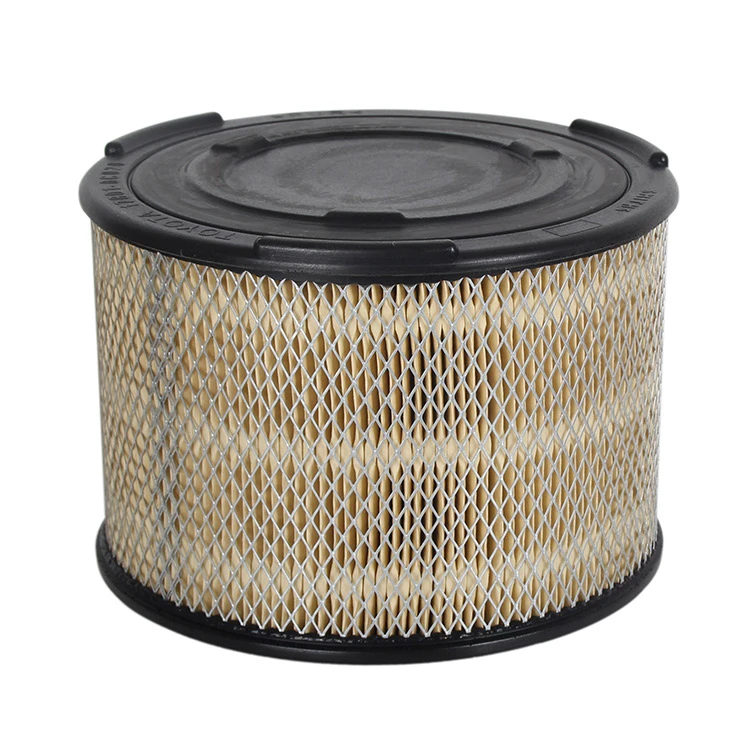
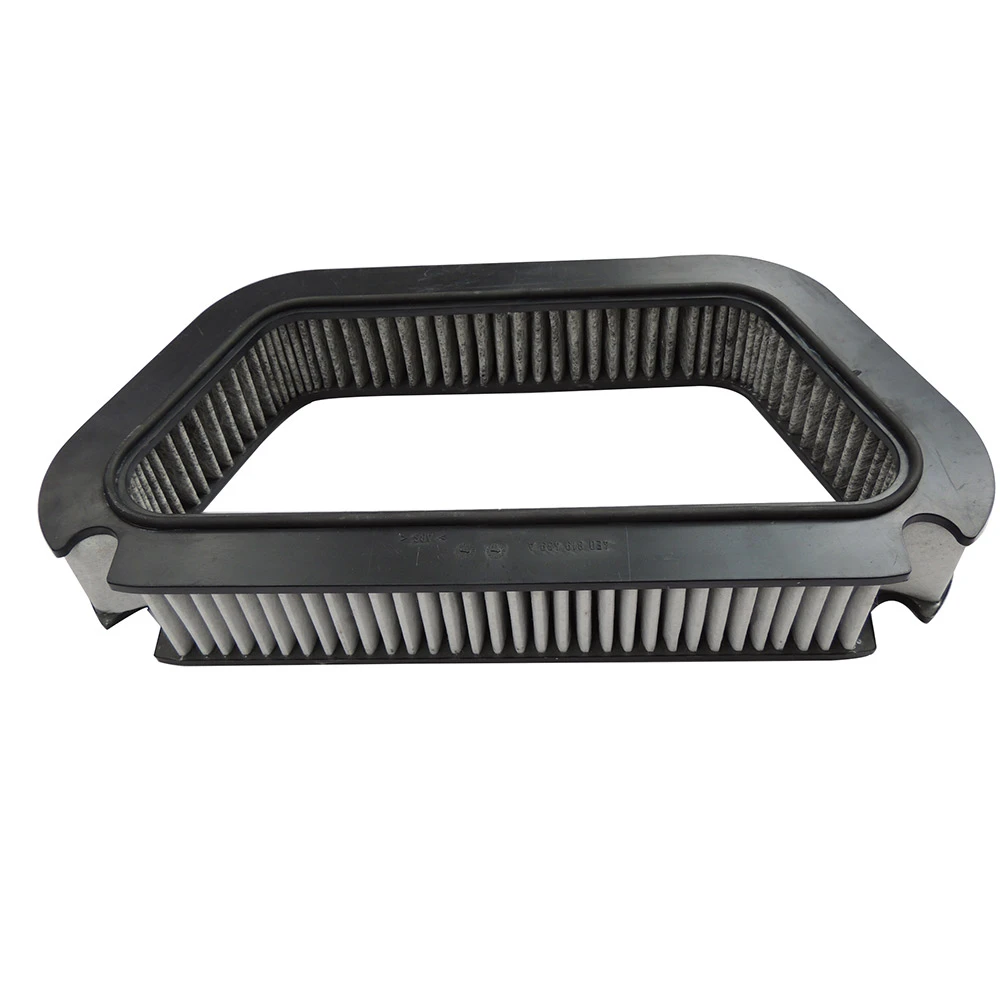
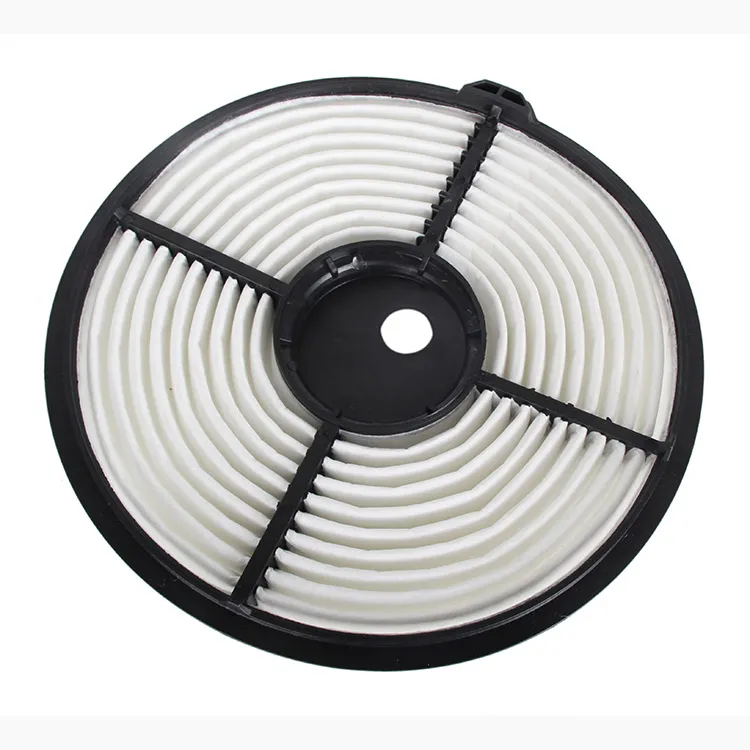
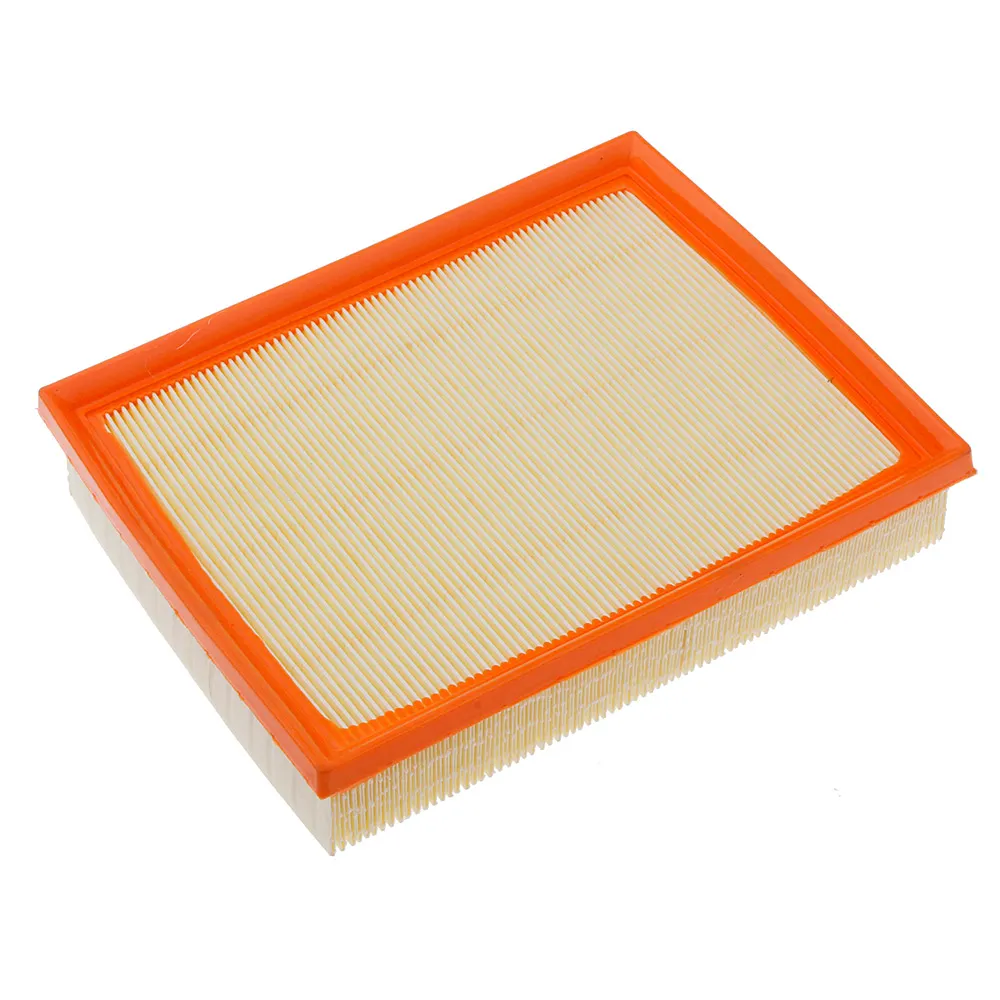
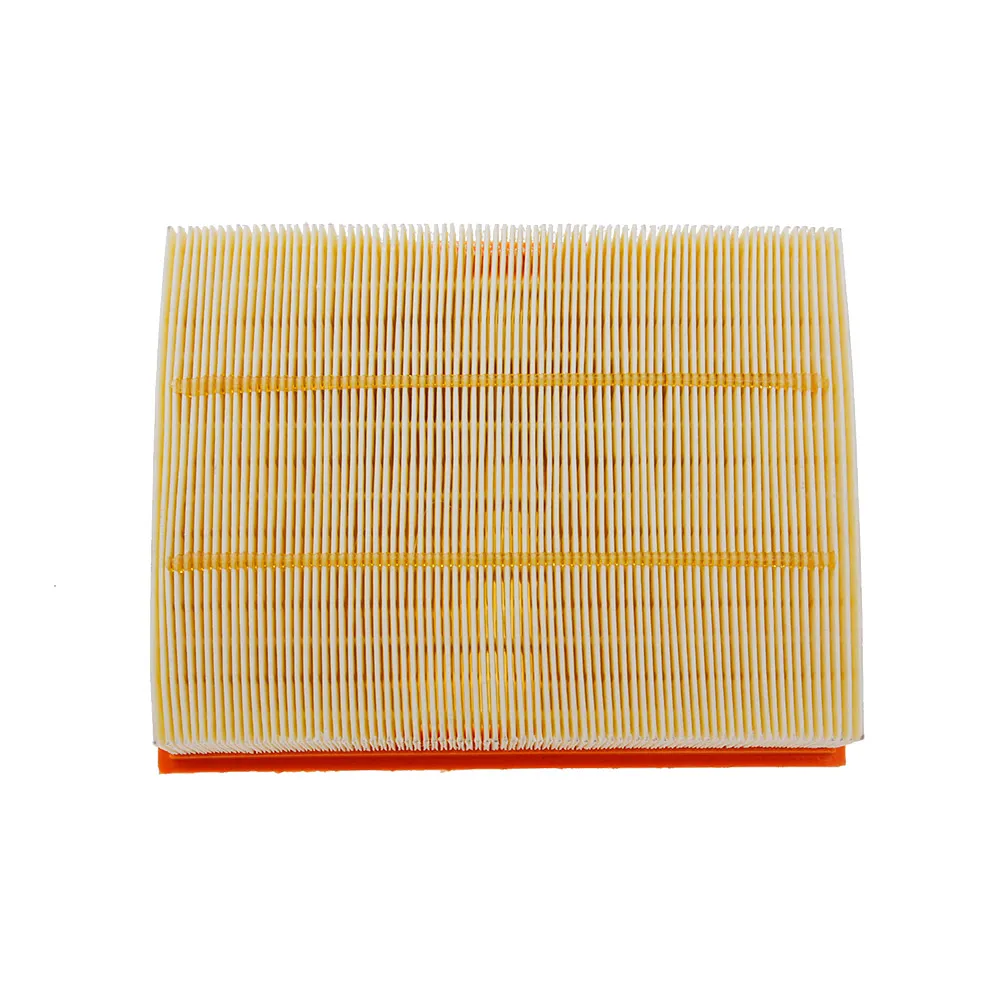
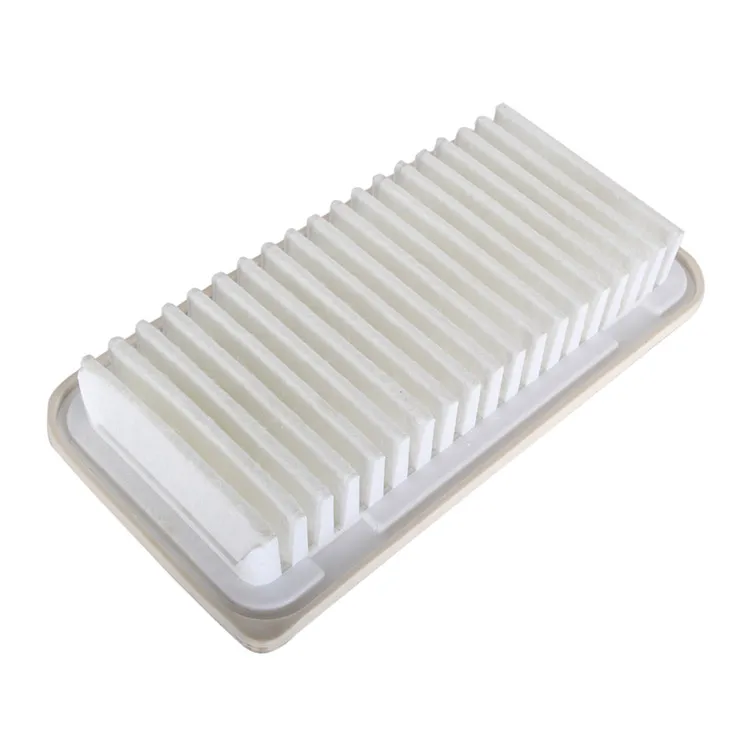
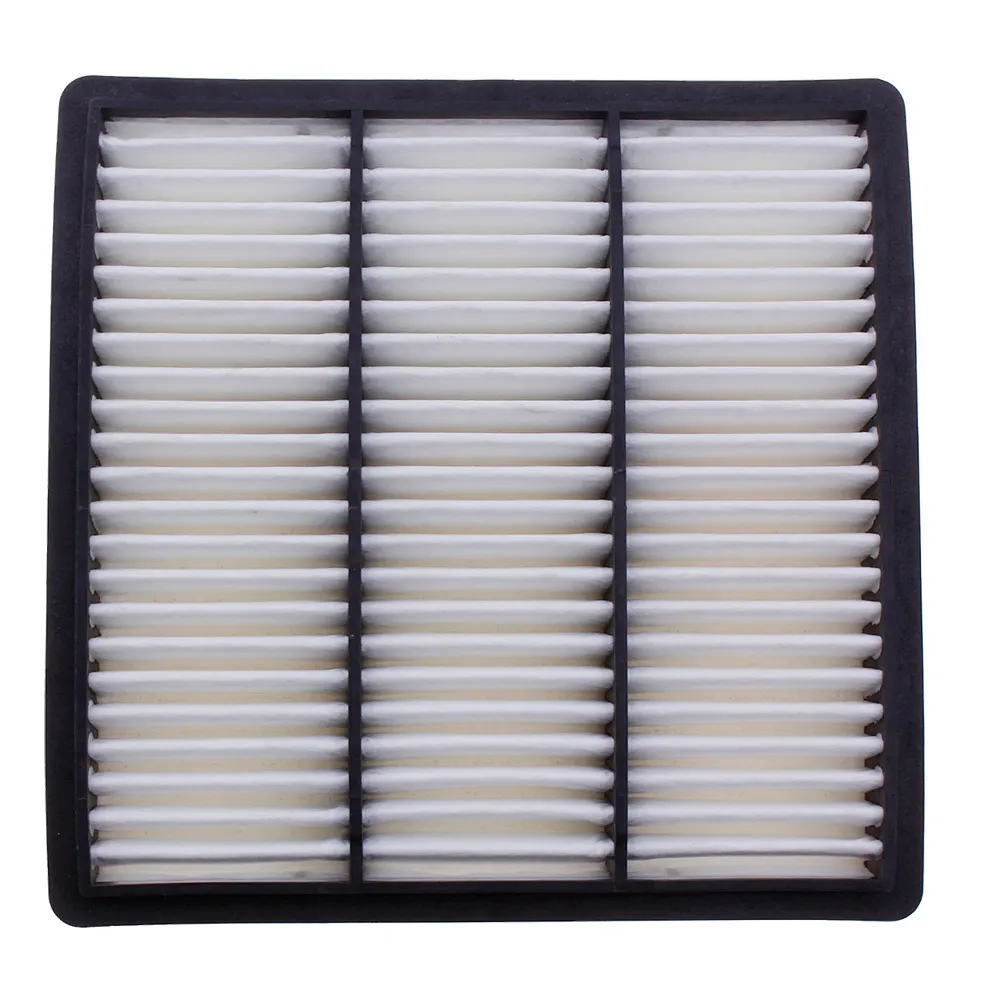
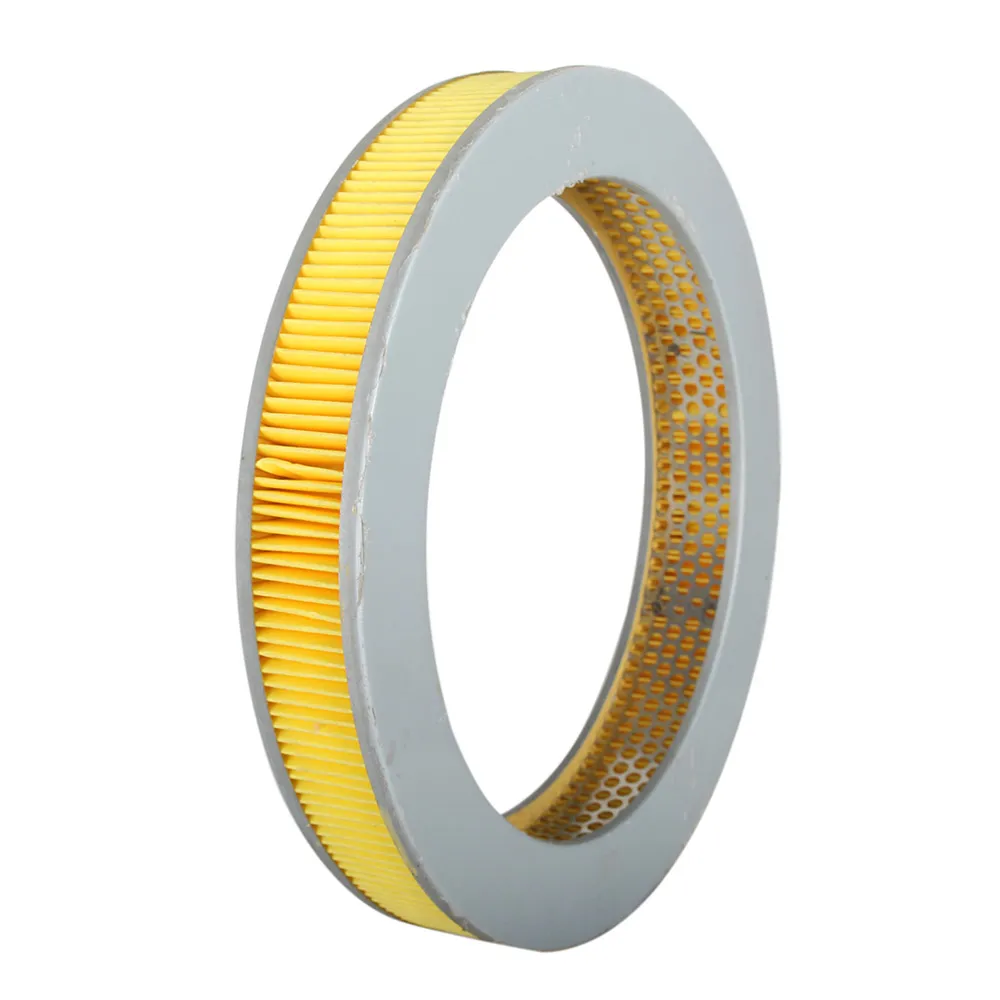
Inside the car air filter you’ll find a cellulose–synthetic media (≈80/20) with phenolic resin for stiffness, galvanized support mesh, and a closed-cell PU gasket. To be honest, the pleat uniformity is what I look for first.
- Media slitting and pre-treatment (humidity control is critical).
- Pleating with hot-melt separators for consistent spacing.
- Frame molding (PP/ABS) and PU gasket foaming.
- Ultrasonic or crimp assembly, then curing.
- QC: weight, pleat count, burst, and restriction checks.
Testing, certifications, and real data
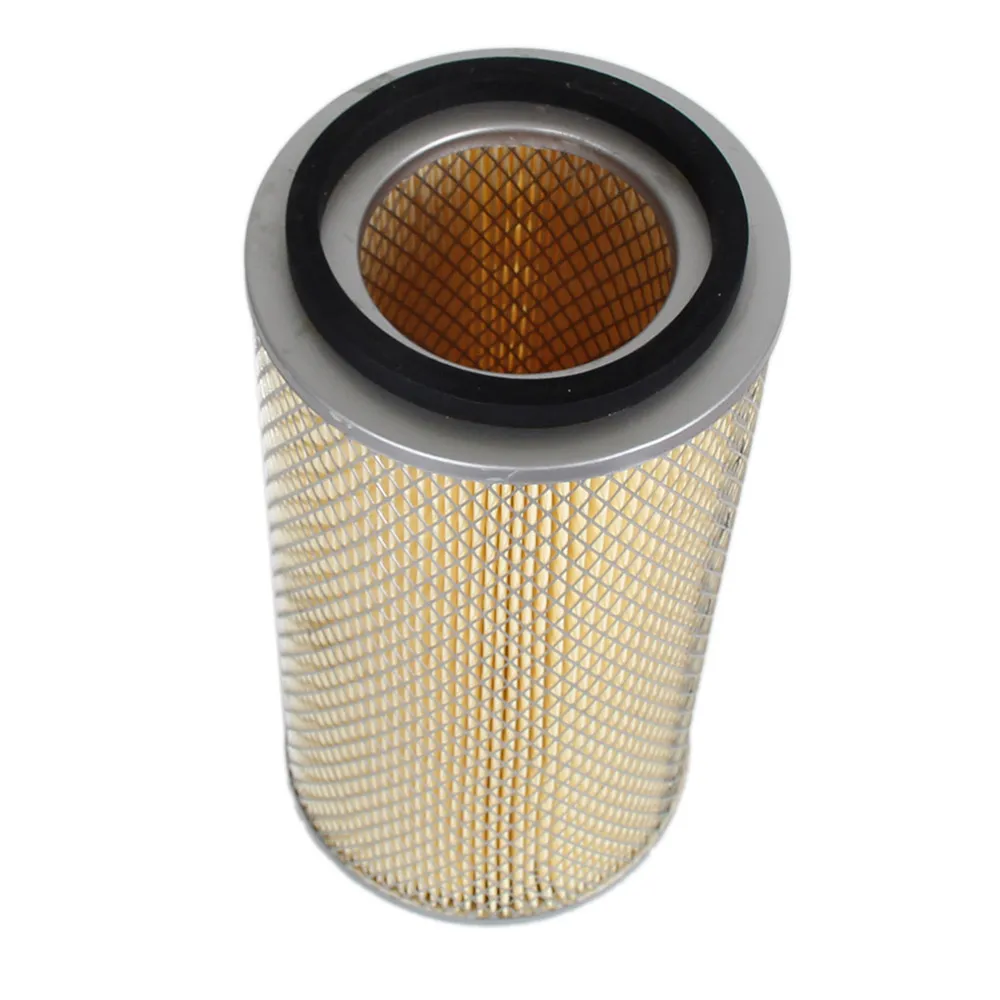
We validate to ISO 5011 using standardized dust. Typical results: initial efficiency ≥99% @ 5 μm; initial restriction ≈0.9–1.5 kPa @ 240 m³/h (real-world use may vary). Plants run under IATF 16949 and ISO 9001; material compliance aligns with RoHS where applicable. Many customers say throttle response feels “cleaner” after replacement—subjective, yes, but lab data on restriction speaks for itself.
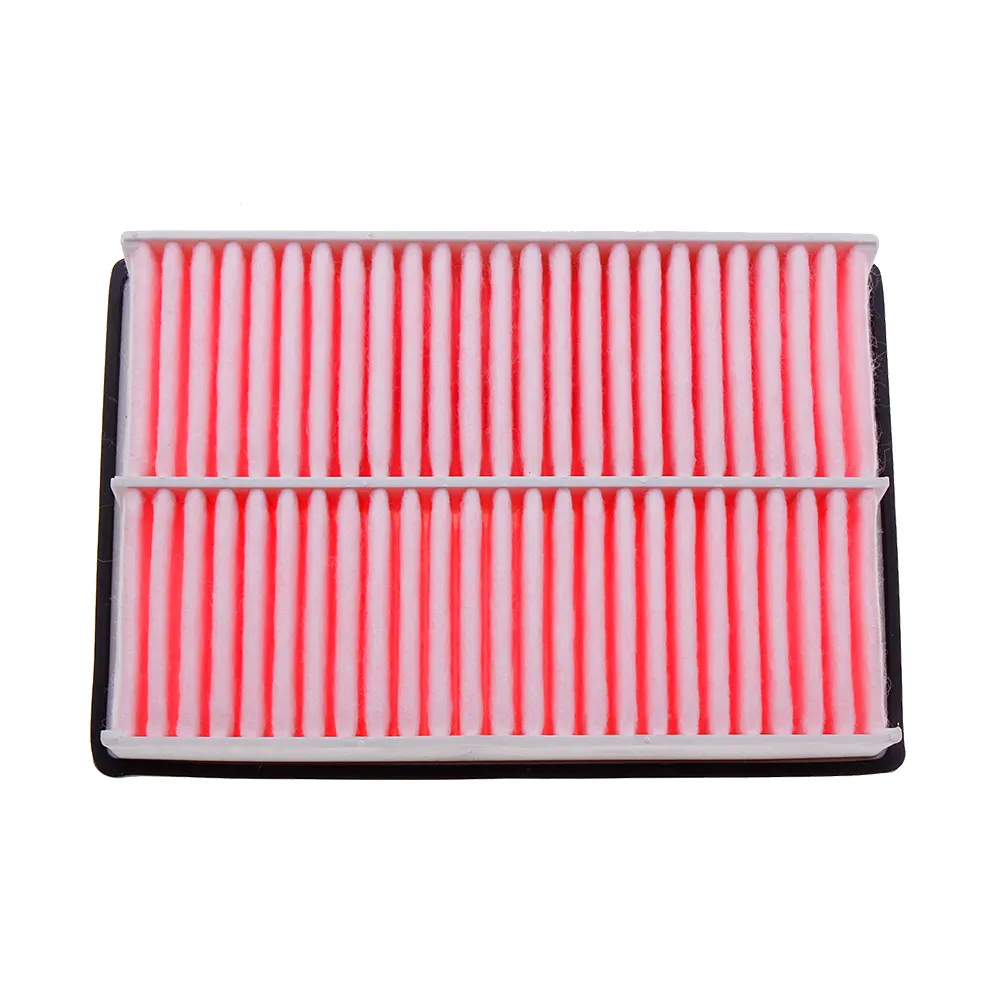
Product specifications (typical)
| Media | Cellulose–synthetic blend, resin-treated |
| Efficiency | ≥99% @ 5 μm (ISO 5011) |
| Initial restriction | ≈0.9–1.5 kPa @ 240 m³/h |
| Gasket/Frame | Closed-cell PU / PP or ABS |
| Operating temp | -30°C to 120°C |
| Dimensions | Multiple sizes; example ≈233×182×35 mm |
| Service interval | 12,000–20,000 km or 1 year; dusty routes shorter |
| Certifications | IATF 16949, ISO 9001 |
| Origin | Qinghe County, Xingtai, Hebei, China |
Where it excels
City commuters (pollen season), high-dust rural roads, ride‑share and delivery fleets, and performance tuners who prefer dry, high-efficiency media. The car air filter drops in easily—no drama—and helps maintain stable MAF readings (no oily residue).
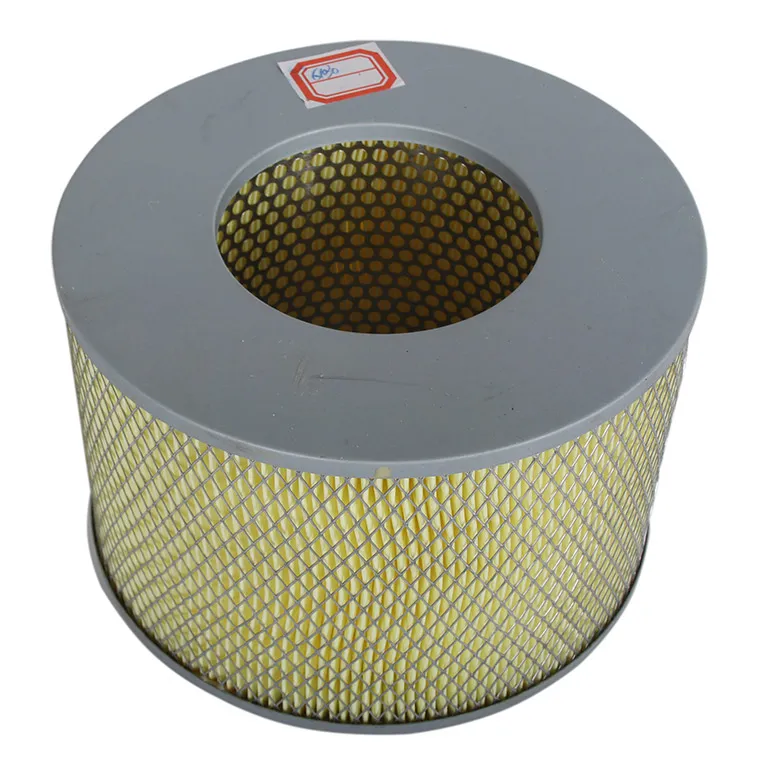
Vendor/type comparison (practical view)
| Vendor / Type | Filtration | Maintenance | MAF risk | Cost | Notes |
|---|---|---|---|---|---|
| JY Filter (this product) | ≥99% @ 5 μm | Replace; no oils | Low | Mid | Balanced flow and life |
| Oiled cotton “performance” | High, but varies | Clean & re-oil | Medium (over-oiling) | Mid–High | Flow focus; watch sensors |
| Foam reusable | Good coarse capture | Wash; oil | Medium | Mid | Off-road niche |
| Generic low-cost paper | Variable | Replace | Low–Med | Low | May load quickly |
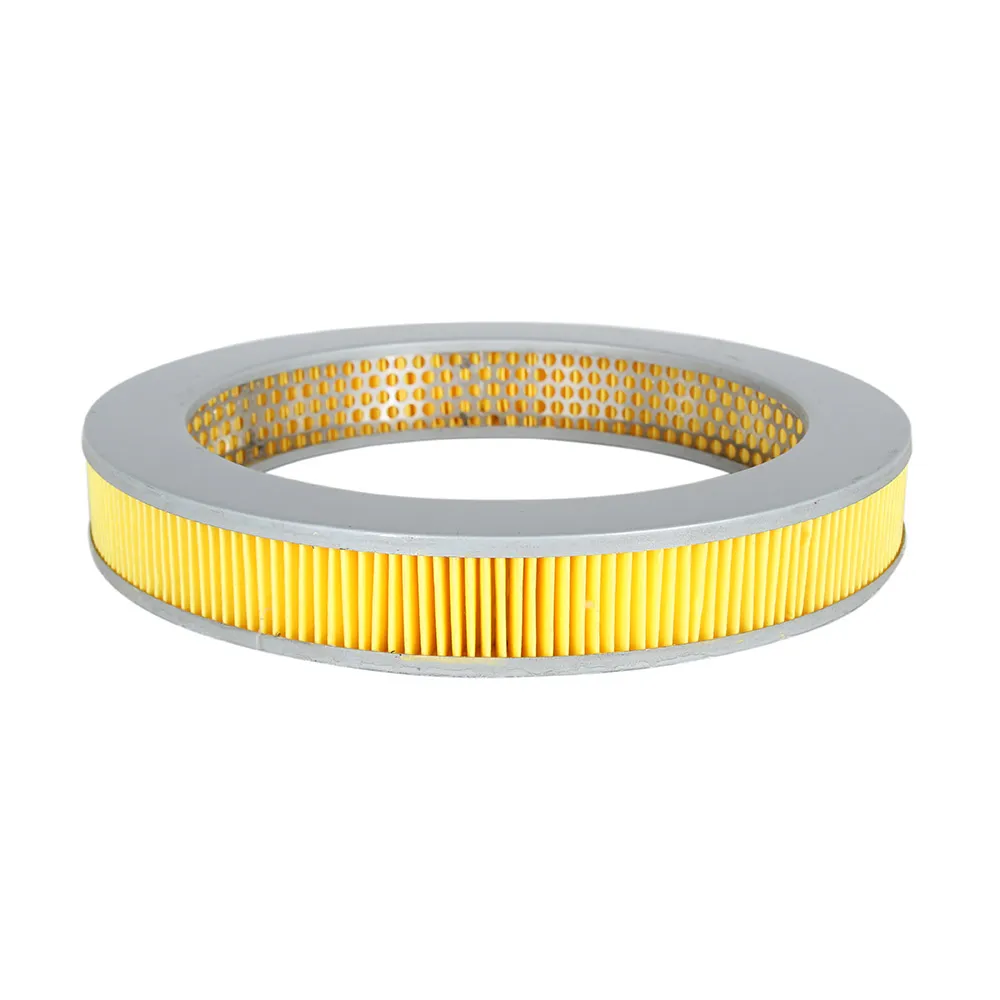
Use cases and field notes
Case A (ride-share fleet, coastal city): 30k km/year, replaced every 15k—idle smoothness improved, and MAF drift issues disappeared. Case B (rural courier): Dusty farm roads; swapped at 10k km to keep restriction under 2.5 kPa. “Engine feels less strangled,” the driver told me—colorful, but fair.
Advantages that matter day to day
- Clean airflow with low restriction—keeps trims stable.
- Dry media: friendly to sensors and easy installs.
- Consistent pleat spacing for longer service life.
- Broad fitment coverage; fleets appreciate the SKU logic.
Customization and OEM support
Need custom dimensions, emboss logos, or tweak media basis weight? The car air filter platform supports private label and OEM builds, with PPAP documentation, traceability, and lot-level test reports on request.
Final word: air, dust, time—pick any two and your engine will complain. A well-spec’d car air filter just quietly does the work.
Authoritative citations
- ISO 5011:2014 – Inlet air cleaning equipment for internal combustion engines and compressors (performance testing).
- IATF 16949:2016 – Automotive Quality Management System Standard.
- ISO 9001:2015 – Quality management systems—Requirements.
- SAE J726 / ISO 5011 test dust protocols – Air Cleaner Test Code, Society of Automotive Engineers.
-
Guide on how often do you need to replace engine air filterNewsApr.16,2026
-
Learn how often do you replace air filter in car for engine healthNewsApr.09,2026
-
How Often Do You Replace Car Air Filter For Optimal Engine PerformanceNewsApr.07,2026
-
How Often Do You Replace Engine Air Filter For Optimal Vehicle PerformanceNewsApr.04,2026
-
Understanding How Often Does Engine Air Filter Need to Be Replaced for Optimal PerformanceNewsMar.31,2026
-
How Often Engine Air Filter Change Impacts Performance and LongevityNewsMar.28,2026
-
Understanding How Often to Replace Your Car Air Filter for Optimal PerformanceNewsMar.26,2026
Related Products