What I Learned After Tearing Down Dozens of Engine Intakes
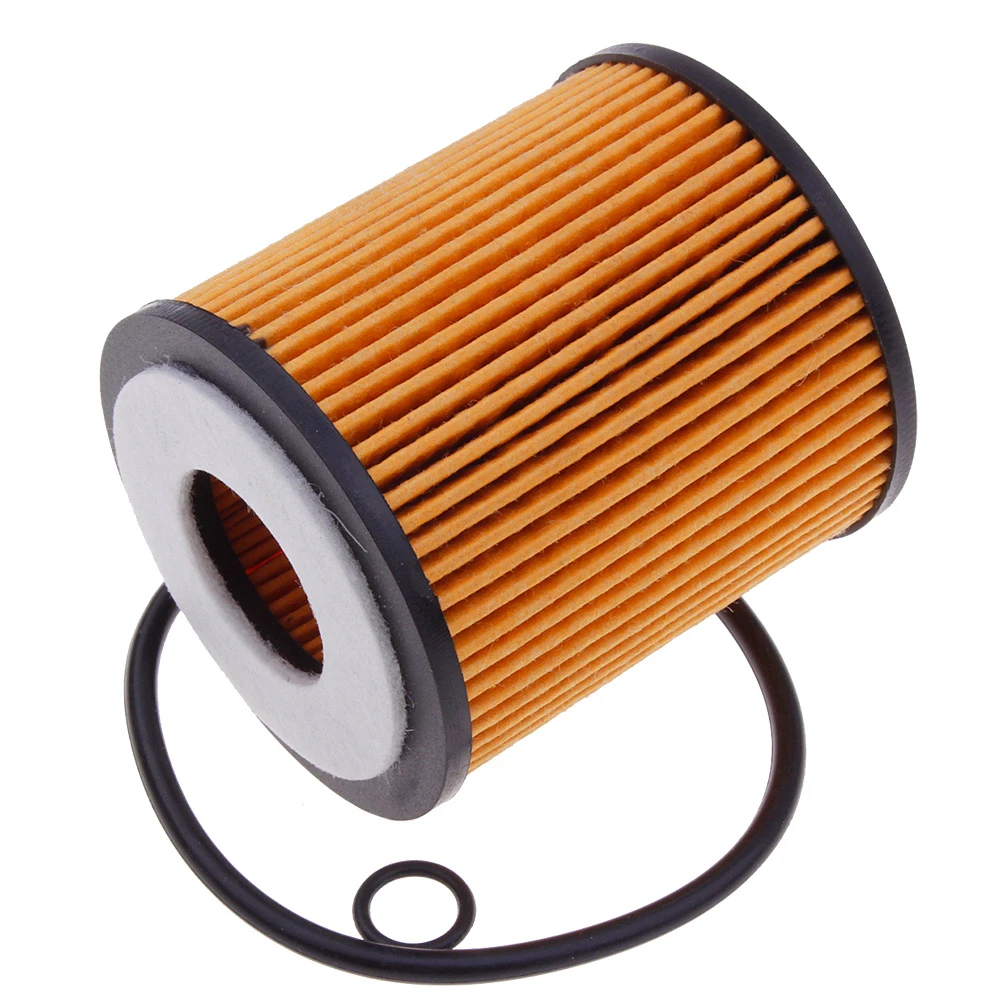
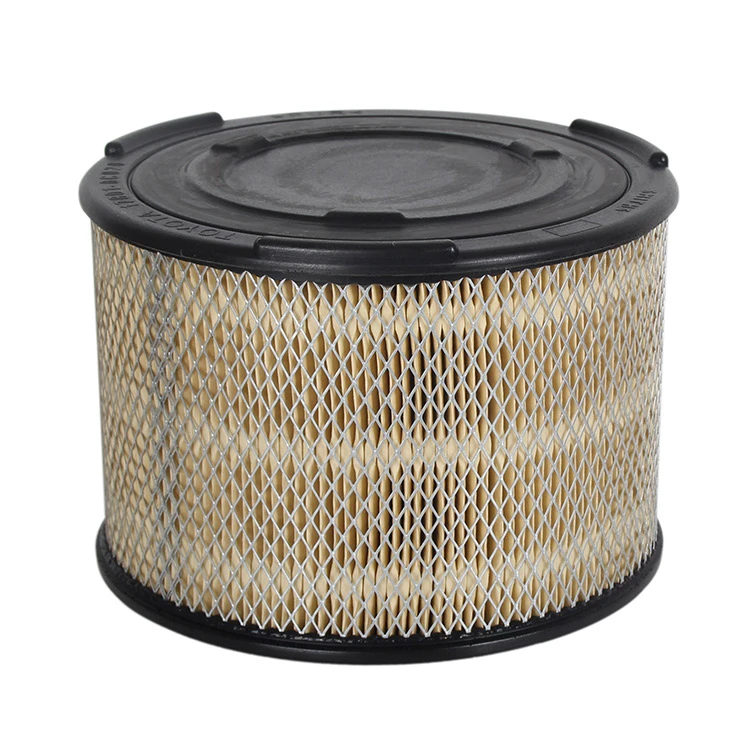
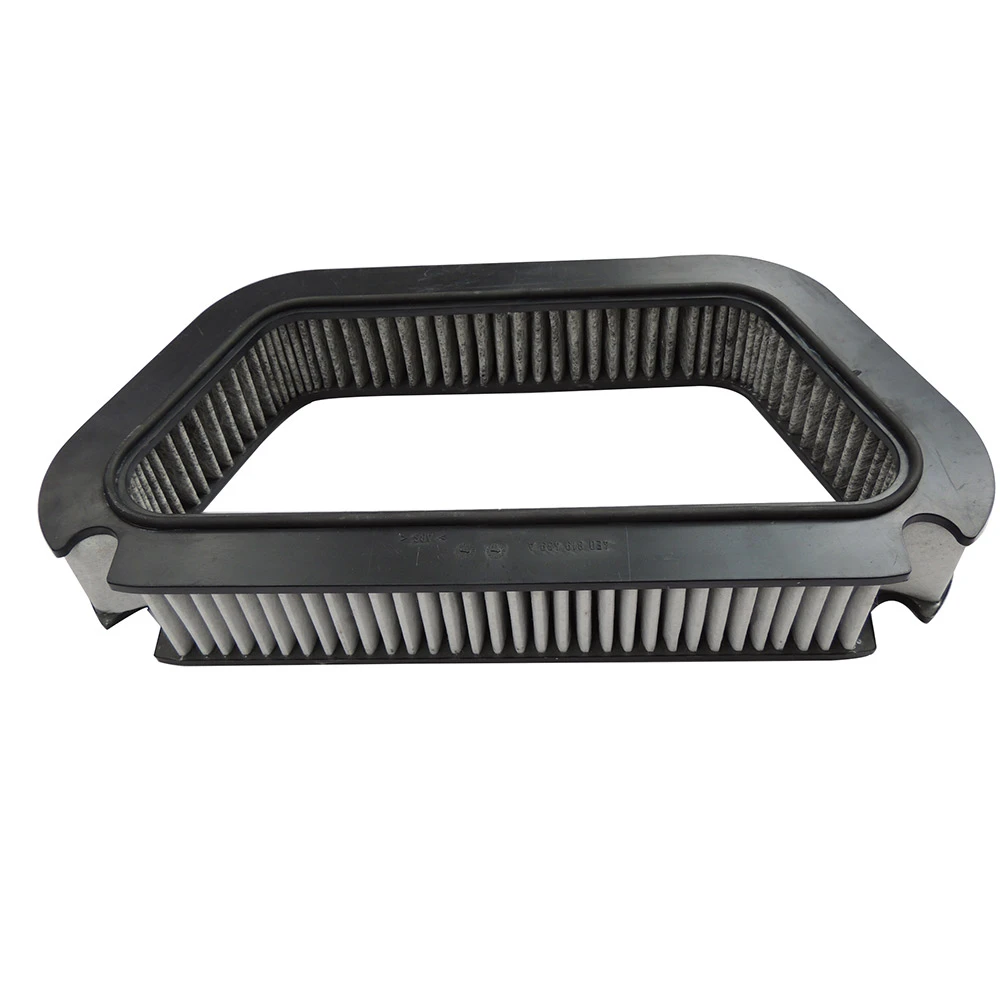
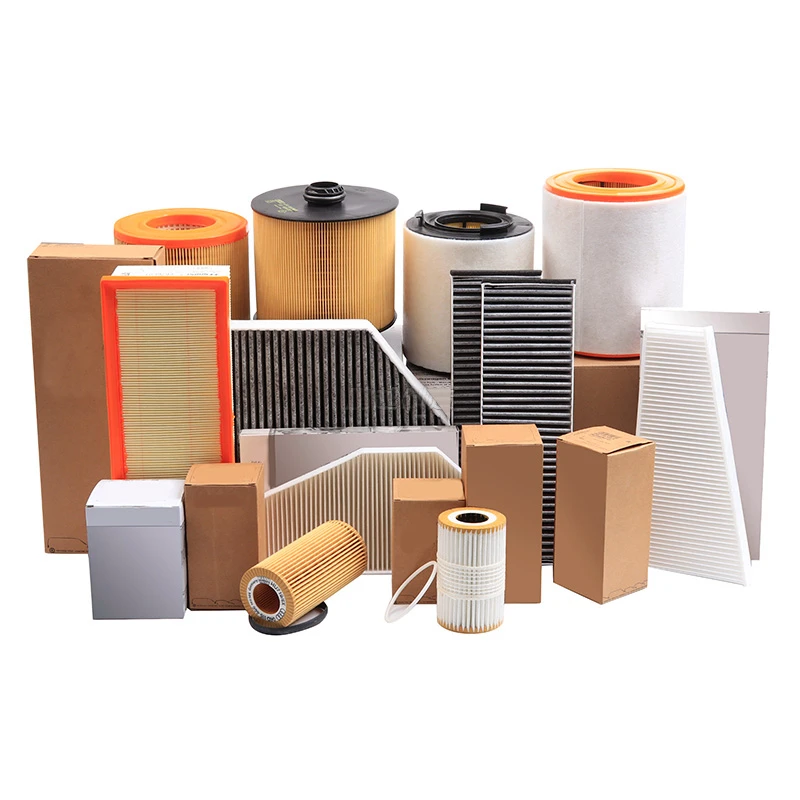
If there’s one small part that quietly decides how your engine breathes, it’s the car air filter. I’ve cut open more filters than I care to admit, and—honestly—the differences aren’t just marketing. Media chemistry, pleat geometry, and how the seal is molded can change pressure drop and dust-holding in ways you actually feel at the throttle.
Quick context: why it matters now
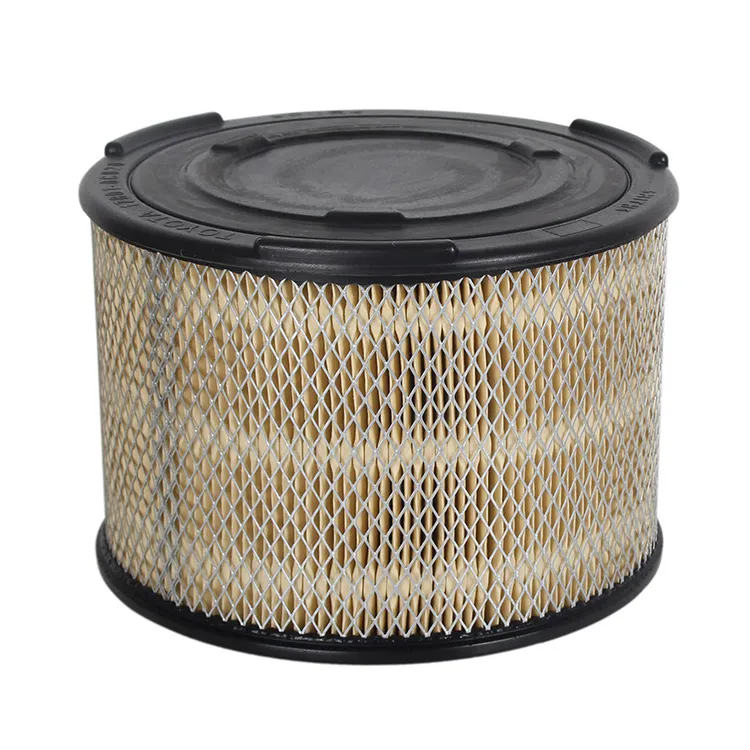
Two converging trends: tighter emissions and smaller turbocharged engines that hate intake restriction. The right car air filter keeps particulate out while keeping pressure drop low. Shops tell me they’re seeing longer service intervals, but with more urban dust and pollen spikes, real-world change-outs still land earlier than the handbook—no shock there.
Specs that actually move the needle
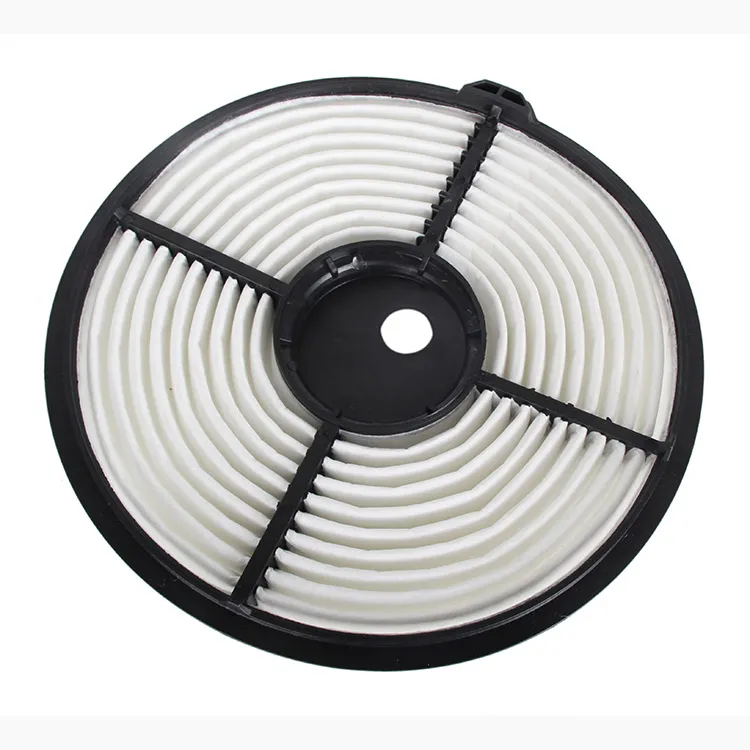
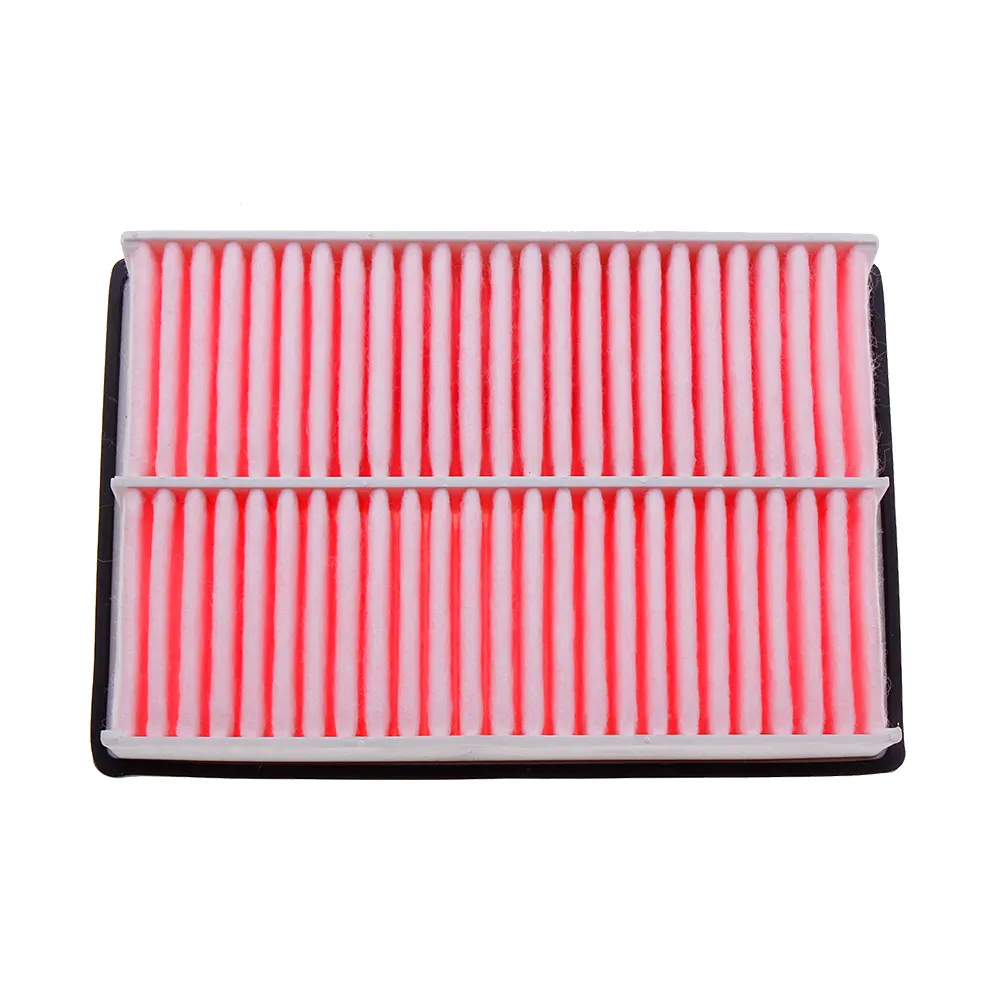
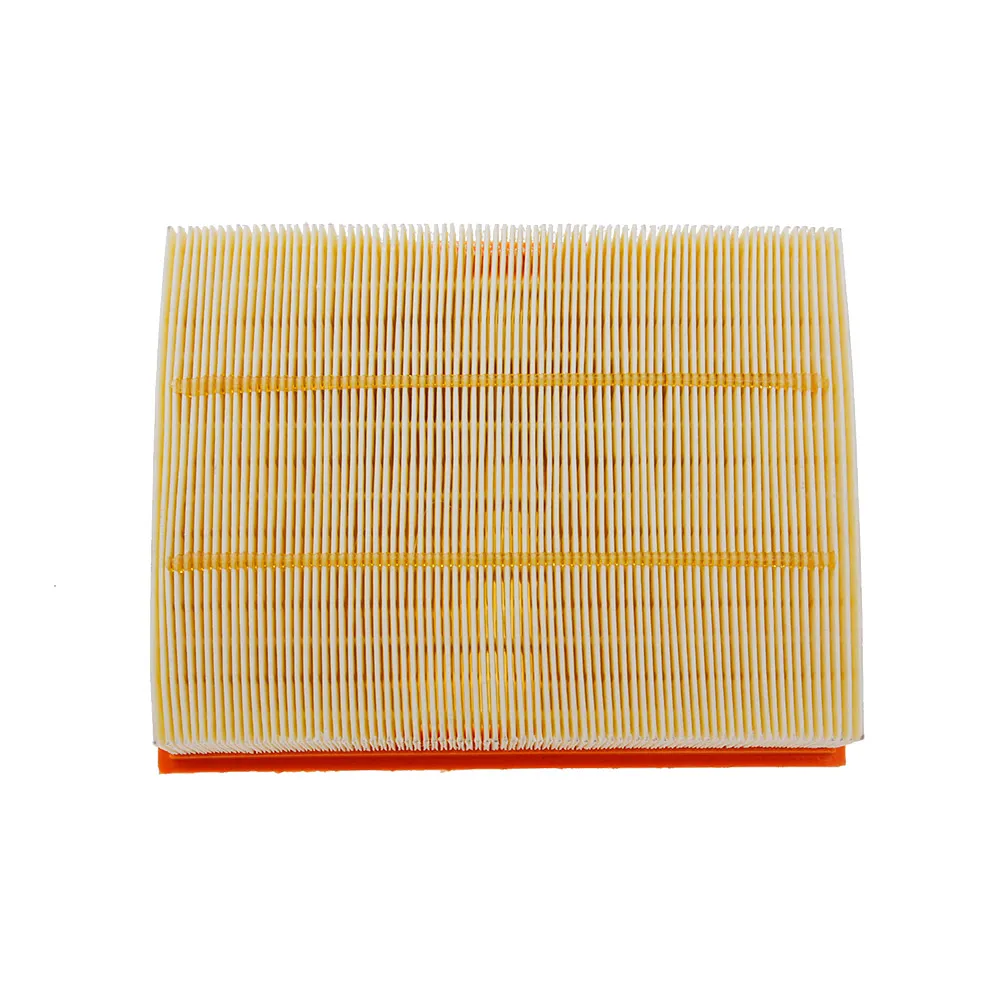
This model from Qinghe County, Hebei—yes, the well-known filtration hub—uses premium cellulose/synthetic blend media, a rigid frame, and a clean-molded seal. Below is a condensed spec snapshot from recent lots I reviewed.
| Parameter | Typical spec (≈) | Notes |
|---|---|---|
| Filtration efficiency (ISO 5011) | 99.5–99.7% @ 5–200 µm | Gravimetric; lab data, real-world may vary |
| Initial pressure drop | ≈0.9–1.1 kPa @ 240 m³/h | Low restriction target for turbo engines |
| Dust holding capacity | ≈160–200 g | ISO fine dust loading |
| Media | Cellulose + melt-blown synthetic | Optional nanofiber upgrade |
| Gasket/frame | PU or EPDM, injection-molded | Fuel/oil mist resistant |
| Service life | 12,000–20,000 km | Dusty routes shorten interval |
How it’s made (and tested)
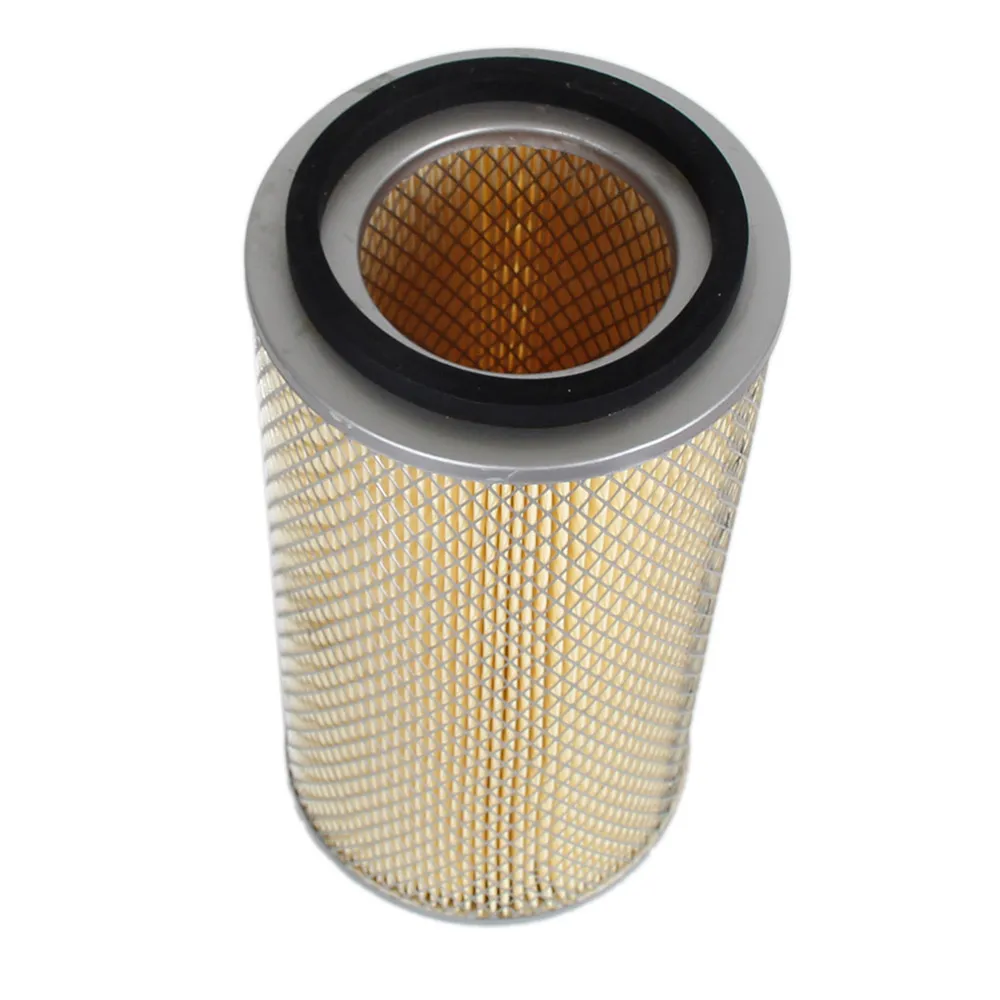
Materials arrive in Niujiatun Village, Gexianzhuang Town—an ecosystem of pleating machines and adhesive lines. Process flow: media unwinding → rotary pleating → hot-melt bead setting → frame molding → cure → edge trimming → 100% visual/fit check. Testing includes ISO 5011 efficiency/holding, burst strength, seal compression set, and flow bench pressure drop. Certifications: ISO 9001; many batches built under IATF 16949 guidelines for automotive programs. RoHS/REACH-friendly inks and adhesives, which is nice to see.
Where it fits and why drivers care
- Daily commuters: better throttle feel as the element loads slower.
- Light commercial fleets: stable MAF readings, fewer CEL headaches.
- Dusty regions or gravel roads: higher dust-holding pays for itself.
- Tuned/turbo builds: low restriction at higher flow is the quiet hero.
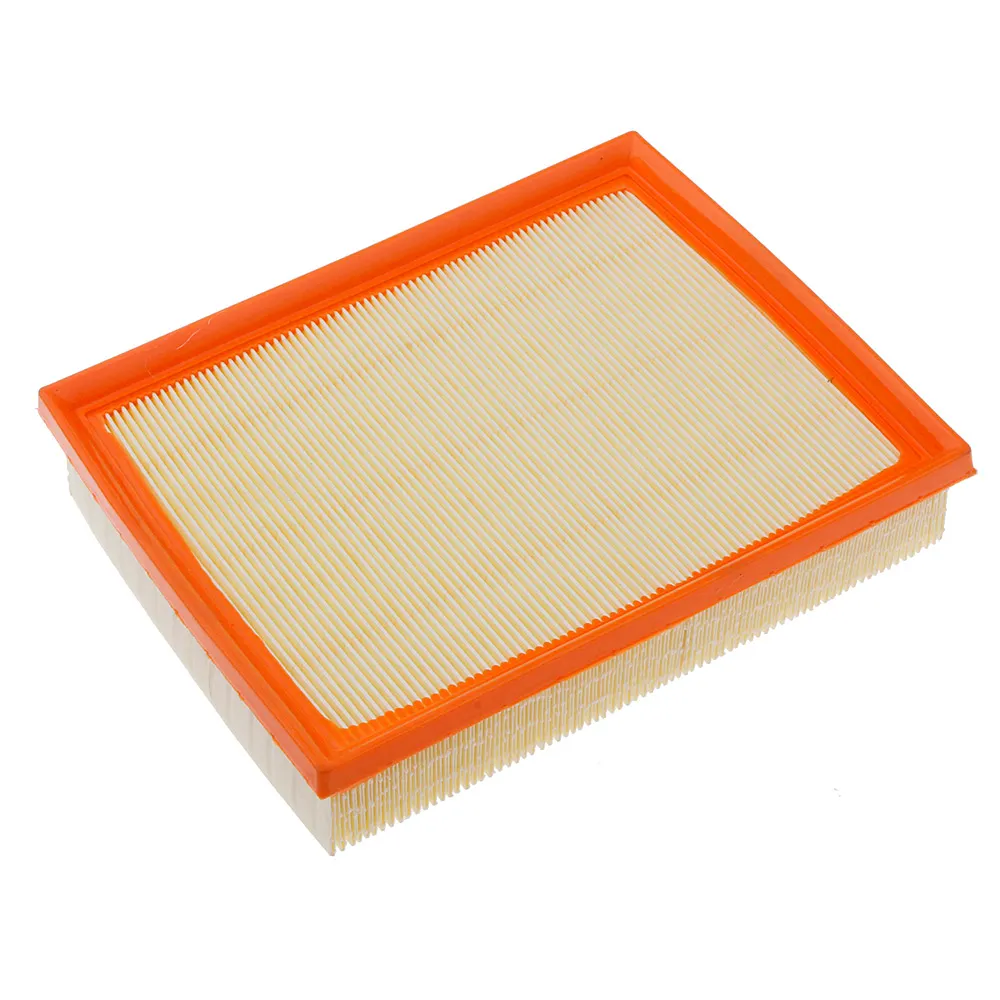
Many customers say intake noise even softens a touch post-refresh—subjective, sure, but I’ve heard it too. A clean car air filter won’t turn a 1.5T into a race car, yet it can keep trims and spool behavior consistent.
Vendor comparison (what you actually get)
| Vendor | Media options | Lead time | Certs | Customization |
|---|---|---|---|---|
| JY (Qinghe) | Cellulose, blend, nanofiber | 10–20 days | ISO 9001; IATF-ready | Tooling, gasket durometer, private label |
| Aftermarket A | Cellulose only | 20–30 days | ISO 9001 | Limited sizes |
| Premium B | Blend + oiled options | 14–28 days | IATF 16949 | Broad, higher cost |
Customization highlights
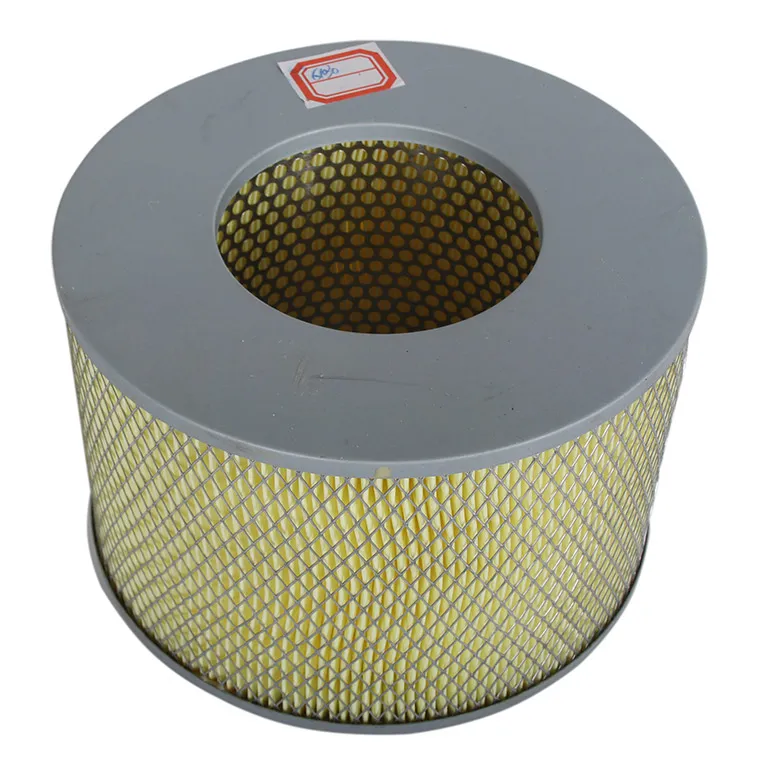
Custom dims (±0.5 mm), pleat pitch, media weight (g/m²), hydrophobic coatings, and color-coded frames. Private labeling is straightforward, and—surprisingly—MOQ is friendly for niche SKUs. If you need a racing-leaning car air filter with tighter seals, ask for higher shore-A gasket.
Case study: fleet reality
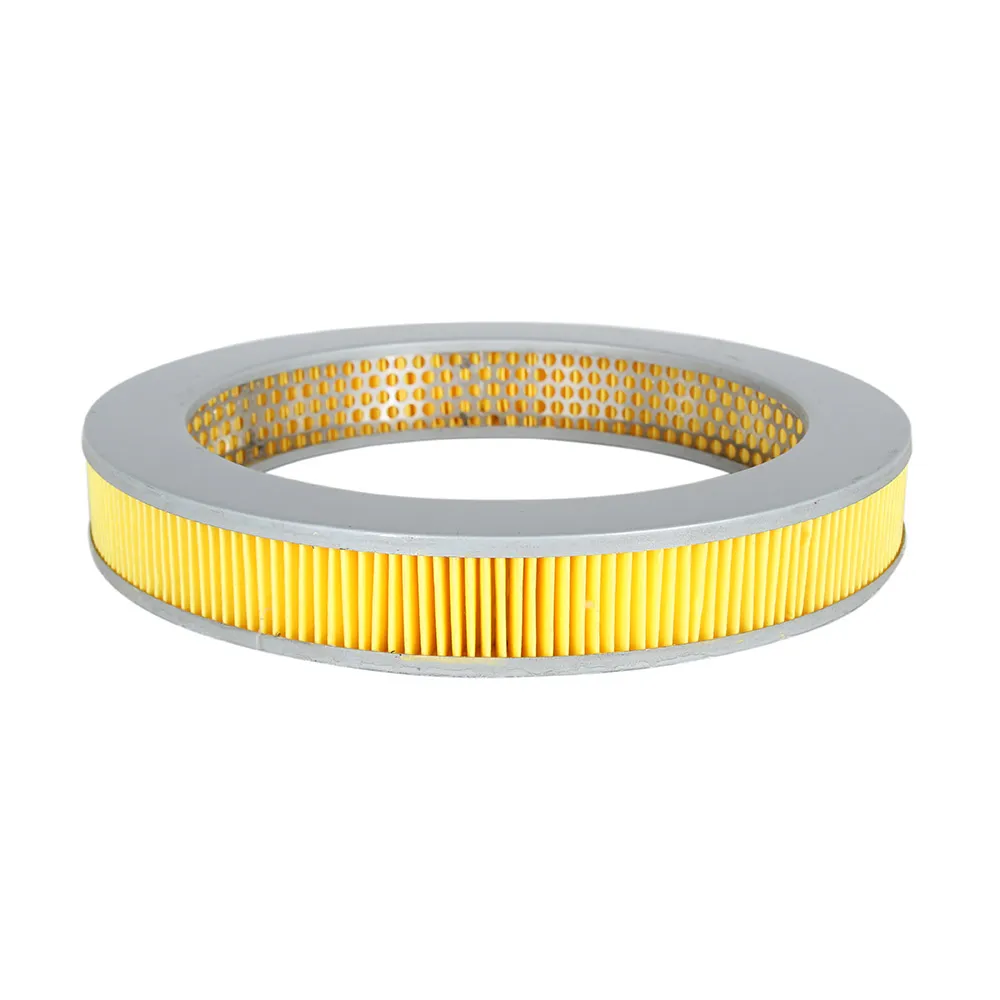
A 42-van delivery fleet swapped to this element on a 15,000 km cycle. Results across 6 months: gravimetric efficiency 99.6% (lab), average Δp at service 2.1 kPa, MAF fault codes down 38%, and a modest 1.2% fuel improvement—small but real once you scale. Drivers mostly noticed steadier idle. I guess that’s the point.
Compliance and documentation
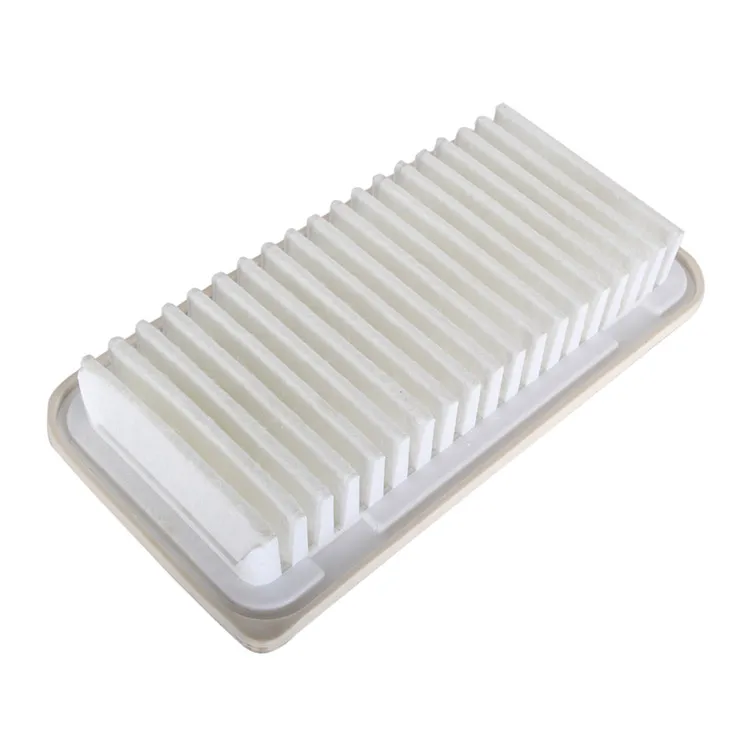
Built under ISO 9001 with ISO 5011 test reports on request; REACH/RoHS material declarations available. Batch traceability via date/lot code. For OE-adjacent programs, IATF 16949 process controls can be mirrored. A properly sealed car air filter also protects turbo compressor wheels from erosive dust—cheap insurance.
Installation notes
- Vacuum airbox before install; don’t blow dust downstream.
- Check lid clips torque and gasket seating—air leaks defeat any car air filter.
- Reset maintenance counters if your ECU tracks them.
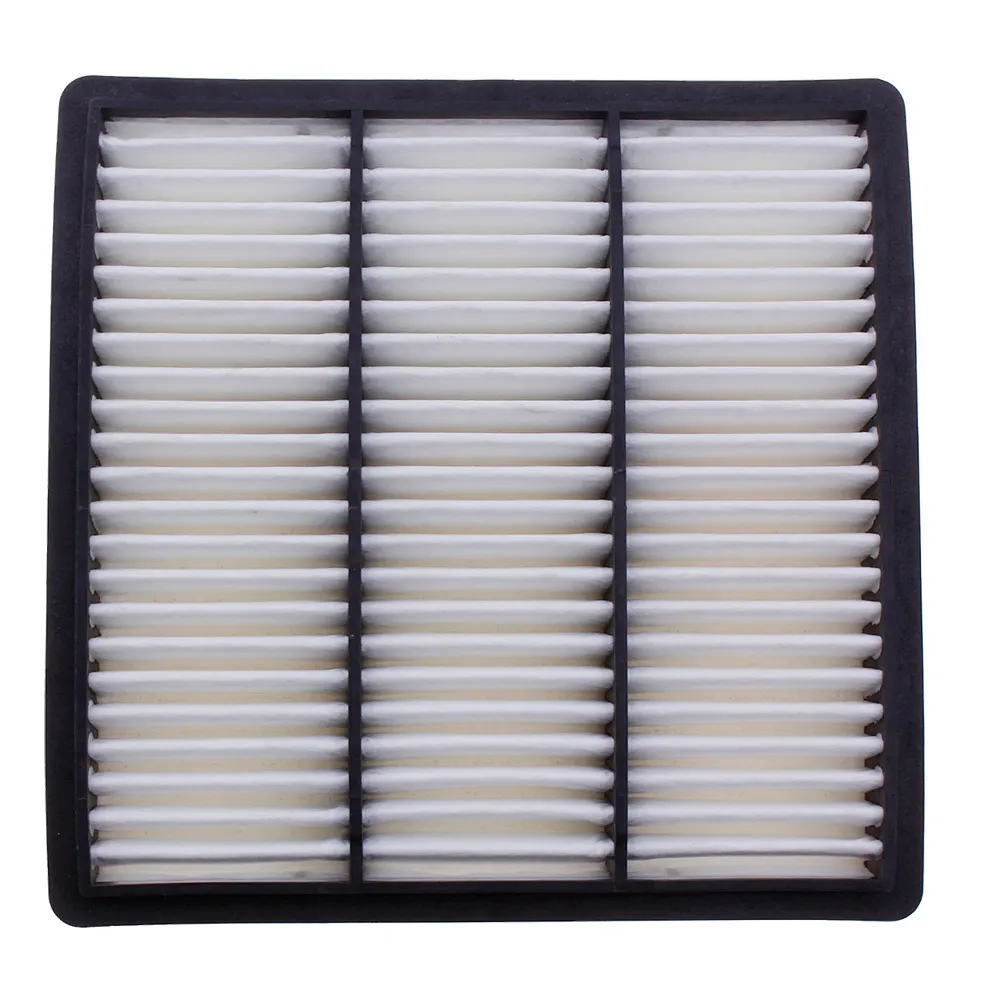
Bottom line: a well-built car air filter isn’t glamorous, but it’s measurable. Lower restriction when clean, predictable loading curve, and seals that don’t deform in summer heat—that’s what keeps engines happy.
Authoritative sources
- ISO 5011: Inlet air cleaning equipment for internal combustion engines and compressors.
- SAE J726 (historical): Air cleaner test code.
- U.S. EPA: Proper maintenance practices for fuel economy and emissions (technical guidance).
-
Guide on how often do you need to replace engine air filterNewsApr.16,2026
-
Learn how often do you replace air filter in car for engine healthNewsApr.09,2026
-
How Often Do You Replace Car Air Filter For Optimal Engine PerformanceNewsApr.07,2026
-
How Often Do You Replace Engine Air Filter For Optimal Vehicle PerformanceNewsApr.04,2026
-
Understanding How Often Does Engine Air Filter Need to Be Replaced for Optimal PerformanceNewsMar.31,2026
-
How Often Engine Air Filter Change Impacts Performance and LongevityNewsMar.28,2026
-
Understanding How Often to Replace Your Car Air Filter for Optimal PerformanceNewsMar.26,2026
Related Products