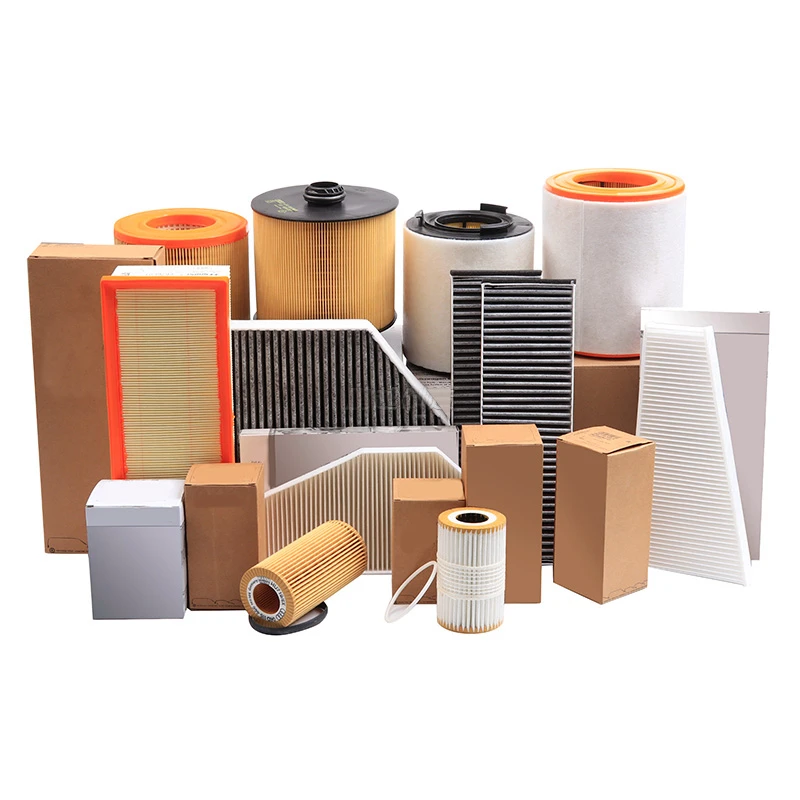
What Buyers Should Know About automotive filters in 2025
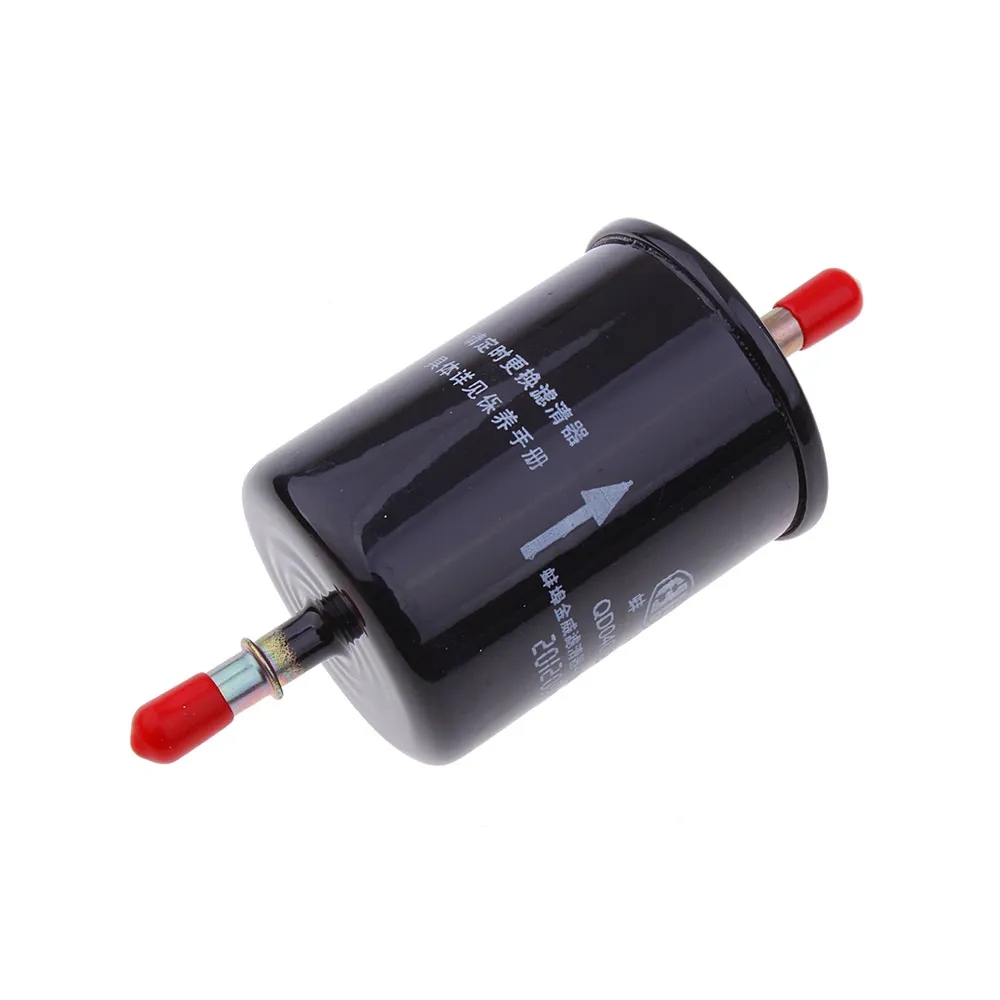
The fuel side of the filtration world isn’t flashy, but it’s where engines live or die. As someone who has spent too many hours in dyno rooms and dusty warehouses, I can tell you this: the humble car fuel filter does more heavy lifting than it gets credit for. With tighter tolerances in GDI systems and more ethanol-blended fuel in the mix, filters are trending finer, stronger, and smarter—quietly preventing expensive headaches. Honestly, they’re the bouncers at the door.
Industry pulse and why it matters
Three shifts are driving specs right now: gasoline direct injection (smaller injector orifices), higher rail pressures, and varied fuel quality globally. The net result? Finer media (≈5–10 µm), better water management, and stricter durability testing. Many customers say they notice smoother idle right after a filter change—no magic, just consistent fuel delivery.
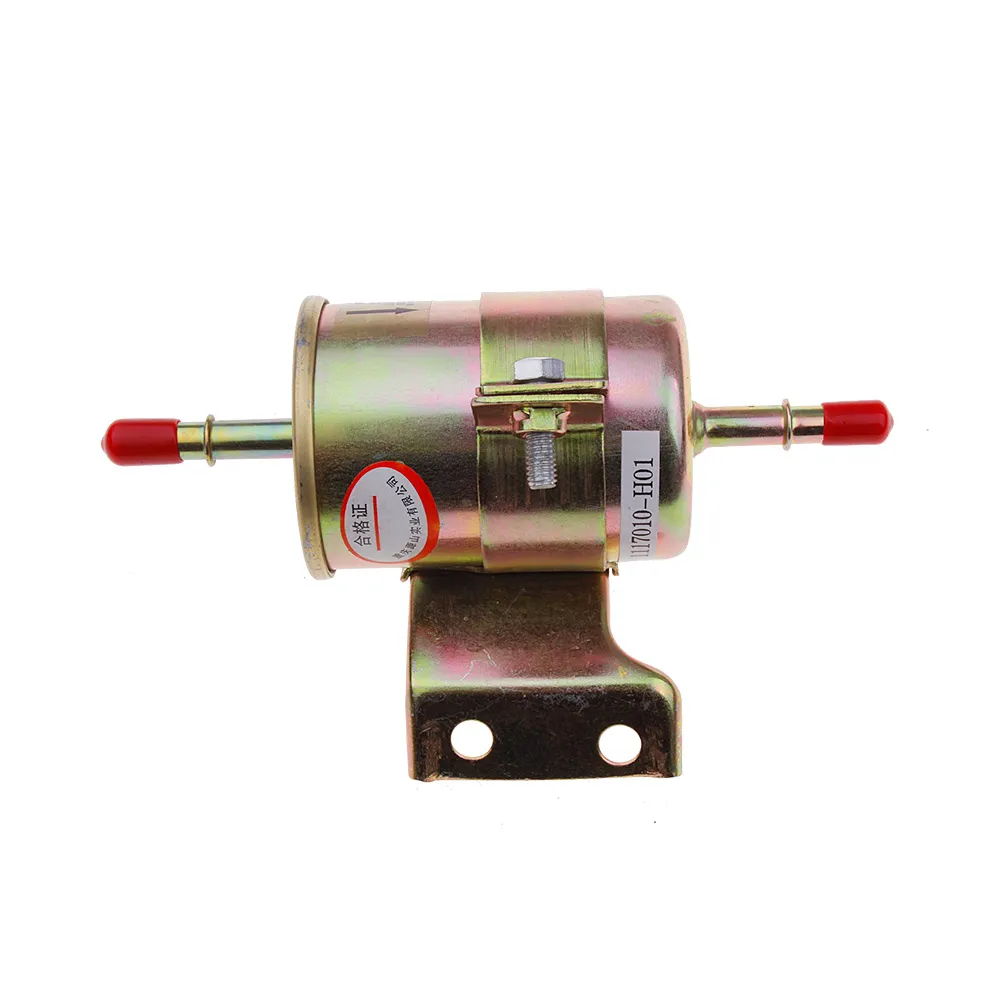
Featured product: Car fuel filter (Hebei, China)
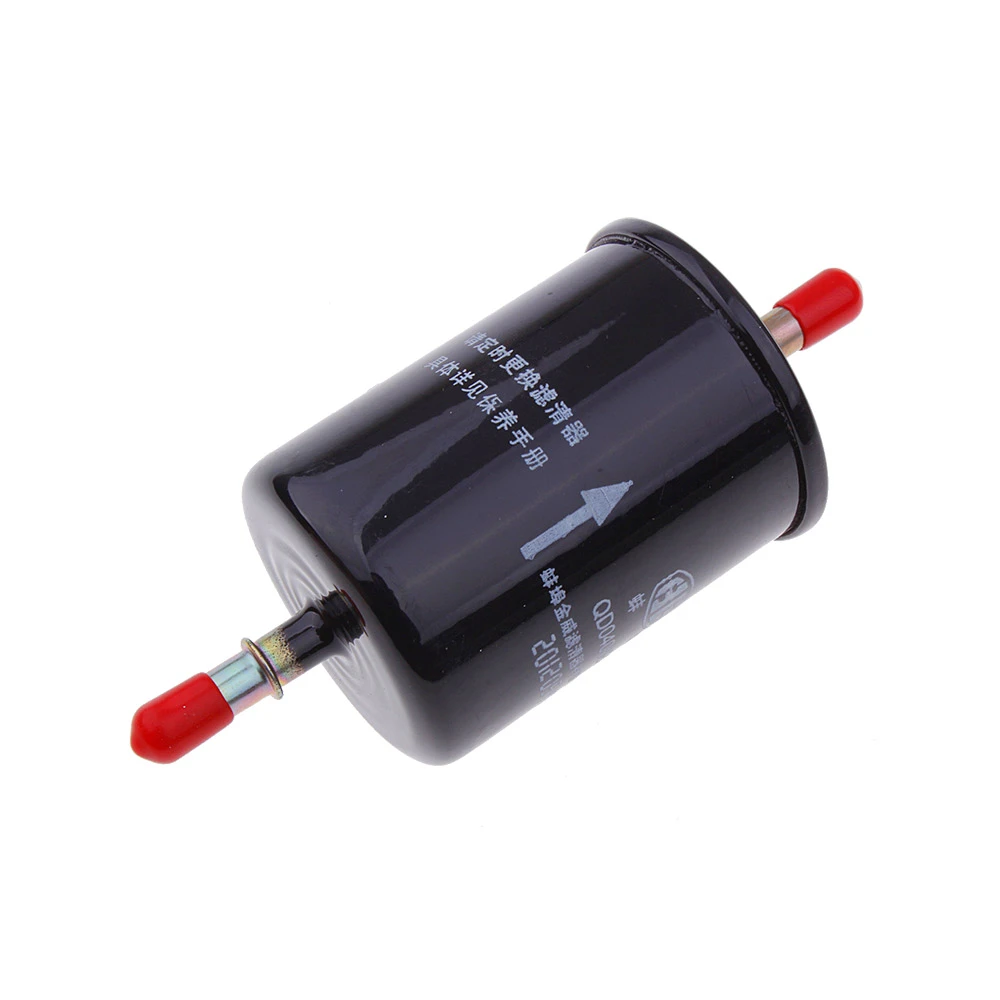
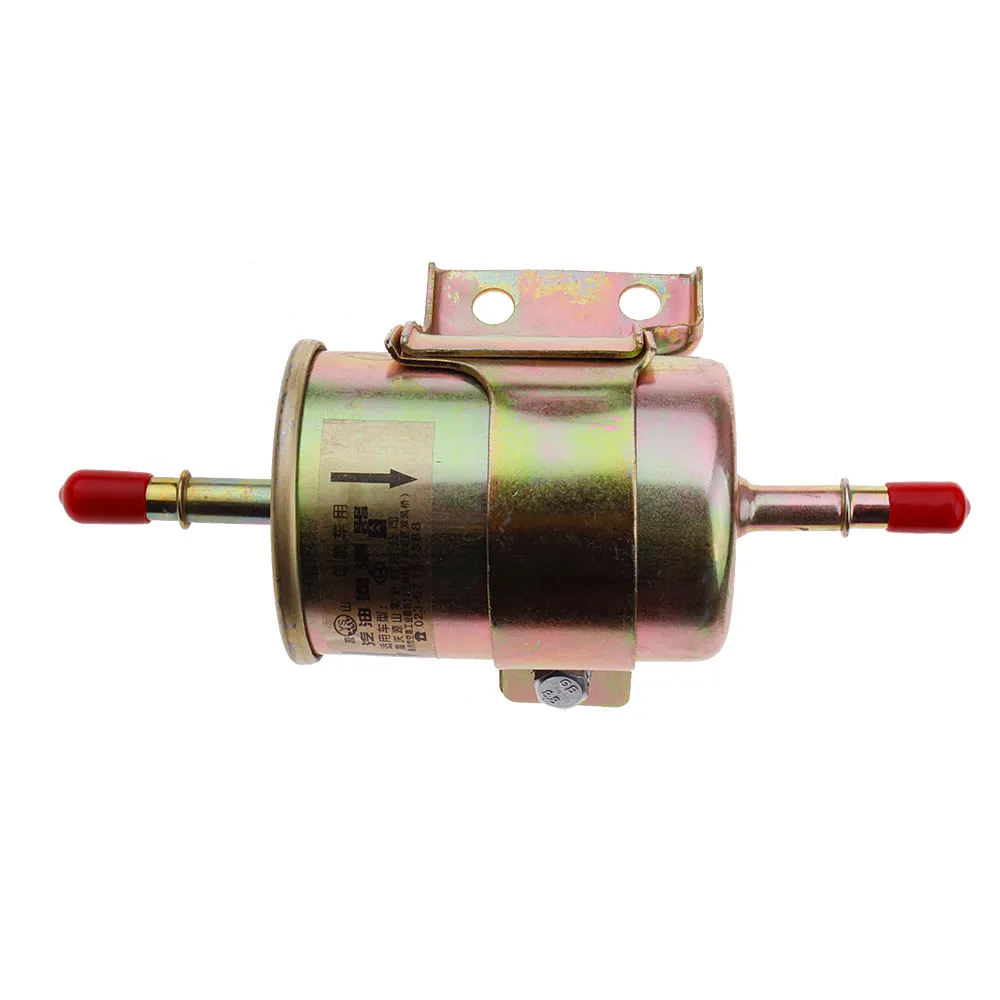
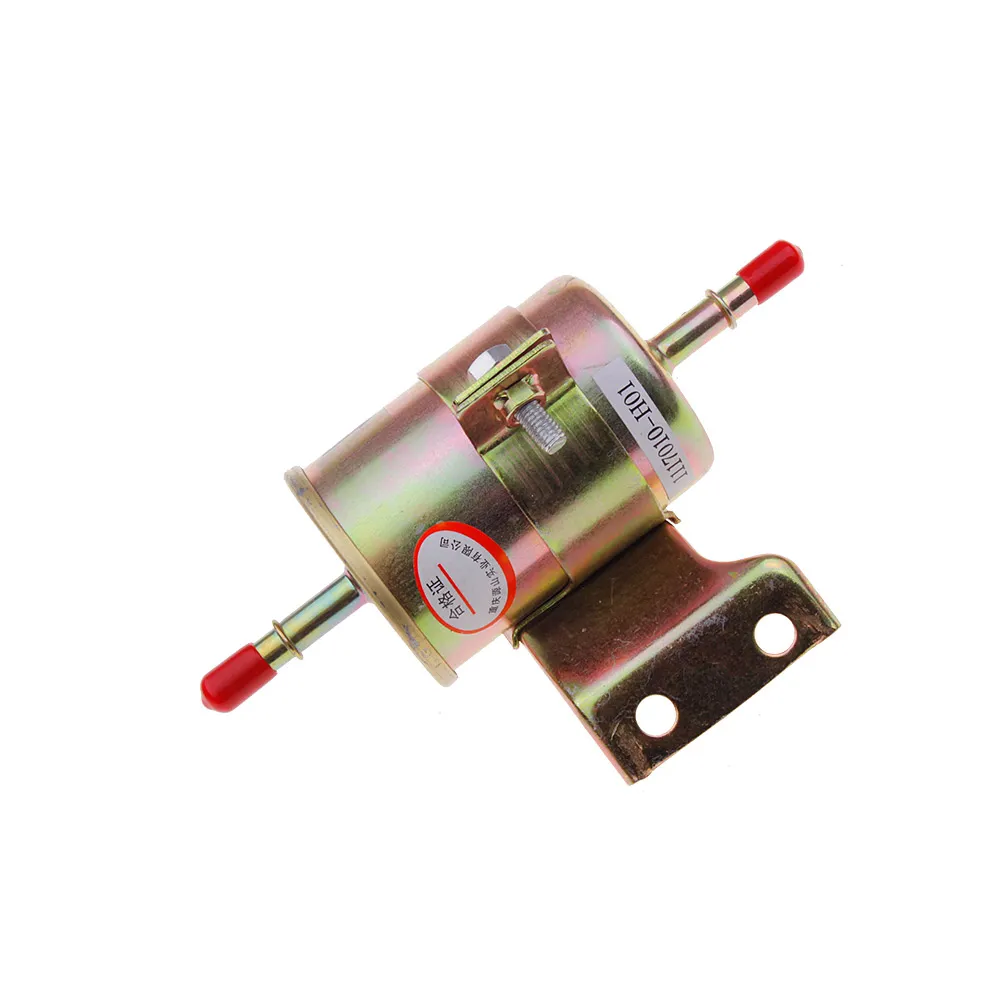
Made in Niujiatun Village, Gexianzhuang Town, Qinghe County, Xingtai, Hebei Province, the car fuel filter removes grit, rust, varnish flakes, and fine sediments before they reach the injectors. In practice, that means protection for pumps, better atomization, and, yes, improved fuel economy. Regular replacement is still the simplest tune-up you can do.
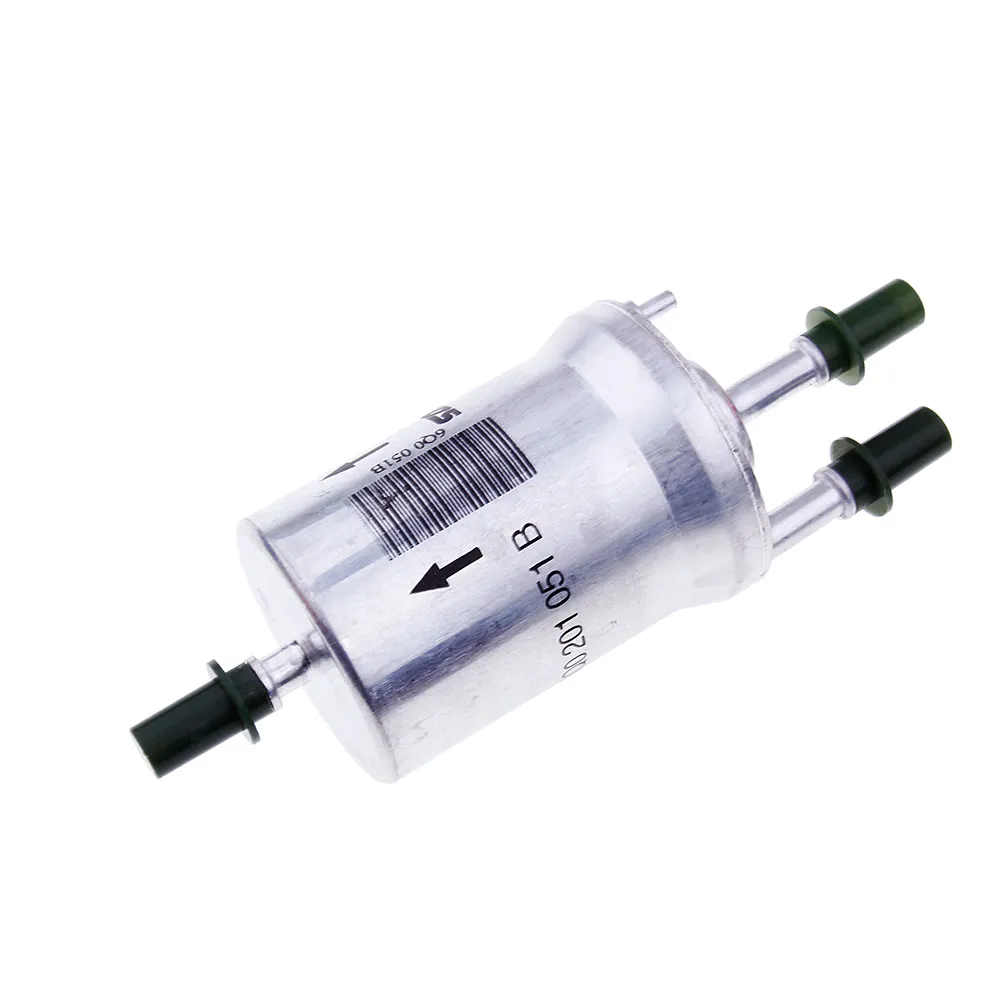
Typical specifications (real-world may vary)
| Parameter | Car Fuel Filter (typical) |
|---|---|
| Micron rating | ≈ 5–10 µm |
| Efficiency | ≥ 99% @ 10 µm (ISO 19438-style multipass) |
| Media | Pleated cellulose/synthetic blend; optional melt-blown layer |
| Housing | Aluminum or fuel-resistant nylon |
| Working pressure | 0.3–0.6 MPa; burst ≥ 1.5× WP |
| Fuel compatibility | Gasoline, E10–E20; consult for E85 |
| Flow rate | ≈ 60–120 L/h depending on engine |
| Service life | 20,000–40,000 km, fuel quality dependent |
| Certifications | IATF 16949, ISO 9001 (vendor level) |
How it’s made (short version)
Materials are incoming-inspected (basis weight, porosity). Media is pleated, cured, and trimmed; endcaps are bonded (epoxy) or ultrasonically welded for polymer designs. Elements are potted, then housings are crimped or laser-welded. Every unit gets leak/pressure testing; sample lots run through multipass efficiency (ISO 19438), hydrostatic burst, vibration (ISO 16750), and salt spray for coated metal parts (ASTM B117). Service life is validated on rig and vehicle—honestly, the on-car abuse tests are where weak designs reveal themselves.
Where they’re used
Passenger cars, crossovers, light trucks—especially GDI engines sensitive to particulates. Also popular with fleet operators who run mixed urban cycles and can’t afford injector downtime. A quick aside: many garages now bundle filter swaps with pump replacements; smart move, as it protects the new pump warranty.
Vendor snapshot (what buyers compare)
| Vendor | Micron/Efficiency | Certs | Customization | Lead time | Notes |
|---|---|---|---|---|---|
| JY Filter (Hebei) | ≈5–10 µm, ≥99% @10 µm | IATF 16949, ISO 9001 | Ports, media, branding, packaging | 15–25 days (typical) | Balanced price-to-performance |
| OEM Tier-1 | 5 µm, validated to OE cycles | IATF 16949 | Strict OE specs only | 30–60 days | Premium price |
| Budget Import | 10–20 µm (varies) | ISO 9001 (some) | Limited | 7–20 days | Check test data carefully |
Customization tips
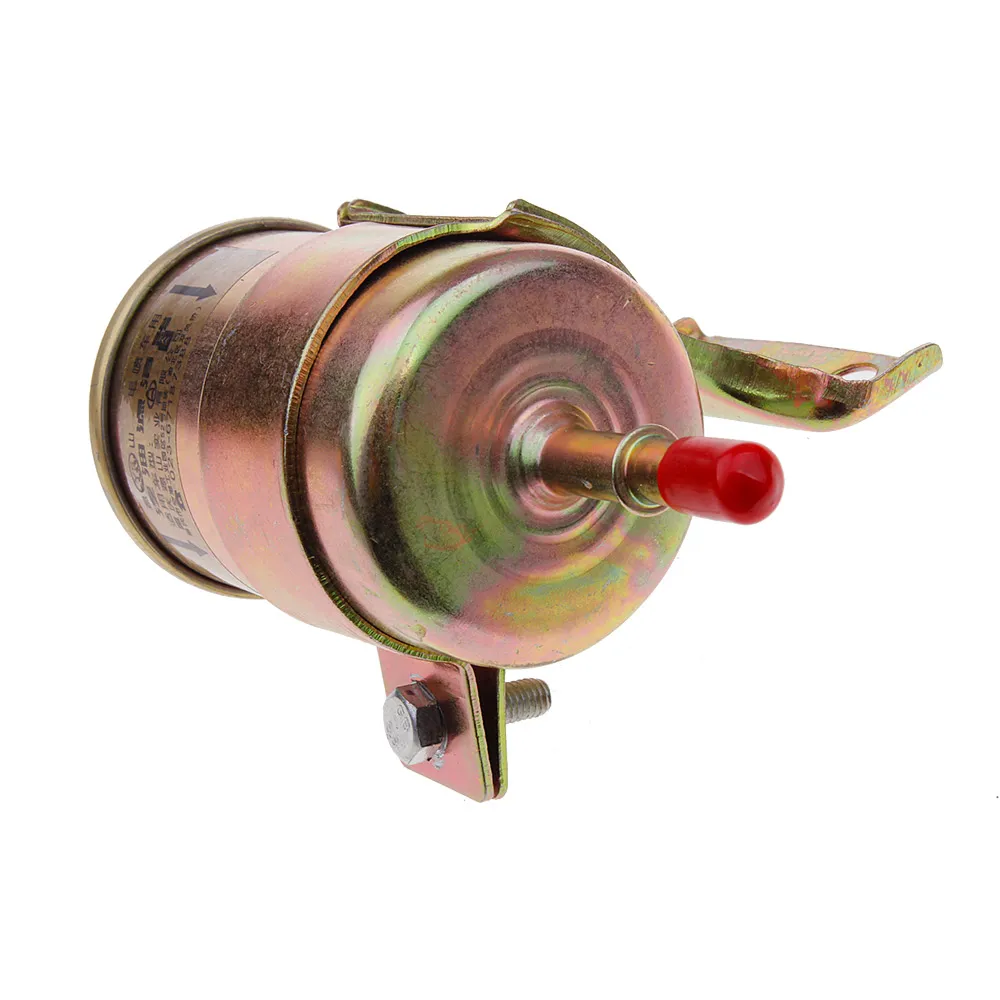
- Match micron rating to injector spec; finer isn’t always better if fuel quality is poor.
- For E85 markets, request FKM seals and verified elastomer compatibility.
- Ask for multipass curves, not just a single efficiency number—surprisingly revealing.
- Private label? Get barcode-ready packaging and batch traceability.
Quick case notes
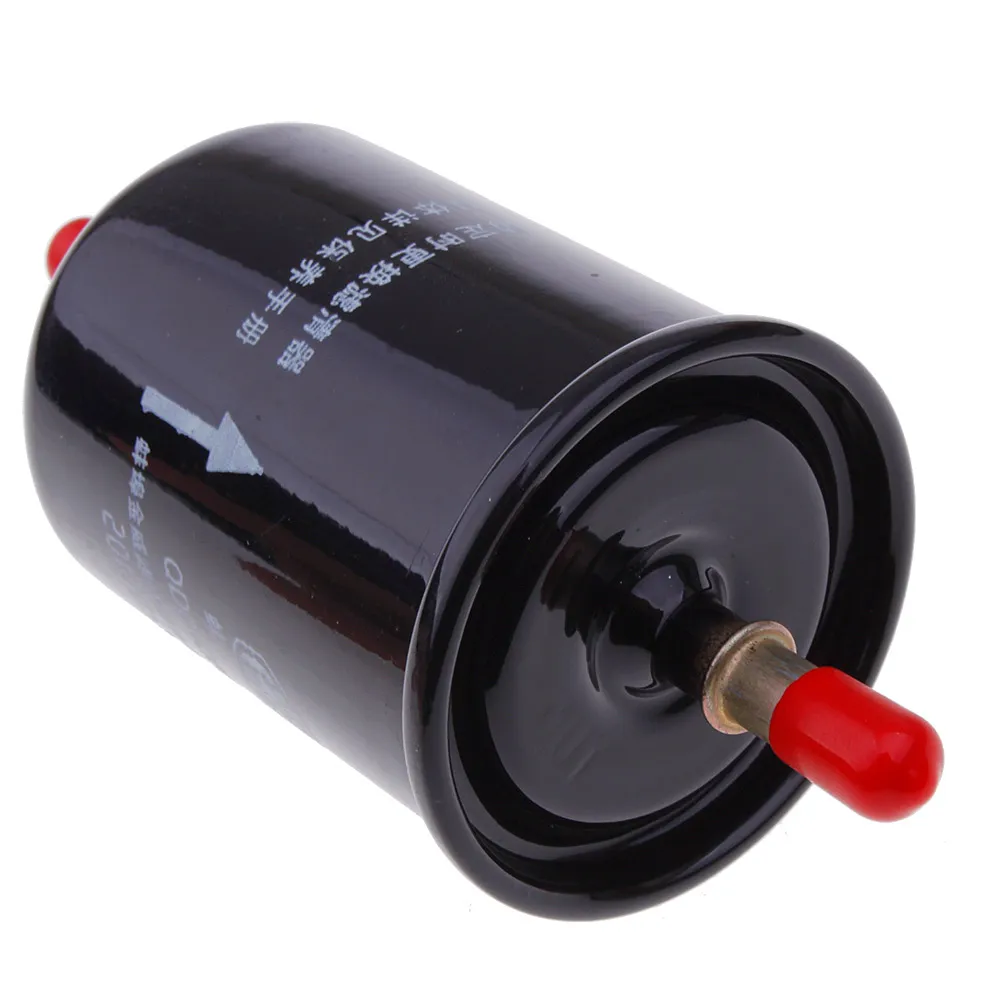
Retail chain switched to these automotive filters, reported 18% drop in injector returns over six months. Another fleet running E15 saw longer pump life after moving to a 5 µm spec; to be honest, driver refueling habits helped too.
Testing and documentation to request
Efficiency curves (ISO 19438-style), burst and leak results, vibration (ISO 16750), salt spray (ASTM B117), material declarations, and quality certificates (IATF 16949). If you’re sourcing at volume, ask for PPAP.
Citations:
- ISO 19438: Diesel fuel filters — Multi-pass method for evaluating filtration performance. https://www.iso.org/standard/33616.html
- SAE J905: Fuel Filter Test Methods (gasoline/diesel contexts). https://www.sae.org/
- IATF 16949: Automotive Quality Management System. https://www.iatfglobaloversight.org/
- ISO 16750: Road vehicles — Environmental conditions and testing. https://www.iso.org/standard/46119.html
- ASTM B117: Standard Practice for Operating Salt Spray (Fog) Apparatus. https://www.astm.org/b0117-19.html
-
Guide on how often do you need to replace engine air filterNewsApr.16,2026
-
Learn how often do you replace air filter in car for engine healthNewsApr.09,2026
-
How Often Do You Replace Car Air Filter For Optimal Engine PerformanceNewsApr.07,2026
-
How Often Do You Replace Engine Air Filter For Optimal Vehicle PerformanceNewsApr.04,2026
-
Understanding How Often Does Engine Air Filter Need to Be Replaced for Optimal PerformanceNewsMar.31,2026
-
How Often Engine Air Filter Change Impacts Performance and LongevityNewsMar.28,2026
-
Understanding How Often to Replace Your Car Air Filter for Optimal PerformanceNewsMar.26,2026
Related Products