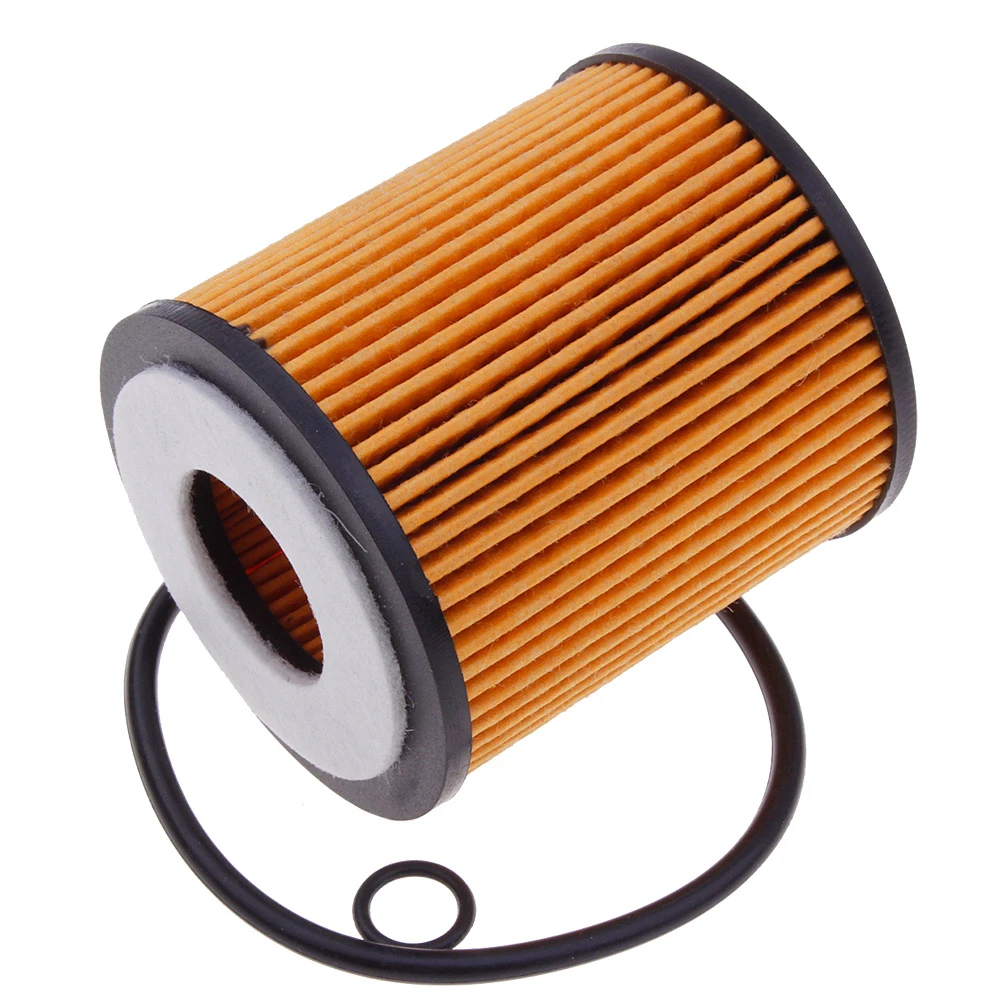
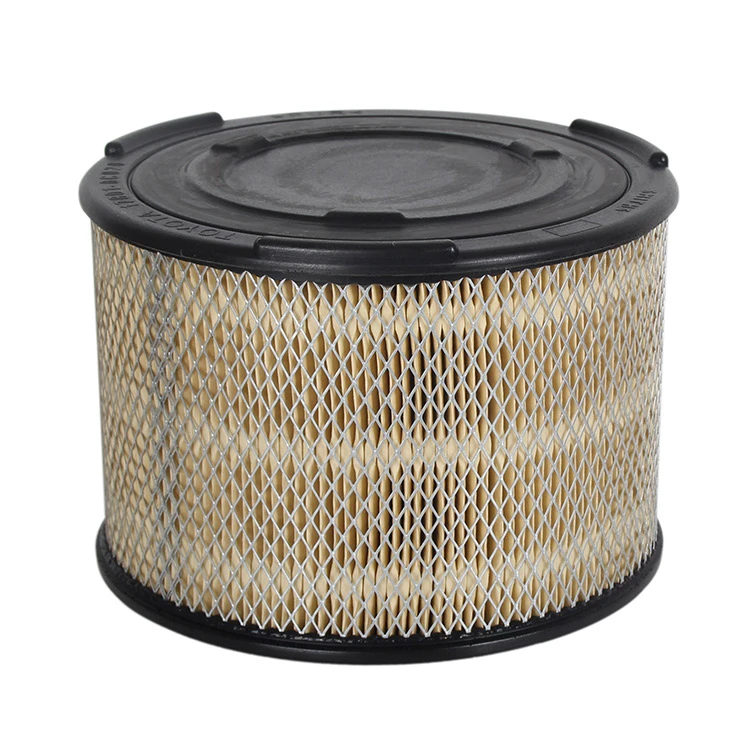
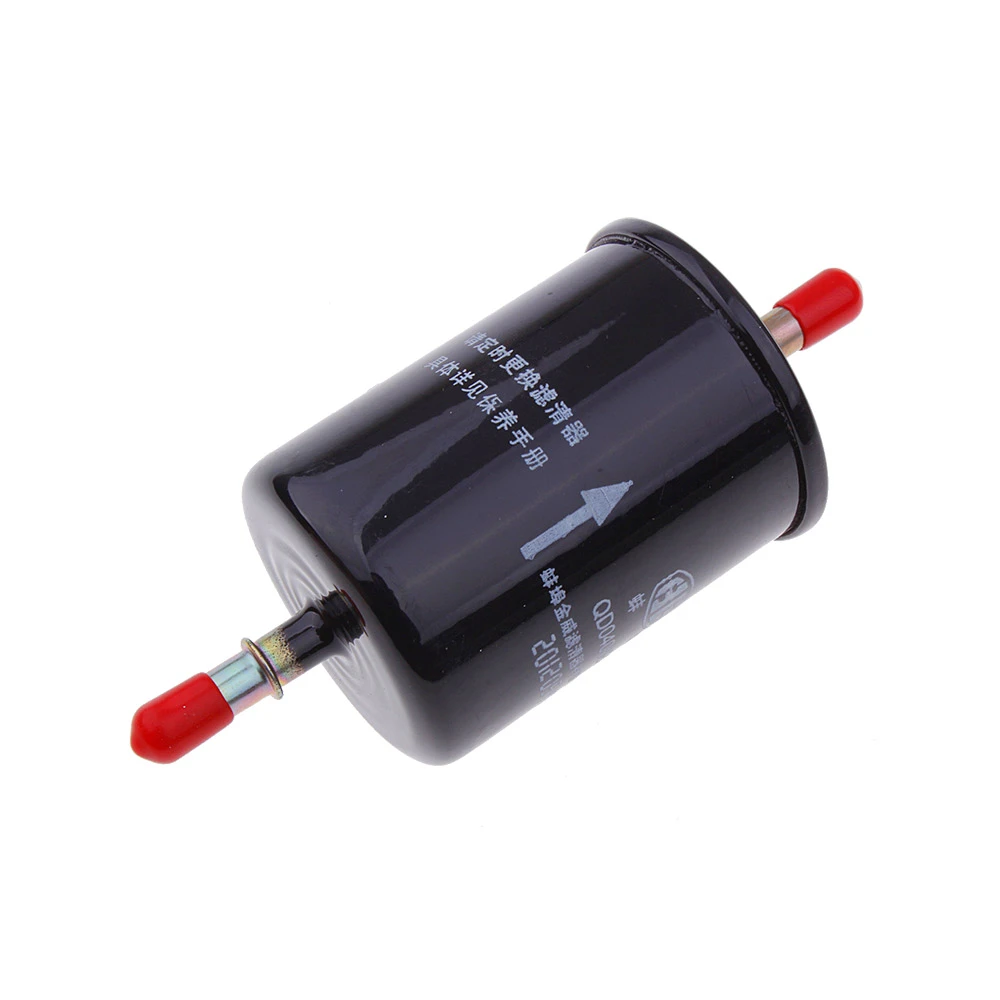
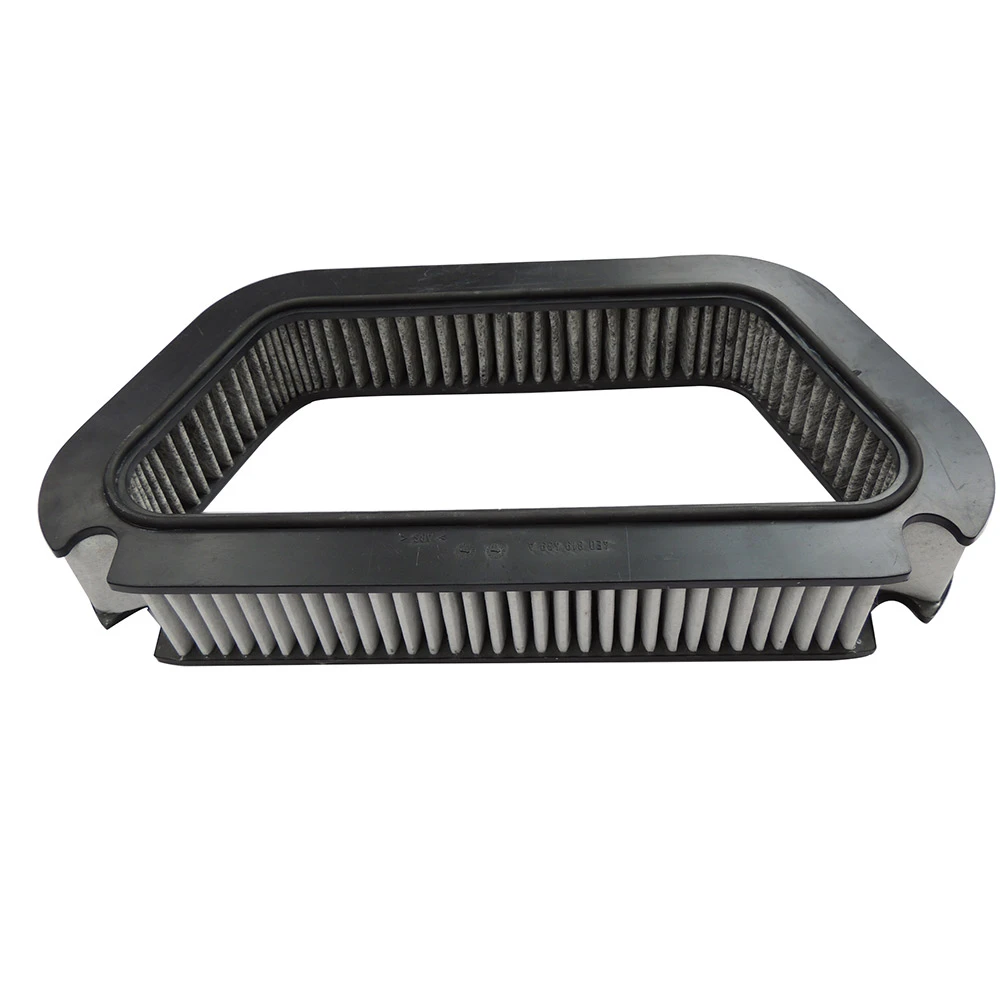
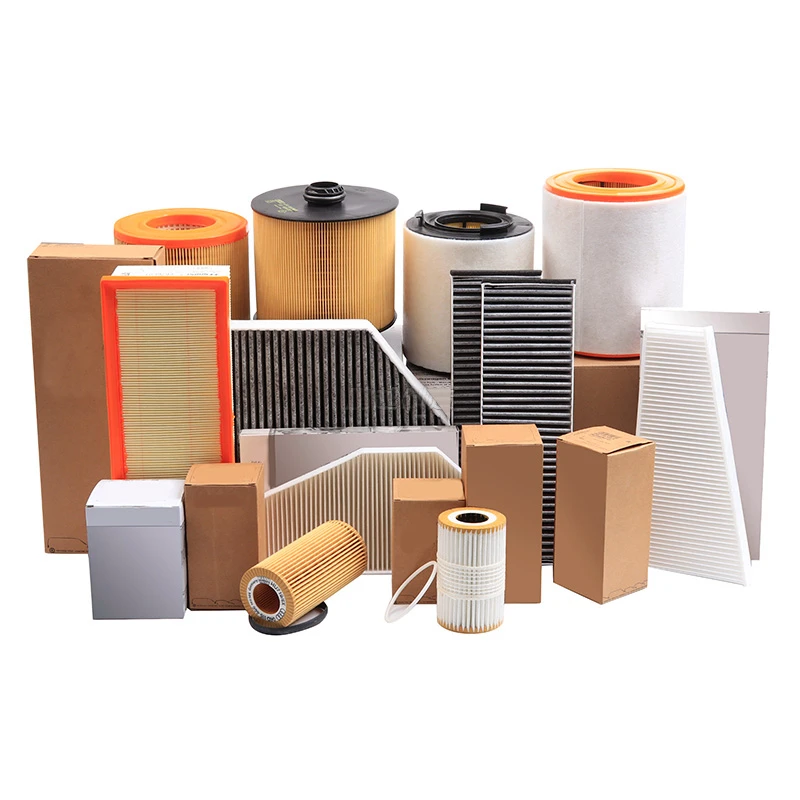
If you work around fuel systems, automotive filters are the quiet heroes. The humble Car fuel filter is one of those components you forget about—until an injector sticks or an engine stumbles under load. I’ve seen it too many times on test benches and, to be honest, in my own driveway.
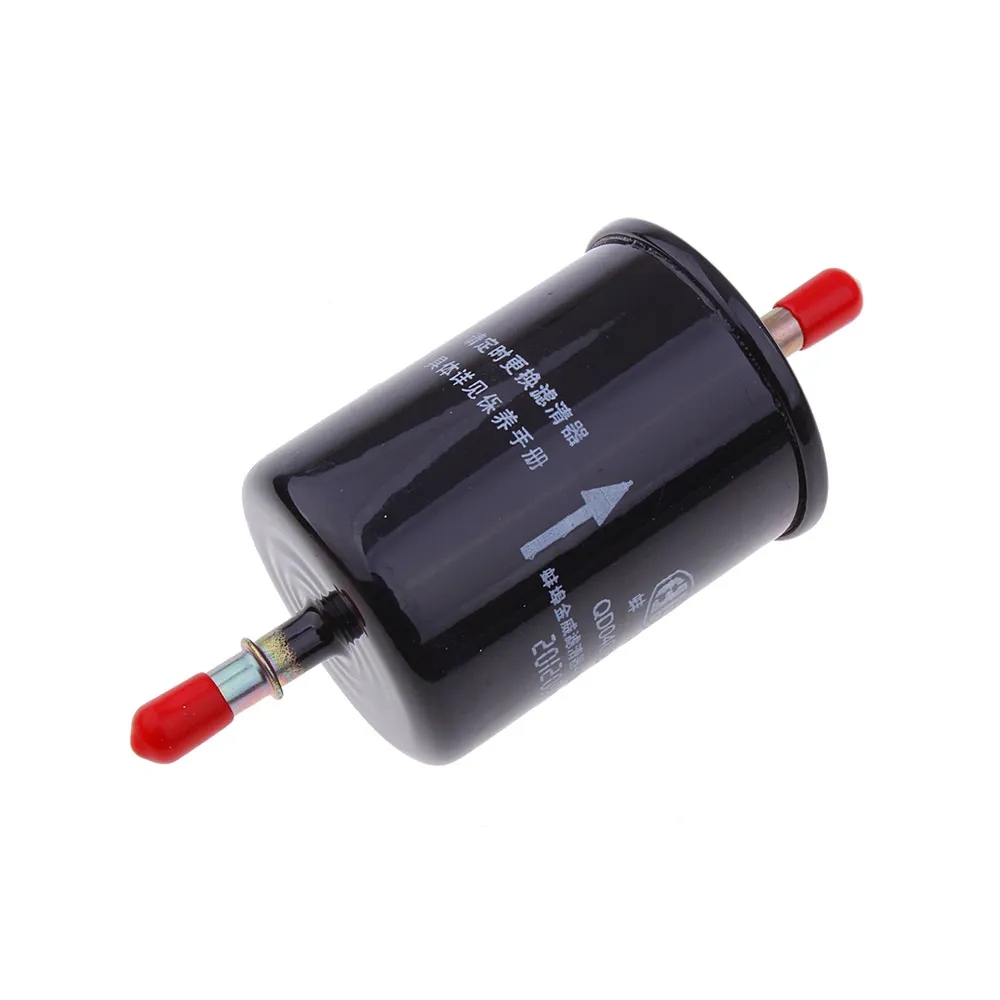
Trend-wise, we’re asking more from filtration than ever: high-pressure GDI, downsized turbos, ethanol blends, and ultra-low sulfur diesel. That cocktail pushes media to capture finer particulates (5–10 μm) without choking flow. Surprisingly, water management (especially with biodiesel and humid coastal regions) is back in focus. In fact, many customers say consistent cold-starts improved after upgrading media and seals.
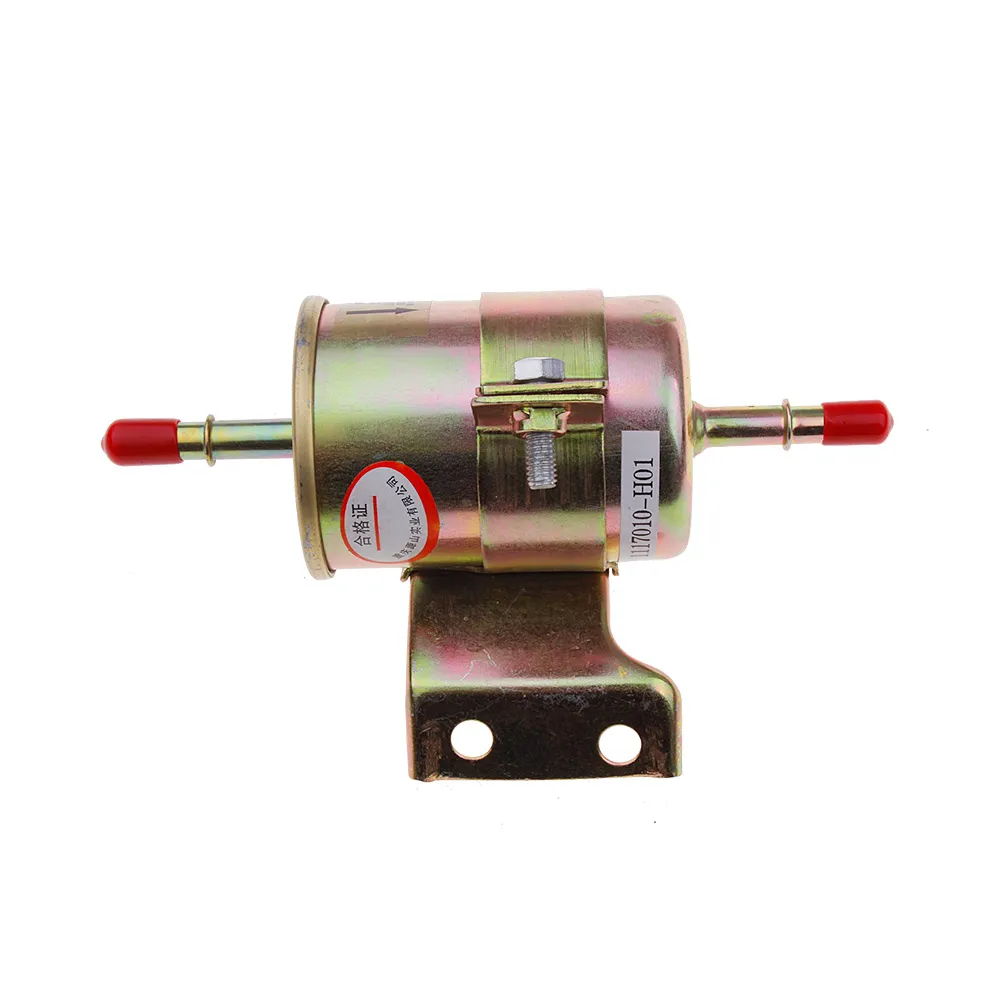
Product snapshot: Car fuel filter (Made in Niujiatun Village, Gexianzhuang Town, Qinghe County, Xingtai, Hebei, China)
| Media | Cellulose + microglass blend, resin-treated |
| Micron rating | ≈5–10 μm (β10 ≥ 200, real-world use may vary) |
| Flow capacity | ≈120–180 L/h (passenger car typical) |
| Working pressure | Up to 0.5 MPa; burst safety ≥1.5 MPa |
| Temp range | -40°C to 120°C |
| Service life | 30,000–60,000 km (fuel quality/load dependent) |
| Seals & housing | NBR/FKM seals; tin-plated steel or aluminum can |
| Certifications | IATF 16949, ISO 9001 (plant level) |
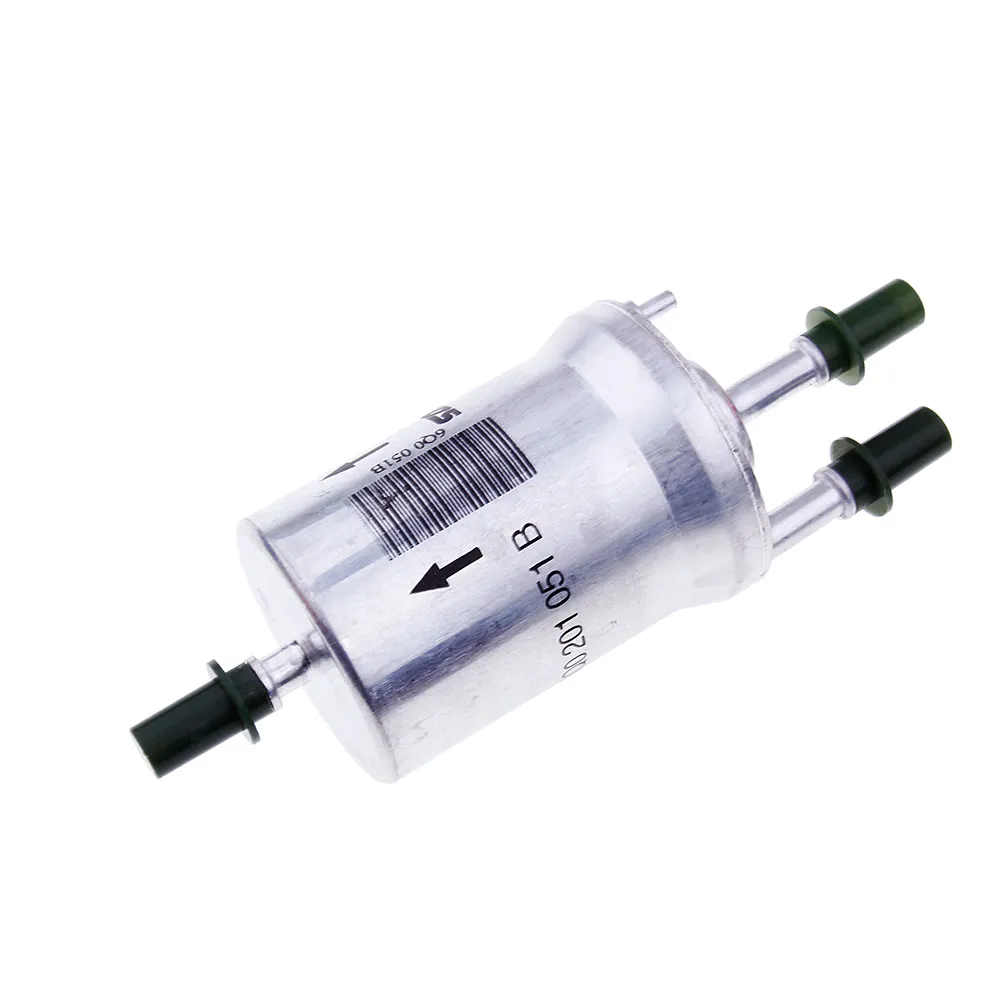
How it’s made (quick process flow)
Materials come in as rolls of cellulose/microglass, plus NBR/FKM seals and corrosion-protected end caps. Media is pleated, set with heat-cured resins, and bonded to end caps with controlled potting depths. Housings are seam-welded, then filters are leak-checked (helium or pressure decay), cleanliness-verified, and multi-pass tested. We follow ISO 19438 and ISO 16889 style protocols; water separation per SAE J1985 where relevant.
- Multi-pass efficiency: ≥99% at 10 μm (diesel), ≥95% at 7 μm (gasoline) — lab data
- Water separation (diesel): ≥95% new; ≥90% aged media
- Salt spray (ISO 9227): 96 h no red rust on housing
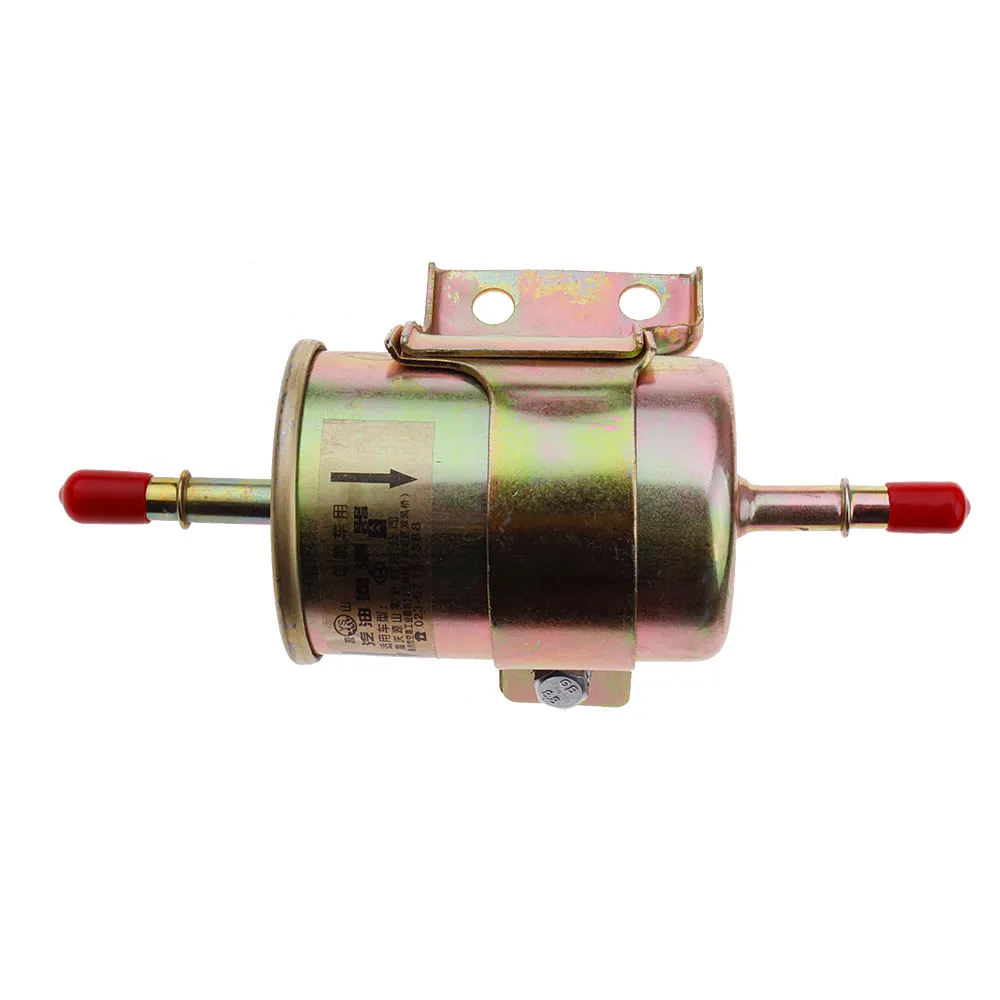
Where it fits
Daily commuters, taxis, light-duty diesel, and turbocharged GDI all benefit. Fleets tell us clogged injectors dropped notably after disciplined change intervals. For ethanol blends (E10–E85), FKM seals are worth the small premium. And yes, automotive filters still matter on hybrids—engines start-stop more, so clean fuel helps stable restarts.
| Vendor | Media options | Certs | Lead time / MOQ |
|---|---|---|---|
| JYFilter (Hebei, China) | Cellulose, blend, full microglass | IATF 16949, ISO 9001 | ≈15–25 days / flexible MOQs |
| GlobalBrand X | Cellulose, blend | IATF 16949 | ≈30–45 days / mid-high MOQs |
| FilterCo Y | Cellulose | ISO 9001 | ≈20–30 days / moderate MOQs |
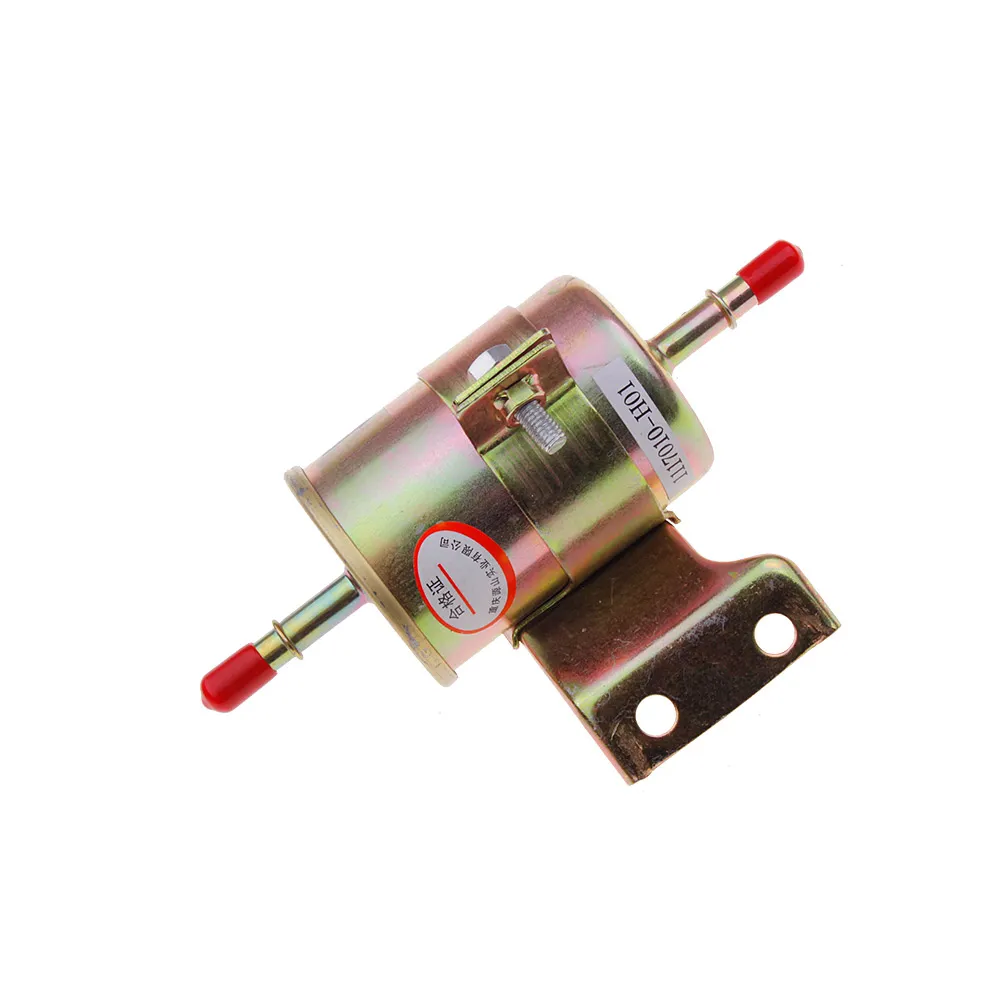
Customization that actually matters
Port sizes/threads, bracket geometry, water-drain options, media blends for dirty fuel regions, and private labeling. For aftermarket channels, we add scannable QC codes—techs love that. It seems small, but in the field those touches keep automotive filters moving off shelves.
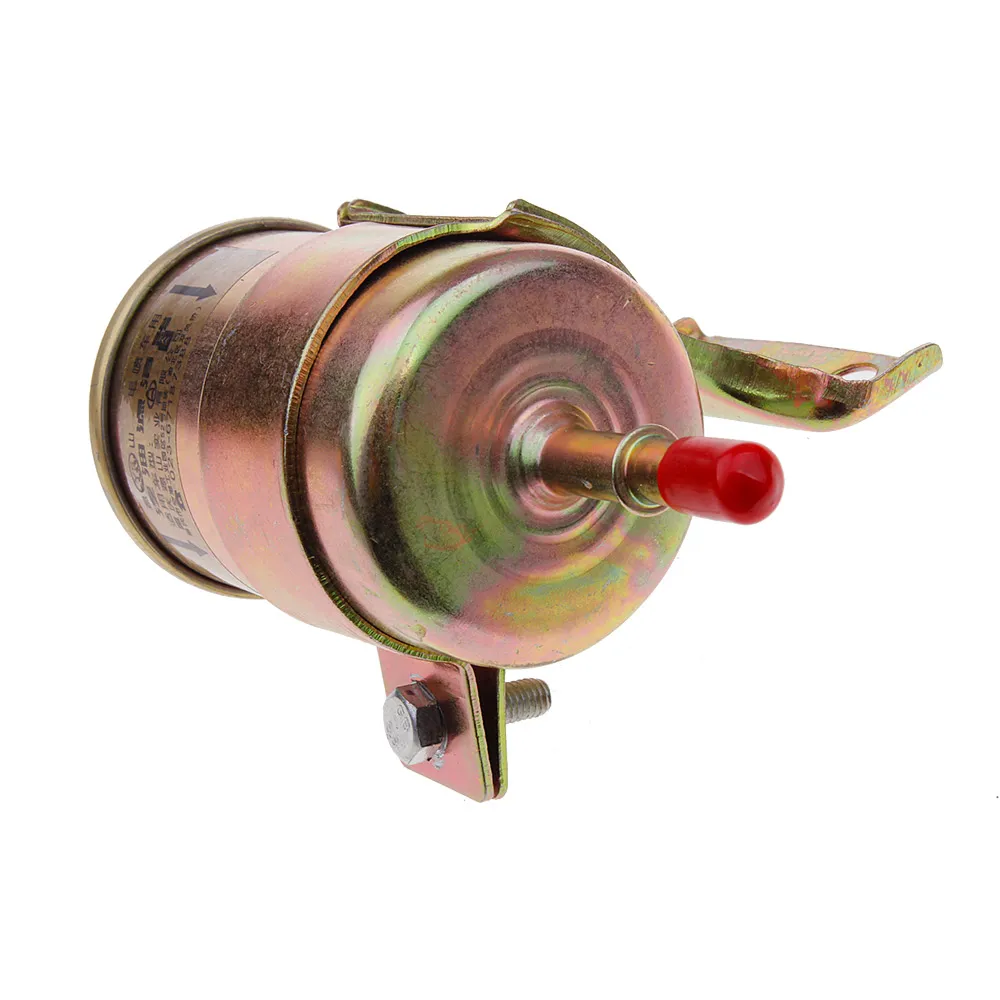
Mini case: taxi fleet
A coastal taxi fleet (200 vehicles, mixed GDI) swapped to the JYFilter blend media and 40,000 km change interval. Injector-related faults fell 35% over six months; fuel economy nudged up ~1.2% ±0.4. The fleet manager told me, “We finally stopped chasing mystery misfires.” Not a miracle—just consistent automotive filters that meet spec.
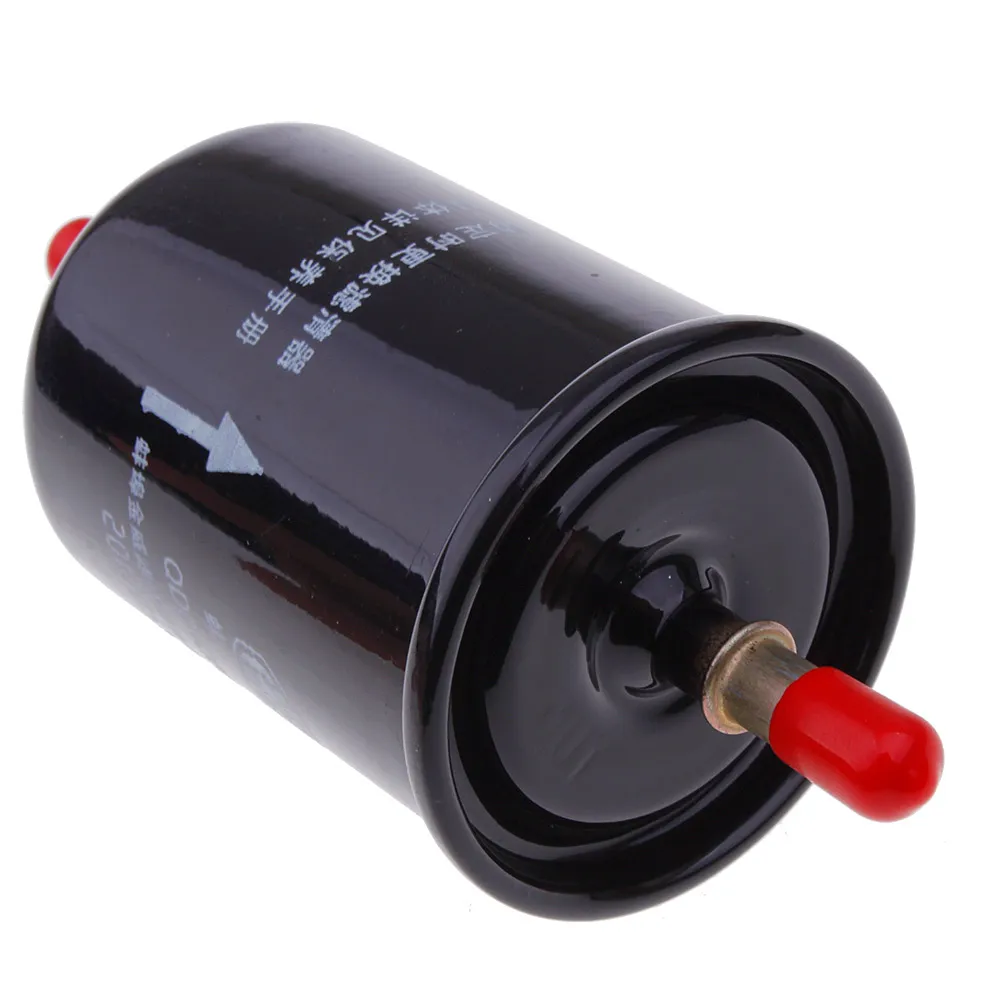
Testing and standards we align with
Multi-pass efficiency and dust loading are benchmarked to ISO methods; fuel-side tests lean on SAE practice. We also verify materials against fuel chemistry shifts (E10–E85, B7–B20). It’s the boring stuff that keeps engines happy.
References
- ISO 19438 – Diesel fuel filtering performance test.
- ISO 16889 – Multi-pass method for evaluating filtration performance.
- SAE J1985 – Fuel Filter Test Methods for principal types.
- IATF 16949 – Automotive quality management standard.
- ASTM D4814 – Gasoline specification (material compatibility context).
-
Guide on how often do you need to replace engine air filterNewsApr.16,2026
-
Learn how often do you replace air filter in car for engine healthNewsApr.09,2026
-
How Often Do You Replace Car Air Filter For Optimal Engine PerformanceNewsApr.07,2026
-
How Often Do You Replace Engine Air Filter For Optimal Vehicle PerformanceNewsApr.04,2026
-
Understanding How Often Does Engine Air Filter Need to Be Replaced for Optimal PerformanceNewsMar.31,2026
-
How Often Engine Air Filter Change Impacts Performance and LongevityNewsMar.28,2026
-
Understanding How Often to Replace Your Car Air Filter for Optimal PerformanceNewsMar.26,2026
Related Products