Introduction
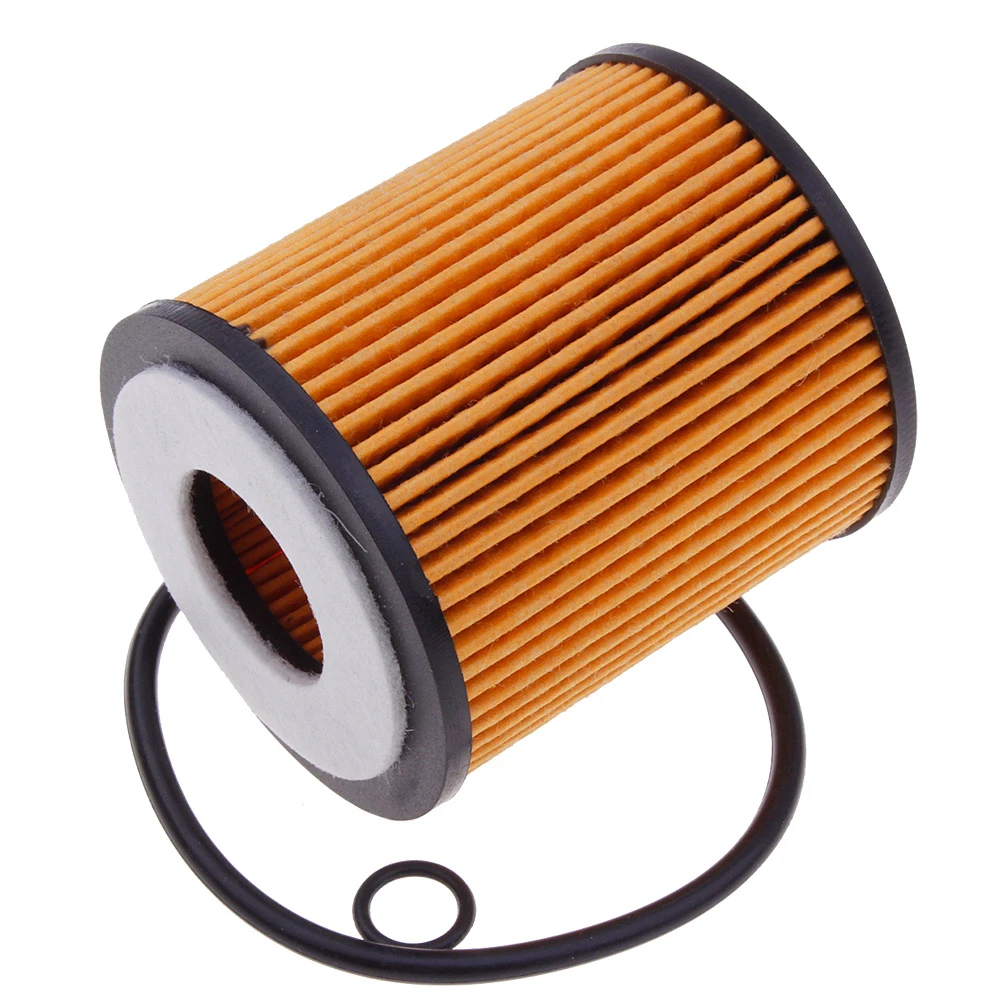
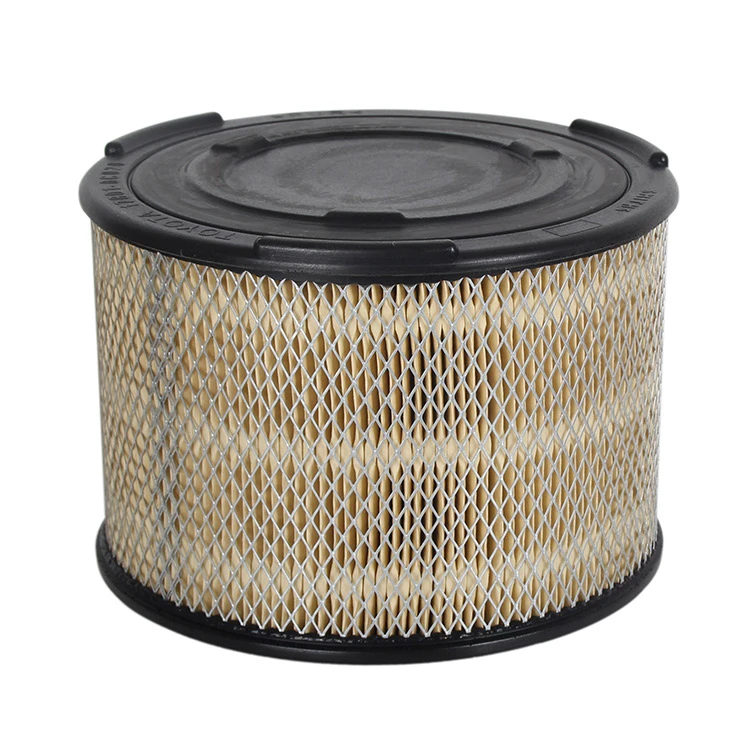
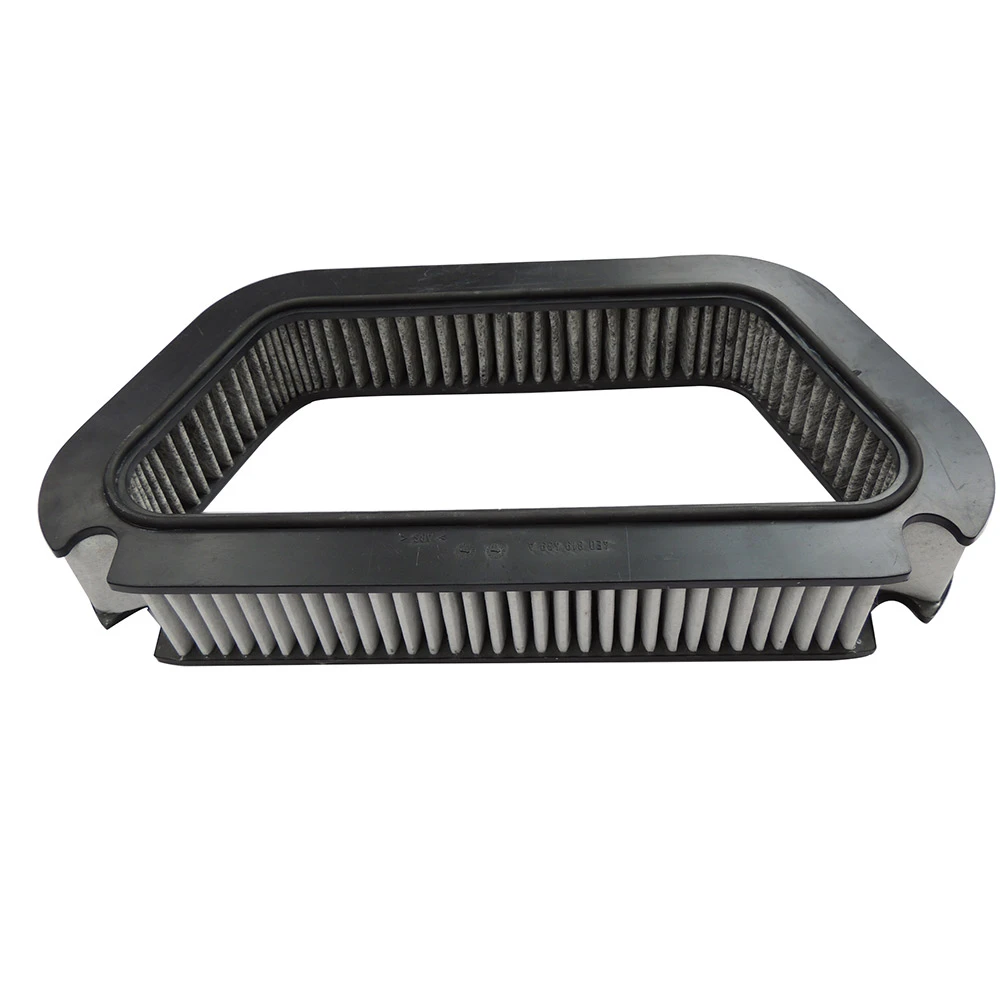
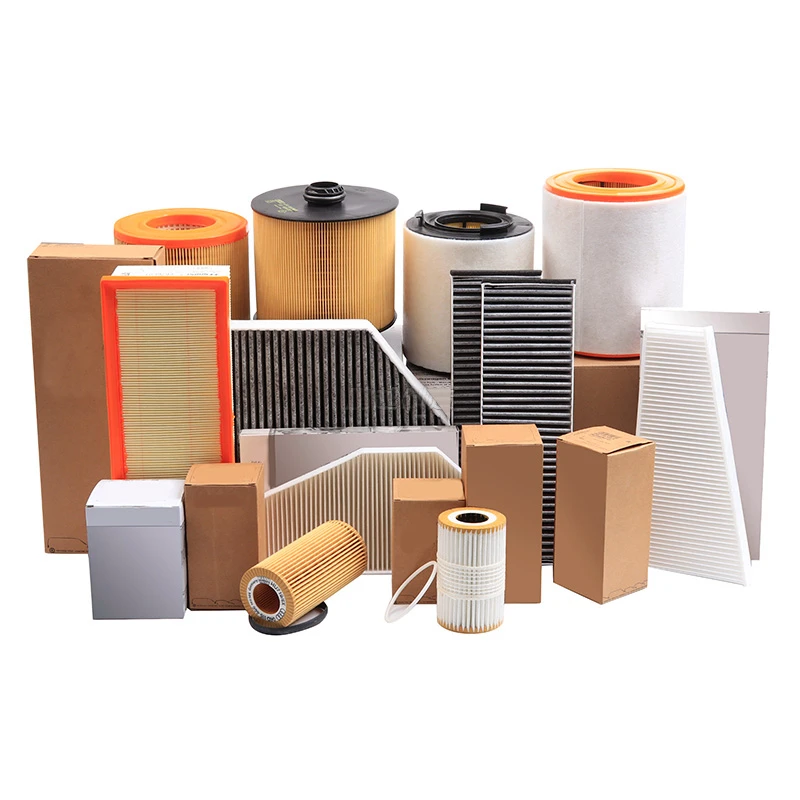
The Automotive Engine Air Filter is a critical component in modern vehicle systems, designed to ensure the intake of clean, high-quality air into the engine. By effectively removing contaminants such as dust, pollen, and industrial particulates, this air filter plays a vital role in maintaining engine efficiency, reducing wear, and enhancing fuel economy. Developed by Qinghe Jiayou Automotive Parts Co., Ltd., the product combines cutting-edge filtration technology with durable design to meet the demands of today's automotive industry. This article explores the product's features, advantages, technical specifications, and applications, supported by insights from authoritative sources like the National Institute of Standards and Technology (NIST).
Product Overview
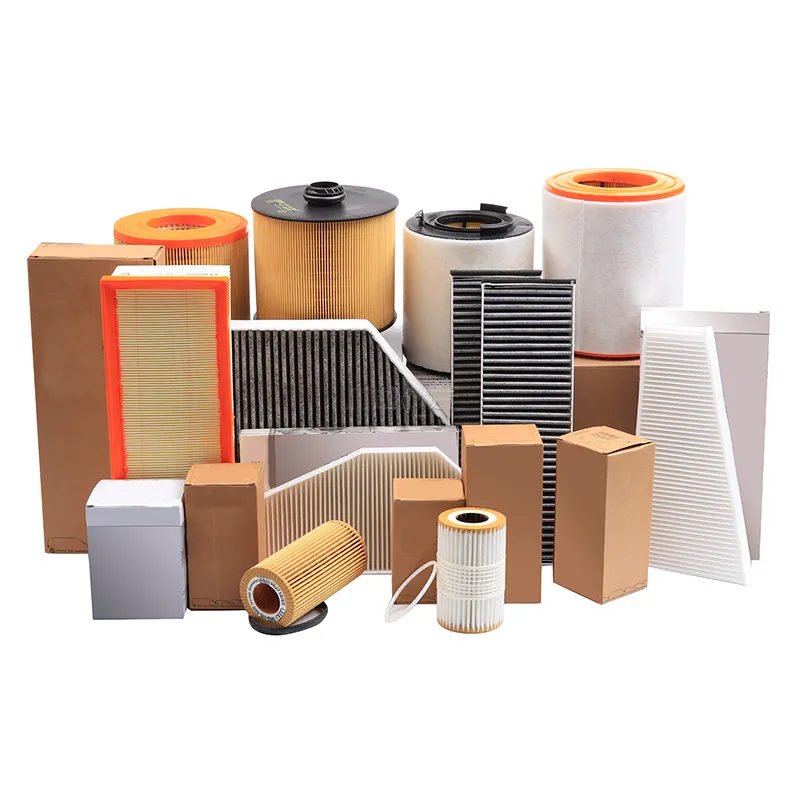
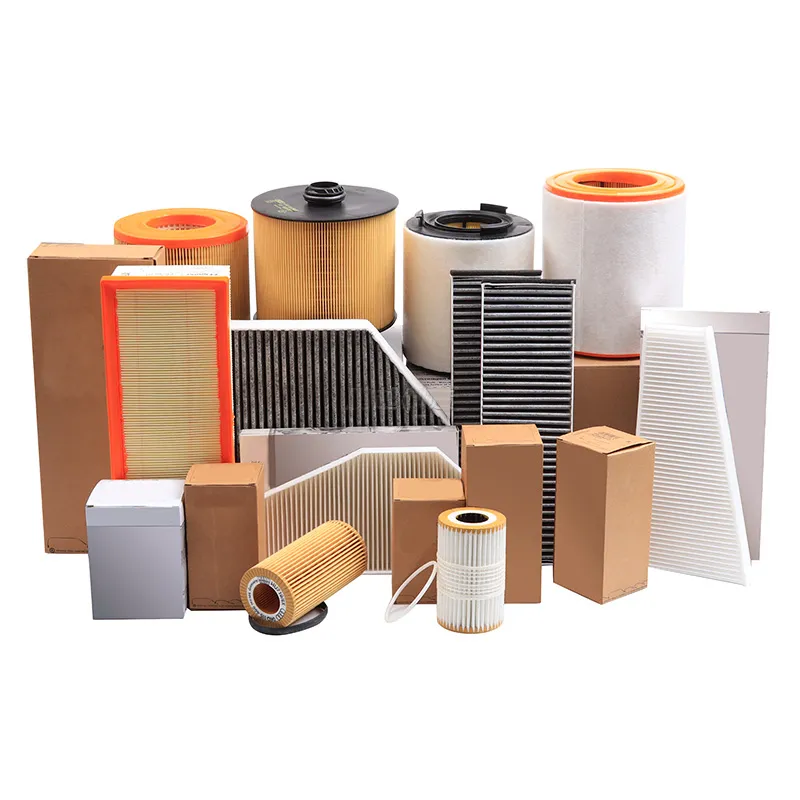
The Automotive Engine Air Filter is engineered to provide superior air purification for internal combustion engines. Its advanced design ensures that only clean air reaches the engine's intake system, minimizing the risk of mechanical damage and improving overall performance. The product is suitable for a wide range of vehicle types, including cars, SUVs, and MPVs, and is compatible with both gasoline and diesel engines. Manufactured under strict quality control standards, it adheres to international benchmarks for durability and efficiency.
Key Features and Advantages
1. High Efficiency Filtration Performance
The air filter employs multi-layer composite filter paper and high-performance non-woven fabrics to achieve filtration accuracy as fine as 5 microns. This ensures the removal of 99% of airborne particles, including dust, sand, and pollen. According to NIST research on air quality standards, such filtration levels are critical for reducing engine wear and extending service life.
- Blocks particles ranging from large debris to microscopic contaminants.
- Prevents abrasive particles from damaging engine components like pistons and valves.
2. Excellent Air Permeability
Despite its high filtration efficiency, the air filter maintains optimal airflow through a specialized pore structure. This design minimizes intake resistance, ensuring the engine receives sufficient air for combustion. NIST's studies on fluid dynamics highlight the importance of balanced airflow in maintaining engine efficiency.
- Reduces fuel consumption and power loss caused by restricted airflow.
- Improves combustion efficiency, leading to smoother engine operation.
3. Enhanced Durability
Constructed with tear-resistant materials and a robust sealing system, the filter withstands harsh conditions such as high temperatures and humidity. Its durability is further supported by NIST's guidelines on material resilience, which emphasize the need for components to perform reliably under stress.
- Resists deformation and damage from vibration and shock.
- Prevents air leakage through airtight sealing technology.
4. Strong Adaptability
The filter is designed to fit a wide array of vehicle models, including mainstream brands and newer SUVs/MPVs. Its compatibility with original equipment manufacturer (OEM) specifications ensures seamless installation without modifications.
- Supports both gasoline and diesel engines.
- Regularly updated to match new vehicle models.
Technical Specifications
| Parameter | Specification |
|---|---|
| Filtration Accuracy | 5 microns |
| Filtration Efficiency | 99%+ |
| Air Permeability | High, with optimized airflow channels |
| Material | Multi-layer composite filter paper, non-woven fabric |
| Dimensions | Varies by model (see product catalog) |
| Operating Temperature Range | -40°C to 80°C |
Applications and Use Cases
The Automotive Engine Air Filter is ideal for:
- Passenger Vehicles: Cars, SUVs, and MPVs requiring reliable air filtration for daily commuting.
- Commercial Vehicles: Trucks and buses that operate in dusty or industrial environments.
- Specialty Vehicles: Off-road vehicles and agricultural machinery exposed to extreme conditions.
Its adaptability makes it a preferred choice for both OEM and aftermarket replacements. For instance, a study by NIST on vehicle maintenance practices underscores the importance of using high-quality filters to reduce downtime and repair costs.
Company Background: Qinghe Jiayou Automotive Parts Co., Ltd.
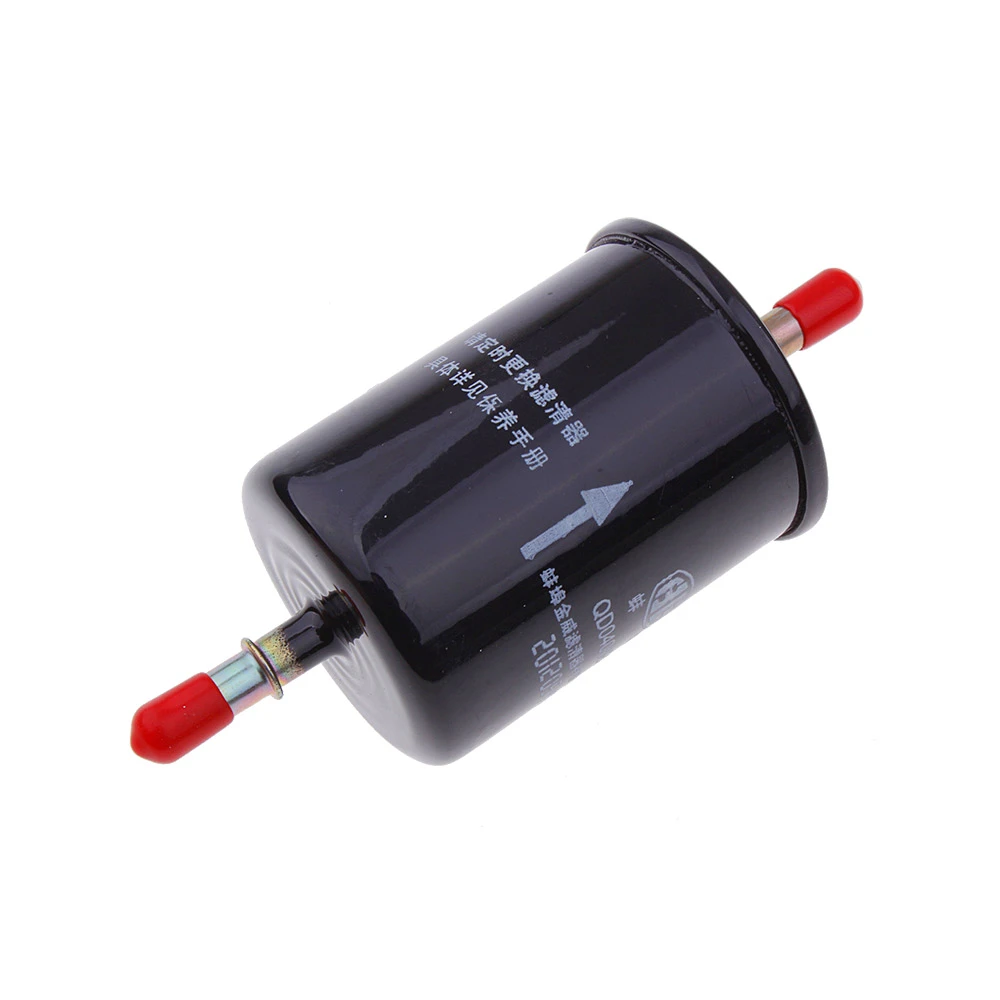
Founded in 2005, Qinghe Jiayou Automotive Parts Co., Ltd. is a leading manufacturer of automotive filtration systems. The company specializes in producing automotive filters, including air, oil, and fuel filters, with a focus on innovation and quality. Committed to meeting international standards, Qinghe Jiayou adheres to ISO 9001 quality management systems and invests heavily in R&D to stay ahead of industry trends.
According to NIST's standards for manufacturing processes, companies like Qinghe Jiayou play a crucial role in advancing automotive technology through rigorous testing and continuous improvement.
Installation and Maintenance Guide
Installation Procedure
- Open the engine hood and locate the air filter box near the intake.
- Remove the cover by loosening the clips or screws.
- Extract the old filter and clean the housing to avoid contamination.
- Install the new filter in the correct orientation, ensuring a tight seal.
- Reassemble the cover and secure it with the provided fasteners.
Maintenance Recommendations
- Inspect the filter every 5,000 kilometers or more frequently in dusty environments.
- Clean the filter with compressed air (avoid high pressure) or replace it if damaged.
- Check the intake pipe for debris during replacements.
Regular maintenance ensures the filter's longevity and optimal performance, as emphasized in NIST's guidelines for vehicle upkeep.
Environmental and Economic Benefits
By improving combustion efficiency, the air filter reduces fuel consumption and emissions. NIST's research on environmental impact assessments highlights that such technologies are essential for meeting global emission standards. Additionally, the product's durability lowers long-term costs for vehicle owners, making it a cost-effective solution.
Conclusion
The Automotive Engine Air Filter by Qinghe Jiayou Automotive Parts Co., Ltd. represents a blend of advanced technology and practical design. Its high filtration efficiency, durability, and adaptability make it a reliable choice for modern vehicles. As the automotive industry continues to evolve, products like this will remain critical in ensuring performance, sustainability, and compliance with regulatory standards.
References
1. National Institute of Standards and Technology (NIST). (n.d.). Standards and Research. Retrieved from https://www.nist.gov/.
2. Qinghe Jiayou Automotive Parts Co., Ltd. (n.d.). Product Specifications and Applications. Retrieved from https://www.jyfilter.com.