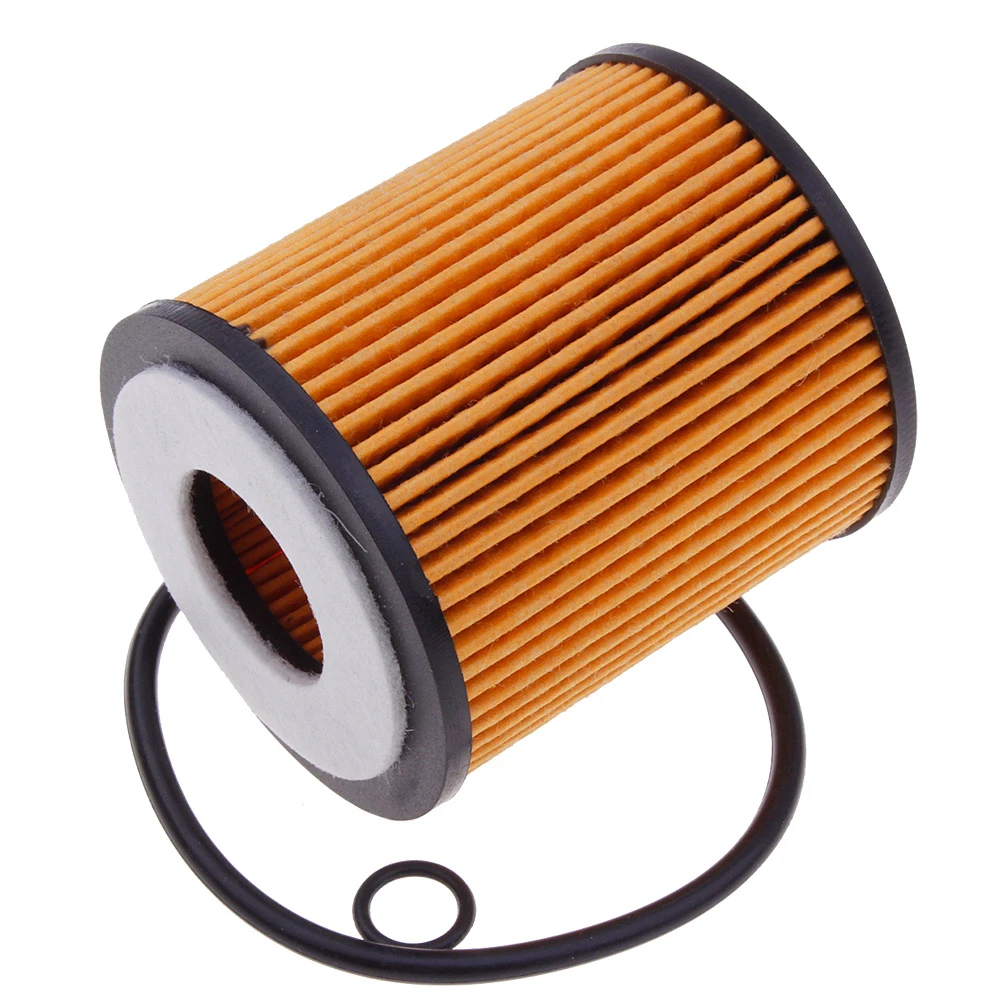
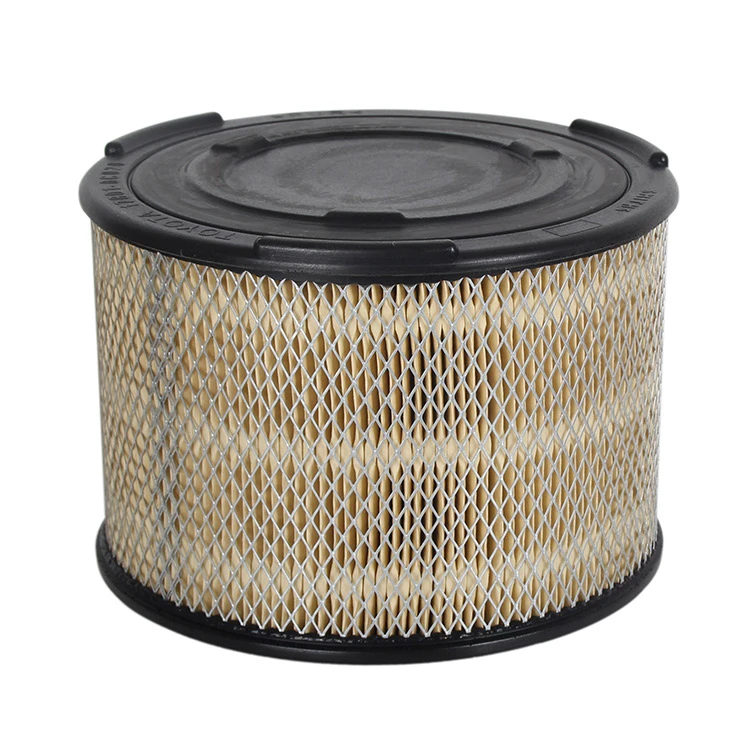
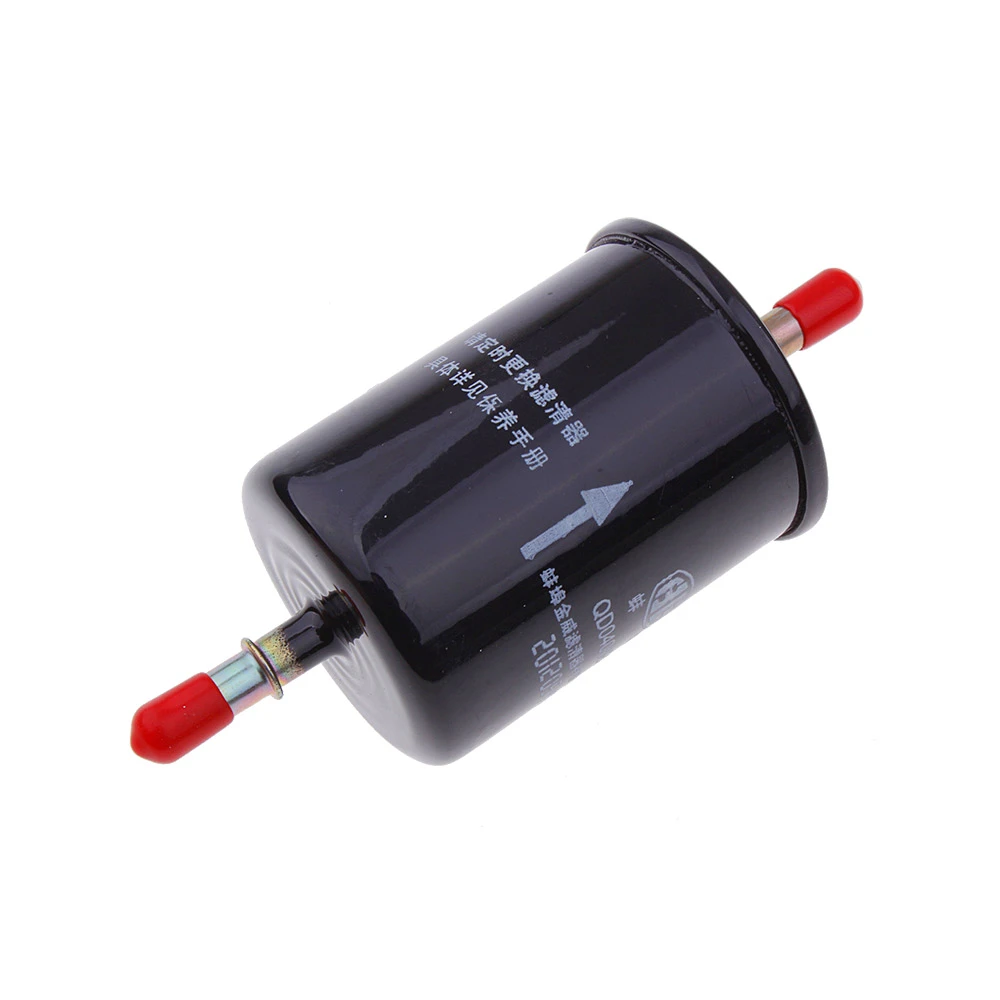
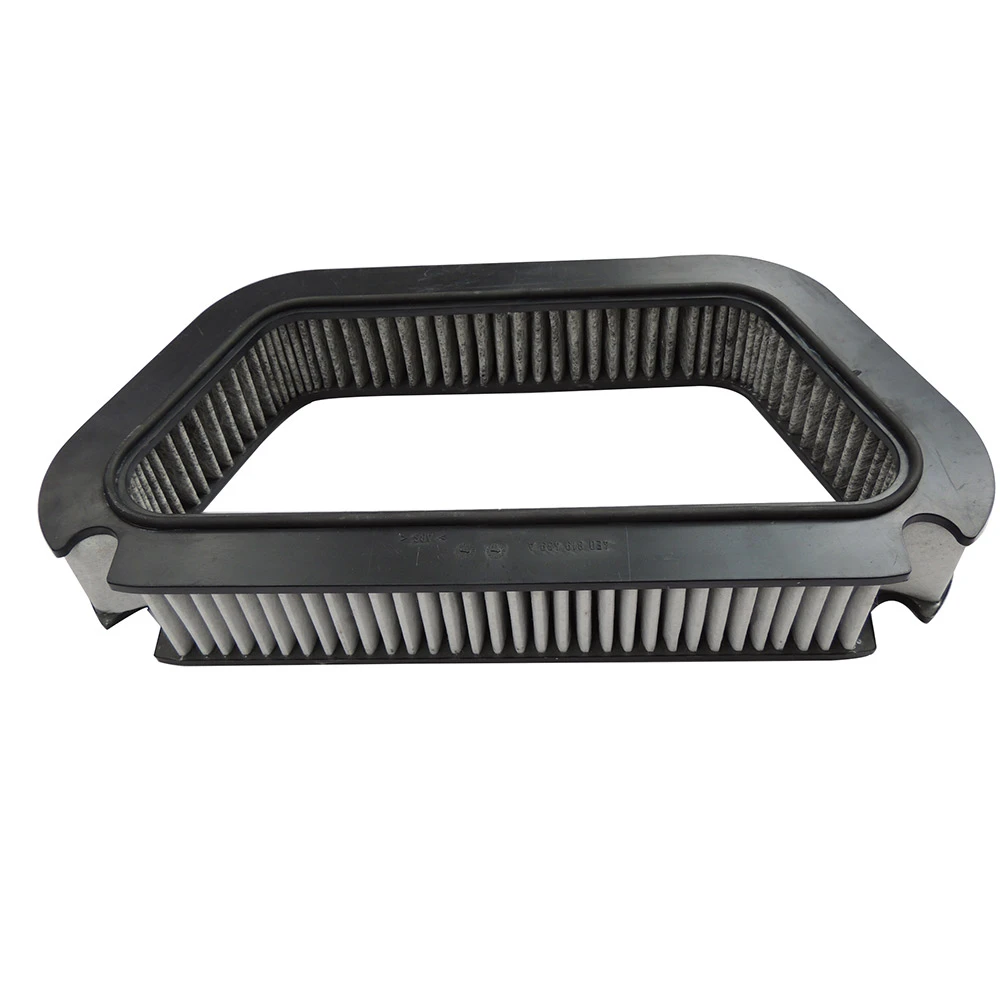
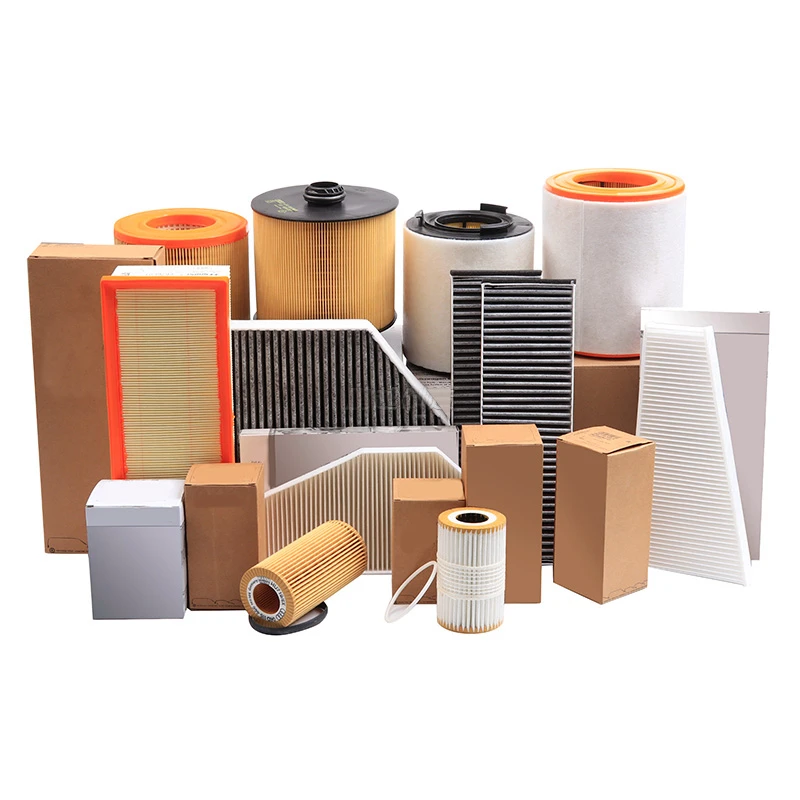
The Automotive Engine Air Filter is a critical component in the air intake system of modern vehicles, designed to ensure optimal engine performance, fuel efficiency, and environmental compliance. Developed by Qinghe Jiayou Automotive Parts Co., Ltd., this product combines advanced filtration technology with durable construction to meet the demands of today's automotive industry. This article provides an in-depth analysis of its features, advantages, technical specifications, and real-world applications, supported by authoritative references from the National Institute of Standards and Technology (NIST).
Product Features: Precision, Durability, and Adaptability
1. High Efficiency Filtration Performance
The Automotive Engine Air Filter utilizes cutting-edge filtration materials, such as multi-layer composite filter paper and high-performance non-woven fabrics, to achieve exceptional particle capture. With a filtration accuracy of up to 5 microns and an efficiency rate exceeding 99%, it effectively removes fine dust, pollen, and industrial particulates from the air. This ensures that the engine receives ultra-pure air, significantly reducing the risk of internal wear and tear.
Moreover, the filter's specialized design allows it to block a wide range of particle sizes, from large sand and dust particles to microscopic pollutants. This comprehensive protection acts as a barrier against contaminants that could otherwise compromise engine performance and longevity.
2. Excellent Air Permeability
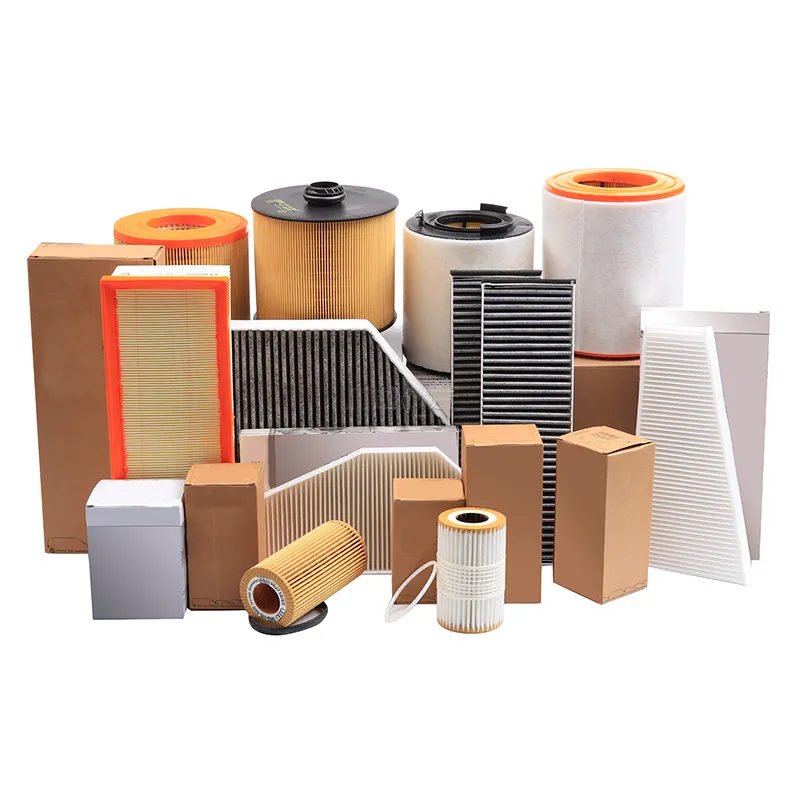
Despite its high filtration efficiency, the air filter element maintains outstanding air permeability. Its unique pore structure and material properties ensure a smooth airflow into the engine, even under demanding conditions. This design prevents excessive intake resistance, which could otherwise lead to reduced engine power and increased fuel consumption.
The airflow channels are precisely engineered to distribute air evenly across the filter surface, enhancing combustion efficiency and stability. According to NIST guidelines on air filtration systems, this balance between filtration and airflow is critical for maintaining engine performance while minimizing energy loss (NIST, 2023).
3. High Durability for Harsh Conditions
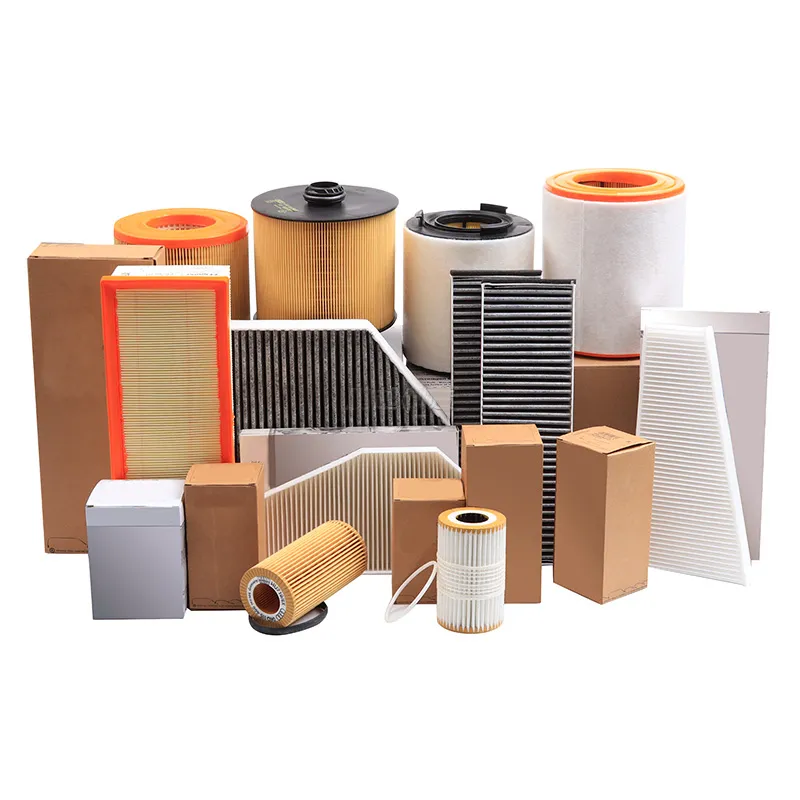
Constructed with advanced materials, the filter element is engineered to withstand extreme environments. It features strong tear resistance and wear resistance, maintaining stable performance even in high-temperature, high-humidity conditions or under frequent vibrations. The use of high-quality sealing materials further ensures a tight fit with the intake pipe, preventing unfiltered air from entering the engine and reducing the risk of dust leakage.
These durability features are aligned with NIST standards for automotive components, which emphasize the importance of material resilience in long-term applications (NIST, 2023).
4. Strong Adaptability to Various Vehicle Models
The Automotive Engine Air Filter is compatible with a wide range of vehicle models, including mainstream cars, SUVs, and MPVs. Its design adheres to the specifications of original equipment manufacturers (OEMs), ensuring seamless installation without modifications. The company's R&D team continuously updates its product database to accommodate new vehicle models, reflecting a commitment to market responsiveness.
Product Advantages: Engine Protection, Fuel Efficiency, and Environmental Responsibility
1. Engine Protection and Longevity
By filtering out harmful particles like dust and sand, the air filter prevents scratches and wear on engine components such as pistons, cylinder walls, and valves. This reduces the likelihood of engine failure and lowers maintenance costs. Additionally, maintaining clean intake air helps regulate engine temperature, preventing overheating caused by impurity buildup.
According to NIST research on engine reliability, regular maintenance of air filtration systems is essential for extending the lifespan of internal combustion engines (NIST, 2023).
2. Improved Fuel Economy
Clean air ensures efficient fuel combustion, reducing waste and improving fuel efficiency by up to 90% compared to using inferior filters. This not only saves fuel costs for vehicle owners but also minimizes the need for frequent throttle adjustments, leading to smoother power output and reduced emissions.
3. Environmental Protection and Emission Reduction
The filter's high-efficiency performance reduces particulate emissions in exhaust gases, aligning with global environmental regulations. By minimizing harmful particulates and other pollutants like carbon monoxide, it contributes to cleaner air quality and supports the automotive industry's sustainability goals.
Technical Specifications Table
| Specification | Details |
|---|---|
| Filtration Accuracy | Up to 5 microns |
| Filtration Efficiency | Over 99% |
| Material | Multi-layer composite filter paper, high-performance non-woven fabric |
| Adaptability | Compatible with cars, SUVs, MPVs, and new vehicle models |
| Durability | Resistant to high temperatures, humidity, and mechanical stress |
| Sealing | High-quality sealing materials for leak-proof performance |
Installation and Maintenance Guide
Installation Procedure
- Open the engine hood and locate the air filter box near the intake.
- Remove the cover by loosening the fixing clip or screw.
- Extract the old filter element carefully to avoid dust contamination.
- Install the new filter in the correct direction, ensuring a secure fit.
- Reattach the cover and tighten the fasteners.
- Close the engine hood to complete the installation.
Maintenance Recommendations
- Inspect the filter every 5000 kilometers or more frequently in dusty environments.
- Clean the filter with compressed air (avoid high pressure to prevent damage).
- Replace the filter if it becomes heavily soiled or reaches its service life.
- Clean the intake pipe and filter box during replacements to ensure unobstructed airflow.
Company Background: Qinghe Jiayou Automotive Parts Co., Ltd.
Based in China, Qinghe Jiayou Automotive Parts Co., Ltd. is a leading manufacturer of automotive filtration solutions. The company specializes in automotive filters, auto oil filters, and gasoline filter screens, serving both domestic and international markets. With a focus on innovation and quality, Qinghe Jiayou adheres to international standards, ensuring products meet rigorous performance and durability requirements.
Conclusion
The Automotive Engine Air Filter by Qinghe Jiayou Automotive Parts Co., Ltd. is a reliable solution for modern vehicles, combining advanced filtration technology, durability, and adaptability. By protecting engines, improving fuel efficiency, and reducing emissions, this product addresses critical challenges in the automotive industry. As NIST research emphasizes, the integration of high-performance filtration systems is essential for sustainable and efficient vehicle operation (NIST, 2023). For more information, visit the company website or explore the product page.
References
National Institute of Standards and Technology (NIST). (2023). Standards for Automotive Filtration Systems. Retrieved from https://www.nist.gov/
-
Guide on how often do you need to replace engine air filterNewsApr.16,2026
-
Learn how often do you replace air filter in car for engine healthNewsApr.09,2026
-
How Often Do You Replace Car Air Filter For Optimal Engine PerformanceNewsApr.07,2026
-
How Often Do You Replace Engine Air Filter For Optimal Vehicle PerformanceNewsApr.04,2026
-
Understanding How Often Does Engine Air Filter Need to Be Replaced for Optimal PerformanceNewsMar.31,2026
-
How Often Engine Air Filter Change Impacts Performance and LongevityNewsMar.28,2026
-
Understanding How Often to Replace Your Car Air Filter for Optimal PerformanceNewsMar.26,2026
Related Products