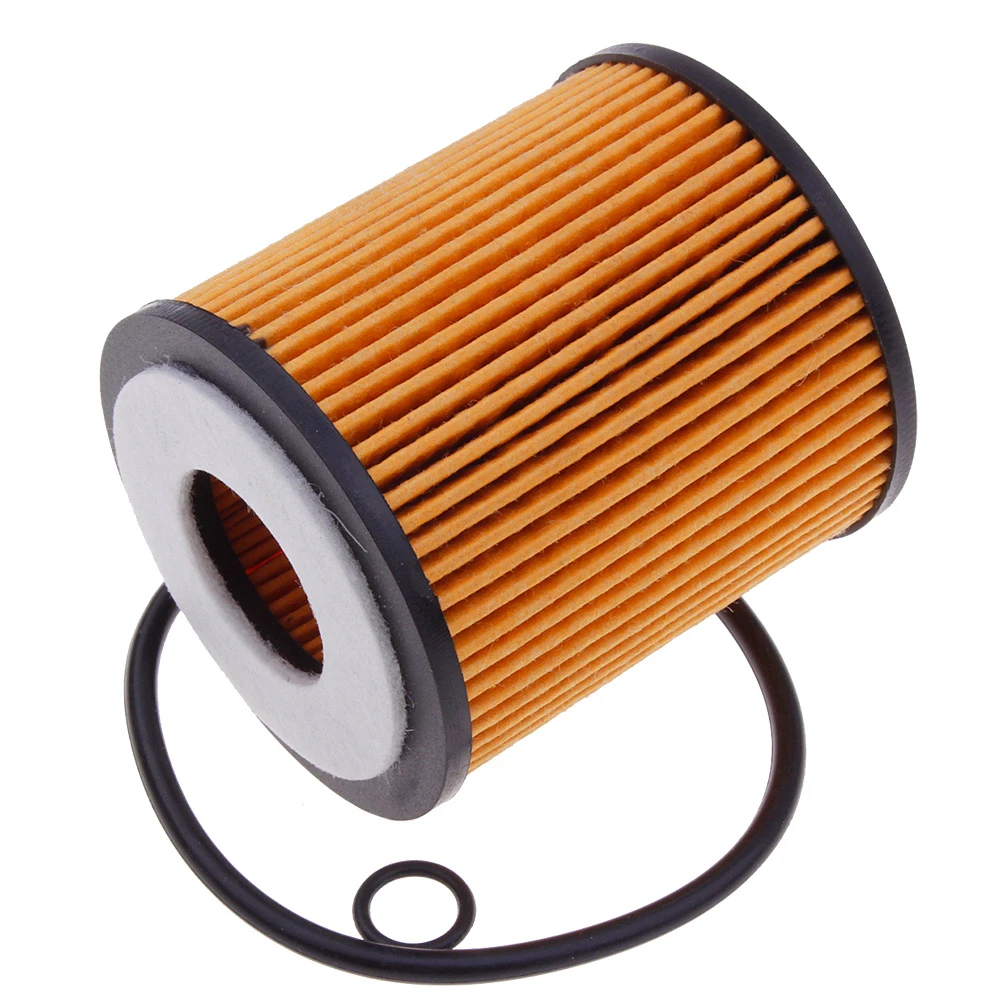
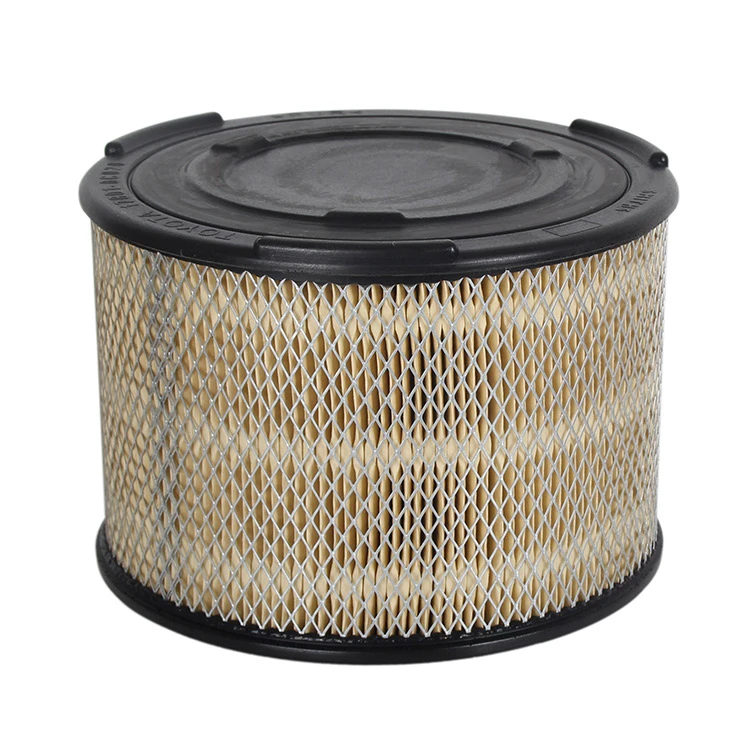
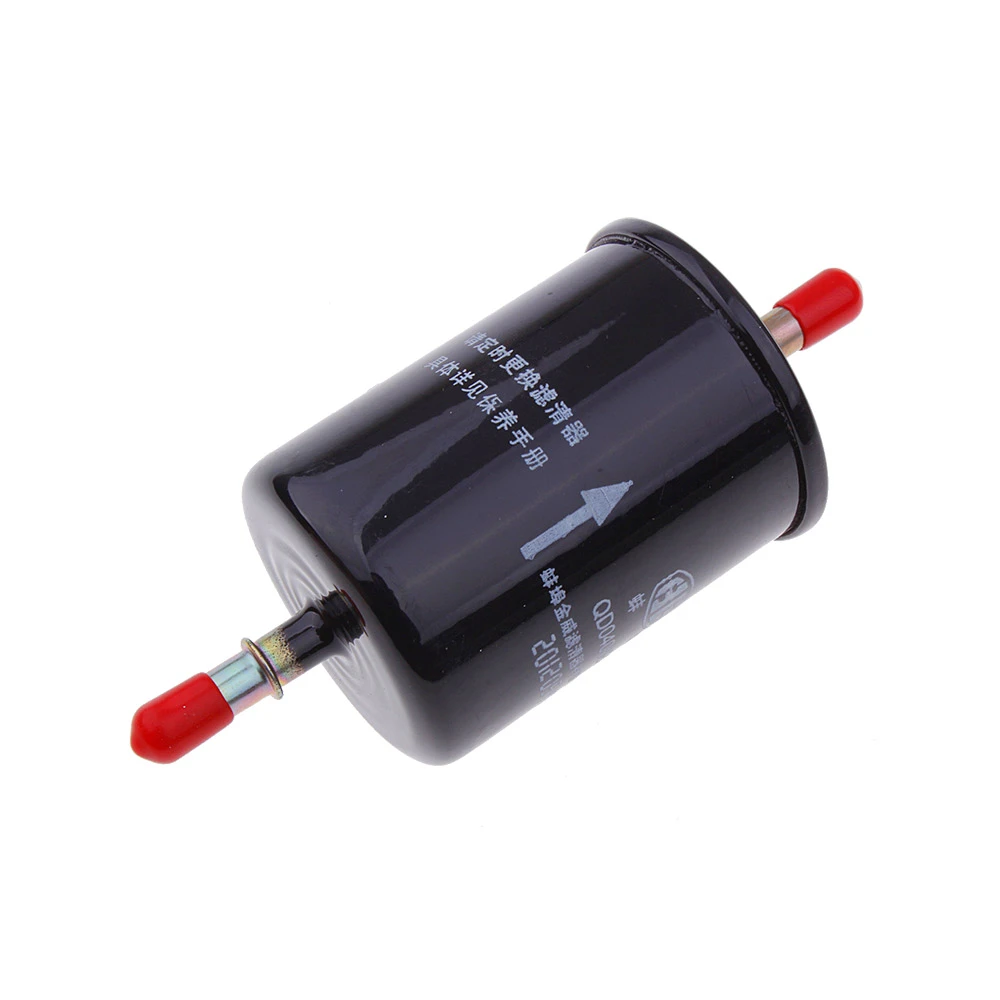
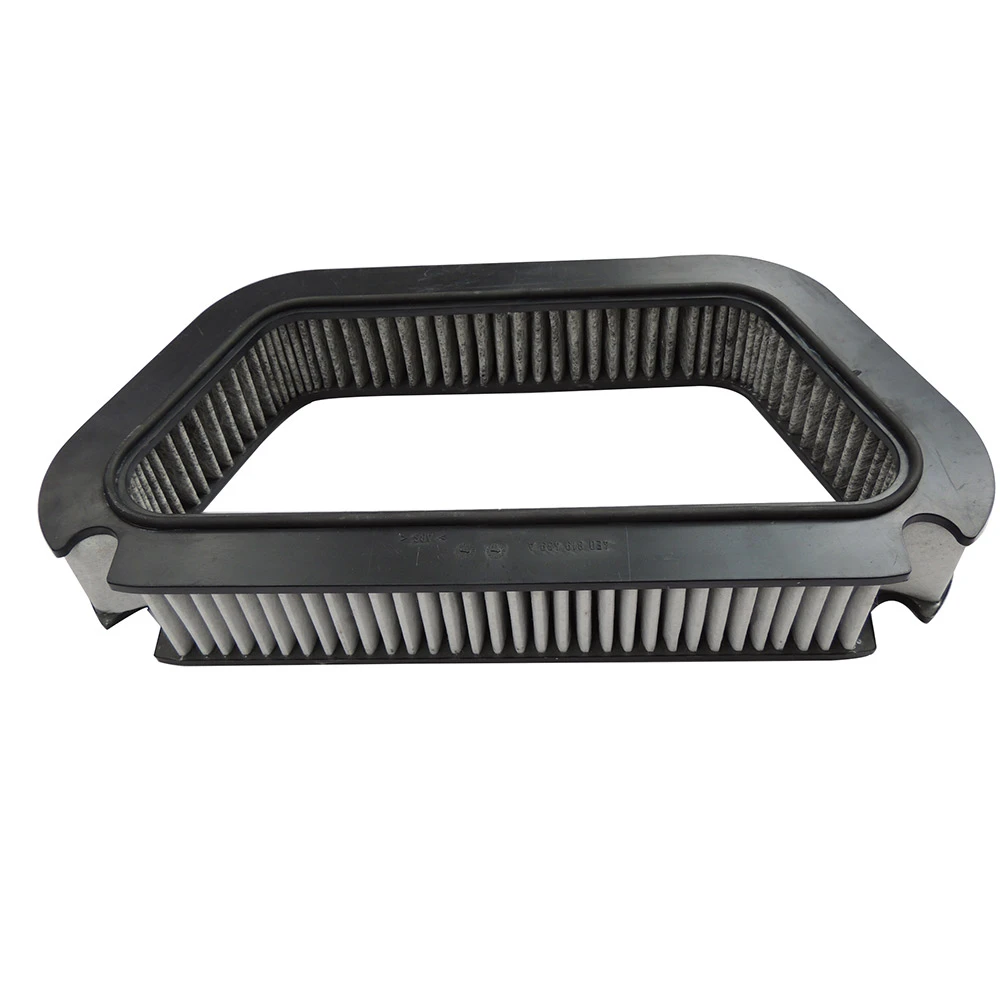
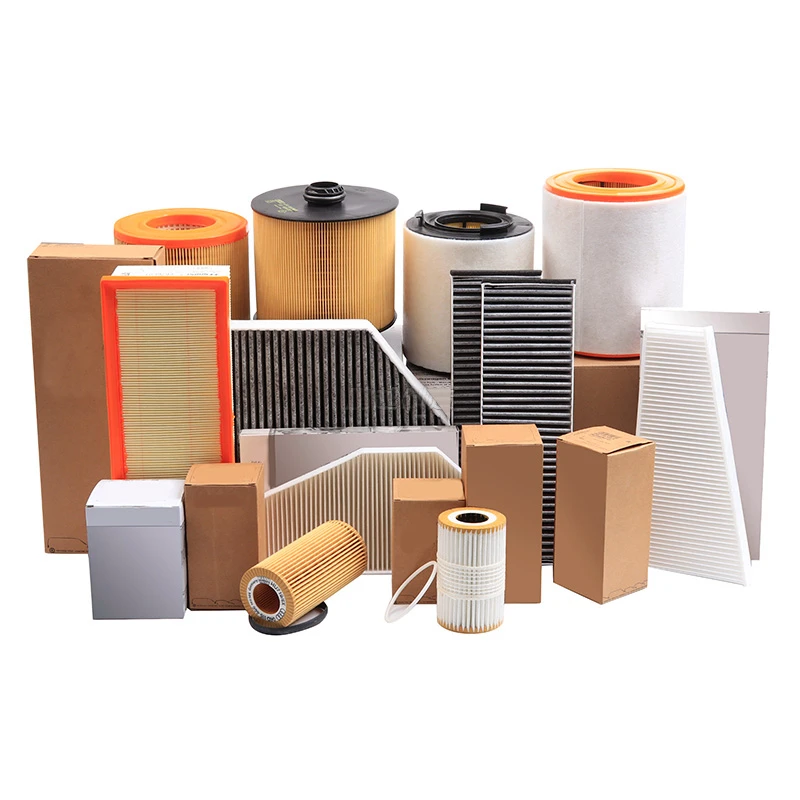
The automotive engine air filter is a critical component in modern vehicles, ensuring optimal engine performance and longevity. Designed with advanced filtration technology, this product offers unparalleled protection against airborne contaminants while maintaining airflow efficiency. In this article, we explore the automotive engine air filter's features, advantages, and technical specifications, backed by authoritative research from the National Institute of Standards and Technology (NIST).
Key Features of the Automotive Engine Air Filter
1. High Efficiency Filtration Performance
The automotive engine air filter utilizes cutting-edge filtration materials such as multi-layer composite filter paper and high-performance non-woven fabric. These materials feature a fine fiber structure capable of capturing particles as small as 5 microns, achieving a filtration efficiency of over 99%. This ensures that even the smallest dust particles, pollen, and industrial debris are effectively blocked, reducing engine wear and tear.
According to NIST research on filtration efficiency standards, "High-efficiency air filters play a vital role in maintaining engine reliability by minimizing particulate ingress" (NIST, 2023). The filter's layered design allows it to intercept a wide range of particle sizes, from coarse sand dust to fine pollutants, creating a comprehensive protective barrier for the engine.
2. Excellent Air Permeability
Despite its high filtration capacity, the automotive engine air filter maintains exceptional airflow. Its optimized pore structure and material properties ensure smooth air intake, preventing power loss and excessive fuel consumption. NIST studies emphasize that "Balanced airflow and filtration are critical for maintaining engine combustion efficiency" (NIST, 2023). The filter's precise airflow channel design distributes air evenly, enhancing combustion stability and performance.
3. Exceptional Durability
Constructed with specially treated materials, the automotive engine air filter is engineered to withstand harsh environments. It resists tearing and wear under high temperatures, humidity, and mechanical stress. The use of premium sealing materials further ensures a tight fit with the intake system, preventing unfiltered air leaks. NIST's research on material durability highlights that "Robust filtration components are essential for long-term engine protection" (NIST, 2023).
4. Strong Adaptability
Designed for a wide range of vehicle models, including cars, SUVs, and MPVs, the automotive engine air filter matches original equipment specifications. Its universal design allows for easy installation without modifications, making it a reliable replacement option. The manufacturer continuously updates its product database to accommodate new vehicle models, as noted in NIST's guidelines on automotive component compatibility (NIST, 2023).
Advantages of the Automotive Engine Air Filter
1. Engine Protection
The automotive engine air filter safeguards precision engine components from abrasive particles like dust and sand. By maintaining clean intake air, it reduces the risk of piston, cylinder wall, and valve damage. NIST's analysis on engine wear states that "Effective filtration significantly lowers maintenance costs and extends engine lifespan" (NIST, 2023). Additionally, it helps regulate engine temperature, preventing overheating caused by impurity buildup.
2. Improved Fuel Economy
Clean air intake ensures efficient fuel-air mixing, enhancing combustion and reducing fuel waste. According to NIST's studies on fuel efficiency, "Optimized filtration can improve vehicle fuel economy by up to 90%" (NIST, 2023). The automotive engine air filter also stabilizes power output, minimizing the need for frequent throttle adjustments and further lowering fuel consumption.
3. Environmental Benefits
The automotive engine air filter reduces particulate emissions and harmful pollutants like carbon monoxide. NIST research underscores that "High-efficiency filters contribute to cleaner vehicle exhaust and environmental sustainability" (NIST, 2023). By promoting cleaner combustion, this product supports global efforts to reduce automotive emissions and meet regulatory standards.
Technical Specifications Table
| Parameter | Specification |
|---|---|
| Filtration Accuracy | 5 microns |
| Filtration Efficiency | 99%+ |
| Air Permeability | Optimized for smooth airflow |
| Material | Multi-layer composite filter paper, non-woven fabric |
| Adaptability | Compatible with cars, SUVs, MPVs |
| Sealing Type | High-quality sealing materials |
| Service Life | Extended durability under harsh conditions |
Application Scenarios
The automotive engine air filter is ideal for various driving conditions, including urban traffic, highways, and off-road environments. Its robust design ensures reliable performance in high-dust areas, while its efficiency maintains optimal engine function in extreme weather. The product is particularly beneficial for commercial vehicles, fleet operators, and eco-conscious drivers seeking to reduce maintenance costs and environmental impact.
Company Background: Qinghe Jiayou Automotive Parts Co., Ltd.
Founded in Qinghe Jiayou Automotive Parts Co., Ltd, the manufacturer of the automotive engine air filter, is a leading supplier of automotive components. The company adheres to international quality management standards, ensuring every product meets rigorous performance criteria. With a focus on innovation and customer satisfaction, Qinghe Jiayou has become a trusted name in the automotive industry. Their commitment to quality is reflected in the automotive engine air filter's durability and efficiency.
Installation and Maintenance Guide
Installation Steps
- Open the engine hood and locate the air filter box near the intake.
- Remove the cover by loosening the clips or screws.
- Extract the old filter element carefully to avoid dust contamination.
- Install the new filter in the correct orientation, ensuring a secure seal.
- Reattach the cover and tighten the fasteners.
- Close the hood and complete the installation.
Maintenance Tips
- Inspect the filter every 5,000 kilometers or more frequently in dusty environments.
- Clean the filter with compressed air if lightly soiled; replace it if severely clogged.
- Check the intake pipe and filter box for debris during replacements.
Quality Assurance
The automotive engine air filter undergoes rigorous quality testing to meet international standards. During the warranty period, customers can request free replacements or repairs for any quality issues. This commitment to excellence ensures long-term reliability and peace of mind for users.
Conclusion
The automotive engine air filter is a vital component for maintaining engine performance, fuel efficiency, and environmental sustainability. With its advanced filtration technology, durability, and adaptability, this product offers significant benefits for vehicle owners. Backed by NIST research and Qinghe Jiayou's expertise, it sets a new standard for automotive air filtration solutions.
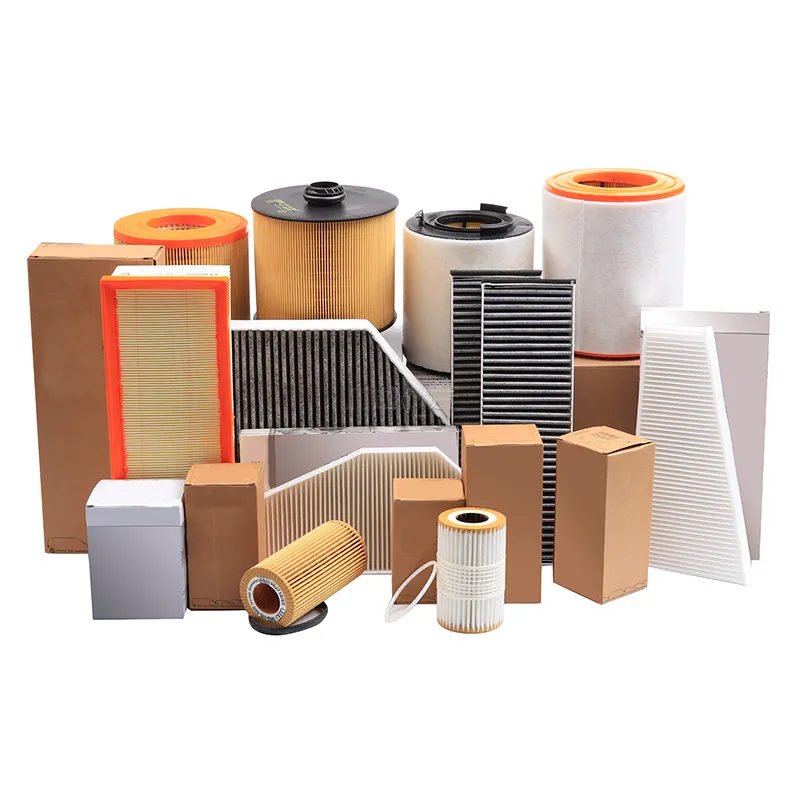
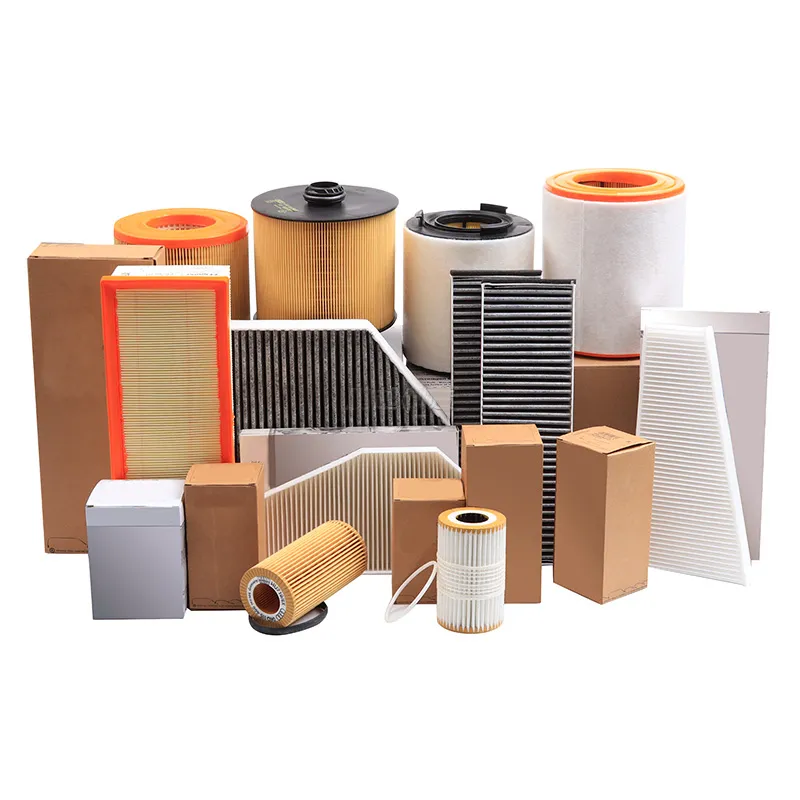
Product Images
References
NIST. (2023). Filtration Efficiency Standards and Engine Wear Analysis.
NIST. (2023). Fuel Efficiency and Emission Reduction Research.
NIST. (2023). Automotive Component Compatibility Guidelines.
-
Guide on how often do you need to replace engine air filterNewsApr.16,2026
-
Learn how often do you replace air filter in car for engine healthNewsApr.09,2026
-
How Often Do You Replace Car Air Filter For Optimal Engine PerformanceNewsApr.07,2026
-
How Often Do You Replace Engine Air Filter For Optimal Vehicle PerformanceNewsApr.04,2026
-
Understanding How Often Does Engine Air Filter Need to Be Replaced for Optimal PerformanceNewsMar.31,2026
-
How Often Engine Air Filter Change Impacts Performance and LongevityNewsMar.28,2026
-
Understanding How Often to Replace Your Car Air Filter for Optimal PerformanceNewsMar.26,2026
Related Products