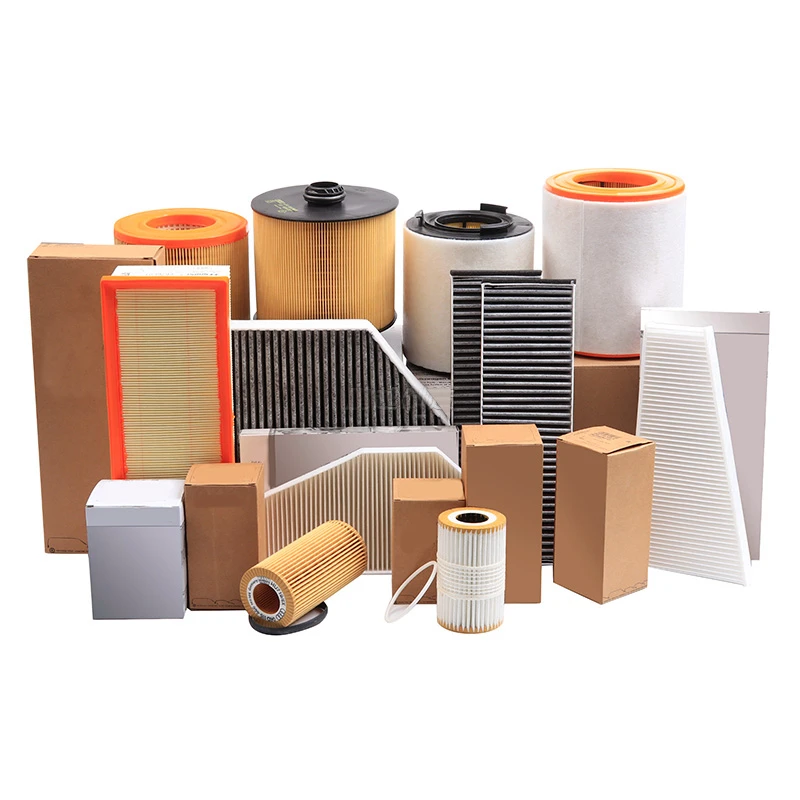
Maintaining a clean and efficient air filtration system is essential for both vehicle performance and passenger comfort. Among the critical components in this system is the auto cabin air filter, which plays a pivotal role in ensuring the air circulating within your car’s interior is free from pollutants, allergens, and particulate matter. Yet, many drivers overlook timely auto cabin air filter replacement, resulting in reduced air quality and increased strain on the vehicle's HVAC system. Understanding how and when to replace this filter can help extend the lifespan of your car and improve your overall driving experience.
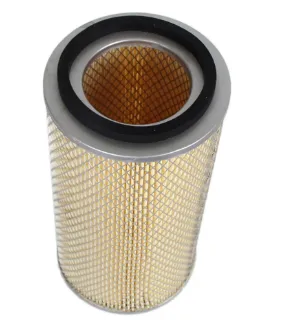
Filter Functionality and Importance
The car air cabin filter is specifically designed to remove contaminants such as dust, pollen, smog, and mold spores from the outside air before it enters the passenger cabin. It functions much like a home HVAC filter, but within the vehicle’s ventilation system. Without regular maintenance or replacement, this filter becomes clogged, compromising airflow and reducing the effectiveness of your car’s air conditioning and heating. Dirty filters can also result in unpleasant odors and trigger allergies or respiratory issues for passengers.
When and Why to Replace Your Cabin Air Filter
The recommended interval for auto cabin air filter replacement is typically every 12,000 to 15,000 miles, or at least once a year, depending on driving conditions. Urban areas with high pollution levels, dusty environments, or frequent off-road driving may necessitate more frequent replacements. Failing to replace a clogged filter can lead to reduced HVAC efficiency, increased engine workload, and higher fuel consumption. Moreover, it may contribute to a foggy windshield and inconsistent air circulation, especially during extreme weather conditions.
Consequences of Neglecting Cabin Air Filter Replacement
Many drivers underestimate the impact of a neglected car air conditioner filter. When this component is overdue for replacement, the system must work harder to push air through, straining the blower motor and increasing the risk of system failure. Moreover, allergens and pollutants can accumulate inside the car, diminishing the health benefits of air conditioning. If you've wondered what happens if you don’t change your cabin air filter, the answer includes poor air quality, reduced fuel efficiency, and unnecessary wear on HVAC components.
Choosing and Replacing the Right Filter
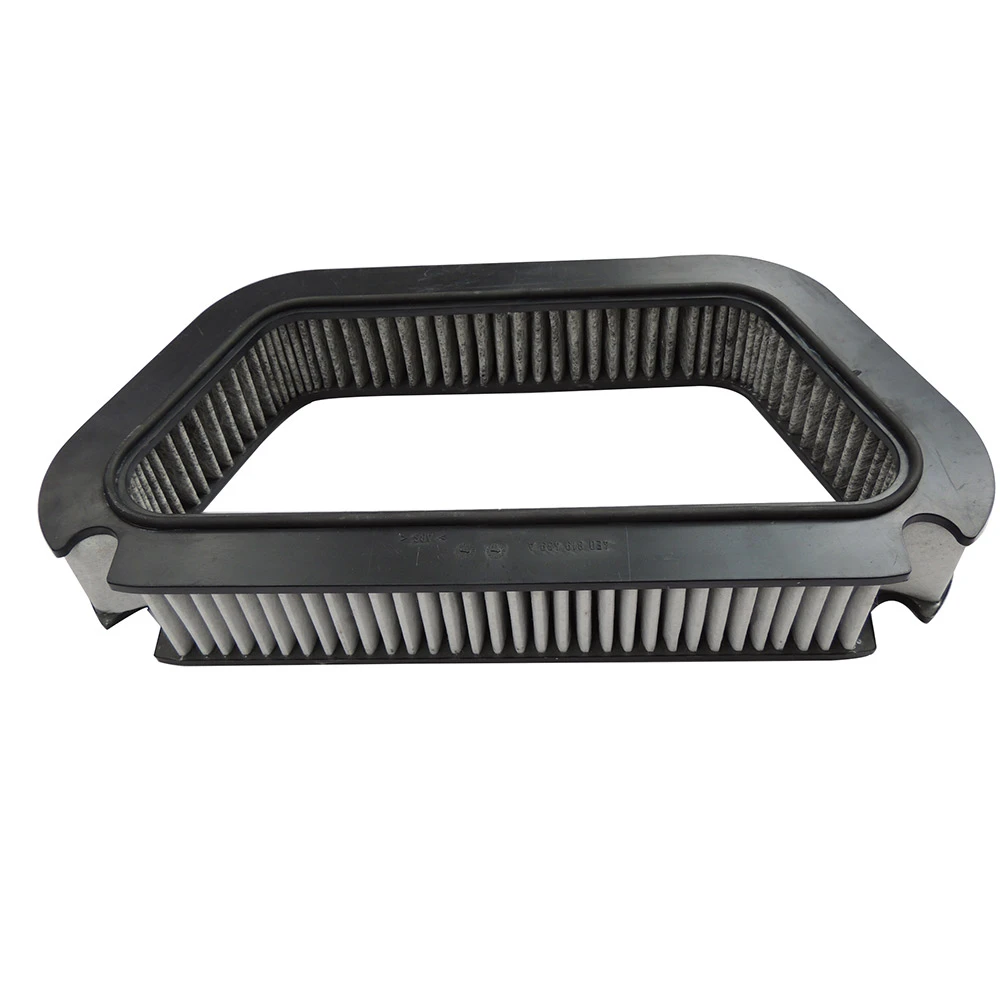
Identifying the correct auto cabin air filter replacement for your vehicle starts with consulting your owner’s manual or checking compatible filter models online. Filters come in various sizes and materials, including activated carbon filters that offer enhanced odor control and pollutant absorption. When selecting a car aircon filter, prioritize high-quality materials that ensure durability and superior filtration. The replacement process is usually straightforward and can often be done without professional help—usually located behind the glove box or under the dashboard.
Cabin Air Filter FAQs
What happens if you don’t change your cabin air filter?
Neglecting to replace your car air cabin filter leads to restricted airflow in the vehicle’s HVAC system, which forces it to work harder and reduces its efficiency. This can result in higher fuel consumption, reduced cooling or heating performance, and a greater concentration of pollutants inside the car. Over time, it can also damage the blower motor and lead to more costly repairs.
How often should you change your cabin air filter?
The general recommendation is every 12,000 to 15,000 miles or at least once a year, but you should consider more frequent replacements if you frequently drive in polluted or dusty environments. Always refer to your car’s manual for specific guidance regarding your vehicle model.
What size cabin air filter do I need?
The size and type of cabin air filter depend on your vehicle’s make, model, and year. You can find this information in your car’s owner manual or by consulting online databases provided by auto parts retailers. Always ensure the dimensions and filter type match the specifications for your car.
What air filter do I need for my car?
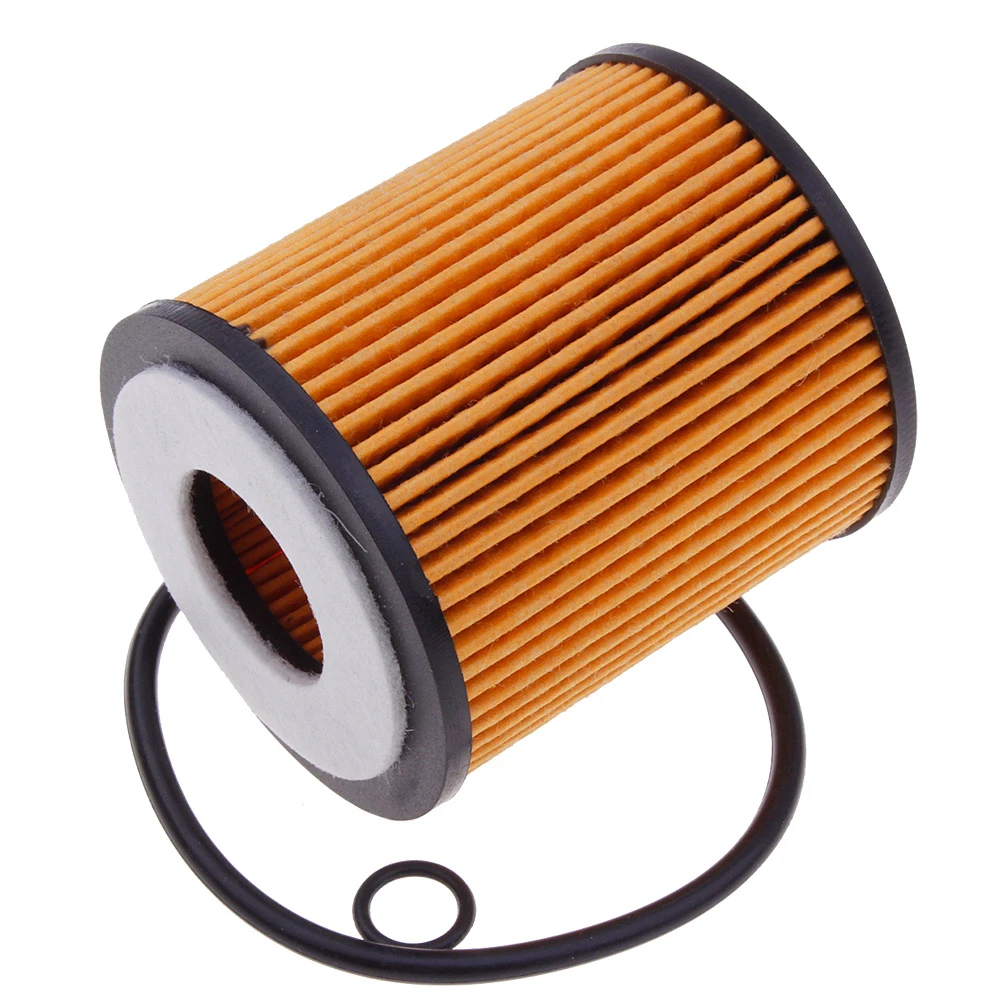
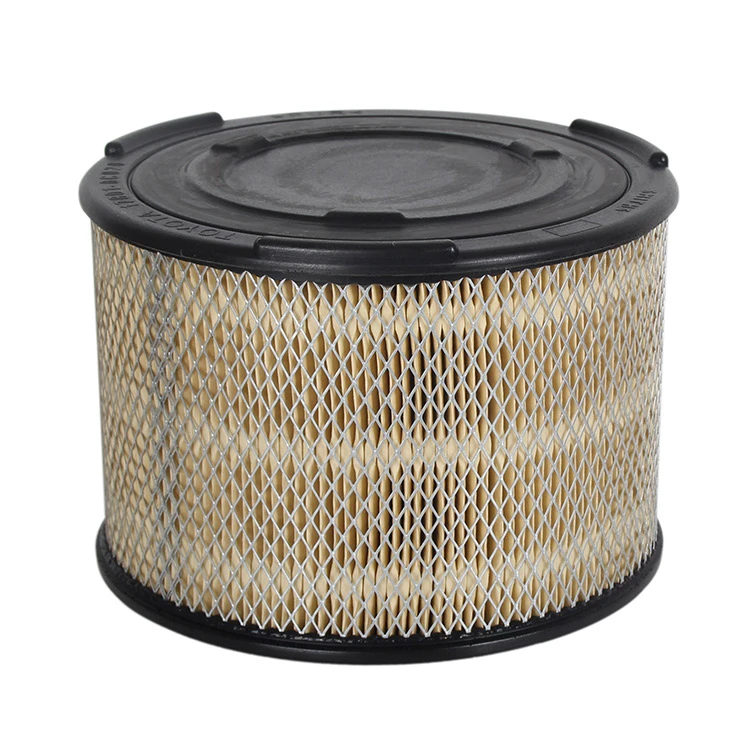
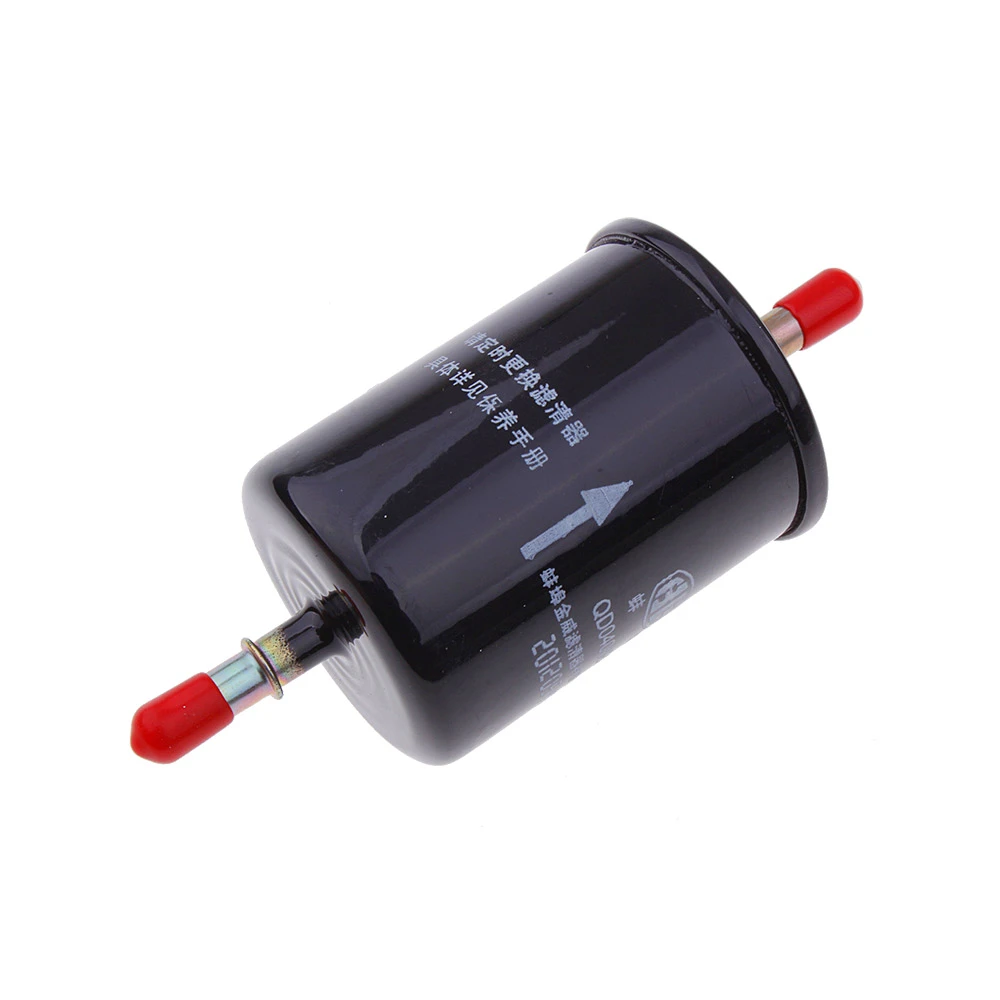
There are several filters in a vehicle, including the engine air filter, automotive air conditioning filter, fuel filter, and oil filter. For the cabin, choose a car air conditioner filter or car aircon filter specifically designed for your make and model. Activated carbon filters are often a better option for added protection against odors and airborne pollutants.
Can I clean my cabin air filter instead of replacing it?
Some cabin filter car models, especially reusable or washable types, can be cleaned with compressed air or water. However, many filters are disposable and should be replaced when dirty or after the recommended usage period. Cleaning can help temporarily restore airflow but may not be as effective as using a fresh filter in maintaining indoor air quality and filtration efficiency.
-
Guide on how often do you need to replace engine air filterNewsApr.16,2026
-
Learn how often do you replace air filter in car for engine healthNewsApr.09,2026
-
How Often Do You Replace Car Air Filter For Optimal Engine PerformanceNewsApr.07,2026
-
How Often Do You Replace Engine Air Filter For Optimal Vehicle PerformanceNewsApr.04,2026
-
Understanding How Often Does Engine Air Filter Need to Be Replaced for Optimal PerformanceNewsMar.31,2026
-
How Often Engine Air Filter Change Impacts Performance and LongevityNewsMar.28,2026
-
Understanding How Often to Replace Your Car Air Filter for Optimal PerformanceNewsMar.26,2026
Related Products