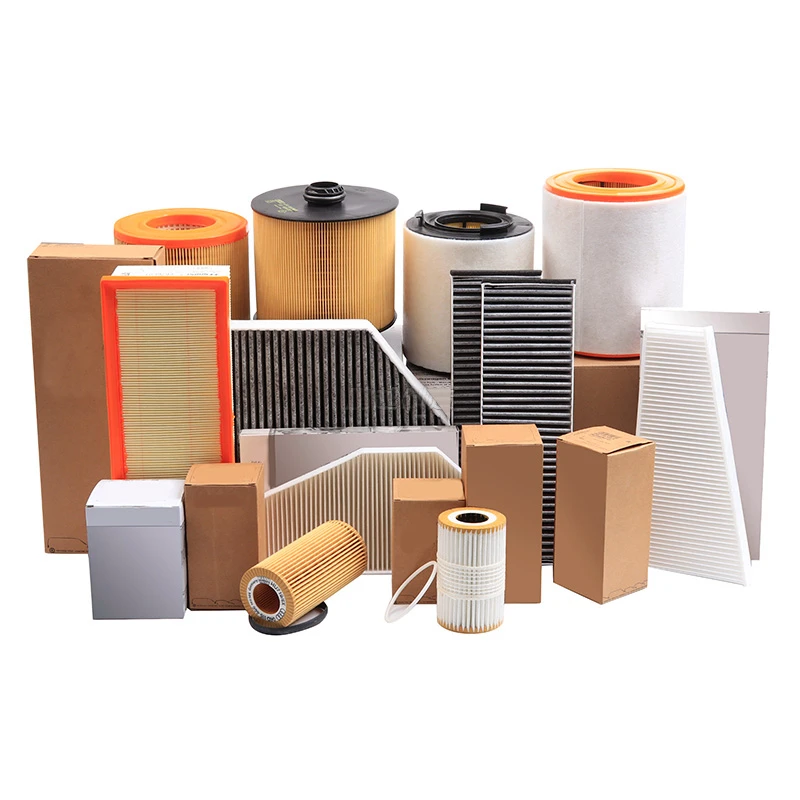
How Often Should I Change Car Cabin Air Filter?
Your car's cabin air filter plays a vital role in ensuring the air you breathe inside your vehicle is clean and healthy. It traps dust, pollen, pollutants, and other airborne particles, protecting both you and your vehicle's HVAC system. But like any filter, it gets clogged over time and needs replacement. Understanding when to change your cabin air filter is crucial for maintaining good air quality and optimal vehicle performance. This article will guide you through the factors influencing replacement frequency, signs it's time for a new filter, and the benefits of regular maintenance.

Understanding Cabin Air Filters and Their Importance
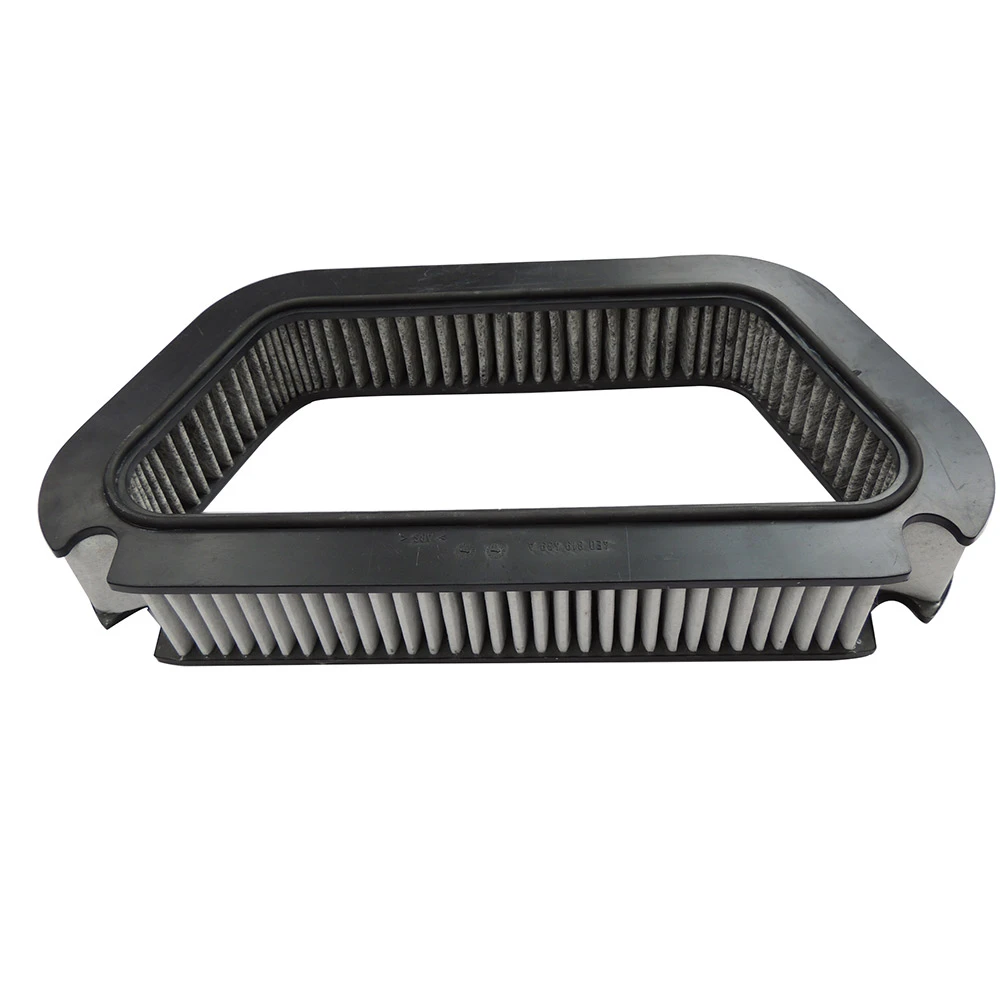
The cabin air filter is typically located behind the glove compartment or under the dashboard. Its primary function is to filter the air that enters your vehicle's cabin through the ventilation system. Without a functioning cabin air filter, dust, pollen, mold spores, and even exhaust fumes can circulate within the car, leading to discomfort, allergies, and potential health issues. Replacing the filter regularly not only improves air quality but also protects your HVAC system from damage caused by debris buildup. A clean filter ensures efficient airflow and optimal system performance. Don't underestimate the impact of a small filter on your overall driving experience and health!
Key Benefits: Improved air quality, reduced allergens, protection of HVAC system, enhanced comfort, and optimal system performance.
How Often Should You Replace Your Cabin Air Filter?
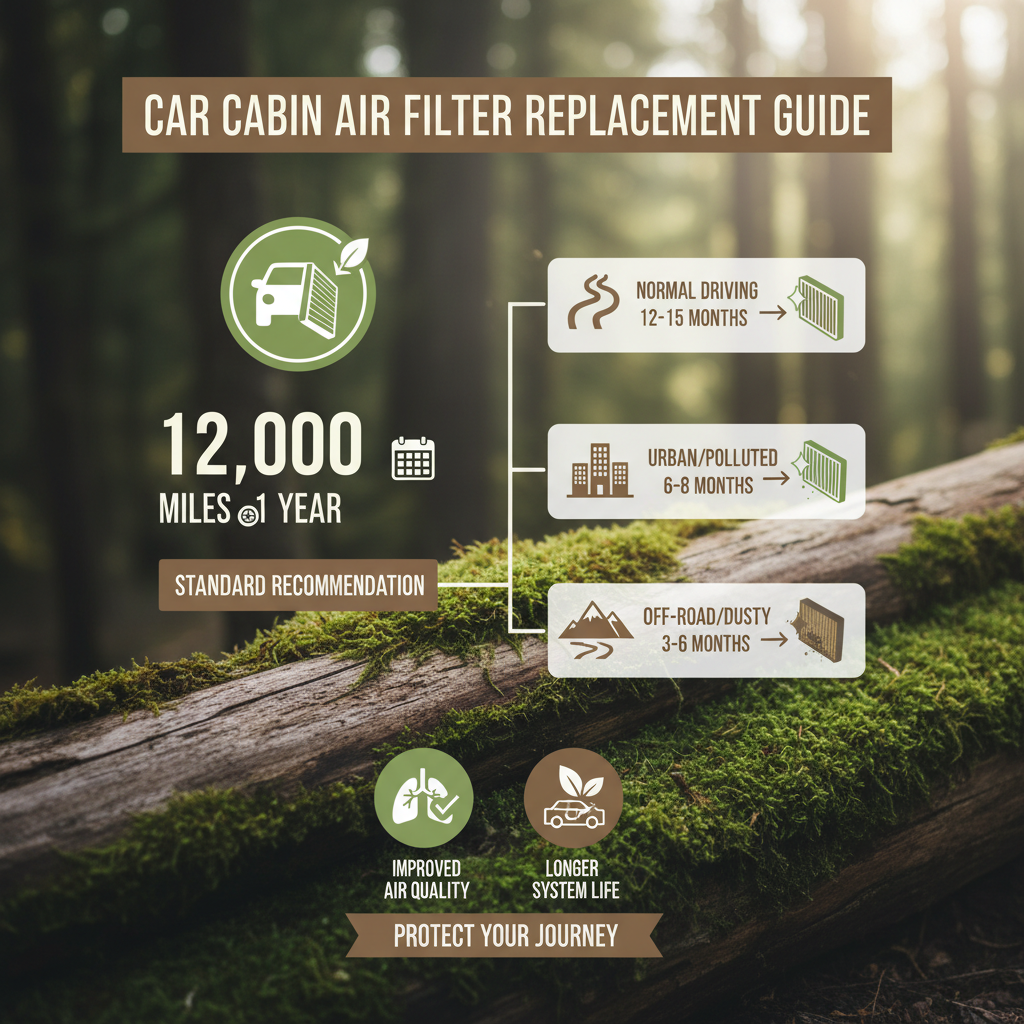
There's no one-size-fits-all answer, as the ideal replacement frequency depends on several factors. However, a general guideline is to replace your cabin air filter every 12,000 to 15,000 miles or once a year – whichever comes first. However, this is just a starting point. Consider these factors:
- Driving Conditions: If you frequently drive in dusty or polluted areas, you'll need to replace the filter more often.
- Climate: Areas with high pollen counts or humidity can also necessitate more frequent changes.
- Vehicle Usage: If you use your vehicle extensively for commuting or long trips, the filter will likely clog faster.
- Personal Sensitivities: If you have allergies or respiratory issues, replacing the filter more often can significantly improve your comfort.
Replacement Frequency Guidelines:
• Normal Driving Conditions: 12,000-15,000 miles / 1 year
• Dusty/Polluted Areas: 5,000-7,500 miles / 6 months
• High Pollen/Humidity: 7,500-10,000 miles / 9 months
• Allergy/Respiratory Issues: 3,000-5,000 miles / 3-6 months
Recognizing the Signs Your Cabin Air Filter Needs Changing
Even if you adhere to the recommended replacement schedule, it's essential to be aware of the signs indicating your cabin air filter needs immediate attention. These include:
- Reduced Airflow: Noticeably weaker airflow from the vents.
- Unusual Odors: A musty or moldy smell emanating from the vents.
- Increased Dust: More dust accumulating on your car's interior surfaces.
- Allergic Reactions: Increased allergy symptoms (sneezing, coughing, itchy eyes) while driving.
- HVAC System Issues: Diminished cooling or heating performance.
If you experience any of these symptoms, it's best to inspect and potentially replace your cabin air filter promptly.
Cabin Air Filter Types: Choosing the Right One
Cabin air filters come in various types, each offering different levels of filtration. Here's a breakdown:
At JY Filter, we offer a wide selection of high-quality cabin air filters to suit various vehicle makes and models.
DIY Replacement or Professional Service?
Replacing your cabin air filter is a relatively simple DIY task for many vehicle owners. Most vehicles have easy-to-access filter housings. However, if you're uncomfortable working on your car or unsure about the process, it's best to have a professional mechanic handle the replacement. A mechanic can ensure the filter is installed correctly and can also inspect your HVAC system for any other potential issues.
Conclusion: Breathe Easy with Regular Filter Changes
Prioritizing your cabin air filter maintenance is a small investment that yields significant benefits for your health, comfort, and vehicle's performance. By following the guidelines outlined in this article and choosing a high-quality filter from a trusted source like JY Filter, you can ensure a clean and healthy driving environment for yourself and your passengers.
Frequently Asked Questions (FAQs)
What happens if I don't change my cabin air filter?
Neglecting to replace your cabin air filter can lead to several problems. A clogged filter restricts airflow to the HVAC system, reducing its efficiency and potentially causing it to work harder, leading to premature wear and tear. This can result in decreased cooling or heating performance, increased energy consumption, and unpleasant odors. More importantly, a dirty filter allows dust, pollen, and pollutants to circulate within the cabin, potentially triggering allergies, respiratory issues, and impacting your overall health. Regularly replacing the filter is a simple step to protect both your vehicle and your well-being.
Can a dirty cabin air filter affect my car's gas mileage?
Yes, a significantly clogged cabin air filter can indirectly affect your car's gas mileage. When the filter is restricted, the HVAC system has to work harder to maintain the desired temperature. This increased strain on the engine can lead to a slight decrease in fuel efficiency. While the impact may not be substantial, it's another reason to prioritize regular filter replacement. Maintaining optimal airflow reduces the load on the HVAC system and helps your engine run more efficiently.
Where can I find the right cabin air filter for my vehicle?
The best place to find the correct cabin air filter for your vehicle is through a reputable auto parts retailer or directly from a manufacturer like JY Filter. Our website features a vehicle selector tool that allows you to quickly and easily identify the compatible filter for your specific make, model, and year. You can also consult your vehicle's owner's manual for the recommended filter type and size.
Is it difficult to change the cabin air filter myself?
Generally, changing a cabin air filter is a relatively easy DIY task. Most vehicles have a clearly marked filter housing located behind the glove compartment or under the dashboard. The process typically involves removing a few clips or screws, accessing the old filter, and replacing it with a new one. However, the specific steps can vary depending on your vehicle's make and model. If you're unsure about any part of the process, it’s best to consult your vehicle's owner's manual or seek assistance from a professional mechanic.
-
Guide on how often do you need to replace engine air filterNewsApr.16,2026
-
Learn how often do you replace air filter in car for engine healthNewsApr.09,2026
-
How Often Do You Replace Car Air Filter For Optimal Engine PerformanceNewsApr.07,2026
-
How Often Do You Replace Engine Air Filter For Optimal Vehicle PerformanceNewsApr.04,2026
-
Understanding How Often Does Engine Air Filter Need to Be Replaced for Optimal PerformanceNewsMar.31,2026
-
How Often Engine Air Filter Change Impacts Performance and LongevityNewsMar.28,2026
-
Understanding How Often to Replace Your Car Air Filter for Optimal PerformanceNewsMar.26,2026
Related Products