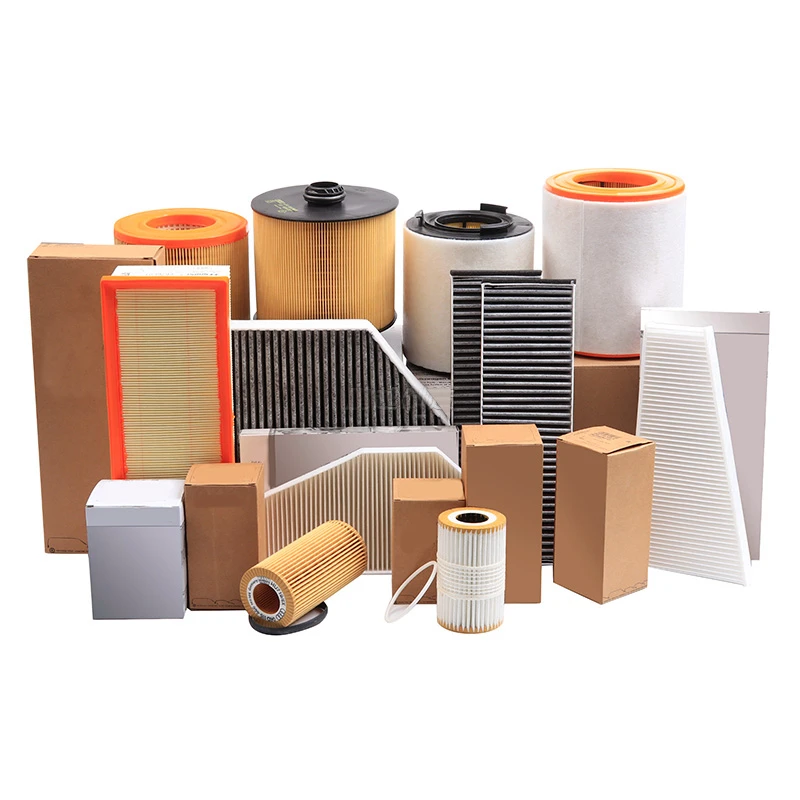
How Often Should I Change Engine Air Filter?
Maintaining your vehicle means staying on top of routine maintenance tasks, and one of the most often overlooked, yet crucial, is changing the engine air filter. A clean air filter ensures optimal engine performance, fuel efficiency, and protects vital engine components. But how often should you change engine air filter? This article will guide you through understanding your filter's needs, factors influencing replacement frequency, and signs it's time for a change. Protecting your engine and maximizing your vehicle’s lifespan starts with a simple, regular check.
The General Rule: Recommended Replacement Intervals
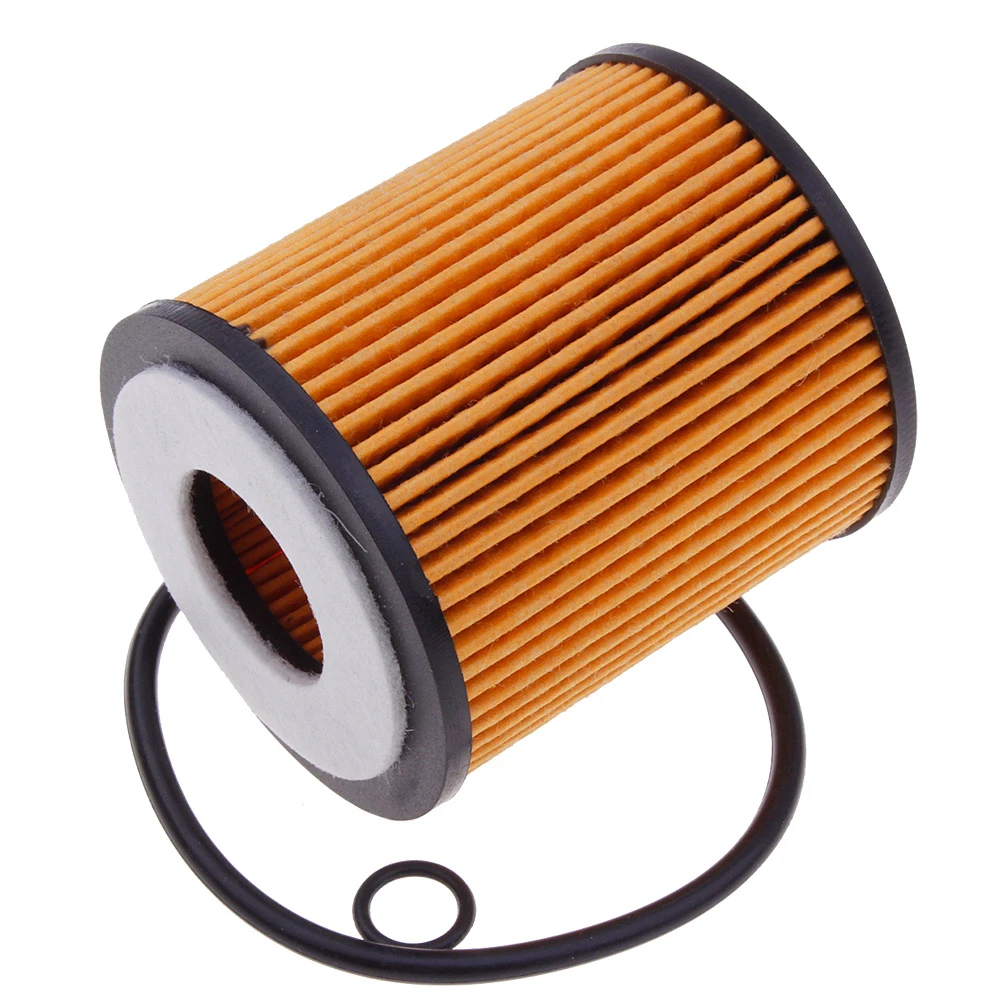
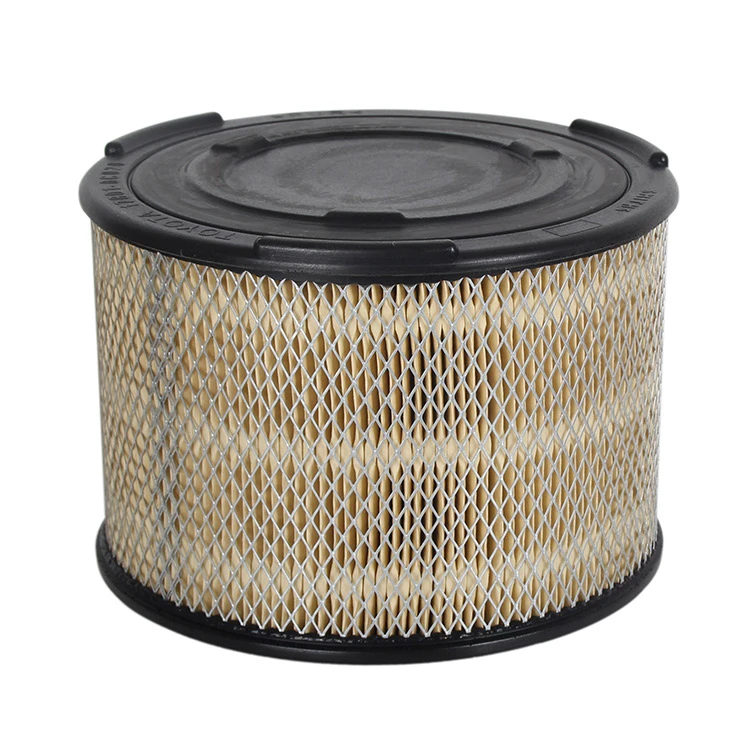
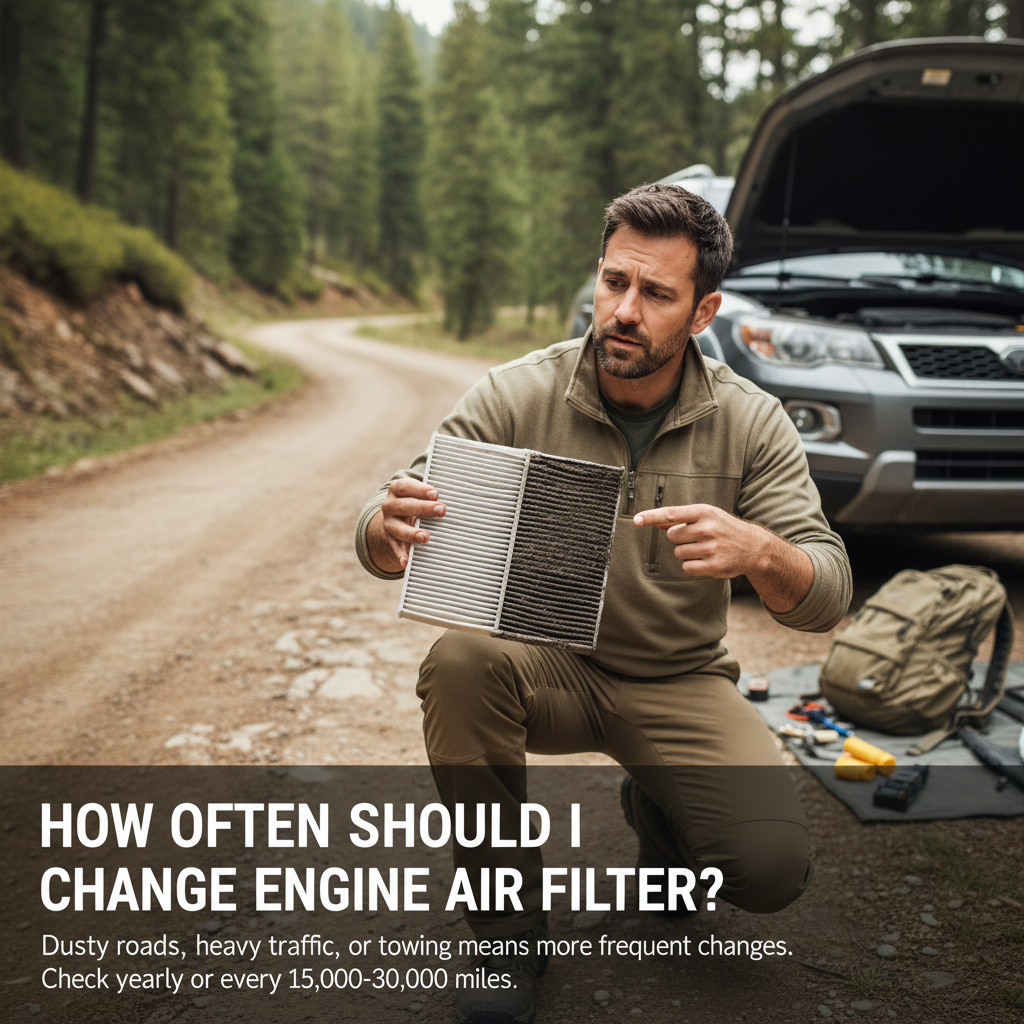
As a general guideline, most vehicle manufacturers recommend changing the engine air filter every 12,000 to 15,000 miles, or approximately once a year. However, this is a broad recommendation and doesn’t account for specific driving conditions. Modern vehicles with more advanced filtration systems may have slightly extended intervals. Always consult your vehicle’s owner’s manual for the precise recommendation for your make and model. At JY Filter, we offer a wide range of high-quality engine air filters designed for various vehicle types.
Key Takeaway: Regular air filter replacement is critical for maintaining engine health and fuel efficiency. Checking your owner’s manual and considering your driving conditions are important steps.
Factors Influencing Filter Replacement Frequency
Several factors can accelerate the clogging of your engine air filter, necessitating more frequent replacements. These include:
- Driving Conditions: Frequent driving in dusty, dirty, or off-road environments will significantly shorten the filter's lifespan.
- Climate: Areas with high pollen counts or air pollution require more frequent filter changes.
- Driving Habits: Short trips where the engine doesn’t fully warm up can lead to increased condensation and dirt buildup.
- Vehicle Usage: Vehicles used for commercial purposes or heavy towing experience greater engine strain and require more frequent maintenance.
Adapting your replacement schedule based on these factors will help keep your engine running smoothly.
Signs It's Time to Change Your Engine Air Filter
Even if you're within the recommended mileage interval, pay attention to these warning signs indicating a need for a filter change:
- Reduced Fuel Economy: A clogged filter restricts airflow, forcing the engine to work harder and consume more fuel.
- Decreased Engine Performance: You may notice a lack of acceleration or reduced power, especially when climbing hills.
- Check Engine Light: In some cases, a severely clogged filter can trigger the check engine light.
- Unusual Engine Noises: Whistling sounds from the engine area can indicate restricted airflow.
- Visible Dirt and Debris: A visual inspection reveals a noticeably dirty or clogged filter.
Regularly inspecting your air filter is a simple way to identify potential problems before they escalate.
Common Symptoms of a Clogged Air Filter:
• Reduced gas mileage
• Lower engine power and acceleration
• Check engine light illumination
• Difficulty starting the engine
Air Filter Types and Their Lifespans: A Comparative Look
Engine air filters come in different materials, each offering varying levels of filtration and lifespan. Here’s a comparison:
DIY or Professional Replacement?
Replacing an engine air filter is a relatively simple task that most DIY enthusiasts can handle. It typically involves locating the air filter housing, removing the old filter, and installing the new one. However, if you’re not comfortable performing this task yourself, or if you encounter any difficulties, it’s best to consult a qualified mechanic. Proper installation ensures optimal filtration and engine protection. JY Filter provides resources and information to help you choose the right filter for your vehicle.
Conclusion: Proactive Filter Replacement for Engine Longevity
Ultimately, regular engine air filter replacement is a small investment that yields significant benefits. By staying vigilant about your filter’s condition and replacing it as needed, you can protect your engine, improve fuel efficiency, and extend the life of your vehicle. Don't wait for symptoms to appear – make filter checks a part of your routine maintenance schedule.
Frequently Asked Questions (FAQs)
Can I clean my engine air filter instead of replacing it?
While some cotton gauze filters can be cleaned and re-oiled, paper and synthetic filters should always be replaced. Attempting to clean a paper filter can damage the delicate fibers, reducing its effectiveness. Cleaning a filter isn't a permanent solution and won’t restore it to its original filtration capacity. Replacement is the most reliable option for maintaining optimal engine protection.
What happens if I drive with a clogged air filter?
Driving with a severely clogged air filter can lead to several problems, including reduced fuel economy, decreased engine performance, and increased emissions. Over time, it can even cause damage to the engine itself. The engine has to work harder to draw in air, putting strain on components and potentially leading to premature wear and tear.
Where is the engine air filter located?
The location of the engine air filter varies depending on the vehicle make and model. However, it’s typically found inside a black plastic housing located near the engine, often under the hood. Consult your vehicle’s owner’s manual for the precise location and instructions for accessing it.
Are expensive air filters always better?
Not necessarily. While higher-priced filters often offer better filtration and durability, they aren't always the best choice for every vehicle and driving condition. Consider your driving habits and environment when selecting a filter. A quality paper or synthetic filter may be sufficient for normal driving conditions, while a cotton gauze filter may be more suitable for performance applications.
-
Guide on how often do you need to replace engine air filterNewsApr.16,2026
-
Learn how often do you replace air filter in car for engine healthNewsApr.09,2026
-
How Often Do You Replace Car Air Filter For Optimal Engine PerformanceNewsApr.07,2026
-
How Often Do You Replace Engine Air Filter For Optimal Vehicle PerformanceNewsApr.04,2026
-
Understanding How Often Does Engine Air Filter Need to Be Replaced for Optimal PerformanceNewsMar.31,2026
-
How Often Engine Air Filter Change Impacts Performance and LongevityNewsMar.28,2026
-
Understanding How Often to Replace Your Car Air Filter for Optimal PerformanceNewsMar.26,2026
Related Products