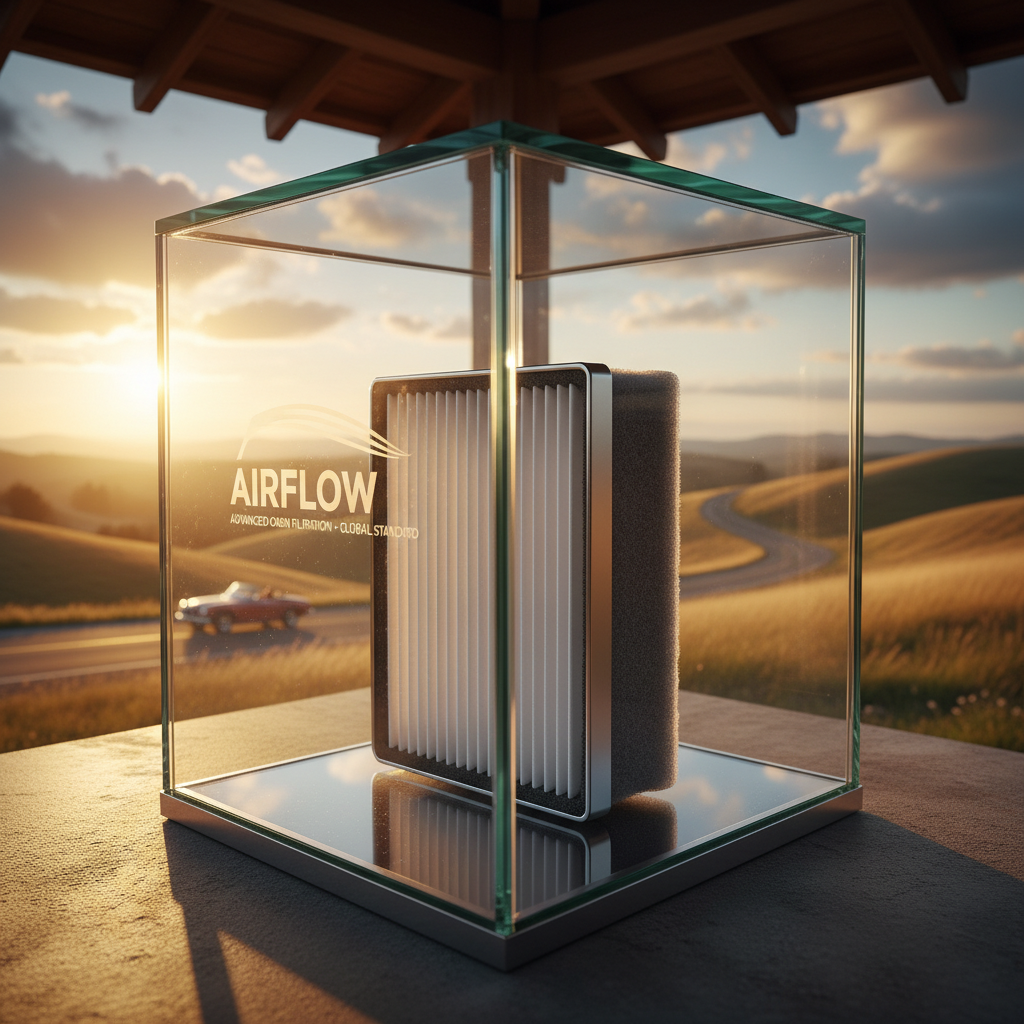
The air flow cabin filter is a critical component in modern vehicle climate control systems, playing a vital role in maintaining the health and well-being of drivers and passengers. Globally, concerns about air quality are rising, particularly in urban environments and regions with high pollution levels. An effective air flow cabin filter addresses this challenge by removing harmful particulate matter, allergens, and pollutants from the air entering the vehicle's cabin, creating a cleaner and healthier breathing environment. Understanding its function and maintenance is increasingly important for vehicle owners and fleet managers alike.
The demand for high-quality air flow cabin filter solutions is directly linked to growing awareness of respiratory health and the increasing prevalence of allergies and asthma. International organizations, such as the World Health Organization (WHO), consistently highlight the detrimental effects of air pollution on human health, driving a need for effective filtration systems. Furthermore, the automotive industry is responding to consumer demand for improved cabin air quality with advanced filter technologies.
Ultimately, an air flow cabin filter is a small component with a significant impact. Investing in and regularly replacing this filter not only enhances driving comfort but also contributes to long-term health and safety. This makes understanding its operation and proper maintenance crucial for anyone operating a vehicle in today's environment.
The Importance of Air Flow Cabin Filters
Air flow cabin filters have become indispensable in modern vehicles, far beyond simply preventing leaves and debris from entering the ventilation system. They actively safeguard occupant health by filtering out microscopic particles like dust, pollen, mold spores, and even harmful exhaust gases. This is particularly vital for individuals with allergies, asthma, or other respiratory sensitivities, offering them a more comfortable and safer driving experience.
The rising levels of air pollution in urban areas and industrial zones worldwide underscore the importance of a functioning air flow cabin filter. Prolonged exposure to these pollutants can lead to serious health complications. Regularly replacing your cabin air filter is a proactive step towards protecting your health and maintaining the efficiency of your vehicle’s HVAC system.
Defining Air Flow Cabin Filters
An air flow cabin filter, also known as a pollen filter, is a specialized filter typically made from pleated paper, synthetic fibers, or activated carbon. It's designed to clean the air that flows into the vehicle's passenger compartment through the heating, ventilation, and air conditioning (HVAC) system. Unlike engine air filters which protect the engine, cabin air filters protect the occupants.
The connection to modern industry lies in the increasingly sophisticated demands for in-cabin comfort and air quality. Automakers are prioritizing these features to enhance the overall driving experience and appeal to health-conscious consumers. This has driven innovation in filter materials and designs, leading to filters with higher efficiency and longer lifespans.
This is not merely a convenience feature, but a necessary component for ensuring the wellbeing of drivers and passengers, especially in densely populated areas or those with compromised air quality. An efficient air flow cabin filter directly addresses a growing humanitarian need for cleaner air environments within personal transportation.
Key Factors Influencing Air Flow Cabin Filter Performance
Several key factors determine the effectiveness of an air flow cabin filter. Filtration Efficiency is paramount, measured by its ability to capture particles of varying sizes. Filters are often rated based on MERV (Minimum Efficiency Reporting Value) or similar standards, indicating the percentage of particles they can remove.
Filter Material plays a significant role. Activated carbon filters, for example, excel at removing odors and gases, while HEPA (High-Efficiency Particulate Air) filters offer superior particulate matter removal. Airflow Resistance is also critical; a highly efficient filter that restricts airflow can reduce HVAC system performance. Filter Life is dependent on driving conditions and air quality, but regular replacement is essential.
Finally, Sealing Integrity is crucial. A poorly sealed filter bypasses the filtration media, allowing unfiltered air to enter the cabin. Proper installation ensures a tight seal, maximizing filter effectiveness. These factors interact, influencing the overall performance and the level of protection offered by the air flow cabin filter.
Global Applications and Industry Impact
The application of air flow cabin filters extends beyond passenger vehicles. They are widely used in commercial vehicles like buses and trucks, ensuring a healthier environment for drivers and passengers during long-haul transportation. Agricultural machinery, construction equipment, and even heavy-duty mining vehicles utilize these filters to protect operators from dust, allergens, and harmful airborne particles.
In regions with severe air pollution, such as major cities in China and India, the demand for high-efficiency air flow cabin filter is exceptionally high. Automotive manufacturers are increasingly offering upgraded filtration systems as standard equipment or optional upgrades in these markets. Furthermore, fleet operators in these regions prioritize regular filter replacement as part of their maintenance schedules.
Organizations involved in disaster relief operations often include air flow cabin filter among essential supplies for vehicles deployed to affected areas. This is particularly important in regions experiencing wildfires or volcanic eruptions, where air quality is severely compromised. Remote industrial zones, such as mining operations or construction sites, similarly benefit from the protective capabilities of these filters.
Air Flow Cabin Filter Types & Efficiency
Advantages and Long-Term Value Proposition
The advantages of using a high-quality air flow cabin filter are numerous. Tangible benefits include reduced HVAC system strain, leading to improved fuel efficiency and extended component lifespan. Regularly replacing the filter also minimizes the risk of costly repairs due to mold or mildew buildup within the system.
Beyond the practical benefits, an air flow cabin filter provides peace of mind, knowing that you and your passengers are breathing cleaner, healthier air. This contributes to increased comfort, reduced allergy symptoms, and improved overall well-being. The long-term value lies in prioritizing health and safety, preventing potential medical expenses, and ensuring a more enjoyable driving experience.
Future Trends in Air Flow Cabin Filter Technology
Future innovations in air flow cabin filter technology are focused on enhanced filtration capabilities, extended filter life, and smart features. Development is underway on filters incorporating nanotechnology to capture even smaller particles and neutralize viruses and bacteria. Materials science is driving the creation of filters with lower airflow resistance and higher efficiency.
Smart filters, equipped with sensors, will monitor air quality in real-time and provide alerts when replacement is needed. These filters can integrate with vehicle diagnostic systems, providing proactive maintenance recommendations. Sustainability is also a key trend, with manufacturers exploring biodegradable and recycled materials for filter construction.
Challenges and Innovative Solutions
One of the main challenges is filter clogging, especially in heavily polluted environments, leading to reduced airflow and HVAC system performance. Innovative solutions include filters with increased surface area and self-cleaning capabilities. Another challenge is the disposal of used filters, which often end up in landfills.
Manufacturers are addressing this by developing biodegradable filters and exploring recycling programs. Furthermore, optimizing filter design to maximize efficiency and minimize airflow resistance is an ongoing effort. Combining advanced materials with intelligent sensor technology will pave the way for more effective and sustainable air flow cabin filter solutions in the future.
The need for standardized testing and certification of air flow cabin filter performance is also crucial. Establishing clear benchmarks will enable consumers to make informed decisions and ensure they are receiving a product that meets their needs.
Summary of Air Flow Cabin Filter Challenges and Potential Solutions
| Challenge |
Impact on Filter Performance |
Potential Solution |
Implementation Cost (1-10) |
| Filter Clogging |
Reduced Airflow, Increased HVAC Strain |
Increased Surface Area, Self-Cleaning Features |
6 |
| Filter Disposal |
Environmental Impact, Landfill Waste |
Biodegradable Materials, Recycling Programs |
7 |
| Airflow Resistance |
Reduced HVAC Efficiency, Increased Energy Consumption |
Optimized Filter Design, Innovative Materials |
5 |
| Lack of Standardization |
Difficulty Comparing Filter Performance |
Development of Standardized Testing Protocols |
8 |
| Limited Smart Features |
Lack of Proactive Maintenance Alerts |
Integration of Sensors and Diagnostic Systems |
9 |
| Cost of High-Efficiency Filters |
Barrier to Adoption for Some Consumers |
Economies of Scale, Material Innovation |
4 |
FAQS
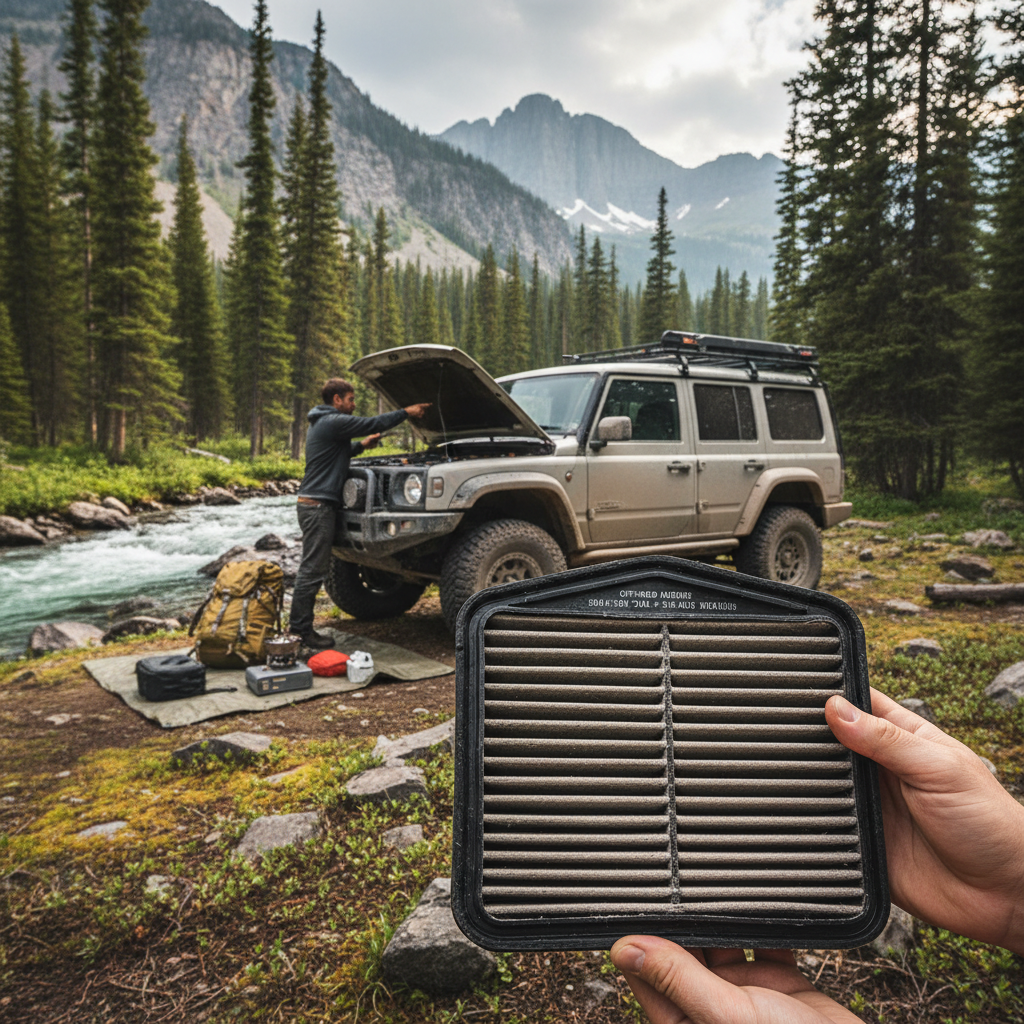
Generally, it's recommended to replace your air flow cabin filter every 12,000 to 15,000 miles or annually, whichever comes first. However, driving conditions significantly impact this. If you frequently drive in dusty or polluted areas, you may need to replace it more often – perhaps every 6,000 to 8,000 miles. Regularly checking the filter's condition will help determine the optimal replacement schedule. A clogged filter restricts airflow, reducing HVAC efficiency and potentially affecting air quality.
Several signs can indicate a clogged air flow cabin filter. These include reduced airflow from your vents, a musty or moldy odor coming from the vents, unusual noises from the HVAC system, and decreased heating or cooling performance. You might also notice that your windows fog up more easily. Addressing these symptoms promptly can prevent further damage to your HVAC system and maintain good air quality.
A standard air flow cabin filter primarily captures dust, pollen, and other particulate matter. A carbon filter, on the other hand, incorporates activated carbon, which absorbs odors, gases, and volatile organic compounds (VOCs). This makes carbon filters ideal for those sensitive to smells or living in areas with high levels of exhaust fumes. While carbon filters are more expensive, they offer superior air purification.
Yes, in many vehicles, replacing the air flow cabin filter is a relatively simple DIY task. The filter is usually located behind the glove compartment or under the dashboard. However, the location and access method vary depending on the vehicle make and model. Consult your owner's manual for specific instructions. If you're unsure about the process, it’s best to have a professional mechanic replace it.
HEPA (High-Efficiency Particulate Air) air flow cabin filters are designed to capture at least 99.97% of particles 0.3 microns in size. This makes them extremely effective at removing allergens, dust, pollen, mold spores, and other microscopic pollutants from the air. HEPA filters are often recommended for individuals with severe allergies or respiratory conditions. They represent the highest level of filtration available.
No, air flow cabin filters and engine air filters serve completely different purposes. Engine air filters protect the engine from debris and contaminants, ensuring optimal performance. Air flow cabin filters, as discussed, protect the occupants of the vehicle by cleaning the air entering the cabin. They are distinct components with separate functions and replacement schedules. Confusing the two could result in reduced engine performance or compromised in-cabin air quality.
Conclusion
In conclusion, the air flow cabin filter is a vital, yet often overlooked, component of modern vehicles. Its role in protecting occupant health, enhancing driving comfort, and maintaining HVAC system efficiency is undeniable. From its fundamental function of removing particulate matter to the advanced technologies incorporating activated carbon and HEPA filtration, the air flow cabin filter has evolved to meet the growing demands for cleaner air within our vehicles.
Looking ahead, continued innovation in materials, design, and smart features will further enhance the performance and sustainability of these filters. Prioritizing regular replacement and choosing the right filter for your needs is an investment in your health and well-being. For premium air flow cabin filter solutions and expert advice, visit our website: air flow cabin filter.