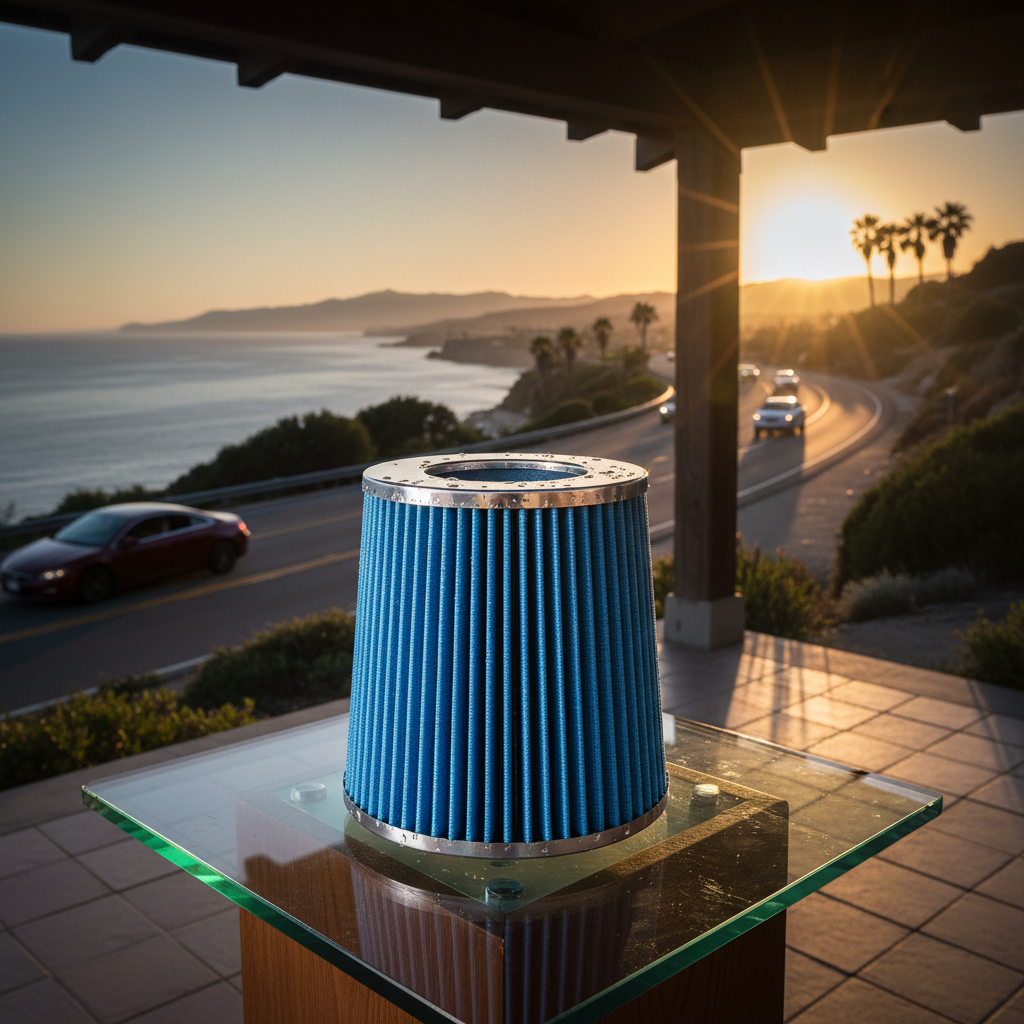
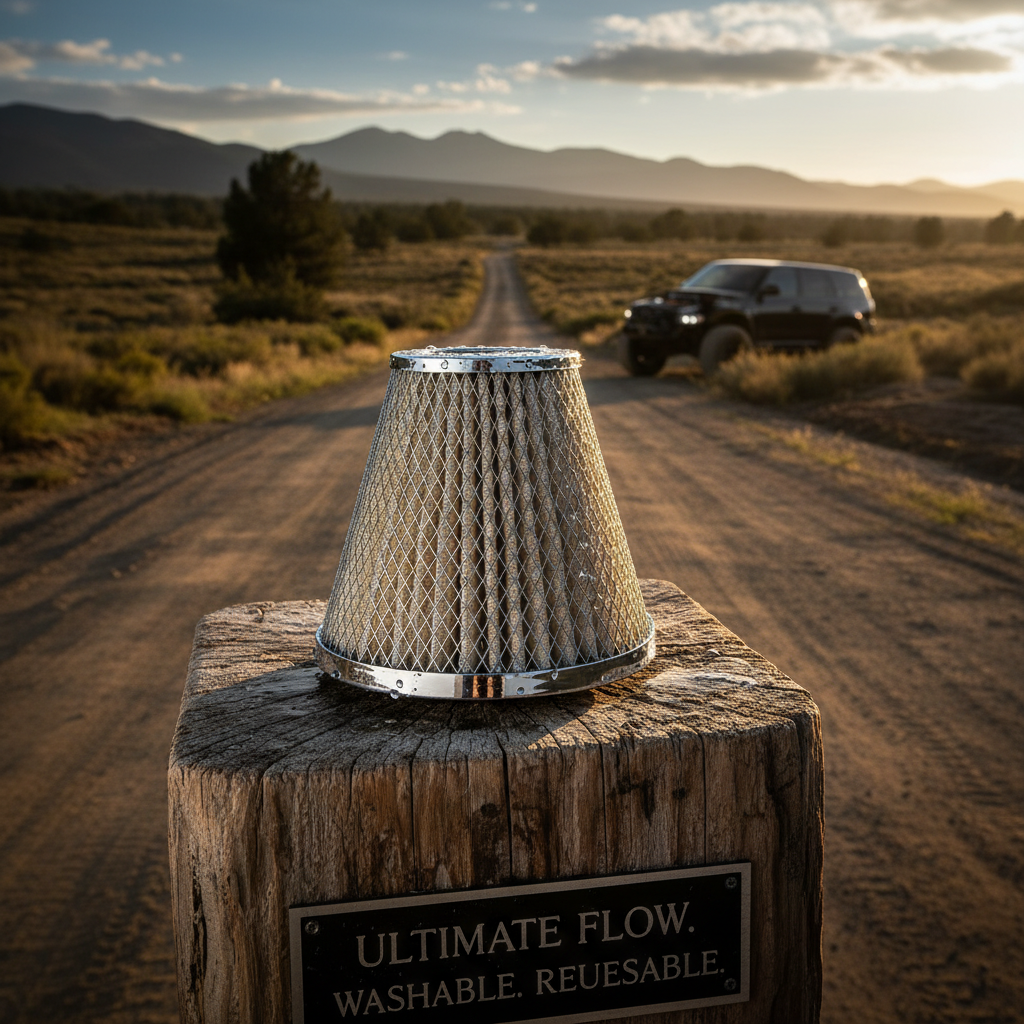
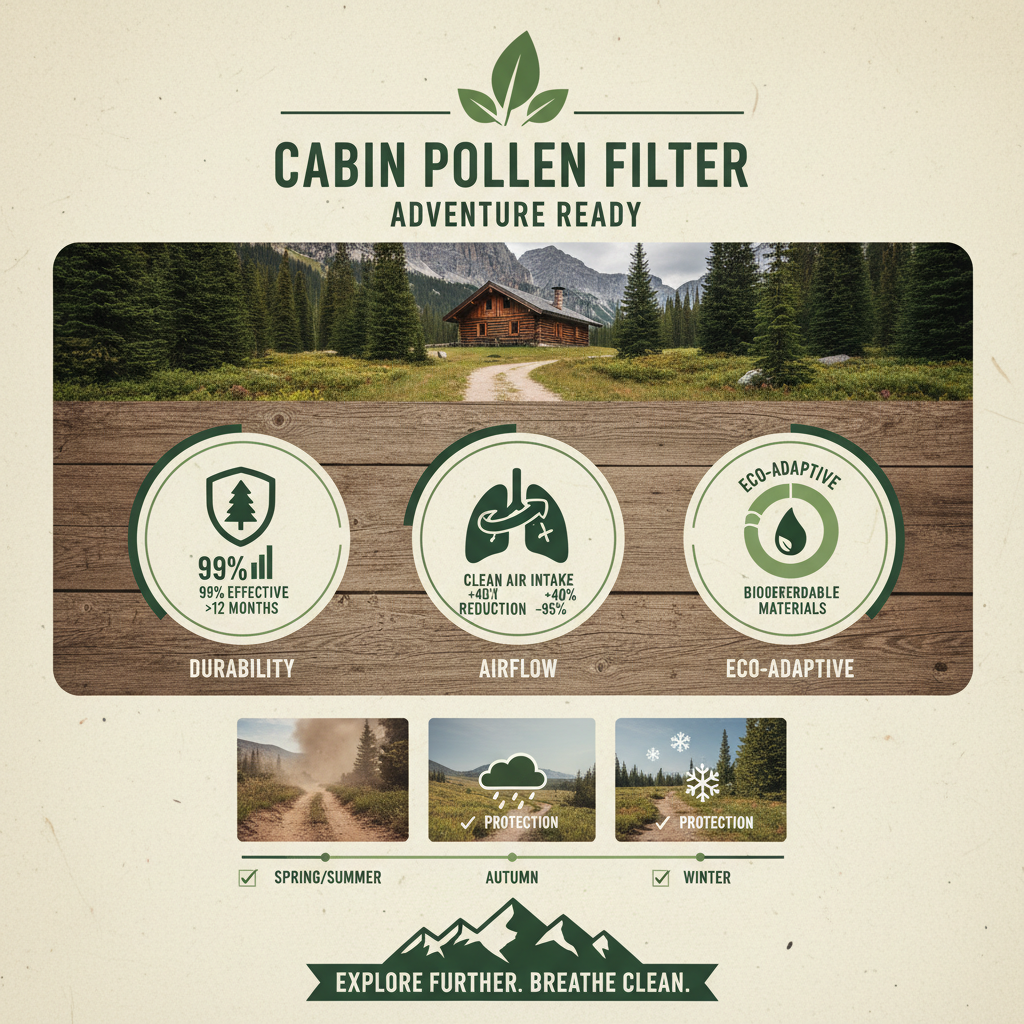
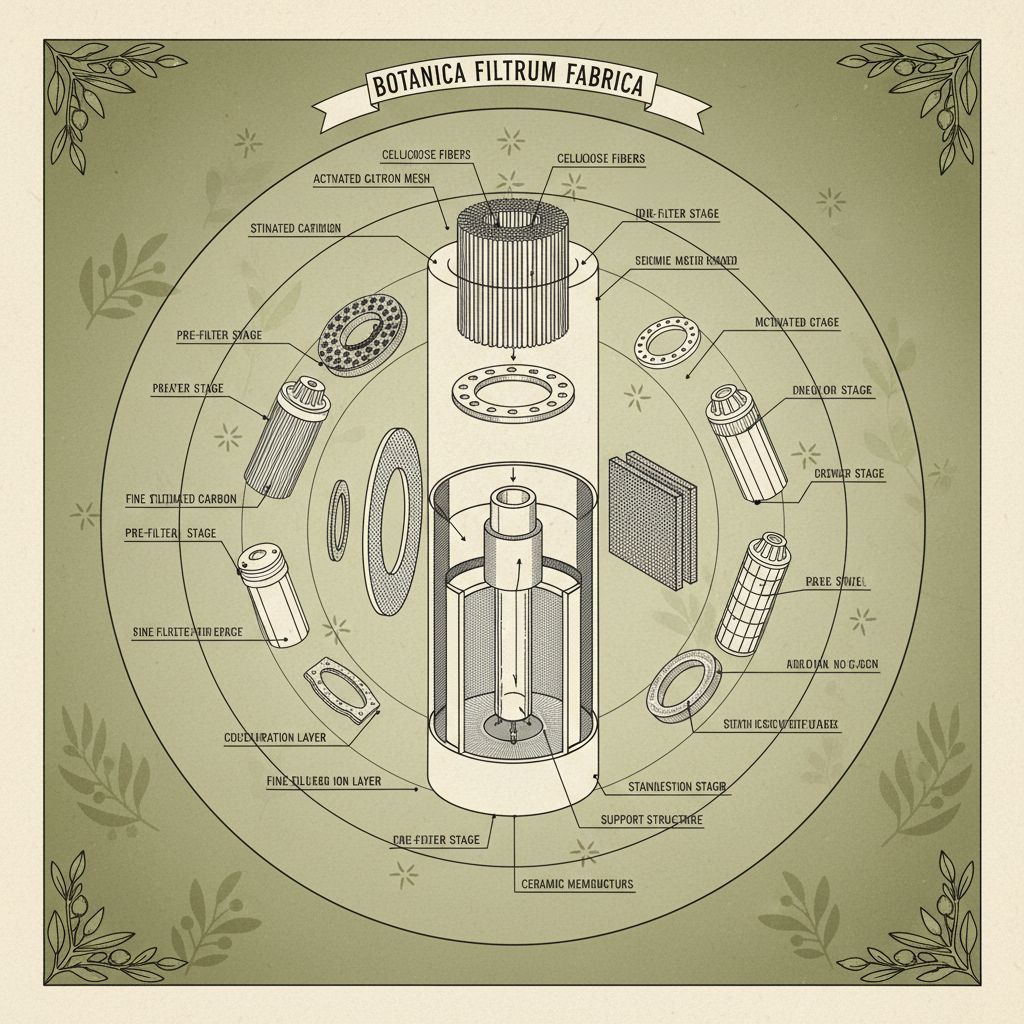
The increasing awareness of indoor air quality and its impact on health has driven significant demand for effective air filtration solutions. A key element in maintaining these systems is the ability to clean and reuse the filters, making air filter washable a critical consideration for both consumers and industries. This isn’t merely about cost savings; it's a move towards sustainability and reduced environmental impact.
The concept of air filter washable systems addresses a growing need to minimize waste associated with disposable filters. Globally, millions of filters are discarded annually, contributing to landfill overload. Implementing washable filters reduces this burden while maintaining air purification standards. Furthermore, accessible and easily cleanable filters promote proactive air quality management, especially in environments with heightened sensitivity to pollutants.
Understanding air filter washable technology is therefore vital, not just for those purchasing air purification devices, but for industries relying on clean air for manufacturing, healthcare, and environmental control. This practice is becoming increasingly essential in regions grappling with air pollution, resource scarcity, and a growing emphasis on sustainable practices.
The Importance of Washable Air Filters
The adoption of air filter washable solutions is a critical step towards a more sustainable and economically viable approach to air purification. Traditional disposable filters represent a continuous cycle of resource depletion and waste generation. Embracing washable filters directly addresses these concerns, reducing the environmental footprint and minimizing long-term costs.
Beyond environmental benefits, air filter washable systems offer enhanced convenience and long-term savings for consumers and businesses. Reducing the frequency of filter replacements simplifies maintenance routines and eliminates the ongoing expense of purchasing new filters. This is especially advantageous in environments requiring consistently high levels of air purity.
Defining Air Filter Washable Technology
Air filter washable technology refers to air filtration systems utilizing filter media designed for repeated cleaning and reuse. Unlike disposable filters, which are discarded once saturated with contaminants, washable filters are constructed from materials capable of withstanding multiple cleaning cycles without significant degradation in performance. These materials typically include synthetic fibers, foams, and specialized polymers.
This technology is particularly relevant in modern industrial settings and public health applications, where maintaining consistent air quality is paramount. The use of air filter washable components allows for continuous operation with minimal downtime, as filters can be cleaned and restored without requiring full system shutdowns. This responsiveness is crucial in sensitive environments like hospitals and laboratories.
The effectiveness of a washable filter doesn’t solely rely on the material itself, but also on the cleaning methods employed. Proper cleaning protocols are essential to remove accumulated pollutants and restore the filter’s original efficiency.
Key Factors Influencing Washable Filter Performance
Several factors determine the effectiveness and longevity of air filter washable systems. The first is the material composition of the filter itself; durable and resilient materials are essential for withstanding repeated cleaning without losing their filtration capabilities. The pore size and density of the filter media also play a critical role, dictating the types and sizes of particles that can be captured.
Another key aspect is the cleaning method. The most effective cleaning protocols depend on the filter material and the type of contaminants. Some filters can be rinsed with water, while others require specialized cleaning solutions. Improper cleaning can damage the filter, reduce its efficiency, or even introduce new contaminants. Finally, the filter's design – its surface area and structural integrity – contribute to its ability to capture and retain pollutants.
The overall airflow resistance of the filter, both clean and after multiple washing cycles, is also a significant factor. Excessive airflow resistance can strain the air handling system, reducing its overall efficiency. Optimizing the balance between filtration efficiency and airflow resistance is a critical design consideration for air filter washable systems.
Global Applications of Air Filter Washable Systems
Air filter washable systems are increasingly utilized across a diverse range of industries and applications. In healthcare facilities, they are integral to maintaining sterile environments, minimizing the spread of airborne pathogens, and protecting vulnerable patients. Industrial settings, particularly those involved in manufacturing or processing sensitive materials, employ these systems to control dust and contaminants.
In the commercial sector, air filter washable filters are common in HVAC systems within office buildings, shopping malls, and hotels, contributing to improved indoor air quality and reduced operational costs. Furthermore, residential applications are growing, with homeowners recognizing the benefits of cleaner air and long-term savings.
Beyond these mainstream applications, these systems play a vital role in specialized environments like cleanrooms, laboratories, and data centers, where maintaining extremely high levels of air purity is essential for operational efficiency and data integrity.
Washable Filter Performance Comparison
Advantages and Long-Term Value Proposition
The benefits of air filter washable systems extend far beyond simple cost savings. These systems offer a significant reduction in waste generation, contributing to a more sustainable environmental footprint. By eliminating the need for frequent filter replacements, businesses and individuals can actively participate in reducing landfill burden and conserving valuable resources.
From a practical standpoint, air filter washable systems streamline maintenance procedures. The convenience of simply cleaning and reusing filters reduces downtime and minimizes the logistical challenges associated with ordering, storing, and replacing disposable filters. This is particularly beneficial in remote or challenging environments where filter access can be limited.
Future Trends and Innovations in Washable Filters
The future of air filter washable technology is poised for exciting advancements. Research is focused on developing new filter materials with enhanced durability, increased filtration efficiency, and self-cleaning properties. Nanotechnology is emerging as a key area of innovation, with the potential to create filters capable of capturing even the smallest airborne particles.
Another trend is the integration of smart technology into washable filters. Sensors can monitor filter condition, track cleaning cycles, and provide alerts when maintenance is required. This data-driven approach optimizes filter performance and extends its lifespan.
Challenges and Solutions for Effective Washable Filters
Despite the numerous benefits, air filter washable systems face certain challenges. Maintaining optimal filtration efficiency after repeated cleaning cycles can be difficult, and improper cleaning techniques can damage the filter media. Ensuring thorough contaminant removal during the cleaning process is also crucial to prevent the reintroduction of pollutants.
To address these challenges, standardized cleaning protocols and improved filter designs are essential. Developing automated cleaning systems and incorporating indicators to signal when filters require cleaning can further enhance performance. Furthermore, educating users about proper cleaning techniques is critical for maximizing the lifespan and efficiency of washable filters.
Continued research into advanced materials and innovative cleaning technologies will be paramount to overcome these hurdles and unlock the full potential of air filter washable solutions.
Summary of Challenges and Solutions for Effective Washable Air Filters
| Challenge |
Impact on Performance |
Potential Solution |
Implementation Cost |
| Reduced Filtration Efficiency |
Lower air quality, increased particle count |
Advanced filter materials, optimized cleaning |
Medium |
| Filter Material Degradation |
Shorter filter lifespan, potential for damage |
Durable polymer construction, gentle cleaning cycles |
High |
| Incomplete Contaminant Removal |
Re-circulation of pollutants, air quality compromise |
Specialized cleaning solutions, thorough rinsing |
Low |
| Improper Cleaning Techniques |
Filter damage, reduced effectiveness |
User education, standardized protocols |
Low |
| High Airflow Resistance |
Increased energy consumption, system strain |
Optimized filter design, low-pressure drop materials |
Medium |
| Lack of Monitoring |
Uncertainty about filter condition, potential failure |
Sensor integration, smart filter systems |
High |
FAQS
The frequency of washing your air filter washable depends on your environment and usage. Generally, check it monthly and wash it when you notice visible dust accumulation. In high-dust environments, washing every 2-4 weeks may be necessary. Avoid waiting until the filter is completely clogged, as this can reduce airflow and strain your HVAC system.
Most air filter washable filters can be cleaned with mild soap and water. Rinse the filter thoroughly, ensuring all soap residue is removed. Allow the filter to air dry completely before reinstalling it. Avoid using harsh chemicals or abrasive cleaners, as these can damage the filter media. Refer to the manufacturer's instructions for specific cleaning recommendations.
With proper cleaning and maintenance, washing an air filter washable filter should not significantly reduce its effectiveness. However, repeated washing can gradually degrade the filter media over time. Eventually, the filter may need to be replaced. Using appropriate cleaning methods and avoiding harsh chemicals helps maintain filtration efficiency for a longer period.
While a vacuum cleaner can remove some surface dust, it's generally not recommended as the primary cleaning method for air filter washable filters. Vacuuming may not remove all the embedded contaminants and can potentially damage the filter media. Washing with mild soap and water is a more effective and thorough cleaning method.
Air filter washable filters can be just as effective as disposable filters, provided they are properly maintained and cleaned regularly. The effectiveness depends on the filter's MERV rating, material quality, and the thoroughness of cleaning. Some washable filters even offer higher MERV ratings than disposable options.
Even with regular cleaning, air filter washable filters will eventually need replacement. Signs that indicate it’s time to replace the filter include visible damage to the media, a noticeable decrease in airflow, or consistently poor air quality despite regular cleaning. Generally, a washable filter should be replaced every 1-2 years, depending on usage and maintenance.
Conclusion
In conclusion, air filter washable technology represents a significant advancement in air purification, offering a compelling combination of cost savings, environmental responsibility, and consistent performance. By embracing washable filters, individuals and industries can actively contribute to a cleaner, healthier future while reducing their reliance on disposable products.
The continued development of innovative filter materials, smart technologies, and standardized cleaning protocols will further enhance the benefits of air filter washable systems. We encourage you to explore the options available and consider implementing this sustainable solution for improved indoor air quality. Visit our website at www.jyfilter.com to learn more about our range of washable air filters and find the perfect solution for your needs.