Look, I've been running around construction sites all year, getting my hands dirty. You see a lot, you learn a lot. And lately, everyone's talking about these new high-efficiency particulate air (HEPA) filters for industrial applications. It’s not exactly groundbreaking, we’ve been using filtration for ages, but the demands are getting stricter, cleaner air regulations, more sensitive equipment… it's pushing everyone to upgrade. To be honest, it’s a bit of a headache sometimes, trying to keep up with all the changes.
What I've noticed is a lot of folks get hung up on the micron rating. "Oh, it must be a 0.3-micron filter!" But it’s not always about the smallest number. It's about the whole system - the pre-filters, the airflow, the housing… a fancy filter in a poorly designed system is just a waste of money. I encountered this at a pharmaceutical factory in Jiangsu last time, they’d spent a fortune on filters, but the ductwork was leaking like a sieve. Pointless.
And the materials… now there's a story. We’re moving away from traditional fiberglass a lot. It’s… well, it’s fiberglass. Itchy, dusty, gets everywhere. These newer synthetic media, polypropylene, PTFE, even some blends with activated carbon, they feel… cleaner. The polypropylene ones have a kind of oily feel to them, almost slick. The PTFE, that's a different beast. Almost waxy, smells faintly chemical. Handling them, you gotta be careful, some of that carbon stuff can get messy. We’re using a lot more expanded PTFE now, the stuff that’s almost like a sponge.
The Current Landscape of Industrial Filters
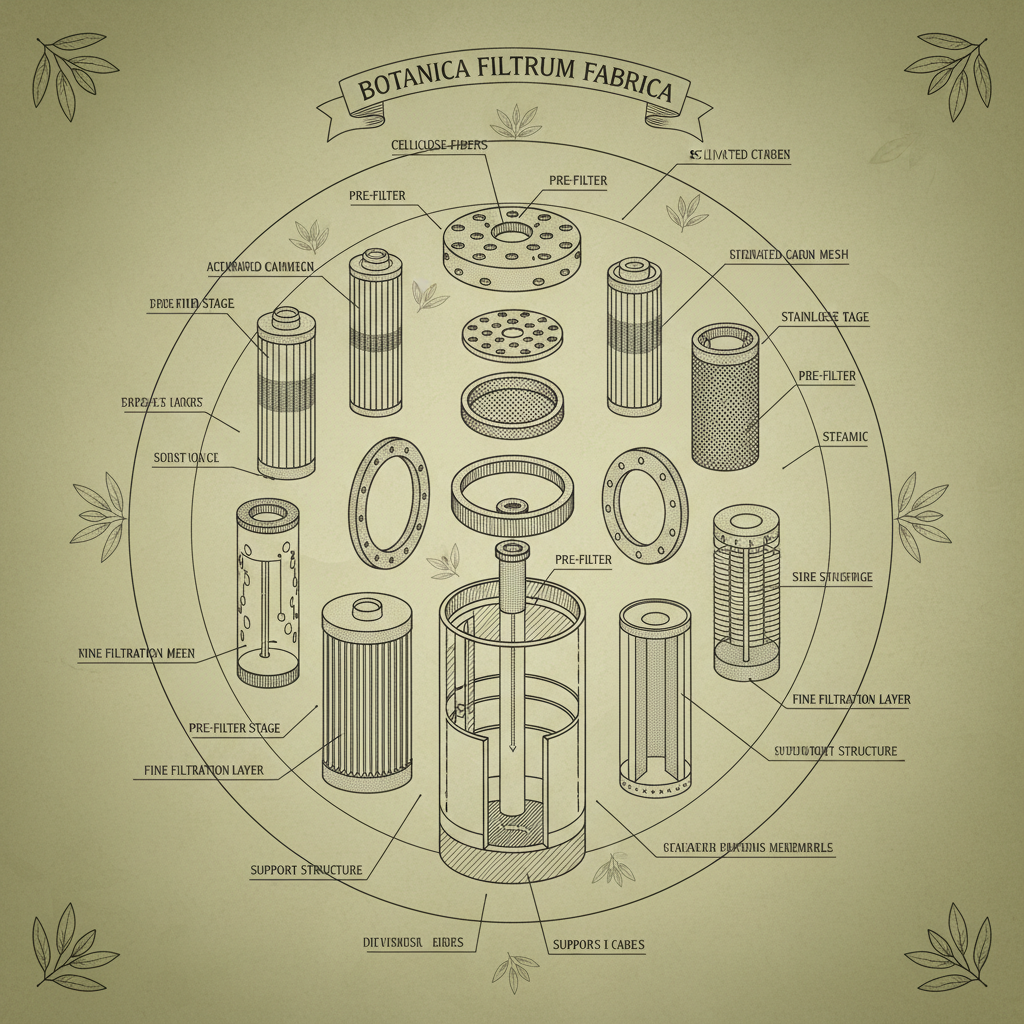
It's a competitive market, no doubt about it. Lots of manufacturers out there, all claiming to have the best technology. What I'm seeing is a shift towards more specialized filters. It's not enough to just have a HEPA filter anymore. You need filters for specific contaminants – welding fumes, oil mist, even biological aerosols. Strangely enough, the demand for filters specifically designed for lithium-ion battery production has exploded recently.
And the manufacturers… well, there’s the big names, the established players like industrial filters manufacturers, and then there's a whole swarm of smaller companies popping up, especially in China. Quality varies wildly. You really gotta know who you’re dealing with. I've seen filters that fall apart just looking at them, and others that are built like tanks.
FAQS
Good question. MERV (Minimum Efficiency Reporting Value) rates filters on a scale of 1 to 20, indicating how well they capture particles of different sizes. HEPA (High-Efficiency Particulate Air) filters are a specific type of filter that must capture at least 99.97% of particles 0.3 microns in diameter. So, HEPA is a standard within the MERV scale, typically MERV 17-20. MERV filters are used for general air filtration, while HEPA filters are used in applications requiring very clean air.
It depends. A lot. It depends on the environment, the type of filter, the airflow rate, and the contaminants present. Generally, you should check the pressure drop regularly. When it exceeds the manufacturer’s recommended level, it’s time to change the filter. Ignoring this will cause your system to work harder, use more energy, and eventually fail. A good rule of thumb is every 3-6 months, but always monitor the pressure drop.
Absolutely not. There's a lot of marketing hype out there. Just because a filter says it's HEPA doesn't mean it meets the actual standard. Look for filters that have been independently tested and certified by a reputable organization. There are fakes out there, and they won't provide the level of protection you expect.
Most used industrial filters contain hazardous materials, so they need to be disposed of properly. Check your local regulations for specific requirements. Typically, you’ll need to package them in sealed containers and take them to a hazardous waste disposal facility. Don’t just throw them in the trash!
Generally, no. Most industrial filters are designed for single use. Attempting to clean them can damage the filter media and reduce their efficiency. Plus, you risk releasing the captured contaminants back into the air. There are some specialized filters that can be cleaned, but it’s usually not cost-effective.
Durability is key. You want a housing that's made of a robust material, like steel or heavy-duty plastic. Make sure the seals are tight and that the housing is designed to withstand the pressure and temperature conditions of your application. Also, consider ease of maintenance – can you easily access the filter for replacement?
Conclusion
So, there you have it. Industrial filters aren't glamorous, but they're essential. It’s about understanding the specifics of your application, choosing the right materials, and paying attention to the details – the pressure drop, the seals, the disposal. It's not just about slapping a filter in place and hoping for the best.
Ultimately, whether this thing works or not, the worker will know the moment he tightens the screw. They’ll feel the airflow, they’ll see the difference in the air quality. That’s the real test. If you want to learn more about finding the right filters for your needs, visit our website: industrial filters manufacturers.