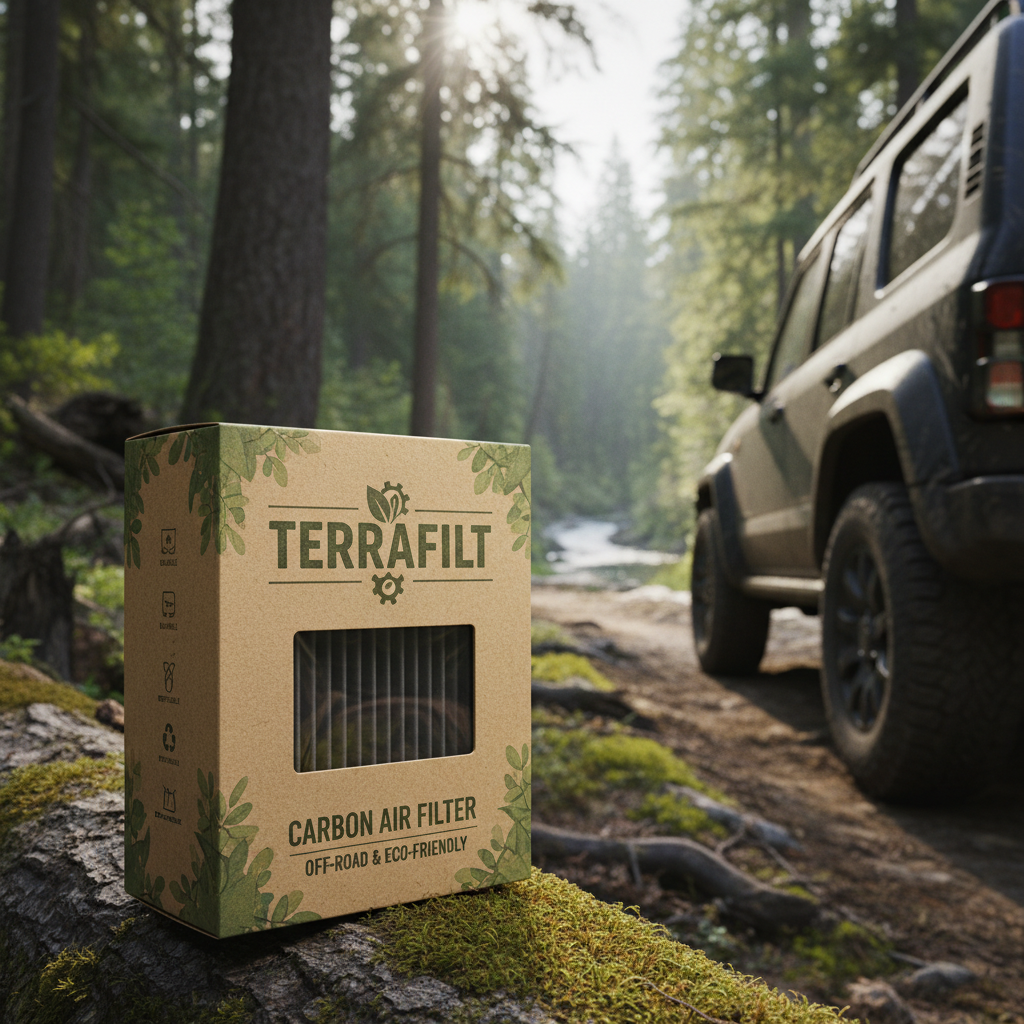
The air we breathe inside our vehicles often contains pollutants like dust, pollen, and exhaust fumes. A cabin pollen filter is a crucial component in modern vehicle HVAC (Heating, Ventilation, and Air Conditioning) systems, designed to purify this air, ensuring a healthier and more comfortable driving experience. Understanding its function, maintenance, and impact is vital for vehicle owners and the automotive industry alike. Beyond personal comfort, these filters significantly contribute to driver safety by reducing allergens that can cause distractions.
Globally, the demand for effective cabin air filtration is rising due to increasing air pollution and heightened awareness of respiratory health. According to the World Health Organization (WHO), 99% of the global population breathes air exceeding WHO guideline limits for pollutants. This drives the need for robust filtration systems, and the cabin pollen filter is at the forefront of this demand. The automotive industry is responding with advanced filter technologies, and regulations in many countries are becoming stricter regarding in-cabin air quality.
The increasing prevalence of allergies and asthma worldwide further underscores the importance of clean cabin air. Investing in a high-quality cabin pollen filter isn’t just about comfort; it’s about safeguarding health and improving overall well-being for drivers and passengers.
Introduction to Cabin Pollen Filters
A cabin pollen filter plays a critical role in modern vehicle health and comfort, going far beyond simply blocking pollen. They trap dust, smoke, mold spores, and even microscopic particles that can contribute to respiratory issues and reduced visibility. Regular replacement is key to maintaining optimal performance.
The initial purpose of these filters, as the name suggests, was to mitigate pollen allergies for drivers and passengers. However, with increasing urbanization and environmental concerns, their function has expanded to include protection against urban pollution and airborne pathogens, making them an essential part of any vehicle maintenance schedule.
Defining the Cabin Pollen Filter
A cabin pollen filter is a specialized filter located within the vehicle's HVAC system. Its primary function is to clean the air that enters the vehicle’s cabin, removing particles before they reach the occupants. It’s typically made from layers of materials like synthetic fibers, activated carbon, and sometimes antibacterial agents.
Unlike engine air filters that protect the engine, the cabin filter safeguards passenger health. Modern vehicles often have easily accessible filter locations, allowing for straightforward DIY replacement. However, professional installation ensures proper fit and optimal performance.
The evolution of this filter reflects the growing understanding of indoor air quality and its impact on health. From simple pollen screens to multi-layered filtration systems, the cabin pollen filter has become a critical safety feature in contemporary vehicles.
Core Components and Functionality
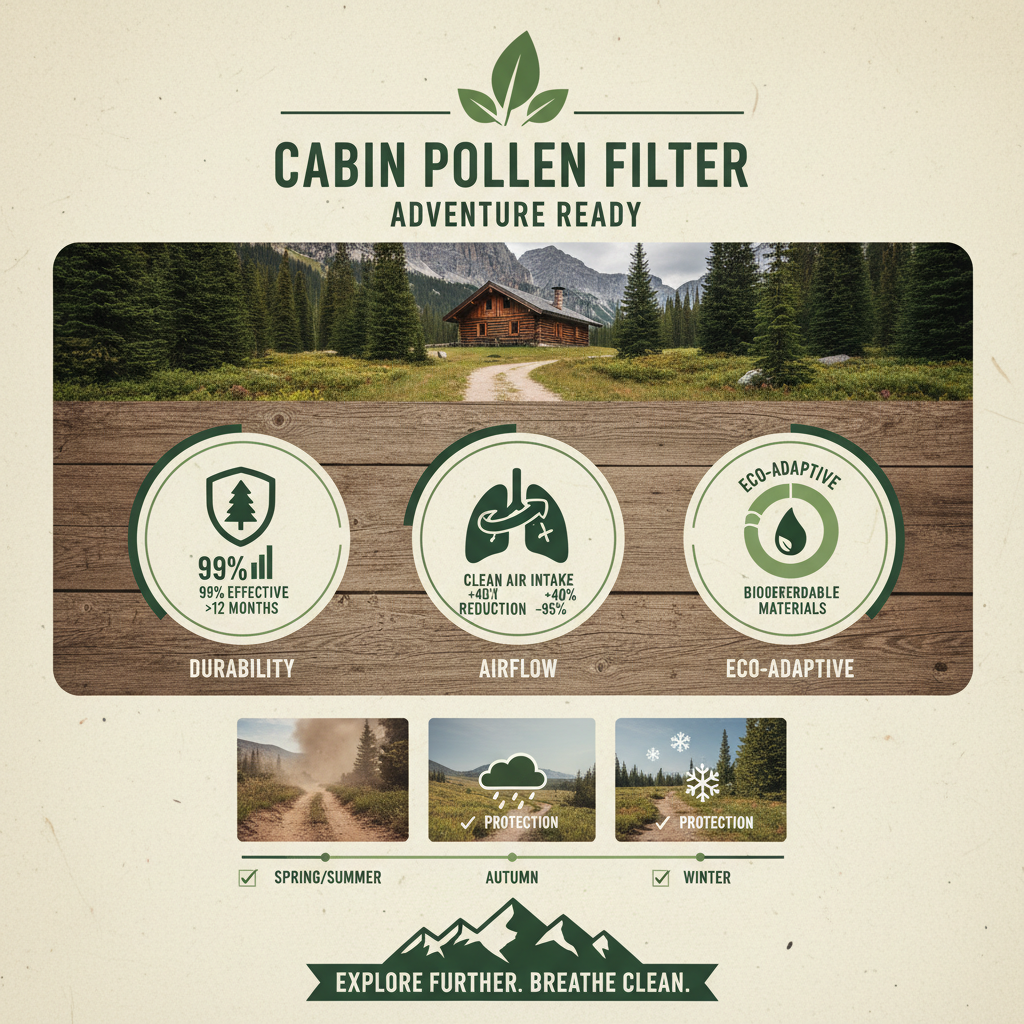
The efficiency of a cabin pollen filter relies on its layered construction. Typically, it incorporates a pre-filter to catch larger particles like leaves and insects, followed by layers of increasingly fine filtration media. The type of media used varies, impacting the filter's effectiveness against different pollutants.
Activated carbon layers are common, particularly in filters designed to neutralize odors and harmful gases. Some advanced filters also include antibacterial coatings to inhibit the growth of mold and bacteria. The filter’s pleating also contributes to its performance; more pleats mean a larger surface area for filtration.
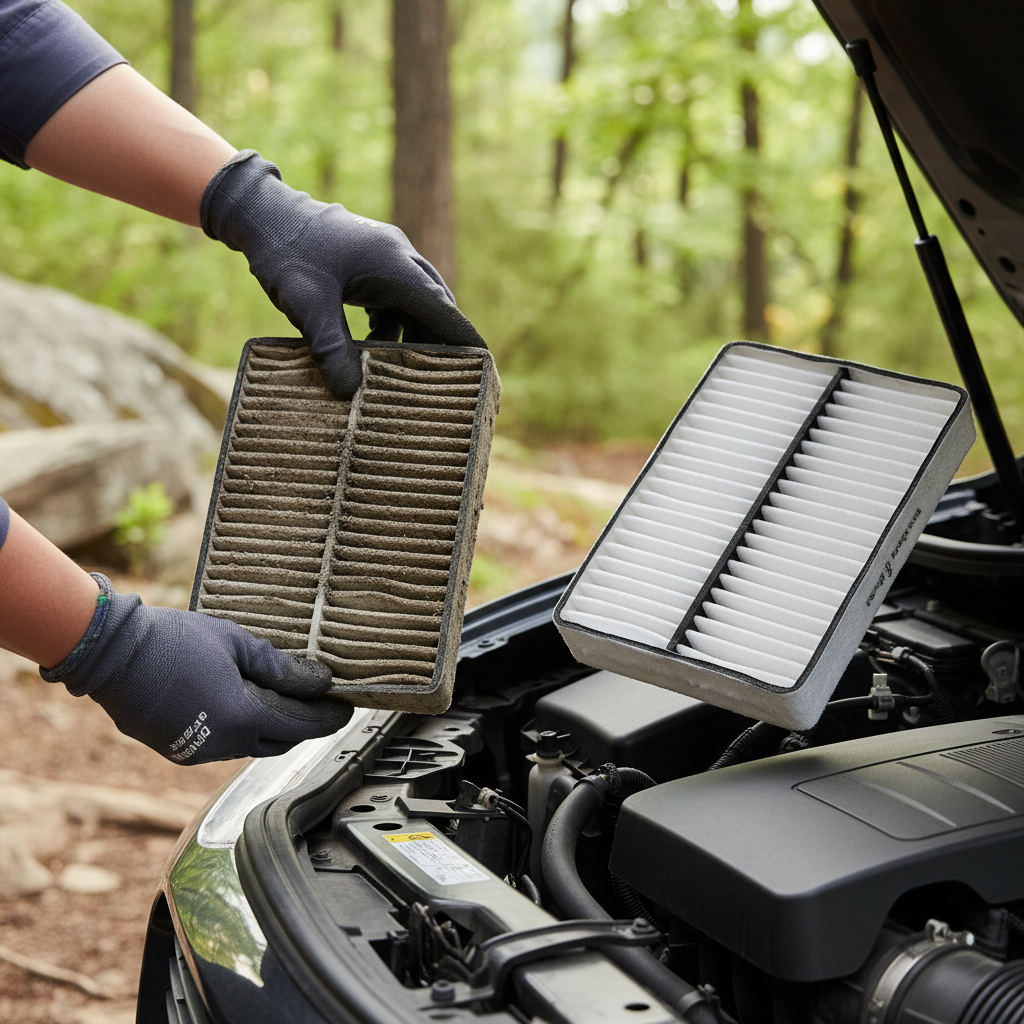
Functionally, air is drawn through the filter by the vehicle’s blower fan as part of the HVAC system. The filter traps particles, allowing clean air to circulate within the cabin. Over time, the filter becomes clogged, reducing airflow and filtration efficiency. This is why regular replacement, typically every 12-15,000 miles or annually, is crucial.
Performance Metrics of Cabin Pollen Filters
Evaluating a cabin pollen filter’s performance requires considering several key metrics. MERV (Minimum Efficiency Reporting Value) is a standard used to rate the effectiveness of air filters, though it’s not always explicitly stated for cabin filters. Higher MERV ratings indicate greater particle capture.
Another important metric is airflow resistance. A filter that’s too restrictive can strain the HVAC system and reduce heating and cooling efficiency. Filters are also rated on their capacity to absorb odors and gases, particularly those containing activated carbon.
Cabin Pollen Filter Comparison
Global Applications of Cabin Air Filtration
The need for effective cabin pollen filter systems is universal, though applications vary regionally. In heavily polluted urban centers like Beijing and Delhi, filters with high particulate matter capture rates are essential. In regions with high pollen counts, such as the southeastern United States, filters designed to trap allergens are prioritized.
Automotive manufacturers are increasingly offering premium cabin air filtration as a standard feature in higher-end vehicles. Fleet operators, particularly those in ride-sharing and public transportation, are also recognizing the importance of clean cabin air for passenger comfort and health.
Advantages & Long-Term Value
Investing in a quality cabin pollen filter provides numerous tangible benefits. Cost savings stem from reduced strain on the HVAC system and potentially lower healthcare expenses related to respiratory issues. Sustainable benefits include a smaller carbon footprint due to optimized HVAC performance.
Beyond these practical advantages, a clean cabin environment enhances driver alertness and reduces fatigue, contributing to road safety. The feeling of breathing clean air also provides a sense of well-being and comfort, improving the overall driving experience and building trust in the vehicle’s quality.
Furthermore, using effective filters can help extend the life of your vehicle’s HVAC components, as they are not constantly working to overcome the burden of a clogged filter.
Future Innovations in Cabin Pollen Filter Technology
The future of cabin pollen filter technology is focused on enhanced filtration capabilities, smart features, and sustainable materials. Nanotechnology is being explored to create filters with even smaller pore sizes, capturing ultra-fine particles. Integration with vehicle sensors and AI algorithms could enable real-time monitoring of air quality and automatic filter adjustment.
There's also growing research into bio-based and biodegradable filter materials to reduce environmental impact. Expect to see filters incorporating advanced antimicrobial coatings and self-cleaning technologies, further enhancing their effectiveness and longevity.
Smart cabin filters connected to the vehicle’s diagnostic system will alert drivers when replacement is needed, proactively ensuring optimal air quality.
FAQS
Generally, it's recommended to replace your cabin pollen filter every 12,000 to 15,000 miles or annually, whichever comes first. However, if you frequently drive in dusty or polluted environments, you may need to replace it more often. A clogged cabin pollen filter reduces airflow and HVAC efficiency.
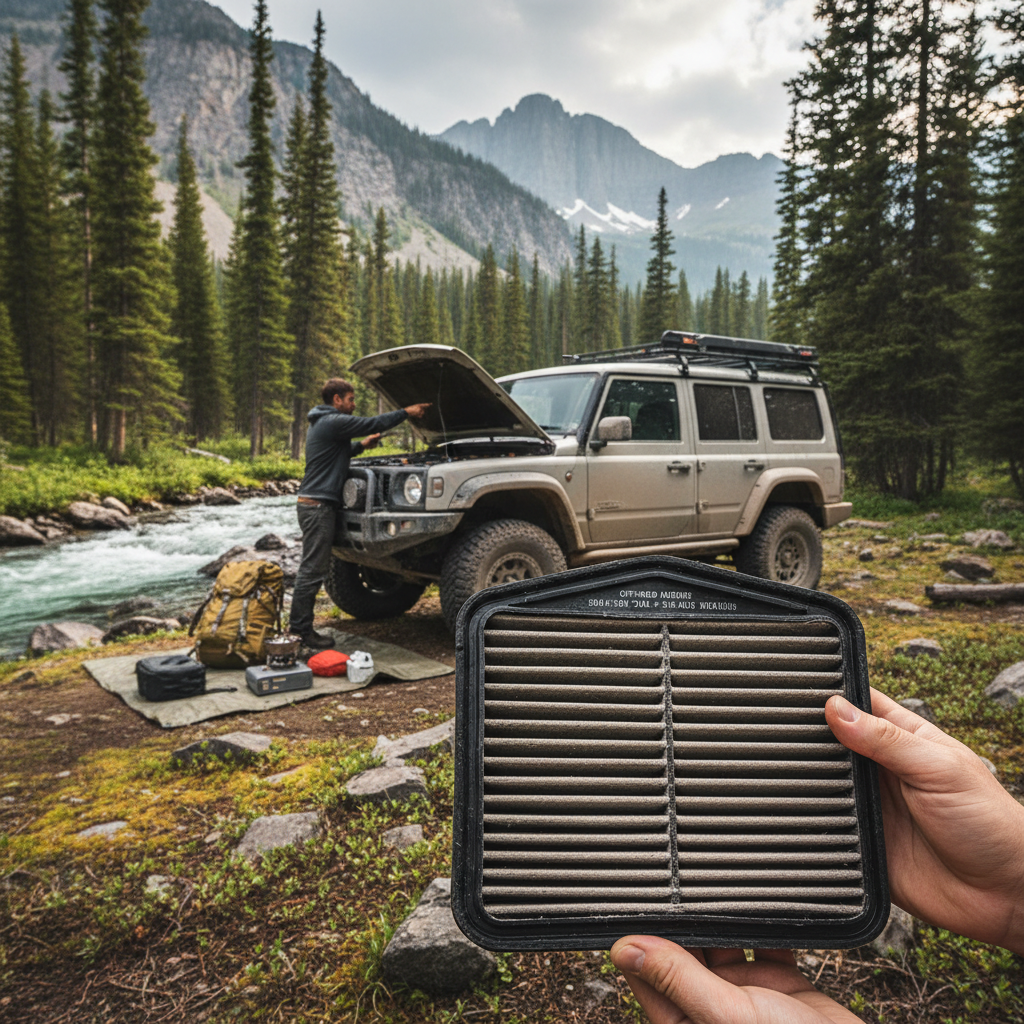
Common signs include reduced airflow from the vents, a musty or unpleasant odor when the AC or heater is running, increased allergen symptoms while driving, and visible dust or debris accumulating around the vents. Regularly checking the cabin pollen filter is the best way to determine if it needs replacing.
Yes, in many vehicles, replacing the cabin pollen filter is a relatively straightforward DIY task. However, the location and access method vary depending on the vehicle make and model. Consult your vehicle’s owner’s manual or online resources for specific instructions. If you’re unsure, it’s best to have it done by a professional.
A standard cabin pollen filter primarily captures dust and pollen. A carbon cabin filter, in addition to particulate filtration, includes activated carbon to absorb odors, gases, and volatile organic compounds (VOCs). Carbon filters are ideal for drivers sensitive to smells or living in areas with heavy traffic pollution.
No, cabin pollen filter sizes vary significantly between vehicle makes and models. It's crucial to use the correct filter size for your vehicle to ensure proper fit and filtration. Always check your vehicle's owner’s manual or use a parts finder tool to identify the correct filter.
Cabin pollen filters are commonly made from synthetic fibers, paper, and activated carbon. Some also incorporate antimicrobial agents. The specific materials and layers used determine the filter's efficiency and ability to capture different types of pollutants. Newer, eco-friendly options utilize bio-based and recycled materials.
Conclusion
The cabin pollen filter is no longer a simple convenience feature; it’s a vital component of vehicle health, passenger well-being, and overall driving safety. From mitigating allergies to protecting against harmful pollutants, its role has expanded significantly, driven by increasing awareness of air quality and its impact on health. Regular maintenance and choosing the right filter for your needs are paramount.
Looking ahead, innovation in materials and smart technologies promises even more effective and sustainable cabin air filtration solutions. By proactively investing in these advancements, we can create healthier and more comfortable driving experiences for everyone, while also minimizing our environmental impact. Visit our website to learn more and find the perfect cabin pollen filter for your vehicle: www.jyfilter.com