Air cleaners for cars are becoming increasingly vital in our modern world, driven by rising concerns over air quality and the health impacts of vehicle emissions. From bustling city centers to remote highways, the air inside our vehicles can harbor pollutants like dust, pollen, exhaust fumes, and even harmful gases. Effective air cleaners for cars aren't simply about comfort – they’re about protecting drivers and passengers from respiratory issues, allergies, and long-term health risks. Understanding the technology behind these systems is therefore crucial for both car owners and the automotive industry alike.
Globally, air pollution is a major public health crisis, according to the World Health Organization (WHO), affecting billions of people annually. Vehicle emissions are significant contributors to this problem, especially in densely populated urban areas. The automotive industry is under increasing pressure to adopt cleaner technologies, and air purification systems are a key component of these efforts. Data from the UN Environment Programme highlights a growing demand for in-vehicle air quality solutions, indicating a shift towards prioritizing passenger well-being.
The challenges of maintaining breathable air within vehicles extend beyond pollution. Factors such as humidity, temperature, and recirculated air contribute to an environment that can foster bacteria and viruses. air cleaners for cars address these issues by filtering out harmful particles, odors, and allergens, creating a safer and more comfortable driving experience.
The Importance of Air Cleaners for Cars
The need for effective air filtration within vehicles is growing as we spend more time commuting and traveling. Modern cars are sealed environments, meaning pollutants can accumulate quickly. Air cleaners for cars address this issue by constantly circulating and filtering the air, removing particulate matter, gases, and allergens. This is especially important for individuals with respiratory sensitivities or allergies.
Beyond immediate health concerns, poor air quality inside a car can affect driver alertness and concentration. By providing clean and fresh air, these systems contribute to a safer and more comfortable driving experience. Investing in a high-quality air cleaner is an investment in both health and safety.
Global Context and Air Quality Concerns
Air pollution is a global crisis, with approximately 99% of the world's population breathing air that exceeds WHO air quality guidelines. Vehicle emissions are a significant contributor, particularly in urban centers. The increasing number of cars on the road, combined with congested traffic, exacerbates the problem. This has led to stricter emission regulations and a growing demand for solutions that improve in-vehicle air quality.
Countries like China and India, experiencing rapid economic growth and increased vehicle ownership, are particularly vulnerable to the effects of air pollution. These regions are also leading the way in developing and implementing innovative air purification technologies. The demand for air cleaners for cars is surging in these markets as consumers become more aware of the health risks associated with polluted air.
International organizations, such as the United Nations Environment Programme (UNEP), are actively promoting initiatives to reduce vehicle emissions and improve air quality worldwide. These efforts include advocating for stricter emission standards, promoting the use of electric vehicles, and encouraging the adoption of cleaner transportation technologies, including advanced in-car air filtration systems.
Defining Air Cleaners for Cars
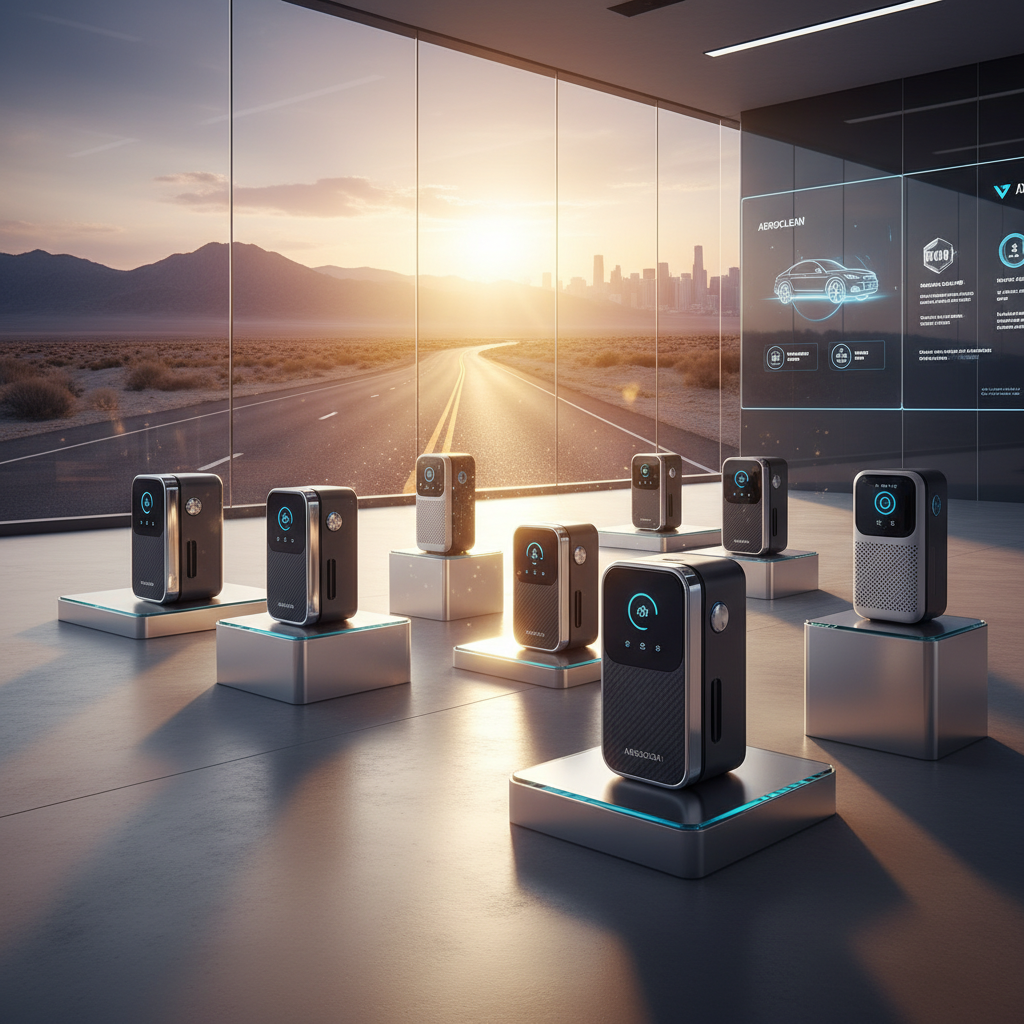
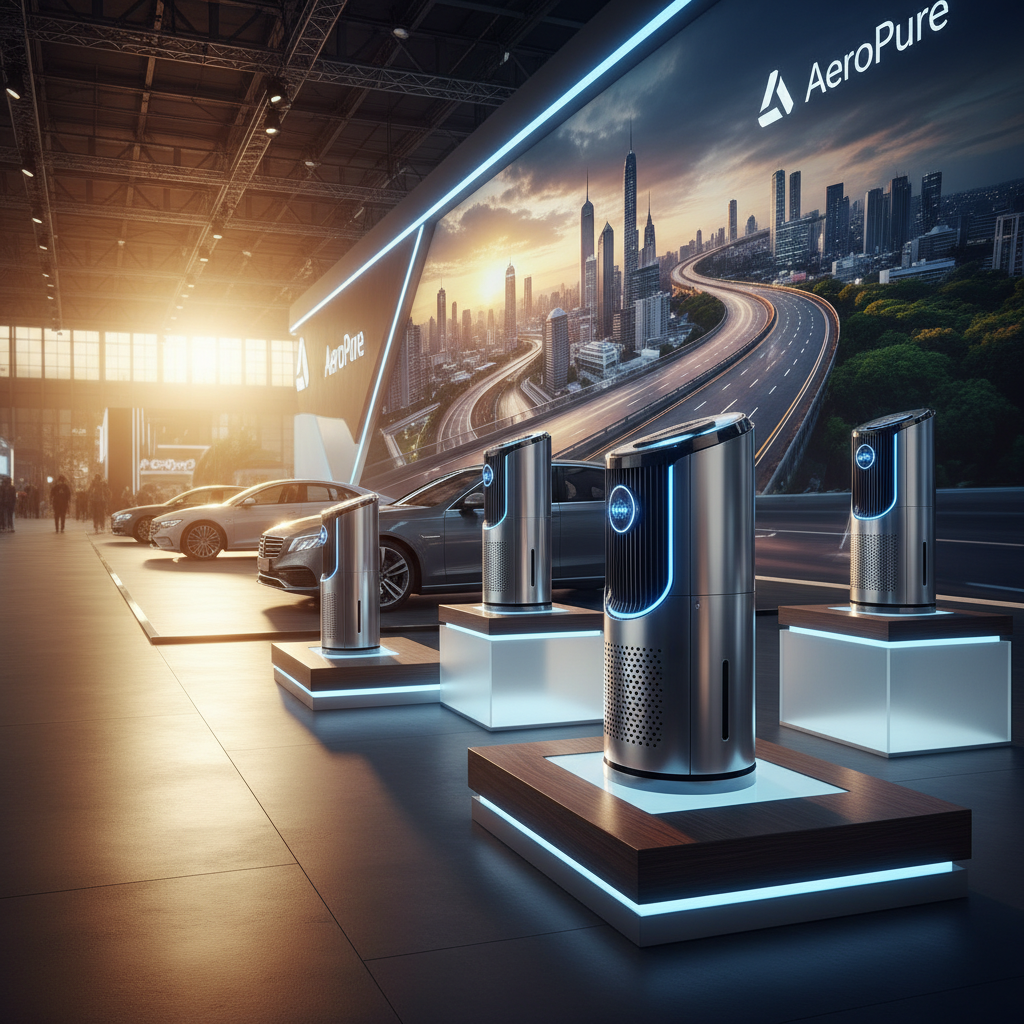
Air cleaners for cars, also commonly referred to as cabin air filters or air purification systems, are designed to remove contaminants from the air entering the vehicle’s passenger compartment. These systems typically consist of a filter, a fan, and often an activated carbon layer to absorb odors and gases. The filter traps particulate matter such as dust, pollen, mold spores, and exhaust fumes.
Unlike engine air filters, which protect the engine itself, cabin air filters protect the health and well-being of the vehicle's occupants. Modern systems go beyond simple filtration, incorporating technologies like HEPA (High-Efficiency Particulate Air) filters and ionization to remove even smaller particles and neutralize odors. These advancements align with the increasing emphasis on indoor air quality and its impact on health.
The integration of air cleaning technology into vehicles reflects a broader trend towards creating healthier and more comfortable driving environments. As awareness of air pollution grows, manufacturers are increasingly prioritizing in-cabin air quality, making air cleaners for cars a standard feature in many new vehicles.
Key Factors in Air Cleaner Performance
Several key factors determine the effectiveness of air cleaners for cars. Filtration efficiency is paramount, measured by the system's ability to capture particles of varying sizes. HEPA filters are renowned for their ability to remove 99.97% of particles 0.3 microns in diameter, providing superior air purification.
Airflow rate is another critical consideration. A system with a high airflow rate can circulate and filter the air more quickly, resulting in faster and more effective air purification. The system’s design should also minimize airflow resistance to maintain optimal performance.
Air Cleaner Performance Metrics
Applications Across Vehicle Types
Air cleaners for cars are not limited to passenger vehicles. They are increasingly being integrated into a wide range of vehicle types, including trucks, buses, and even heavy machinery. The demand for clean air in commercial vehicles is driven by the need to protect drivers who spend long hours on the road, as well as passengers in public transportation.
In electric vehicles (EVs), air purification systems play a particularly important role. While EVs produce zero tailpipe emissions, they still need to filter out external pollutants entering the cabin. Moreover, the recirculation of air in EVs can lead to the build-up of moisture and odors, making effective air purification even more crucial.
Benefits and Long-Term Value
The benefits of using air cleaners for cars extend beyond immediate health improvements. Reduced exposure to allergens and pollutants can lead to fewer sick days and increased productivity. Moreover, cleaner air can enhance driver alertness and reduce fatigue, contributing to safer driving conditions. The long-term cost savings associated with reduced healthcare expenses and vehicle maintenance can be significant.
From a sustainability perspective, air cleaners for cars contribute to a healthier environment by reducing the demand for energy-intensive air conditioning systems. By providing fresh and clean air, these systems can reduce the need to constantly recirculate and cool the air, resulting in lower fuel consumption and reduced carbon emissions.
The adoption of high-quality air purification systems fosters trust and confidence among vehicle owners. Manufacturers who prioritize in-cabin air quality demonstrate a commitment to passenger well-being, enhancing their brand reputation and customer loyalty.
Future Trends and Innovations
The future of air cleaners for cars is likely to be shaped by advancements in materials science, sensor technology, and artificial intelligence. We can expect to see the development of more sophisticated filters capable of removing even smaller particles and neutralizing a wider range of pollutants. Smart sensors will monitor air quality in real-time and automatically adjust filtration levels to optimize performance.
Integration with vehicle connectivity systems will allow drivers to remotely monitor air quality and control air purification settings via their smartphones. Furthermore, the use of sustainable and biodegradable filter materials will become increasingly prevalent, aligning with the growing emphasis on environmental responsibility.
The convergence of air purification technology with other in-vehicle systems, such as climate control and infotainment, will create a more seamless and integrated driving experience. We can anticipate the emergence of advanced air quality management systems that prioritize passenger comfort and well-being.
Key Air Cleaner Technology Comparisons
| Filter Technology |
Particle Removal Efficiency |
Cost (USD) |
Lifespan (Months) |
| Standard Particle Filter |
70-80% |
$15-30 |
6-12 |
| Activated Carbon Filter |
60-70% |
$20-40 |
6-9 |
| HEPA Filter |
99.97% |
$40-60 |
9-15 |
| Ionizer with Pre-Filter |
85-95% |
$30-50 |
6-12 |
| Electrostatic Precipitator |
90-98% |
$50-80 |
12-24 |
| Multi-Layered Filter System |
99.99% |
$70-100 |
12-18 |
FAQS
The frequency of replacement depends on driving conditions and filter type. Generally, a standard particle filter should be replaced every 12-15 months, while HEPA filters may last longer, around 15-24 months. If you drive in dusty or polluted areas, more frequent replacement is recommended. Checking your vehicle’s owner’s manual for specific recommendations is crucial.
A cabin air filter cleans the air entering the passenger compartment, protecting occupants from pollutants, allergens, and odors. An engine air filter, on the other hand, prevents dirt and debris from entering the engine, ensuring optimal performance. They serve completely different purposes and require separate maintenance schedules.
For individuals with allergies, asthma, or other respiratory sensitivities, HEPA filters are an excellent investment. They capture 99.97% of particles 0.3 microns in diameter, providing superior air purification compared to standard filters. While more expensive upfront, the health benefits can outweigh the cost for sensitive individuals.
While not specifically designed to kill viruses, air cleaners with HEPA filters can effectively capture airborne virus particles. This can help reduce the risk of transmission within the vehicle. Combining air purification with proper ventilation and hygiene practices is recommended for maximum protection.
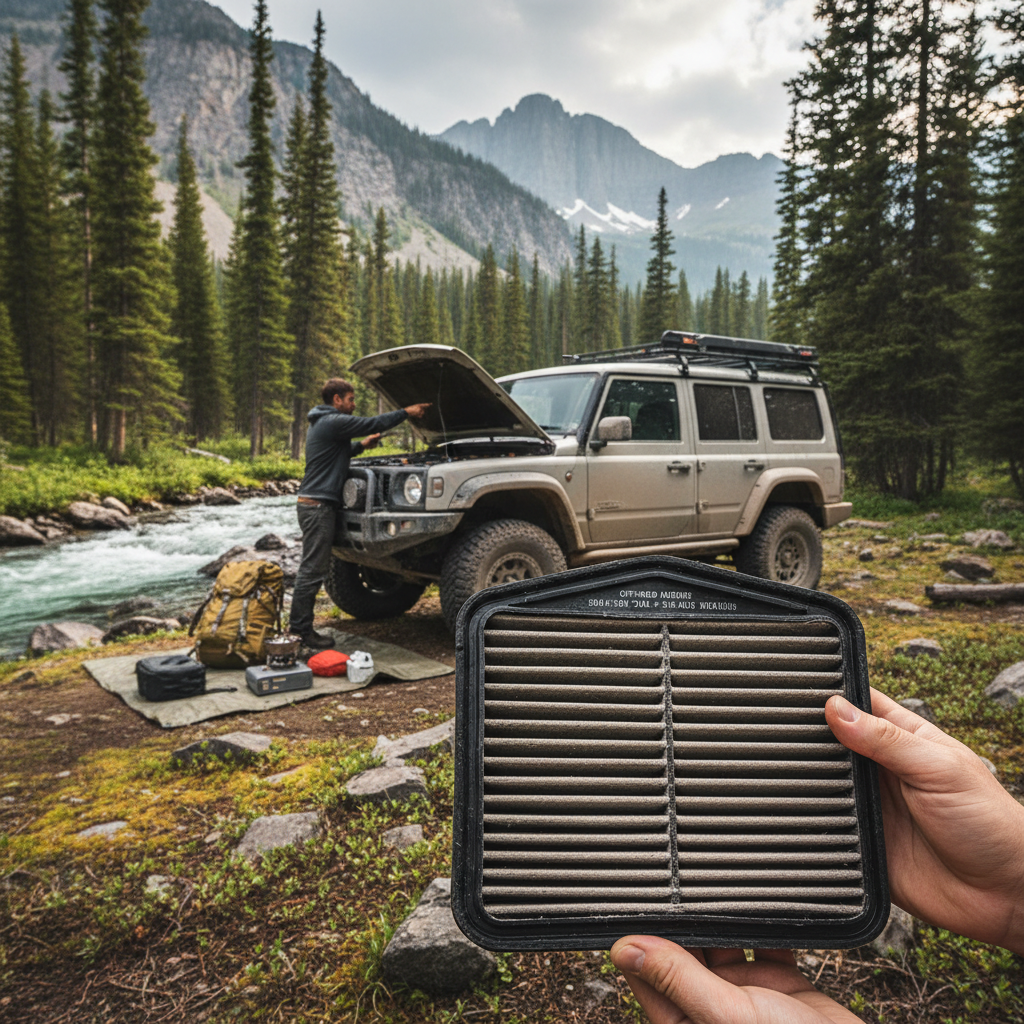
Signs that your cabin air filter needs replacing include reduced airflow from the vents, a musty or unpleasant odor when the AC or heat is turned on, increased allergy symptoms while driving, and visible dust or debris when you remove the filter for inspection. Regular inspection is recommended.
Yes, activated carbon filters are highly effective at removing odors, gases, and volatile organic compounds (VOCs) from the air. The activated carbon absorbs these pollutants, providing a fresher and more pleasant cabin environment. They are often used in combination with particle filters for comprehensive air purification.
Conclusion
In conclusion, air cleaners for cars represent a vital component of modern vehicle technology, playing a crucial role in protecting occupant health and enhancing driving comfort. From reducing exposure to harmful pollutants to improving air quality and contributing to a more sustainable environment, the benefits are far-reaching. Understanding the different types of air cleaners, their performance characteristics, and maintenance requirements is essential for making informed decisions.
Looking ahead, continued innovation in filter materials, sensor technology, and connectivity will drive further advancements in air purification systems. By prioritizing in-cabin air quality, the automotive industry can create safer, healthier, and more enjoyable driving experiences for everyone. Visit our website at www.jyfilter.com to explore our range of high-quality air cleaners for cars and learn more about how we can help you breathe easier on the road.