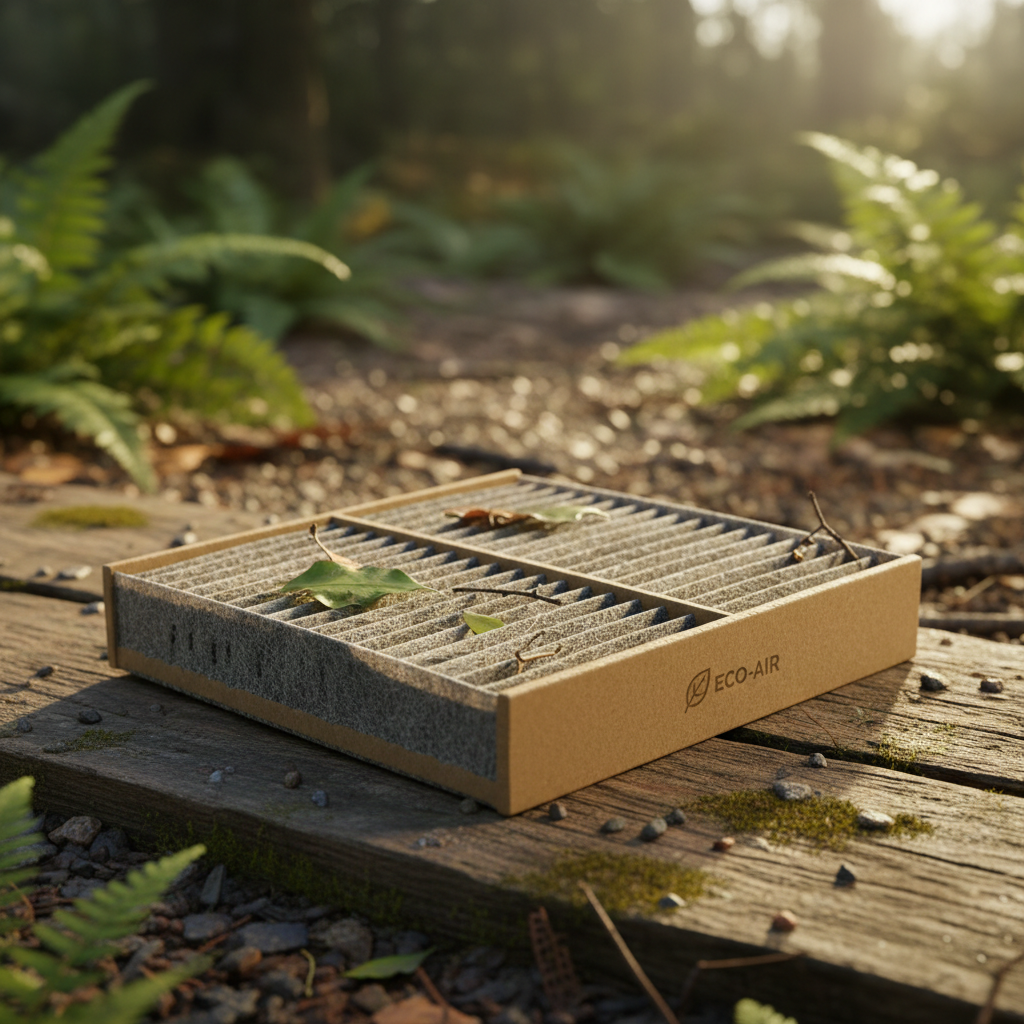
Look, I've spent the last twenty years breathing dust on construction sites, and let me tell you, keeping the air clean isn't just about comfort – it's about safety and getting the job done right. We used to just deal with it, but with increasing regulations and a real understanding of the long-term health impacts, a good duster air filter isn’t a luxury anymore, it's essential. From concrete cutting to grinding, the amount of particulate matter we're exposed to is astronomical, and a properly implemented filtration system can make a huge difference. This isn’t theory; it’s about guys being able to go home healthy at the end of the day.
The thing is, this isn't a one-size-fits-all situation. Different jobs, different materials, different environments… you need a solution that’s adaptable. I’ve seen too many filters clog up within hours, leaving guys working in worse conditions than before. And cost? Forget about it. Spending a fortune on filters you have to replace constantly doesn’t make sense. You need something durable, efficient, and designed to handle the real-world abuse a construction site throws at it. It's about getting value for your money, and frankly, protecting your workforce.
I’ve also seen the shift towards more localized filtration. Hauling around massive, centralized systems is a logistical nightmare. These days, having portable, effective duster air filter units that can be positioned right where the work is happening is game-changing. It's not just about meeting compliance; it’s about boosting productivity. When guys aren’t coughing and struggling to breathe, they work faster and more accurately.
The Importance of duster air filter on Construction Sites
I've been in this business long enough to see the health consequences of neglecting air quality. Silicosis, COPD, even just chronic respiratory irritation – it's a serious issue. A reliable duster air filter system isn’t just about ticking boxes for OSHA; it's about protecting the guys who build our world. It's about preventing long-term health problems that impact not just their work, but their entire lives.
We’re also seeing increased scrutiny from local communities. Noise and dust pollution are major concerns, and construction companies are under pressure to minimize their environmental impact. A good filtration system helps address those concerns, building goodwill and smoothing the permitting process. It’s a smart business move, not just a moral obligation.
Defining duster air filter for Industrial Use
When I talk about a duster air filter for a construction site, I’m not talking about a little household unit. We’re dealing with heavy-duty systems designed to capture microscopic particles— silica dust, concrete dust, wood dust, even fumes from welding. It’s about the filter media itself, the airflow rate, and the overall build quality. You need something that can withstand constant use and abuse.
It's important to understand the different types. HEPA filters are great for capturing very fine particles, but they can clog quickly. Cartridge filters are more durable, but may not capture the smallest particles. The right choice depends on the specific hazards on the job site. A good supplier will help you assess your needs and recommend the appropriate solution.
Beyond the filter itself, you’ve got the unit’s construction. Is it portable? Does it have a robust housing? Is it easy to maintain and change the filters? These practical considerations are just as important as the filtration efficiency. I need something my crews can rely on, day in and day out.
Key Factors in duster air filter Performance
Durability is king. I’ve thrown more than a few filters into dumpsters that fell apart after a week. You need a unit built to withstand vibrations, impacts, and the general roughness of a construction site. Steel housing, robust casters, and well-sealed components are essential.
Airflow is critical. A filter that restricts airflow won’t do much good. It needs to be able to pull a sufficient volume of air through the filter media to effectively remove contaminants. Look for units with powerful fans and properly sized inlets and outlets. You also need to consider the size of the area you're trying to filter.
Filter efficiency is, obviously, important. But it’s not just about the headline number. You need to look at the filter’s ability to capture particles of different sizes. A filter that’s great at capturing large particles might be useless against silica dust. Consider the MERV rating and the filter's ability to capture PM2.5 and PM10 particles.
Practical Applications of duster air filter
Concrete sawing and grinding is where I see the biggest impact. Silica dust is a killer, and these operations generate a lot of it. Using a portable duster air filter unit right next to the saw makes a massive difference.
Welding also produces hazardous fumes, and proper ventilation is crucial. Whether it's indoors or outdoors, a filter can help capture those fumes and protect the welder. We’ve seen projects delayed because of inadequate ventilation – it’s not worth the risk.
duster air filter Effectiveness by Application
Advantages and Long-Term Value of duster air filter
The upfront cost of a good duster air filter can be higher, but the long-term benefits far outweigh the initial investment. Reduced healthcare costs, fewer workers' compensation claims, and increased productivity all add up. It’s a smart business decision.
It’s also about employee morale. Guys appreciate working for a company that cares about their health and safety. It fosters a positive work environment and reduces turnover. A happy crew is a productive crew.
Global Applications and Use Cases of duster air filter
I've worked on projects all over the world, and the need for effective air filtration is universal. From large-scale infrastructure projects in developing countries to renovations in historic buildings in Europe, the challenges are the same. Dust, fumes, and hazardous particles are a constant threat.
I've seen innovative applications in tunnel construction, where portable filters are used to create clean air zones for workers. And in demolition projects, filters are essential for controlling dust and protecting surrounding communities. It’s not just about protecting the workers on site; it’s about minimizing the impact on the environment and the public.
The push for sustainable construction practices is also driving demand for more efficient and eco-friendly filtration systems. Companies are looking for filters that are recyclable or biodegradable, and units that use less energy.
Future Trends and Innovations in duster air filter Technology
I’m seeing a lot of development in smart filtration systems. Units that can monitor air quality in real-time and automatically adjust the filtration rate are becoming more common. These systems can also provide data on filter life and alert you when it’s time for a replacement.
Another trend is the use of advanced filter materials, such as nanofiber membranes, that offer higher efficiency and longer life. And I expect to see more integration of filtration systems with building automation systems, allowing for centralized control and monitoring.
The biggest challenge will be balancing performance with cost. These new technologies are often expensive, and we need to find ways to make them affordable for smaller contractors. But I’m optimistic that innovation will continue to drive down the cost and improve the effectiveness of duster air filter systems.
Summary of duster air filter Challenges and Solutions
| Challenge |
Impact on Site Productivity |
Potential Solution |
Implementation Cost (1-10) |
| Filter Clogging |
Reduced Airflow, Increased Downtime |
Pre-filter System, Regular Filter Changes |
3 |
| High Initial Cost |
Budget Constraints, Delayed Implementation |
Leasing Options, ROI Analysis |
6 |
| Lack of Portability |
Limited Coverage, Difficult to Reposition |
Invest in Portable Units, Multiple Units |
4 |
| Inadequate Airflow |
Ineffective Filtration, Poor Air Quality |
Units with Powerful Fans, Proper Sizing |
5 |
| Maintenance Complexity |
Increased Labor Costs, Potential for Errors |
Simplified Designs, Training Programs |
2 |
| Noise Levels |
Communication Difficulties, Worker Fatigue |
Noise Reduction Features, Hearing Protection |
3 |
FAQS
HEPA filters capture smaller particles, making them excellent for fine dust like silica, but clog faster. Cartridge filters are more durable and can handle higher dust loads, but might not catch the very finest particles. For construction, a pre-filter combined with a cartridge filter is often a good balance between efficiency and longevity.
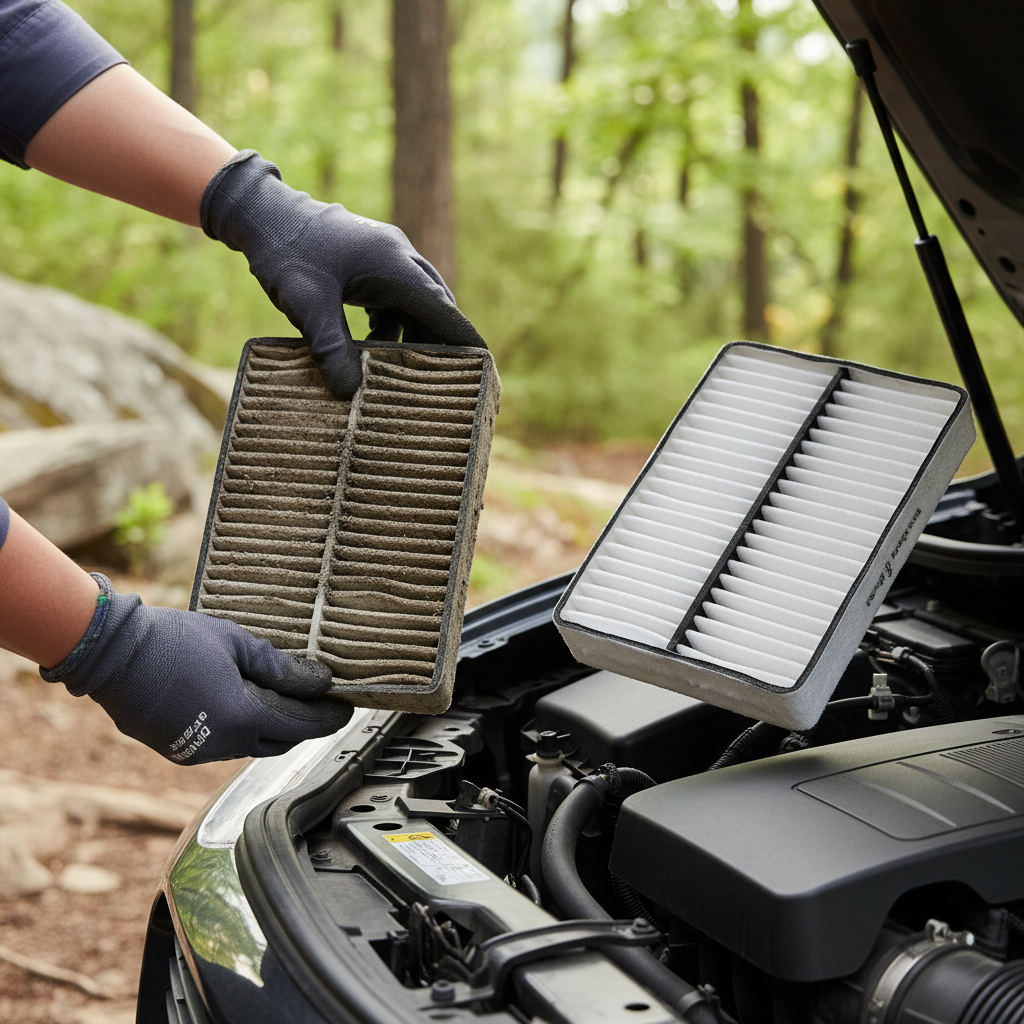
It depends on the dust levels and the type of filter. Regularly inspect the filter - if it looks visibly dirty or airflow is reduced, it’s time for a change. Most manufacturers recommend checking filters weekly and replacing them monthly, but this can vary significantly. Monitoring the pressure drop across the filter is the most accurate method.
Not necessarily. Some units aren't designed to withstand rain or extreme temperatures. Look for units specifically rated for outdoor use, with weather-resistant housings and properly sealed components. Also, consider wind conditions – you might need to position the unit strategically to maximize its effectiveness.
Look for certifications like UL or CE, which indicate the unit has been tested for safety. For filters, check for HEPA certification if you need to capture very fine particles. Also, ensure the unit complies with relevant OSHA regulations for air quality in construction.
Using a particulate matter monitor is the best way to assess air quality. These devices measure the concentration of different particle sizes in the air. Compare readings with and without the filter running to see how much it's reducing dust levels. Regular monitoring will ensure your system is working effectively.
Beyond the initial purchase price, factor in the cost of replacement filters, electricity, and maintenance. Regular maintenance can extend the life of the unit and reduce repair costs. Consider a unit with readily available and affordable replacement filters to minimize ongoing expenses.
Conclusion
Investing in a quality duster air filter system isn’t just about compliance; it’s about protecting your workforce, improving productivity, and building a sustainable business. It’s a critical component of any responsible construction operation. From choosing the right filter type to implementing a regular maintenance schedule, every detail matters.
The future of air filtration is smart and proactive. Expect to see more innovative technologies that improve efficiency, reduce costs, and enhance worker safety. Staying informed about these advancements and adopting best practices will be essential for success in the years to come. Visit our website at www.jyfilter.com to learn more and find the perfect solution for your needs.