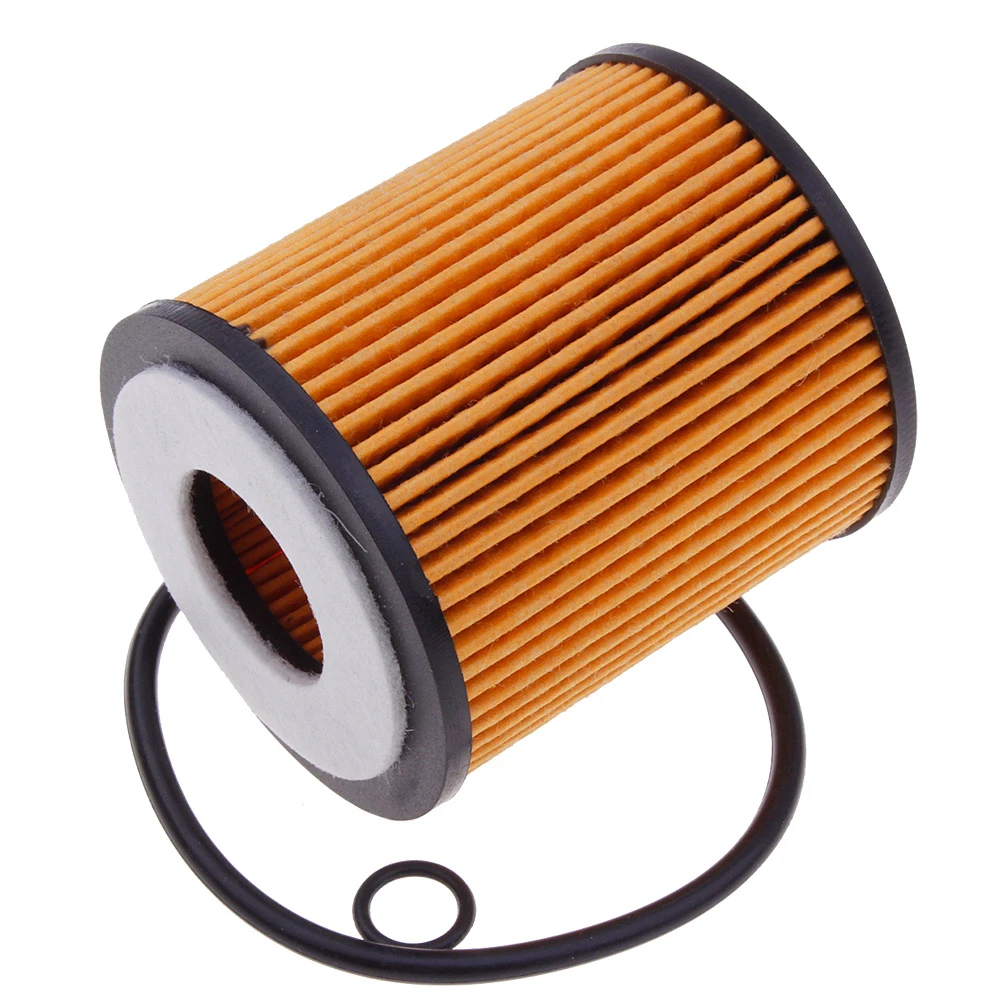
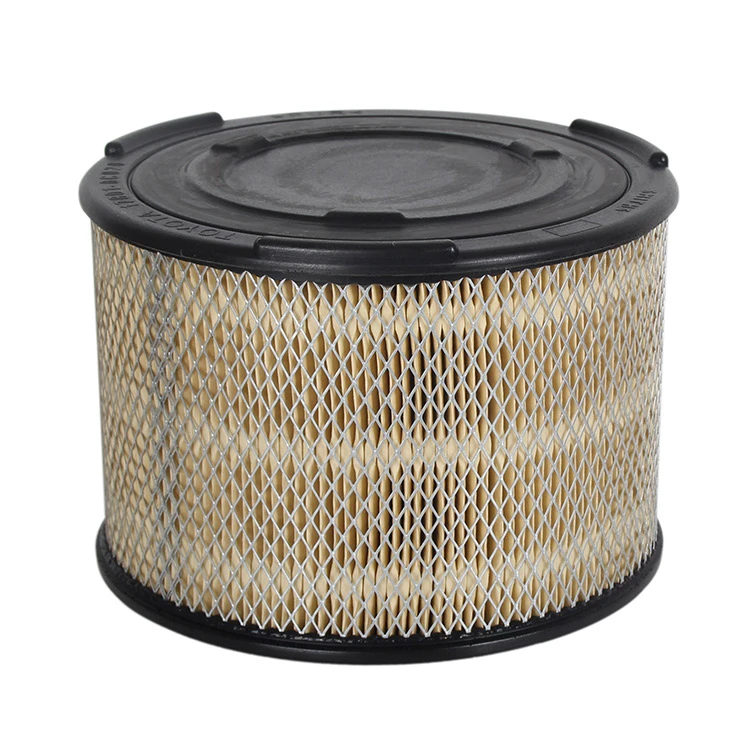
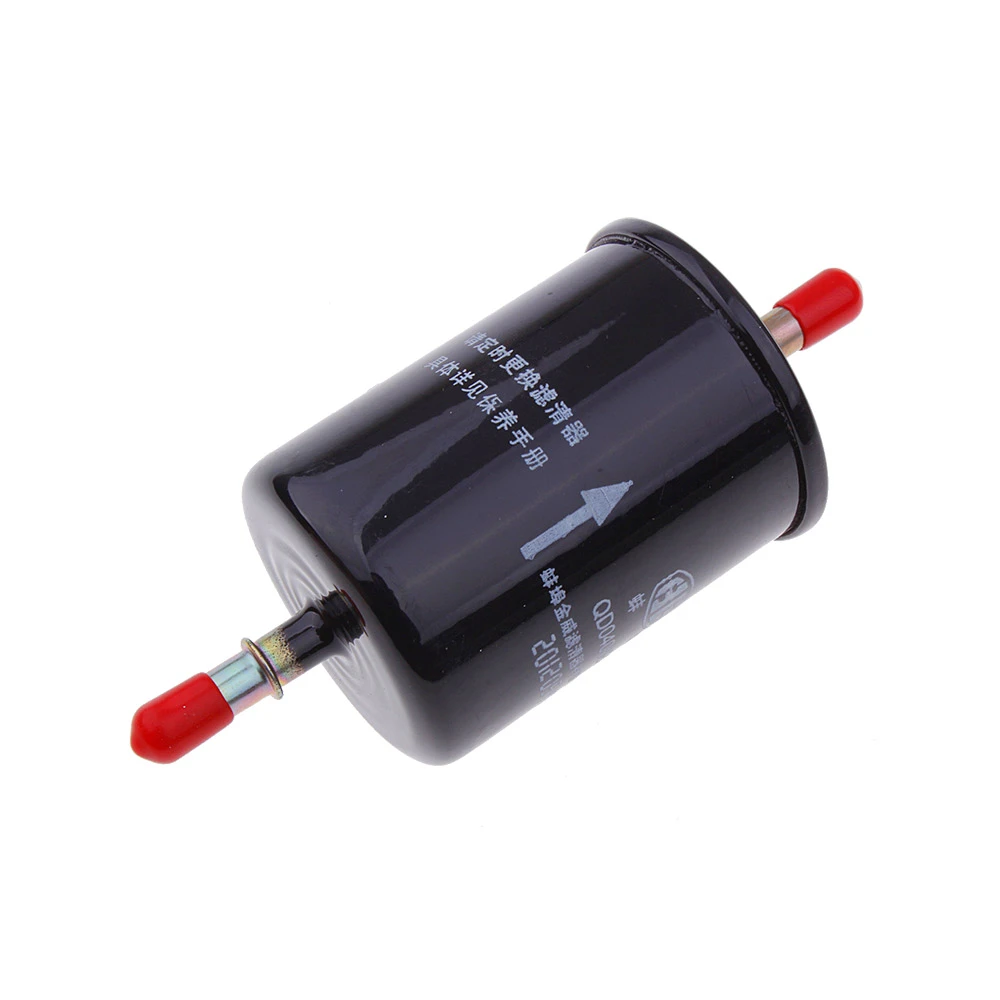
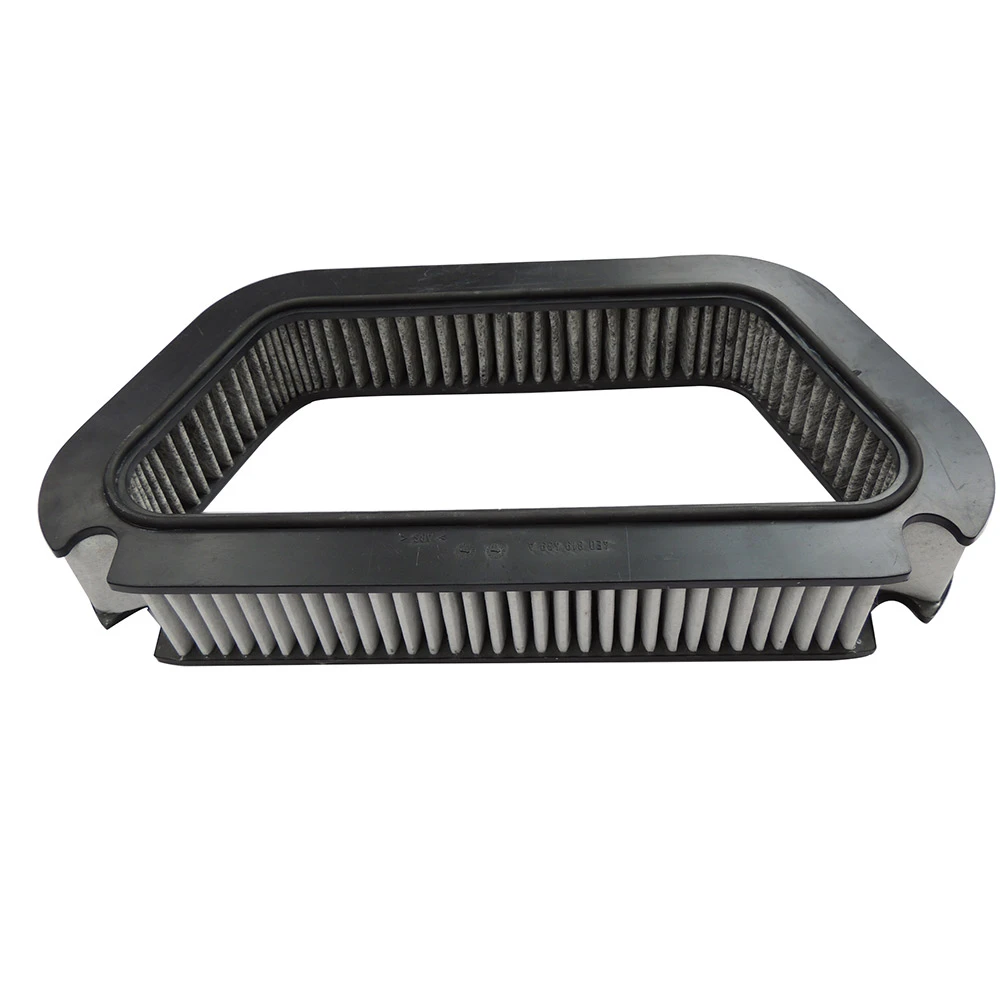
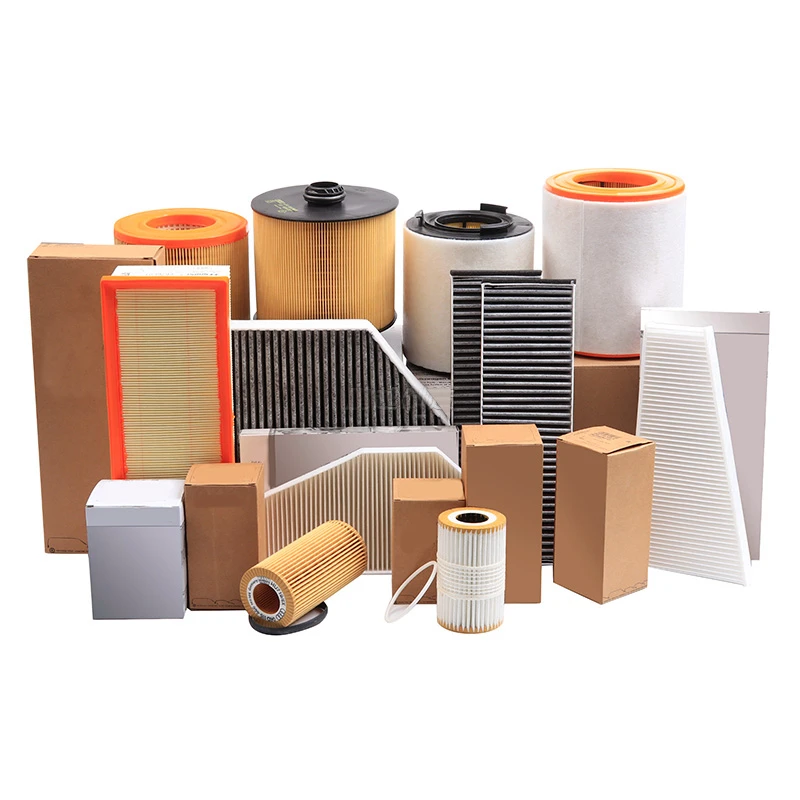
The Critical Role and Advanced Engineering of Automotive Air Filtration
In the automotive industry, the efficiency and longevity of internal combustion engines are directly correlated with the purity of the air they intake. A high-performance car air filter stands as a fundamental component, safeguarding the engine from harmful contaminants. This comprehensive overview delves into the intricate details of modern air filtration systems for vehicles, exploring their manufacturing processes, technical specifications, diverse applications, and the significant advantages they offer to B2B stakeholders, including Original Equipment Manufacturers (OEMs), aftermarket suppliers, and fleet management companies.
As engine technologies advance, so too must the filtration solutions. Today’s air filters are engineered to meet stringent demands for efficiency, dust-holding capacity, and durability, directly impacting fuel economy, emission control, and overall vehicle performance. Understanding the lifecycle and operational characteristics of these vital components is paramount for informed procurement and maintenance strategies.
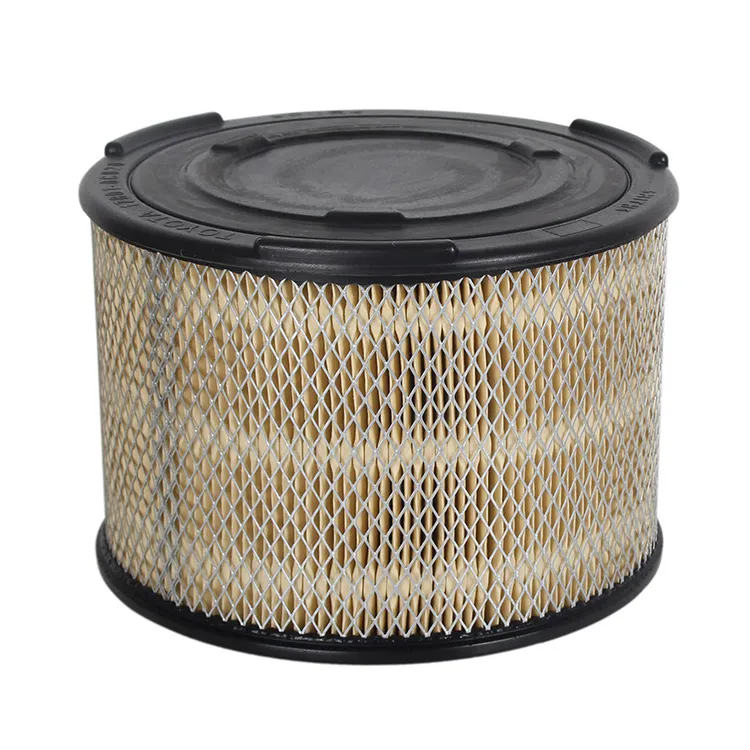
Manufacturing Process Flow of a Car Air Filter
The production of a high-quality car air filter involves a precise, multi-stage manufacturing process, ensuring optimal performance and adherence to international standards. This intricate process combines advanced material science with precision engineering.
Materials and Components:
- Filter Media: Typically high-grade cellulose paper, synthetic media (polyester, polypropylene), or a blend, often treated with resin for enhanced stiffness and moisture resistance. The pore size and fiber density are critical for filtration efficiency.
- Gasketing Material: Polyurethane or rubber, providing a secure, airtight seal within the air filter housing.
- Frame/Housing: Durable plastic (e.g., ABS, PP) or sometimes metal, designed for structural integrity and precise fitment.
- Adhesives: High-strength, temperature-resistant epoxies or hot melts for bonding media pleats and securing the frame.
Detailed Manufacturing Steps:
- Media Pleating: Large rolls of filter media are fed into specialized pleating machines. These machines create precise folds, maximizing the surface area for filtration within a compact space. The pleat height and count are critical parameters, optimized for specific airflow and dust-holding capacities. This is often an automated CNC machining process for accuracy.
- Media Cutting: The pleated media is then cut to the exact dimensions required for the specific filter model. Precision cutting tools ensure clean edges and consistent sizes.
- End Cap/Frame Assembly: The pleated media is inserted into the pre-molded plastic or metal frame. This frame provides structural support and helps maintain the pleat integrity.
- Gasket Application (Casting): A liquid polyurethane or rubber compound is injected or cast around the edges of the filter media and frame. This material cures to form a flexible, durable gasket that ensures a tight seal when the filter is installed in the vehicle's airbox. This casting process is critical for preventing bypass air.
- Adhesive Bonding: High-strength adhesives are applied to bond the pleats together and secure the filter media to the end caps or frame, preventing pleat collapse or movement during operation.
- Curing and Drying: The assembled filters undergo a controlled curing process, often involving heat, to ensure the adhesives and gasketing materials fully set and achieve their intended mechanical properties.
- Quality Control and Testing: Each filter batch undergoes rigorous testing to ensure compliance with industry standards such as ISO 5011 (for filtration performance), ISO 12103-A2 (test dust), and ANSI B93.31 (fluid power filter standards adaptation). Tests include airflow restriction, filtration efficiency, dust-holding capacity, burst strength, and dimensional accuracy. Service life is often extrapolated from accelerated testing data.
- Packaging: Finished filters are carefully packaged to prevent damage during transit and storage.
While direct "casting" or "forging" may not apply to the filter media itself, the manufacturing of plastic frames and the polyurethane gasketing involves molding/casting processes. CNC machining is extensively used for precision pleating and cutting of media, ensuring consistent product quality.
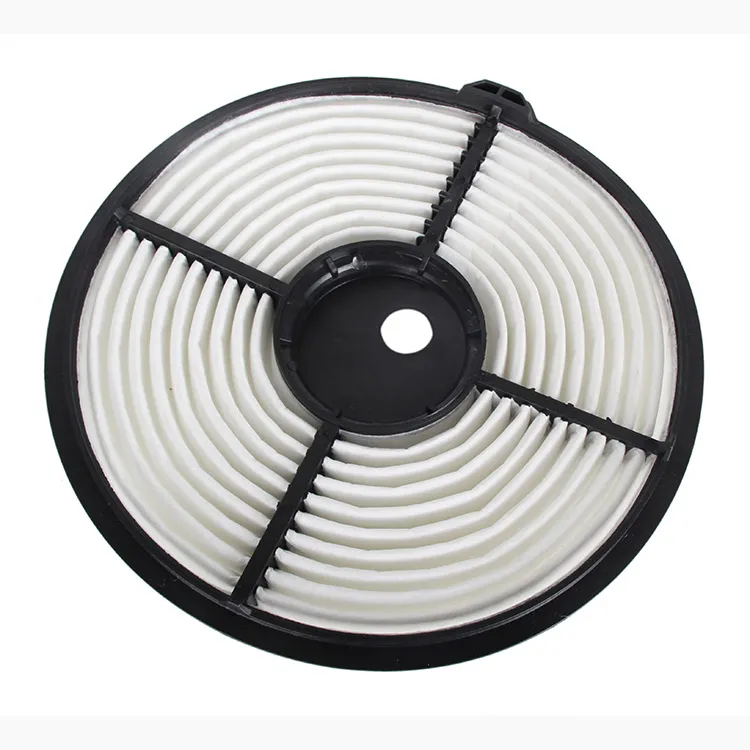
Industry Trends and Market Dynamics for Car Air Filter Technology
The automotive filtration market is constantly evolving, driven by stricter emission regulations, advancements in engine technology, and increasing consumer awareness regarding vehicle maintenance and indoor air quality. Several key trends are shaping the future of the car air filter segment.
Key Trends:
- Enhanced Filtration Efficiency: Demand for filters capable of capturing finer particulate matter (PM2.5) is rising, especially in urban environments, to protect sensitive engine components and improve air quality. Advanced synthetic media are becoming more prevalent.
- Extended Service Intervals: OEMs and fleet operators are pushing for longer filter life to reduce maintenance costs and vehicle downtime. This requires filters with higher dust-holding capacities without compromising airflow. This directly impacts the car air filter life metric.
- Lightweighting and Eco-Friendly Materials: Focus on reducing vehicle weight to improve fuel efficiency leads to the adoption of lighter filter components and frames. Furthermore, recyclable and biodegradable materials are gaining traction to align with sustainability goals.
- Integrated Sensor Technologies: Future air filters may incorporate sensors to monitor real-time pressure drop and contamination levels, providing predictive maintenance alerts and optimizing car air filter use and replacement schedules.
- Electrification Impact: While EVs don't have traditional internal combustion engine air filters, hybrid vehicles still require them. The overall trend towards electrification influences research into next-generation cabin air filters and specialized battery thermal management filters.
- Aftermarket Growth: The global automotive aftermarket continues to grow, driven by an expanding vehicle parc and the increasing average age of vehicles. This presents significant opportunities for suppliers of replacement car air filter products.
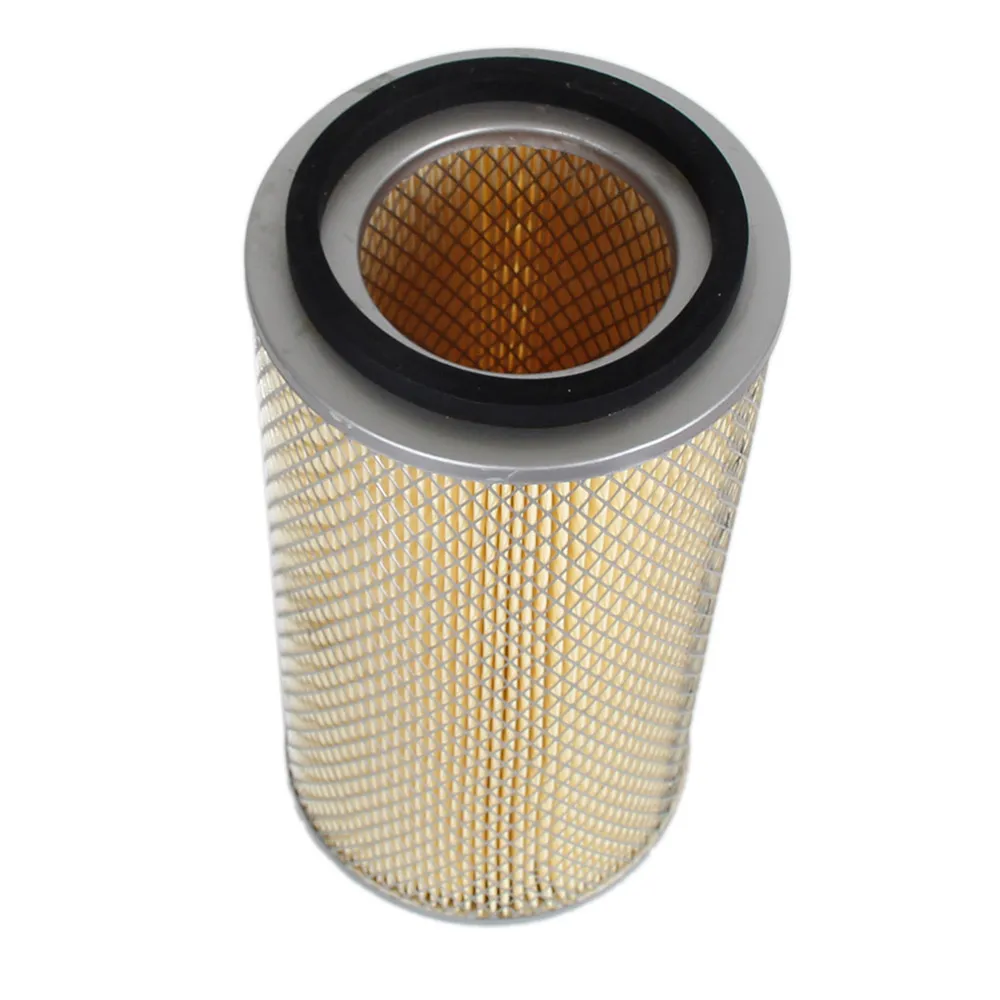
Technical Specifications and Parameters of a Car Air Filter
A deep understanding of the technical specifications of a car air filter is crucial for engineers and procurement specialists. These parameters define the filter's performance capabilities and suitability for various engine types and operating conditions.
Key Technical Parameters:
- Filtration Efficiency: Measured as a percentage of particles captured at a specific size (e.g., 99.5% at 5 microns). Higher efficiency protects engine components more effectively.
- Dust Holding Capacity (DHC): The amount of contaminant (typically grams of test dust) a filter can hold before reaching a specified pressure drop limit. Directly relates to car air filter life.
- Initial Pressure Drop: The resistance to airflow across a clean filter. Lower initial pressure drop means less restriction and better engine performance.
- Service Life: The operational duration (miles or hours) before the filter requires replacement due to reaching its DHC or excessive pressure drop. Influenced by operating environment and filter quality.
- Flow Rate: The volume of air the filter can process per unit of time (e.g., cubic feet per minute, CFM) at a given pressure drop. Must match engine requirements.
- Media Type: Cellulose, synthetic, or blended, each offering different balances of efficiency, cost, and durability.
- Operating Temperature Range: The temperature extremes the filter can withstand without degradation of materials or performance.
- Dimensions: Length, width, height, and specific sealing dimensions to ensure proper fitment in the airbox.
Typical Product Specification Table:
| Parameter | Value Range (Standard Duty) | Value Range (Heavy Duty/Premium) |
|---|---|---|
| Filtration Efficiency (ISO 5011) | 98% @ 10µm | 99.5% @ 5µm (Synthetic Media) |
| Dust Holding Capacity (DHC) | 150-250 grams | 300-500+ grams |
| Initial Pressure Drop (at Rated Flow) | < 2.0 kPa (0.3 psi) | < 1.5 kPa (0.22 psi) |
| Recommended Service Life | 15,000 - 30,000 miles (24k-48k km) | 30,000 - 50,000 miles (48k-80k km) |
| Operating Temperature | -30°C to 100°C | -40°C to 120°C |
| Media Type | Cellulose or Blend | Synthetic Non-woven |
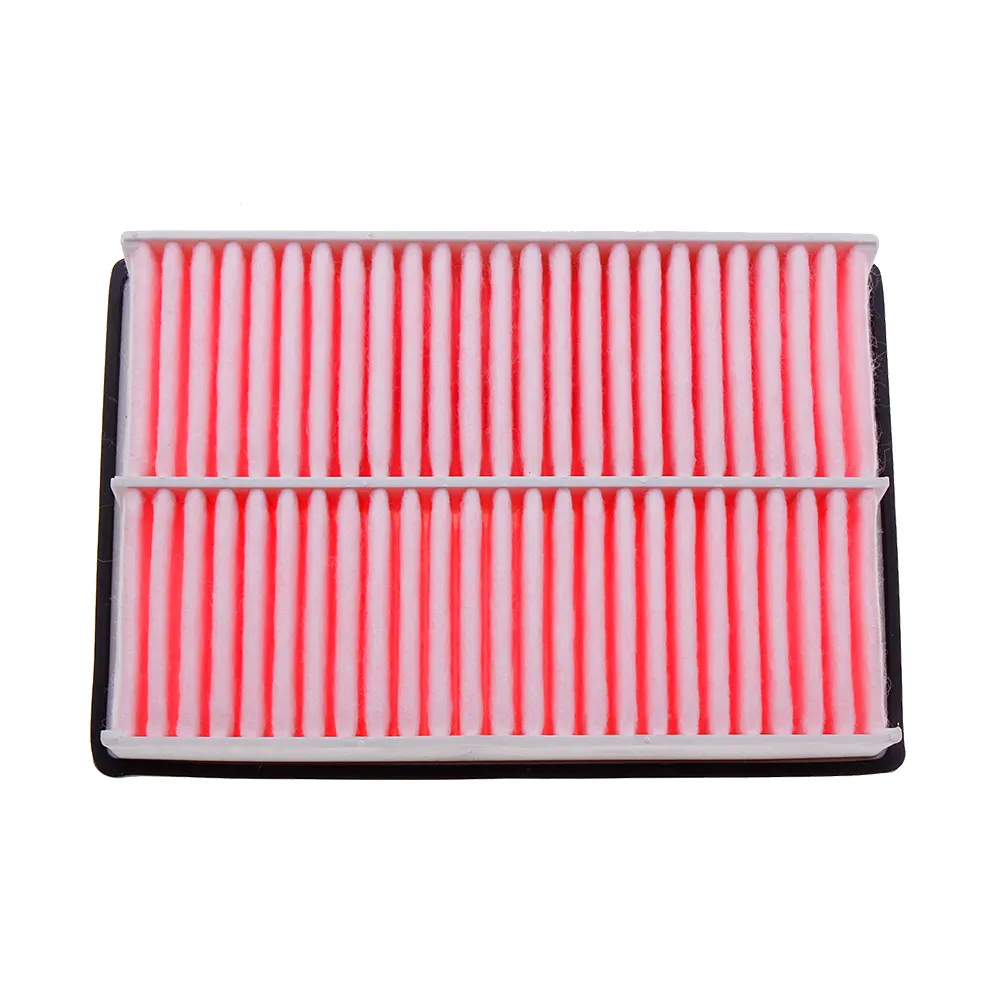
Application Scenarios and Target Industries for Car Air Filter Solutions
The application of high-quality car air filter products extends beyond individual vehicle owners, encompassing critical sectors within the automotive and transportation industries. Understanding these scenarios is key for B2B engagement.
Typical Application Scenarios:
- OEM Integration: As a first-fit component in new vehicle production for passenger cars, light commercial vehicles, and heavy-duty trucks. Ensures initial engine protection and optimal performance from the factory.
- Aftermarket Replacement: Supplied to independent workshops, auto parts retailers, and service centers for routine maintenance and replacement of worn-out filters. This is where replace car air filter needs are met.
- Fleet Management: Used by logistics companies, rental car agencies, public transport operators, and construction firms to maintain large fleets, ensuring vehicle uptime and minimizing operational costs. Specific attention is paid to car air filter life in these demanding applications.
- Performance and Racing: Specialized air filters designed for high-performance vehicles or motorsports, offering minimal airflow restriction and maximum filtration under extreme conditions.
- Agricultural and Off-Highway Equipment: While technically not always "cars," engine air filters for tractors, excavators, and other heavy equipment share similar design principles and face even harsher dust loads, requiring robust filtration.
Target Industries:
- Automotive OEMs: Integrating filters into vehicle designs from concept to production.
- Automotive Aftermarket Retailers & Wholesalers: Supplying a vast network of repair shops and individual consumers.
- Automotive Service Chains: Ensuring consistent quality and availability for routine vehicle servicing.
- Logistics & Transportation Companies: Maintaining fleet reliability and efficiency.
- Construction & Mining (for heavy vehicles): Providing robust filtration for operations in harsh, dusty environments.
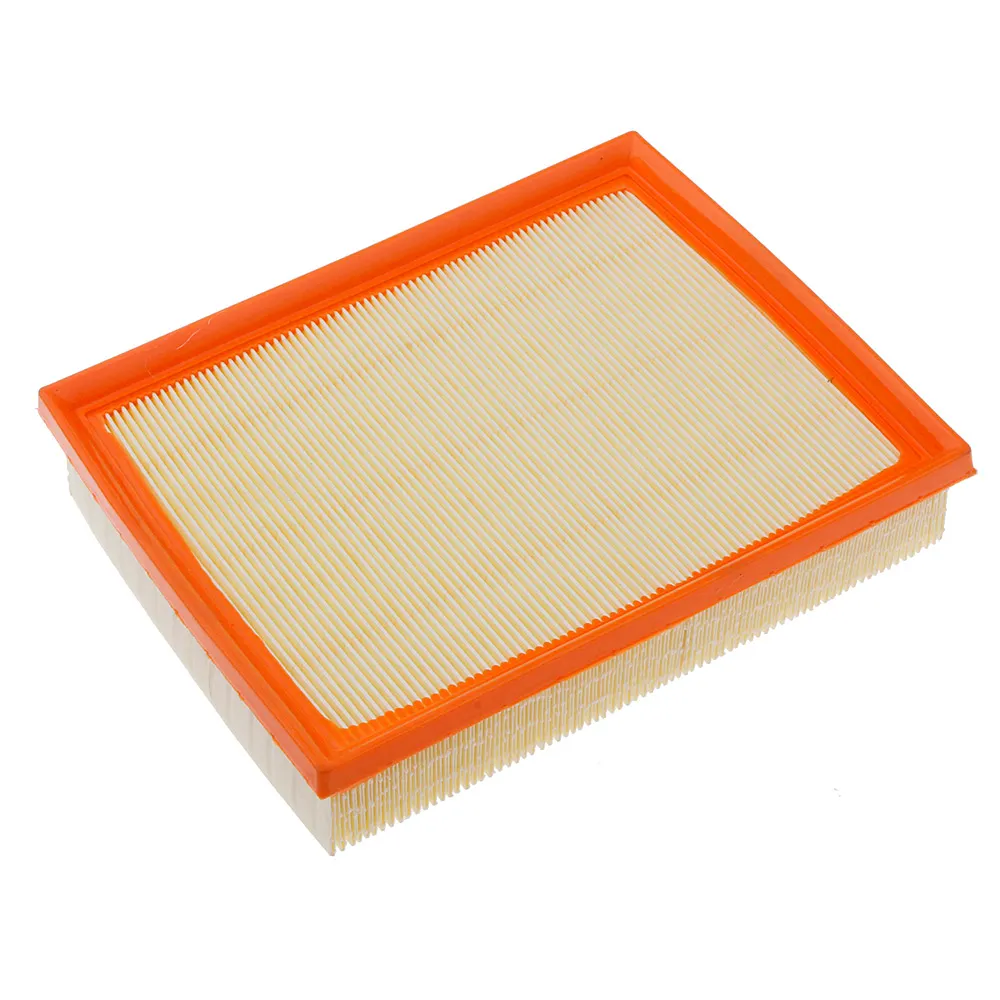
Technical Advantages and Performance Benefits of Advanced Car Air Filter Systems
Investing in superior car air filter technology offers significant technical advantages and performance benefits that translate into tangible operational savings and enhanced reliability for B2B clients.
Key Advantages:
- Enhanced Engine Protection: High-efficiency media captures microscopic particles (dust, pollen, sand, soot) that can cause abrasive wear to engine components like cylinders, pistons, and turbochargers. This significantly extends engine lifespan.
- Optimized Fuel Efficiency (Energy Saving): A clean air filter ensures unrestricted airflow to the engine, allowing for optimal air-fuel mixture combustion. A clogged filter restricts air, forcing the engine to work harder, leading to increased fuel consumption (by up to 10% in severe cases) and higher emissions.
- Reduced Emissions: Proper combustion facilitated by clean air helps engines operate more cleanly, contributing to lower harmful exhaust emissions, thus aiding compliance with environmental regulations.
- Improved Engine Performance: Unimpeded airflow translates to better throttle response, increased horsepower, and overall smoother engine operation, especially beneficial for performance-oriented vehicles and heavy-duty applications.
- Extended Maintenance Intervals (Corrosion Resistance & Durability): Filters designed with durable, moisture-resistant media and robust frames can withstand harsh operating conditions, including humidity and temperature fluctuations. This extends the car air filter life, reducing the frequency of replace car air filter actions and associated labor costs. The materials used for frames and gaskets are selected for their resistance to automotive fluids and environmental degradation.
- Cost-Effectiveness: While premium filters might have a higher car air filter price upfront, their longer lifespan, fuel savings, and engine protection capabilities lead to lower total cost of ownership (TCO) for fleets and consumers.
"According to industry studies, a properly maintained engine air filter can improve fuel efficiency by up to 10% and extend engine life by mitigating wear from airborne contaminants." - Automotive Aftermarket Suppliers Association (AASA) report.
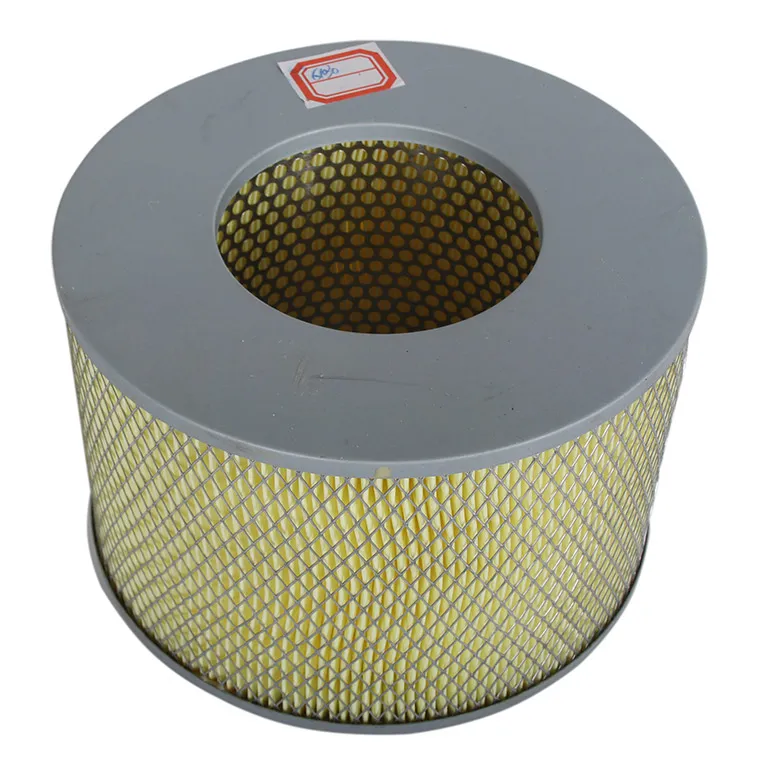
Vendor Comparison: Selecting the Right Car Air Filter Supplier
Choosing the right supplier for car air filters is a strategic decision for B2B entities. A thorough vendor comparison should extend beyond just unit car air filter price, encompassing product quality, certifications, R&D capabilities, and supply chain reliability.
Key Factors for Vendor Evaluation:
- Product Quality & Performance: Adherence to international standards (e.g., ISO 5011 for filtration efficiency), use of high-grade materials, and consistent manufacturing quality.
- Certifications: ISO 9001 (Quality Management), IATF 16949 (Automotive Quality Management), ISO 14001 (Environmental Management).
- R&D and Innovation: A supplier's ability to develop new media technologies, improve designs for enhanced performance, or adapt to evolving engine requirements.
- Production Capacity & Lead Times: Ensuring the vendor can meet demand fluctuations and deliver products within acceptable timeframes.
- Customization Capabilities: The flexibility to offer bespoke solutions for specific OEM requirements or challenging application environments.
- Technical Support & After-Sales Service: Availability of expert support, warranty terms, and ease of addressing any product issues.
- Cost-Effectiveness (Total Cost of Ownership): Evaluating not just the purchase car air filter price, but also factors like car air filter life, fuel savings, and reduced engine wear, which impact long-term costs.
Comparative Analysis Table (Illustrative):
| Criteria | Vendor A (Premium) | Vendor B (Standard) | Vendor C (Economy) |
|---|---|---|---|
| Filtration Efficiency (5µm) | 99.8% | 99.0% | 98.5% |
| Dust Holding Capacity (g) | 450 | 300 | 180 |
| Media Type | Synthetic Nanofiber | Synthetic Blend | High-Quality Cellulose |
| Certifications | IATF 16949, ISO 9001 | ISO 9001 | Basic Quality Control |
| Avg. Unit Price (per 1000 units) | $8.50 | $6.00 | $4.20 |
| Customization Option | Full | Limited | None |
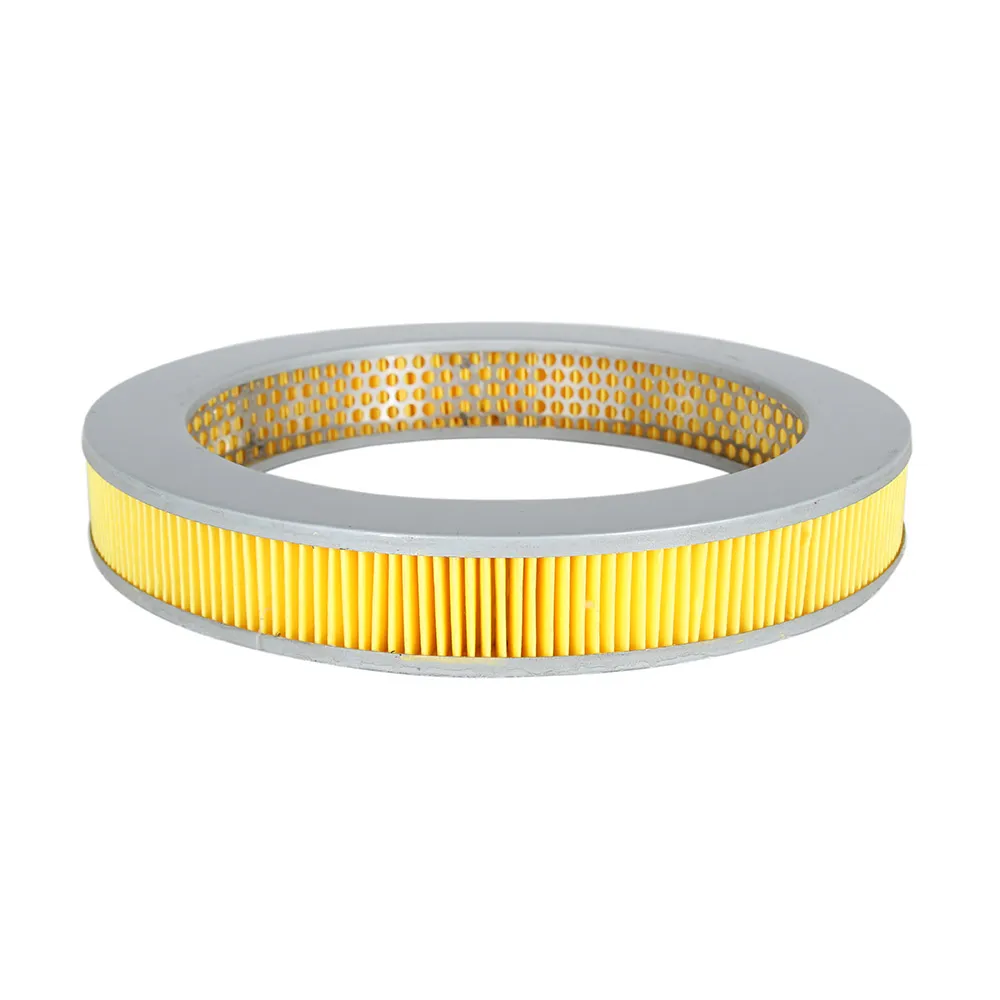
Customized Solutions and Application Case Studies
Recognizing that standard products may not always meet unique operational demands, leading manufacturers offer customized car air filter solutions tailored to specific client needs. These bespoke solutions often address challenges related to extreme operating environments, unique engine configurations, or extended service life requirements.
Customization Capabilities:
- Media Formulation: Developing proprietary filter media with enhanced properties such as higher water resistance, fire retardancy, or specialized chemical filtration for industrial applications.
- Dimension and Geometry: Designing filters for non-standard airbox dimensions or for integration into new engine designs, requiring precise CAD modeling and rapid prototyping.
- Gasket Material and Design: Customizing gasket compounds for compatibility with specific operating temperatures or fluids, and designing unique gasket profiles for optimal sealing in challenging environments.
- Pleat Design Optimization: Adjusting pleat height, count, and spacing to balance airflow, dust-holding capacity, and overall filter compactness for specific engine performance targets.
- Integrated Solutions: Incorporating additional functionalities such as pre-filters, intake silencers, or sensor integration directly into the air filter assembly.
Application Case Studies:
Case Study 1: Heavy-Duty Mining Fleet Optimization
Client: Major international mining corporation operating a fleet of heavy excavators and haul trucks in arid, dusty regions. Previous filters required replacement every 200 operating hours, leading to significant downtime and maintenance costs. The car air filters price for these heavy-duty units was substantial.
Challenge: Extend car air filter life and reduce unplanned downtime due to premature clogging.
Solution: We engineered a custom two-stage air filtration system. The primary filter utilized an advanced synthetic media with a higher density gradient and hydrophobic treatment. A robust pre-filter stage was also integrated to capture larger particulates. This bespoke solution underwent extensive field testing compliant with ISO 5011.
Results: The customized filter system extended service intervals to 500 operating hours, reducing filter consumption by 60% and cutting maintenance labor by 40%. Engine component wear was also significantly reduced, leading to projected engine life extensions of 15%.
Case Study 2: Urban Delivery Fleet Fuel Efficiency Improvement
Client: A prominent logistics company managing a large fleet of light commercial vehicles for urban deliveries. The client sought to improve fuel economy and reduce emissions across their fleet to meet corporate sustainability targets and manage rising fuel costs.
Challenge: Optimize engine performance and fuel efficiency through improved air intake filtration, addressing the frequent stop-and-go nature of urban driving which can accelerate filter clogging.
Solution: We developed a specialized filter with a low initial pressure drop, using a finely tuned pleated synthetic media. The design prioritized consistent airflow under varied engine loads, preventing the engine from struggling for air during acceleration cycles common in urban traffic. Our solution aimed to optimize the car air filter use throughout its lifespan.
Results: Post-implementation data showed an average 3.5% improvement in fleet-wide fuel efficiency and a corresponding reduction in CO2 emissions. Driver feedback also noted a perceptible improvement in vehicle responsiveness and smoother engine operation. The extended car air filter life also contributed to maintenance savings.
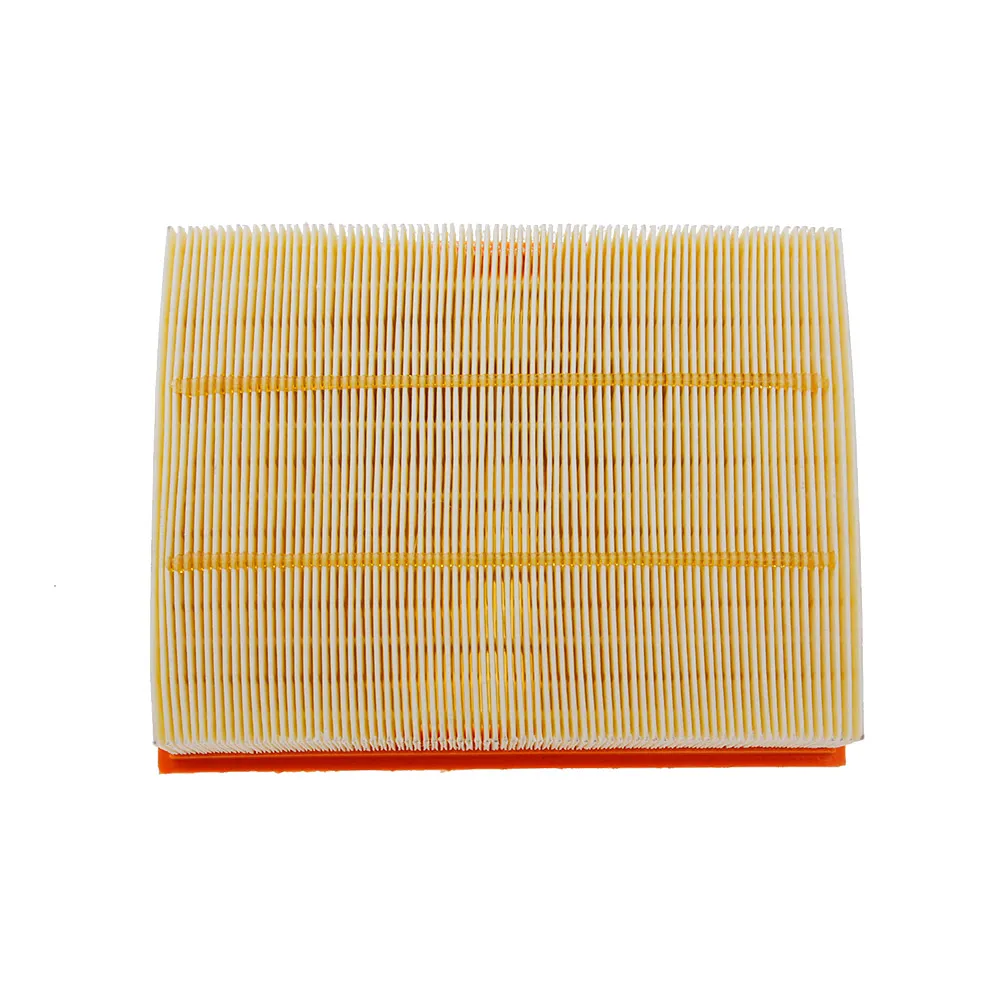
Frequently Asked Questions (FAQ) about Car Air Filter
Q1: How often should I replace car air filter?
A1: The recommended car air filter life typically ranges from 15,000 to 30,000 miles (24,000 to 48,000 km), or once a year, whichever comes first. However, this can vary significantly based on driving conditions (e.g., dusty roads, heavy traffic) and the specific vehicle manufacturer's recommendations. For optimal performance and engine longevity, regular inspection is advised.
Q2: What is the impact of a dirty car air filter use on engine performance?
A2: A dirty car air filter restricts airflow to the engine. This can lead to a richer air-fuel mixture, resulting in decreased fuel efficiency, reduced horsepower, sluggish acceleration, and increased harmful emissions. In severe cases, it can cause engine misfires and potentially damage engine components.
Q3: Are all car air filters price comparable?
A3: No, the car air filter price can vary widely based on brand, filter media type (cellulose, synthetic), construction quality, and vehicle application. Premium filters with advanced synthetic media often have a higher initial cost but offer superior filtration efficiency, higher dust-holding capacity, and longer service life, leading to better long-term value and engine protection.
Q4: What are the benefits of using a synthetic media car air filter?
A4: Synthetic media filters typically offer higher filtration efficiency, capturing finer particles with less airflow restriction. They often have a greater dust-holding capacity, leading to extended service life, and are more resistant to moisture and chemical degradation compared to traditional cellulose filters. This translates to superior engine protection and potentially lower maintenance frequencies.
Q5: How do I know if my car air filter needs replacement?
A5: Common indicators include decreased fuel economy, reduced engine power, unusual engine noises, a dark or visibly dirty filter element when inspected, and the illumination of a "check engine" light (though this could indicate various issues). Adhering to manufacturer recommended service intervals and visually inspecting the filter regularly are the best practices.
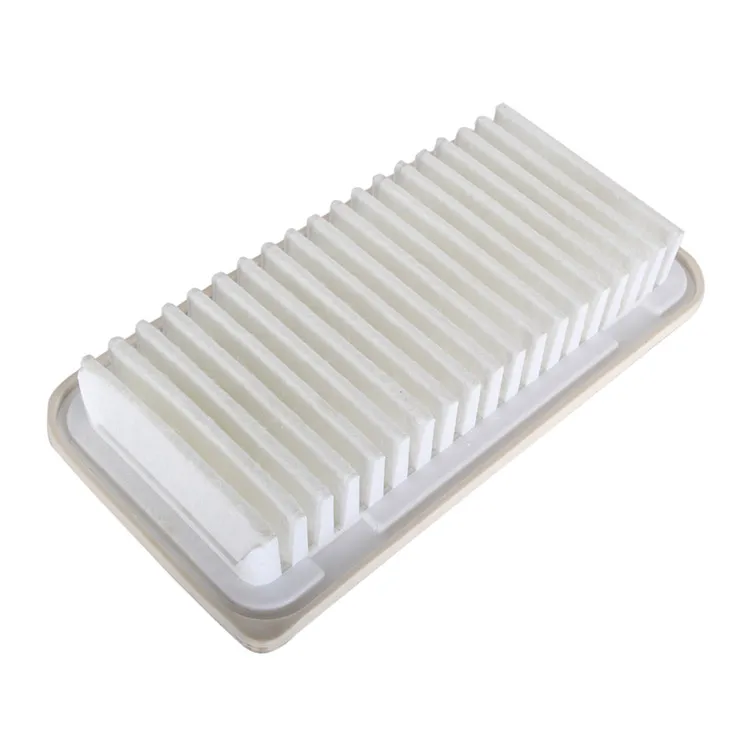
Trustworthiness: Lead Time, Warranty, and Customer Support
At JY Filter, we prioritize transparency and reliability to build lasting partnerships with our B2B clients. Our commitment to trustworthiness is reflected in our operational processes and customer-centric policies.
Lead Time and Fulfillment:
Standard lead times for our range of car air filters typically vary from 15 to 45 business days, depending on order volume, customization requirements, and current production schedules. For off-the-shelf catalog products, delivery can often be expedited to 7-10 business days for urgent requirements. We maintain a robust supply chain and utilize advanced logistics planning to ensure timely delivery. For large-volume or OEM contracts, dedicated production lines and strategic inventory management are implemented to meet consistent supply demands.
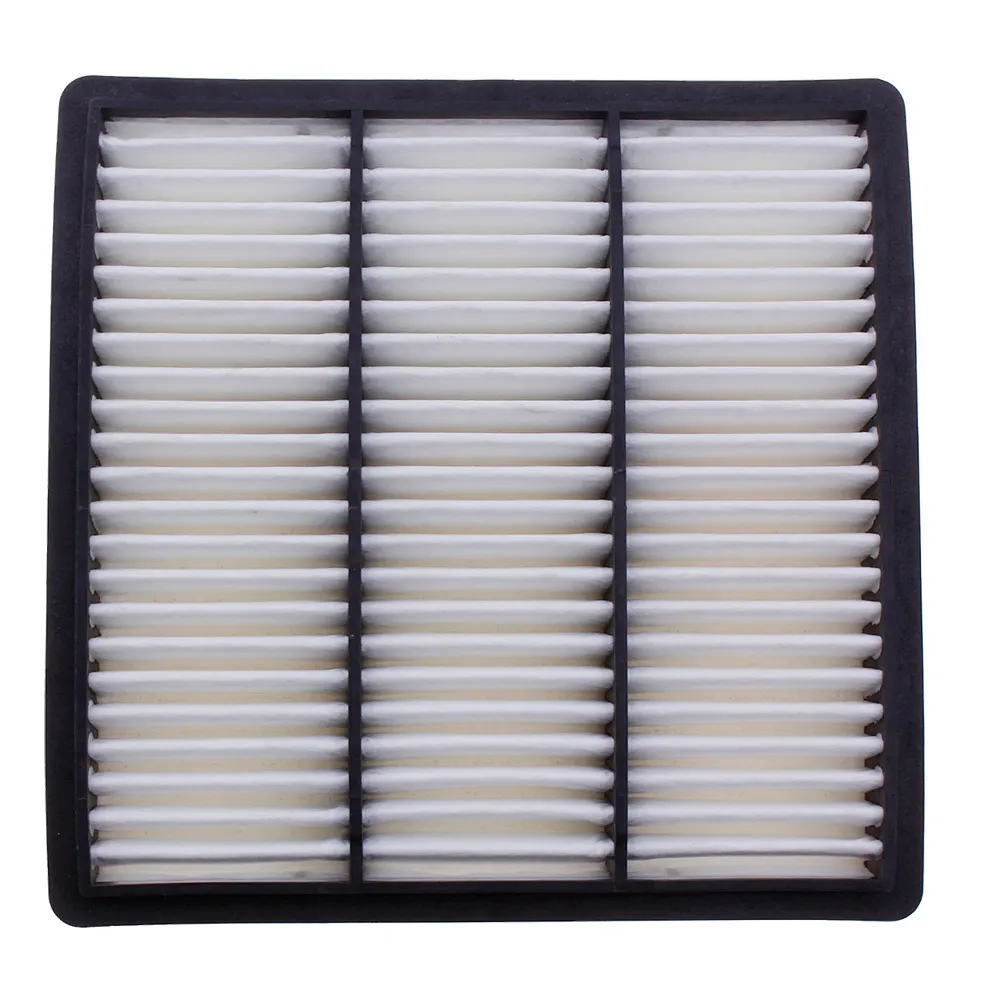
Warranty Commitments:
We stand behind the quality and performance of our car air filters. All products come with a comprehensive warranty against manufacturing defects and material failures for a period of 12 months from the date of purchase or 20,000 miles (32,000 km), whichever comes first, under normal operating conditions. This warranty covers product replacement or repair at our discretion, ensuring peace of mind for our clients. Specific warranty details for customized solutions or OEM agreements are outlined in individual contracts.
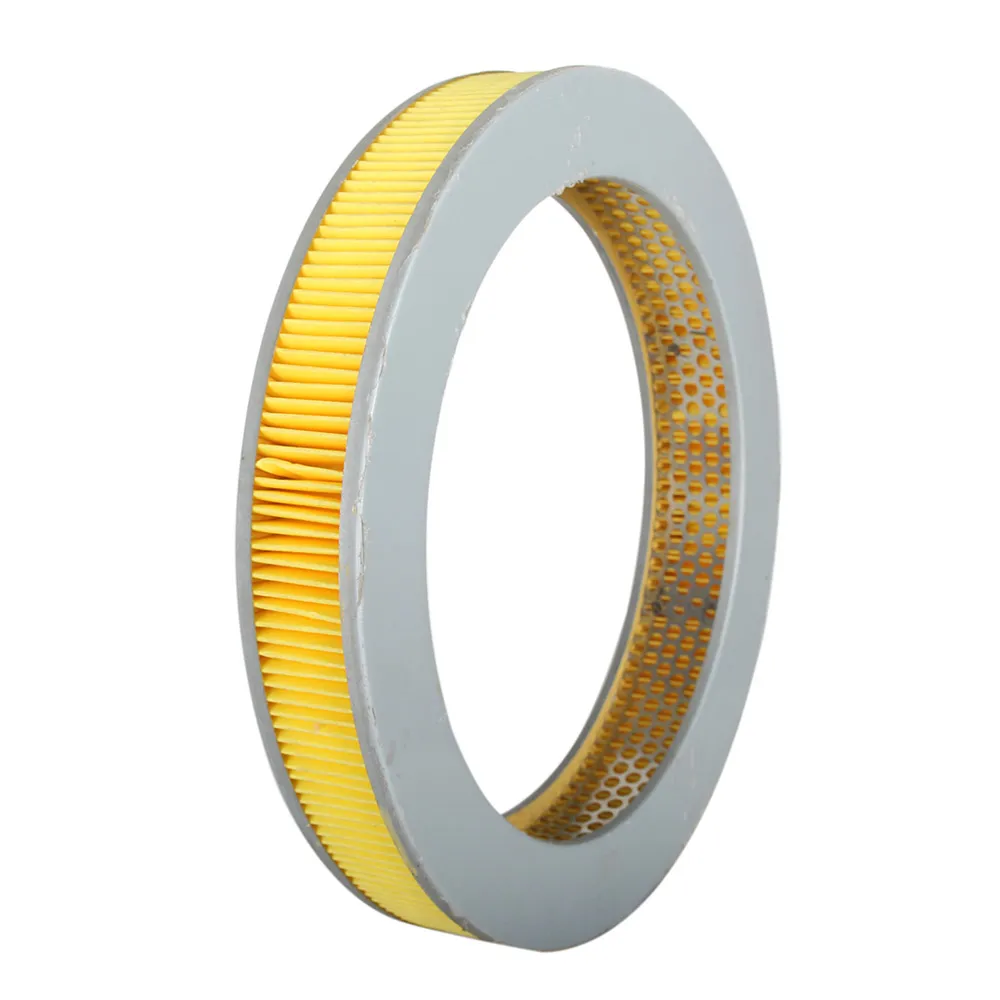
Dedicated Customer Support:
Our commitment extends beyond product delivery. We provide dedicated technical and customer support to assist with product selection, installation guidance, troubleshooting, and post-sales inquiries. Our team of experienced engineers and customer service professionals is available via phone, email, and a dedicated online portal. For key accounts, we offer a dedicated account manager to ensure seamless communication and personalized service. Training programs on proper car air filter use and maintenance can also be provided upon request.
Authoritative References
- International Organization for Standardization. ISO 5011:2014, Inlet air cleaning equipment for internal combustion engines and compressors – Performance testing.
- Society of Automotive Engineers International. SAE J726, Air Cleaner Test Code.
- Automotive Aftermarket Suppliers Association (AASA). "The Impact of Air Filtration on Engine Performance and Emissions." White Paper, 2022.
- American National Standards Institute. ANSI/ASME B93.31-1973 (R2008), Method for Determining the Fabrication Integrity of a Hydraulic Fluid Power Filter Element.
-
Guide on how often do you need to replace engine air filterNewsApr.16,2026
-
Learn how often do you replace air filter in car for engine healthNewsApr.09,2026
-
How Often Do You Replace Car Air Filter For Optimal Engine PerformanceNewsApr.07,2026
-
How Often Do You Replace Engine Air Filter For Optimal Vehicle PerformanceNewsApr.04,2026
-
Understanding How Often Does Engine Air Filter Need to Be Replaced for Optimal PerformanceNewsMar.31,2026
-
How Often Engine Air Filter Change Impacts Performance and LongevityNewsMar.28,2026
-
Understanding How Often to Replace Your Car Air Filter for Optimal PerformanceNewsMar.26,2026
Related Products