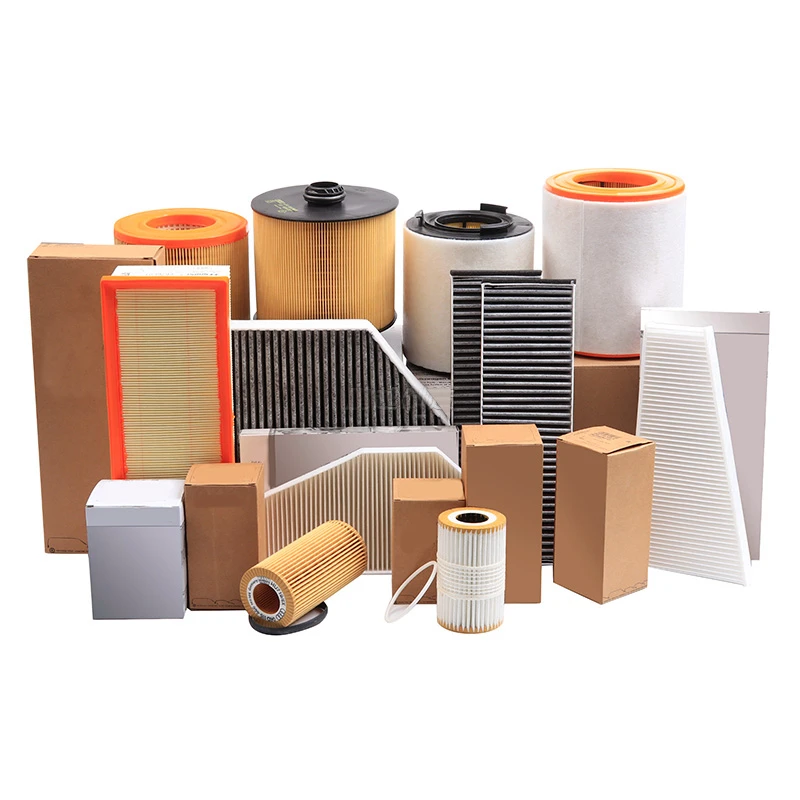
The Indispensable Role of Advanced Automotive Filters in Vehicle Performance and Longevity
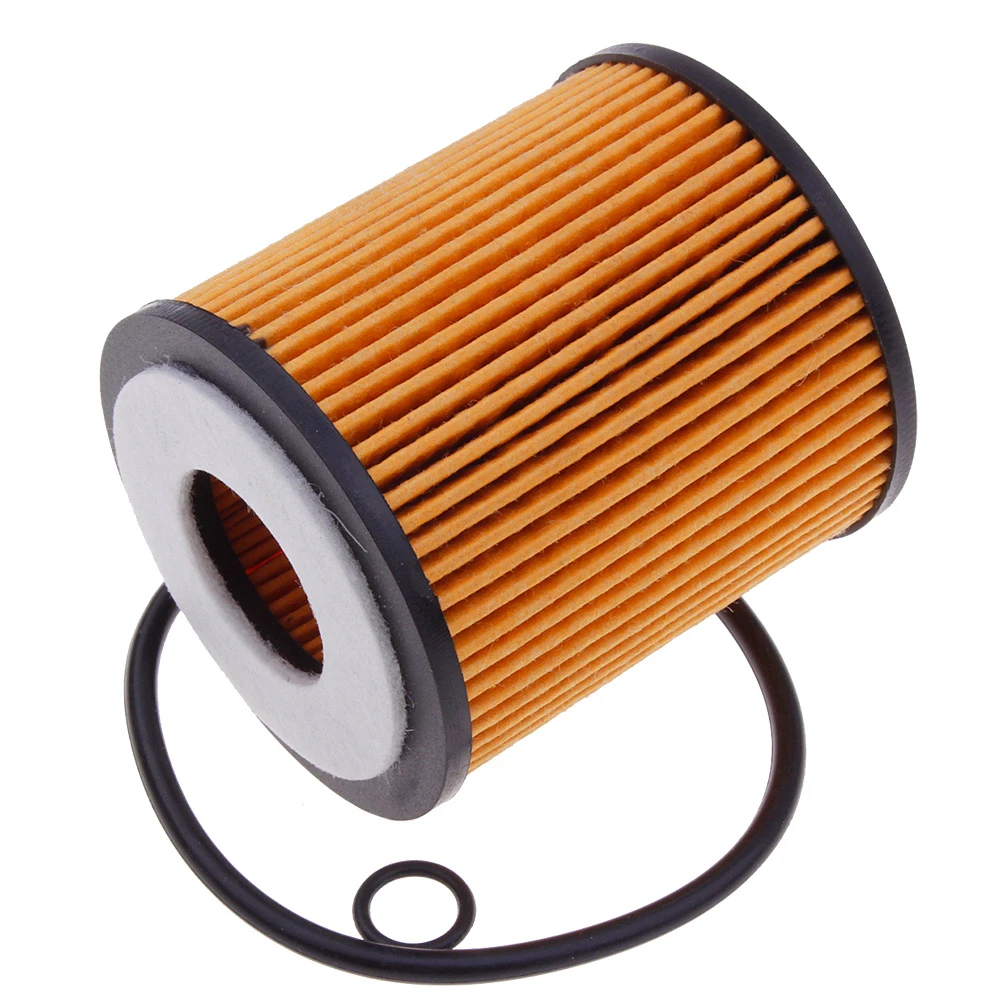
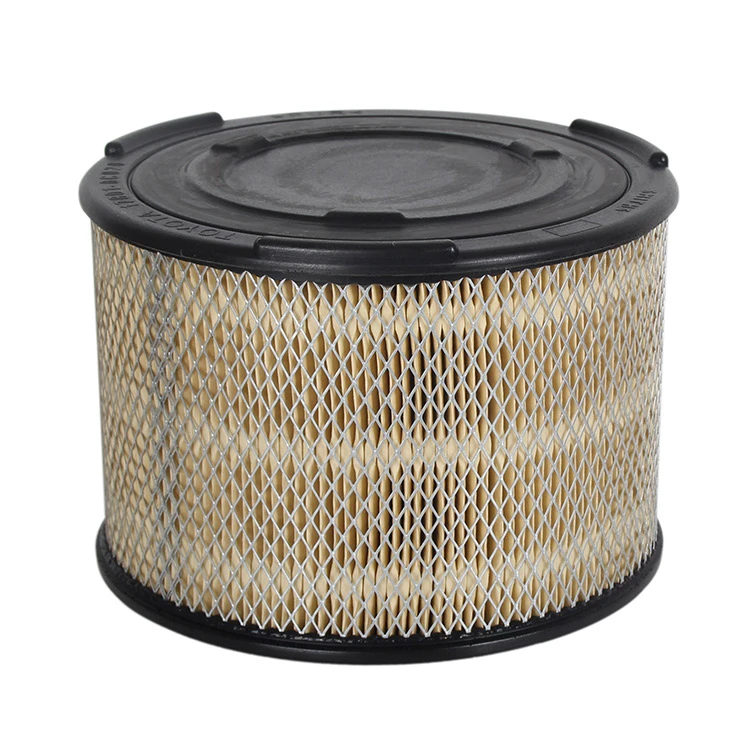
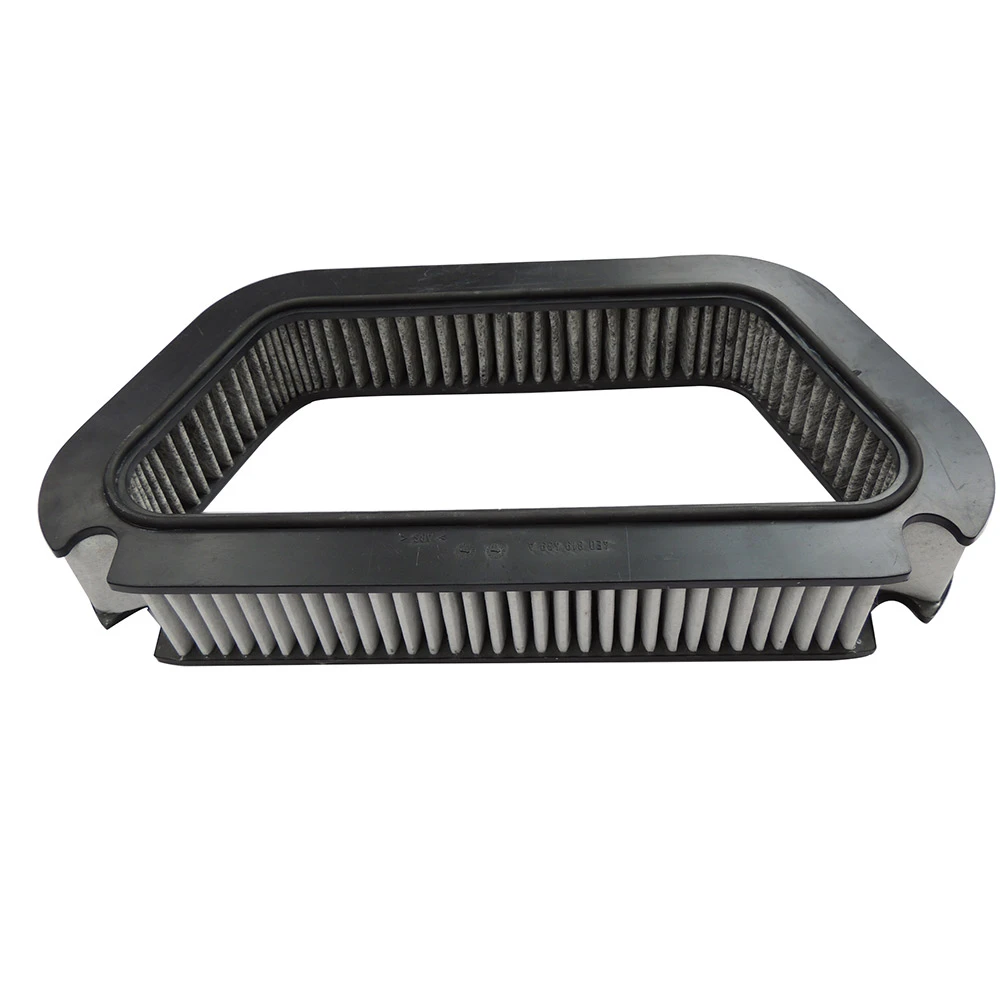
In the complex ecosystem of modern vehicles, automotive filters are not mere accessories but critical components that ensure the operational integrity and extended lifespan of vital engine systems. Their primary function is to meticulously remove contaminants from various fluids and air streams, thereby preventing abrasive wear, system blockages, and premature component failure. This protective role is paramount across all vehicle types, from passenger cars to heavy-duty industrial machinery.
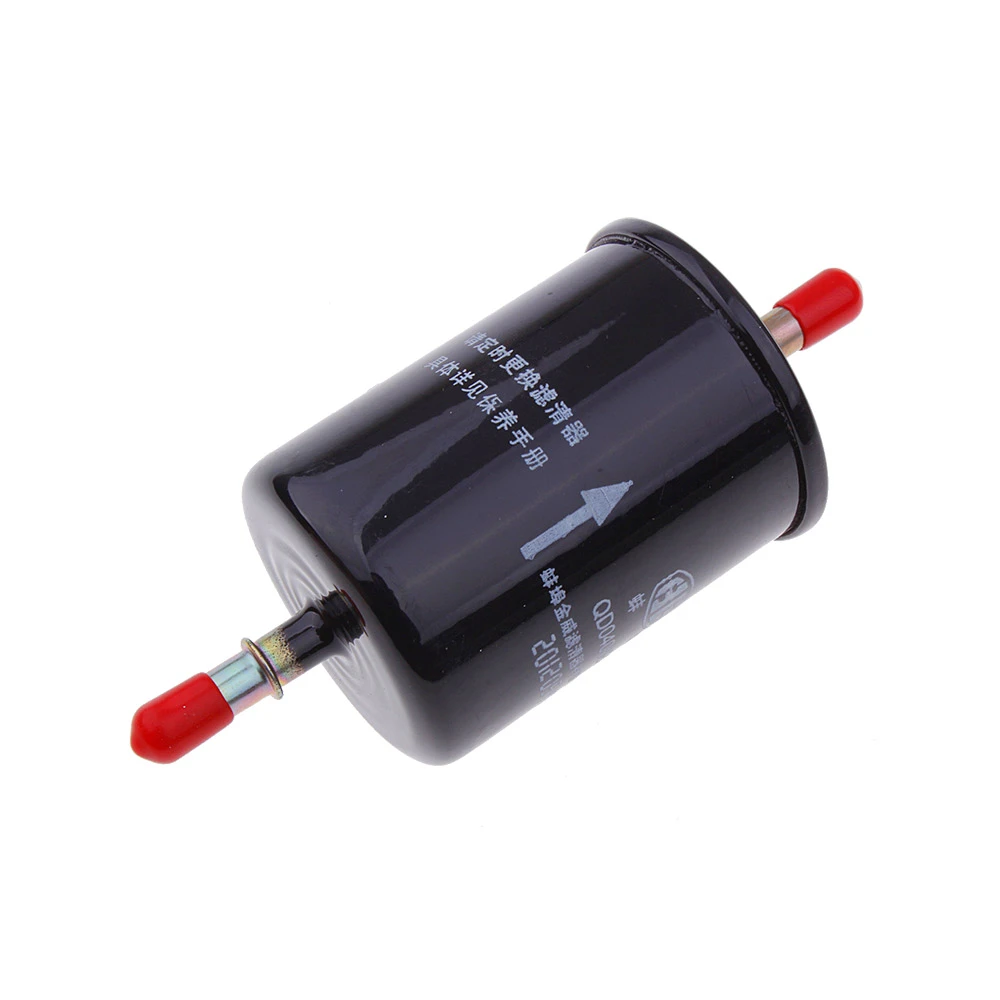
The contemporary automotive industry is witnessing unprecedented demands for efficiency, reliability, and reduced environmental impact. These pressures directly elevate the importance of superior filtration technologies. Specifically, the car fuel filter is a cornerstone of a vehicle's fuel delivery system, diligently safeguarding delicate components such as fuel injectors and pumps from particulates, rust, and water that can compromise combustion efficiency and lead to expensive repairs. Without effective filtration, even microscopic contaminants can cause significant damage to high-precision engine parts, leading to diminished performance, increased fuel consumption, and higher emissions.
Key industry trends underscore a shift towards advanced filtration media, smart filter solutions, and enhanced durability. Manufacturers are continually innovating, developing multi-layer synthetic media for improved filtration efficiency, lower pressure drop, and extended service intervals. The integration of sensors into filtration systems enables real-time monitoring of filter load and condition, facilitating predictive maintenance strategies. This focus on technological advancement is crucial for meeting the challenges presented by evolving fuel formulations, stricter emission regulations (e.g., Euro 6, EPA Tier 4), and the global drive towards cleaner, more sustainable transportation. The market for automotive filters is therefore not just stable but undergoing significant growth, propelled by both original equipment manufacturers (OEMs) and the robust aftermarket sector.
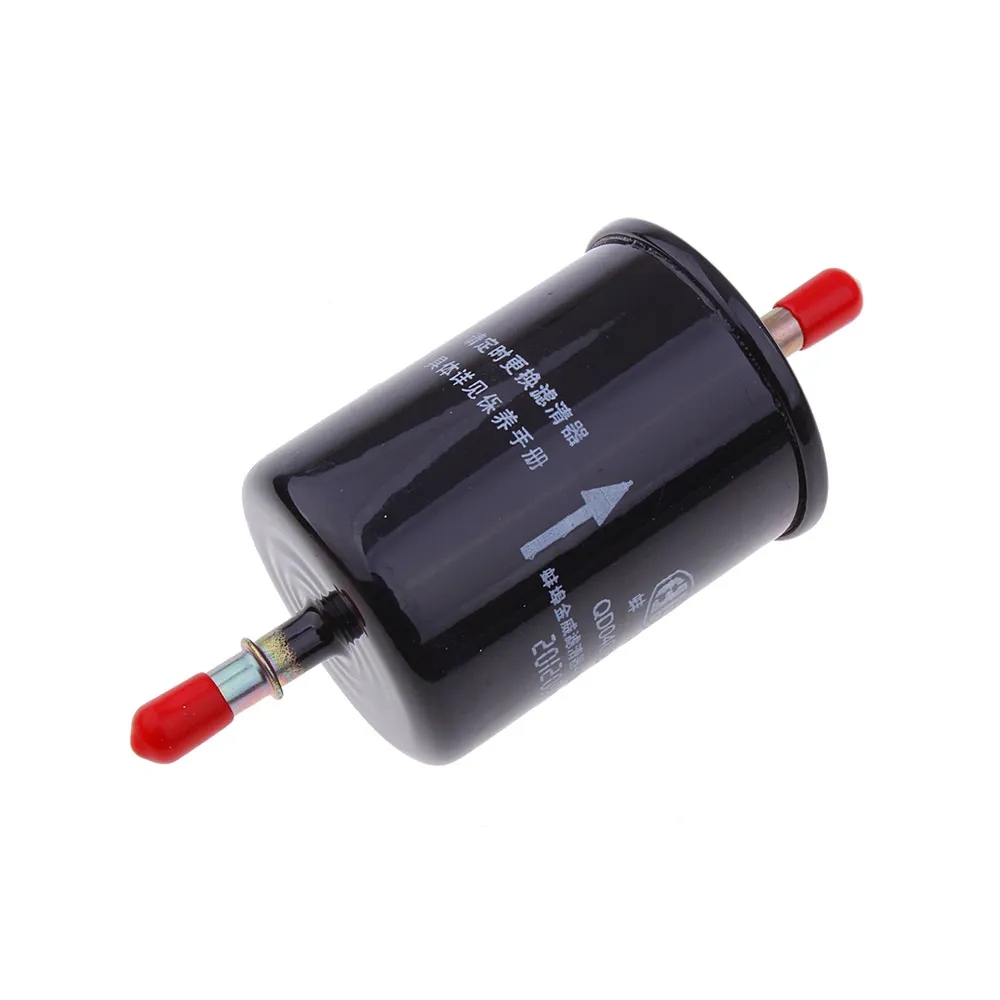
Advanced filtration systems are vital for protecting modern engine components.
Precision Manufacturing: The Detailed Process Flow of Automotive Filters
The manufacturing of high-performance automotive filters is a testament to precision engineering, where every stage is meticulously controlled to ensure product quality, reliability, and adherence to stringent performance specifications. This sophisticated process involves advanced material selection, cutting-edge production techniques, and rigorous quality assurance protocols.
Detailed Manufacturing Process Steps:
- 1. Material Selection and Media Preparation: The process begins with selecting optimal filter media, including synthetic fibers (polyester, polypropylene), cellulose, or composite blends. These are chosen based on required filtration efficiency, dirt-holding capacity, and chemical compatibility with specific fuels or oils. Housing materials, often high-grade steel (e.g., via precision casting or forging for strength) or reinforced polymers (injection molded for specific geometries), are also carefully chosen for durability and corrosion resistance. Media is cut and prepared to exact specifications.
- 2. Pleating and Forming: Filter media is pleated using automated machinery to maximize surface area within a confined space. Pleat geometries, such as V-pleats or radial pleats, are critical for maintaining consistent flow rates and filtration efficiency. Accurate pleat height and spacing are maintained by advanced control systems.
- 3. Component Assembly and Sealing: The pleated media is integrated with structural components like end caps, support screens (often perforated metal or plastic cages produced by CNC machining for high precision), and sealing gaskets. Advanced adhesive technologies, ultrasonic welding, or heat sealing are employed to create robust, leak-proof bonds, preventing bypass filtration.
- 4. Housing Integration: For spin-on type or in-line filters, the assembled element is precisely enclosed within its housing. This can involve precision machining for metallic parts or advanced injection molding for plastic components, ensuring dimensional accuracy and structural integrity under operational pressures.
- 5. Final Assembly and Inspection: All final seals, such as O-rings or specialized elastomeric gaskets, are installed. The filters then undergo visual inspections and functional checks.
- 6. Quality Control and Testing: Rigorous testing is conducted at various stages and on finished products. This includes burst pressure tests, flow restriction tests, filtration efficiency evaluations (e.g., multi-pass testing per ISO 19438 for fuel filters or ISO 5011 for air filters), and vibration tests. Products conform to international quality standards such as ISO 9001 and IATF 16949, ensuring consistent performance and reliability.
- 7. Packaging: Finished filters are carefully packaged to prevent contamination or damage during storage and transit.
Target Industries and Distinct Advantages:
Our precision-engineered automotive filters serve a wide array of target industries. Beyond mainstream automotive OEMs and aftermarket suppliers, these filters are crucial for heavy-duty vehicles (e.g., trucks, buses, construction equipment), agricultural machinery, and marine applications where operating conditions are often severe. In industrial contexts such as petrochemical and metallurgy, specialized filtration solutions offer enhanced corrosion resistance and high-temperature stability, ensuring reliable operation. For water supply & drainage, our expertise in fluid dynamics and media science is adapted to provide robust water filtration solutions. The overarching advantages include significant energy saving through optimized engine performance, superior corrosion resistance prolonging system life, and substantial reductions in maintenance costs, directly contributing to operational efficiency and economic benefits for our clients.
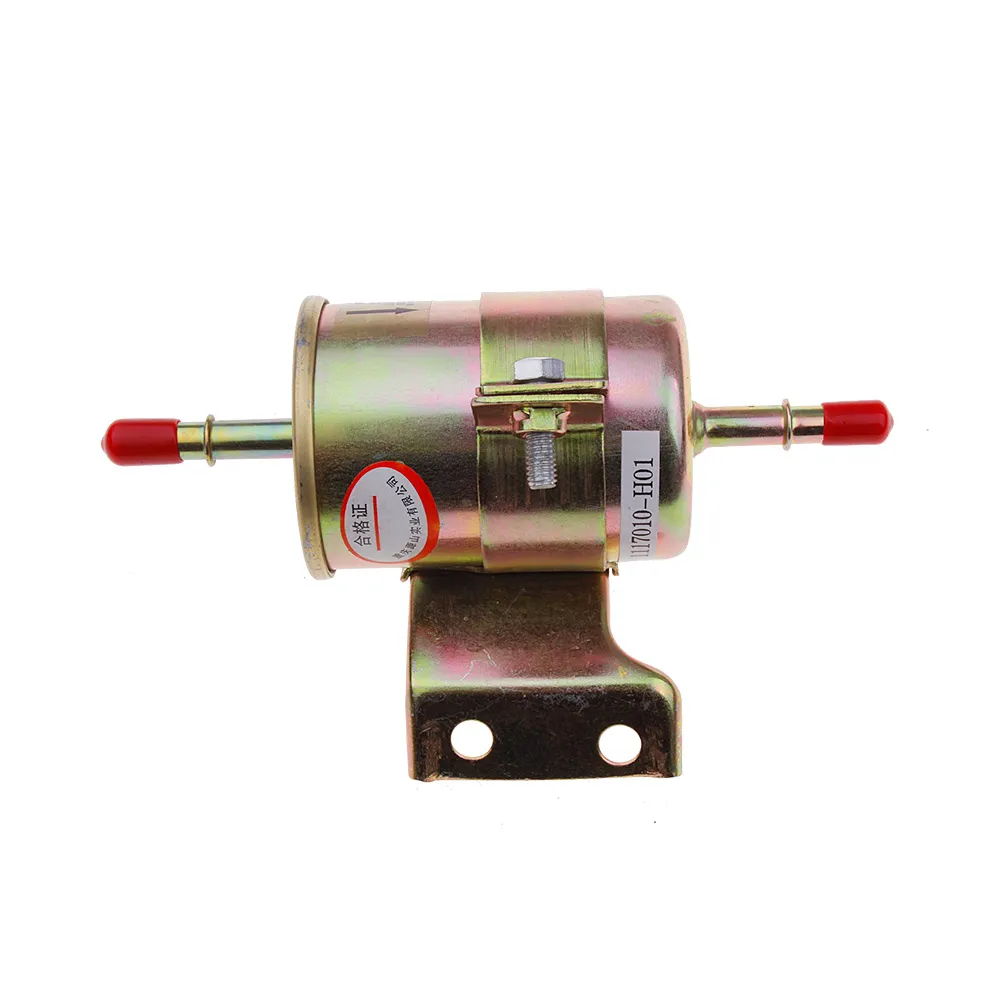
Automated production lines ensure consistent quality and precision.
Technical Specifications and Performance Parameters of Car Fuel Filters
For B2B decision-makers and engineers, a deep understanding of the technical specifications of a car fuel filter is essential. These parameters directly quantify a filter's ability to protect the fuel system, influence engine performance, and determine its service life. High-quality automotive filters are designed to deliver exceptional performance under demanding conditions, preventing costly downtime and prolonging equipment life.
Key Technical Performance Indicators:
- • Filtration Efficiency: This metric indicates the percentage of contaminants of a given size that the filter successfully removes. Modern fuel injection systems, particularly common rail direct injection (CRDI), demand efficiencies often exceeding 99% for particles as small as 2-5 microns (µm).
- • Micron Rating: Specifies the smallest particle size (in microns) that the filter is designed to capture. An "absolute" rating guarantees removal of all particles above a certain size, while a "nominal" rating indicates the removal of a majority of particles. Fuel filters typically feature absolute ratings between 2 and 10 microns.
- • Flow Rate: Denotes the maximum volume of fuel (e.g., Liters Per Hour - LPH, or Gallons Per Hour - GPH) that can pass through the filter without undue restriction or excessive pressure drop. This must be equal to or greater than the engine's peak fuel demand.
- • Pressure Drop: The reduction in fuel pressure observed across the filter. A lower pressure drop signifies less resistance to fuel flow, crucial for maintaining optimal fuel system pressure and ensuring consistent engine performance, especially under heavy load.
- • Dirt-Holding Capacity: The total mass of contaminant (in grams) a filter can effectively retain before reaching its terminal pressure drop, indicating the end of its useful service life. A higher capacity translates to longer filter life and reduced maintenance frequency.
- • Burst Strength: The maximum internal pressure (typically measured in Bar or PSI) the filter's housing and internal components can withstand before structural failure. This ensures safety and integrity during sudden pressure surges in the fuel system.
- • Operating Temperature Range: The range of ambient and fluid temperatures (e.g., -40°C to +125°C) within which the filter is guaranteed to perform reliably, accommodating diverse climatic and operational environments.
Typical Car Fuel Filter Specification Table:
| Parameter | Specification | Performance Benefit |
|---|---|---|
| Filtration Efficiency (ISO 19438) | ≥ 99.8% @ 4 µm | Unparalleled protection for sensitive fuel injectors and pumps, preventing abrasive wear. |
| Absolute Micron Rating | 4 Microns | Captures the finest particles that cause damage in modern high-pressure systems. |
| Maximum Flow Rate | 180 LPH | Ensures robust and consistent fuel supply even under peak engine load, preventing starvation. |
| Initial Pressure Drop (Clean Filter) | Minimizes strain on the fuel pump and optimizes fuel pressure for efficient combustion. | |
| Dirt-Holding Capacity | 20 grams (ISO 19438) | Extended operational life, reducing replacement frequency and associated maintenance costs. |
| Operating Temperature Range | -40°C to +130°C | Reliable and stable performance across diverse and extreme environmental conditions. |
| Burst Pressure | > 1200 kPa (12 Bar) | Ensures structural integrity and prevents rupture under high-pressure conditions, enhancing safety. |
| Media Type | Multi-Layer Synthetic Composite | Optimized for fine particle capture and water separation with long service life. |
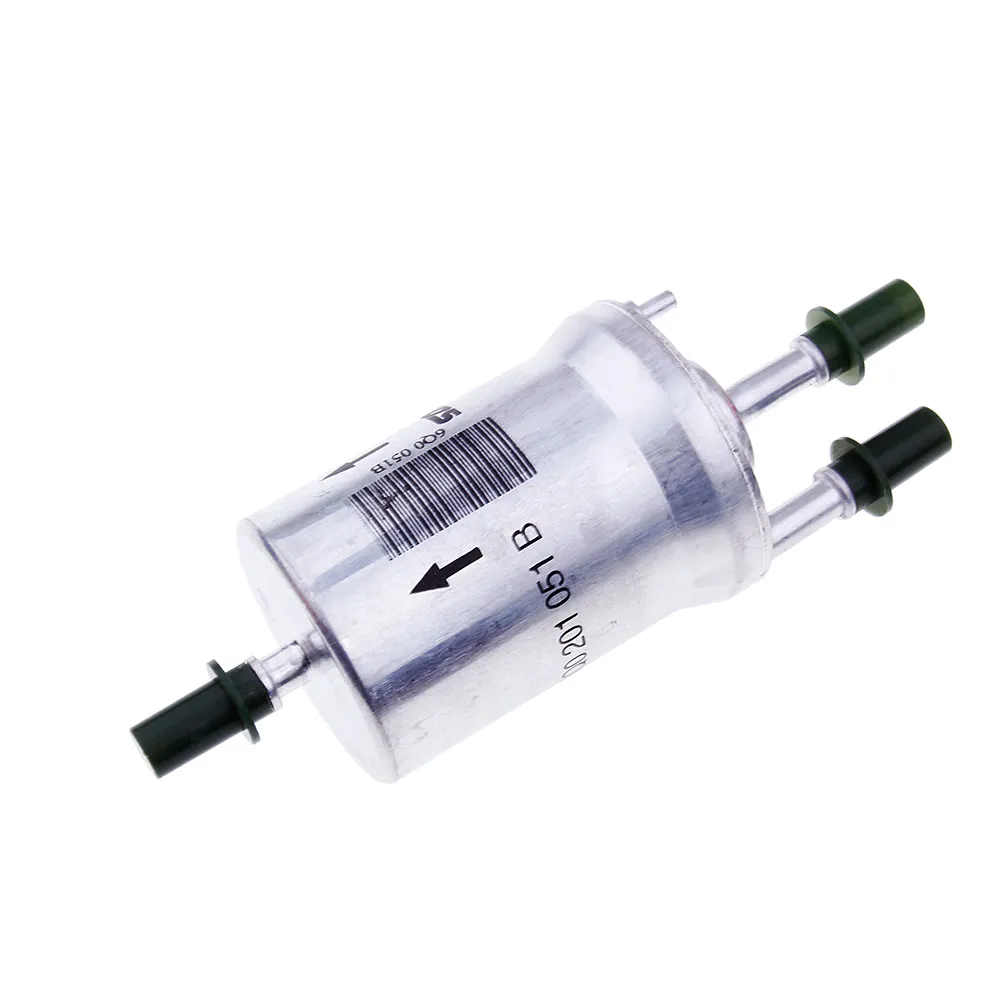
Cross-section of an advanced car fuel filter demonstrating media layers.
Versatile Application Scenarios and Proven Technical Advantages
The deployment of advanced automotive filters extends across a vast spectrum of applications, each benefiting from tailored filtration solutions that deliver specific technical advantages. From ensuring the smooth operation of daily commutes to sustaining the grueling demands of industrial operations, effective filtration is non-negotiable.
Diverse Application Scenarios:
- • Passenger Vehicles (Gasoline & Diesel): Essential for protecting sophisticated fuel injection systems, ensuring consistent fuel atomization, and maintaining optimal engine performance. Whether an inline car fuel filter or an in-tank module, its role is critical.
- • Commercial & Heavy-Duty Fleets: Trucks, buses, and delivery vehicles operate under high mileage and diverse environmental conditions. Robust fuel and oil filters are vital to minimize downtime and extend engine life.
- • Agricultural and Construction Equipment: Operating in harsh, dusty, and often remote environments, off-highway machinery requires exceptionally durable and efficient filters to protect engines and hydraulic systems from severe contamination.
- • Marine Engines & Power Generation: Diesel engines in marine vessels and stationary power generators demand high-performance filtration due to challenges associated with fuel storage, variable fuel quality, and continuous operation in critical applications.
Key Technical Advantages:
- • Enhanced Energy Saving: By consistently delivering clean fuel, our filters prevent fuel injector clogging and maintain optimal spray patterns, leading to more complete combustion, improved fuel economy, and significant energy savings over the vehicle's operational life.
- • Superior Corrosion Resistance: Employing advanced housing materials and internal coatings, our filters offer exceptional resistance to corrosive agents present in modern fuels, such as ethanol and biodiesel. This not only prolongs the filter's own life but critically protects the entire fuel system from degradation.
- • Extended Engine Lifespan: Protection against abrasive particles, water, and other detrimental contaminants drastically reduces wear and tear on high-value engine components, including fuel pumps, injectors, and cylinder walls, thereby substantially extending the engine's overall service life and reducing capital expenditure.
- • Reduced Emissions: Clean and efficient fuel combustion, directly facilitated by effective filtration, leads to lower emissions of harmful pollutants such as particulate matter, carbon monoxide, and unburnt hydrocarbons, aiding compliance with stringent environmental regulations globally.
- • Enhanced Reliability and Minimized Downtime: By preventing fuel system failures and maintaining optimal engine health, high-quality filters ensure consistent vehicle operation, drastically reducing unexpected breakdowns, unscheduled maintenance, and costly operational downtime for commercial fleets and critical industrial equipment.
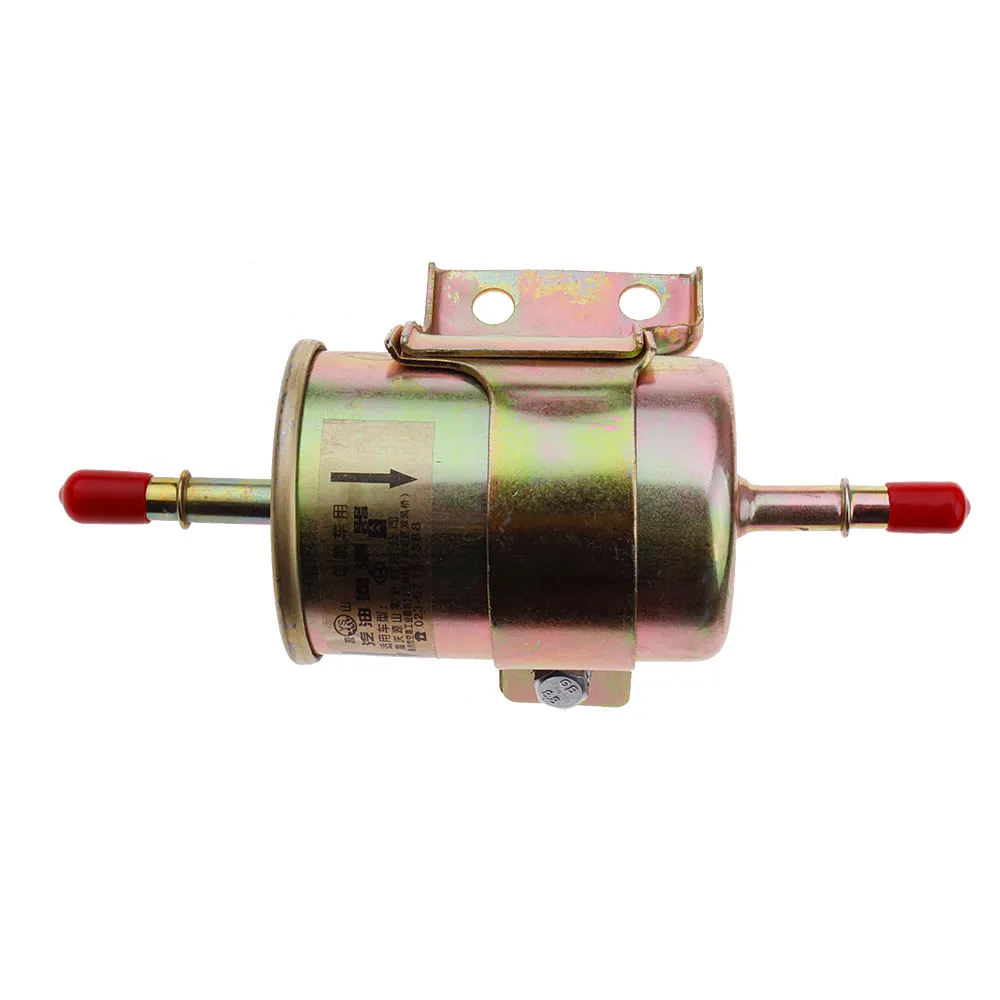
Critical filtration in diesel fuel systems for heavy-duty applications.
Vendor Comparison and Tailored Filtration Solutions
Selecting the optimal supplier for automotive filters is a strategic decision that profoundly impacts operational costs, vehicle reliability, and compliance with industry standards. While the car fuel filter price is an important consideration, it must be carefully weighed against the quality, performance, and long-term value delivered by the filtration solution and the supporting vendor.
Key Criteria for Vendor Comparison:
- • Quality Assurance and Certifications: A reputable vendor will hold international quality management certifications such as ISO 9001 and IATF 16949 (specifically for automotive suppliers), demonstrating a commitment to consistent product quality and rigorous manufacturing processes.
- • Technical Expertise and R&D Capabilities: Look for suppliers with strong research and development capabilities, capable of innovating new filtration media and designs to meet evolving engine technologies, fuel types, and environmental mandates.
- • Comprehensive Product Portfolio: A diverse range of products, including specific solutions like an inline car fuel filter, water separators, hydraulic filters, and universal car fuel filter options, indicates broader application knowledge and flexibility.
- • Supply Chain Reliability: Dependable lead times, efficient order fulfillment, and robust logistics networks are crucial for minimizing disruptions in production and ensuring timely delivery for aftermarket operations.
- • Customer Support and After-Sales Service: Access to expert technical assistance, clear warranty policies, and responsive support are invaluable for long-term partnerships and troubleshooting any operational challenges.
Automotive Filter Supplier Comparison (Illustrative Data):
| Feature/Criterion | Supplier X (Premium Innovator) | Supplier Y (Established Quality) | Supplier Z (Cost-Effective Option) |
|---|---|---|---|
| Certifications & Standards | IATF 16949, ISO 9001, ISO 14001, OHSAS 18001 | ISO 9001, Meets OEM Specifications | ISO 9001 |
| Filtration Media Technology | Proprietary Multi-Layer Nanofiber & Synthetic Composites | High-Grade Synthetic Blends with Cellulose | Standard Cellulose & Basic Synthetics |
| R&D Investment & Innovation | Industry Leader, High Investment in Next-Gen Tech | Consistent Investment, Focus on Performance Enhancement | Moderate, Focus on Cost Optimization & Existing Designs |
| Customization Capabilities | Full Engineering Partnership, Highly Customizable | Flexible, Modifications to Existing Product Lines | Limited, Primarily Standard SKUs |
| Average Lead Time (Standard Orders) | 4-6 Weeks | 6-8 Weeks | 8-12 Weeks |
| Technical Support Level | Dedicated OEM Engineering & Field Support | Robust Technical Team, Online Resources | Standard Product Support |
| Pricing Structure | Premium (Value-Driven Performance) | Mid-Range (Balanced Value & Performance) | Competitive (Entry-Level Cost) |
Customized Solutions: Precision Tailoring for Unique Needs
For original equipment manufacturers (OEMs) and specialized industrial applications, off-the-shelf filtration products often fall short of stringent performance or integration requirements. Customized solutions become invaluable, allowing for the precise tailoring of filter design, media composition, and housing characteristics to meet specific operational parameters, spatial constraints, or unique fluid chemistries. This can involve:
- • Optimized Filtration Media: Developing proprietary media for specific micron ratings or unique contaminant challenges.
- • Application-Specific Housing Design: Engineering filters to fit unconventional spaces or integrate seamlessly into complex engine architectures.
- • Enhanced Material Compatibility: Utilizing advanced materials for extreme temperature operation or resistance to aggressive chemicals found in certain fuels or industrial fluids.
- • Integrated Sensor Technology: Incorporating smart sensors for real-time monitoring of filter life, pressure drop, or water detection, enabling proactive maintenance.
Partnering with a vendor offering robust customization capabilities ensures that the filtration solution is perfectly aligned with the client's unique engineering and operational demands, thereby maximizing performance, extending equipment life, and optimizing the total cost of ownership beyond just the initial car fuel filter price.
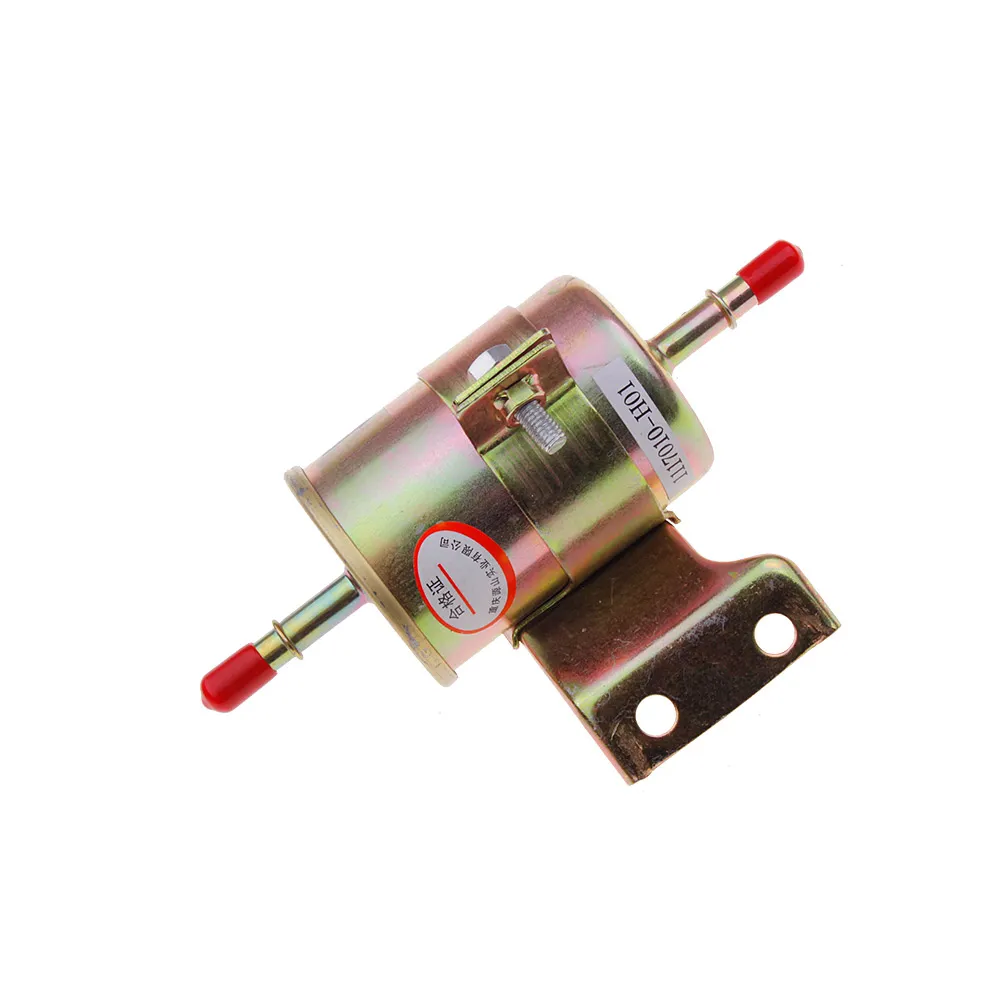
Tailored filtration solutions designed for specific engine requirements.
Real-World Application Case Studies and Client Success Stories
The true value of high-performance automotive filters is best demonstrated through their impact in real-world application scenarios. Our commitment to engineering excellence and relentless pursuit of innovation has resulted in tangible benefits and sustained success for our diverse clientele.
Case Study 1: Mitigating Downtime for a Global Mining Operation
A large-scale mining company operating a fleet of heavy earth-moving equipment in remote, harsh environments struggled with excessive engine wear and frequent fuel system failures. The extreme dust and variable fuel quality in the region led to premature clogging of standard car fuel filter units and costly, unscheduled downtime for critical machinery.
- • Solution Implemented: We collaborated with the client's engineering team to design and deploy a custom multi-stage fuel filtration module. This solution featured an advanced synthetic media with superior dirt-holding capacity and an integrated fuel/water separator specifically engineered for high-flow, high-contaminant environments. The system was also equipped with differential pressure sensors for proactive maintenance scheduling.
- • Tangible Results: Over a 12-month pilot program, the mining operation reported a remarkable 60% reduction in fuel system-related failures, a 15% increase in average filter service life, and an estimated 8% improvement in fleet-wide fuel efficiency due to cleaner fuel delivery. This directly translated to a significant reduction in operational downtime, improved productivity, and annual savings exceeding $750,000 in maintenance and fuel costs.
Case Study 2: Enhancing Fuel Economy for a Regional Public Transportation Authority
A major metropolitan public transportation authority, managing a large fleet of diesel buses, was seeking to improve fuel economy and reduce its carbon footprint. Standard OEM filters were meeting basic requirements, but the authority aimed for incremental gains in efficiency and engine longevity across its extensive operational routes.
- • Solution Implemented: We provided a tailored fleet-wide upgrade to our advanced automotive filters, specifically optimized for public transport diesel engines. These filters featured ultra-fine filtration media (3-micron absolute) to ensure maximum protection of common rail injectors, coupled with low-restriction design for minimal pressure drop, even as the filter loaded with contaminants.
- • Tangible Results: Following the implementation, the transportation authority reported an average fuel economy improvement of 4.5% across the fleet within six months. This led to substantial annual fuel cost savings and a measurable reduction in CO2 emissions, contributing to their environmental sustainability goals. Furthermore, the lifespan of their fuel injection components was notably extended, leading to reduced maintenance and replacement costs.
Client Testimonial:
"The partnership with [Our Company] has been transformative for our operations. Their advanced fuel filters have not only slashed our maintenance expenditures but also delivered quantifiable improvements in fuel efficiency. The proactive support and technical insights provided by their team were instrumental in achieving these results."
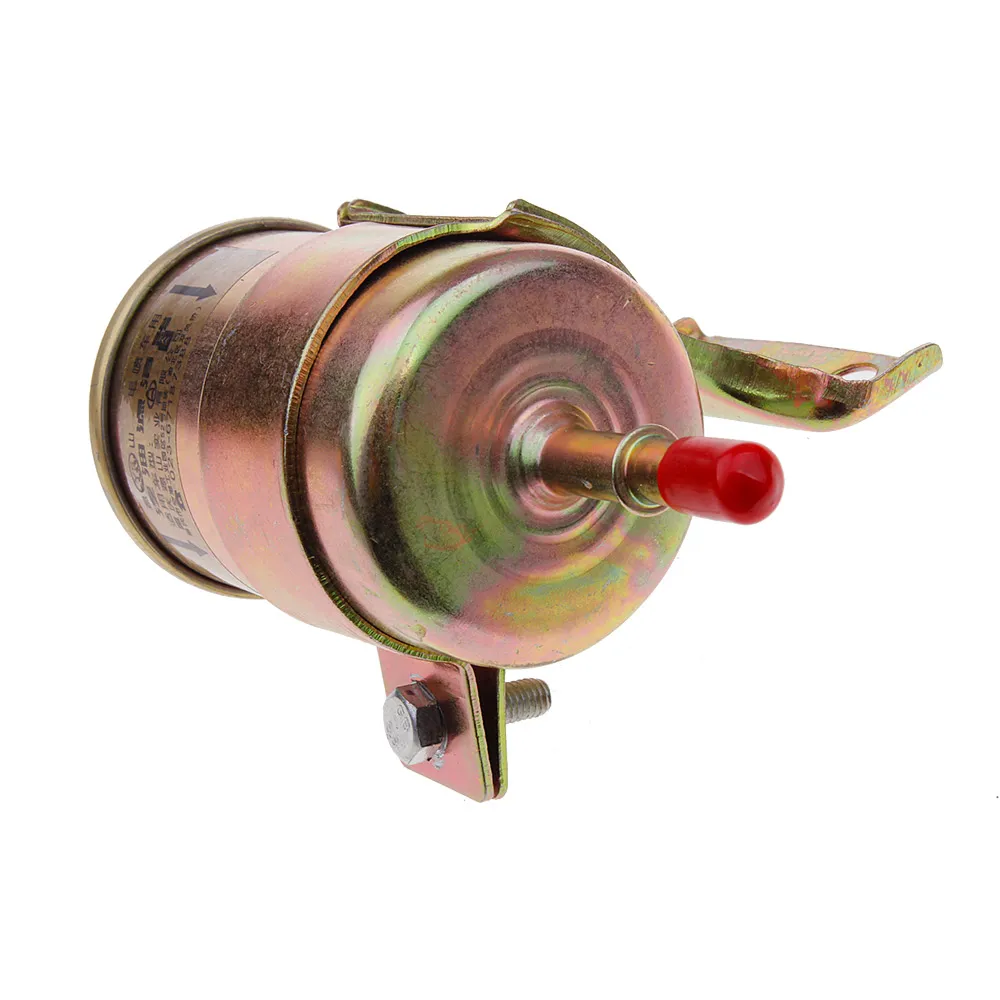
Ensuring robust performance and reliability in demanding environments.
Ensuring Trustworthiness: FAQs, Lead Time, Warranty, and Dedicated Support
Building and maintaining trust is paramount in B2B relationships. We achieve this through transparent operations, clear commitments, and comprehensive support for our filtration products. Our goal is to provide peace of mind and operational continuity for our clients.
Frequently Asked Questions (FAQs):
- Q: What is the optimal service interval for your car fuel filter products?
- A: Service intervals are highly dependent on several factors including vehicle type, operating conditions, fuel quality, and the specific filter's design. While we generally recommend adhering to OEM guidelines, our technical team can provide tailored recommendations for specific applications or fleets, often extending intervals with advanced filtration solutions.
- Q: Are your filters compatible with alternative fuels like biofuels (e.g., biodiesel, ethanol blends)?
- A: Many of our filtration products are specifically engineered with materials that offer enhanced compatibility and resistance to a wide range of alternative fuels and their associated chemical challenges. For specific blend percentages (e.g., B20, E85) or new fuel formulations, we encourage clients to consult our technical sales team for expert material and product recommendations.
- Q: How do your filtration solutions contribute to reduced vehicle emissions?
- A: By ensuring an ultra-clean and consistent fuel supply, our filters facilitate optimal fuel atomization and combustion processes within the engine. This directly minimizes the formation of harmful particulate matter and improves the efficiency of emission control systems, enabling vehicles to meet and often exceed stringent global emission standards.
Lead Time and Fulfillment Details:
We understand the critical importance of timely delivery in maintaining our clients' operational schedules. Our standard lead time for most stock car fuel filter products ranges from 4 to 6 weeks from confirmed order, subject to order volume and prevailing production capacity. For custom-engineered solutions, lead times typically fall within 8 to 12 weeks, following successful design validation and prototyping. We leverage a robust global logistics network to ensure efficient order processing, tracking, and timely delivery to your specified locations. Expedited manufacturing and shipping options are available upon request for urgent requirements.
Comprehensive Warranty Commitments:
All our automotive filters are covered by a comprehensive warranty, typically for a period of 12 months or 20,000 operational hours/miles (whichever comes first) for standard applications. This warranty covers manufacturing defects and material failures under normal operating conditions. Specific warranty terms for large-scale OEM partnerships or highly specialized heavy-duty applications will be clearly outlined in our bespoke contractual agreements. Our dedication to quality means we stand firmly behind the performance and reliability of every product we deliver.
Dedicated Customer Support and Technical Assistance:
Our commitment to our clients extends far beyond product delivery. Our dedicated customer support and technical assistance team, comprised of experienced engineers and product specialists, is readily available to assist with product selection, detailed installation guidance, troubleshooting, and the collaborative development of custom filtration solutions. We offer multi-channel support including direct phone lines, email, and designated account managers to ensure a responsive and knowledgeable resource is always available. Our objective is to ensure the seamless integration and optimal performance of our filtration solutions throughout their entire lifecycle, maximizing your investment and operational efficiency.
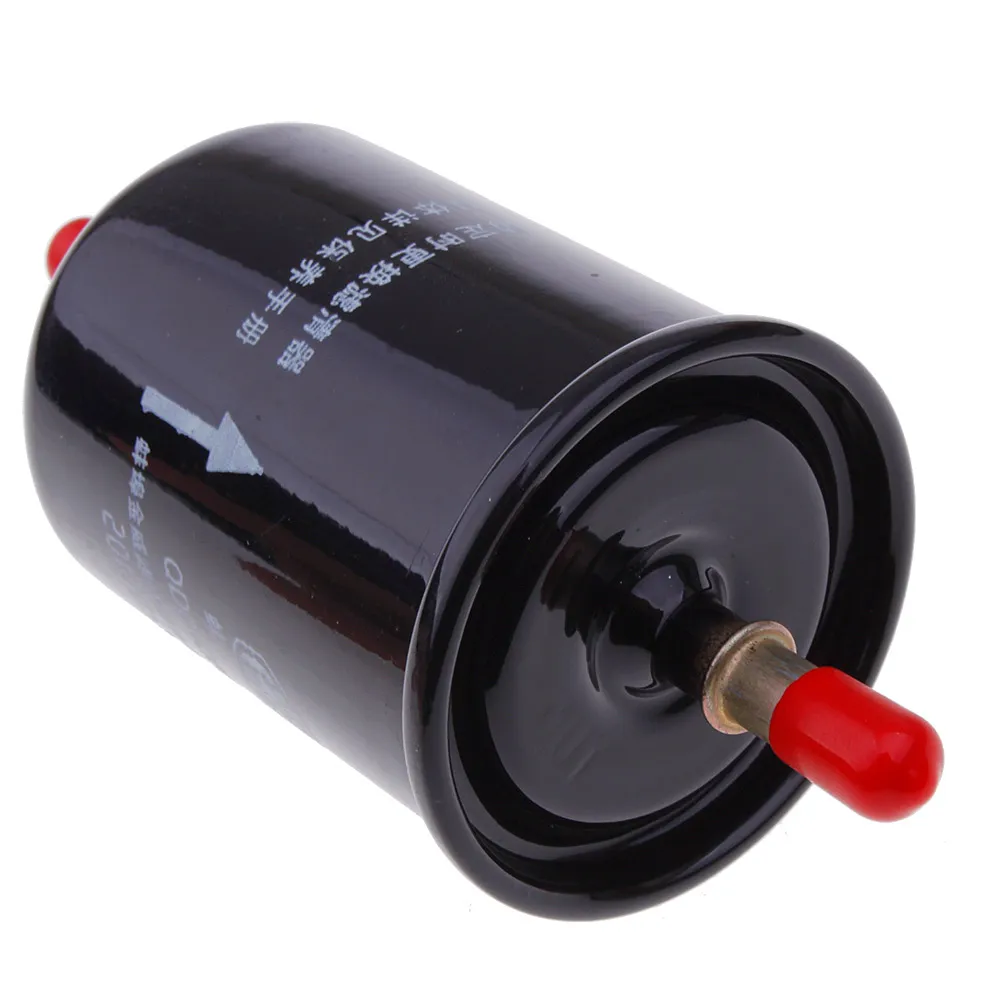
Our dedicated team provides comprehensive support and technical expertise.
Conclusion
The enduring performance, reliability, and environmental compliance of modern automotive and industrial systems are fundamentally reliant upon the efficacy of their filtration components. As engine technologies advance and regulatory landscapes become more stringent, the role of high-performance automotive filters is more critical than ever before. Investing in meticulously engineered and rigorously tested filtration solutions is not merely a protective measure; it is a strategic imperative that drives operational efficiency, minimizes environmental impact, and secures long-term economic advantages for businesses in a fiercely competitive global market. Our commitment to innovation, quality, and comprehensive customer support positions us as a trusted partner in meeting and exceeding these evolving demands.
Authoritative Citations
- ISO 19438:2003 "Diesel fuel and petrol filters for internal combustion engines - Filtration performance testing with contaminants." International Organization for Standardization.
- ISO 5011:2014 "Inlet air cleaning equipment for internal combustion engines and compressors - Performance testing for filters." International Organization for Standardization.
- SAE J1882_200405 "Fuel Filter Test Method for Diesel Engines." Society of Automotive Engineers.
- IATF 16949:2016 "Quality management system requirements for automotive production and relevant service parts organizations." International Automotive Task Force.
- "Impact of Fuel Quality and Filtration on Common Rail Diesel Engine Performance and Emissions." Journal of Engineering for Gas Turbines and Power, American Society of Mechanical Engineers.
- "Developments in Advanced Filtration Media for Enhanced Engine Protection." Filtration & Separation Journal, Elsevier.
-
Guide on how often do you need to replace engine air filterNewsApr.16,2026
-
Learn how often do you replace air filter in car for engine healthNewsApr.09,2026
-
How Often Do You Replace Car Air Filter For Optimal Engine PerformanceNewsApr.07,2026
-
How Often Do You Replace Engine Air Filter For Optimal Vehicle PerformanceNewsApr.04,2026
-
Understanding How Often Does Engine Air Filter Need to Be Replaced for Optimal PerformanceNewsMar.31,2026
-
How Often Engine Air Filter Change Impacts Performance and LongevityNewsMar.28,2026
-
Understanding How Often to Replace Your Car Air Filter for Optimal PerformanceNewsMar.26,2026
Related Products