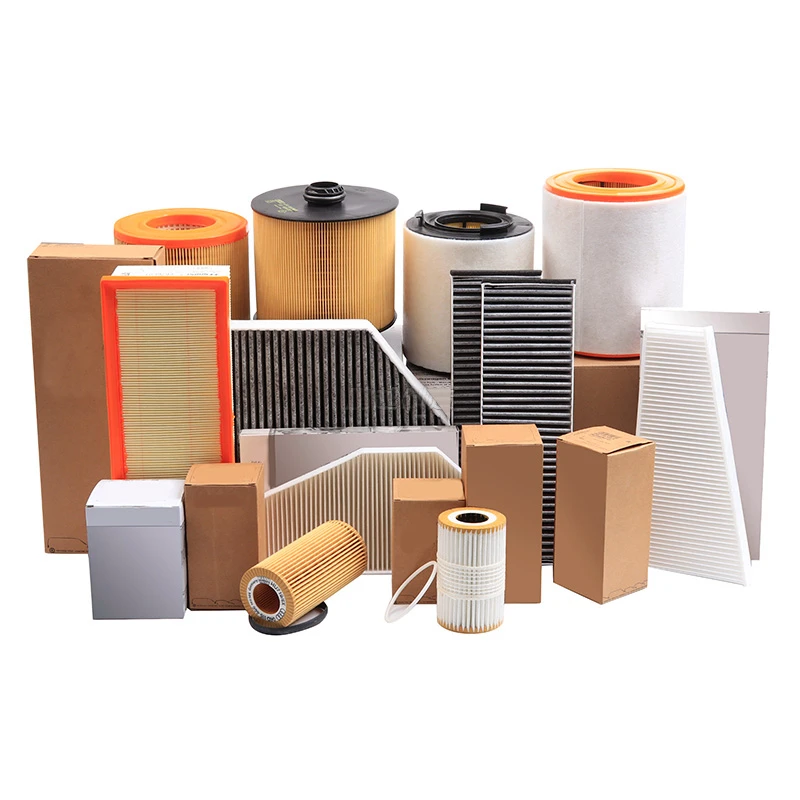
Introduction to Automotive Filtration and Industry Trends
In the contemporary automotive landscape, the efficiency and longevity of vehicle systems are paramount. At the heart of maintaining optimal performance across various vehicle types are advanced filtration solutions. Specifically, automotive filters play a critical role in safeguarding sensitive engine components from contaminants, ensuring peak operational efficiency and adherence to stringent environmental regulations. This article delves into the technical intricacies, application benefits, and strategic considerations surrounding these essential components.
The global market for automotive filters is experiencing dynamic shifts, driven by several key trends. Increasingly, Original Equipment Manufacturers (OEMs) and aftermarket suppliers are focusing on developing high-efficiency filtration media capable of capturing even finer particulate matter, directly addressing the demands of direct injection engines and advanced emission control systems. The push towards electrification and hybrid powertrains also necessitates specialized filtration solutions, from cabin air quality in sealed environments to critical cooling fluid filtration for battery packs and power electronics. Furthermore, the integration of smart filter technology, offering real-time monitoring of filter condition and predictive maintenance capabilities, is gaining traction. This innovation minimizes downtime and optimizes maintenance schedules, representing a significant advancement for fleet operators and industrial clients. Concurrently, there is a strong emphasis on sustainability, leading to the development of eco-friendly and recyclable filter materials, reducing the environmental footprint of these indispensable components. The market demand for specialized solutions, such as the car fuel filter, remains robust, especially with fluctuating car fuel filter price considerations influencing purchasing decisions for both new vehicles and aftermarket replacements.
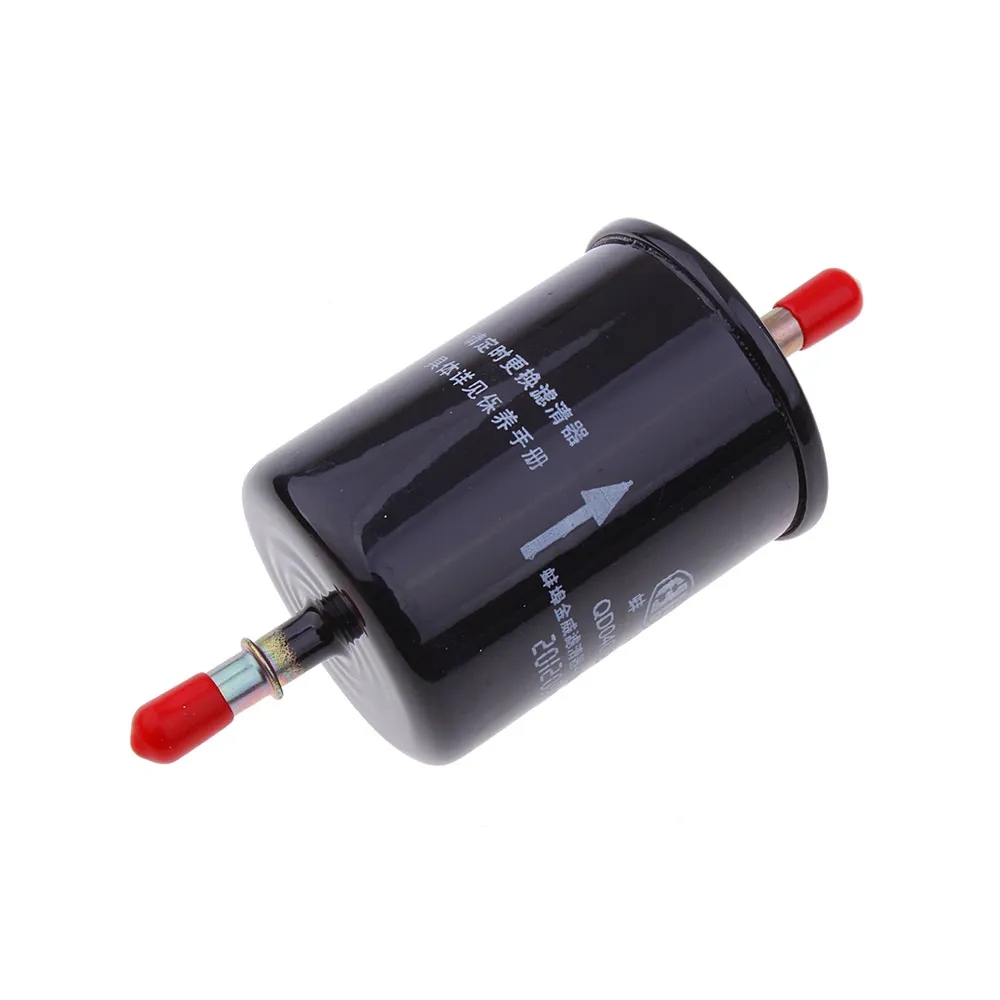
The Manufacturing Process of Advanced Automotive Filters
The production of high-performance automotive filters is a meticulously engineered process, designed to ensure product integrity, consistent quality, and optimal filtration performance. This multi-stage process integrates advanced materials and precision manufacturing techniques to meet stringent industry standards.
Materials Selection and Preparation:
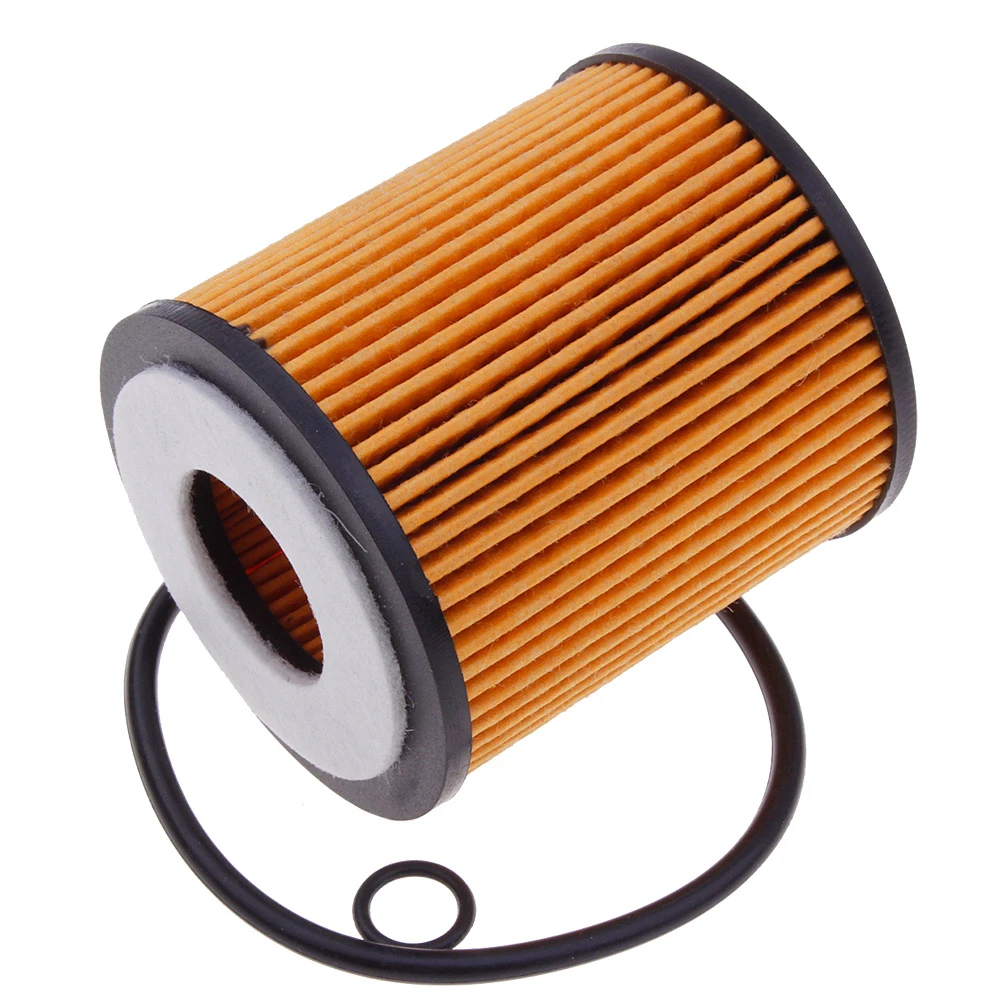
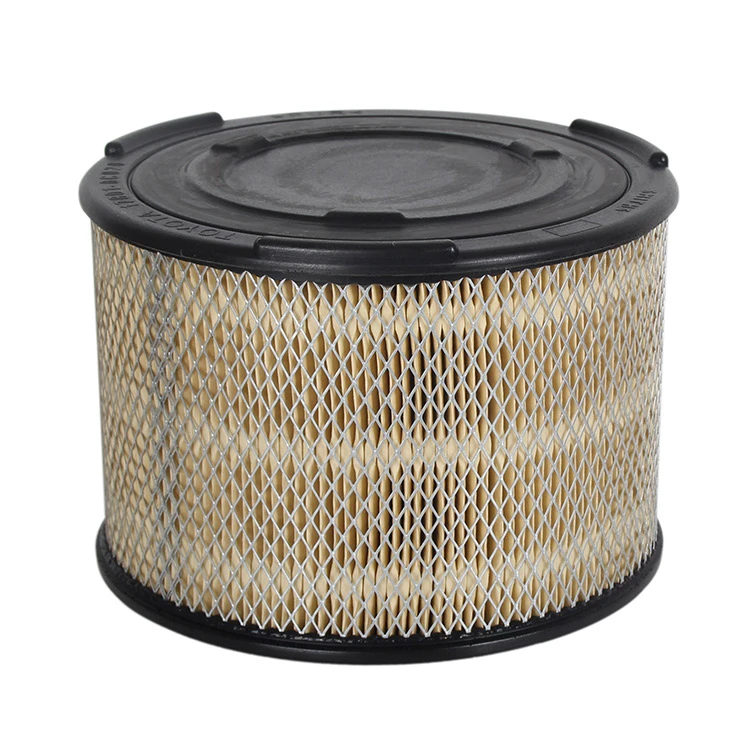
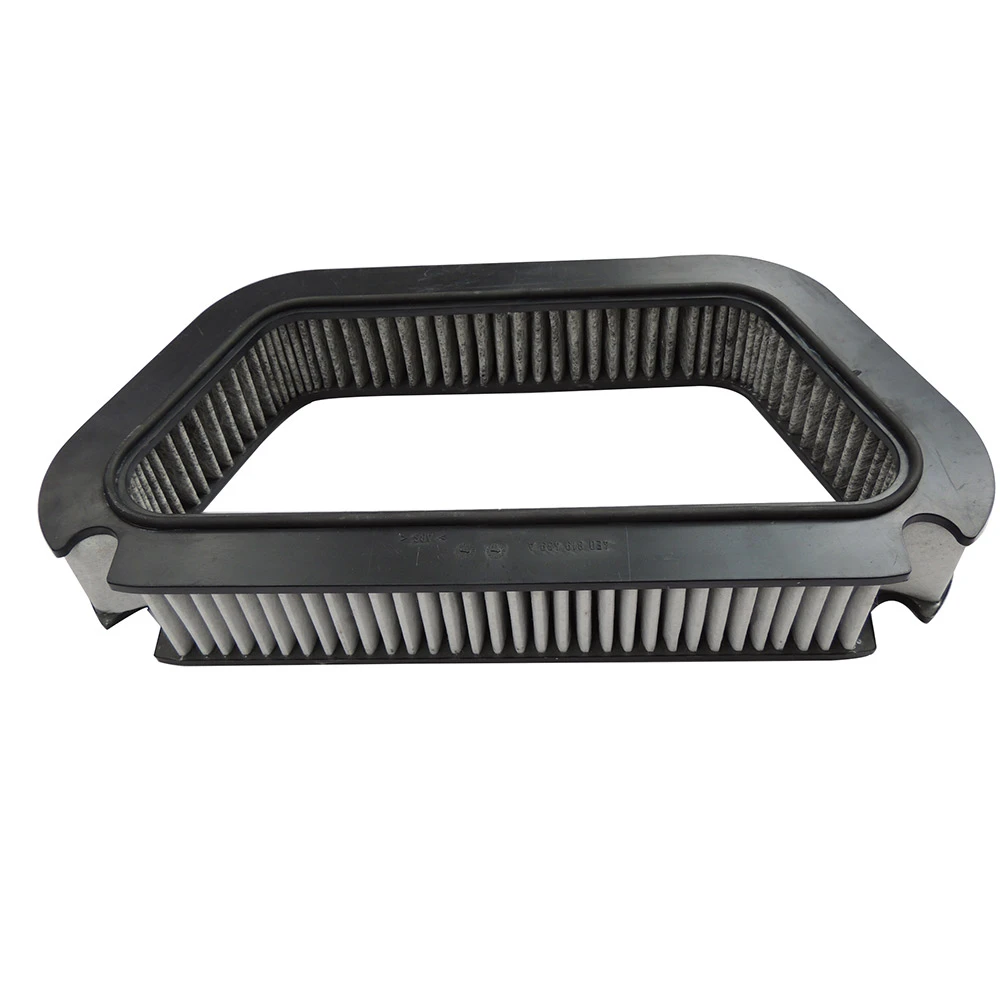
- Filter Media: Core filtration is achieved using specialized media, including cellulose, synthetic polymers (e.g., polyester, polypropylene), glass fiber, or composite blends. The choice of media depends on the application, targeted particle size, and required flow rate. Media undergoes pleating or shaping to maximize surface area within a compact design.
- Housing Materials: Robust housings are crucial for structural integrity. Common materials include corrosion-resistant steel, aluminum alloys, or high-grade engineering plastics (e.g., polyamide, polypropylene). These are selected based on operating pressure, temperature, and chemical compatibility with the fluid being filtered (fuel, oil, air).
- Sealing Components: High-performance gaskets and O-rings, typically made from NBR, Viton, or silicone, are chosen for their resistance to chemicals and extreme temperatures, ensuring a leak-proof seal.
Manufacturing Processes:
- Media Pleating and Forming: Filter media is precisely pleated using automated machinery to achieve consistent pleat geometry and spacing, which is critical for filtration efficiency and dust holding capacity.
- End Cap and Core Assembly: The pleated media is then integrated with end caps (often metal or plastic) and, if applicable, an inner support core (e.g., perforated steel) for structural reinforcement. Precision stamping or injection molding techniques are employed for these components.
- Housing Fabrication: Metal housings may undergo advanced forming processes such as deep drawing or hydroforming, followed by precise welding (e.g., laser welding, resistance welding) to ensure hermetic sealing and structural strength. Plastic housings are produced via high-precision injection molding, often incorporating complex internal geometries.
- Sealing and Assembly: The filter element is carefully assembled into its housing, with gaskets and seals positioned to prevent bypass. Automated assembly lines ensure consistency and reduce human error.
- Finishing and Coating: External surfaces may receive protective coatings (e.g., powder coating for corrosion resistance) or specific markings for identification and branding.
Quality Assurance and Testing Standards:
Each stage of manufacturing is subjected to rigorous quality control. Finished filters undergo comprehensive testing to validate performance and compliance with international standards such as ISO 16889 (Hydraulic fluid power – Filters – Multi-pass method for evaluating filtration performance), ISO 19438 (Diesel fuel filter elements – Filtering efficiency by particle counting and weighing method), and SAE J1858 (Standard for Automotive Fuel Filters). These tests cover filtration efficiency, pressure drop, burst strength, flow rate, and operational integrity under various environmental conditions. Our products are designed for extended service life, contributing to significant energy saving by maintaining engine efficiency and exhibiting superior corrosion resistance through material selection and coating processes. Our target industries include automotive OEMs, aftermarket parts suppliers, petrochemical, and commercial fleet management, all benefiting from our robust filtration solutions.
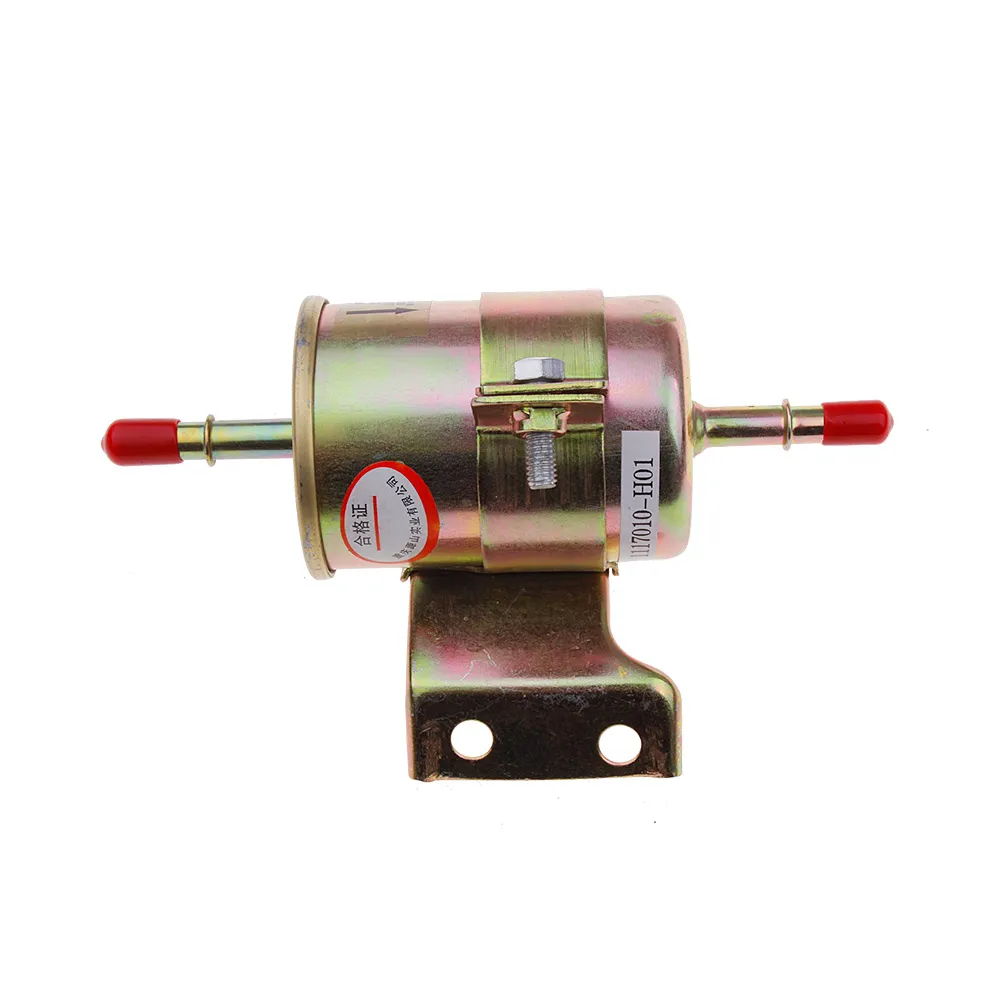
Technical Specifications and Performance Parameters of Automotive Filters
Understanding the intricate technical specifications of automotive filters is crucial for selecting the appropriate solution that ensures optimal engine protection and performance. Our range of filters, including the essential car fuel filter, is engineered with precision to meet the demanding requirements of modern automotive systems. Key parameters define the structure, filtration capability, and overall reliability of these components.
Critical Performance Metrics:
- Filtration Efficiency: Measured in microns, this indicates the smallest particle size the filter can reliably remove, often expressed as a percentage at a given micron rating (e.g., 98% at 5 microns). Higher efficiency protects sensitive fuel injectors and engine components.
- Flow Rate (LPH/GPH): The volume of fluid the filter can process per unit of time without excessive pressure drop. Maintaining adequate flow is vital for consistent fuel delivery to the engine.
- Pressure Drop (ΔP): The reduction in fluid pressure across the filter. A low-pressure drop ensures that the fuel pump does not work excessively, maintaining fuel system efficiency.
- Dirt Holding Capacity: The amount of particulate matter a filter can retain before reaching its terminal pressure drop and requiring replacement. A higher capacity translates to a longer service life.
- Burst Pressure: The maximum pressure the filter housing and element can withstand before mechanical failure, ensuring safety under extreme operating conditions.
- Operating Temperature Range: The temperature spectrum within which the filter is designed to operate effectively, critical for diverse climatic conditions and engine heat.
Typical Car Fuel Filter Specification Table:
| Parameter | Value/Description |
|---|---|
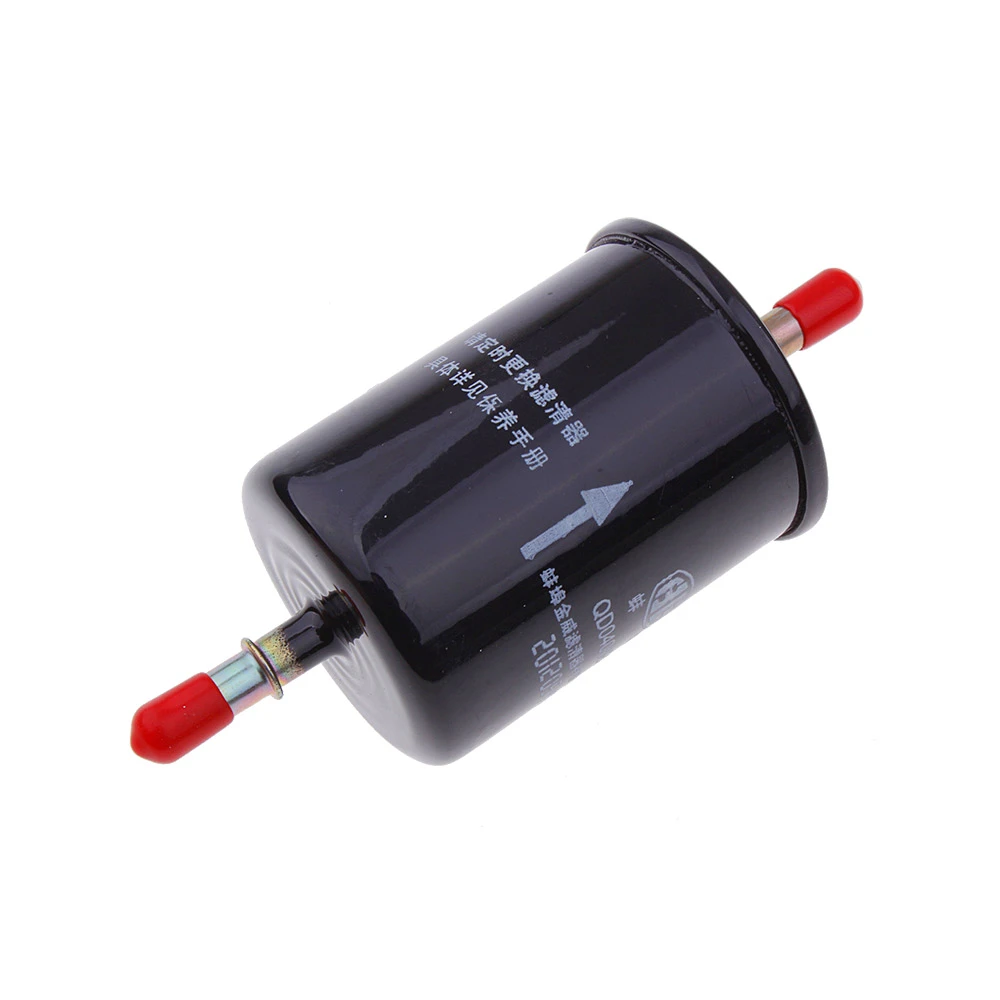
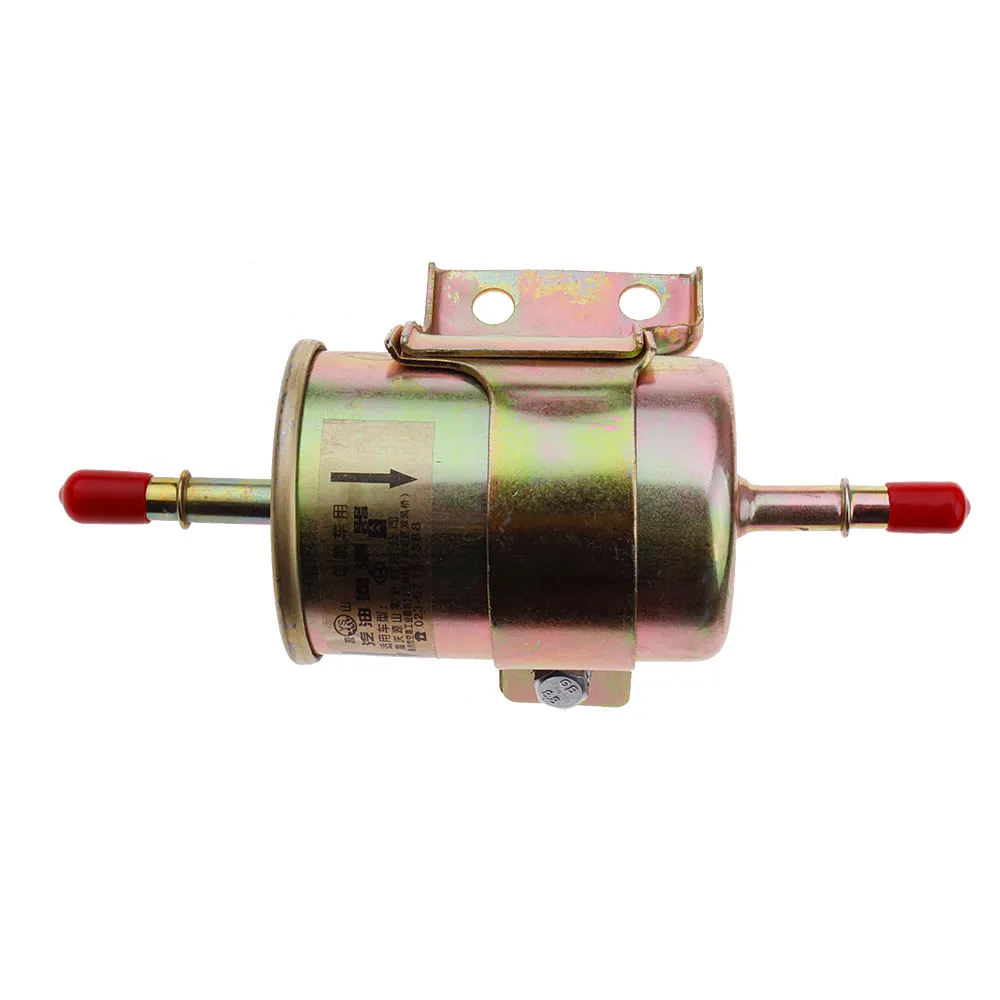
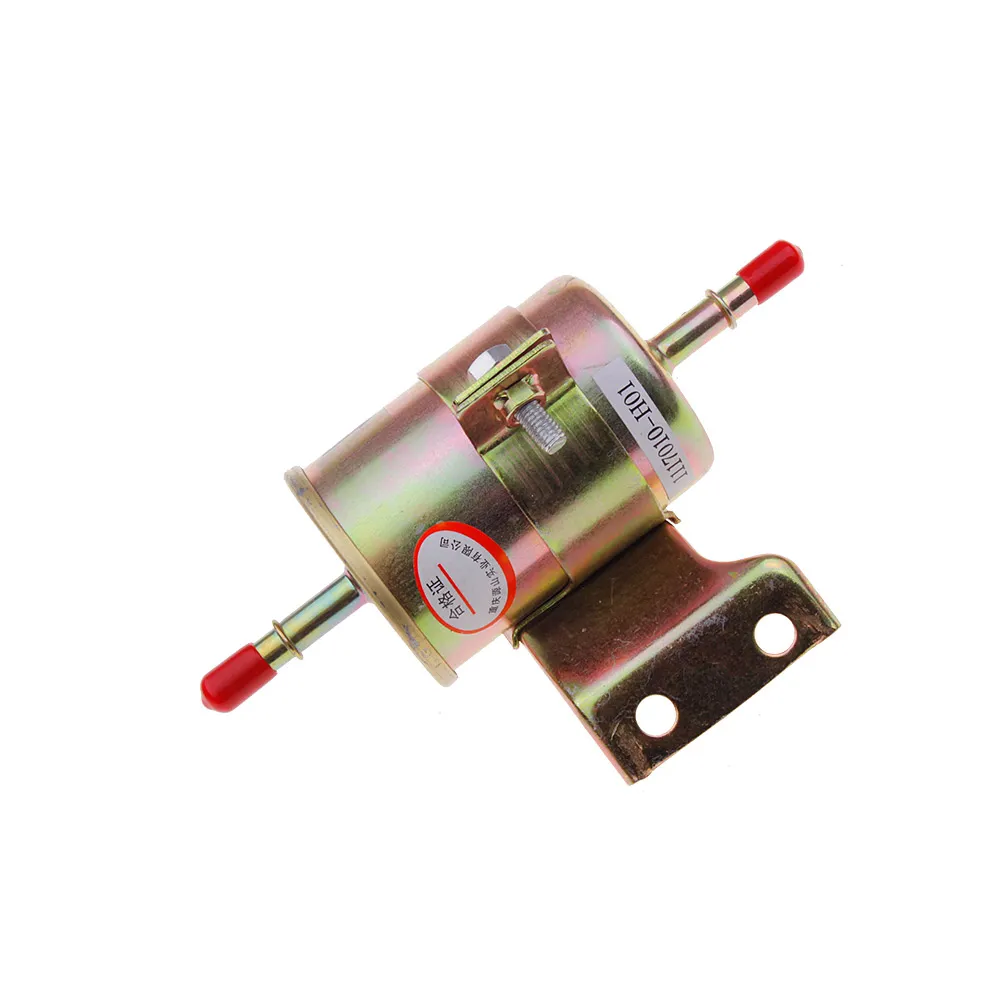
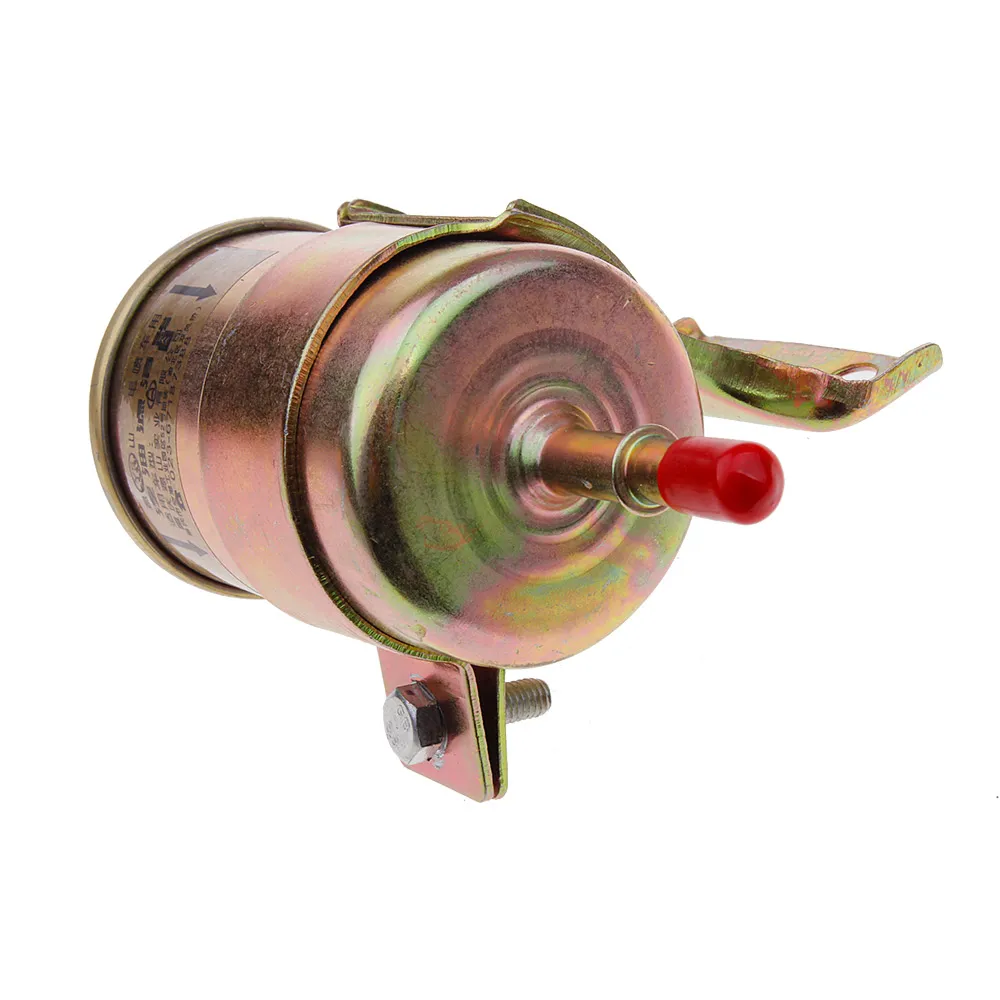
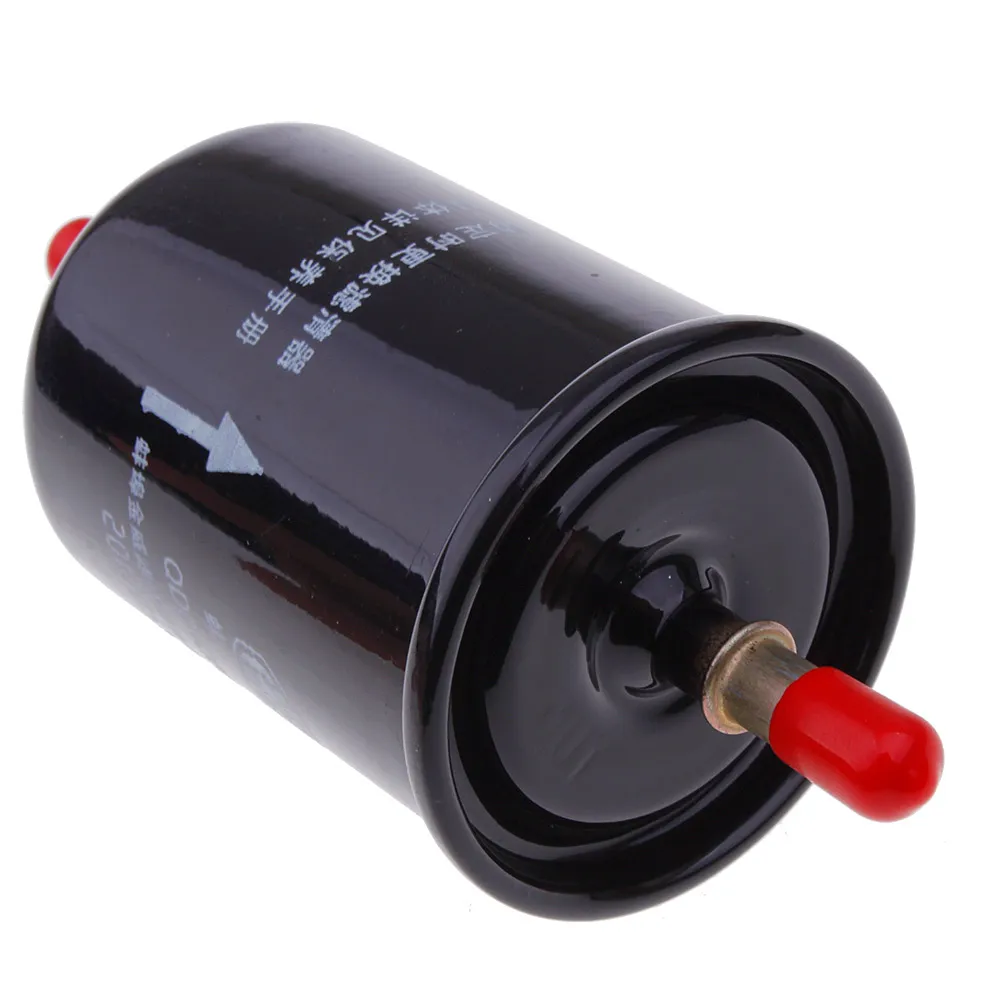
| Filter Type | Spin-on, Cartridge, or In-line (e.g., inline car fuel filter) |
| Filtration Media | Multi-layer synthetic, Cellulose, or Composite |
| Efficiency (Beta Ratio) | Beta 2000 (99.95%) at 4-5 microns (ISO 19438) |
| Flow Rate Capacity | 150 - 300 Liters Per Hour (LPH) |
| Max Operating Pressure | Up to 6.5 bar (95 psi) |
| Burst Pressure Rating | > 25 bar (360 psi) |
| Operating Temperature | -40°C to +120°C |
| Housing Material | Corrosion-resistant steel or High-grade plastic |
| Connections | Threaded or Quick-connect fittings (specific to OEM) |
These specifications are crucial for ensuring the correct fitment and optimal operation of the filter within a vehicle's fuel system, whether it's an OEM-specific part or a universal car fuel filter designed for broader application. Precise engineering in these areas directly translates to enhanced engine protection and fuel system longevity.
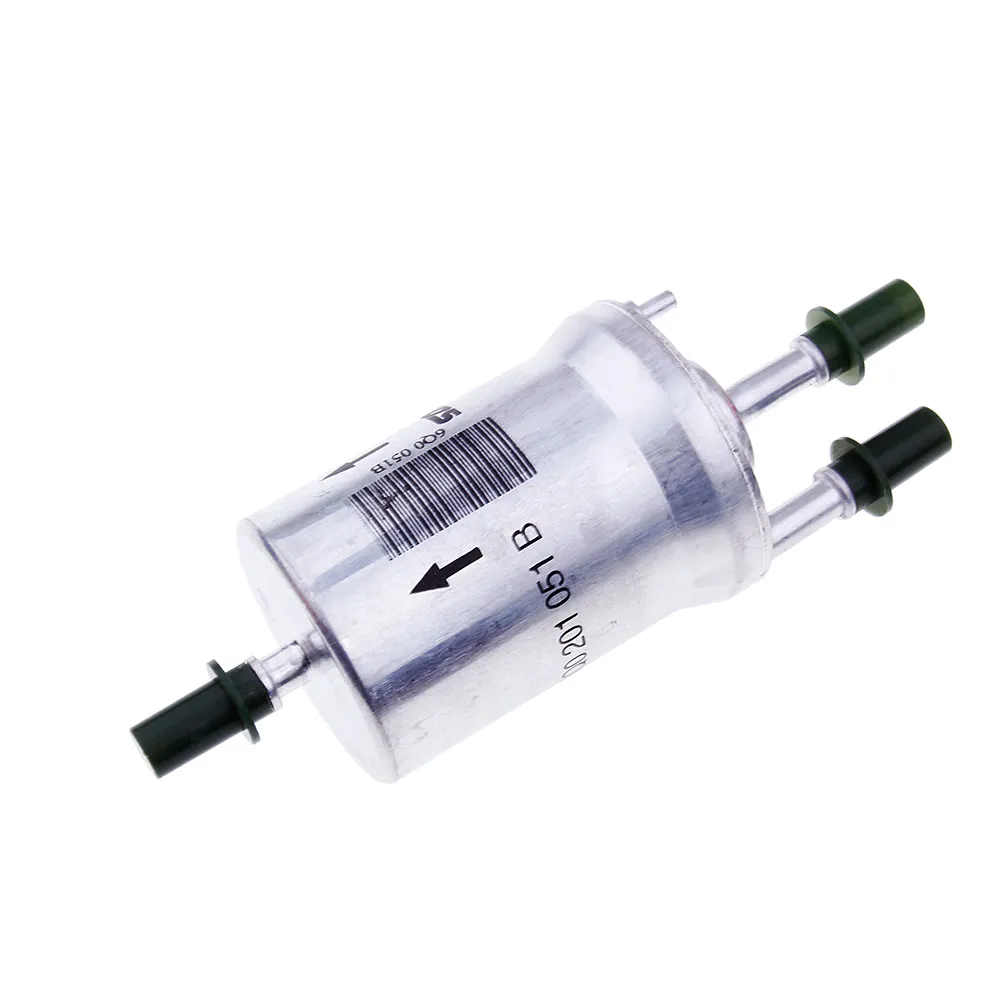
Application Scenarios for Automotive Filters
The versatility of automotive filters ensures their indispensable presence across a wide spectrum of vehicles and operational environments. From protecting the delicate components of modern gasoline engines to safeguarding the robust systems of heavy-duty diesel machinery, proper filtration is a non-negotiable requirement. Our solutions cater to a diverse range of applications, providing tailored protection where it matters most.
Key Application Areas:
- Passenger Vehicles (Gasoline & Diesel): Every modern car relies on a suite of filters, including the critical car fuel filter, oil filter, air filter, and cabin air filter. The fuel filter, whether an inline car fuel filter or an in-tank module, is vital for preventing contaminants from reaching the high-precision fuel injectors, a common cause of engine misfires and power loss.
- Commercial Fleets & Heavy-Duty Trucks: These vehicles operate in demanding conditions, often using large volumes of fuel. Effective fuel filtration, including water separation, is crucial to protect expensive common rail diesel injection systems from abrasive particles and water ingress. Optimized air filtration extends engine life in dusty environments, and hydraulic filters maintain the integrity of power steering and braking systems.
- Agricultural & Construction Equipment: Tractors, excavators, and loaders operate in extremely harsh and dusty conditions. Robust fuel, oil, and air filters are essential to prevent premature wear of engine components, ensuring maximum uptime and productivity.
- Marine Vessels: Saltwater environments and varying fuel quality necessitate specialized filters for marine engines, offering superior corrosion resistance and water separation capabilities to prevent engine damage and ensure reliable operation at sea.
- Power Generation & Industrial Engines: Stationary engines used for power generation, pumping, or industrial applications also benefit from high-efficiency automotive filters, ensuring continuous operation and protecting valuable machinery from contamination-induced failures.
In each scenario, the specific design and media of the automotive filters are tailored to address the unique challenges of the operating environment and fluid characteristics. The precise engineering of these components directly impacts the reliability, longevity, and overall operational cost-effectiveness of the machinery they protect. For instance, in a fleet of diesel trucks, a high-quality fuel filter can significantly reduce instances of injector clogging, thereby cutting down on costly maintenance and improving fuel efficiency across the fleet.
Technical Advantages and Performance Benefits
The technical prowess embedded in our automotive filters translates into tangible advantages that directly benefit vehicle owners, fleet managers, and industrial operators. By focusing on superior design, material science, and manufacturing precision, we deliver filtration solutions that exceed conventional expectations, ensuring both optimal performance and significant cost savings over the operational lifespan.
Key Technical Advantages:
- Unparalleled Filtration Efficiency: Utilizing advanced multi-layer synthetic media, our filters achieve industry-leading particle removal efficiencies, often exceeding 99.9% for critical particle sizes. This microscopic protection is vital for modern fuel injection systems, which can be damaged by particles as small as 2-5 microns.
- Extended Service Intervals: The high dirt-holding capacity of our filter media allows for longer operational periods between replacements. This reduces maintenance frequency, leading to significant reductions in labor costs and vehicle downtime, providing a compelling total cost of ownership (TCO) advantage.
- Robust Construction and Durability: Engineered with high-strength materials such as corrosion-resistant steel and advanced engineering plastics, our filter housings are designed to withstand extreme operating pressures, vibrations, and temperature fluctuations, ensuring structural integrity and reliability in the harshest environments.
- Optimized Flow Dynamics: Precision-engineered flow paths and low-restriction media minimize pressure drop across the filter, ensuring consistent fuel/fluid delivery to the engine without overworking the pumps. This contributes directly to energy saving and maintaining peak engine performance.
- Superior Water Separation: For diesel applications, our fuel filters incorporate advanced water separation capabilities, crucial for preventing water from reaching sensitive fuel system components, thereby mitigating corrosion and microbial growth.
- Enhanced Engine Longevity: By effectively removing harmful contaminants, our car fuel filter and other automotive filters dramatically reduce wear and tear on engine components, including fuel injectors, pumps, bearings, and cylinder walls. This protection extends the overall service life of the engine, deferring major repair or replacement costs.
- Environmental Compliance: By ensuring optimal engine combustion and protecting emission control systems, our filters help vehicles meet or exceed stringent emission standards, contributing to cleaner air and environmental responsibility.
These technical advantages culminate in a product that not only performs its primary function of filtration with superior efficacy but also delivers measurable economic and operational benefits to our clients. Our commitment to innovation ensures that our automotive filters remain at the forefront of filtration technology, setting new benchmarks for quality and reliability.
Vendor Comparison and Differentiation in Automotive Filters
Selecting the right supplier for automotive filters is a strategic decision for B2B clients, impacting operational efficiency, maintenance costs, and brand reputation. While many vendors offer filtration products, differentiation lies in a combination of product quality, technical expertise, manufacturing capabilities, and support services. Our commitment to excellence sets us apart in a competitive market for solutions like the car fuel filter and universal car fuel filter.
Key Differentiation Factors:
- R&D and Innovation: We continuously invest in research and development, exploring new filtration media, housing materials, and design methodologies to address evolving engine technologies and fuel qualities. Our proactive approach ensures our filters are future-proof.
- Certifications and Quality Standards: Our manufacturing facilities adhere to stringent quality management systems, including ISO 9001 and IATF 16949 for automotive production. These certifications are a testament to our commitment to delivering consistent, high-quality automotive filters that meet global OEM specifications.
- Comprehensive Product Range: Beyond standard applications, we offer a broad portfolio, including specialized filters for specific engine types, fuel systems, and environmental conditions, alongside our popular inline car fuel filter options.
- Technical Support and Expertise: Our team of filtration specialists provides in-depth technical assistance, from product selection and application engineering to troubleshooting and performance analysis, ensuring clients receive optimal filtration solutions.
- Customization Capabilities: We offer tailored solutions to meet unique client requirements, adapting designs, materials, and specifications for proprietary systems or challenging operational needs.
Illustrative Vendor Comparison Table:
| Feature/Criteria | Leading Provider (Us) | Typical Competitor |
|---|---|---|
| R&D Investment | High (Continuous innovation in media & design) | Moderate (Focus on established designs) |
| Certifications | ISO 9001, IATF 16949, relevant ISO standards | Often ISO 9001 only; fewer automotive-specific |
| Filtration Efficiency | >99.9% at specified micron rating (multi-pass testing) | Often <99% or less rigorously tested |
| Customization Options | Extensive (Media, housing, flow rates) | Limited to minor modifications |
| Technical Support | Dedicated engineering team, application support | Basic product information only |
| Material Quality | Premium, tested for durability & chemical resistance | Varies, cost-driven material choices |
Our continuous focus on quality, innovation, and client-centric solutions ensures that our automotive filters provide superior protection and long-term value, distinguishing us as a preferred partner for critical filtration needs.
Customized Solutions and Application Case Studies
Recognizing that off-the-shelf solutions may not always meet the exacting demands of specialized automotive and industrial applications, we excel in providing customized automotive filters. Our engineering team collaborates closely with clients to develop bespoke filtration solutions that integrate seamlessly with unique system architectures and operational requirements. This tailored approach extends to everything from a specific car fuel filter design to comprehensive filtration systems for heavy machinery.
Our Customization Capabilities Include:
- Tailored Media Selection: Developing custom filter media compositions to achieve specific micron ratings, dirt-holding capacities, or fluid compatibility requirements for unique applications.
- Housing Design and Materials: Engineering specialized housing geometries, connection types, and material specifications (e.g., aerospace-grade aluminum, specific polymers) to fit within confined spaces, withstand extreme pressures, or resist aggressive chemicals.
- Integrated Filtration Modules: Designing multi-stage filtration units that combine different filter types (e.g., pre-filter, fine filter, water separator) into a single, compact module for enhanced performance and simplified installation.
- Performance Optimization: Fine-tuning flow rates, pressure drop characteristics, and service life to meet precise operational parameters for maximum system efficiency and longevity.
Application Case Studies:
Case Study 1: Heavy-Duty Fleet Fuel System Protection
A major logistics company operating a fleet of 500 diesel trucks faced recurring issues with premature injector wear and fuel pump failures, leading to significant maintenance costs and vehicle downtime. The existing car fuel filter solutions were proving inadequate against the variable quality of diesel fuel encountered across different regions. Our solution involved designing a customized two-stage fuel filtration system, incorporating a high-efficiency water separator and a fine-particulate filter with enhanced dirt-holding capacity. After implementing our specialized automotive filters, the fleet reported a 40% reduction in fuel system-related breakdowns within the first year and an average extension of injector life by 150,000 km. This tangible improvement translated into substantial cost savings and increased operational reliability for the client.
Case Study 2: Performance Enhancement for a Luxury Sports Car OEM
An OEM specializing in high-performance sports cars required a highly compact yet exceptionally efficient inline car fuel filter for a new engine platform. The challenge was to achieve very low-pressure drop at high flow rates while maintaining ultra-fine filtration for their direct injection system, all within extremely limited engine bay space. Our engineering team developed a bespoke fuel filter featuring an innovative pleated synthetic media and a lightweight, compact aluminum housing manufactured via precision CNC machining. The custom design not only met the stringent performance specifications for filtration efficiency and flow but also contributed to a marginal yet critical weight reduction, enhancing the overall vehicle performance and fuel economy without compromising engine protection. This project underscored our ability to deliver precise, high-performance solutions for demanding applications.
Trustworthiness: FAQs, Lead Time, Warranty, and Support
Building and maintaining trust with our B2B partners is paramount. We achieve this through transparent processes, robust commitments, and exceptional customer support for all our automotive filters, including the popular car fuel filter.
Frequently Asked Questions (FAQs):
- Q: How often should automotive filters be replaced?
A: Replacement intervals vary based on the filter type (fuel, oil, air), vehicle manufacturer's recommendations, operating conditions, and fuel/oil quality. Typically, a car fuel filter might be replaced every 30,000-60,000 miles (50,000-100,000 km), but severe duty cycles may require more frequent changes. Refer to your vehicle's service manual or our product documentation. - Q: What are the signs of a clogged car fuel filter?
A: Common symptoms include reduced engine performance (stalling, hesitation, misfires), difficulty starting, decreased fuel efficiency, and a "check engine" light activation. A significant drop in the car fuel filter price can sometimes indicate lower quality, which may lead to earlier clogging. - Q: Can I use a universal car fuel filter for my vehicle?
A: While some aftermarket options claim universality, it's crucial to ensure compatibility with your vehicle's specific fuel system pressure, flow rate, and connection types. For optimal performance and safety, we recommend filters designed to meet OEM specifications or consult with our technical team for suitable alternatives like a compatible inline car fuel filter. - Q: What media types offer the best filtration?
A: Synthetic media, often multi-layered, generally offers superior filtration efficiency and dirt-holding capacity compared to traditional cellulose media, especially for very fine particles. The best choice depends on the specific application and contaminant profile.
Lead Time and Fulfillment:
We maintain efficient global supply chain operations to ensure timely delivery. For standard stock items, typical lead times range from 3-5 business days for domestic shipments and 7-14 business days for international orders, depending on destination. Custom orders or large-volume OEM contracts will have specific lead times agreed upon during the quotation phase, based on complexity and manufacturing schedules. Our robust logistics network minimizes delays and ensures reliable product availability.
Warranty Commitments:
All our automotive filters are backed by a comprehensive warranty, guaranteeing freedom from defects in material and workmanship under normal use and service for a specified period (e.g., 1 year or 20,000 miles, whichever comes first, or as per OEM agreement). This warranty reflects our confidence in the quality and reliability of our products. Full warranty details are available upon request.
Customer Support and After-Sales Service:
Our dedicated customer support team is available to assist with product selection, technical inquiries, order tracking, and any post-purchase concerns. We offer multi-channel support via phone, email, and a dedicated online portal. Our technical engineers provide expert consultation for complex applications, troubleshooting, and customized solution development, ensuring our clients receive unparalleled service throughout their partnership with us.
Conclusion
The role of high-quality automotive filters is undeniably critical for the performance, longevity, and environmental compliance of modern vehicles and machinery. From safeguarding sensitive fuel injection systems with advanced car fuel filter technology to extending engine life through superior oil and air filtration, these components are fundamental to operational success. Our commitment to innovation, rigorous quality control, and customer-centric solutions ensures that our products not only meet but exceed the evolving demands of the automotive industry. Partner with us to leverage cutting-edge filtration technology that delivers measurable value, reliability, and peace of mind.
References:
- International Organization for Standardization. ISO 16889: Hydraulic fluid power – Filters – Multi-pass method for evaluating filtration performance.
- International Organization for Standardization. ISO 19438: Diesel fuel filter elements – Filtering efficiency by particle counting and weighing method.
- Society of Automotive Engineers (SAE). SAE J1858: Standard for Automotive Fuel Filters.
- Journal of Engineering for Gas Turbines and Power. "Impact of Fuel Filtration on Engine Performance and Emissions."
- Filtration and Separation Journal. "Advances in Filtration Media for Automotive Applications."
-
Guide on how often do you need to replace engine air filterNewsApr.16,2026
-
Learn how often do you replace air filter in car for engine healthNewsApr.09,2026
-
How Often Do You Replace Car Air Filter For Optimal Engine PerformanceNewsApr.07,2026
-
How Often Do You Replace Engine Air Filter For Optimal Vehicle PerformanceNewsApr.04,2026
-
Understanding How Often Does Engine Air Filter Need to Be Replaced for Optimal PerformanceNewsMar.31,2026
-
How Often Engine Air Filter Change Impacts Performance and LongevityNewsMar.28,2026
-
Understanding How Often to Replace Your Car Air Filter for Optimal PerformanceNewsMar.26,2026
Related Products