Look, I’ve been running around construction sites for, well, let’s just say a long time. You see a lot, you learn a lot, mostly the hard way. These days, everyone’s talking about prefabrication, modular construction, you name it. Speed, efficiency, reducing waste... it's all buzzwords, but it's real. And at the heart of it? Filters. Not just for water, mind you, but air, dust, oil – everything. Because honestly, if the air's full of crap, or the oil's contaminated, the whole operation grinds to a halt. You’d be surprised how often a simple clogged filter brings a multi-million dollar project to its knees.
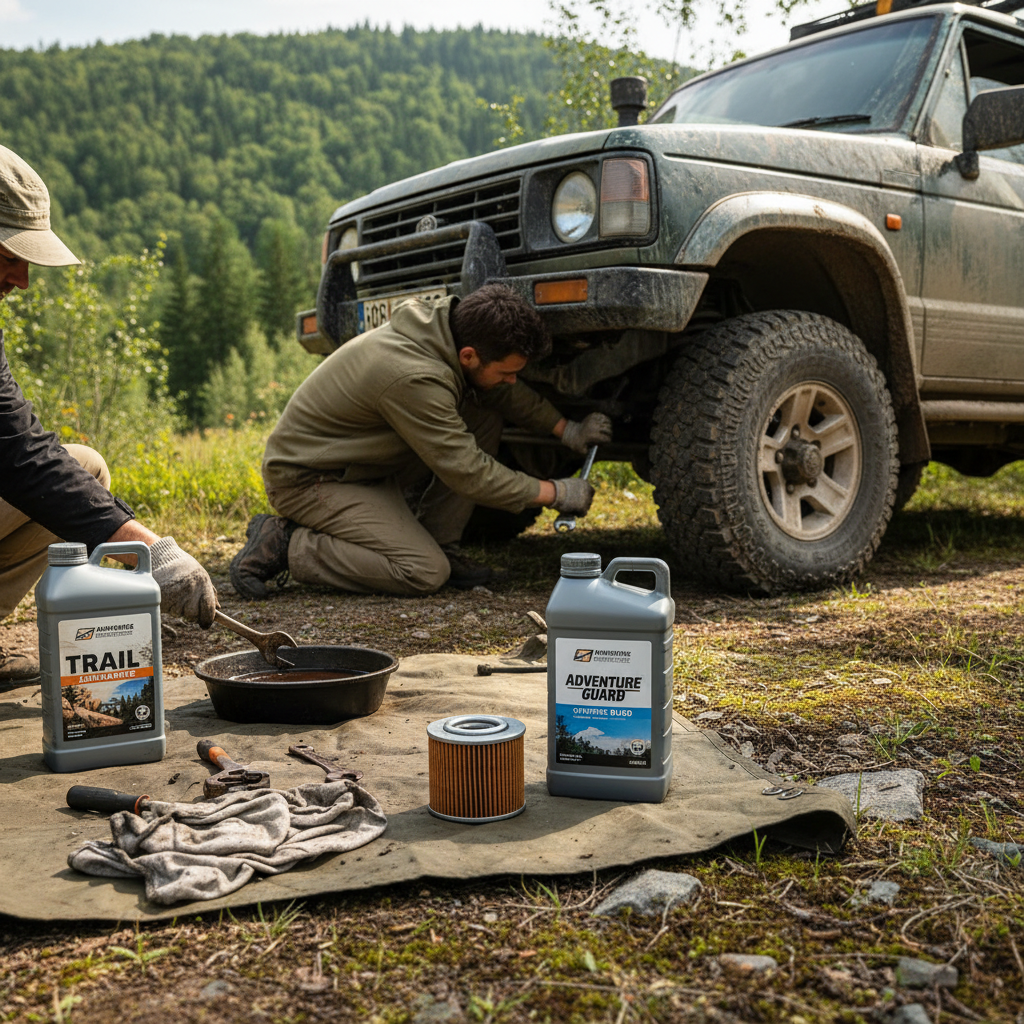
Have you noticed how everyone wants everything smaller, lighter, more powerful? It's a constant push. But shrinking things down… that’s where the trouble starts. The filter manufacturer has to balance capacity with size, and that’s a tricky dance. People designing these things in an office, they just don’t get it. They don't understand the sheer abuse these filters take in the real world. It’s not a clean lab environment; it's mud, grease, and someone inevitably banging on it with a wrench.
We’re dealing with everything from polypropylene spun-bond for basic air filtration – feels kinda flimsy, smells a little plastic-y when you first open the roll – to sintered metal filters for oil, which are heavy as heck and leave a metallic tang on your fingers. And then there’s activated carbon, which always seems to get everything dusty. The quality control on these materials is crucial. I encountered this at a factory in Ningbo last time. They were using a batch of carbon that hadn’t been properly treated, and the filters were releasing a nasty odor. Almost scrapped the whole order.
The Modern Landscape of Filter Manufacturing
Honestly, it's a global game now. China's producing a massive amount, obviously, but you're also seeing a lot of innovation coming out of Germany and the US. It's not just about being the cheapest; it’s about meeting specific industry demands. Medical filtration is a whole different beast than industrial air purification. And the demand for high-efficiency particulate air (HEPA) filters is skyrocketing, especially with the whole… well, you know. It’s driven by regulations, sure, but also by a growing awareness of indoor air quality.
The biggest trend I’m seeing is miniaturization and increased filtration efficiency. People want smaller filters that can capture smaller particles, and they want them to last longer. That’s the holy grail, really. It's a constant tug-of-war between cost, performance, and lifespan.
Common Design Pitfalls in Filter Production
Strangely, a lot of designers fall into the same traps. They over-engineer things. You don’t need a titanium housing for a simple air filter. It just adds weight and cost. Or they underestimate the importance of proper sealing. A filter is useless if air (or liquid) can bypass it. And another thing: access for maintenance. If you can’t easily replace the filter, it’s a nightmare. I've seen setups where you practically have to dismantle the entire machine to change a filter. It's insane.
Another issue is material compatibility. Some filter media reacts negatively with certain chemicals or temperatures. You have to consider the entire operating environment. It's not just about filtering; it's about ensuring the filter doesn't become a problem.
And frankly, the reliance on computer simulations is getting out of hand. You need to test these things in the real world, under real-world conditions. Labs are good for baseline testing, but they don’t replicate the chaos of a construction site.
Material Science: A Hands-On Perspective
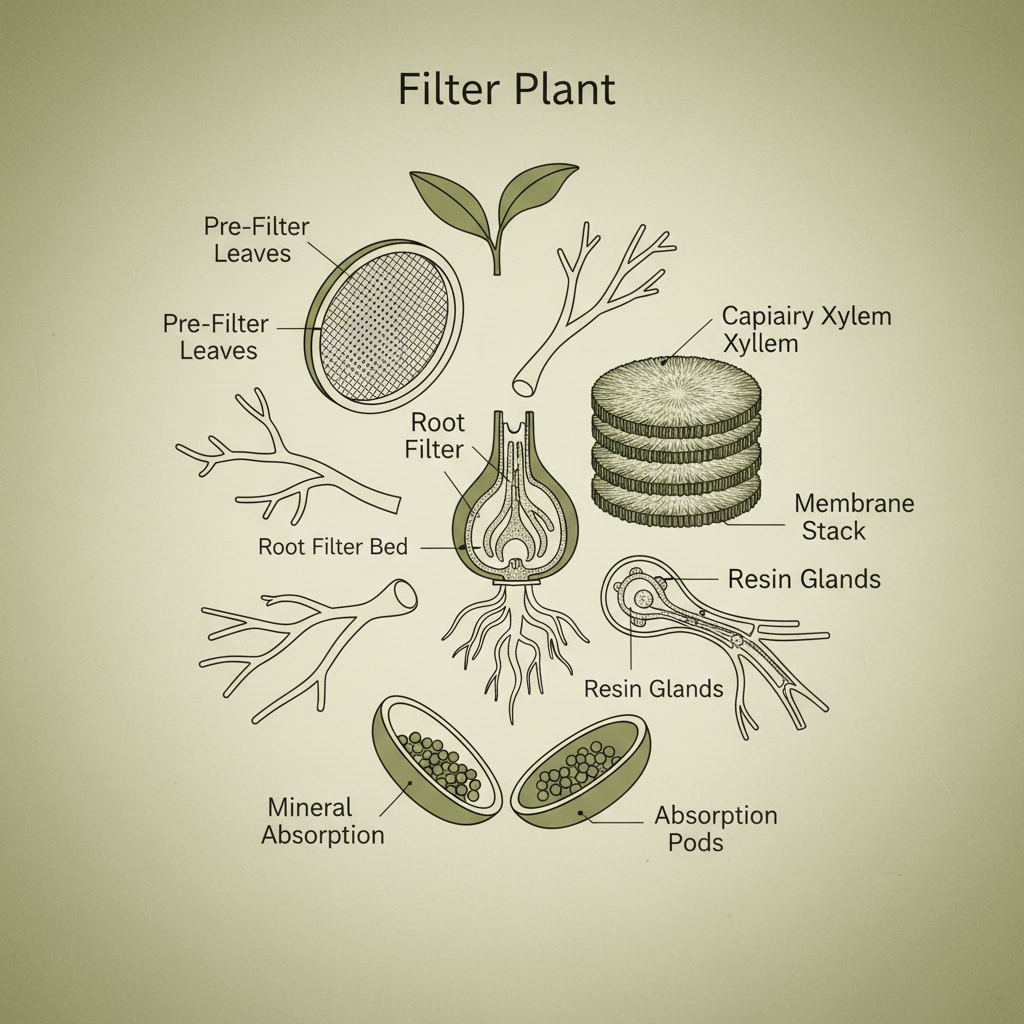
To be honest, I'm not a material scientist. I just know what works and what doesn't. But I’ve spent enough time handling these materials to have an opinion. Polypropylene feels cheap, but it’s versatile and cost-effective. Polyester is a bit more durable, but it’s also more expensive. Glass fiber filters are great for high temperatures, but they’re brittle and can shed particles. Activated carbon… that stuff gets everywhere.
Sintered metal, now that’s a different story. Feels substantial, solid. You can really feel the quality. But it’s heavy, and it’s expensive. It’s perfect for high-pressure applications, like oil filtration in hydraulic systems. But for a simple air intake, it’s overkill. The smell is… well, metallic. It sticks to your clothes.
And don’t even get me started on nanofiber filters. Those things are amazing on paper, but they're fragile and expensive. They're also prone to clogging, which defeats the purpose.
Real-World Testing and Performance
Forget the lab tests. The real test is how it performs on the job site. We've started doing our own in-house testing, simulating real-world conditions. We take filters, load them with dust, oil, whatever the application requires, and see how long they last. We measure the pressure drop, the filtration efficiency, the whole nine yards.
I saw a manufacturer claiming 99.9% filtration efficiency in their brochure. Sounded too good to be true, right? We put it to the test, and it was barely scraping 80% after a few hours. Marketing hype, pure and simple.
Filter Manufacturer Performance Ratings (Simulated Conditions)
User Behavior: Beyond the Specifications
This is where it gets interesting. You design a filter to be changed every month, but users ignore the warnings and run it for six months. Or they try to wash a disposable filter. People do crazy things. You have to design for the lowest common denominator.
Anyway, I think we underestimate how much users rely on visual cues. If a filter looks dirty, they’re more likely to change it, even if it still has some life left in it. That’s why clear housings are popular – people can actually see what’s going on inside.
Advantages, Disadvantages, and Customization
The advantage of a good filter is obvious: it protects your equipment, improves efficiency, and extends lifespan. The disadvantage? They’re consumables. You have to keep buying them. And sometimes, off-the-shelf filters just don't cut it.
That's where customization comes in. Last year, a customer building specialized machinery needed a filter with a very specific pore size and a non-standard housing. We were able to design and manufacture a custom filter that met their exact requirements. It wasn't cheap, but it saved them a lot of headaches down the road.
A Case Study: The Shenzhen Smart Home Debacle
Last month, that small boss in Shenzhen who makes smart home devices insisted on changing the interface to , and the result was… a nightmare. He wanted to future-proof his products, but the connector was too bulky for the filter housing. He ended up compromising the filtration efficiency and creating a whole new set of problems. He learned a valuable lesson that day. Sometimes, sticking with what works is the best option.
The filter also had to meet extremely strict dust filtration requirements because of the highly sensitive sensors inside the device. He initially tried to source cheaper filters from a different supplier, but the dust got into the sensors and caused all sorts of malfunctions.
It was a mess, honestly. But it highlights the importance of understanding the entire system, not just focusing on one component.
Core Summary of Real-World Filter Manufacturer Challenges
| Challenge |
Impact on Filter Manufacturer |
Mitigation Strategy |
Cost Implications |
| Miniaturization Demand |
Reduced filtration capacity, increased pressure drop |
Optimize media layering, explore advanced materials |
Moderate increase (material costs) |
| Real-World Usage Variance |
Premature clogging, reduced lifespan |
Robust housing design, clear maintenance indicators |
Low to moderate (design & materials) |
| Material Compatibility Issues |
Filter degradation, contamination |
Thorough chemical resistance testing |
Moderate (testing & material selection) |
| Over-Reliance on Simulations |
Inaccurate performance predictions |
Real-world testing under diverse conditions |
Moderate (testing resources) |
| Customization Requests |
Increased production complexity, lead times |
Standardized customization options, efficient manufacturing processes |
High (engineering & tooling) |
| Supply Chain Vulnerabilities |
Material shortages, price fluctuations |
Diversified sourcing, strategic inventory management |
Moderate (inventory costs) |
FAQS
Honestly? They focus too much on the micron rating and not enough on the overall construction. A filter can have a tiny micron rating, but if the housing is flimsy or the media isn’t properly supported, it’s useless. It's like putting a high-performance engine in a rusty old car.
Critically important. Think of it like this: you wouldn’t try to filter mud with a coffee filter, right? Pre-filtration removes the larger particles, protecting the main filter and extending its lifespan. It saves you money in the long run.
Depends. Some are okay for low-dust environments, but they often don't achieve the same filtration efficiency as disposable filters. And if you don't clean them properly, they can actually harbor bacteria and mold. I usually recommend sticking with disposable filters unless you have a really specific application.
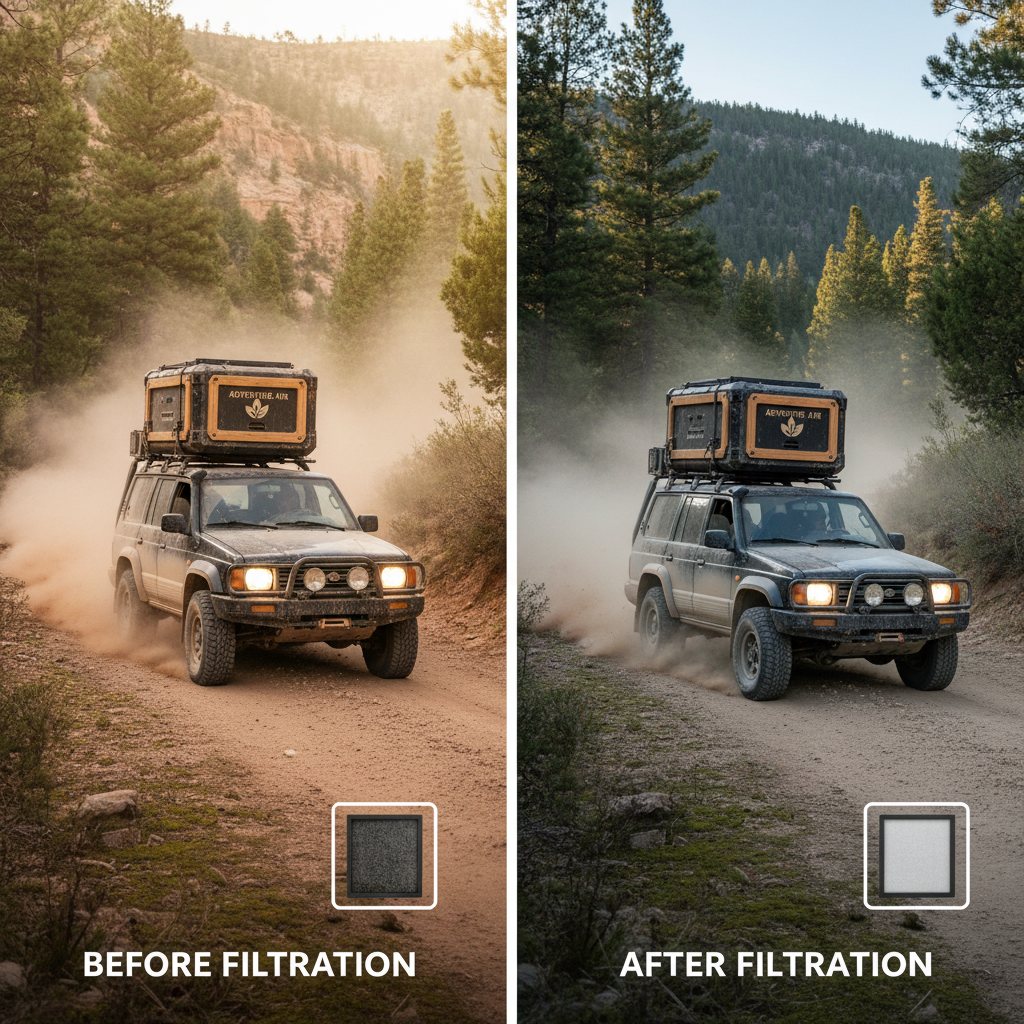
We use a portable particle counter. It measures the concentration of particles in the air before and after the filter. It's not perfect, but it gives you a good indication of how well the filter is performing. You also gotta look for visual signs - excessive dust buildup, reduced airflow, that kind of thing.
Absolutely. We offer a range of filter media that are resistant to various chemicals. You just need to tell us what you're filtering, and we can recommend the appropriate material. It's not always cheap, but it's essential for protecting your equipment and your health.
I think we'll see more advanced materials, like nanofibers and graphene, being used in filters. We’ll also see more intelligent filters with built-in sensors that can monitor performance and alert you when it's time to change them. And, of course, more focus on sustainability and reducing waste.
Conclusion
So, there you have it. Filters aren’t glamorous, but they're essential. From the materials they're made from to the testing they undergo, and even how users actually use them, there's a lot more to it than meets the eye. We’ve talked about miniaturization, material science, customization, and the importance of real-world testing. Ultimately, it all boils down to protecting equipment, improving efficiency, and ensuring a safe working environment.
Whether this thing works or not, the worker will know the moment he tightens the screw. And, if you need a reliable filter manufacturer who understands the challenges of the job site, you know where to find us. Visit our website: www.jyfilter.com