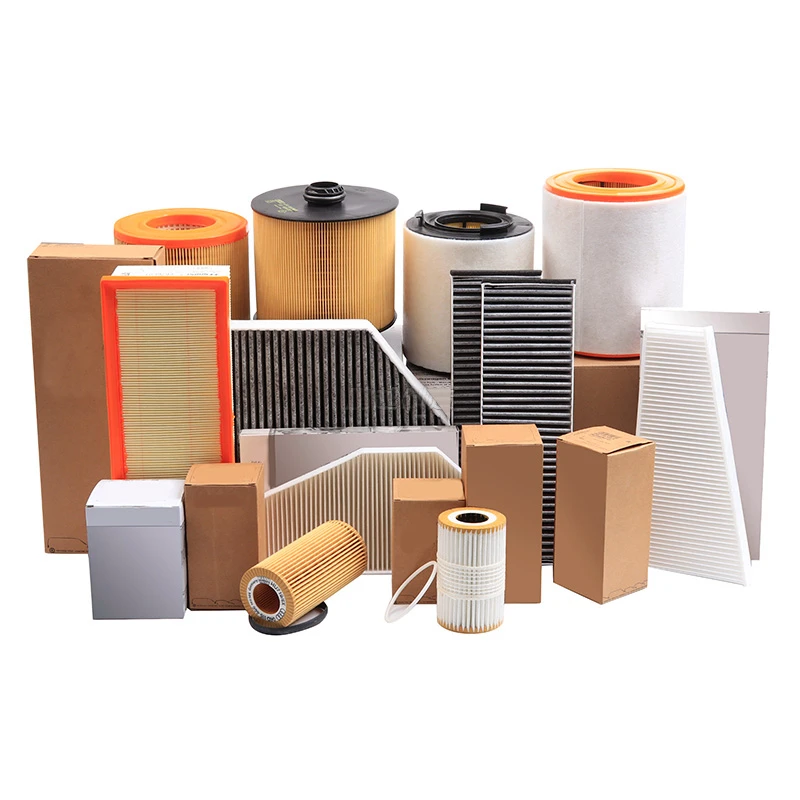
Understanding the Aircon Cabin Filter: Why It Matters Globally
If you’ve ever wondered what keeps the air inside your vehicle or office space clean and breathable, the aircon cabin filter is the unsung hero. It’s a small yet vital component that fundamentally shapes our indoor air quality, protecting us against allergens, dust, and other pollutants that would otherwise sneak in. Globally, rising urbanization and increased vehicle use have made air pollution a real health challenge. That’s why understanding how aircon cabin filters work—and why they matter—is more than just technical jargon; it’s about health, comfort, and sustainability.
We often take clean air for granted, but with estimates from the World Health Organization indicating that 91% of the world’s population breathes air exceeding WHO limits for pollutants, the aircon cabin filter plays a far greater role than many realize. Whether in cars, buses, or buildings, these filters help lower exposure to airborne contaminants, improving respiratory health and overall well-being.
Mini takeaway:
The aircon cabin filter is an essential tool in battling global air pollution, with clear benefits for individual health and environmental comfort.
What Exactly Is an Aircon Cabin Filter?
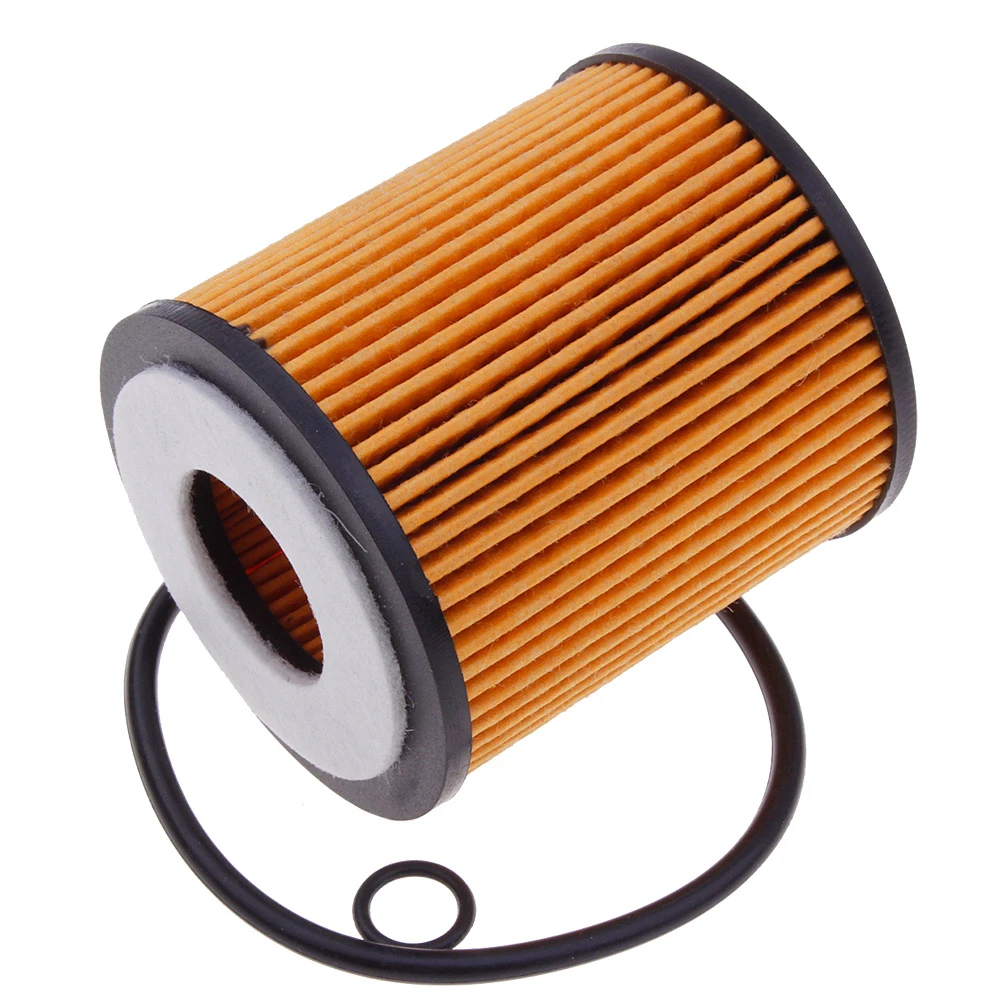
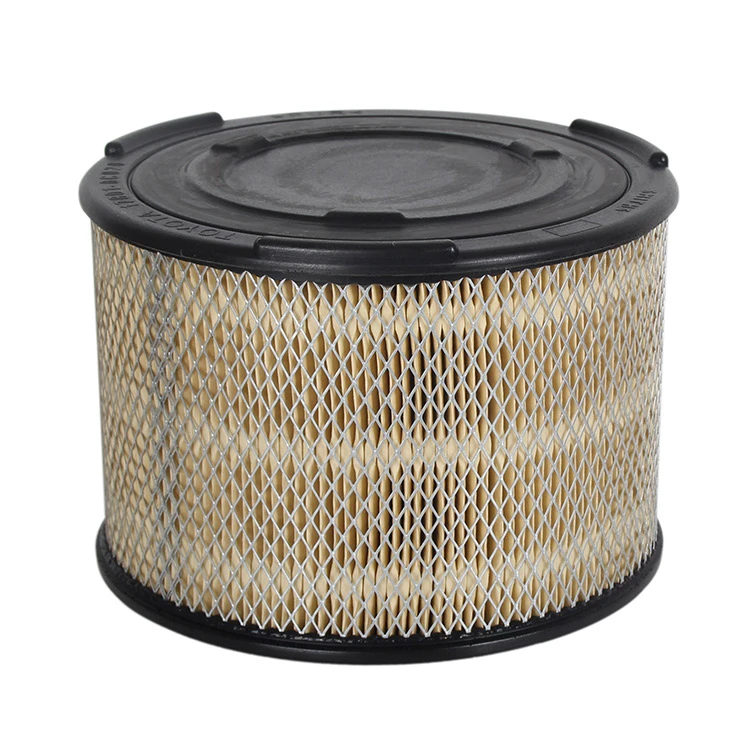
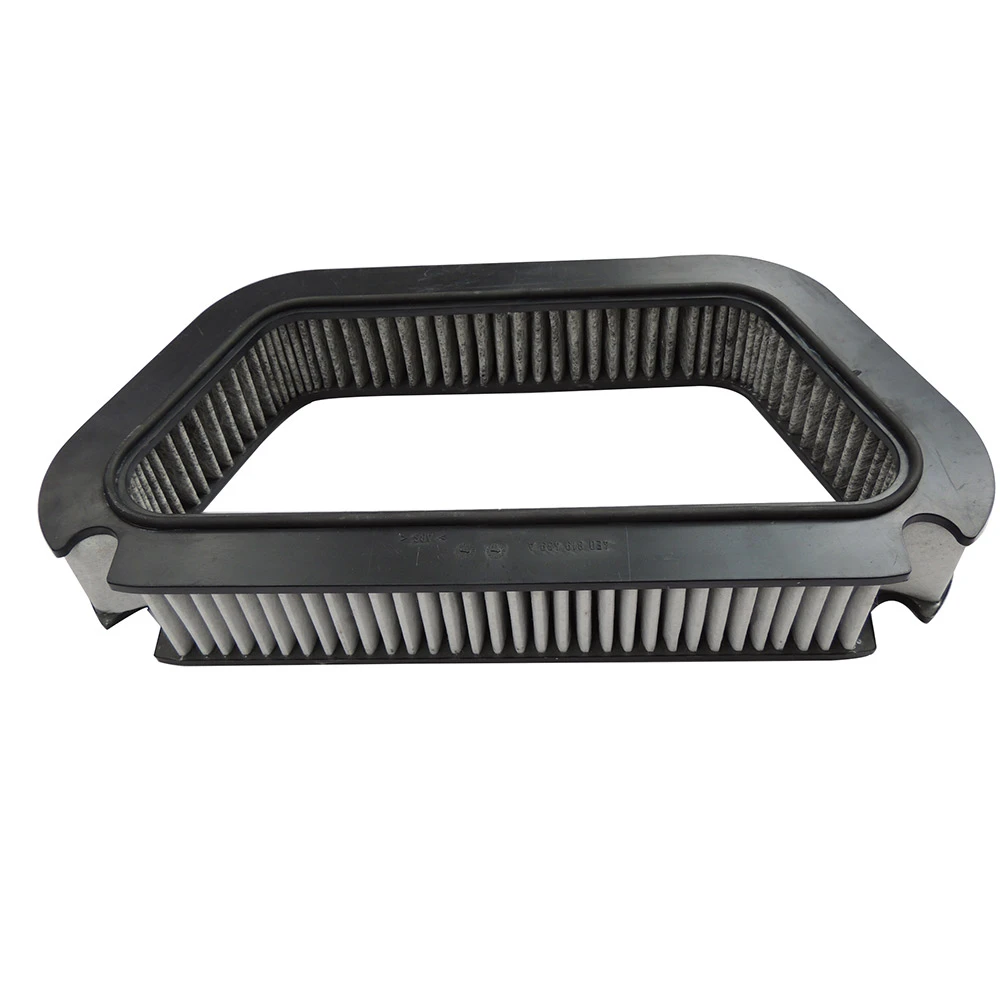
Simply put, an aircon cabin filter is a filtration device installed in the ventilation system of vehicles or HVAC systems. Its primary job is to clean the air entering the cabin or interior by trapping dust particles, pollen, bacteria, and other pollutants. Think of it as the lungs’ frontline defense against outdoor pollutants, ensuring the air you breathe inside the cabin is cleaner and safer.
In the modern automotive industry, it’s become standard to equip cars with these filters, acknowledging their role in protecting passengers and improving comfort. Similarly, in buildings—especially in urban environments—they’re crucial for maintaining indoor air quality, aligning with growing awareness about pollution and health risks.
Mini takeaway:
Aircon cabin filters act as protective barriers, securing the interior air environment by filtering harmful particles that could affect health and comfort.
Key Factors That Define Aircon Cabin Filters
1. Filtration Efficiency
The core purpose of an aircon cabin filter is to remove particles effectively. Particulate filtration is rated by standards like ISO 16890 or EU standards, focusing on PM2.5 and PM10 particle sizes. Many filters now also incorporate activated carbon layers for adsorbing gases like NOx or VOCs, which are common in urban environments.
2. Durability and Replacement Interval
How long a filter lasts depends on its materials and environmental conditions. Typically, car cabin filters should be changed every 12,000 to 15,000 miles—or annually—whichever comes first. Using a high-quality filter with durable materials ensures you don’t compromise air quality as dirt accumulates.
3. Compatibility and Customization
Not all cabins are created equal. Filters must fit specific vehicle or building air conditioning systems. Leading manufacturers customize dimensions and filtering media to meet varied needs, including for electric vehicles or commercial HVAC systems.
4. Environmental Impact
With sustainability a pressing global concern, filters made from recyclable materials or designed for minimal waste have become more important. Some companies are innovating with biodegradable media or offering remanufactured options.
5. Cost Efficiency
While premium filters often come at a higher upfront price, their better performance and longer lifespan can save money over time. It’s worth balancing cost with effectiveness if you’re managing fleets or trying to maximize sustainability.
| Feature | Specification |
|---|---|
| Filter Media | Electrostatic microfiber + Activated Carbon Layer |
| Filtration Efficiency | PM2.5 ≥ 95% |
| Dimensions | Variable per vehicle model, e.g., 240mm x 200mm x 30mm |
| Replacement Interval | 12 months / 15,000 miles |
| Environmental Feature | Recyclable frame, biodegradable fiber options available |
Mini takeaway:
The aircon cabin filter’s design balances filtration, durability, fit, environmental footprint, and cost, making it more than just a disposable component.
Global Applications & Real-World Use Cases
Vehicles in megacities like Beijing, Mexico City, or Delhi commonly face hazardous air pollution levels, where cabin filters make a tangible difference to passengers' breathing health during daily commutes. Commercial buses and taxis in these urban hubs increasingly adopt advanced cabin filters to reduce exposure to harmful particulates.
Beyond personal transport, construction and mining sectors often operate in dusty environments where industrial-grade cabin filters protect operators in heavy machinery cabins, ensuring safer working conditions.
In humanitarian operations, especially post-disaster relief, mobile air filtration within ambulances or field hospitals often relies on advanced filters to maintain sterile and safe environments, reducing airborne infections.
And, oddly enough, even in remote industrial zones where harsh weather breeds elevated dust levels, these filters become indispensable for maintaining equipment performance and worker health.
Mini takeaway:
From bustling megacities to remote industrial sites, aircon cabin filters serve crucial roles in diverse settings globally.
Comparing Leading Aircon Cabin Filter Vendors
| Vendor | Filtration Efficiency | Eco-Friendly Options | Price Range | Availability |
|---|---|---|---|---|
| PureAir Filters | PM2.5 97% | Yes, biodegradable materials | $$ | North America, Asia |
| EcoFilt Solutions | PM2.5 95% | Recycled plastic frames only | $ | Europe, North America |
| JetClean Filters | PM2.5 96%, activated carbon included | Limited eco materials | $$$ | Global |
Advantages & Long-Term Value of Using Aircon Cabin Filters
Using efficient aircon cabin filters translates directly into better respiratory health by reducing allergens and harmful particulates indoors. This means fewer asthma attacks, less eye irritation, and overall improved well-being. There's a deep emotional aspect here — feeling safe and comfortable in enclosed environments often goes unrecognized until poor air quality compromises it.
Moreover, a clean filter aids HVAC performance, saving energy and operational costs—a win-win for budget-conscious fleets or building managers. It’s also a step towards sustainability by reducing air pollution’s impact indoors, contributing to global climate goals. Frankly, it feels like a small investment for quite large returns.
Mini takeaway:
Aircon cabin filters offer a blend of health, financial, and environmental benefits that underscore their long-term value.
Future Trends & Innovations in Aircon Cabin Filters
Looking ahead, we’re seeing exciting shifts tech-wise. For example, nanofiber technology offers higher filtration with lower airflow resistance, improving energy efficiency. Some companies are exploring antimicrobial coatings that neutralize bacteria and viruses inside filters. Sustainability is also driving innovation, with biodegradable filter media gaining traction.
Digital transformation is another frontier — smart cabin filters that monitor air quality in real time and notify users when replacements are due could soon become common. Combined with automation in vehicles and smart buildings, the air inside will become smarter too.
Mini takeaway:
Emerging technologies will make aircon cabin filters more efficient, sustainable, and intelligent, reshaping indoor air quality management.
Challenges & Practical Solutions
One common issue is the misconception that all cabin filters are the same—leading to use of inferior parts that reduce air quality and system performance. Also, irregular maintenance or ignoring replacement schedules can quickly degrade filter effectiveness.
The solution? Awareness and education. Many engineers emphasize choosing filters certified by recognized standards and following manufacturer-recommended replacement intervals. Some vendors now offer easier installation kits or subscription models to encourage timely filter changes.
Frequently Asked Questions About Aircon Cabin Filters
- Q: How often should I replace my car's aircon cabin filter?
A: Usually, every 12,000–15,000 miles or annually, whichever comes first. However, if you drive in heavy pollution or dusty areas, consider more frequent changes. - Q: Can aircon cabin filters reduce harmful gases like NO2?
A: Yes, filters containing activated carbon can adsorb gases like nitrogen dioxide and volatile organic compounds, improving indoor air quality. - Q: Are all aircon cabin filters compatible with my vehicle?
A: No, filters are tailored to vehicle make and model. It’s important to verify compatibility before purchase to ensure proper fit and filtration. - Q: Do eco-friendly filters perform as well as traditional ones?
A: Many green products now match or exceed conventional filters in performance but look for certifications and proven data before deciding.
Conclusion: Why Aircon Cabin Filters Are Worth Your Attention
In sum, the aircon cabin filter is a crucial piece of the puzzle when it comes to health, comfort, and environmental responsibility in enclosed spaces. Whether you're a fleet manager, automotive enthusiast, or just someone who cares about clean air, choosing the right cabin filter makes a real difference. For those keen to explore options and upgrade your filtration system, visit our website: aircon cabin filter.
Oddly enough, something so small can have such a big impact. It’s worth paying attention to.
References:
-
Guide on how often do you need to replace engine air filterNewsApr.16,2026
-
Learn how often do you replace air filter in car for engine healthNewsApr.09,2026
-
How Often Do You Replace Car Air Filter For Optimal Engine PerformanceNewsApr.07,2026
-
How Often Do You Replace Engine Air Filter For Optimal Vehicle PerformanceNewsApr.04,2026
-
Understanding How Often Does Engine Air Filter Need to Be Replaced for Optimal PerformanceNewsMar.31,2026
-
How Often Engine Air Filter Change Impacts Performance and LongevityNewsMar.28,2026
-
Understanding How Often to Replace Your Car Air Filter for Optimal PerformanceNewsMar.26,2026
Related Products