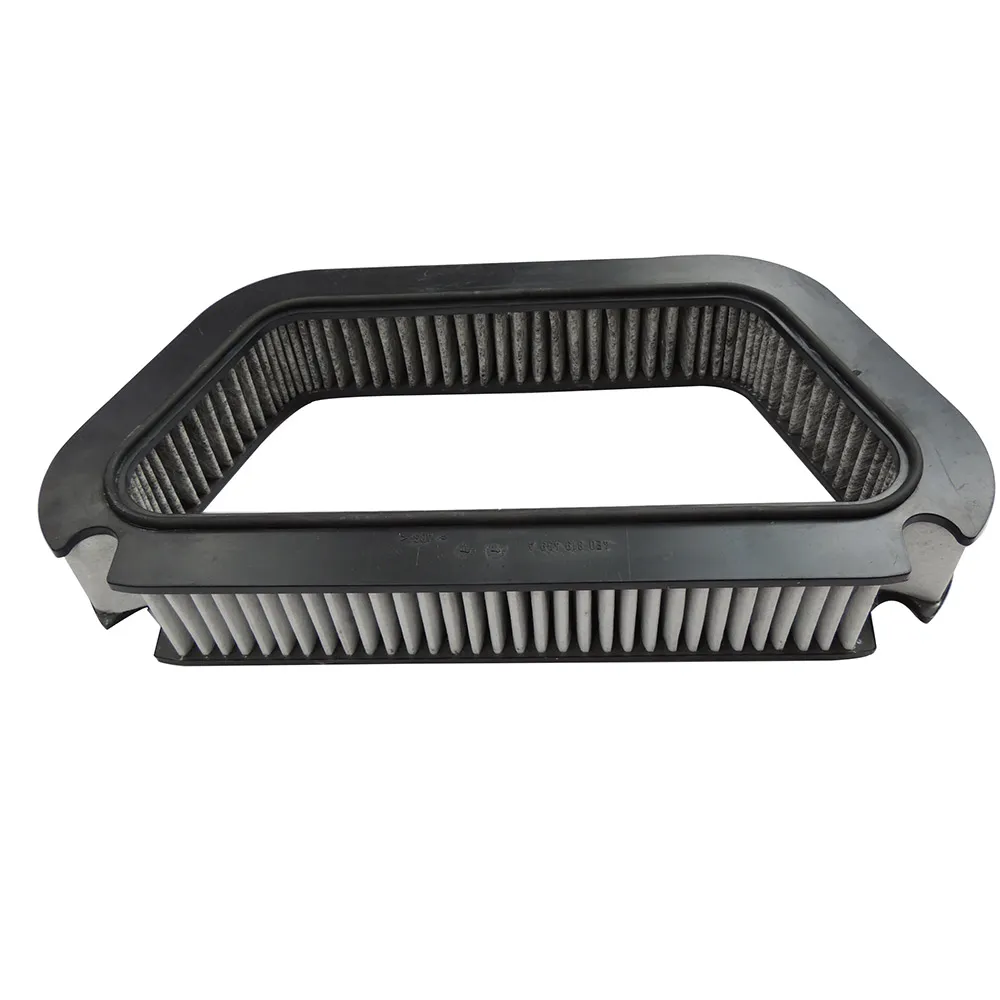
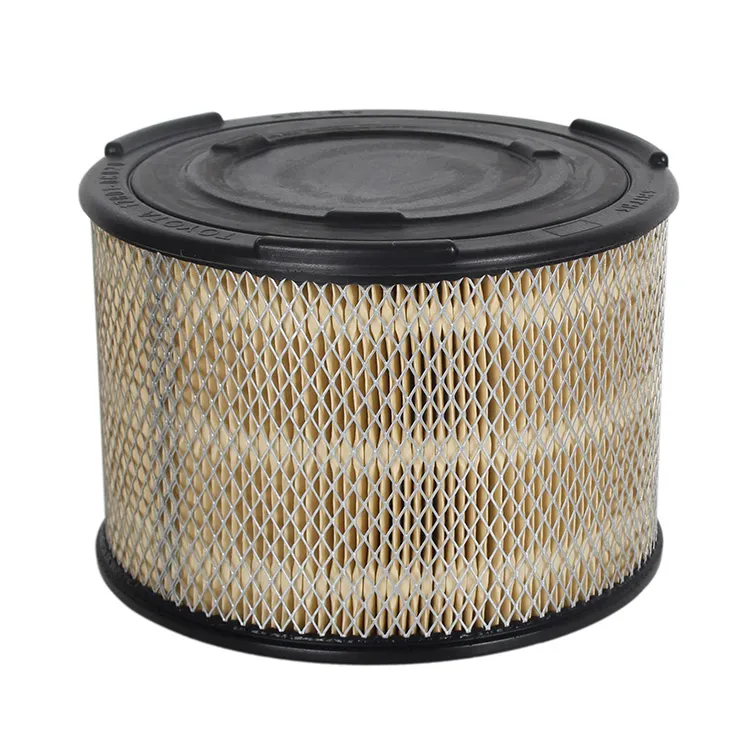
Gasoline Filter Solutions from Air Conditioner Filter Companies
Maintaining fuel purity is a critical engineering requirement for ensuring engine longevity and peak combustion efficiency. A high-performance gasoline filter acts as the primary defense mechanism, trapping rust particles, dust, and water before they can reach the sensitive fuel injectors and combustion chambers. For procurement managers and automotive distributors, selecting a filtration solution that balances high flow rates with rigorous contaminant removal is essential to prevent engine misfires, rough idling, and premature wear of the fuel pump.
Hebei Jiayou Auto Parts leverages advanced filtration media to provide components that exceed standard industry benchmarks. By focusing on the synergy between material durability and filtration precision, these gasoline filters ensure that vehicles—ranging from passenger cars to commercial trucks—operate with optimized fuel economy and reduced emissions, effectively lowering the total cost of ownership for the end-user.

The Critical Role of Gasoline Filtration in Engine Performance and Fuel System Integrity
The fuel system of a modern internal combustion engine is highly sensitive to microscopic contaminants. Gasoline, during storage and transport, often accumulates debris such as rust from tanks, ambient dust, and moisture. If these impurities enter the combustion chamber, they can lead to clogged injectors and severe scoring of cylinder walls. A dedicated gasoline filter employs a fine mesh or specialized synthetic media to intercept these particles, ensuring that only purified fuel flows into the engine.
Beyond simple cleaning, an efficient filter optimizes the overall combustion cycle. When fuel flow is consistent and free of debris, the engine achieves a more stable air-fuel mixture, which directly translates to smoother acceleration and improved throttle response. In contrast, a neglected or low-quality filter leads to fuel starvation, forcing the fuel pump to work harder and increasing the likelihood of system failure.
- Contaminant Interception: Removes rust, water, and dirt particles that threaten fuel injectors.
- Flow Stabilization: Ensures a steady delivery of fuel to prevent engine hesitation.
- Emission Control: Promotes complete combustion, thereby reducing harmful exhaust emissions.

Technical Advantages of Premium Filtration Media and Component Design
The effectiveness of a gasoline filter is determined by the quality of its filtration media and its structural durability. Hebei Jiayou Auto Parts utilizes premium materials designed to withstand the corrosive nature of gasoline and the high pressures associated with modern fuel pumps. By employing a multi-layered filtration approach, the system can trap a wider spectrum of particle sizes without creating excessive backpressure, which is vital for maintaining fuel pump efficiency.
Furthermore, the physical construction of the filter housing is engineered to prevent leaks and withstand vibration. Whether the design is an inline filter or an in-tank assembly, the seal integrity is paramount to prevent air from entering the fuel line, which could otherwise cause the engine to stall. This commitment to precision manufacturing ensures that the filters are compatible with a vast array of vehicle types, including motorcycles and heavy-duty commercial vehicles.
The integration of intelligent manufacturing technology allows for a high level of consistency across production batches. This means every unit delivers the same filtration efficiency—often exceeding 99% for small impurities—providing reliability that fleet operators and maintenance enterprises can depend on for long-term vehicle uptime.
Strategic Procurement and Selection Criteria for Automotive Fuel Filters
For buyers sourcing from various air conditioner filter companies and auto parts suppliers, evaluating a gasoline filter requires a focus on three primary dimensions: compatibility, material certification, and replacement intervals. A filter that does not perfectly match the vehicle's specifications can lead to improper seating and fuel leaks, creating a significant safety hazard. It is imperative to verify the filter's adaptation to specific regional emission standards and fuel grades.
Operational costs are also influenced by the filter's service life. While typical replacement intervals range between 20,000 to 40,000 miles, vehicles operating in harsh environments or using lower-grade fuel may require more frequent changes. High-quality filters reduce the frequency of emergency repairs by protecting the fuel injectors and pumps from premature wear, making them a cost-effective investment in the long run.
When evaluating suppliers, procurement managers should look for those with a scientific quality management system. A supplier that controls the entire process—from raw material screening to final comprehensive detection—minimizes the risk of defective parts entering the supply chain, ensuring a stable and reliable product supply for international markets.
Technical Comparison of Filtration Performance and Application Suitability
| Filter Grade | Contaminant Removal | Impact on Fuel Economy | Recommended Application |
|---|---|---|---|
| Standard Efficiency | Medium (Basic Debris) | Stable | Passenger Cars (Urban) |
| High Efficiency | High (>99% Impurities) | Improved (Optimized) | Commercial Fleets / Trucks |
| Heavy Duty | Maximum (Water + Rust) | Consistent | Off-road / Industrial Vehicles |
| Custom Performance | Application-Specific | High (Maximized) | High-Performance / Racing |
| Eco-Friendly Series | High (Sustainable Media) | Optimized | New Energy Hybrid Systems |
Manufacturing Excellence and Global Supply Chain Capability
Production scale and technological investment are the cornerstones of reliability in the auto parts industry. Hebei Jiayou Auto Parts operates a facility covering over 100,000 square meters, equipped with more than 200 sets of advanced production machinery. With an annual capacity of 600,000 filter sets, the company can efficiently manage large-scale orders while maintaining the flexibility to provide high-end customization for specific customer groups.
To maintain a competitive edge, the company collaborates with renowned universities and research institutions, ensuring that new material applications for filters and rubber accessories are constantly updated. This R&D focus allows for the rapid development of products that meet the stringent requirements of the evolving automotive landscape, including the transition toward new energy vehicle accessories.
For international clients, the supply chain is supported by a dedicated customer service team and customized logistics solutions. By adhering to international certifications and providing 24-hour online communication, the company ensures that products reach more than 50 countries and regions smoothly, offering a one-stop service experience from order tracking to after-sales maintenance.
Future Trends in Automotive Filtration and Sustainable Engine Maintenance
The automotive industry is currently undergoing a paradigm shift toward electrification and sustainable materials. Future filtration systems will likely integrate smarter monitoring technologies, allowing vehicle owners to track filter saturation levels in real-time rather than relying on mileage-based schedules. This shift toward predictive maintenance will further reduce waste and prevent unexpected engine failures.
Additionally, there is a growing demand for biodegradable or recyclable filter media to reduce the environmental impact of automotive waste. Hebei Jiayou is actively exploring new material applications to improve environmental protection without sacrificing filtration efficiency. As global emission standards become more stringent, the role of the gasoline filter in ensuring complete combustion will remain vital for reducing the carbon footprint of internal combustion engines.
For the global market, the trend is moving toward high-end customization. As vehicle designs become more complex, the need for precision-engineered filters that fit perfectly into compact engine bays is increasing. Companies that can combine mass production efficiency with tailor-made specifications will lead the next generation of the automotive supply chain.
Common Technical Inquiries Regarding Gasoline Filtration Systems
What is a gasoline filter, and what does it do?
A gasoline filter is a crucial component of a vehicle’s fuel system that removes dirt, debris, rust, and other impurities from the fuel before it reaches the engine. This helps maintain smooth engine performance, improves fuel efficiency, and protects fuel system components from damage.
How often should I replace my gasoline filter?
The recommended replacement interval varies by vehicle make and model, but typically, a gasoline filter should be replaced every 20,000 to 40,000 miles. However, if you frequently drive in harsh conditions or use lower-quality fuel, more frequent replacements may be necessary.
Can a clogged gasoline filter damage my car?
Yes, a clogged filter restricts fuel flow, making the engine work harder and potentially causing damage to the fuel pump, injectors, and other components. Replacing the filter regularly helps prevent these issues.
Can I clean and reuse my gasoline filter?
Most gasoline filters are designed for single-use and should be replaced when clogged. Some high-performance or specialty filters may be reusable, but they require proper cleaning according to manufacturer instructions.
How do I know which gasoline filter fits my vehicle?
Check your vehicle’s owner’s manual or consult a professional mechanic or parts supplier to ensure you select the correct filter based on your car’s make, model, and engine specifications.
Does a new gasoline filter improve fuel economy?
Yes, a clean filter ensures proper fuel flow and combustion, helping the engine run efficiently. This can lead to improved fuel economy and better overall performance.
Technical References and Industry Resources
- SAE International - Automotive Engineering Standards
- Environmental Protection Agency - Vehicle Emission Guidelines
- ISO Standards for Filtration Efficiency
- AutoCar - Vehicle Maintenance and Technical Reviews
Ensuring the purity of your fuel system is a fundamental aspect of vehicle maintenance. By selecting high-quality filtration components and adhering to a strict replacement schedule, operators can significantly extend engine life and maximize operational efficiency. For professional sourcing and custom filtration solutions, partnering with a manufacturer that integrates R&D with large-scale production is the most reliable path to performance.
Industry Insights and Related Technical Guides