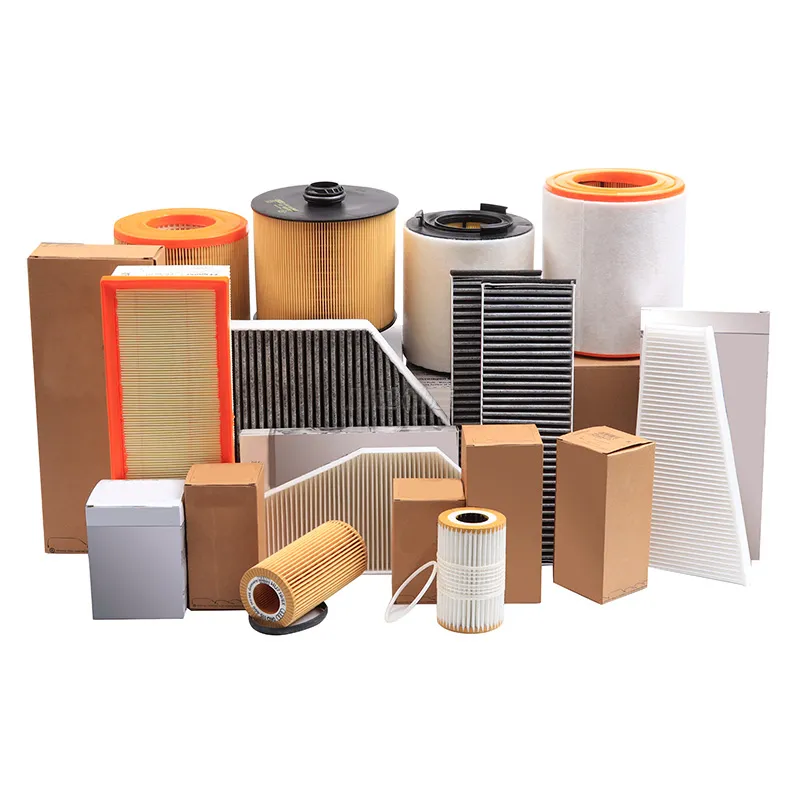
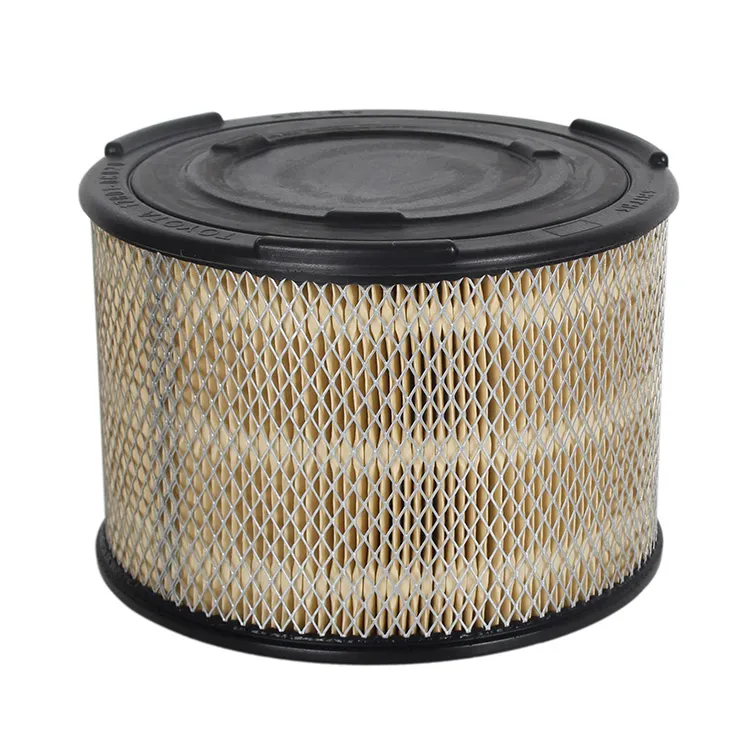
Leading Car Air Filters Manufacturers for Engine Protection
Maintaining engine longevity begins with the quality of the air entering the combustion chamber. For procurement managers and automotive engineers, selecting high-performance filtration systems is not merely about replacing a part, but about optimizing thermal efficiency and reducing internal wear. Precision-engineered air filters act as the primary defense mechanism against particulate matter, where even micron-level impurities can lead to catastrophic cylinder wall scoring over time.
Hebei Jiayou Auto Parts Co., Ltd. addresses these critical needs by integrating advanced composite materials with optimized airflow geometries. By focusing on the balance between high-efficiency filtration and low intake resistance, our solutions ensure that engines maintain peak power output without compromising on fuel economy. Whether for traditional internal combustion engines or evolving hybrid systems, the technical synergy of multi-layer non-woven fabrics and high-grade sealing materials provides a comprehensive barrier against industrial dust and environmental pollutants.

Advanced Filtration Engineering and Material Science for Engine Protection
The core of a superior air filter lies in its media composition. Our filters utilize multi-layer composite filter paper and high-performance non-woven fabrics characterized by a fine fiber structure. This engineering approach allows the filter to capture tiny dust particles with a filtration accuracy as low as 5 microns, achieving an overall efficiency exceeding 99%. By effectively intercepting everything from coarse sand to microscopic pollen, the system prevents abrasive particles from entering the intake manifold.
Beyond simple capture, the design incorporates a graduated density layer. This ensures that larger particles are trapped in the outer layers while finer impurities are caught deeper within the media, preventing premature clogging and maintaining a consistent pressure drop. This structural integrity is crucial for maintaining the volumetric efficiency of the engine, ensuring that the air-fuel mixture remains stoichiometric across various RPM ranges.
Durability is further enhanced through specialized material treatments that provide high tear resistance. Even under extreme thermal fluctuations or high-humidity environments, the filter elements resist deformation, ensuring that the protective barrier remains intact throughout the entire service interval.

Optimizing Air Permeability to Enhance Fuel Economy and Power
A common trade-off in filtration is between efficiency and permeability. If a filter is too restrictive, the engine must work harder to draw in air, leading to increased fuel consumption and a noticeable drop in horsepower. Our design philosophy focuses on optimizing the airflow channel to ensure that air is distributed evenly across the entire surface area of the filter element. This prevents "hot spots" of high pressure and reduces the overall intake resistance.
The benefits of improved permeability are directly reflected in the vehicle's operational costs. By facilitating a smoother intake process, the engine achieves more complete combustion. Data indicates that using high-quality, non-clogged filtration can improve fuel economy by up to 90% compared to inferior or obstructed alternatives. This efficiency reduction in fuel waste not only saves costs for the operator but also aligns with global emissions standards by reducing carbon monoxide and hydrocarbon output.
Furthermore, the stability of the power output is improved. When an engine receives a steady, clean stream of air, it requires less frequent throttle adjustment to compensate for power losses, leading to a smoother driving experience and reduced mechanical stress on the throttle body and intake valves.
Application Versatility and Integration Across Vehicle Platforms
Modern automotive fleets are diverse, spanning passenger cars, SUVs, and MPVs. To meet this demand, our product range is designed for seamless integration with original equipment manufacturer (OEM) specifications. The filter elements are engineered to match the exact installation positions and dimensions of the vehicle's intake system, ensuring a perfect airtight seal. This is critical because any gap in the sealing process allows unfiltered air to bypass the media, potentially introducing contaminants directly into the cylinders.
The adaptability of these components extends to varying operating environments:
- Urban Environments: Optimized for high concentrations of industrial smog and fine particulate matter.
- Rural/Off-road Use: Enhanced durability to handle higher volumes of coarse dust and sand.
- Extreme Climates: Materials tested for stability in both high-heat desert conditions and high-humidity coastal regions.
Our R&D team continuously updates the product database to track new vehicle launches. This ensures that as engines evolve—incorporating turbocharging or hybrid configurations—the filtration capacity and flow rates are adjusted accordingly to meet the updated volumetric requirements of the intake system.
Technical Comparison of Filtration Performance and Impact
| Evaluation Factor | Standard Filter | High-Performance Element | Operational Impact |
|---|---|---|---|
| Filtration Accuracy | 20-50 Microns | Up to 5 Microns | Reduced Engine Wear |
| Filtration Efficiency | 80% - 90% | Above 99% | Extended Overhaul Cycle |
| Air Intake Resistance | Moderate to High | Optimized Low | Improved Fuel Economy |
| Seal Integrity | Standard Rubber | High-Grade Composite | Prevention of Air Leakage |
| Service Life | Standard Cycle | Extended Durability | Lower Maintenance Cost |
Supply Chain Reliability and Quality Control Standards
For global distributors, the reliability of the manufacturer is as important as the product itself. Hebei Jiayou Auto Parts operates a facility covering over 100,000 square meters, equipped with more than 200 sets of advanced machinery. This scale allows for a robust annual output of 600,000 sets of filters, ensuring that large-scale orders are met without compromising delivery timelines. Our production process is governed by a scientific quality management system that spans from raw material screening to final comprehensive detection.
We recognize that international markets have diverse emission standards and adaptation requirements. Consequently, our products undergo rigorous testing to ensure compliance with international certifications, enabling smooth entry into over 50 countries. To support our foreign partners, we provide a dedicated international service team capable of 24-hour communication, order tracking, and customized logistics solutions, including bespoke packaging and identification for different regional markets.
Our commitment to innovation is evidenced by our collaborations with renowned universities and research institutions. By maintaining professional R&D laboratories, we can quickly respond to market shifts—such as the transition toward New Energy Vehicles (NEV)—by adapting our rubber and filtration expertise to meet the specialized needs of electric and hybrid accessory systems.
Maintenance Strategies for Maximum Filtration Life
To maintain the performance gains provided by high-efficiency filters, a disciplined maintenance schedule is essential. We recommend a cleanliness check every 5,000 kilometers, though this interval should be shortened for vehicles operating in severe dust environments. When performing maintenance, using compressed air to gently blow dust from the inside out can extend the filter's life, provided the pressure is kept low to avoid rupturing the fine fiber structure of the media.
It is imperative to inspect the intake pipe and filter box for accumulated debris during every replacement. A clean housing ensures that the new filter seats correctly and that no residual dust is sucked into the engine upon startup. Replacing a damaged or saturated filter promptly is far more cost-effective than repairing an engine damaged by particulate ingress.
Looking forward, the industry is moving toward "intelligent filtration," where sensors may one day alert the driver to the exact saturation level of the element. Until then, the combination of high-quality materials and regular professional inspection remains the gold standard for protecting the heart of the vehicle.
Technical FAQ: Automotive Filtration and Selection
How does filtration accuracy affect the long-term health of the engine?
Filtration accuracy refers to the size of the smallest particle the filter can capture. A 5-micron accuracy means particles larger than 5 microns are blocked. Since microscopic dust can act as an abrasive, higher accuracy prevents scratches on piston rings and cylinder walls, significantly extending the engine's overhaul cycle.
Can a high-efficiency filter cause a drop in engine power?
Only if the air permeability is poorly designed. High-quality filters balance high capture rates with optimized airflow channels. By reducing intake resistance, these filters actually help maintain or improve power output compared to low-quality filters that clog quickly.
What are the signs that an air filter needs immediate replacement?
Common indicators include a noticeable increase in fuel consumption, a drop in acceleration performance, and visible heavy dust accumulation on the filter media. In some vehicles, a "check engine" light may trigger due to abnormal mass airflow sensor readings.
Are these filters compatible with different vehicle brands?
Yes, the product line is designed to cover mainstream cars, SUVs, and MPVs. They are engineered to match OEM specifications for exact fitment and sealing, requiring no modifications for installation.
What is the advantage of using composite filter paper over standard paper?
Composite materials offer a higher strength-to-weight ratio and a more complex fiber matrix. This allows for thinner layers that provide better airflow while simultaneously capturing smaller particles more effectively than traditional single-layer paper.
How does a clean air filter contribute to environmental protection?
Clean air allows for more efficient fuel combustion, which reduces the emission of particulate matter and harmful gases like carbon monoxide. This helps vehicles meet stricter environmental regulations and reduces the overall carbon footprint.
Technical References and Industry Standards
- ISO Standards for Automotive Filtration Quality
- SAE International - Engine Air Intake Technical Papers
- EPA Guidelines on Vehicle Emission Reductions
- Industry Analysis on Internal Combustion Maintenance
For procurement professionals seeking reliable car air filters manufacturers, Hebei Jiayou Auto Parts Co., Ltd. provides the necessary scale, technical expertise, and quality assurance to support global supply chains. By focusing on the intersection of material science and fluid dynamics, we ensure your fleet operates with maximum efficiency and minimum downtime.
Industry Insights and Related Components