Novaĵoj
-
 Your car’s cabin air filter plays a crucial role in maintaining the air quality you breathe while driving. It traps dust, pollen, mold spores, and other airborne particles, contributing to a healthier and more comfortable driving experience. But like any filter, it needs regular replacement. Knowing how often should cabin air filter be changed in car is essential for your health and your vehicle's HVAC system. Ignoring this maintenance item can lead to reduced airflow, unpleasant odors, and even compromised health. We’ll explore the factors influencing replacement frequency, signs indicating it’s time for a new filter, and ultimately, help you determine the ideal schedule for your vehicle. As a general guideline, most automotive experts recommend replacing your cabin air filter every 12,000 to 15,000 miles, or approximately once a year. However, this is just a starting point. The actual frequency depends heavily on your driving conditions and environment. Factors like frequent driving in dusty areas, allergies, and the amount of time spent in stop-and-go traffic can all accelerate filter clogging.Legu pli
 -
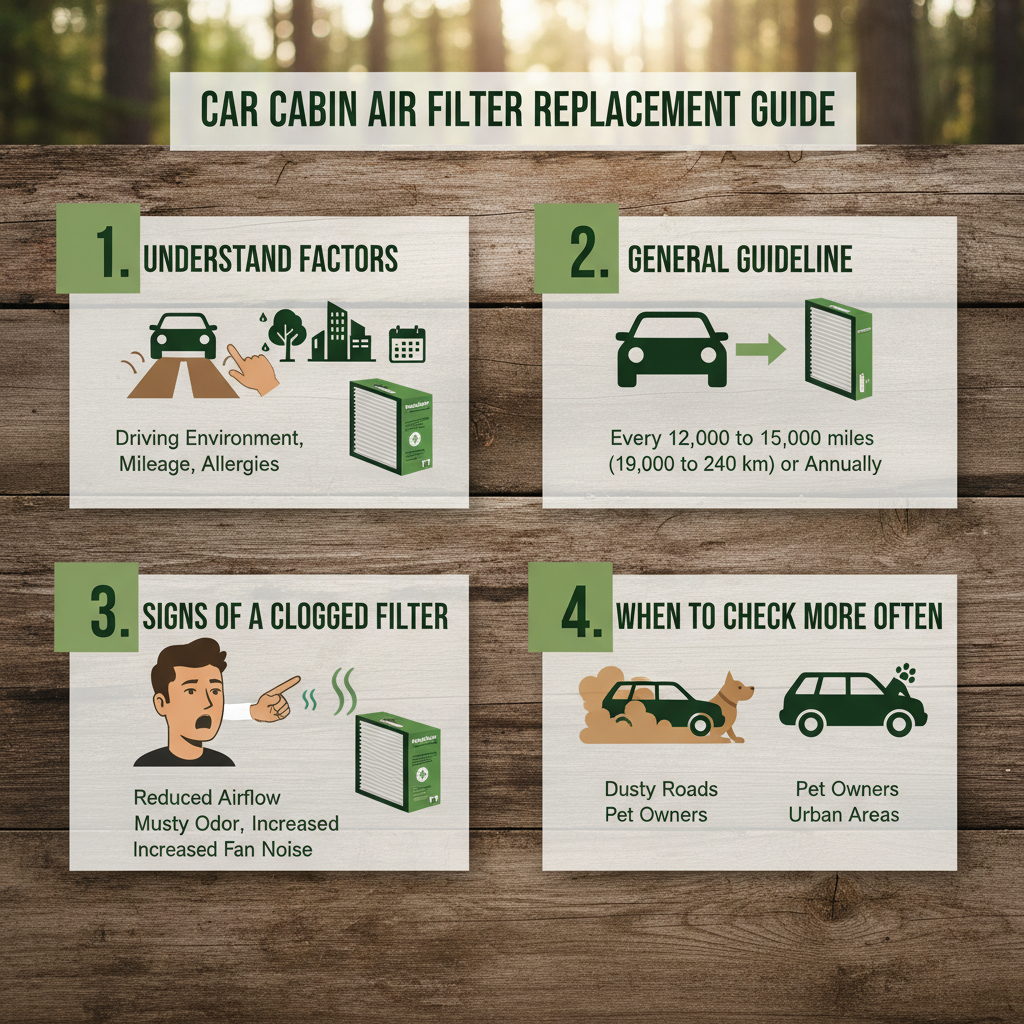 Maintaining your vehicle goes beyond regular oil changes and tire rotations. A crucial, yet often overlooked, component is the cabin air filter. This filter plays a vital role in the air quality inside your car, impacting your health and comfort. But when should you replace it? This guide will break down the factors influencing replacement frequency, helping you breathe easier on the road. Ignoring this maintenance item can lead to reduced airflow, unpleasant odors, and even health concerns. We'll explore everything you need to know to keep your cabin air clean and fresh. The cabin air filter’s primary function is to purify the air entering your vehicle’s ventilation system. It captures dust, pollen, smog, mold spores, and other airborne particles, preventing them from circulating inside the cabin. This is especially important for individuals with allergies or respiratory sensitivities. Over time, the filter becomes clogged with these contaminants, reducing airflow and potentially causing a musty odor.Legu pli
 -
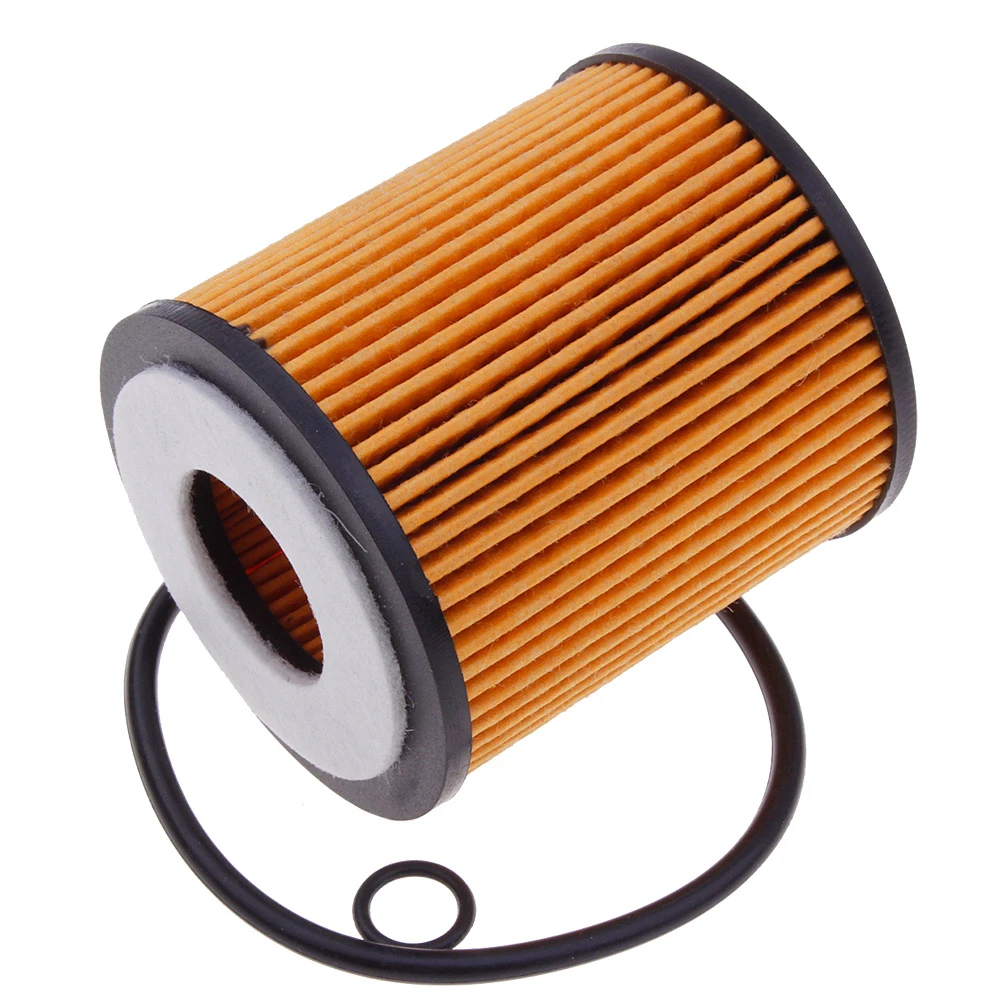
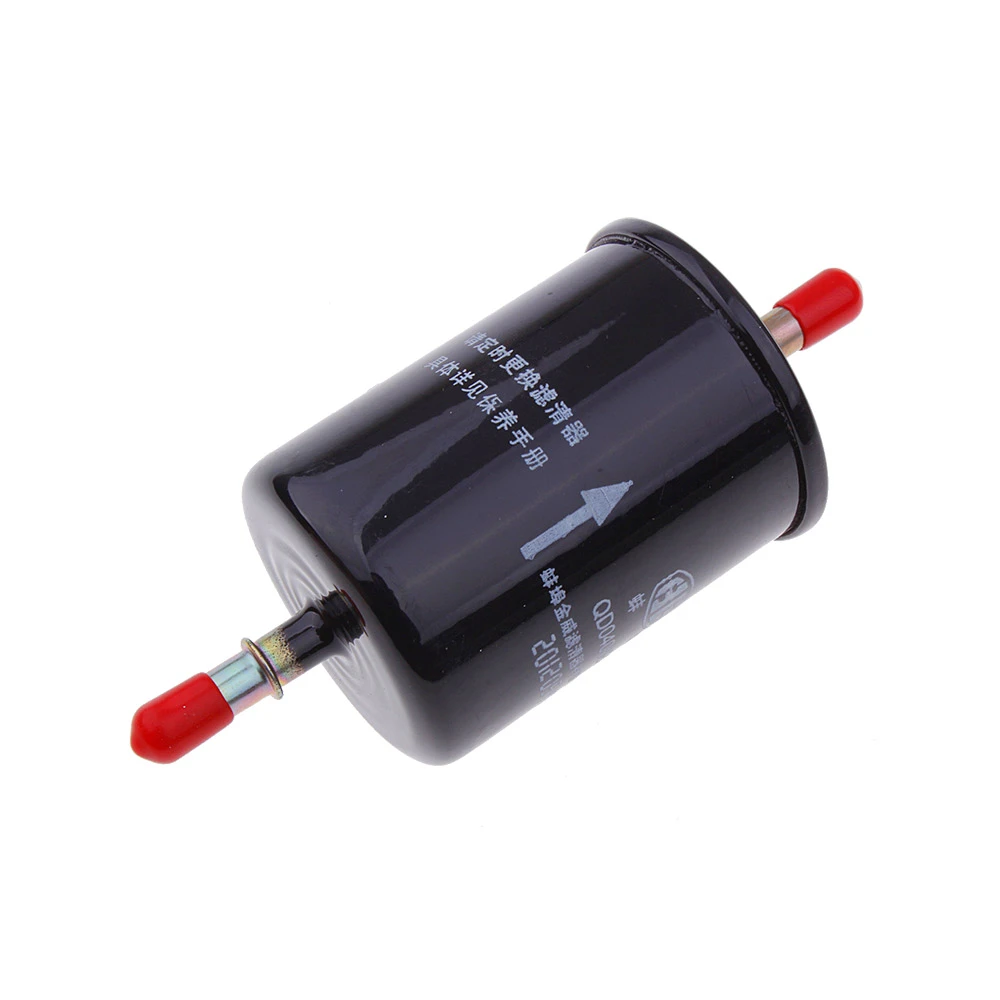
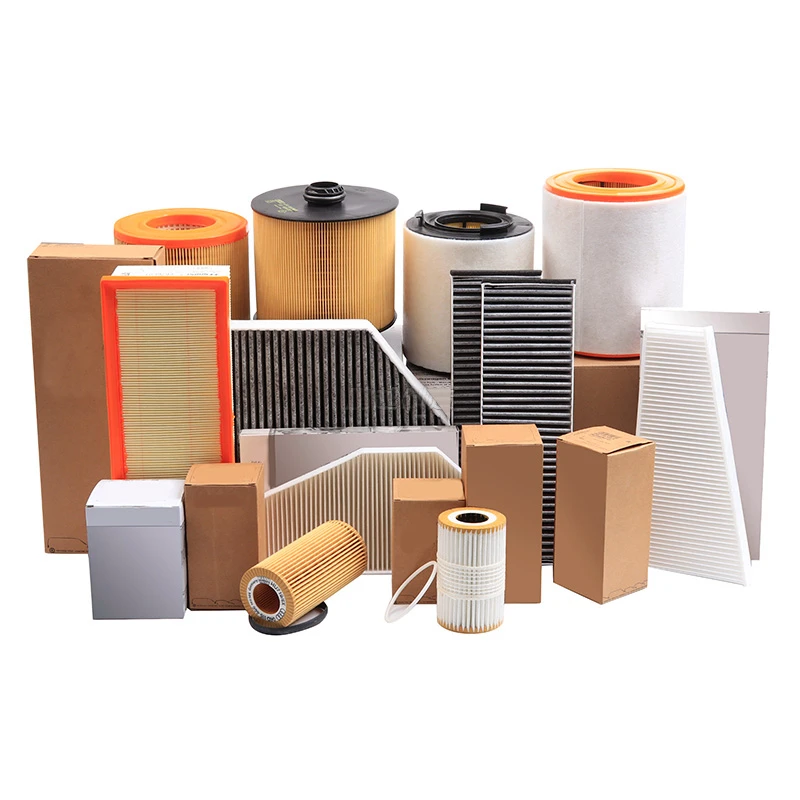
 Maintaining your vehicle involves more than just regular oil changes and tire rotations. A crucial aspect often overlooked is the timely replacement of your car's filters. These filters – air, cabin, fuel, and oil – play a vital role in ensuring optimal engine performance, fuel efficiency, and passenger comfort. Knowing when to change your car filters is essential for preventing costly repairs and extending the life of your vehicle. This article will guide you through the recommended replacement intervals for each type of filter, helping you stay on top of your car maintenance schedule. Before diving into replacement schedules, let's clarify the function of each filter. The engine air filter prevents dust, dirt, and debris from entering your engine, protecting crucial components. The cabin air filter cleans the air entering the passenger compartment, improving air quality. The fuel filter prevents contaminants from reaching the engine, ensuring efficient fuel delivery. Finally, the oil filter removes impurities from the engine oil, maintaining lubrication and extending engine life. Neglecting any of these filters can lead to decreased performance and potential damage.Legu pli
 -
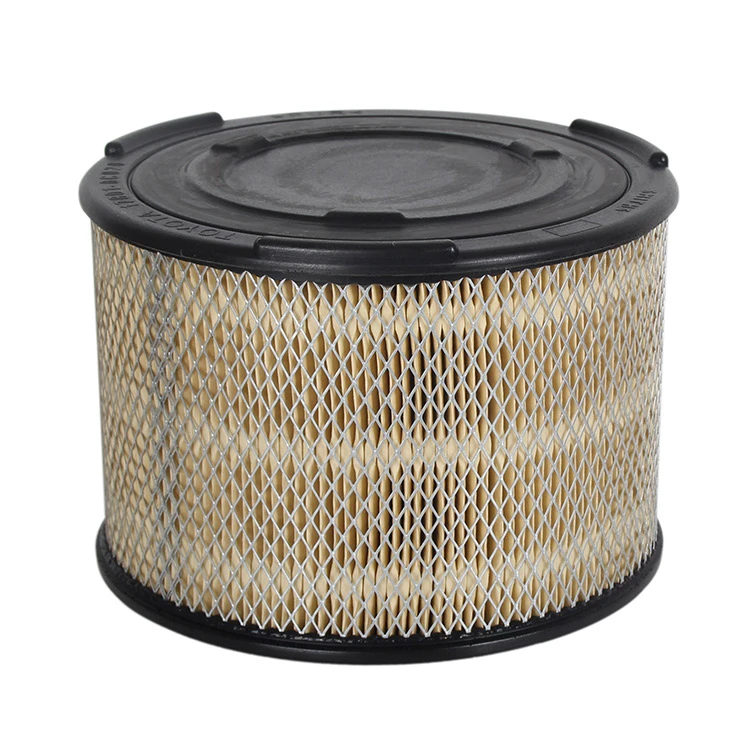
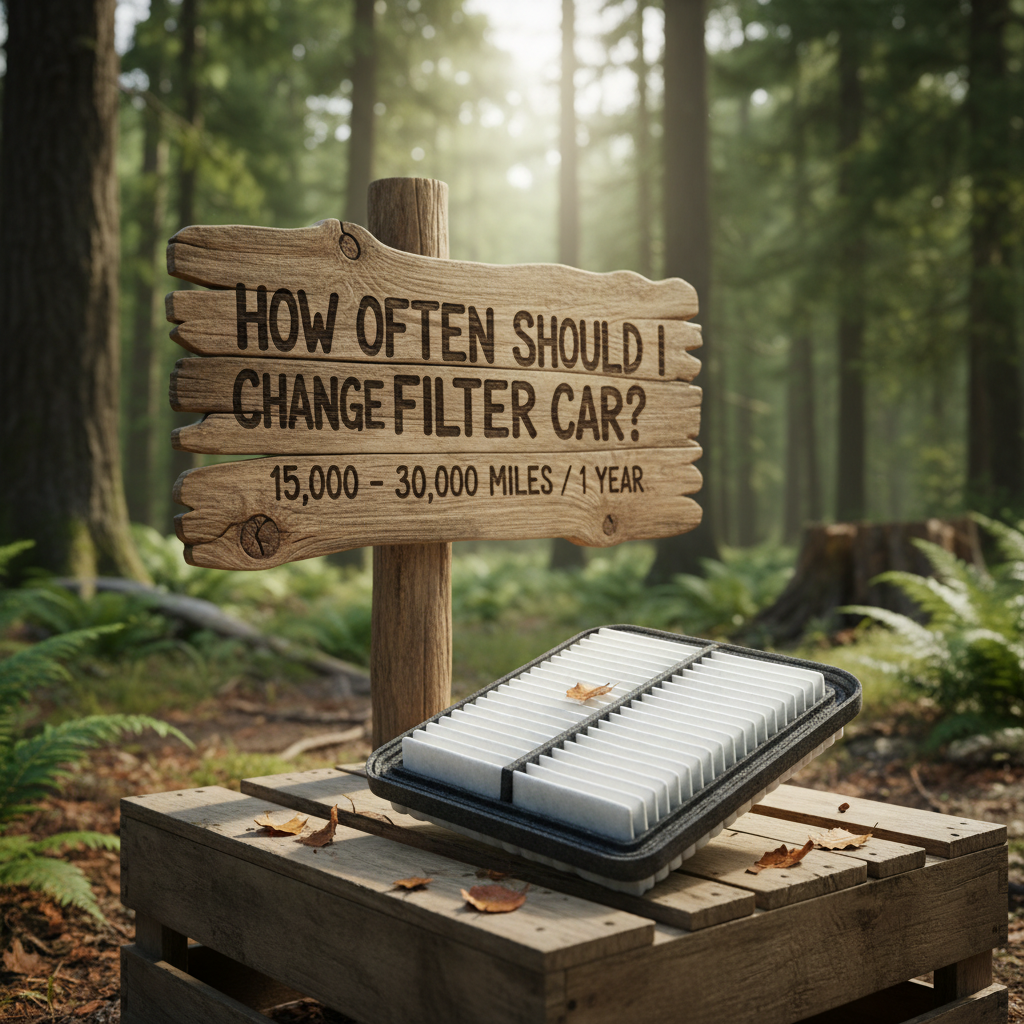 Your car's air filter is a crucial component in maintaining engine health and performance. It prevents dust, debris, and pollutants from entering the engine, ensuring optimal combustion. But how often should you replace it? This article provides a comprehensive guide to determining the ideal air filter replacement schedule, considering various driving conditions and factors. Understanding this will save you money and extend the life of your vehicle. The engine air filter is responsible for cleaning the air before it enters your engine. A clogged air filter restricts airflow, reducing engine efficiency and potentially leading to decreased fuel economy and performance. It can also cause damage to sensitive engine components over time. Regularly checking and replacing your air filter is a simple maintenance task that can have a significant impact on your vehicle's longevity. There are several types of filters available, each with different characteristics and replacement intervals.Legu pli
 -
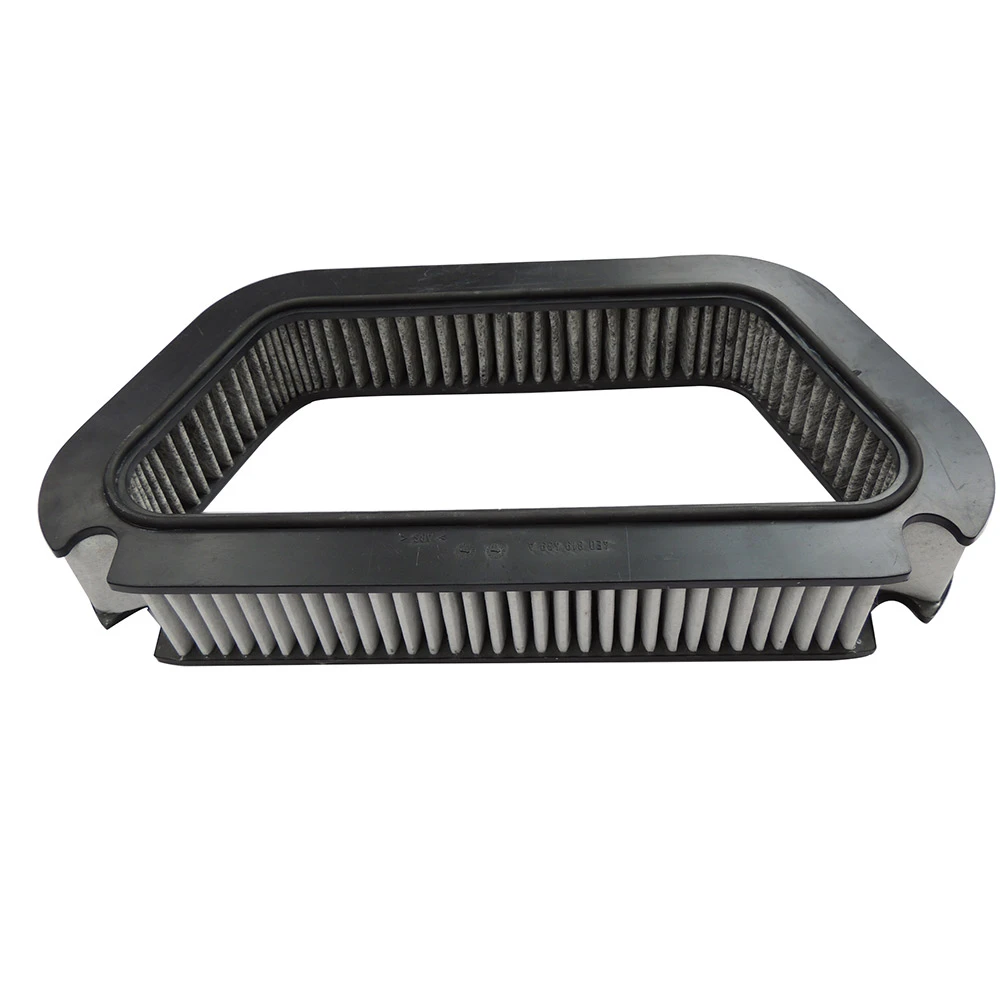
 Your car's cabin air filter plays a vital role in ensuring the air you breathe inside your vehicle is clean and healthy. It traps dust, pollen, pollutants, and other airborne particles, protecting both you and your vehicle's HVAC system. But like any filter, it gets clogged over time and needs replacement. Understanding when to change your cabin air filter is crucial for maintaining good air quality and optimal vehicle performance. This article will guide you through the factors influencing replacement frequency, signs it's time for a new filter, and the benefits of regular maintenance. The cabin air filter is typically located behind the glove compartment or under the dashboard. Its primary function is to filter the air that enters your vehicle's cabin through the ventilation system. Without a functioning cabin air filter, dust, pollen, mold spores, and even exhaust fumes can circulate within the car, leading to discomfort, allergies, and potential health issues. Replacing the filter regularly not only improves air quality but also protects your HVAC system from damage caused by debris buildup.Legu pli
 -
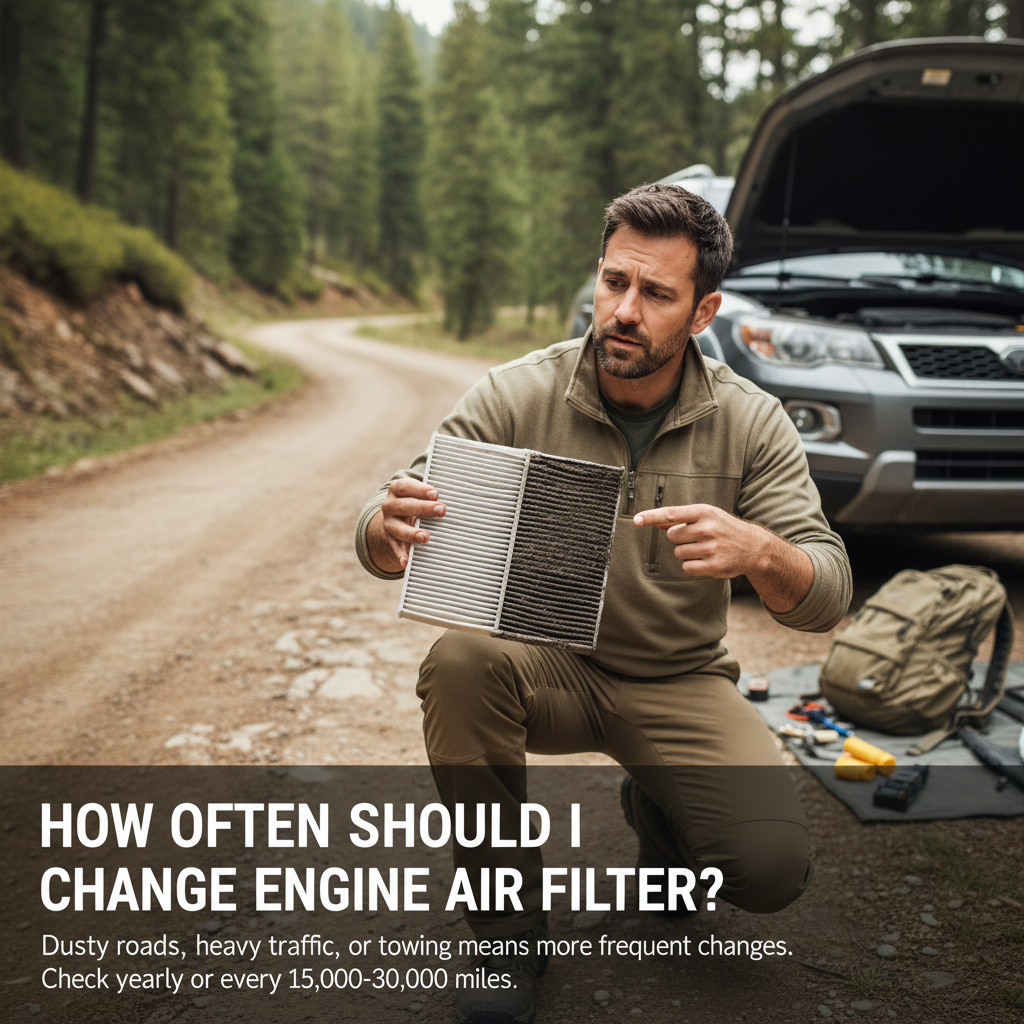 Maintaining your vehicle means staying on top of routine maintenance tasks, and one of the most often overlooked, yet crucial, is changing the engine air filter. A clean air filter ensures optimal engine performance, fuel efficiency, and protects vital engine components. But how often should you change engine air filter? This article will guide you through understanding your filter's needs, factors influencing replacement frequency, and signs it's time for a change. Protecting your engine and maximizing your vehicle’s lifespan starts with a simple, regular check. As a general guideline, most vehicle manufacturers recommend changing the engine air filter every 12,000 to 15,000 miles, or approximately once a year. However, this is a broad recommendation and doesn’t account for specific driving conditions. Modern vehicles with more advanced filtration systems may have slightly extended intervals. Always consult your vehicle’s owner’s manual for the precise recommendation for your make and model. Several factors can accelerate the clogging of your engine air filter, necessitating more frequent replacements. These include driving conditionsLegu pli
 -
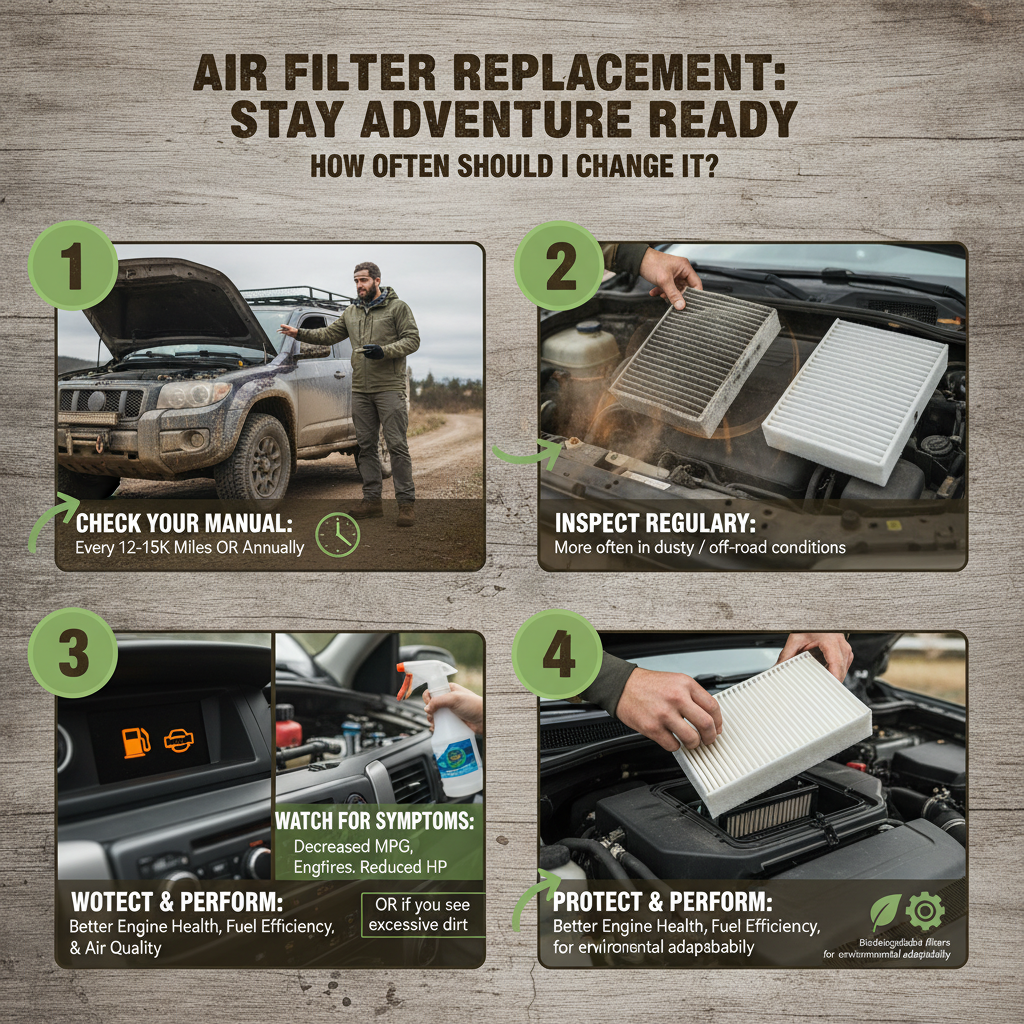 Maintaining your vehicle involves regular checks and replacements of various components, and one of the most frequently asked questions is: how often should I change my air filter car? The air filter plays a crucial role in ensuring optimal engine performance and fuel efficiency. Ignoring this simple maintenance task can lead to decreased performance, increased fuel consumption, and even engine damage. This article will delve into the factors that influence air filter replacement frequency, provide general guidelines, and help you understand when it's time for a new filter. Keeping your engine breathing clean is an investment in its longevity. Your car's engine needs clean air to function efficiently. The air filter is responsible for preventing dust, pollen, debris, and other contaminants from entering the engine. Without a clean air filter, these particles can cause abrasive wear on engine components, reducing their lifespan and potentially leading to costly repairs.Legu pli
 -
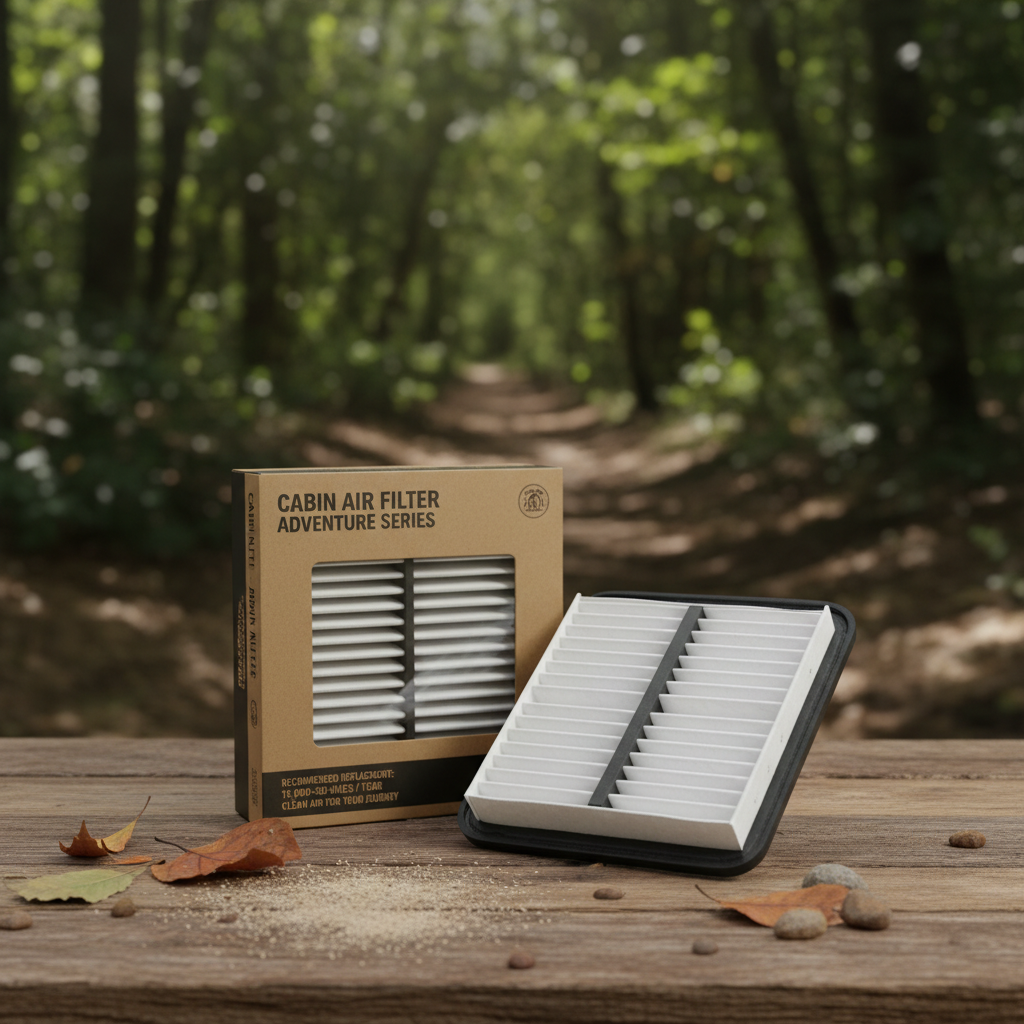 Your car’s cabin air filter plays a crucial role in maintaining the air quality inside your vehicle, impacting both your health and comfort. But how often should you replace it? This article will guide you through the factors influencing cabin air filter replacement, signs that indicate it’s time for a change, and the benefits of maintaining a clean filter. We’ll also explore different filter types and offer guidance on where to find high-quality replacements, like those available at JY Filter. Keeping your cabin air filter clean is a small investment that yields significant benefits for you and your vehicle. The cabin air filter is designed to clean the air that enters your vehicle's passenger compartment. It removes dust, pollen, mold spores, and other airborne particles, providing you with cleaner, healthier air while driving. A clogged or dirty cabin air filter can reduce airflow, causing your air conditioning and heating systems to work harder, decreasing their efficiency and potentially leading to increased energy consumption.Legu pli
 -
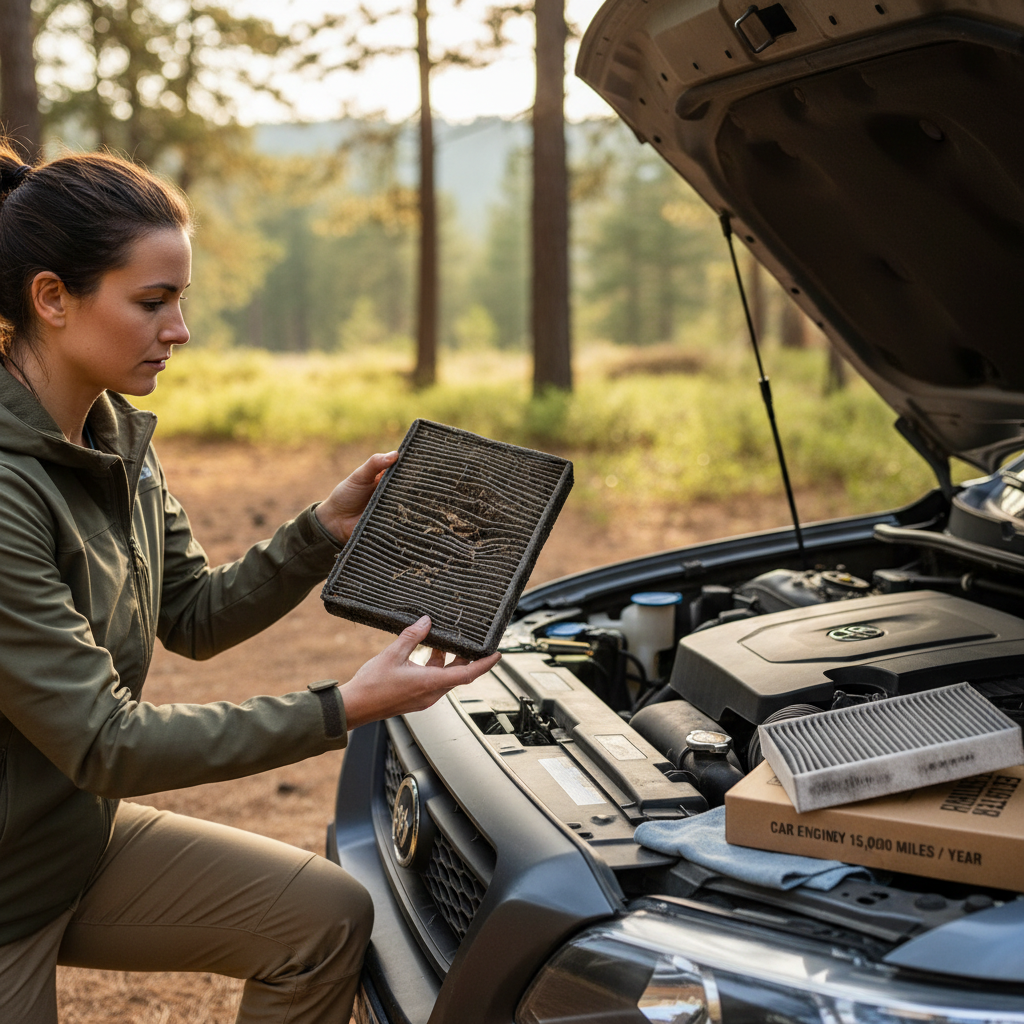 Your car's engine air filter is a vital component in maintaining optimal engine performance and fuel efficiency. It prevents dust, debris, and pollutants from entering your engine, which can cause significant damage over time. But knowing how often to change it is crucial. This article will guide you through the factors influencing filter replacement, recommended intervals, and how to inspect your filter for signs of wear. Ignoring your air filter can lead to reduced gas mileage, decreased acceleration, and even costly engine repairs. Let's dive into the details and ensure your engine breathes easy! The engine air filter's primary job is to clean the air entering your engine's combustion chamber. Without a clean air filter, contaminants can cause internal engine wear, reduce fuel efficiency, and trigger check engine lights. Modern air filters are often made of pleated paper, foam, or cotton gauze. Each material has varying levels of filtration and durability. The filter traps particles as small as microns, protecting sensitive engine components from abrasion. A clogged air filter restricts airflow, forcing the engine to work harder, leading to decreased performance and potentially long-term damage.Legu pli
 -
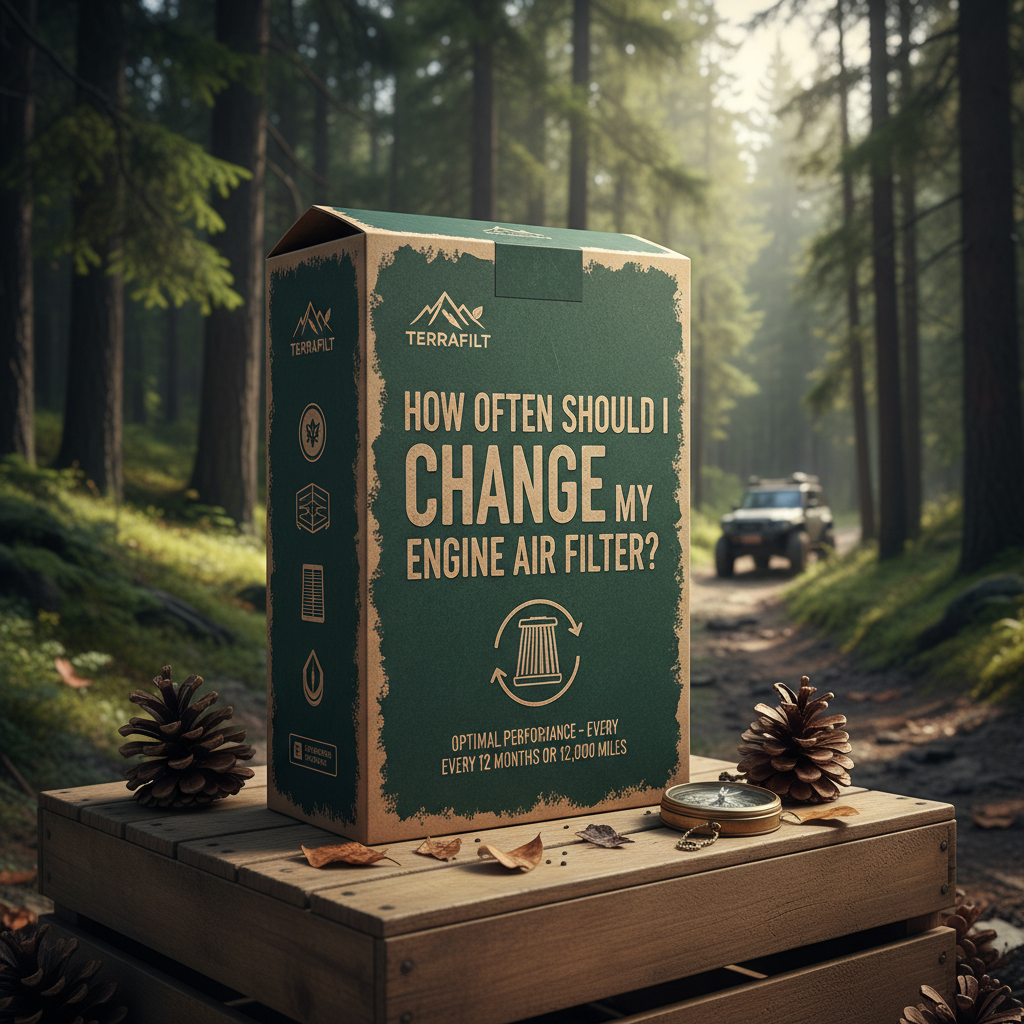 Your engine air filter is a critical component in maintaining your vehicle’s performance and longevity. It prevents dirt, dust, and debris from entering your engine, which can cause significant damage over time. But how often should you change your engine air filter? The answer isn’t always straightforward and depends on several factors. This article will explore those factors and provide guidance to help you keep your engine running smoothly. Ignoring this maintenance can lead to decreased fuel efficiency, reduced engine power, and even costly repairs. Let’s dive in! The engine air filter's primary job is to clean the air entering your engine. Combustion requires air, but unfiltered air contains abrasive particles that can wear down engine components. A clean air filter ensures only clean air reaches the engine, protecting it from damage and maintaining optimal performance. A clogged air filter restricts airflow, forcing the engine to work harder, decreasing fuel efficiency, and potentially causing damage to sensitive components like the mass airflow sensor. Regular replacement is crucial for avoiding these issues.Legu pli
 -
Your car's cabin air filter is a vital component for maintaining the air quality inside your vehicle. Often overlooked, this filter protects you and your passengers from harmful pollutants, dust, pollen, and other airborne particles. But knowing when to replace your cabin air filter is crucial for optimal performance and health. This article will provide a comprehensive guide to help you determine the appropriate replacement schedule, considering factors like driving conditions and filter type. We will also look into the benefits of a fresh filter and how to choose the right replacement from JY Filter. The cabin air filter works by cleaning the air that enters your car's ventilation system. As air flows through the filter, it traps pollutants, allergens, and debris, preventing them from circulating inside the vehicle. A clogged filter reduces airflow, impacting your HVAC system’s efficiency and potentially leading to musty odors. It can also exacerbate allergies and respiratory issues for occupants. Regular replacement ensures clean, fresh air, improving overall comfort and driving experience.Legu pli
-
Your engine air filter is a critical component in maintaining your vehicle's performance and efficiency. A clean air filter ensures that only clean air reaches your engine, protecting it from harmful contaminants. But how often should you replace it? The answer isn’t always straightforward, as it depends on several factors. At JY Filter, we understand the importance of regular maintenance and provide high-quality air filters to keep your engine running smoothly. This article will cover the factors influencing replacement frequency, signs it's time for a new filter, and offer guidance for various driving conditions. The engine air filter’s primary job is to prevent dust, dirt, pollen, and other debris from entering your engine. These contaminants can cause significant wear and tear, reducing performance and fuel efficiency. A clogged air filter restricts airflow, forcing the engine to work harder. This can lead to decreased acceleration, reduced gas mileage, and even engine damage over time.Legu pli