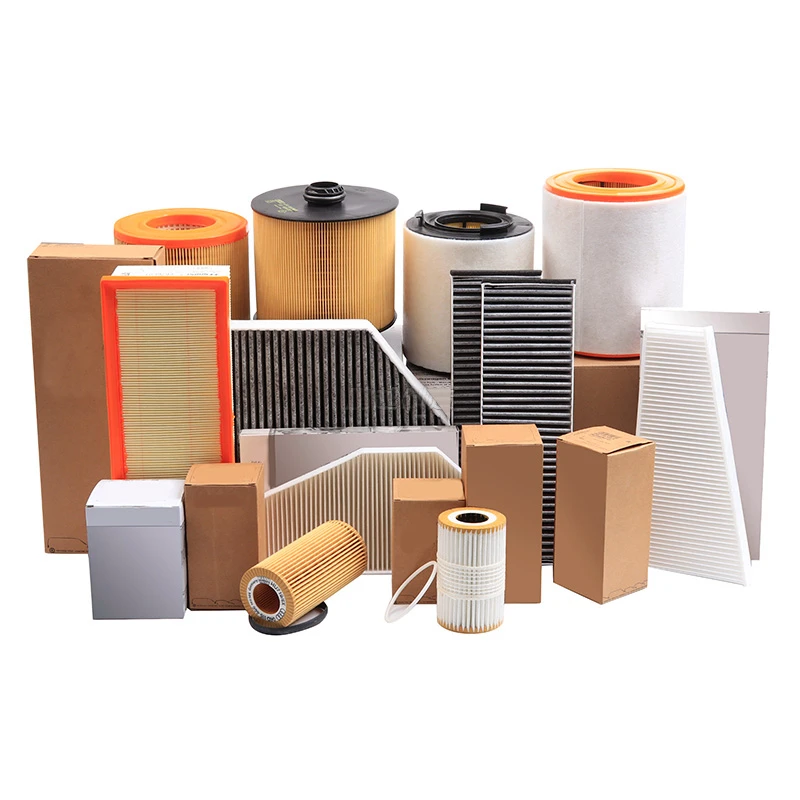
Why You Should Seriously Consider Where to Buy Cabin Air Filters
When we talk about buying cabin air filters, it might not seem like the hottest topic on the planet — but honestly, it’s one of those unsung heroes in automotive health and indoor air quality that affects millions worldwide. Oddly enough, clean air inside your car is something almost everyone overlooks until a smelly, dusty, or allergen-filled ride forces attention. Globally, increasing urban pollution, plus recent public health scares, make understanding and investing in quality cabin air filters more relevant than ever. In this article, let's break down why choosing the right cabin air filter matters, how they work, and the emerging trends shaping this quietly crucial industry.
Introduction: The Global Importance of Buying Cabin Air Filters
Did you know that according to the World Health Organization, ambient air pollution causes an estimated 4.2 million premature deaths annually? While most discussions focus on outdoor air, what happens inside your car matters quite a bit too. Modern vehicles are built tighter than ever, which, while improving fuel efficiency, can trap harmful particles inside. This has pushed the global market for cabin air filters to grow steadily. In fact, market analysts anticipate the cabin air filter market to exceed USD 4 billion by 2027.
Yet, many drivers are unaware of their filter's condition or brand origin, often buying spares at random. This is a genuine problem if you consider that a low-quality filter might trap less than 50% of pollutants, while a premium one can filter out 90% or more, including harmful nitrogen oxides, dust, mold, and pollen.
Definition & Meaning
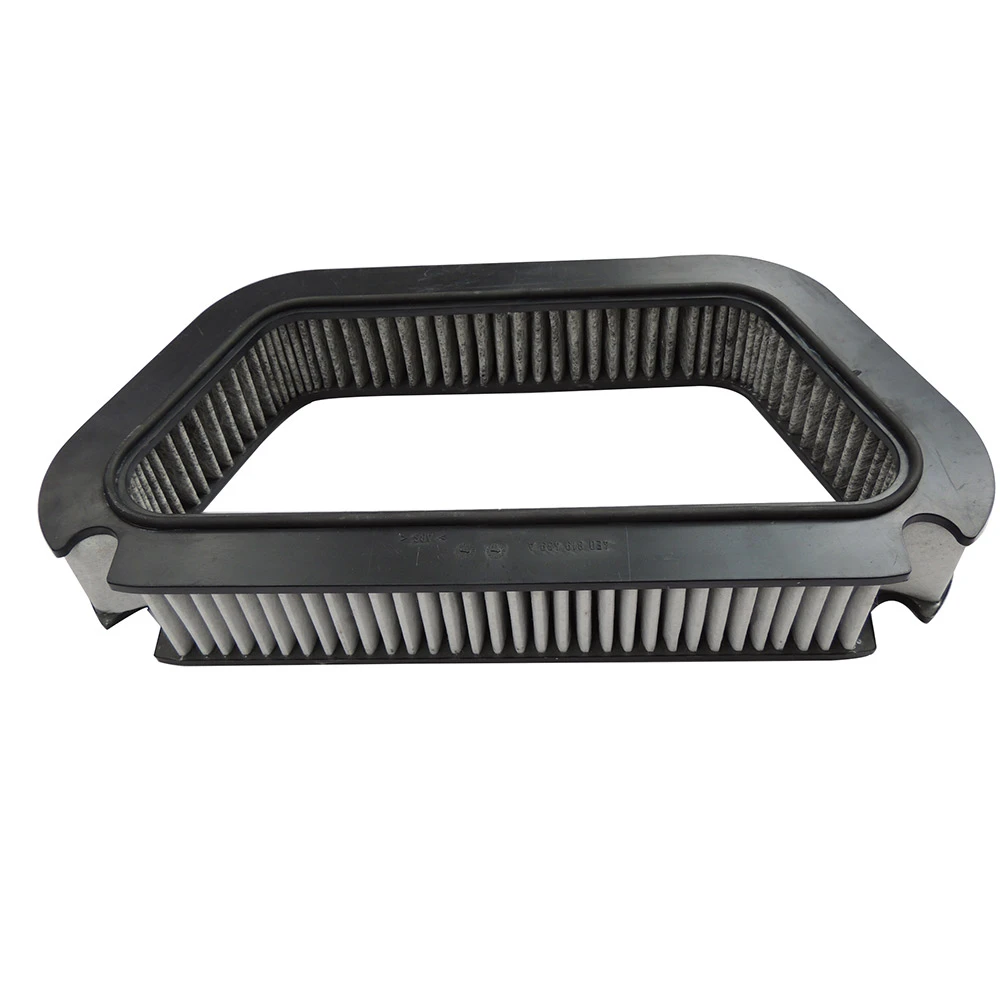
In simple terms, a cabin air filter is the small but critical component within your vehicle’s ventilation system that cleans incoming air before it reaches the passengers. It captures pollutants and allergens, significantly improving air quality inside cars, trucks, and buses. As vehicles embrace cleaner technologies, the role of cabin air filters is also evolving to complement high-tech air purification and to meet stricter regulations on interior air quality, a subject ISO and automotive safety standards increasingly recognize.
Key Factors to Consider When Buying Cabin Air Filters
1. Filtration Efficiency
This is probably the most talked-about feature — how well the filter traps particles. Look for filters rated to capture PM2.5 and ultra-fine particles since these penetrate deeply into lungs.
2. Durability and Replacement Interval
Some filters can last 12,000 to 15,000 miles before needing replacement, but that depends on your environment. For dusty or urban areas, changing more frequently might be best.
3. Material Quality
Materials range from basic paper to activated carbon and even HEPA-level fibers. Activated carbon filters help adsorb odors and gases, which feels like a step above simply trapping dust.
4. Fit and Compatibility
It’s tempting to pick a generic filter, but compatibility with your vehicle makes a big difference in performance. A bad fit can let pollutants bypass the filter entirely.
5. Cost Efficiency
Cheaper filters may save upfront but can let pollutants through or demand replacement sooner. A premium filter can offer better value over time, particularly for sensitive individuals.
| Spec | Standard Filter | Activated Carbon Filter | HEPA Filter |
|---|---|---|---|
| Particle Filtration Efficiency | ~75% | ~85% | >99.7% |
| Odor & Gas Removal | No | Yes | Yes |
| Typical Replacement Interval | 12,000 miles | 15,000 miles | 15,000 miles |
| Cost Estimate | $15–$25 | $25–$40 | $40–$60 |
Global Applications & Use Cases
Cabin air filters are everywhere—urban cars in Beijing dealing with smog, taxis in New York reducing passenger allergies, or trucks navigating dusty African roads. Emergency response vehicles in disaster zones use premium filters to keep crews safe from ash or chemicals. In Arctic regions, filters reduce pollen and spores during brief summers. The versatility proves essential not just for comfort but for occupational health.
For businesses and NGOs, buying reliable cabin air filters is critical when fleets must operate in unpredictable conditions. I’ve heard from fleet managers that improper filtration can even cause health insurance costs to rise due to respiratory issues among drivers.
Advantages & Long-Term Value
- Health & Safety: Protects drivers and passengers from harmful particles and allergens.
- Vehicle Maintenance: Prevents dust from dirtying HVAC systems, reducing repair frequency.
- Cost Efficiency: Though premium filters cost more upfront, they save on medical bills and vehicle servicing long-term.
- Emotional Peace of Mind: Knowing your family or employees breathe cleaner air creates trust and comfort.
Future Trends & Innovations
The industry is moving toward smart filters embedded with sensors that can alert when replacement is due — a big leap beyond “just guesswork.” There’s robust research on sustainable materials, like biodegradable fibers and activated carbon from waste products. More vehicles, especially electric ones, expect better cabin air quality as consumers demand cleaner living spaces.
On top of that, digital integration with vehicle apps allows monitoring pollutant levels in real time, letting drivers decide when to switch recirculation modes or buy new filters.
Challenges & Solutions
One common problem is filter counterfeit products flooding the market, offering inferior protection. Trustworthy vendors and certifications (e.g., ISO 16890) are key to ensuring what you buy actually performs as promised. Also, regional variations in air pollution make universal filter specs impractical, so customization is gaining traction.
New filtration technologies that combine antibacterial coatings and allergen blockers show promise, although these can be more expensive — but frankly, the added health benefits justify this for many consumers.
| Vendor | Filter Types | Price Range | Warranty & Certification | Availability |
|---|---|---|---|---|
| JyFilter Co. | Standard, Activated Carbon, HEPA | $15–$60 | 1 Year, ISO 16890 Certified | Worldwide (Online) |
| CleanRide Filters | Activated Carbon Only | $20–$40 | 6 Months, CE Certified | North America & EU |
| AirPure Solutions | Standard, HEPA | $18–$55 | Lifetime Support, ISO Certified | Asia & Australia |
FAQ: Frequently Asked Questions About Buying Cabin Air Filters
Q1: How often should I replace my cabin air filter?
A: The general rule of thumb is every 12,000 to 15,000 miles. However, if you often drive in heavy pollution or dusty areas, consider checking it every 6,000 to 8,000 miles. It’s best to follow your vehicle manufacture’s guidance while assessing local conditions.
Q2: Are activated carbon filters worth the extra money?
A: Yes, especially if you are sensitive to odors, chemicals, or allergies. They do a better job at trapping gases and unpleasant smells compared to standard filters.
Q3: Can I buy generic cabin air filters to save money?
A: You can, but beware of filter fit and quality. An ill-fitting or low-grade filter may not protect effectively and can let pollutants bypass the filter entirely, potentially harming your health.
Q4: Where’s a reliable place to buy cabin air filters online?
A: Trusted sources like buy cabin air filter from reputable vendors with clear certifications and warranty policies. Avoid marketplaces with unverified sellers to ensure quality and authenticity.
Q5: Do electric cars need different cabin air filters?
A: Not necessarily different filters, but electric vehicles tend to have better HVAC integration and may demand higher filtration standards due to tighter cabin sealing.
Conclusion
Overall, the importance of where and how you buy cabin air filters can’t be overstated. It’s an investment not just in your car, but your long-term health and comfort, especially in increasingly polluted parts of the world. If you want peace of mind and proven performance, check out buy cabin air filter options that balance quality with cost-effectiveness.
Air quality inside vehicles might feel like a small detail, but frankly, it’s one that makes every journey safer and more pleasant.
References:
-
Guide on how often do you need to replace engine air filterNewsApr.16,2026
-
Learn how often do you replace air filter in car for engine healthNewsApr.09,2026
-
How Often Do You Replace Car Air Filter For Optimal Engine PerformanceNewsApr.07,2026
-
How Often Do You Replace Engine Air Filter For Optimal Vehicle PerformanceNewsApr.04,2026
-
Understanding How Often Does Engine Air Filter Need to Be Replaced for Optimal PerformanceNewsMar.31,2026
-
How Often Engine Air Filter Change Impacts Performance and LongevityNewsMar.28,2026
-
Understanding How Often to Replace Your Car Air Filter for Optimal PerformanceNewsMar.26,2026
Related Products