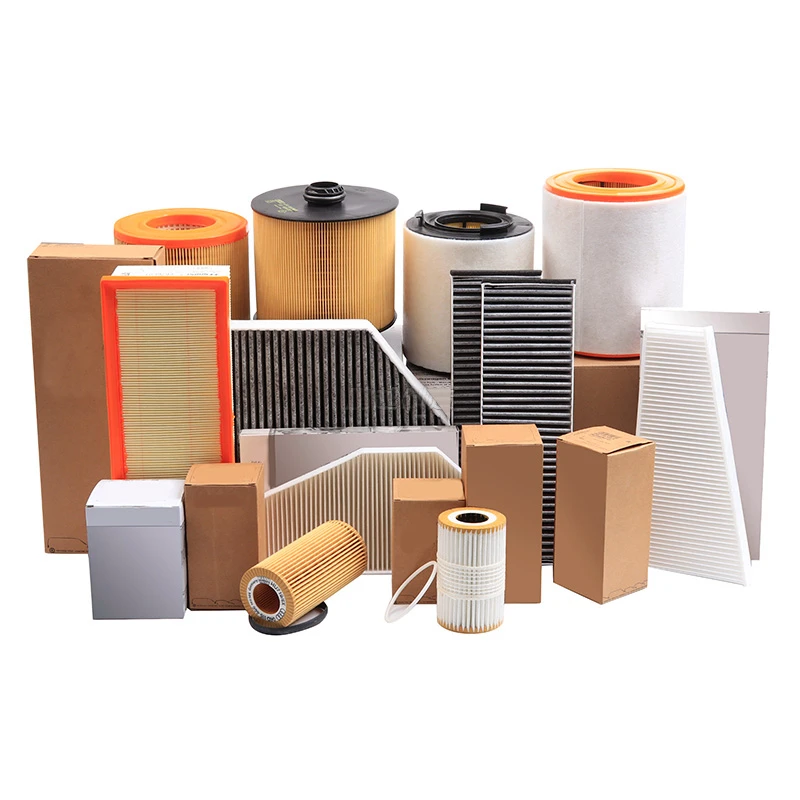
What Does an Air Filter Do for Your Car?
Your car's engine needs clean air to run efficiently, and that's where the air filter comes in. It’s a seemingly small component, but absolutely crucial for maintaining your vehicle’s performance and longevity. A dirty or clogged air filter can significantly impact your fuel economy, engine power, and even cause long-term damage. Understanding the role of your air filter, and knowing when to replace it, is a key part of responsible car ownership. At JY Filter, we specialize in providing high-quality air filters for a wide range of vehicles.
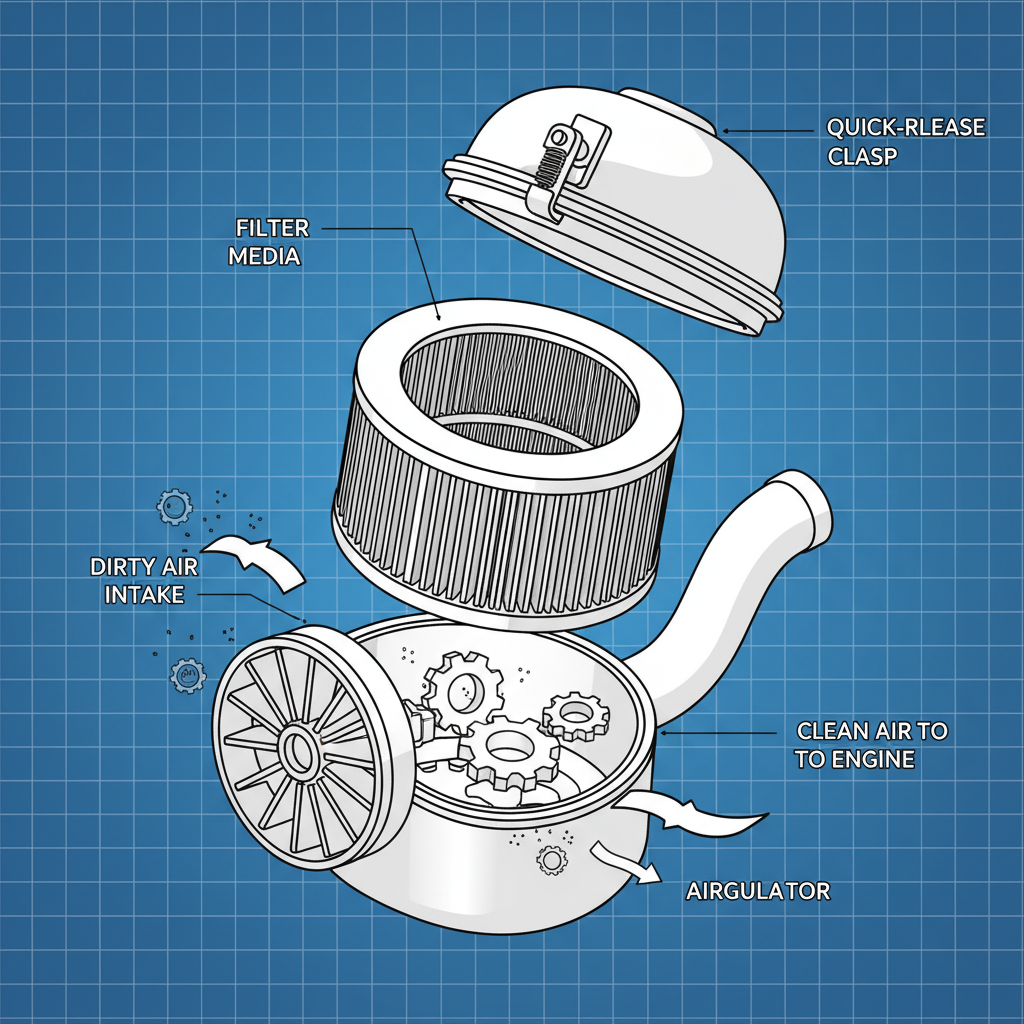
The Primary Function: Keeping Contaminants Out
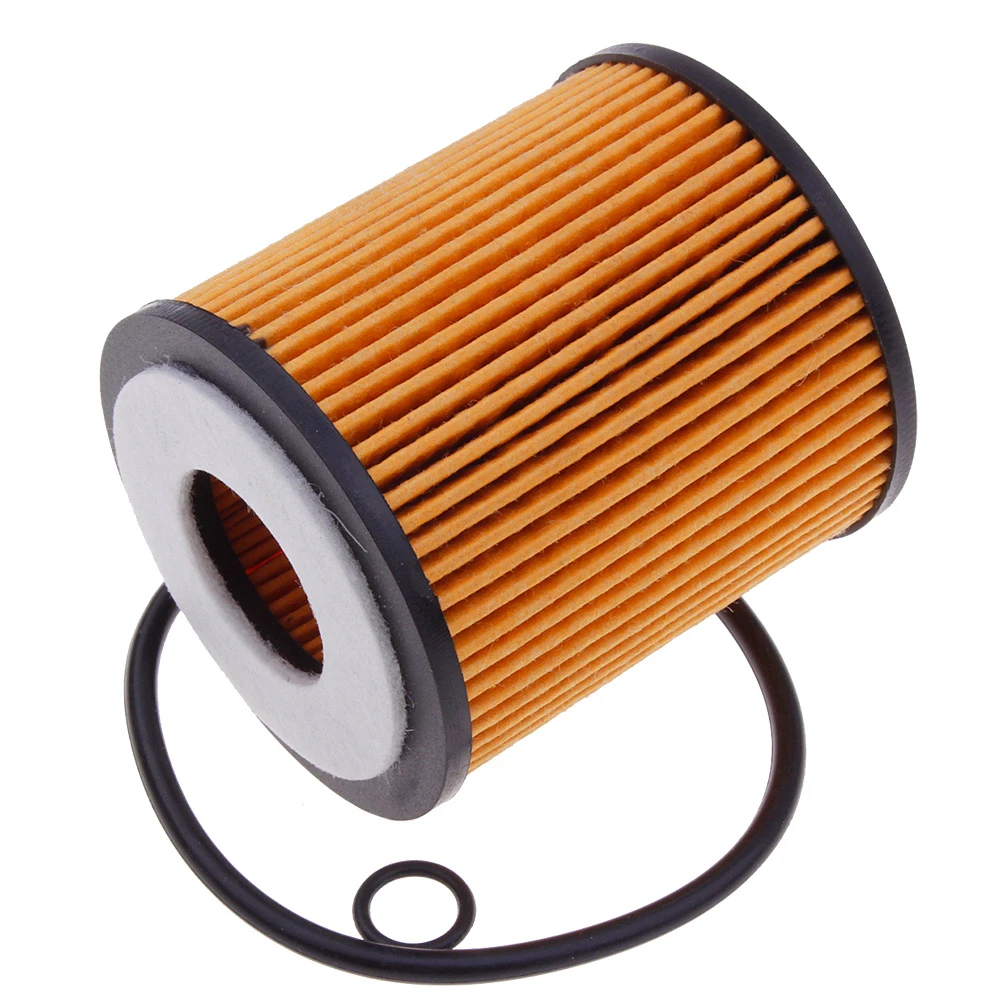
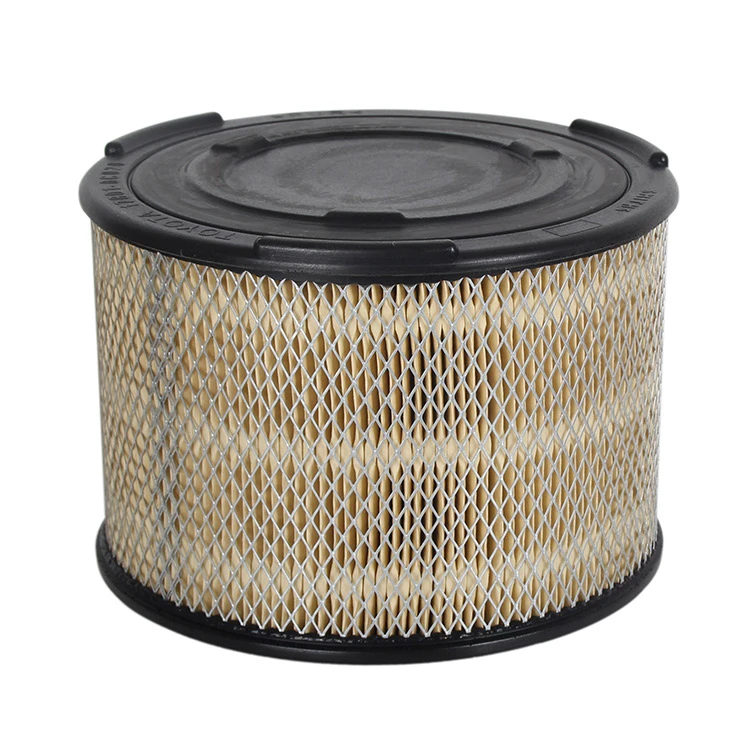
The main job of a car's air filter is to prevent dirt, dust, pollen, leaves, and other debris from entering your engine. The air entering the engine is drawn in through the air intake, and the air filter sits between the intake and the engine. Without an air filter, these contaminants would cause significant wear and tear on the engine's internal components, like the pistons and cylinder walls. This wear leads to reduced efficiency, decreased power, and potentially costly repairs. A clean air filter ensures only clean air reaches the combustion chamber.
How an Air Filter Impacts Engine Performance
A clean air filter allows the engine to breathe easily. When the filter is clogged, the engine has to work harder to pull in air, resulting in reduced horsepower and acceleration. This also forces the engine control unit (ECU) to compensate by delivering more fuel to maintain performance, ultimately decreasing fuel economy. JY Filter's air filters are designed to maximize airflow while providing excellent filtration, helping you maintain optimal engine performance.
Key Benefits of a Clean Air Filter: Improved engine performance, better fuel economy, extended engine life, reduced emissions.
Types of Air Filters: Which One is Right for You?
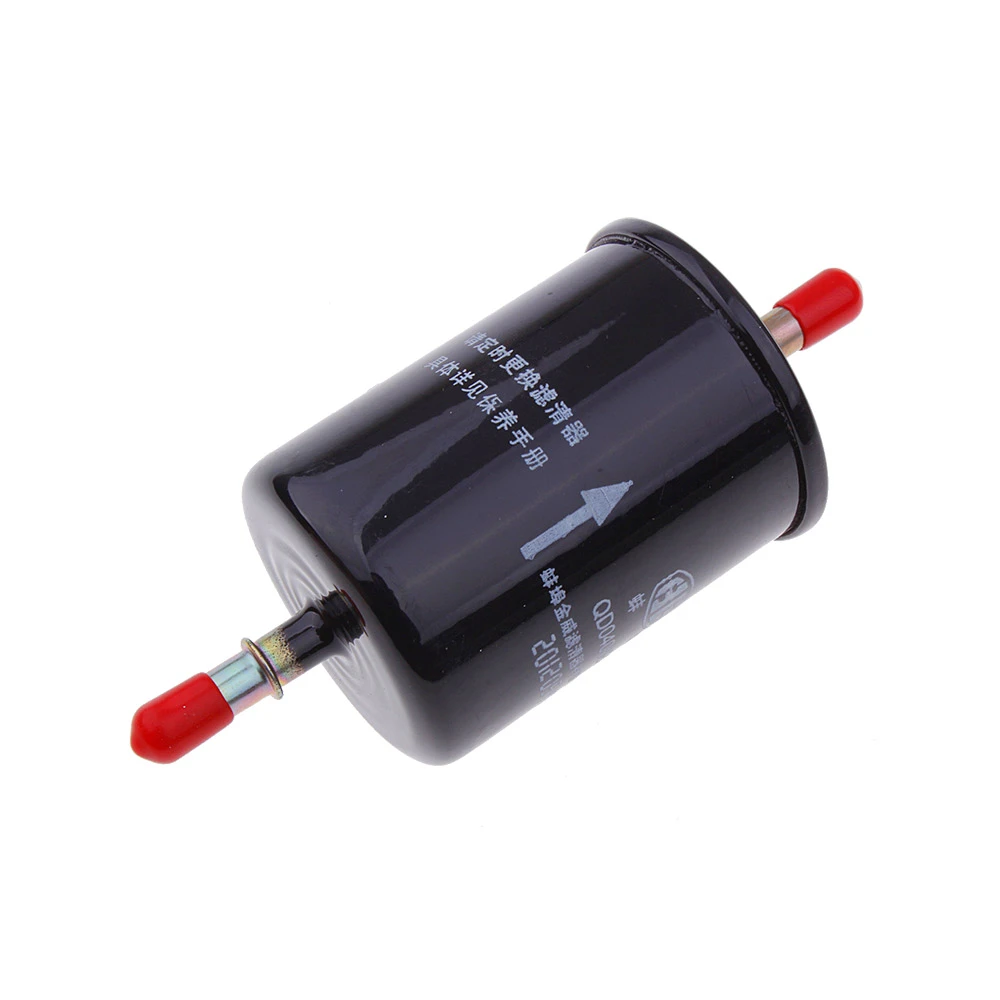
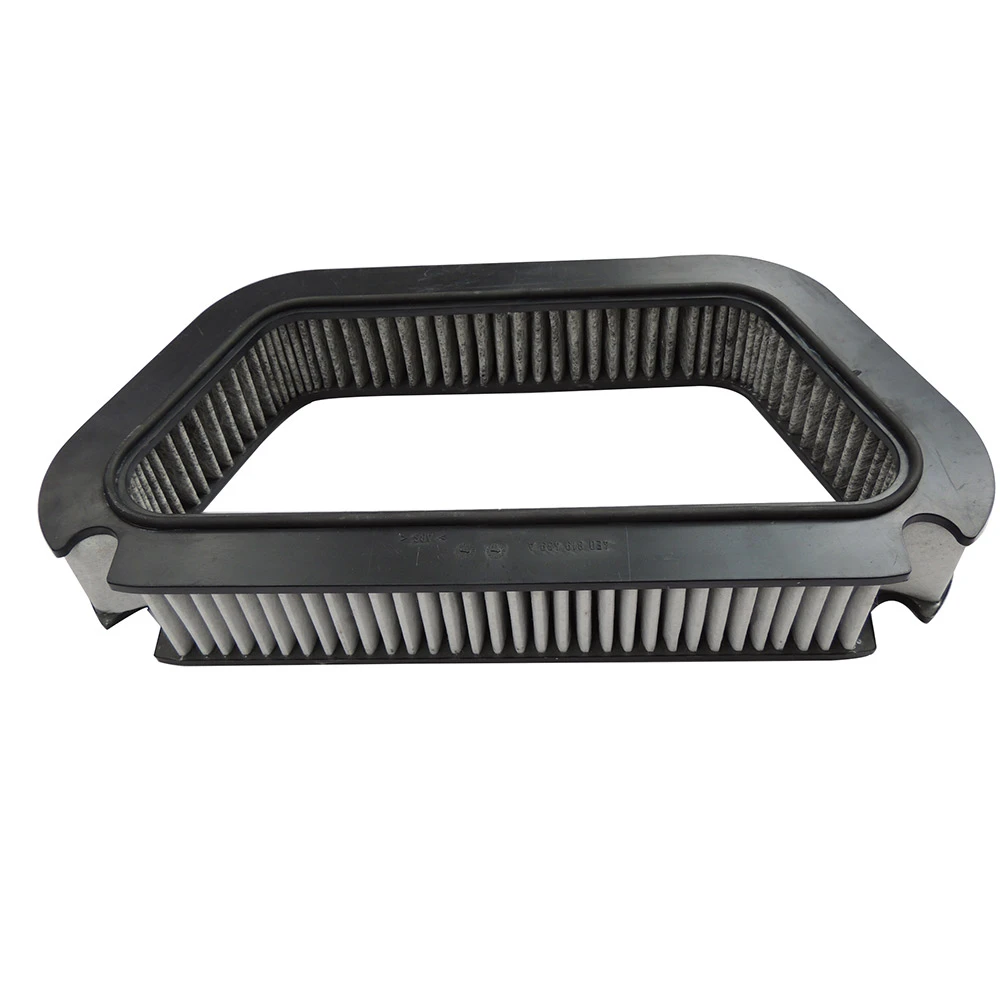
There are several types of car air filters available, each with its own pros and cons. The most common types include:
When Should You Replace Your Air Filter?
The frequency of air filter replacement depends on your driving conditions. If you regularly drive in dusty or polluted areas, you'll need to replace it more often. A good rule of thumb is to check your air filter every 12,000 to 15,000 miles, or at least once a year. Visible dirt and debris are clear indicators that it’s time for a change. Ignoring this maintenance can lead to decreased performance and increased engine wear.
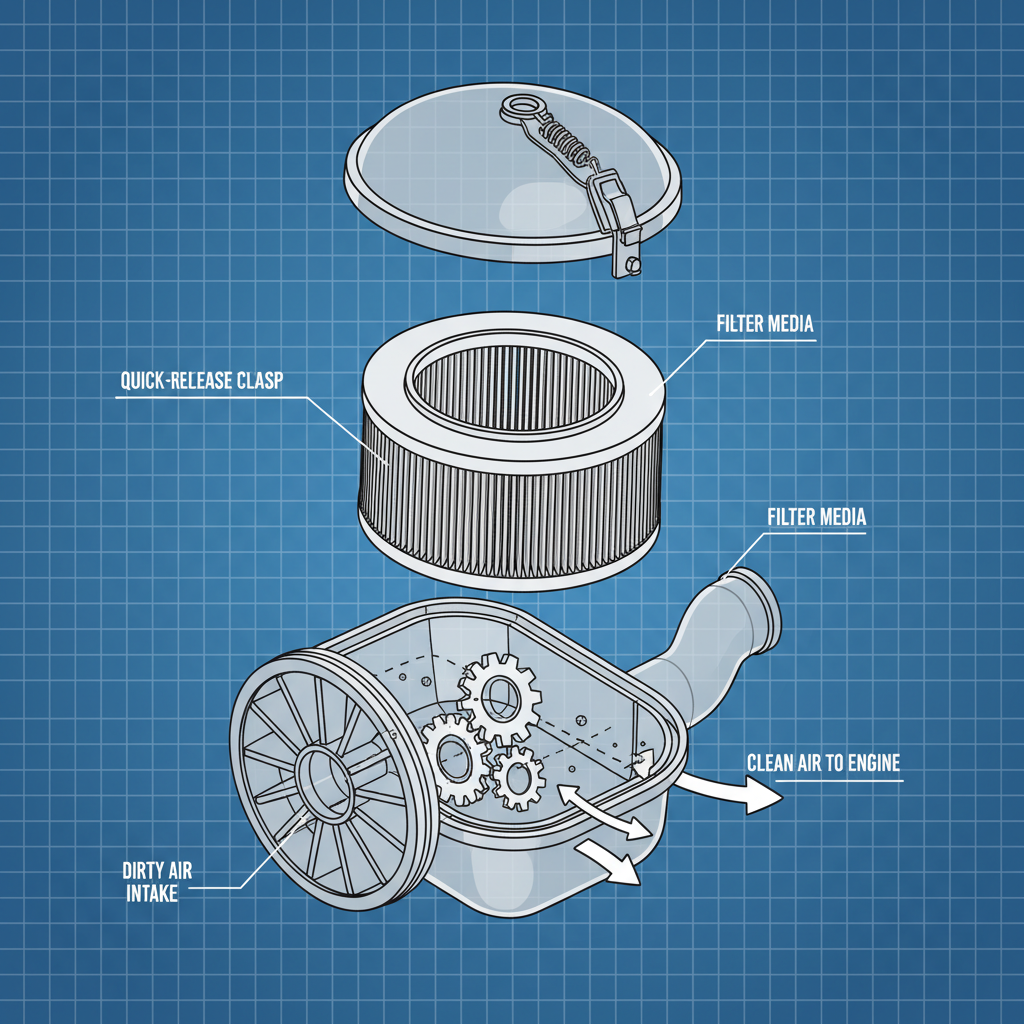
Choosing the Right Air Filter from JY Filter
At JY Filter, we offer a wide selection of high-quality air filters to fit most makes and models. Our filters are engineered to provide superior filtration, maximum airflow, and long-lasting performance. We use premium materials and rigorous quality control standards to ensure our filters meet or exceed industry specifications. Browse our catalog today to find the perfect air filter for your vehicle and experience the difference!
Conclusion: Breathe Easy with a Clean Air Filter
A clean air filter is essential for maintaining your car’s engine health, optimizing performance, and maximizing fuel efficiency. Don’t underestimate the importance of this small but mighty component. Regular inspection and replacement, coupled with high-quality filters from JY Filter, will keep your engine running smoothly for years to come.
Frequently Asked Questions (FAQs)
How often should I check my car’s air filter?
It’s a good practice to check your air filter at least every 12,000 to 15,000 miles, or once a year. However, if you frequently drive in dusty or polluted environments, it's best to check it more often – perhaps every 6,000 to 8,000 miles. Visually inspect the filter for dirt and debris. If it looks dirty, it’s time to replace it. A simple visual check can save you money on fuel and prevent potential engine problems.
What happens if I drive with a clogged air filter?
Driving with a clogged air filter can lead to several issues. Your engine won’t receive enough clean air, resulting in reduced horsepower and acceleration. The engine will have to work harder, decreasing fuel economy. Over time, this can cause premature wear and tear on engine components like pistons and cylinder walls, potentially leading to expensive repairs. It can also increase emissions and cause the "check engine" light to illuminate.
Can I wash and reuse my car’s air filter?
While some air filters, like those made of cotton gauze, are designed to be reusable after cleaning, most standard paper air filters are not. Attempting to wash a paper filter will damage the filtering material and reduce its effectiveness. Reusable filters require a specific cleaning and re-oiling process. At JY Filter, we recommend replacing standard paper filters each time for optimal performance.
How difficult is it to replace a car’s air filter?
Replacing a car’s air filter is generally a simple DIY task that most car owners can handle. It typically involves locating the air filter housing (usually a black plastic box under the hood), removing the cover, taking out the old filter, and installing the new one. It usually requires basic tools like a screwdriver or wrench. However, if you are uncomfortable performing this task, it’s best to consult a professional mechanic. You can also find instructional videos online demonstrating the process for your specific vehicle model.
-
Guide on how often do you need to replace engine air filterNewsApr.16,2026
-
Learn how often do you replace air filter in car for engine healthNewsApr.09,2026
-
How Often Do You Replace Car Air Filter For Optimal Engine PerformanceNewsApr.07,2026
-
How Often Do You Replace Engine Air Filter For Optimal Vehicle PerformanceNewsApr.04,2026
-
Understanding How Often Does Engine Air Filter Need to Be Replaced for Optimal PerformanceNewsMar.31,2026
-
How Often Engine Air Filter Change Impacts Performance and LongevityNewsMar.28,2026
-
Understanding How Often to Replace Your Car Air Filter for Optimal PerformanceNewsMar.26,2026
Related Products