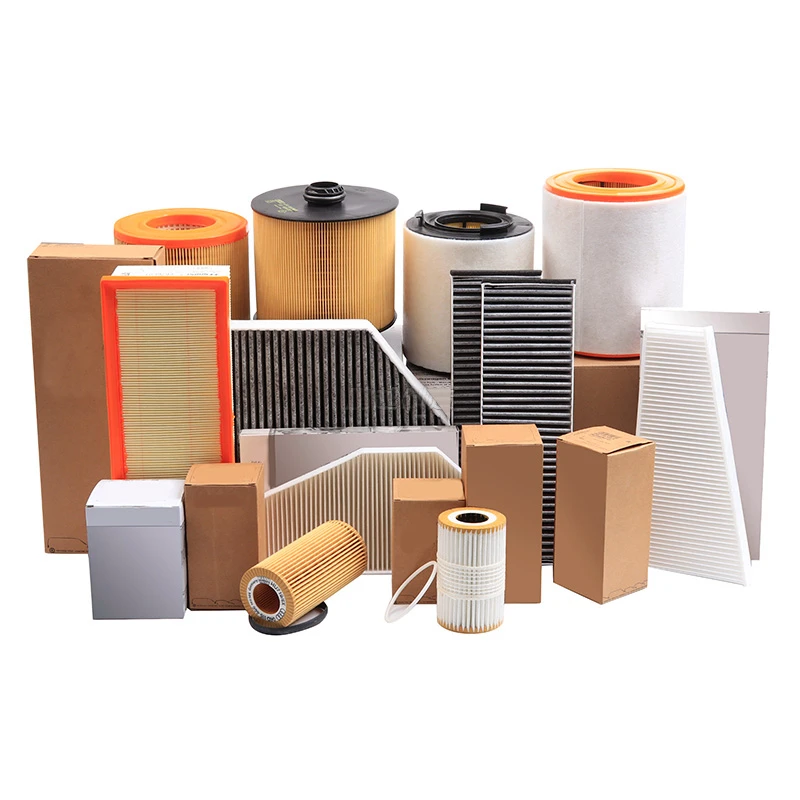
Air Conditioner Filter Companies: Their Global Impact and Why They Matter
Air conditioner filter companies play an unsung yet vital role in modern comfort and public health. At a glance, it might seem like just another industrial niche, but these companies serve as gatekeepers of air quality, energy efficiency, and sustainability worldwide. With urbanization accelerating and climate control becoming ever more essential, understanding the work of air conditioner filter companies is crucial.
Globally, poor air quality causes millions of premature deaths each year, according to the World Health Organization. At the same time, air conditioners are used by billions and contribute significantly to global energy consumption. Filter companies sit squarely at this intersection, offering products that safeguard indoor environments while reducing pollution and energy waste — a win-win, if you ask me.
Introduction: Why Global Businesses Need Quality Air Conditioner Filter Companies
The market for air conditioning filters is booming, thanks to rising temperatures, expanding urban populations, and stricter indoor air quality standards enforced by agencies like ISO and ASHRAE. According to the International Energy Agency, air conditioning accounts for about 10% of global electricity use — a figure that’s only set to rise.
Amid these global trends, reliable air conditioner filter companies become indispensable partners for industries, governments, and commercial buildings who want to balance safety, comfort, and costs. The challenge? Ensuring filters not only clean air effectively but also last longer and adapt to different environments — be it tropical megacities or arid industrial zones.
What Exactly Are Air Conditioner Filter Companies?
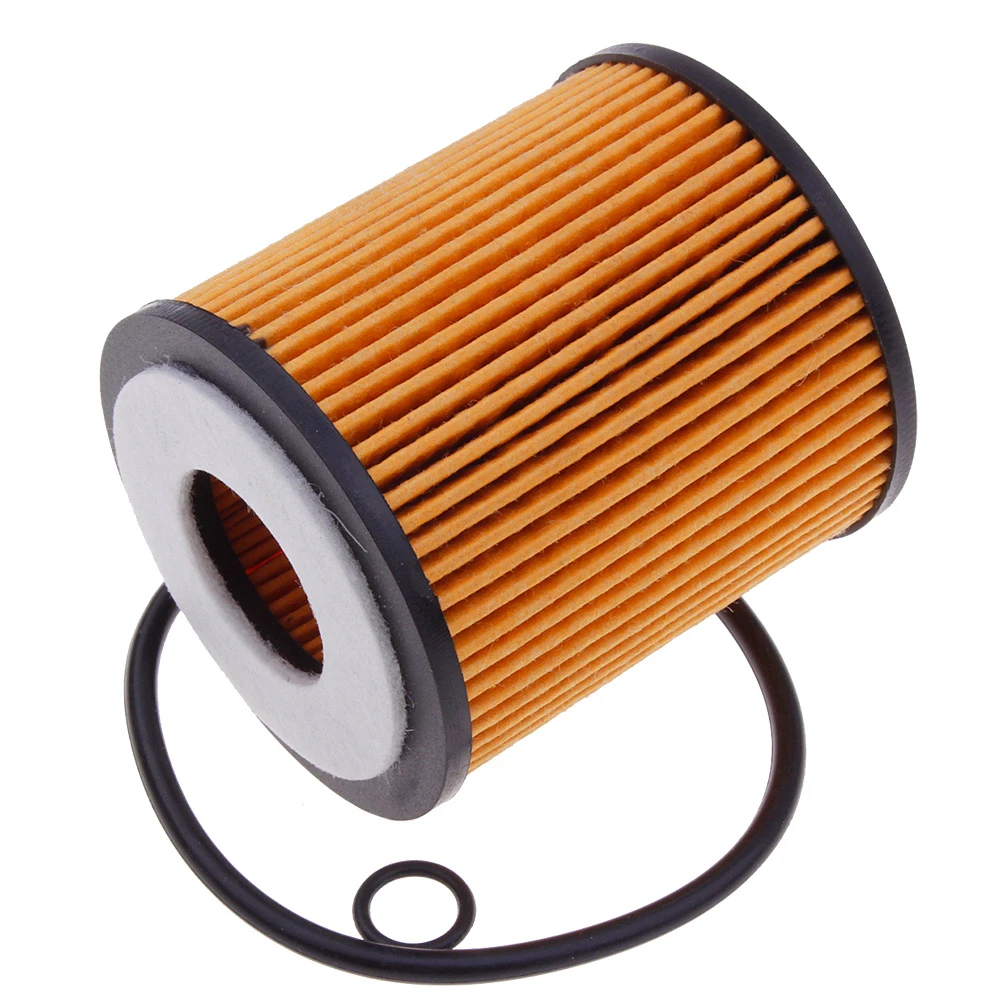
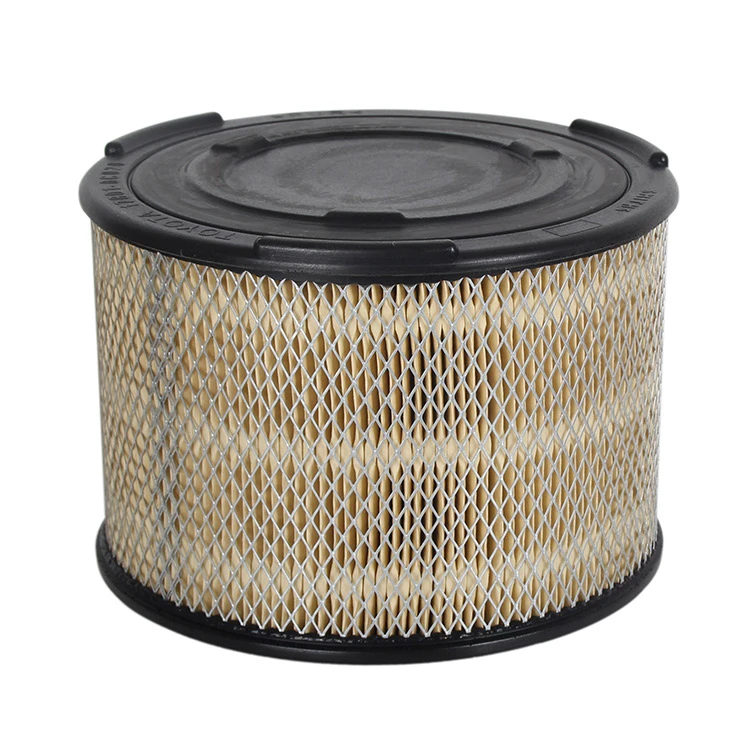
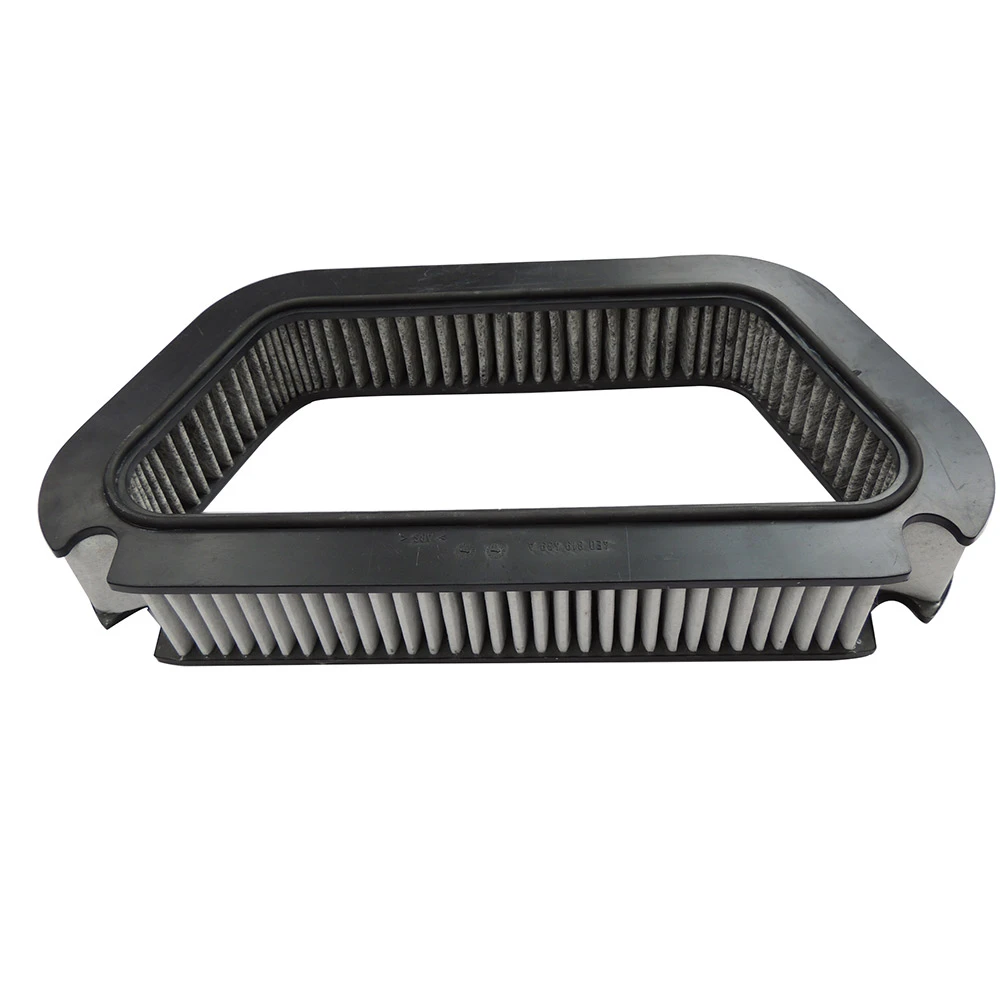
Simply put, these companies specialize in designing, manufacturing, and distributing filters specifically for air conditioning systems. Their products trap dust, pollen, bacteria, and sometimes volatile organic compounds (VOCs) to improve the air you breathe indoors.
But beyond just manufacturing, these companies often provide custom solutions for a broad range of customers — from hospitals needing ultra-high filtration to factories requiring dust-resistant filters that withstand harsh conditions. Oddly enough, their influence stretches from everyday households to critical humanitarian aid environments, where clean air can mean the difference between health and illness.
Core Components: What Makes a Great Air Conditioner Filter Company?
Durability
A filter’s lifespan is a big deal. Firms focus on materials — synthetic fibers, electrostatic media, or even nanofiber technology — to ensure filters resist clogging and degradation. This extends replacement intervals, saving customers money and downtime.
Scalability
The ability to produce custom filters in volume is critical. Companies often cater to diverse clients, so fast turnaround and flexible manufacturing lines help meet varied specs and urgent demand.
Cost Efficiency
It’s a balancing act between quality and price. Leading filter makers invest in R&D to reduce raw material costs without compromising filtration efficiency.
Environmental Sustainability
Many companies now embrace eco-friendly materials and recycle manufacturing waste. Considering filters impact energy use indirectly (clean filters improve AC efficiency), sustainability increasingly drives company policies.
Technical Expertise & Innovation
Good filter companies collaborate with engineers and scientists to develop cutting-edge designs, often validated by ISO certifications or third-party lab testing.
Product Specification Table: Typical Air Conditioner Filter Models
| Model | Filter Type | Efficiency Rating (MERV) | Lifespan | Material |
|---|---|---|---|---|
| ACF UltraClean 500 | HEPA | 13-16 | 6 months | Synthetic fiber |
| EcoFilter Pro | Electrostatic | 8-11 | 3 months | Recycled materials |
| DustBuster 200 | Pleated | 6-8 | 2 months | Polyester blend |
Global Applications and Use Cases
You see air conditioner filters working everywhere: skyscrapers in Dubai, tech campuses in Silicon Valley, emergency shelters after typhoons in Southeast Asia — wherever cooling and clean air are needed.
In fact, many humanitarian organizations now rely on specialized filter companies to equip temporary housing for displaced populations, ensuring that airborne viruses and dust don't worsen already dire situations. Meanwhile, industries with high particulate emissions, such as mining or textiles, partner with these companies for robust filtration solutions.
Oddly enough, even luxury cruise liners require custom filters made to handle moisture and salt corrosion — showing how versatile this industry truly is.
Advantages and Long-Term Value
- Cost Savings: Longer filter life means lower maintenance costs and better AC efficiency, translating to lower energy bills.
- Health Benefits: Reduced allergens and pathogens protect occupants, promoting wellbeing in homes and offices.
- Environmental Impact: Sustainable materials and energy-efficient designs help lower carbon footprints.
- Reliability: Trusted brands with stringent quality controls mean fewer surprises and downtime for users.
- Social Trust: In public spaces or healthcare settings, good filters help build confidence and comfort among users.
Vendor Comparison Table: Leading Air Conditioner Filter Companies
| Company | Product Range | Sustainability Initiatives | Global Reach | Specialty Sectors |
|---|---|---|---|---|
| PureAir Filters | Residential, Commercial, HEPA | Recycled fibers, water-based adhesives | 60+ countries | Healthcare, Education |
| GreenFlow Systems | Industrial, Electrostatic, Customized | ISO 14001 certified, waste reduction programs | 45 countries | Manufacturing, Mining |
| FilterMax Corp. | Pleated, Carbon, HEPA | Renewable energy use in factories | 70+ countries | Hospitality, Aerospace |
Future Trends and Innovations in Air Conditioner Filter Companies
Naturally, everyone is watching sustainability trends. Developments like biodegradable filters and smart sensors that detect clogging are becoming mainstream. Integration of IoT lets building managers track filter performance in real-time — neat, right? There’s also a push towards materials that capture and neutralize VOCs or pathogens actively.
On the regulatory front, governments increasingly mandate higher filtration standards as climate and health crises force tougher building codes. The industry’s digital transformation alongside green energy adoption will define the next decade.
Challenges and How Leading Companies Solve Them
Well, not everything is easy. Filters must balance trapping small particles and maintaining airflow without causing excessive energy consumption. Plus, manufacturing costs and supply chain disruptions pose ongoing challenges.
Experts suggest that ongoing R&D in filter media, adopting localized production, and embracing circular economy principles — like filter recycling programs — help mitigate these issues. Some companies partner with environmental groups to certify sustainability gains, boosting transparency and industry trust.
FAQs About Air Conditioner Filter Companies
- Q: How often should I replace my air conditioner filter?
A: Typically, filters should be replaced every 3 to 6 months. However, factors like usage intensity, environmental pollution, and filter type impact this. Some advanced filters last up to 12 months but always check manufacturer guidelines. - Q: Are all air conditioner filters effective against allergens and bacteria?
A: Not all. HEPA and high-MERV rated filters are most effective against small particles, including many allergens and bacteria. Lower-rated filters mainly block larger dust and debris. - Q: Can air conditioner filter companies provide customized solutions?
A: Absolutely. Many companies tailor filters to client needs, whether for industrial pollutants, hospital sterilization, or energy efficiency. - Q: Do sustainable filters actually reduce environmental impact?
A: Yes, by using recycled or biodegradable materials and promoting longer filter life, these filters cut waste and reduce energy used by AC units. - Q: How do I choose a reliable air conditioner filter supplier?
A: Look for certifications such as ISO 9001 and ISO 14001, good industry reputation, transparent supply chains, and technical support services. Sites like air conditioner filter companies listings help narrow options.
Conclusion: Why Partner With Quality Air Conditioner Filter Companies?
In real terms, working with reliable air conditioner filter companies ensures healthier indoor environments, reduces operational costs, and prepares your facilities for future sustainability challenges. Whether you’re managing a large commercial building or a healthcare center, their expertise is invaluable.
So if you want to breathe easier — literally and figuratively — explore trusted options from the industry leaders today. Visit https://www.jyfilter.com for solutions tailored to your needs.
Mini takeaway: Air conditioner filter companies are quietly shaping the health, comfort, and efficiency of indoor spaces globally, with innovations and sustainability at the heart of their mission.
-
Guide on how often do you need to replace engine air filterNewsApr.16,2026
-
Learn how often do you replace air filter in car for engine healthNewsApr.09,2026
-
How Often Do You Replace Car Air Filter For Optimal Engine PerformanceNewsApr.07,2026
-
How Often Do You Replace Engine Air Filter For Optimal Vehicle PerformanceNewsApr.04,2026
-
Understanding How Often Does Engine Air Filter Need to Be Replaced for Optimal PerformanceNewsMar.31,2026
-
How Often Engine Air Filter Change Impacts Performance and LongevityNewsMar.28,2026
-
Understanding How Often to Replace Your Car Air Filter for Optimal PerformanceNewsMar.26,2026
Related Products