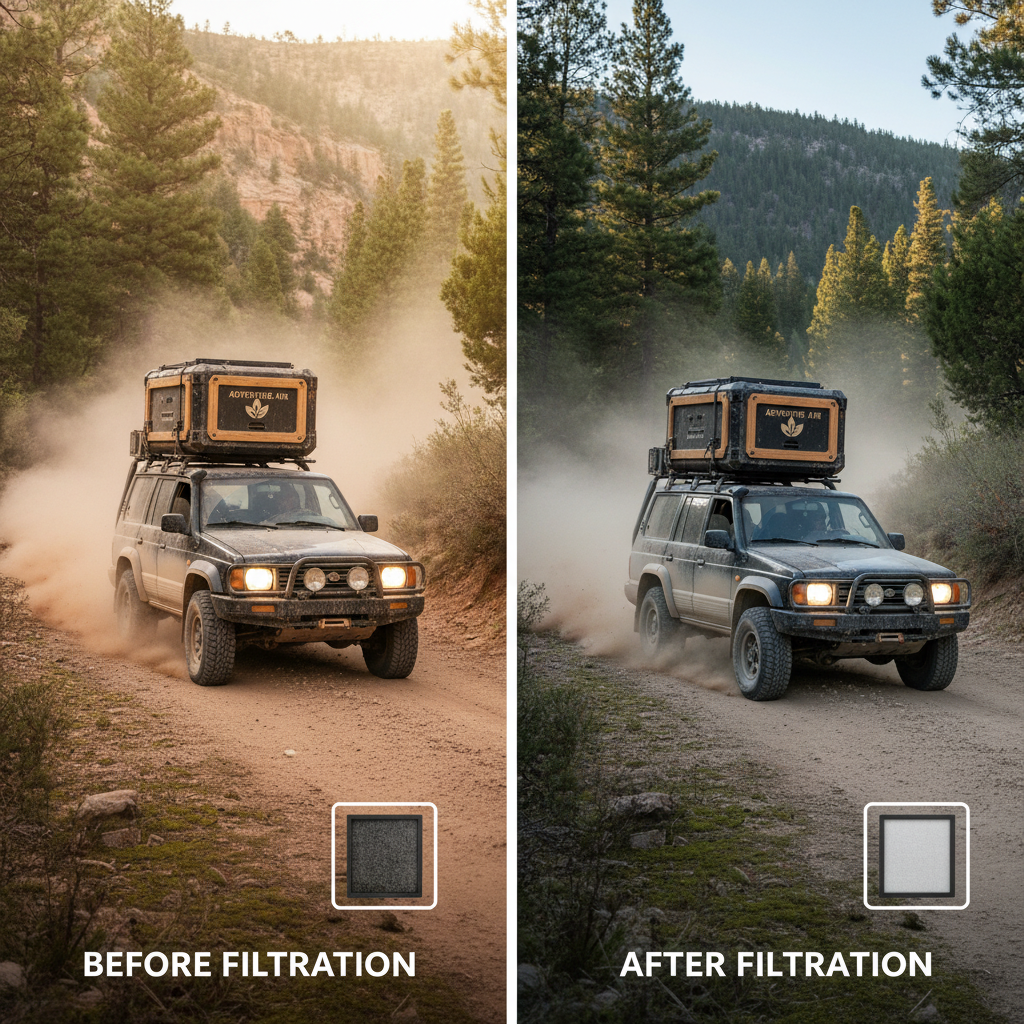
A car air filters supplier provides critical filtration components designed to protect automotive engines from airborne contaminants. These suppliers specialize in producing media that trap dust, pollen, and debris, ensuring that only clean air enters the combustion chamber to maintain optimal engine health.
For automotive distributors and fleet managers, selecting a reliable supplier is not just about purchasing a part; it is about mitigating the risk of premature engine wear. Clogged or inefficient filters lead to increased fuel consumption, reduced horsepower, and potential long-term mechanical failure.
This analysis explores the technical specifications of high-performance air filtration, procurement criteria for professional buyers, and how advanced manufacturing processes from specialized suppliers improve vehicle longevity and environmental emissions.

1The Role of Specialized Air Filtration in Automotive Engineering

Engine air filters act as the first line of defense for a vehicle's internal combustion system. By removing particulate matter from the intake air, they prevent abrasive materials from scoring cylinder walls and damaging pistons. A professional car air filters supplier ensures that the media provides a precise balance between filtration efficiency and airflow resistance.
When air filters are manufactured using low-grade materials, they may allow microscopic particles to bypass the media. This leads to accelerated wear on the intake valves and sensors, which can eventually trigger engine warning lights and require costly repairs.
Hebei Jiayou Auto Parts Co., Ltd. leverages advanced R&D to optimize this balance, focusing on new material applications that enhance durability while maintaining the high flow rates required by modern high-performance engines.
2Technical Specifications of High-Efficiency Engine Filters
High-quality air filters are defined by their media composition and structural integrity. Most professional-grade filters utilize a blend of cellulose, synthetic fibers, or multi-layered composite materials designed to trap particles as small as a few microns. The pleating process is also critical, as it increases the surface area available for filtration without increasing the filter's physical footprint.
The sealing gasket is another vital specification. A poorly fitted filter allows "dirty air" to leak around the edges of the filter element, bypassing the media entirely. This failure mode renders even the highest efficiency media useless.
Advanced suppliers implement rigorous quality control, from raw material screening to final leak testing, ensuring every unit meets or exceeds global automotive standards for fit and function.
3Common Application Scenarios and Environmental Challenges
Operating environments vary wildly, and a one-size-fits-all approach to filtration often fails. Vehicles operating in urban environments face high concentrations of soot and smog, while those in rural or construction areas are exposed to heavy dust and organic debris. Each scenario demands a specific media density and replacement interval.
In extreme climates, humidity and temperature fluctuations can affect the integrity of the filter media. Moisture can cause cellulose-based filters to swell or collapse, significantly restricting airflow and reducing the engine's ability to breathe.
Professional procurement teams must analyze the end-user's environment to determine if they require standard replacements or heavy-duty specialized filters that can withstand harsher operating conditions.
4Performance Metrics: Comparing Filtration Standards
Evaluating a filter's performance requires looking at a set of interrelated metrics. The most prominent is the "Filtration Efficiency," which measures the percentage of particles trapped. However, this must be weighed against "Pressure Drop," the measure of how much the filter resists air movement.
When comparing a standard generic filter to a product from a specialized car air filters supplier, the difference in contaminant capture and long-term airflow stability becomes evident. High-end filters maintain a more consistent flow rate as they load with dust, whereas cheap filters clog rapidly.
car air filters supplier Performance Metrics
As shown in the metrics, advanced filtration technology can achieve nearly 99% efficiency for small impurities, which significantly extends the interval between engine overhauls and reduces the risk of injector fouling.
5Procurement Guide: Evaluating a car air filters supplier
Procuring automotive parts at scale requires a rigorous supplier audit. Beyond price, buyers should evaluate the supplier's production capacity and their ability to maintain consistency across large batches. A supplier with a comprehensive quality management system is less likely to ship defective batches that could lead to costly recalls.
Capacity and delivery are also key. For global distributors, the ability of a supplier to manage a large-scale output—such as 600,000 sets of filters annually—ensures a stable supply chain and prevents stockouts during peak maintenance seasons.
Furthermore, the availability of customized packaging and logistics solutions can significantly reduce the overhead for international buyers, streamlining the process from the factory to the final retail shelf.
6Innovation Trends in Sustainable Filtration Materials
The automotive industry is shifting toward sustainability, and filtration is no exception. There is a growing demand for biodegradable filter media that does not sacrifice performance. Researchers are exploring the use of recycled polymers and natural fibers that can be processed into high-efficiency membranes.
Another trend is the integration of "smart" filtration sensors. These sensors can monitor the pressure drop in real-time and alert the driver exactly when the filter needs replacement, moving away from arbitrary mileage-based schedules to condition-based maintenance.
Suppliers like Hebei Jiayou Auto Parts Co., Ltd. are already expanding their product lines to include accessories for new energy vehicles, ensuring they remain relevant as the global fleet transforms toward electrification.
7Comparison of Filtration Technologies for Engine Protection
Different filtration technologies offer different trade-offs. While cellulose is cost-effective for standard passenger cars, synthetic blends are necessary for heavy-duty applications. Choosing the right technology depends on the required balance of cost, longevity, and protection level.
The following table compares common filtration options available from a professional car air filters supplier to help procurement teams make an informed decision based on vehicle use-case.
| Filter Type | Main Material | Best Use Case | Primary Advantage |
|---|---|---|---|
| Cellulose | City Passenger Cars | Low Initial Cost | |
| Polypropylene/Cellulose | Daily Commuters | Balanced Life/Cost | |
| Nano-fiber/Synthetic | Towing/Commercial | Maximum Protection | |
| Multi-layer Composite | Construction/Mining | Extreme Dirt Capacity | |
| Recycled Fibers | Sustainable Fleets | Lower Environmental Impact | |
| Specialized Media | Specialty Vehicles | Tailored Specifications |
Regardless of the technology chosen, the most critical factor remains the quality of the seal and the consistency of the media, which separates professional automotive grade components from low-cost alternatives.
Frequently Asked Questions
Conclusion
Maintaining engine integrity begins with high-quality filtration. Selecting a professional car air filters supplier ensures that vehicles operate with maximum efficiency, lower emissions, and reduced maintenance costs. From the technical selection of media to the auditing of production capacities, a strategic approach to procurement is essential for long-term fleet reliability.
For procurement teams and automotive distributors seeking high-performance filtration solutions, reviewing the technical specifications and available product ranges at www.jyfilter.com can provide the necessary data to make an informed decision for their specific operational needs.