
Introduction to Advanced Car Air Filtration Technology
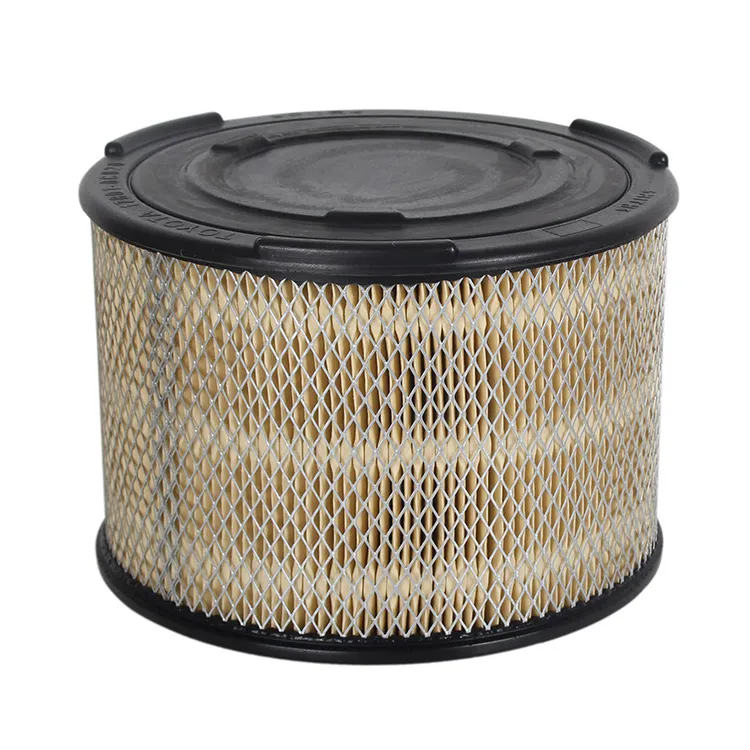
In the intricate ecosystem of modern vehicle performance, the car air filter stands as a critical component, safeguarding the engine's longevity and optimizing combustion efficiency. As an essential part of the air intake system, it prevents abrasive particles, dust, pollen, and other environmental contaminants from entering the engine's combustion chambers. This not only protects sensitive engine components from premature wear but also plays a pivotal role in maintaining fuel economy and reducing harmful emissions. Our focus today is on exploring the advanced technologies, rigorous manufacturing processes, and comprehensive applications of high-performance car air filters designed for demanding B2B environments, including automotive OEMs, aftermarket suppliers, and fleet management.
Industry Trends and Market Dynamics
The global market for automotive filters, specifically the car air filter segment, is experiencing significant growth driven by stringent emission regulations, increasing vehicle production, and a growing consumer emphasis on vehicle performance and cabin air quality. Key trends include the widespread adoption of synthetic filter media for enhanced filtration efficiency and longer service life, the integration of activated carbon layers for odor absorption, and the development of intelligent filters with sensor technology for real-time monitoring of filter condition. Furthermore, the rise of electric vehicles (EVs) is influencing design, shifting focus from combustion engine protection to cabin air purification and protecting sensitive electronics. The demand for eco-friendly and recyclable filter materials is also shaping product innovation.
As vehicle lifespans extend, the market for aftermarket replacement filters, especially for `car air filter use`, continues to expand, presenting opportunities for innovative manufacturers. The `car air filter life` is a critical factor influencing purchasing decisions, with advanced designs now offering extended intervals without compromising engine protection.
Technical Specifications and Parameters
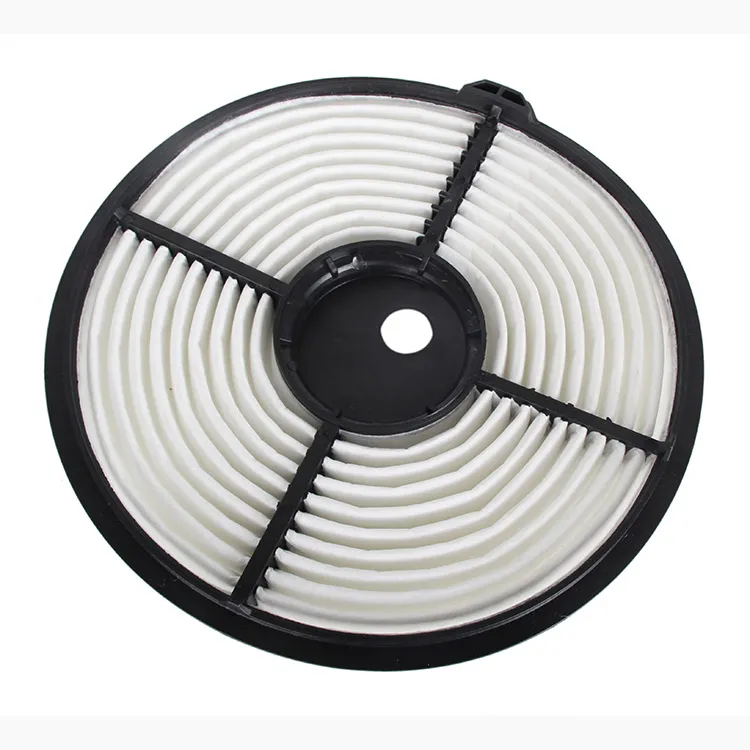
High-performance car air filter units are engineered with precision to meet or exceed OEM specifications. Critical parameters include filtration efficiency, dust holding capacity, airflow restriction, and media type. Our filters typically leverage multi-layered synthetic media, often composed of polyester or micro-fiber, known for their superior particle retention without significantly impeding airflow.
Key Product Specification Table
| Parameter | Value/Range | Unit | Description |
|---|---|---|---|
| Filtration Efficiency | 99.5% - 99.9% | @ 0.3 micron | Measures the filter's ability to capture particles of a given size. Tested per ISO 5011. |
| Media Type | Synthetic (Polyester/Microfiber) | - | Multi-layered media for superior dust holding capacity and low restriction. |
| Dust Holding Capacity | ≥ 250 g/m² | - | The total amount of dust a filter can hold before reaching its terminal pressure drop. |
| Initial Pressure Drop | ≤ 2.5 kPa | - | Resistance to airflow when clean, crucial for engine performance. |
| Operating Temperature | -40°C to +100°C | - | Ensures performance across diverse climatic conditions. |
| Frame Material | Polyurethane/ABS | - | Durable, flexible, and chemically resistant for a perfect seal. |
Understanding these parameters is essential for selecting the appropriate car air filter for specific vehicle models and operating environments, ensuring optimal engine protection and performance.
Manufacturing Process Flow of the Car Air Filter
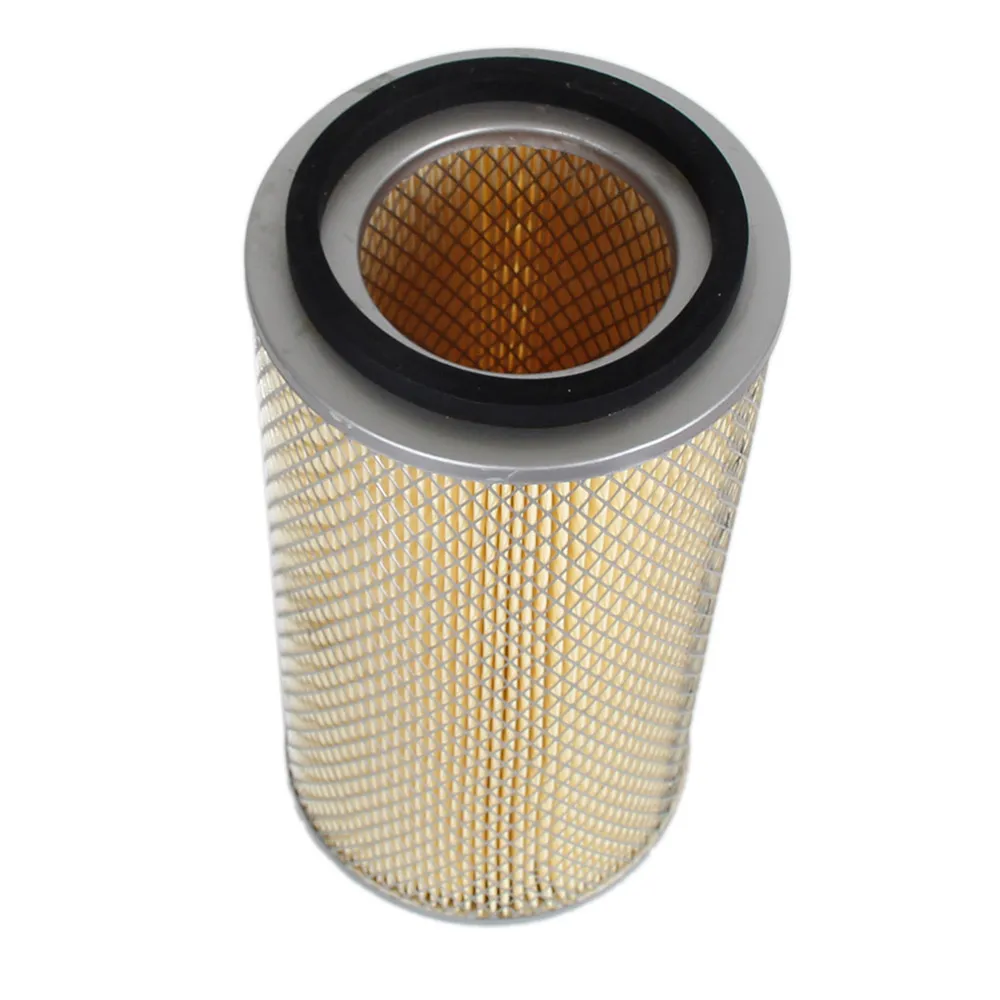
The production of a high-quality car air filter involves a meticulous, multi-stage process designed to ensure precision, durability, and optimal filtration performance. Adherence to international standards such as ISO 9001 and IATF 16949 is critical at every step.
Detailed Process Steps:
- Material Sourcing & Quality Inspection: High-grade cellulose or synthetic filter media (e.g., polyester, polypropylene microfibers) are selected based on required filtration efficiency and dust holding capacity. Raw materials for end caps, seals, and frames (e.g., polyurethane, ABS plastic) are also rigorously inspected for compliance with material specifications.
- Media Pleating: The filter media is precisely pleated using specialized machinery. The pleat geometry (height, depth, and spacing) is crucial for maximizing the surface area within a compact design, thereby enhancing dust holding capacity and extending `car air filter life`. This process requires tight tolerances to ensure uniform pleat stability and prevent collapse under airflow pressure.
- Frame Molding (Casting/Injection Molding): The filter's frame and end caps are typically produced through injection molding (for plastic components like ABS) or polyurethane casting. Molten plastic or liquid polyurethane is injected into precision molds, creating rigid structures that perfectly match the filter element's dimensions and provide a secure, airtight seal within the airbox.
- Assembly & Bonding: The pleated media is then carefully inserted into the molded frame. High-strength adhesives, often thermosetting or hot-melt, are used to firmly bond the media to the frame and end caps, ensuring no bypass airflow. This step is critical for maintaining the filter's structural integrity and preventing unfiltered air from reaching the engine. Advanced thermo-bonding techniques may be employed for synthetic media.
- Seal Application: A durable, flexible gasket or seal (typically polyurethane foam) is applied around the filter's perimeter. This seal ensures a tight, leak-proof fit when the filter is installed in the vehicle's airbox, preventing contaminants from bypassing the filter.
- Curing: Depending on the adhesives and sealants used, the assembled filters may undergo a curing process, often involving heat, to ensure maximum bond strength and material stability.
- Final Inspection & Testing: Each filter undergoes comprehensive quality control, including visual inspection for defects, dimensional checks, and performance testing. Key tests include:
- ISO 5011 Test: Measures filtration efficiency, dust holding capacity, and pressure drop.
- Leakage Test: Ensures no bypass paths.
- Burst Strength Test: Verifies structural integrity under extreme pressure.
- Packaging: Finished filters are carefully packaged to protect them during transit and storage, ready for distribution.
Our manufacturing facilities are equipped with state-of-the-art CNC machining for mold creation, advanced robotic assembly lines, and fully automated testing stations. This process ensures consistent product quality, extended `car air filter life`, and optimal performance.
Target Industries and Advantages:
- Automotive OEM: Supplying filters that meet stringent manufacturer specifications for new vehicle production.
- Aftermarket & Retail: Providing high-quality replacement filters for all major vehicle brands, ensuring reliability and competitive `car air filter price`.
- Fleet Management: Offering robust filters designed for heavy-duty `car air filter use` in commercial fleets, reducing downtime and maintenance costs.
- Specialized Vehicles: Custom solutions for agricultural, construction, or mining vehicles operating in extremely dusty conditions.
Advantages in typical application scenarios include significant energy saving through optimized airflow, superior engine protection leading to extended component `car air filter life`, and excellent corrosion resistance in harsh operating environments due to advanced materials and sealing techniques.
Application Scenarios and Usage Best Practices
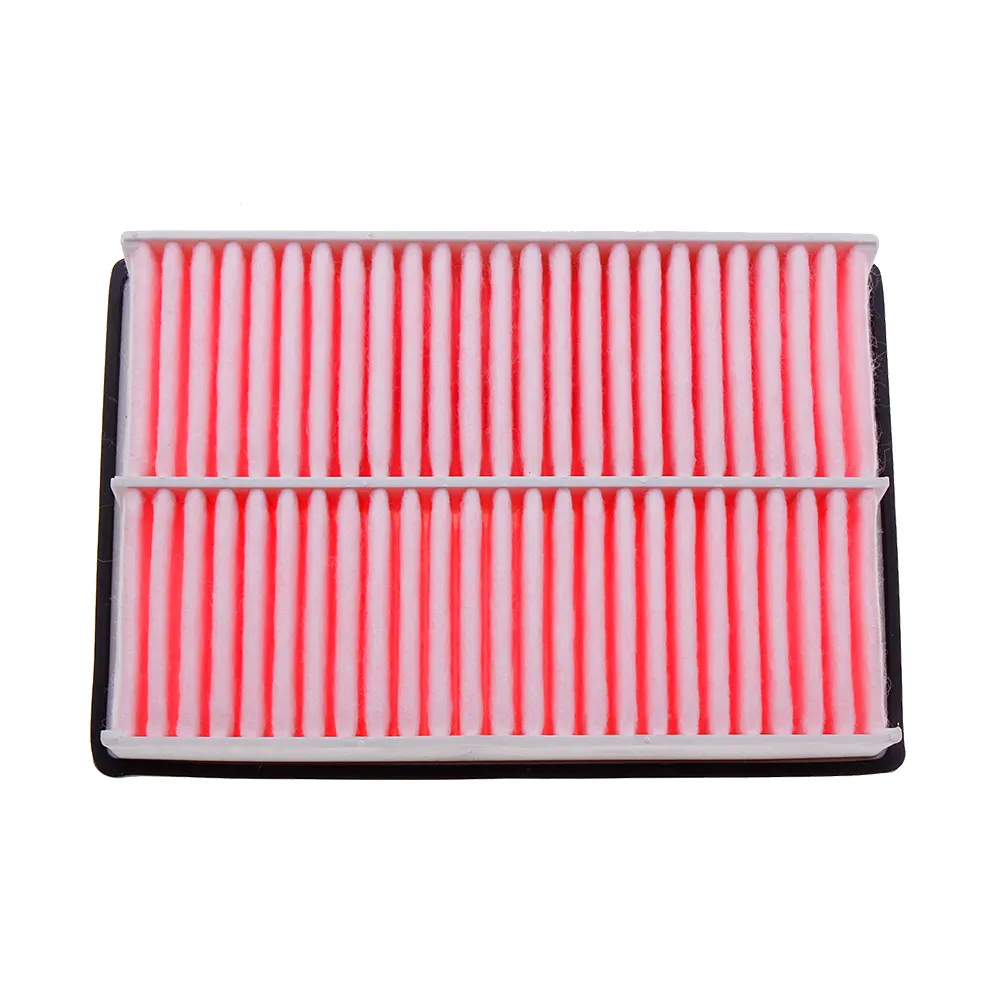
The `car air filter use` extends across a broad spectrum of vehicle types and operational conditions. From daily commuting in urban environments to heavy-duty off-road applications, the filter's primary role remains consistent: to ensure clean air intake for optimal engine performance and longevity. Regular replacement of the car air filter is paramount. Manufacturers typically recommend checking the filter every 12,000 to 15,000 miles or annually, with replacement suggested every 15,000 to 30,000 miles, depending on vehicle manufacturer specifications and driving conditions. In dusty or polluted environments, more frequent checks and replacements are advised to maintain performance and extend engine `car air filter life`.
For fleet operators, proactive maintenance schedules incorporating `replace car air filter` routines based on mileage or hours of operation are crucial for minimizing fuel consumption and preventing costly engine repairs. Proper installation, ensuring a perfect seal, is also vital to prevent air bypass and ensure the filter's effectiveness.
Technical Advantages and Performance Benefits
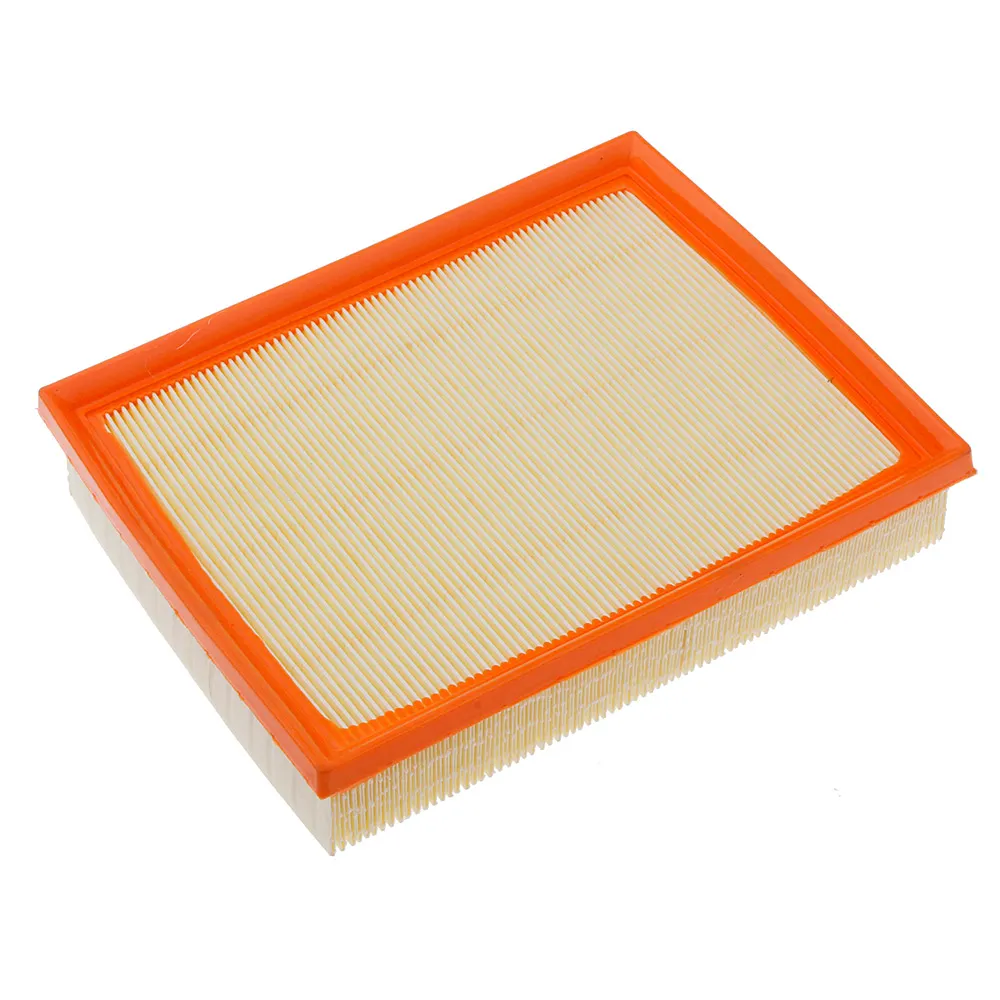
Our advanced car air filter designs offer significant technical advantages that translate into tangible performance benefits for vehicles and their operators:
- Optimized Engine Protection: High-efficiency filtration media captures over 99.5% of airborne particles as small as 0.3 microns, including dust, pollen, and soot, preventing abrasive wear on piston rings, cylinder walls, and valve components. This significantly extends engine `car air filter life` and reduces the need for expensive repairs.
- Enhanced Fuel Efficiency: A clean filter ensures unrestricted airflow to the engine, allowing for optimal air-fuel mixture combustion. A clogged `car air filter` can reduce fuel efficiency by up to 10%, leading to increased operating costs. Our filters maintain low airflow restriction throughout their service life.
- Reduced Emissions: By providing clean, consistent airflow, our filters support complete combustion, which in turn helps reduce harmful exhaust emissions, aligning with global environmental standards.
- Improved Vehicle Performance: Optimal air intake allows the engine to produce its rated horsepower and torque. A dirty car air filter can hinder engine performance, leading to sluggish acceleration and reduced power output.
- Extended Service Intervals: Superior dust holding capacity and robust construction allow for longer service intervals, reducing downtime and maintenance frequency for operators managing `car air filters price` and operational expenses.
- Durability and Reliability: Constructed with high-quality, resilient materials for the media, frames, and seals, our filters withstand extreme temperatures, vibrations, and humidity, ensuring reliable performance in diverse operating conditions.
Vendor Comparison and Competitive Analysis
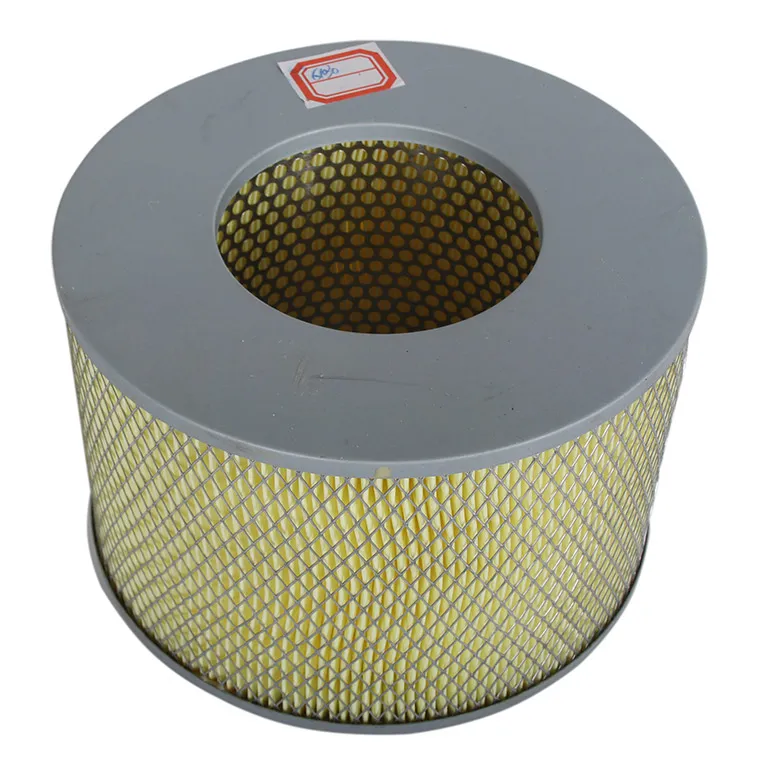
When evaluating suppliers for car air filter solutions, discerning buyers prioritize a blend of quality, performance, reliability, and competitive `car air filters price`. Our commitment to R&D and advanced manufacturing processes positions us favorably against industry leaders. Below is a comparative overview:
Car Air Filter Vendor Comparison
| Feature/Aspect | Our Products | Competitor A (Premium OEM) | Competitor B (Value Aftermarket) |
|---|---|---|---|
| Filtration Efficiency (0.3µm) | ≥ 99.5% (Synthetic Media) | ≥ 99.5% (Synthetic/Cellulose Blend) | ≥ 98.0% (Cellulose) |
| Dust Holding Capacity | Excellent (High Capacity) | Excellent (High Capacity) | Good (Standard Capacity) |
| Initial Pressure Drop | Very Low | Very Low | Low to Moderate |
| Media Type | Advanced Synthetic Fibers | Synthetic/Cellulose Blend | Standard Cellulose |
| Construction & Sealing | Robust PU Frame, Thermo-bonded | Robust PU Frame, Chemically Bonded | Basic Rubber Seal, Glued |
| Certifications | ISO 9001, IATF 16949 Compliant | ISO 9001, IATF 16949 Certified | Basic Quality Control |
| Typical `Car Air Filter Price` | Competitive Premium | High Premium | Budget-Friendly |
Our products offer a compelling value proposition, delivering premium performance and reliability at a competitive `car air filters price`, making them an ideal choice for businesses seeking high-quality solutions without the prohibitive costs often associated with pure OEM options.
Customized Solutions
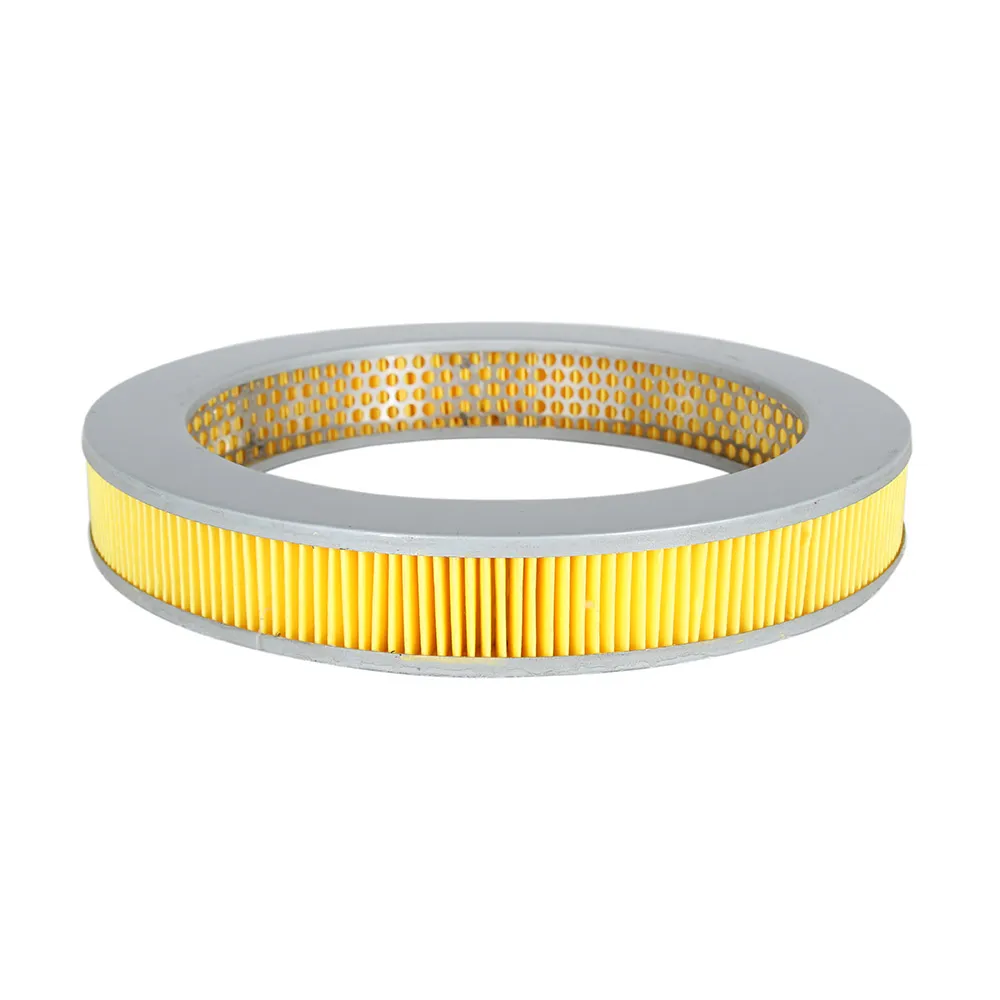
Recognizing that standard solutions may not always meet specific operational demands, we offer extensive capabilities for customized car air filter designs. Our engineering team collaborates closely with clients to develop filters tailored to unique requirements, whether it's for specialized vehicle fleets, extreme environmental conditions, or specific OEM integration challenges. Customization options include:
- Media Formulation: Development of specific media blends (e.g., higher dust holding, water-repellent, activated carbon for odor control) to address unique filtration challenges.
- Dimensional Modifications: Custom sizing and form factors to fit non-standard airbox designs or legacy vehicle models, ensuring precise fitment for critical `car air filter use`.
- Frame & Seal Materials: Selection of specialized materials for enhanced chemical resistance, temperature resilience, or specific sealing properties.
- Performance Optimization: Fine-tuning of filtration efficiency and pressure drop characteristics to balance engine protection and maximum airflow for performance-critical applications.
- Branding & Packaging: Private labeling and customized packaging solutions to align with client branding and distribution requirements.
Our flexible manufacturing processes and in-house R&D enable rapid prototyping and efficient production of customized `car air filters price`-effective solutions, ensuring that even the most niche requirements are met with precision and quality.
Application Case Studies
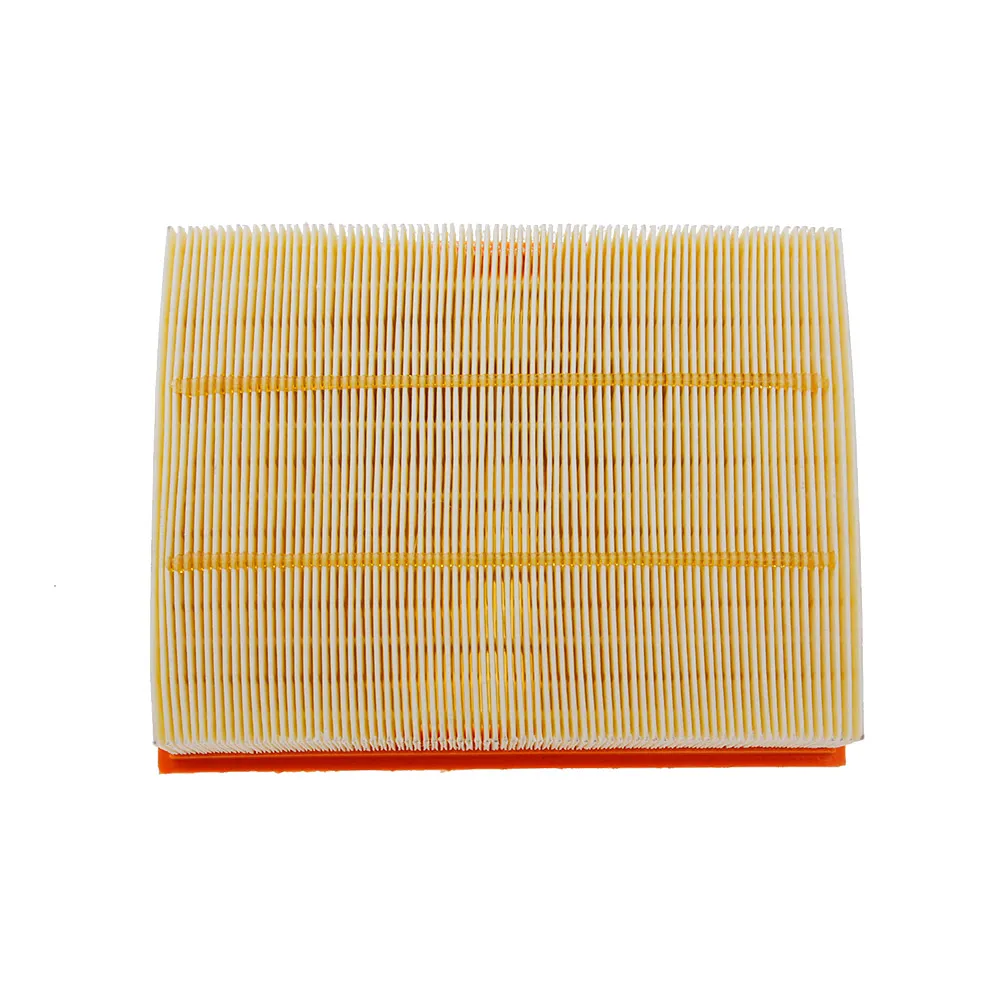
Our commitment to delivering superior car air filter solutions is validated by successful partnerships and tangible results:
Case Study 1: Fleet Performance Optimization for a Logistics Company
A major logistics firm operating a fleet of over 500 delivery vans in urban and suburban environments faced challenges with high fuel consumption and frequent engine maintenance due to inadequate filtration in dusty urban settings. After implementing our high-efficiency synthetic car air filter across their entire fleet, they reported a measurable improvement:
- Fuel Efficiency Increase: An average of 3-5% improvement in fuel economy across the fleet, directly attributable to reduced airflow restriction.
- Extended `Car Air Filter Life`: Filter replacement intervals increased by 25% (from 15,000 miles to 18,750 miles) due to superior dust holding capacity, reducing maintenance costs and vehicle downtime.
- Reduced Engine Wear: Post-implementation engine oil analysis showed a significant reduction in silicon particle counts, indicating improved engine protection.
Case Study 2: OEM Partnership for Next-Generation Electric Vehicles
We partnered with an innovative EV manufacturer to develop specialized cabin air filters with integrated activated carbon layers for their new line of luxury electric vehicles. The primary requirement was not only to protect passengers from pollen and particulates but also to eliminate urban odors and ensure a pristine cabin environment. Our solution:
- Multi-Layer Filtration: Engineered a filter combining high-efficiency particulate media with an activated carbon layer, meeting stringent OEM specifications for particle capture and odor removal.
- Acoustic Performance: Designed the filter for minimal airflow noise, crucial for the quiet cabin environment of an EV.
- Successful Integration: The customized car air filter seamlessly integrated into the vehicle's HVAC system, contributing to positive customer feedback regarding cabin air quality and comfort.
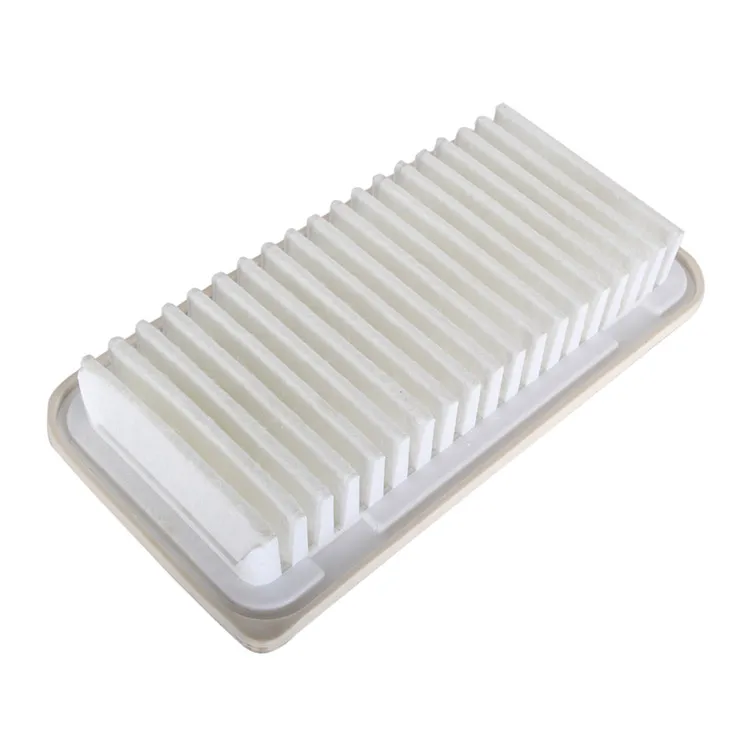
Quality Assurance, Certifications, and Authoritative Standards
Our commitment to quality is foundational. Every car air filter we produce adheres to the most rigorous international standards, ensuring consistent performance and reliability. We are certified under:
- ISO 9001:2015: For Quality Management Systems, ensuring robust processes from design to delivery.
- IATF 16949:2016: The automotive industry's specific quality management system standard, demonstrating our capability to meet stringent OEM and aftermarket demands.
All filters undergo performance validation according to ISO 5011, the international standard for testing air intake filter elements for internal combustion engines and compressors. This includes comprehensive testing for initial and cumulative filtration efficiency, dust holding capacity, and pressure drop. Our in-house testing facilities are equipped to simulate diverse operational conditions, providing verifiable performance data that underscores our filters' superior capabilities.
Partnerships with leading automotive components manufacturers and years of dedicated service to the industry underscore our authoritative position as a trusted supplier of advanced filtration solutions. We continuously invest in R&D to stay ahead of evolving vehicle technologies and environmental regulations.
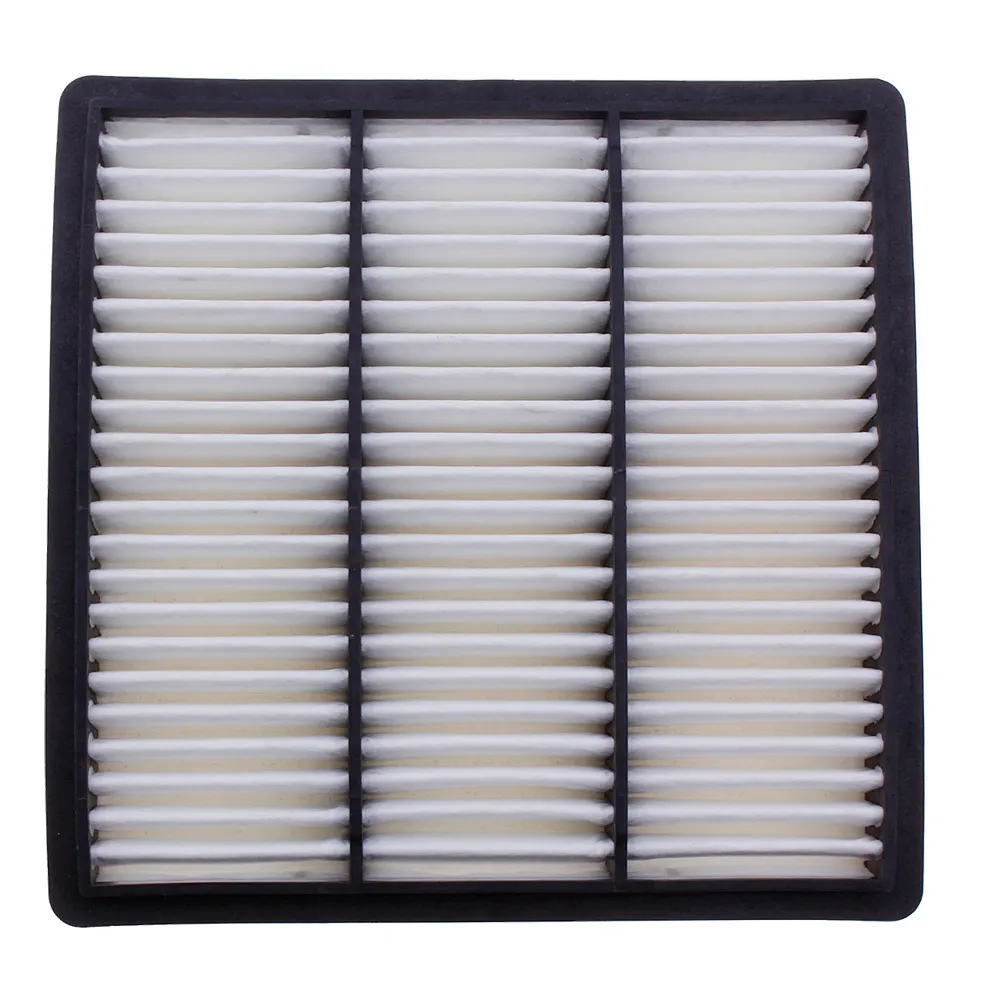
Trustworthiness: FAQ, Lead Time, Warranty, and Support
Frequently Asked Questions (FAQ):
- Q: How often should I `replace car air filter`?
- A: Generally, every 15,000 to 30,000 miles or once a year, though this can vary based on driving conditions and vehicle manufacturer recommendations. Dusty environments or frequent off-road driving may necessitate more frequent changes to ensure optimal `car air filter life`.
- Q: What is the benefit of a synthetic car air filter over cellulose?
- A: Synthetic media typically offers higher filtration efficiency for finer particles, lower airflow restriction, and greater dust holding capacity, leading to extended service life and better engine protection compared to traditional cellulose filters.
- Q: Do your filters affect engine warranty?
- A: Our filters are designed to meet or exceed OEM specifications and are manufactured under strict quality controls (IATF 16949). Using our high-quality replacement car air filter will not void your engine warranty, provided it is installed correctly and replaced according to recommended intervals.
- Q: How does `car air filter price` compare to performance?
- A: While our `car air filters price` may be at a competitive premium, the superior performance in terms of engine protection, fuel efficiency, and extended `car air filter life` offers a significantly lower total cost of ownership over the filter's lifespan and the vehicle's operational duration.
Lead Time and Fulfillment:
We understand the importance of timely delivery for B2B operations. Standard car air filter models typically have a lead time of 2-4 weeks for bulk orders, depending on order volume and current production schedules. Customized solutions may require 6-8 weeks for design, prototyping, and initial production. We maintain robust inventory levels for high-demand products and utilize efficient logistics partners to ensure prompt and reliable delivery worldwide.
Warranty Commitments:
All our car air filter products come with a comprehensive 12-month or 20,000-mile (whichever comes first) warranty against manufacturing defects and material failures. Our commitment is to provide products that meet the highest standards of quality and performance. Full warranty details are available upon request.
Customer Support Information:
Our dedicated customer support team is available to assist with technical inquiries, order placement, and after-sales service. We offer multi-channel support through email, phone, and a dedicated online portal for B2B clients. Our technical experts are ready to provide guidance on product selection, installation, and troubleshooting, ensuring maximum satisfaction and optimal `car air filter use`.
Contact us today to discuss your specific filtration needs and discover how our advanced solutions can enhance your operations.
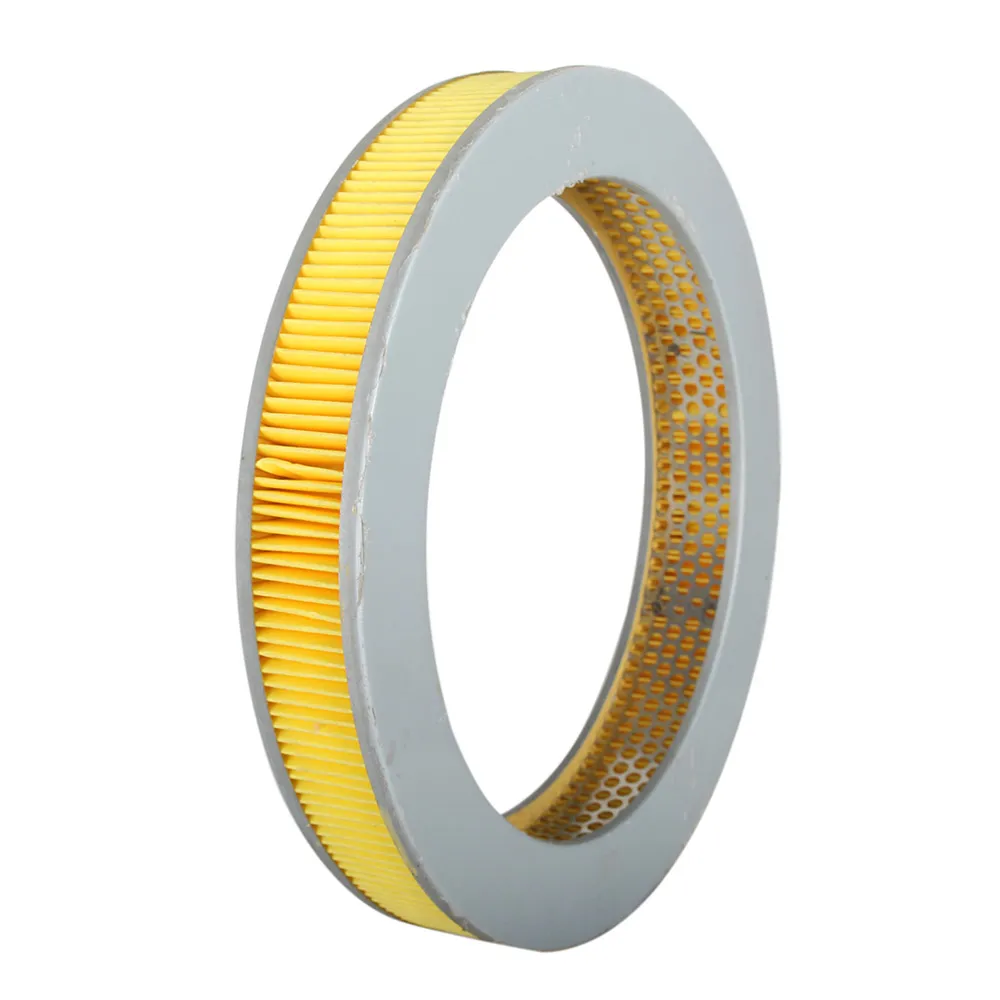
Conclusion
The modern car air filter is far more than a simple barrier against dust; it is a precisely engineered component critical to engine health, operational efficiency, and environmental compliance. Our commitment to advanced materials, rigorous manufacturing, and adherence to global quality standards ensures that our filters deliver unparalleled performance, extending engine `car air filter life` and optimizing fuel economy. For B2B clients seeking reliable, high-performance, and cost-effective filtration solutions, our product range and customization capabilities offer a distinct competitive advantage.
References
- International Organization for Standardization. ISO 5011:2014, "Inlet air cleaning equipment for internal combustion engines and compressors — Performance testing."
- International Automotive Task Force. IATF 16949:2016, "Quality management system requirements for automotive production and relevant service parts organizations."
- U.S. Environmental Protection Agency. "Vehicle Air Filters: How They Work and Why They Are Important."
- Society of Automotive Engineers (SAE) International. "Impact of Air Filter Condition on Vehicle Fuel Economy."
- Filter Manufacturers Council. "Air Filter Facts and Maintenance Guide."
-
Guide on how often do you need to replace engine air filterNewsApr.16,2026
-
Learn how often do you replace air filter in car for engine healthNewsApr.09,2026
-
How Often Do You Replace Car Air Filter For Optimal Engine PerformanceNewsApr.07,2026
-
How Often Do You Replace Engine Air Filter For Optimal Vehicle PerformanceNewsApr.04,2026
-
Understanding How Often Does Engine Air Filter Need to Be Replaced for Optimal PerformanceNewsMar.31,2026
-
How Often Engine Air Filter Change Impacts Performance and LongevityNewsMar.28,2026
-
Understanding How Often to Replace Your Car Air Filter for Optimal PerformanceNewsMar.26,2026
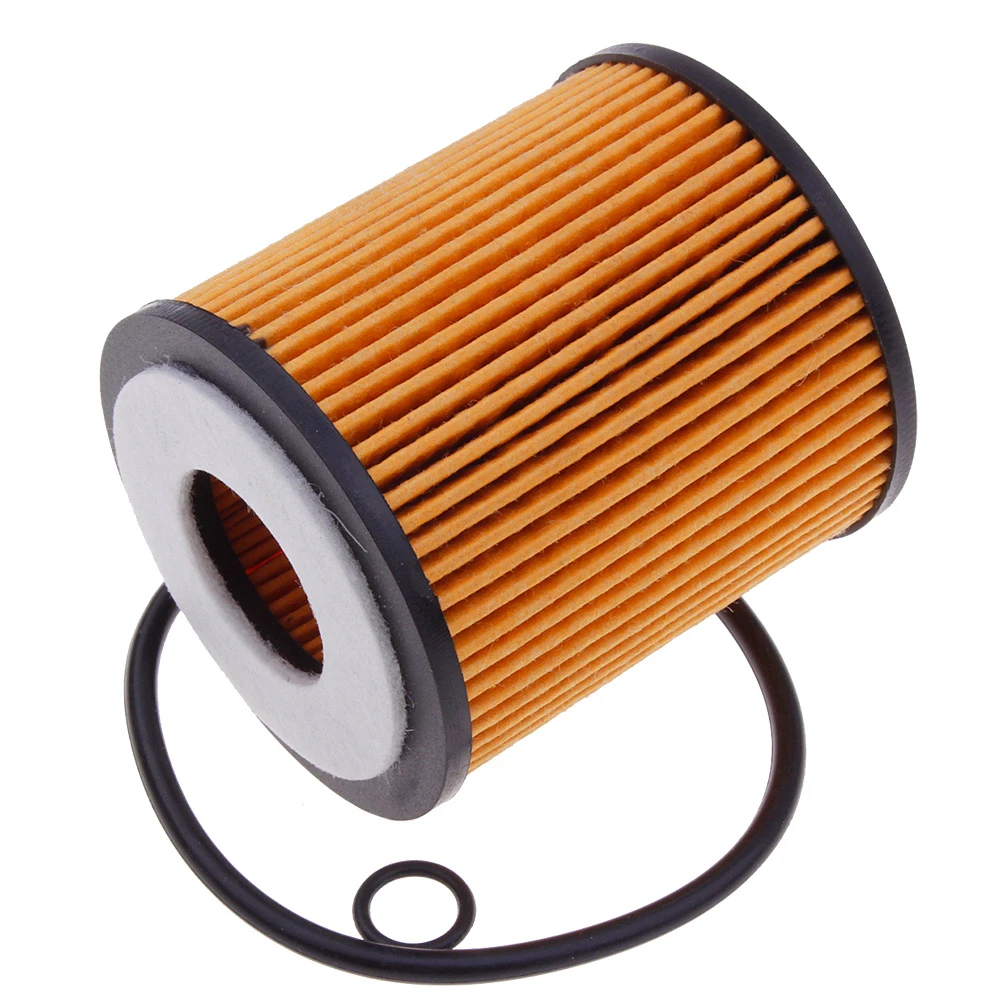
Related Products
Introduction to Advanced Car Air Filtration Technology
In the intricate ecosystem of modern vehicle performance, the car air filter stands as a critical component, safeguarding the engine's longevity and optimizing combustion efficiency. As an essential part of the air intake system, it prevents abrasive particles, dust, pollen, and other environmental contaminants from entering the engine's combustion chambers. This not only protects sensitive engine components from premature wear but also plays a pivotal role in maintaining fuel economy and reducing harmful emissions. Our focus today is on exploring the advanced technologies, rigorous manufacturing processes, and comprehensive applications of high-performance car air filters designed for demanding B2B environments, including automotive OEMs, aftermarket suppliers, and fleet management.
Industry Trends and Market Dynamics
The global market for automotive filters, specifically the car air filter segment, is experiencing significant growth driven by stringent emission regulations, increasing vehicle production, and a growing consumer emphasis on vehicle performance and cabin air quality. Key trends include the widespread adoption of synthetic filter media for enhanced filtration efficiency and longer service life, the integration of activated carbon layers for odor absorption, and the development of intelligent filters with sensor technology for real-time monitoring of filter condition. Furthermore, the rise of electric vehicles (EVs) is influencing design, shifting focus from combustion engine protection to cabin air purification and protecting sensitive electronics. The demand for eco-friendly and recyclable filter materials is also shaping product innovation.
As vehicle lifespans extend, the market for aftermarket replacement filters, especially for `car air filter use`, continues to expand, presenting opportunities for innovative manufacturers. The `car air filter life` is a critical factor influencing purchasing decisions, with advanced designs now offering extended intervals without compromising engine protection.
Technical Specifications and Parameters
High-performance car air filter units are engineered with precision to meet or exceed OEM specifications. Critical parameters include filtration efficiency, dust holding capacity, airflow restriction, and media type. Our filters typically leverage multi-layered synthetic media, often composed of polyester or micro-fiber, known for their superior particle retention without significantly impeding airflow.
Key Product Specification Table
| Parameter | Value/Range | Unit | Description |
|---|---|---|---|
| Filtration Efficiency | 99.5% - 99.9% | @ 0.3 micron | Measures the filter's ability to capture particles of a given size. Tested per ISO 5011. |
| Media Type | Synthetic (Polyester/Microfiber) | - | Multi-layered media for superior dust holding capacity and low restriction. |
| Dust Holding Capacity | ≥ 250 g/m² | - | The total amount of dust a filter can hold before reaching its terminal pressure drop. |
| Initial Pressure Drop | ≤ 2.5 kPa | - | Resistance to airflow when clean, crucial for engine performance. |
| Operating Temperature | -40°C to +100°C | - | Ensures performance across diverse climatic conditions. |
| Frame Material | Polyurethane/ABS | - | Durable, flexible, and chemically resistant for a perfect seal. |
Understanding these parameters is essential for selecting the appropriate car air filter for specific vehicle models and operating environments, ensuring optimal engine protection and performance.
Manufacturing Process Flow of the Car Air Filter
The production of a high-quality car air filter involves a meticulous, multi-stage process designed to ensure precision, durability, and optimal filtration performance. Adherence to international standards such as ISO 9001 and IATF 16949 is critical at every step.
Detailed Process Steps:
- Material Sourcing & Quality Inspection: High-grade cellulose or synthetic filter media (e.g., polyester, polypropylene microfibers) are selected based on required filtration efficiency and dust holding capacity. Raw materials for end caps, seals, and frames (e.g., polyurethane, ABS plastic) are also rigorously inspected for compliance with material specifications.
- Media Pleating: The filter media is precisely pleated using specialized machinery. The pleat geometry (height, depth, and spacing) is crucial for maximizing the surface area within a compact design, thereby enhancing dust holding capacity and extending `car air filter life`. This process requires tight tolerances to ensure uniform pleat stability and prevent collapse under airflow pressure.
- Frame Molding (Casting/Injection Molding): The filter's frame and end caps are typically produced through injection molding (for plastic components like ABS) or polyurethane casting. Molten plastic or liquid polyurethane is injected into precision molds, creating rigid structures that perfectly match the filter element's dimensions and provide a secure, airtight seal within the airbox.
- Assembly & Bonding: The pleated media is then carefully inserted into the molded frame. High-strength adhesives, often thermosetting or hot-melt, are used to firmly bond the media to the frame and end caps, ensuring no bypass airflow. This step is critical for maintaining the filter's structural integrity and preventing unfiltered air from reaching the engine. Advanced thermo-bonding techniques may be employed for synthetic media.
- Seal Application: A durable, flexible gasket or seal (typically polyurethane foam) is applied around the filter's perimeter. This seal ensures a tight, leak-proof fit when the filter is installed in the vehicle's airbox, preventing contaminants from bypassing the filter.
- Curing: Depending on the adhesives and sealants used, the assembled filters may undergo a curing process, often involving heat, to ensure maximum bond strength and material stability.
- Final Inspection & Testing: Each filter undergoes comprehensive quality control, including visual inspection for defects, dimensional checks, and performance testing. Key tests include:
- ISO 5011 Test: Measures filtration efficiency, dust holding capacity, and pressure drop.
- Leakage Test: Ensures no bypass paths.
- Burst Strength Test: Verifies structural integrity under extreme pressure.
- Packaging: Finished filters are carefully packaged to protect them during transit and storage, ready for distribution.
Our manufacturing facilities are equipped with state-of-the-art CNC machining for mold creation, advanced robotic assembly lines, and fully automated testing stations. This process ensures consistent product quality, extended `car air filter life`, and optimal performance.
Target Industries and Advantages:
- Automotive OEM: Supplying filters that meet stringent manufacturer specifications for new vehicle production.
- Aftermarket & Retail: Providing high-quality replacement filters for all major vehicle brands, ensuring reliability and competitive `car air filter price`.
- Fleet Management: Offering robust filters designed for heavy-duty `car air filter use` in commercial fleets, reducing downtime and maintenance costs.
- Specialized Vehicles: Custom solutions for agricultural, construction, or mining vehicles operating in extremely dusty conditions.
Advantages in typical application scenarios include significant energy saving through optimized airflow, superior engine protection leading to extended component `car air filter life`, and excellent corrosion resistance in harsh operating environments due to advanced materials and sealing techniques.
Application Scenarios and Usage Best Practices
The `car air filter use` extends across a broad spectrum of vehicle types and operational conditions. From daily commuting in urban environments to heavy-duty off-road applications, the filter's primary role remains consistent: to ensure clean air intake for optimal engine performance and longevity. Regular replacement of the car air filter is paramount. Manufacturers typically recommend checking the filter every 12,000 to 15,000 miles or annually, with replacement suggested every 15,000 to 30,000 miles, depending on vehicle manufacturer specifications and driving conditions. In dusty or polluted environments, more frequent checks and replacements are advised to maintain performance and extend engine `car air filter life`.
For fleet operators, proactive maintenance schedules incorporating `replace car air filter` routines based on mileage or hours of operation are crucial for minimizing fuel consumption and preventing costly engine repairs. Proper installation, ensuring a perfect seal, is also vital to prevent air bypass and ensure the filter's effectiveness.
Technical Advantages and Performance Benefits
Our advanced car air filter designs offer significant technical advantages that translate into tangible performance benefits for vehicles and their operators:
- Optimized Engine Protection: High-efficiency filtration media captures over 99.5% of airborne particles as small as 0.3 microns, including dust, pollen, and soot, preventing abrasive wear on piston rings, cylinder walls, and valve components. This significantly extends engine `car air filter life` and reduces the need for expensive repairs.
- Enhanced Fuel Efficiency: A clean filter ensures unrestricted airflow to the engine, allowing for optimal air-fuel mixture combustion. A clogged `car air filter` can reduce fuel efficiency by up to 10%, leading to increased operating costs. Our filters maintain low airflow restriction throughout their service life.
- Reduced Emissions: By providing clean, consistent airflow, our filters support complete combustion, which in turn helps reduce harmful exhaust emissions, aligning with global environmental standards.
- Improved Vehicle Performance: Optimal air intake allows the engine to produce its rated horsepower and torque. A dirty car air filter can hinder engine performance, leading to sluggish acceleration and reduced power output.
- Extended Service Intervals: Superior dust holding capacity and robust construction allow for longer service intervals, reducing downtime and maintenance frequency for operators managing `car air filters price` and operational expenses.
- Durability and Reliability: Constructed with high-quality, resilient materials for the media, frames, and seals, our filters withstand extreme temperatures, vibrations, and humidity, ensuring reliable performance in diverse operating conditions.
Vendor Comparison and Competitive Analysis
When evaluating suppliers for car air filter solutions, discerning buyers prioritize a blend of quality, performance, reliability, and competitive `car air filters price`. Our commitment to R&D and advanced manufacturing processes positions us favorably against industry leaders. Below is a comparative overview:
Car Air Filter Vendor Comparison
| Feature/Aspect | Our Products | Competitor A (Premium OEM) | Competitor B (Value Aftermarket) |
|---|---|---|---|
| Filtration Efficiency (0.3µm) | ≥ 99.5% (Synthetic Media) | ≥ 99.5% (Synthetic/Cellulose Blend) | ≥ 98.0% (Cellulose) |
| Dust Holding Capacity | Excellent (High Capacity) | Excellent (High Capacity) | Good (Standard Capacity) |
| Initial Pressure Drop | Very Low | Very Low | Low to Moderate |
| Media Type | Advanced Synthetic Fibers | Synthetic/Cellulose Blend | Standard Cellulose |
| Construction & Sealing | Robust PU Frame, Thermo-bonded | Robust PU Frame, Chemically Bonded | Basic Rubber Seal, Glued |
| Certifications | ISO 9001, IATF 16949 Compliant | ISO 9001, IATF 16949 Certified | Basic Quality Control |
| Typical `Car Air Filter Price` | Competitive Premium | High Premium | Budget-Friendly |
Our products offer a compelling value proposition, delivering premium performance and reliability at a competitive `car air filters price`, making them an ideal choice for businesses seeking high-quality solutions without the prohibitive costs often associated with pure OEM options.
Customized Solutions
Recognizing that standard solutions may not always meet specific operational demands, we offer extensive capabilities for customized car air filter designs. Our engineering team collaborates closely with clients to develop filters tailored to unique requirements, whether it's for specialized vehicle fleets, extreme environmental conditions, or specific OEM integration challenges. Customization options include:
- Media Formulation: Development of specific media blends (e.g., higher dust holding, water-repellent, activated carbon for odor control) to address unique filtration challenges.
- Dimensional Modifications: Custom sizing and form factors to fit non-standard airbox designs or legacy vehicle models, ensuring precise fitment for critical `car air filter use`.
- Frame & Seal Materials: Selection of specialized materials for enhanced chemical resistance, temperature resilience, or specific sealing properties.
- Performance Optimization: Fine-tuning of filtration efficiency and pressure drop characteristics to balance engine protection and maximum airflow for performance-critical applications.
- Branding & Packaging: Private labeling and customized packaging solutions to align with client branding and distribution requirements.
Our flexible manufacturing processes and in-house R&D enable rapid prototyping and efficient production of customized `car air filters price`-effective solutions, ensuring that even the most niche requirements are met with precision and quality.
Application Case Studies
Our commitment to delivering superior car air filter solutions is validated by successful partnerships and tangible results:
Case Study 1: Fleet Performance Optimization for a Logistics Company
A major logistics firm operating a fleet of over 500 delivery vans in urban and suburban environments faced challenges with high fuel consumption and frequent engine maintenance due to inadequate filtration in dusty urban settings. After implementing our high-efficiency synthetic car air filter across their entire fleet, they reported a measurable improvement:
- Fuel Efficiency Increase: An average of 3-5% improvement in fuel economy across the fleet, directly attributable to reduced airflow restriction.
- Extended `Car Air Filter Life`: Filter replacement intervals increased by 25% (from 15,000 miles to 18,750 miles) due to superior dust holding capacity, reducing maintenance costs and vehicle downtime.
- Reduced Engine Wear: Post-implementation engine oil analysis showed a significant reduction in silicon particle counts, indicating improved engine protection.
Case Study 2: OEM Partnership for Next-Generation Electric Vehicles
We partnered with an innovative EV manufacturer to develop specialized cabin air filters with integrated activated carbon layers for their new line of luxury electric vehicles. The primary requirement was not only to protect passengers from pollen and particulates but also to eliminate urban odors and ensure a pristine cabin environment. Our solution:
- Multi-Layer Filtration: Engineered a filter combining high-efficiency particulate media with an activated carbon layer, meeting stringent OEM specifications for particle capture and odor removal.
- Acoustic Performance: Designed the filter for minimal airflow noise, crucial for the quiet cabin environment of an EV.
- Successful Integration: The customized car air filter seamlessly integrated into the vehicle's HVAC system, contributing to positive customer feedback regarding cabin air quality and comfort.
Quality Assurance, Certifications, and Authoritative Standards
Our commitment to quality is foundational. Every car air filter we produce adheres to the most rigorous international standards, ensuring consistent performance and reliability. We are certified under:
- ISO 9001:2015: For Quality Management Systems, ensuring robust processes from design to delivery.
- IATF 16949:2016: The automotive industry's specific quality management system standard, demonstrating our capability to meet stringent OEM and aftermarket demands.
All filters undergo performance validation according to ISO 5011, the international standard for testing air intake filter elements for internal combustion engines and compressors. This includes comprehensive testing for initial and cumulative filtration efficiency, dust holding capacity, and pressure drop. Our in-house testing facilities are equipped to simulate diverse operational conditions, providing verifiable performance data that underscores our filters' superior capabilities.
Partnerships with leading automotive components manufacturers and years of dedicated service to the industry underscore our authoritative position as a trusted supplier of advanced filtration solutions. We continuously invest in R&D to stay ahead of evolving vehicle technologies and environmental regulations.
Trustworthiness: FAQ, Lead Time, Warranty, and Support
Frequently Asked Questions (FAQ):
- Q: How often should I `replace car air filter`?
- A: Generally, every 15,000 to 30,000 miles or once a year, though this can vary based on driving conditions and vehicle manufacturer recommendations. Dusty environments or frequent off-road driving may necessitate more frequent changes to ensure optimal `car air filter life`.
- Q: What is the benefit of a synthetic car air filter over cellulose?
- A: Synthetic media typically offers higher filtration efficiency for finer particles, lower airflow restriction, and greater dust holding capacity, leading to extended service life and better engine protection compared to traditional cellulose filters.
- Q: Do your filters affect engine warranty?
- A: Our filters are designed to meet or exceed OEM specifications and are manufactured under strict quality controls (IATF 16949). Using our high-quality replacement car air filter will not void your engine warranty, provided it is installed correctly and replaced according to recommended intervals.
- Q: How does `car air filter price` compare to performance?
- A: While our `car air filters price` may be at a competitive premium, the superior performance in terms of engine protection, fuel efficiency, and extended `car air filter life` offers a significantly lower total cost of ownership over the filter's lifespan and the vehicle's operational duration.
Lead Time and Fulfillment:
We understand the importance of timely delivery for B2B operations. Standard car air filter models typically have a lead time of 2-4 weeks for bulk orders, depending on order volume and current production schedules. Customized solutions may require 6-8 weeks for design, prototyping, and initial production. We maintain robust inventory levels for high-demand products and utilize efficient logistics partners to ensure prompt and reliable delivery worldwide.
Warranty Commitments:
All our car air filter products come with a comprehensive 12-month or 20,000-mile (whichever comes first) warranty against manufacturing defects and material failures. Our commitment is to provide products that meet the highest standards of quality and performance. Full warranty details are available upon request.
Customer Support Information:
Our dedicated customer support team is available to assist with technical inquiries, order placement, and after-sales service. We offer multi-channel support through email, phone, and a dedicated online portal for B2B clients. Our technical experts are ready to provide guidance on product selection, installation, and troubleshooting, ensuring maximum satisfaction and optimal `car air filter use`.
Contact us today to discuss your specific filtration needs and discover how our advanced solutions can enhance your operations.
Conclusion
The modern car air filter is far more than a simple barrier against dust; it is a precisely engineered component critical to engine health, operational efficiency, and environmental compliance. Our commitment to advanced materials, rigorous manufacturing, and adherence to global quality standards ensures that our filters deliver unparalleled performance, extending engine `car air filter life` and optimizing fuel economy. For B2B clients seeking reliable, high-performance, and cost-effective filtration solutions, our product range and customization capabilities offer a distinct competitive advantage.
References
- International Organization for Standardization. ISO 5011:2014, "Inlet air cleaning equipment for internal combustion engines and compressors — Performance testing."
- International Automotive Task Force. IATF 16949:2016, "Quality management system requirements for automotive production and relevant service parts organizations."
- U.S. Environmental Protection Agency. "Vehicle Air Filters: How They Work and Why They Are Important."
- Society of Automotive Engineers (SAE) International. "Impact of Air Filter Condition on Vehicle Fuel Economy."
- Filter Manufacturers Council. "Air Filter Facts and Maintenance Guide."
-
Guide on how often do you need to replace engine air filterNewsApr.16,2026
-
Learn how often do you replace air filter in car for engine healthNewsApr.09,2026
-
How Often Do You Replace Car Air Filter For Optimal Engine PerformanceNewsApr.07,2026
-
How Often Do You Replace Engine Air Filter For Optimal Vehicle PerformanceNewsApr.04,2026
-
Understanding How Often Does Engine Air Filter Need to Be Replaced for Optimal PerformanceNewsMar.31,2026
-
How Often Engine Air Filter Change Impacts Performance and LongevityNewsMar.28,2026
-
Understanding How Often to Replace Your Car Air Filter for Optimal PerformanceNewsMar.26,2026
Related Products