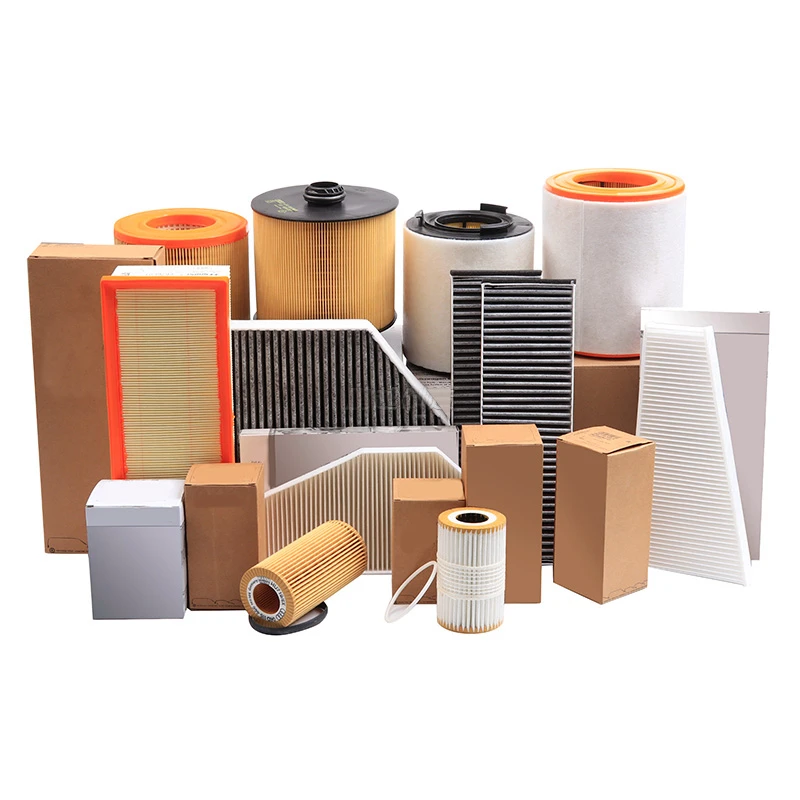
Understanding Advanced automotive filters in Modern Vehicles
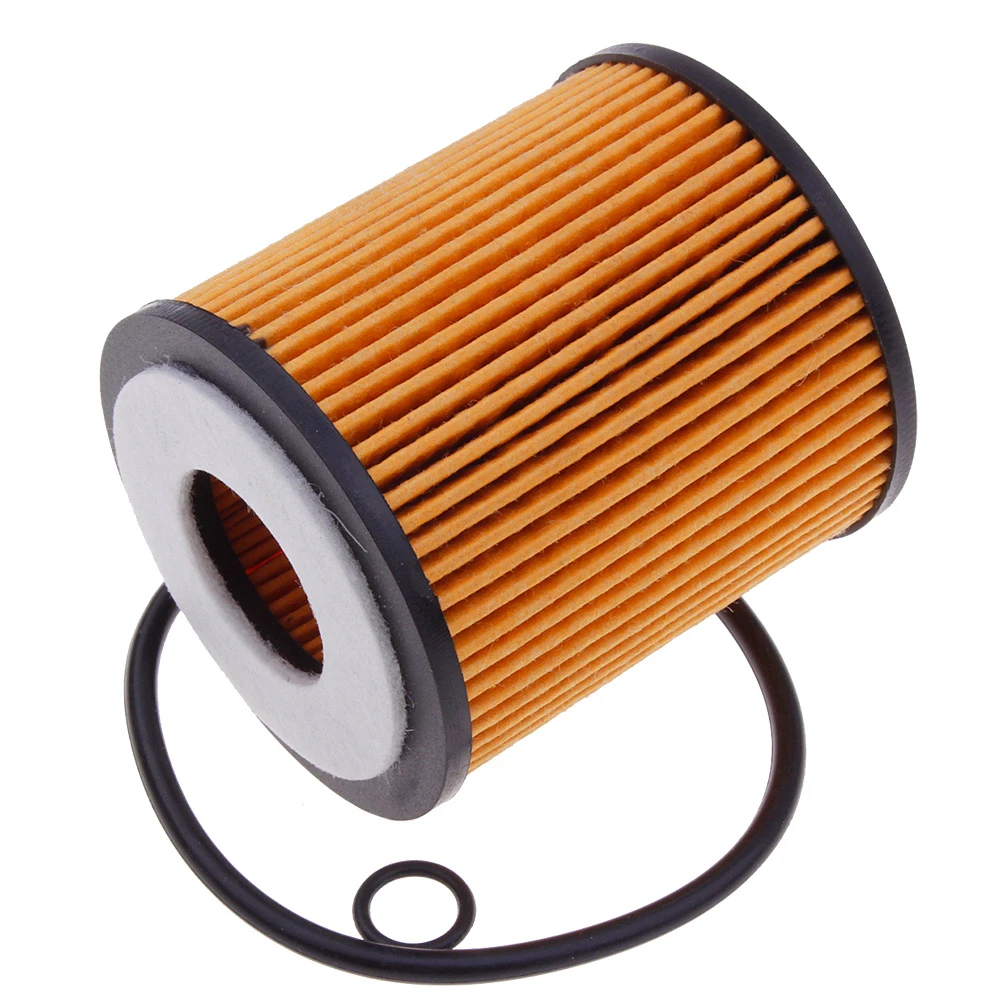
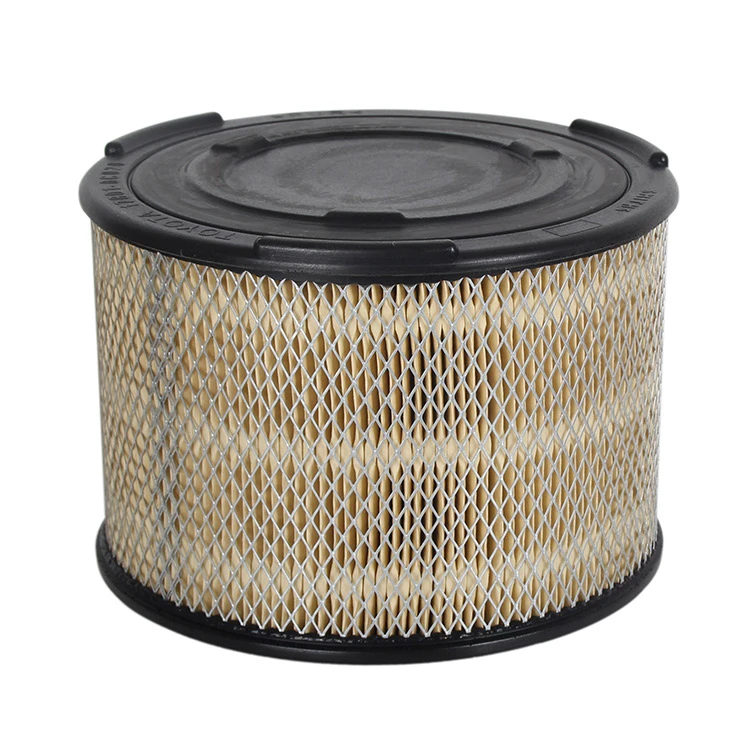
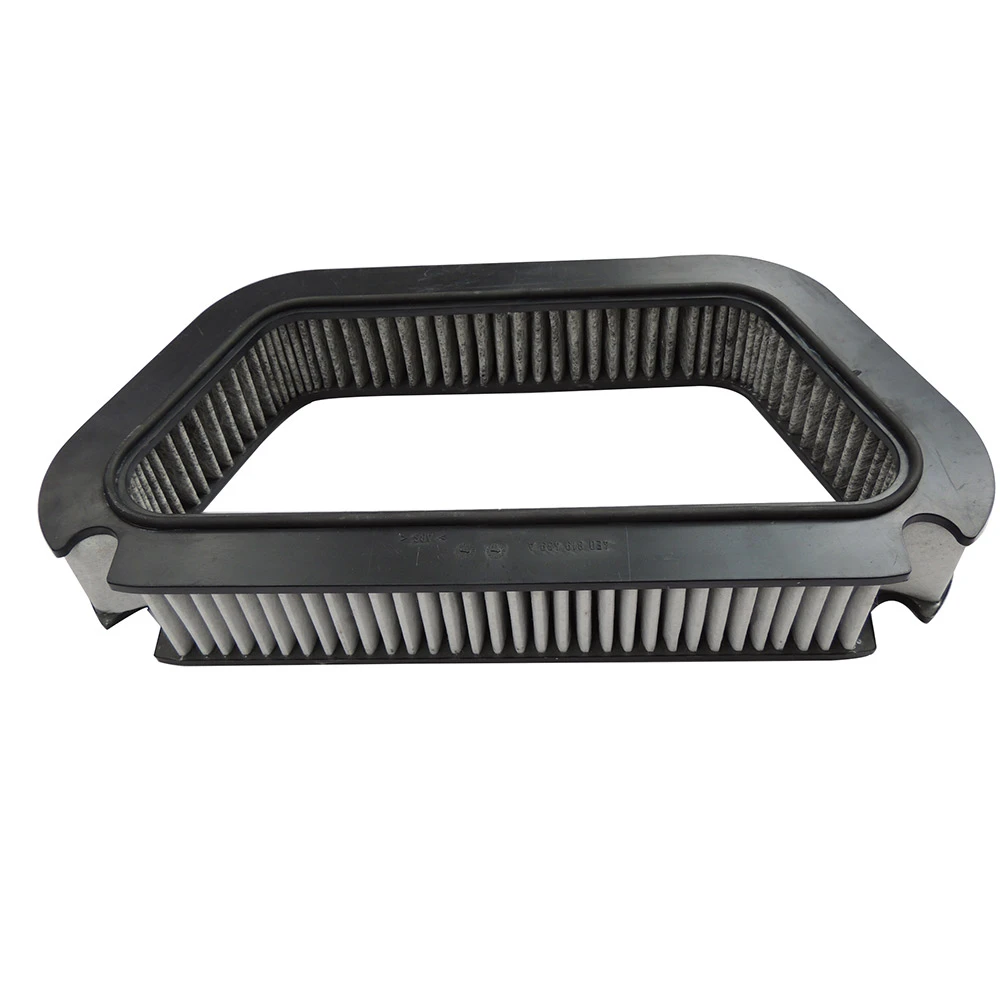
In the intricate ecosystem of modern vehicle propulsion systems, the role of filtration cannot be overstated. Specifically, automotive filters, particularly the car fuel filter, are paramount to ensuring engine longevity, optimal performance, and adherence to stringent emission standards. These critical components are designed to meticulously remove contaminants from fuel, air, and lubricants, safeguarding sensitive engine parts from wear and damage. As the automotive industry navigates towards more efficient and environmentally conscious solutions, the technology behind these filters continues to evolve, incorporating advanced materials and designs to meet escalating demands.
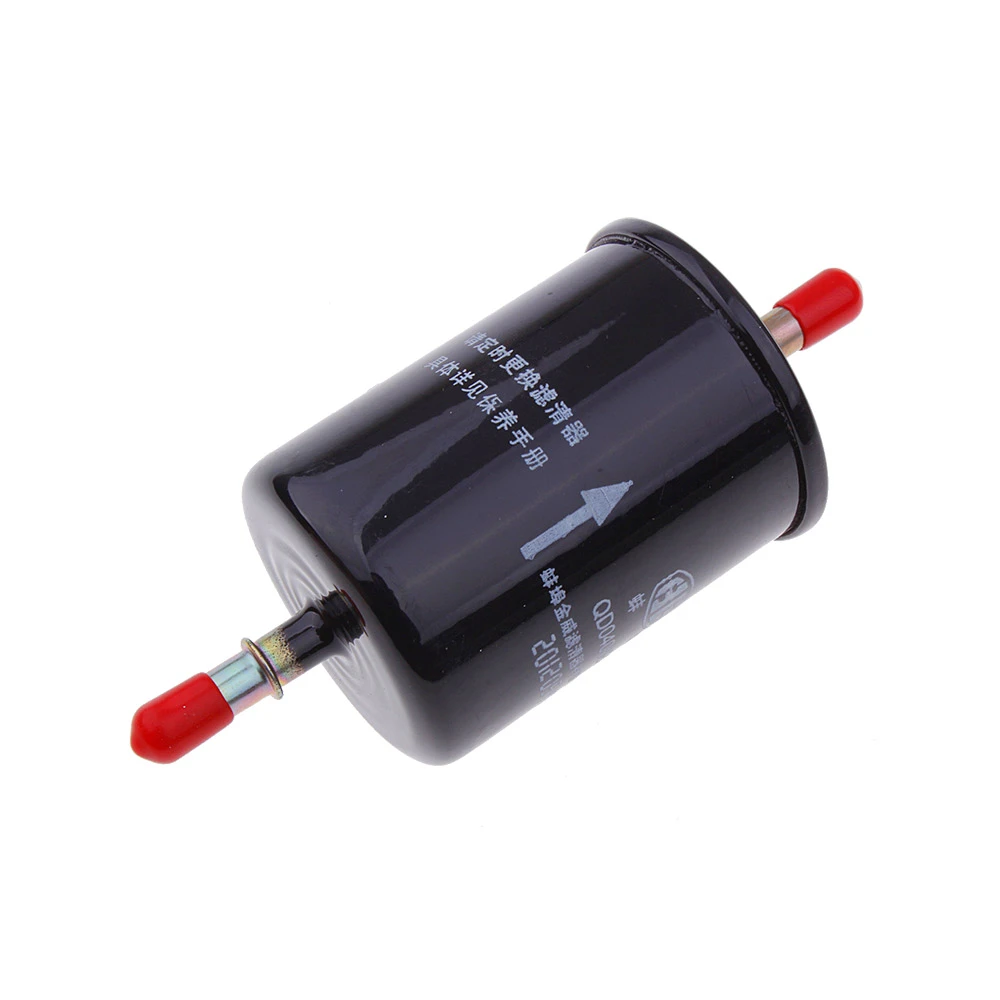
The demand for high-performance automotive filters is driven by several factors, including the increasing sophistication of fuel injection systems, the proliferation of biofuels, and the persistent need for extended service intervals. A robust car fuel filter, for instance, prevents abrasive particles like rust, dirt, and debris from reaching the fuel pump and injectors, components highly susceptible to damage from even microscopic contaminants. This protective function is crucial for maintaining consistent fuel delivery, preserving power output, and minimizing operational costs associated with premature component failure and repairs.
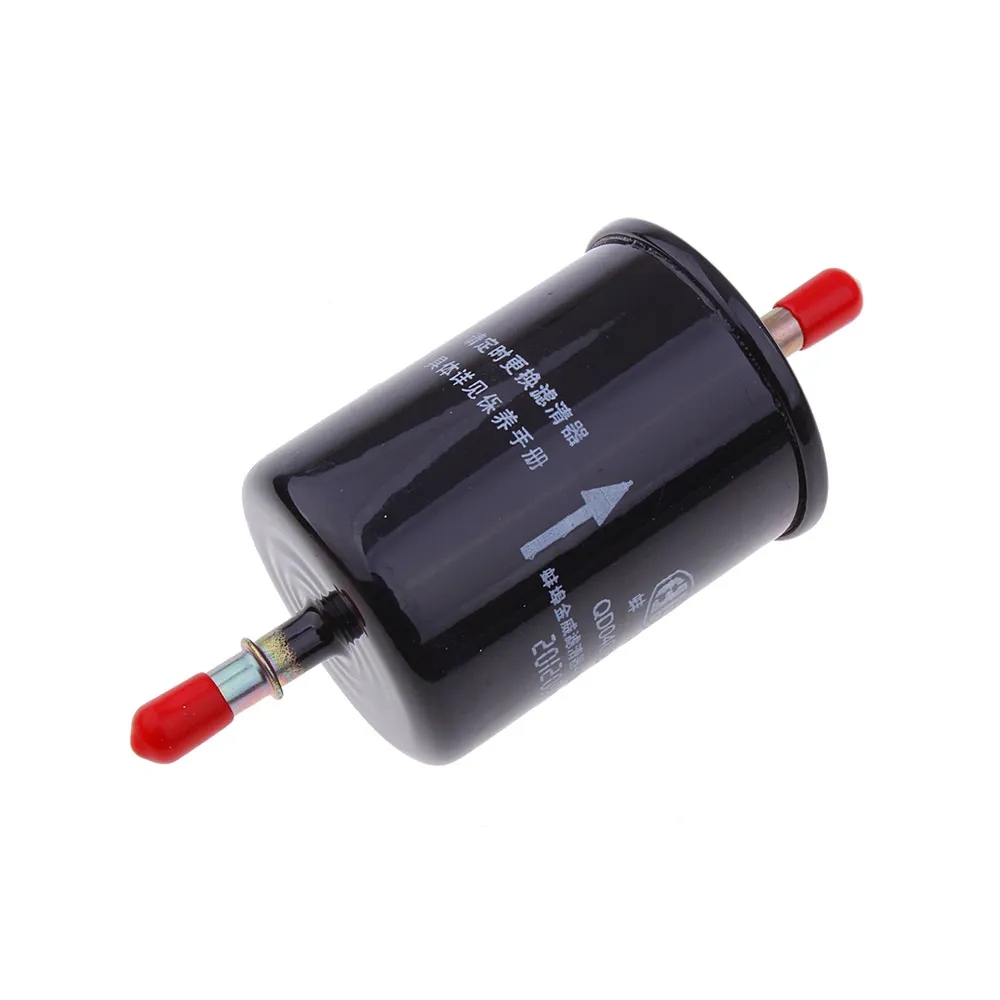
Industry Trends and Market Dynamics for Automotive Filters
The market for automotive filters is dynamic, influenced by technological advancements, environmental regulations, and shifting consumer preferences. Key trends include the widespread adoption of diesel particulate filters (DPFs) and gasoline particulate filters (GPFs) to meet Euro 6 and upcoming Euro 7 emission standards. There's a notable shift towards synthetic filter media, which offers superior filtration efficiency and longer service life compared to traditional cellulose-based media. This is particularly evident in high-performance applications where precise filtration is critical.
- ✓ Electrification's Impact: While electric vehicles (EVs) reduce the need for certain filters (e.g., fuel filters), battery thermal management systems and cabin air quality still require sophisticated filtration solutions, adapting the filter market rather than diminishing it entirely.
- ✓ Biofuel Compatibility: The increasing use of biofuels necessitates filter media capable of handling the unique chemical properties and potential for water contamination associated with these fuels. A specialized car fuel filter designed for ethanol or biodiesel blends prevents corrosion and microbial growth.
- ✓ Extended Service Intervals: Original Equipment Manufacturers (OEMs) are pushing for longer maintenance cycles, demanding filters with enhanced dirt-holding capacity and durability. This translates to a higher perceived value, despite potentially higher car fuel filter price points for premium products.
- ✓ Smart Filtration Systems: Integration of sensors for real-time monitoring of filter condition and pressure drop is an emerging trend, enabling predictive maintenance and optimizing filter replacement schedules.
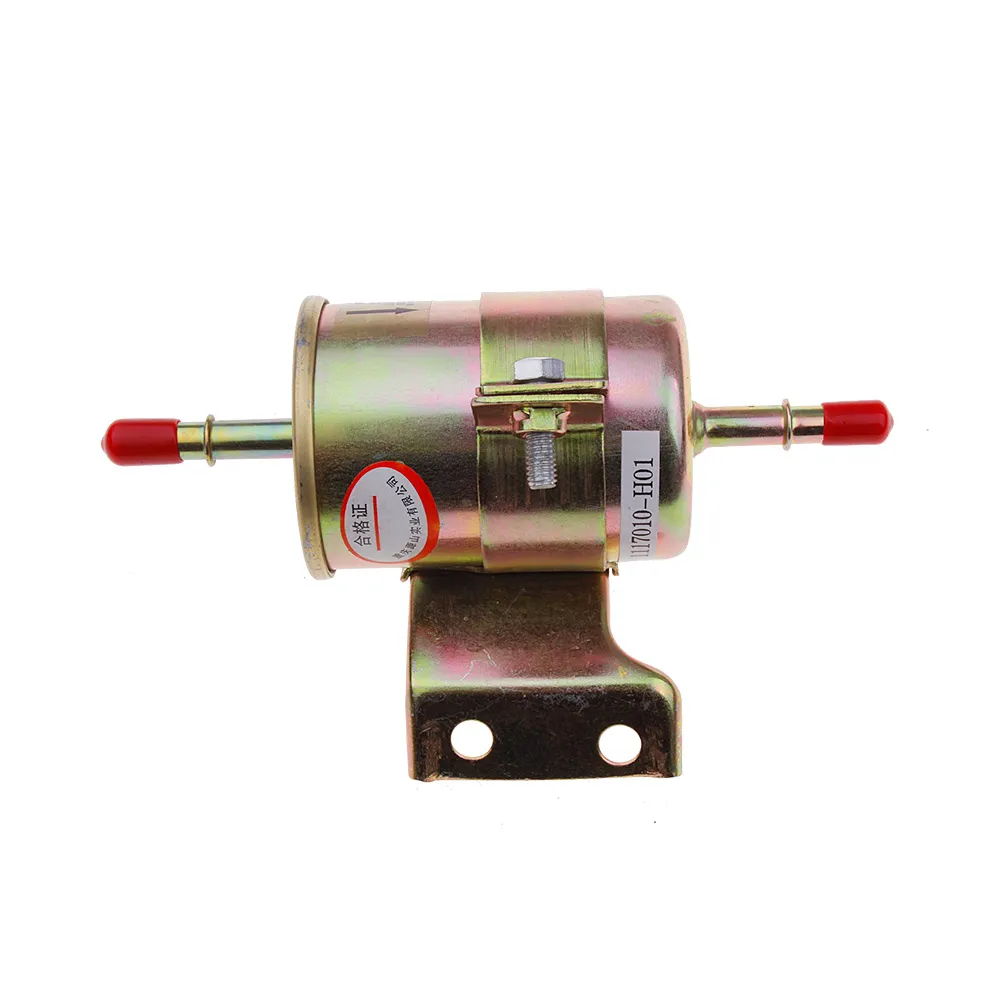
The market is also witnessing a demand for universal car fuel filter solutions that can be adapted across various vehicle models, offering flexibility for aftermarket suppliers and reducing inventory complexities. This often involves innovative designs that ensure compatibility without compromising performance.
The Manufacturing Process of Advanced Automotive Filters
The production of high-quality automotive filters involves a sophisticated multi-stage process, integrating material science, precision engineering, and rigorous quality control. The goal is to produce a durable, efficient, and reliable component capable of performing under demanding operational conditions.
Process Flow Schematic:
1. Material Selection & Preparation
High-grade filter media (cellulose, synthetic composites, glass fibers), metal housings (stainless steel, aluminum), and sealing materials (NBR, FKM). Precision cutting and pleating of media.
2. Media Pleating & Assembly
Filter media is precisely pleated to maximize surface area. End caps, often molded plastic or metal, are attached using robust adhesives or thermal bonding.
3. Housing Fabrication
Metal housings undergo processes like deep drawing or hydroforming for complex shapes. CNC machining ensures precise dimensions for critical interfaces, such as for an inline car fuel filter.
4. Sealing & Integration
The filter element is sealed within the housing using gaskets and O-rings, ensuring a leak-proof assembly. Welding (laser or ultrasonic) and crimping secure components.
5. Quality Control & Testing
Comprehensive testing including burst pressure, pulsation fatigue, filtration efficiency (e.g., multi-pass test), flow restriction, and integrity checks (e.g., bubble point test). Adherence to ISO 4548, ISO 16889, and SAE standards.
6. Packaging & Distribution
Final products are packaged to prevent contamination and damage during transit, ready for distribution to OEM lines and aftermarket channels.
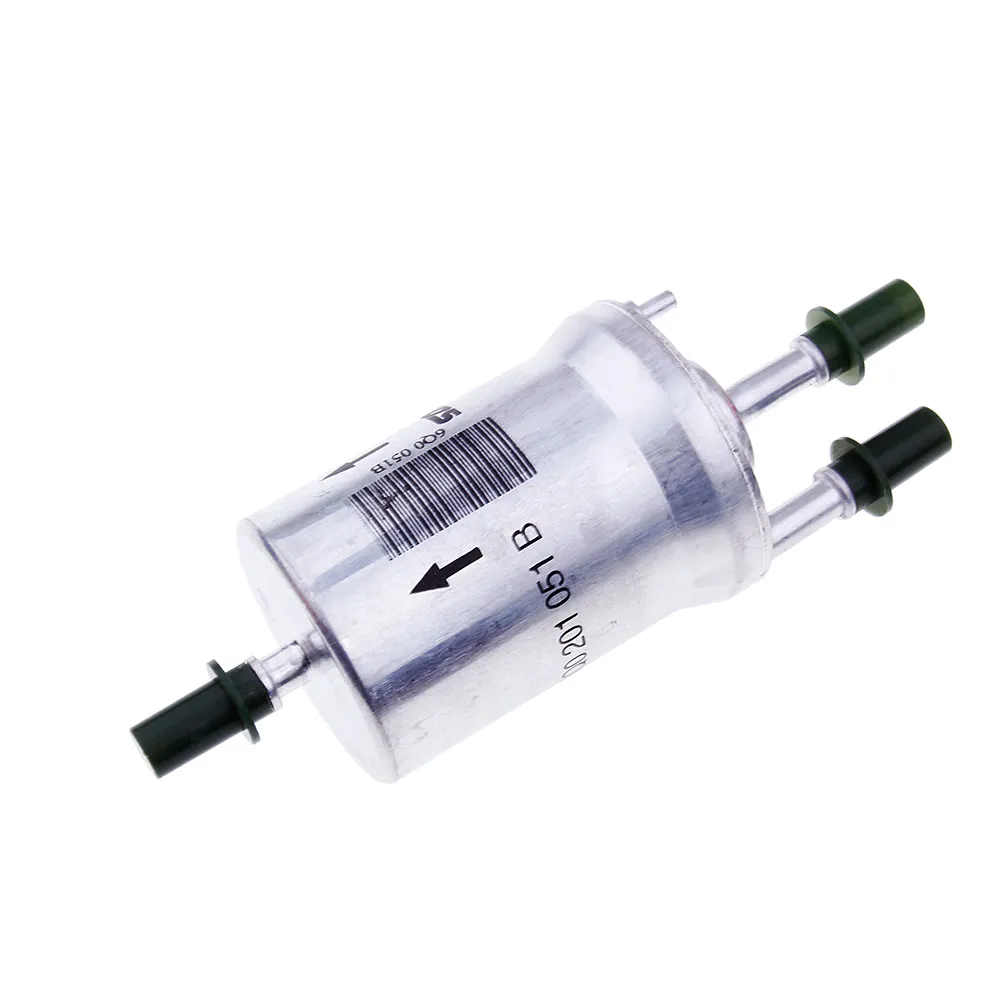
Target industries benefiting from these advanced automotive filters include:
- Automotive OEM: Providing first-fit solutions for new vehicle production lines.
- Aftermarket Service: Supplying replacement filters for maintenance and repair.
- Heavy Duty & Commercial Vehicles: Ensuring robust filtration for trucks, buses, and construction equipment.
- Marine & Power Generation: Specialized filters for engines operating in harsh environments.
Advantages demonstrated in typical application scenarios include significant energy saving through reduced engine friction and optimized combustion, as well as superior corrosion resistance due to advanced materials and coatings, extending the service life of both the filter and critical engine components.
Technical Specifications and Performance Metrics
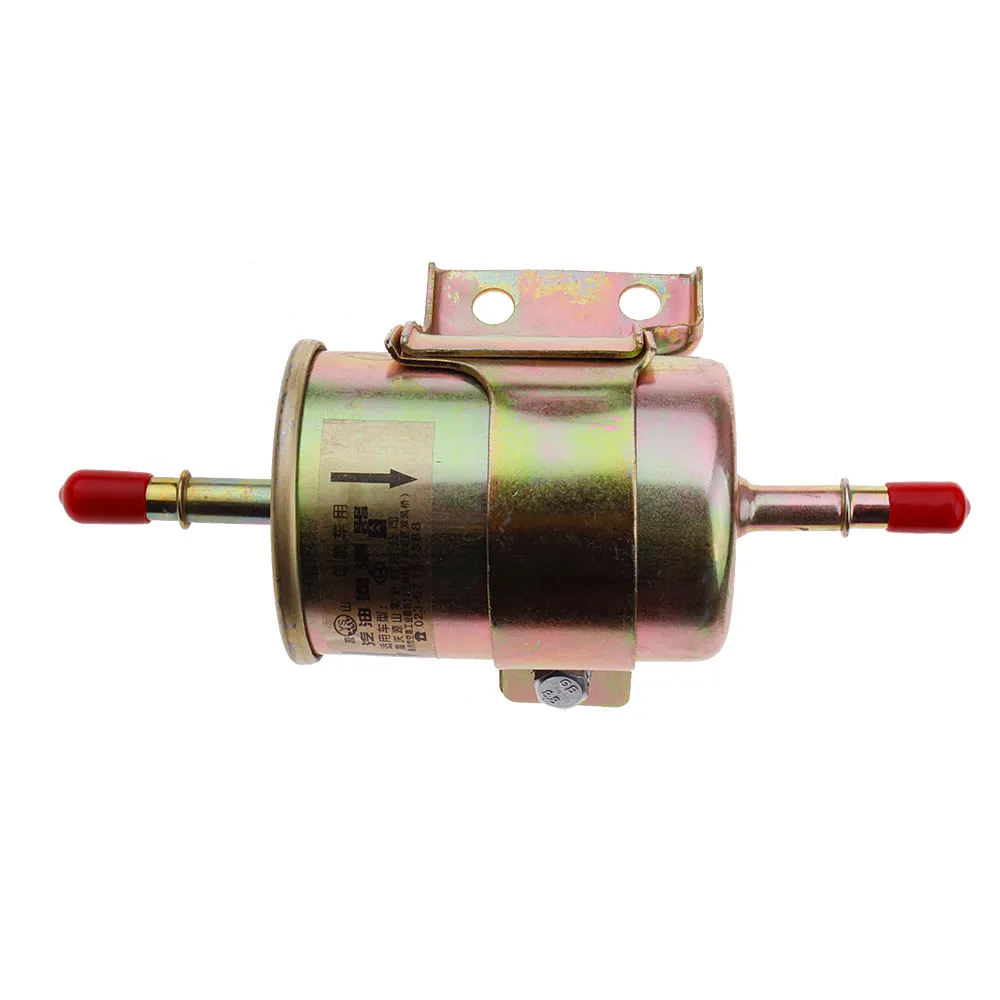
Understanding the technical specifications of a car fuel filter is crucial for selecting the appropriate product that meets the stringent requirements of modern engines. These parameters directly influence filtration efficiency, flow dynamics, and overall system protection.
Typical Car Fuel Filter Specifications
| Parameter | Description | Typical Range/Value |
|---|---|---|
| Filtration Efficiency | Ability to remove particulate matter at a specified micron size. | 98% @ 5-10 microns (multi-pass ISO 19438) |
| Flow Rate Capacity | Maximum fuel volume that can pass through without excessive pressure drop. | 150 - 250 L/h for passenger cars |
| Operating Pressure Range | The pressure range the filter can withstand during normal operation. | Up to 6 bar (87 psi) for gasoline, 10 bar (145 psi) for diesel |
| Burst Pressure | Pressure at which the filter housing or media fails. | > 15 bar (217 psi) |
| Water Separation Efficiency | Ability to separate water from fuel (critical for diesel applications). | > 95% (ISO 4020) |
| Service Life / Change Interval | Recommended mileage or time before replacement. | Typically 60,000 - 100,000 km or 2-4 years |
| Operating Temperature Range | Environmental temperature range for reliable operation. | -30°C to +100°C |
These specifications are critical for ensuring the chosen filter is compatible with the vehicle's fuel system and can adequately protect its components. For instance, the filtration efficiency directly impacts the cleanliness of the fuel delivered to injectors, while burst pressure ensures the filter's structural integrity under operational stresses. An inline car fuel filter must meet rigorous standards to prevent leaks and maintain consistent flow.
Application Scenarios and Technical Advantages
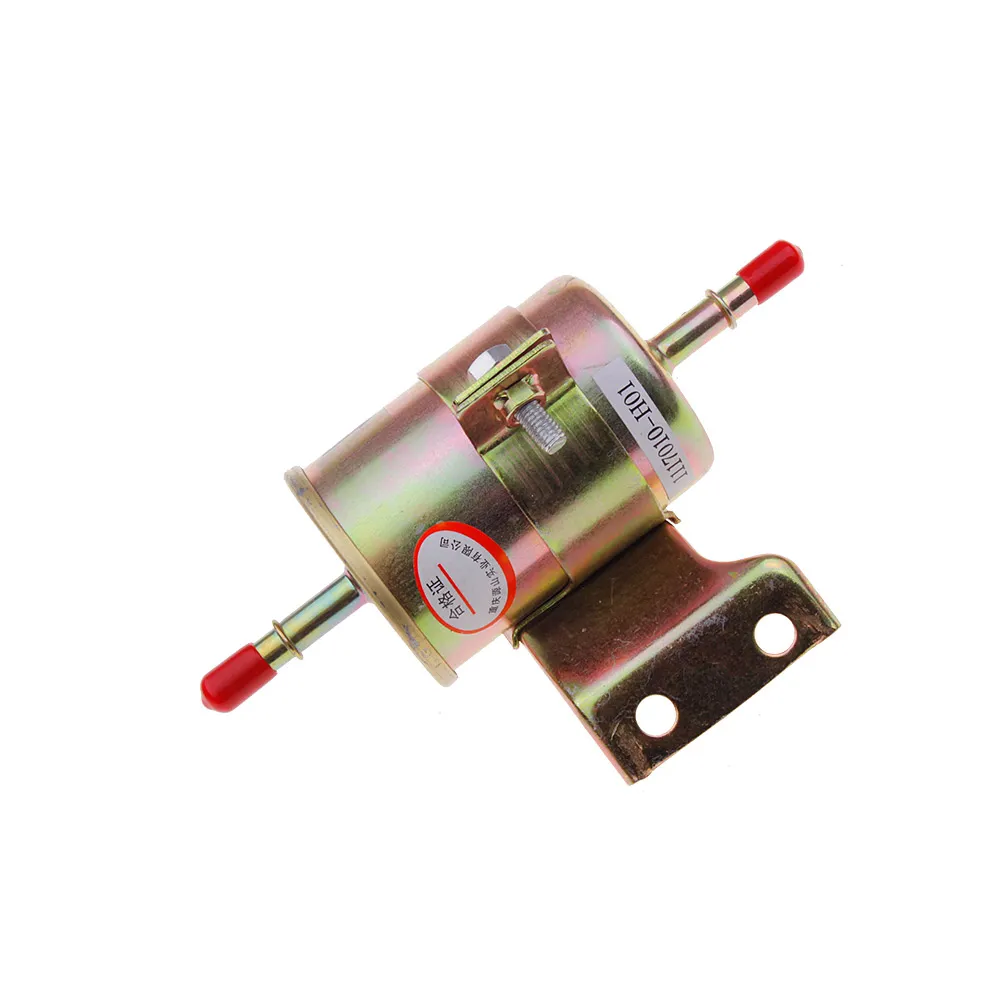
The application of high-quality automotive filters extends across various vehicle types and operational environments, each demanding specific characteristics from the filtration system.
- Passenger Vehicles: Ensuring optimal performance for gasoline and diesel engines, protecting delicate fuel injectors from micro-contaminants that can lead to misfires, reduced fuel efficiency, and costly repairs. The right car fuel filter directly impacts long-term vehicle reliability.
- Commercial Fleets (Trucks & Buses): Critical for maintaining uptime and reducing operational expenses. Diesel fuel filters with advanced water separation capabilities prevent common rail system damage, while extended-life filters match prolonged service intervals, making the car fuel filter price a long-term investment rather than an immediate cost.
- Off-Highway Equipment (Construction & Agriculture): Operating in harsh, dusty, and often remote conditions, these applications require highly robust filters that can withstand extreme vibration, temperature fluctuations, and heavy particulate loads, including effective air and hydraulic filters.
- Specialty Vehicles (Emergency Services, Military): Reliability is paramount. Filters must perform flawlessly under critical conditions, preventing engine failure due to contaminated fuel or air, guaranteeing operational readiness.
Technical Advantages:
- ✓ Enhanced Engine Protection: Superior filtration media efficiently captures microscopic particles, preventing wear and tear on fuel pumps, injectors, and other precision components, significantly extending engine life.
- ✓ Optimized Fuel Efficiency: A clean fuel supply ensures complete combustion, leading to better fuel economy and reduced emissions. Clogged filters restrict fuel flow, forcing the pump to work harder and reducing efficiency.
- ✓ Reliable Cold Start Performance: Efficient water separation prevents freezing in colder climates, which can cause significant damage and operational downtime, especially for diesel engines.
- ✓ Reduced Maintenance Costs: By preventing damage to expensive engine components, high-quality filters reduce the frequency and cost of repairs, contributing to a lower total cost of ownership.
- ✓ Environmental Compliance: Contributing to lower emissions by ensuring efficient combustion and preventing particulate matter from reaching sensitive catalytic converters or DPFs.
Vendor Comparison and Customized Solutions
The market for automotive filters is competitive, with numerous manufacturers offering a range of products. When selecting a vendor, B2B decision-makers must consider factors beyond just car fuel filter price, including product quality, technical support, customization capabilities, and compliance with international standards.
Comparative Analysis of Filter Manufacturers (Illustrative)
| Feature/Criterion | Vendor A (Premium OEM Supplier) | Vendor B (Aftermarket Specialist) | JYFILTER (Focus on Customization) |
|---|---|---|---|
| Filtration Efficiency (Micron) | 5µm @ 99% (ISO 19438) | 10µm @ 95% (SAE J1858) | Customizable, e.g., 2µm - 20µm with >98% efficiency |
| Media Type | Multi-layer Synthetic Polymer | Cellulose / Blended Media | Synthetic, Cellulose, Glass Fiber, or proprietary blends |
| Housing Material | Aluminum Alloy / High-Strength Composite | Coated Steel | Stainless Steel, Aluminum, Nylon Composite, Corrosion-resistant Alloys |
| Customization Options | Limited to High-Volume OEM Orders | Standard Sizes Only | Extensive: Media, Size, Port Type, Pressure Rating, Material, Sensor Integration |
| Certifications | ISO/TS 16949, VDA 6.3 | ISO 9001 | ISO 9001, CE, RoHS, Custom OEM Compliance |
| Lead Time (Typical) | 6-8 Weeks (Standard) | 2-4 Weeks (Standard) | 4-6 Weeks (Standard), 8-12 Weeks (Custom) |
Customized Solutions
Recognizing that off-the-shelf solutions may not always meet specialized requirements, we offer comprehensive customized solutions for automotive filters. This includes:
- Tailored Filtration Media: Developing proprietary media blends to achieve specific micron ratings, dirt-holding capacities, or chemical compatibilities for unique fuel types (e.g., specialized biofuels or alternative fuels).
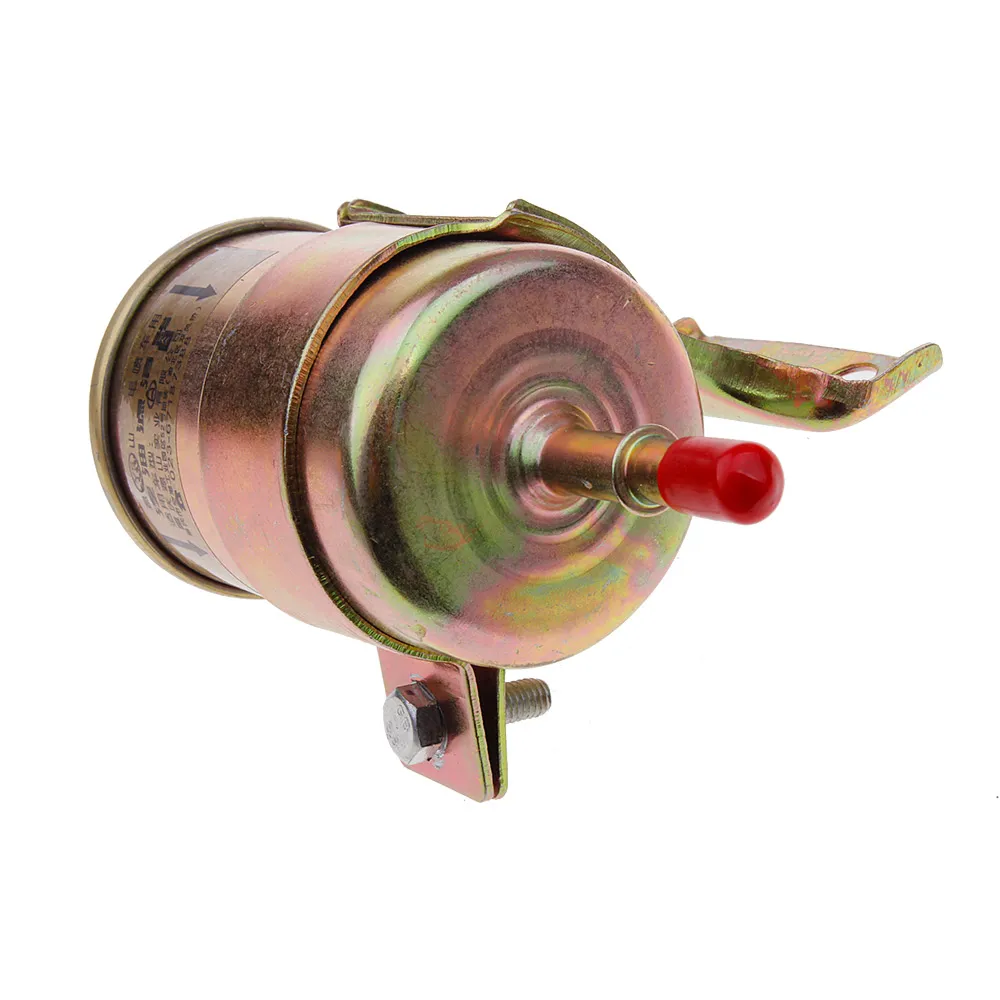
- Application-Specific Designs: Engineering filters with custom dimensions, port configurations, and mounting options to seamlessly integrate into existing engine compartments, whether it's an inline car fuel filter or an in-tank module.
- Material Optimization: Selecting housing materials resistant to extreme temperatures, aggressive chemicals, or severe vibration, enhancing durability and extending service life in challenging environments.
- Integrated Sensor Technology: Incorporating pressure differential sensors, water-in-fuel sensors, or clogging indicators to enable real-time monitoring and predictive maintenance for mission-critical applications.
Our approach emphasizes collaborative design, rapid prototyping, and extensive validation to ensure customized filters meet or exceed OEM specifications and performance expectations, regardless of the target car fuel filter price point.
Application Case Studies and Customer Success
Real-world applications underscore the tangible benefits of high-performance automotive filters. Our commitment to quality and engineering excellence is reflected in the success stories of our diverse clientele.
Case Study 1: Heavy-Duty Truck Fleet Fuel System Protection
A major logistics company operating a fleet of 500 diesel trucks faced recurring issues with premature injector wear and fuel pump failures, leading to significant downtime and maintenance costs. After an analysis, it was determined that their existing car fuel filter solutions were insufficient for the quality of diesel fuel available in certain regions.
- ● Solution Implemented: We provided a customized two-stage diesel automotive filters system with enhanced water separation efficiency (98% removal) and a finer primary filtration stage (5 micron absolute). The new filter was designed for an extended service interval of 80,000 km, integrated with a water-in-fuel sensor.
- ● Results: Over 12 months, the fleet reported a 45% reduction in fuel injector replacements and a 30% decrease in fuel pump related failures. Overall maintenance costs decreased by 20%, significantly improving fleet uptime and operational efficiency. Customer feedback highlighted the exceptional durability and consistent performance.
Case Study 2: Performance Enhancement for Specialty Racing Vehicles
A professional racing team sought to optimize fuel delivery and protect high-performance engines from even minute contaminants that could compromise engine power and reliability during critical races. Standard automotive filters were causing a slight, but measurable, pressure drop affecting fuel pressure at peak RPM.
- ● Solution Implemented: We engineered an ultra-low restriction, high-flow inline car fuel filter using advanced stainless steel mesh media with a 10-micron nominal rating, housed in a lightweight, anodized aluminum casing. The design prioritized maximum flow rate with minimal pressure differential, crucial for competitive racing.
- ● Results: Dyno testing showed a marginal but consistent increase in horsepower (0.5-1.0%) due to optimized fuel pressure stability. More importantly, the team experienced zero fuel system failures attributed to contamination over two full racing seasons, ensuring consistent peak performance. The car fuel filter price was justified by the competitive edge and reliability gained.
Trustworthiness: FAQ, Lead Time, Warranty, and Support
At JYFILTER, we understand that trust is built on transparency, reliability, and robust support. Here's what you can expect when partnering with us for your automotive filters needs.
Frequently Asked Questions (FAQ)
Q: What makes your car fuel filter superior to generic alternatives?
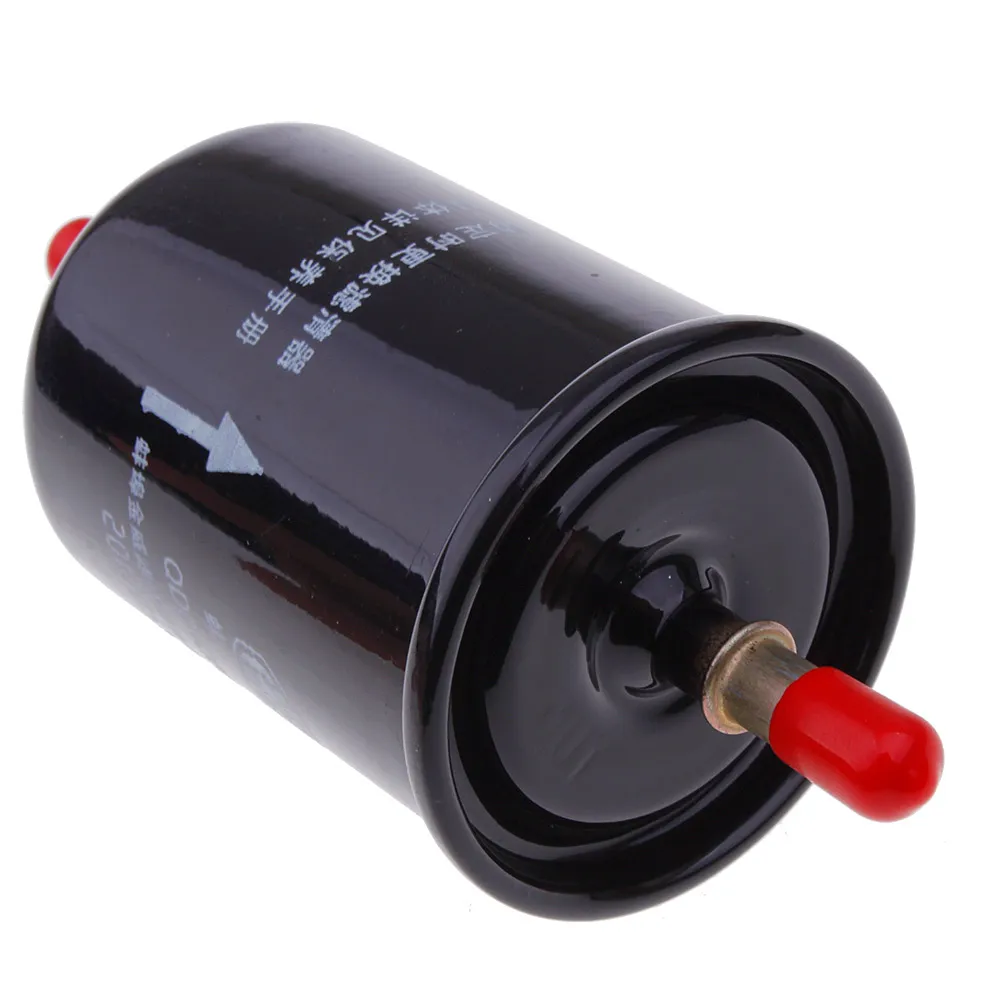
A: Our filters utilize advanced multi-layer synthetic media, engineered for higher efficiency and dirt-holding capacity compared to standard cellulose. This results in superior protection against contaminants, optimized fuel flow, and extended service intervals, often justifying a slightly higher car fuel filter price through long-term savings. Each filter undergoes rigorous ISO-compliant testing to ensure performance.
Q: Can you develop a custom universal car fuel filter for our specific vehicle line?
A: Absolutely. Our engineering team specializes in customized filtration solutions. We work closely with clients to understand their unique requirements – from specific fuel types and environmental conditions to precise dimensions for an inline car fuel filter – to design, prototype, and manufacture filters that integrate seamlessly and perform optimally.
Q: What are your typical lead times for bulk orders?
A: For standard bulk orders of existing products, our lead time typically ranges from 4 to 6 weeks. For custom-designed automotive filters, the lead time can be 8 to 12 weeks, depending on complexity, requiring design, prototyping, testing, and production setup. We maintain transparent communication regarding all lead times.
Warranty Commitments
We stand by the quality and performance of our automotive filters. All products are covered by a comprehensive 12-month or 20,000 km (whichever comes first) manufacturer's warranty against defects in materials and workmanship. This warranty underscores our confidence in the rigorous quality control and manufacturing processes that each car fuel filter undergoes. Specific OEM-agreed warranty terms may vary for bespoke solutions.
Customer Support & After-Sales Service
Our commitment extends beyond product delivery. We provide dedicated technical support, assisting clients with product selection, installation guidance, and troubleshooting. Our global network ensures prompt response times, and we offer comprehensive after-sales service, including performance analysis and field support, to ensure maximum uptime and customer satisfaction. Reach out to our expert team for any inquiries regarding your automotive filters needs.
References
- International Organization for Standardization (ISO) – ISO 19438:2022, Diesel fuel filters for internal combustion engines – Filtration performance testing.
- Society of Automotive Engineers (SAE) – SAE J1858, Fuel Filter Test Procedure (Gasoline and Diesel).
- Mann-Filter Global Filtration Know-How – Technical articles on fuel filtration for modern engines.
- Mahle GmbH – Filtration Technology in the Automotive Industry.
- European Automobile Manufacturers' Association (ACEA) – Emissions Standards and Future Technologies.
-
Guide on how often do you need to replace engine air filterNewsApr.16,2026
-
Learn how often do you replace air filter in car for engine healthNewsApr.09,2026
-
How Often Do You Replace Car Air Filter For Optimal Engine PerformanceNewsApr.07,2026
-
How Often Do You Replace Engine Air Filter For Optimal Vehicle PerformanceNewsApr.04,2026
-
Understanding How Often Does Engine Air Filter Need to Be Replaced for Optimal PerformanceNewsMar.31,2026
-
How Often Engine Air Filter Change Impacts Performance and LongevityNewsMar.28,2026
-
Understanding How Often to Replace Your Car Air Filter for Optimal PerformanceNewsMar.26,2026
Related Products